Common Misconceptions About Linen Care Explained With Tips For Maintaining Its Natural Texture And Durability
Linen creases, softens and shifts with wear, but does it really lose its shape? From elbow bagging to ironing and washing, these 10 fabric-care myths explain what linen actually does and how to keep it looking good for longer.
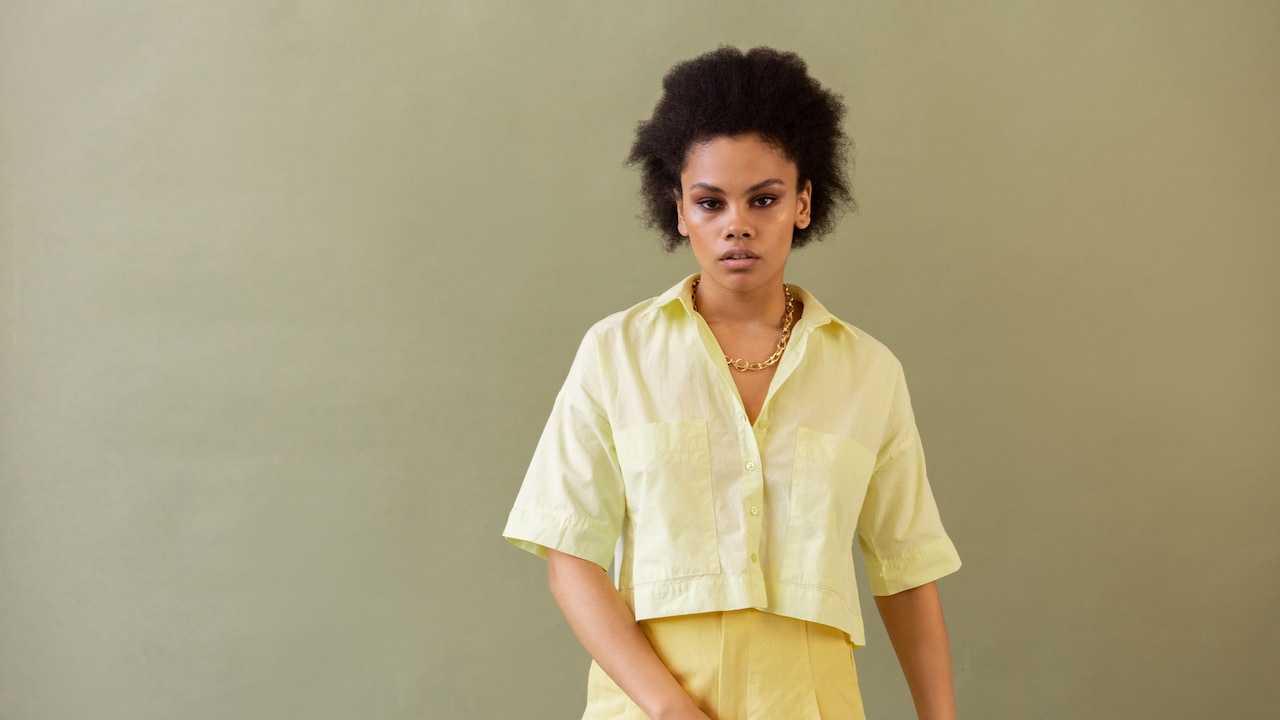
Why Does Linen Stretch And Crease? 10 Fabric-Care Myths Explained
Linen has a slightly complicated reputation. We love its breezy texture, relaxed drape, and ability to make even a simple shirt look polished. Then, halfway through the day, the elbows look softer, the knees seem less crisp, and creases appear in places that looked perfectly smooth that morning. Suddenly, that elegant linen outfit seems to have developed a personality of its own. This is where plenty of fabric-care myths begin. Linen bags permanently. Linen should always go to the dry cleaner. More ironing keeps it sharper. Hot water cleans it better. Fabric softener makes it luxurious. Some of these beliefs contain a small grain of truth, but treating them as universal rules can shorten the life of good linen rather than protect it. Linen behaves differently from cotton, polyester and stretchy blends because its fibres respond to pressure, moisture and movement in distinctive ways. Understanding those quirks makes caring for linen far easier. So, before blaming the fabric for every wrinkle, stretched elbow or slightly relaxed waistband, it helps to separate normal linen behaviour from genuine fabric damage.
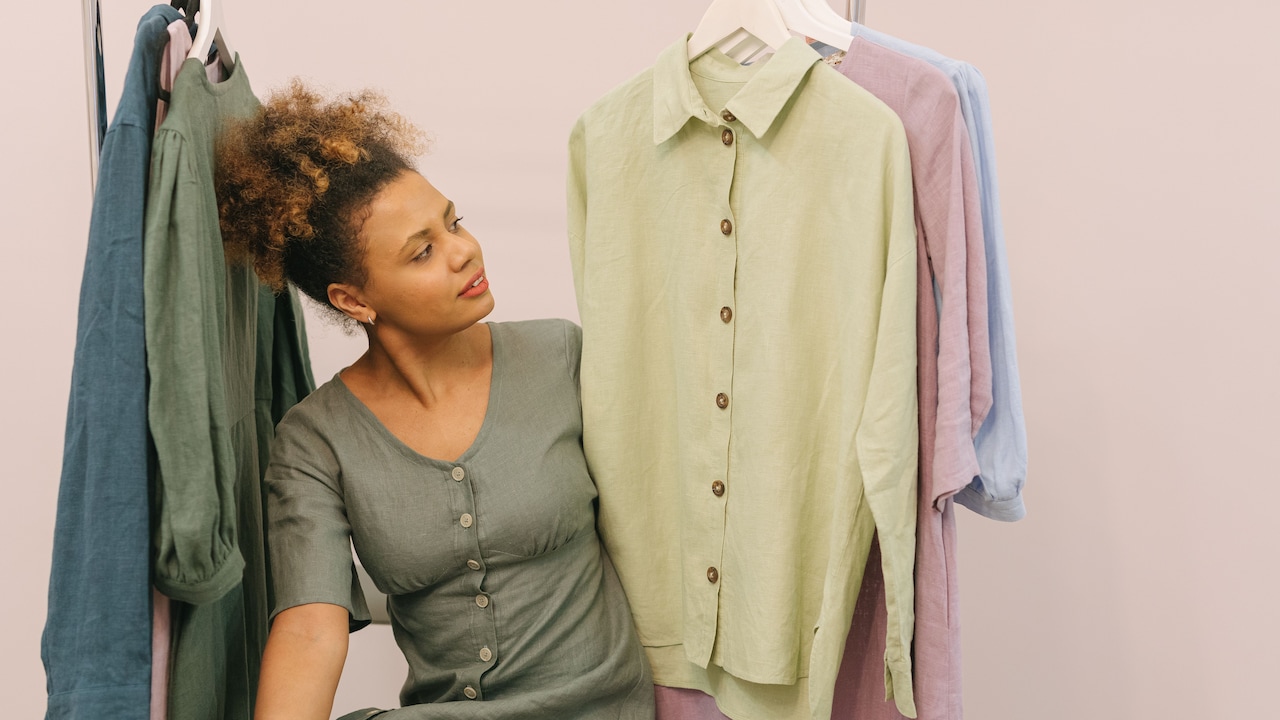
Why Does Linen Stretch And Crease? 10 Fabric-Care Myths Explained; Photo Credit: Pexels
10 Linen Care Myths That Could Be Doing More Harm Than Good
Myth 1: Linen Always Bags Permanently At The Elbows And Knees
Sit at a desk for a few hours in linen trousers and the knees may start looking slightly rounded. Wear a linen shirt through a long workday and the elbows can develop a similar softened shape. That doesn't automatically mean the garment has stretched beyond repair.
Linen fibres have relatively little natural elasticity. When the fabric repeatedly bends around joints, pressure temporarily pushes fibres into a different position. This creates the familiar bagged appearance around knees, elbows or the seat of trousers. In many well-made garments, washing, steaming or lightly pressing the area helps the fibres settle back.
Construction matters too. Loose linen weaves and lightweight fabrics tend to show movement more clearly than dense, heavier linen. Garments cut very close to the body also experience more tension.
Permanent distortion becomes more likely when the fabric repeatedly faces excessive strain. Trousers that feel tight across the knees or shirts that pull across the elbows will naturally suffer more. The answer isn't avoiding linen. Choosing an appropriate fit and giving garments time to recover between wears can make a considerable difference.
Also Read: How To Style Linen Shirts Without Looking Crumpled By Noon: Smart Choices Revealed
Myth 2: Every Linen Crease Means The Fabric Is Poor Quality
A freshly ironed linen shirt can look immaculate at breakfast and considerably more relaxed by lunchtime. That change sometimes gets interpreted as evidence of cheap fabric. In reality, wrinkling is one of linen's most recognisable characteristics.
Flax fibres don't have the same springiness as many synthetic fibres. When linen bends, it tends to hold that fold rather than bouncing completely back. Sitting, leaning against a chair, carrying a bag or simply bending your arms can therefore create visible lines.
Quality affects how linen feels, drapes and ages, but expensive linen can still crease. In fact, a completely wrinkle-resistant garment sold as linen deserves a closer look at the fibre composition. It may contain synthetic fibres or have undergone finishing treatments that change how it behaves.
There is also a difference between natural rumpling and excessive distortion. Soft creases spread throughout the garment are normal. Deep, stubborn folds caused by poor storage or incorrect drying deserve attention.
Rather than trying to keep linen permanently flat, aim for a neat but natural finish. Linen usually looks best when allowed a little movement instead of being pressed into impossible perfection.
Myth 3: Linen Must Always Be Dry-Cleaned
A linen blazer with structured shoulders may need professional cleaning, but that doesn't mean every linen kurta, shirt, dress or pair of trousers belongs at the dry cleaner.
Many linen garments can handle gentle washing perfectly well. The care label remains the deciding factor because manufacturers consider more than the fibre itself. Linings, dyes, embroidery, interfacings, buttons and garment construction can all affect cleaning requirements.
For washable linen, cool or lukewarm water and a mild detergent generally make more sense than an aggressive cycle. Overcrowding the washing machine can encourage heavy creasing because garments don't have enough space to move freely.
Handwashing isn't automatically gentler either. Twisting, scrubbing and wringing wet linen can place considerable strain on the fibres. A properly selected delicate machine cycle may actually provide more consistent treatment.
Professional cleaning becomes useful for tailored pieces, delicate finishes or garments whose care labels specifically request it.
Treating all linen as fragile often creates unnecessary expense and effort. Linen fibres themselves can be surprisingly strong. What matters is matching the cleaning method to the actual garment rather than assuming the fabric name dictates one universal rule.
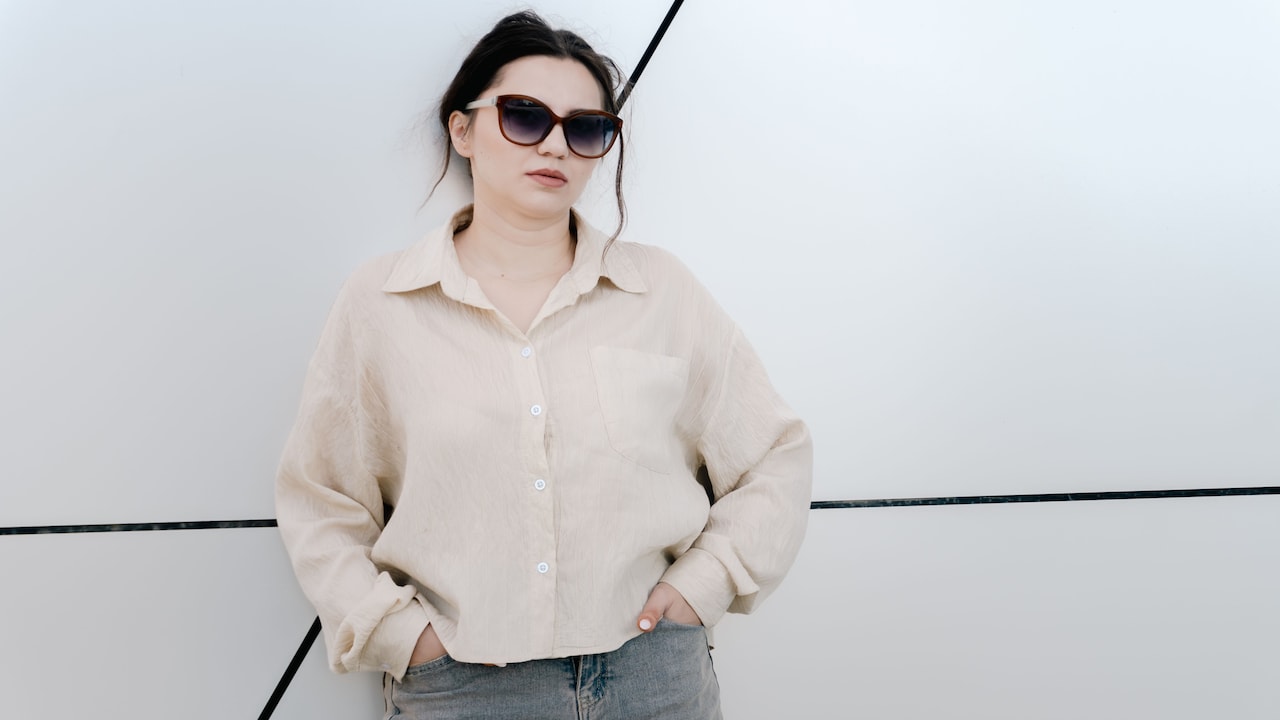
Why Does Linen Stretch And Crease? 10 Fabric-Care Myths Explained; Photo Credit: Pexels
Myth 4: Hot Water Cleans Linen Better
A stubborn collar mark can make very hot water seem tempting. Surely hotter water means deeper cleaning? Unfortunately, linen doesn't work quite that simply.
Excessive heat can encourage shrinkage, affect colour and place unnecessary stress on finishes. Linen can tolerate washing, but temperature still matters, particularly when dealing with dyed garments or pieces that haven't been pre-shrunk.
Cool or lukewarm water usually handles everyday sweat, dust and light marks when paired with an appropriate detergent. Stains deserve targeted treatment rather than turning the entire wash into a boiling-water experiment.
Another common mistake involves changing temperatures dramatically. Washing something in very hot water and following it with a different extreme can contribute to unnecessary fibre movement.
White household linen may sometimes tolerate warmer washing, depending on the manufacturer's instructions. Clothing requires more caution.
If a beloved linen shirt suddenly looks suspiciously smaller after laundry day, the fabric didn't necessarily betray anyone. The combination of heat, agitation and drying may have encouraged shrinkage.
Good fabric care rarely relies on brute force. Linen generally responds better to measured cleaning than maximum temperature.
Myth 5: Fabric Softener Makes Linen Softer And Better
Linen often becomes more comfortable with age, which leads to an understandable shortcut: if softness is good, adding fabric softener should make it even better.
Not necessarily.
Conventional fabric softeners work by leaving lubricating compounds on fibres. That coating can create an immediately smoother feel, but repeated use may affect linen's natural absorbency and breathability. For towels, napkins and summer clothing, those qualities are part of the reason linen feels so pleasant in the first place.
Good linen naturally softens through washing and use. The slightly crisp new-garment feel gradually relaxes without needing heavy conditioning products.
Overusing detergent can cause similar confusion. Residue left behind after washing may make fabric feel stiff, leading someone to add even more softener during the next wash. Better rinsing may solve the problem more effectively.
There's no need to turn linen into something slippery and synthetic-feeling. Its texture is supposed to have character.
When caring for linen, gradual softness tends to age better than artificially coating the fibres. Sometimes the nicest thing you can do for the fabric is simply let repeated wear and sensible washing do their job.

Why Does Linen Stretch And Crease? 10 Fabric-Care Myths Explained; Photo Credit: Pexels
Myth 6: Linen Should Be Ironed Until Completely Smooth
There is something deeply satisfying about watching a wrinkled linen shirt become crisp under an iron. The temptation is to keep pressing until every tiny line disappears.
That level of perfection isn't necessary.
Linen usually responds particularly well to ironing while slightly damp. Moisture helps relax the fibres, making stubborn wrinkles easier to smooth without excessive effort. A dry garment with deeply set creases may require more heat and repeated passes.
Constantly pressing the same area at unnecessarily high temperatures isn't good fabric care. Dark linen can also develop shine if aggressive ironing flattens the surface too much.
A pressing cloth can help protect delicate finishes, while ironing the garment inside out may reduce visible marks on darker colours.
Most importantly, linen will crease again when worn. Spending twenty minutes eliminating the final microscopic wrinkle only to sit in a chair five minutes later can become an oddly exhausting battle.
Aim for polished rather than clinically flat. Smooth the major wrinkles, straighten collars and seams, and allow the fabric's natural texture to remain visible. Linen looks refined without needing to imitate polyester.
Myth 7: A Tumble Dryer Will Always Ruin Linen
Putting linen into a tumble dryer isn't automatically catastrophic. The bigger issue is how much heat and drying time the garment experiences.
High temperatures can encourage shrinkage and make wrinkles more difficult to remove. Leaving linen tumbling until it becomes bone dry can also create deep creases, especially when several garments sit compressed together afterwards.
If the care label permits machine drying, a lower heat setting can work for certain items. Removing linen while slightly damp often makes smoothing and ironing easier.
Air drying remains an excellent option, but even that requires a little thought. Hanging a very heavy wet linen garment from narrow shoulders can pull it out of shape. Shirts benefit from being reshaped before drying, while some heavier pieces may fare better when supported properly.
Direct harsh sunlight can also affect certain dyes over time.
So, the real villain isn't simply “the dryer”. Excessive heat, prolonged drying and neglecting the garment afterwards create much of the trouble.
Whatever drying method you choose, reshape linen while it is still damp. A few seconds spent straightening seams can save plenty of wrestling with the iron later.
Myth 8: Linen Gets Weaker Every Time You Wash It
Some fabrics become tired-looking after frequent washing, so it seems reasonable to assume linen behaves the same way. Yet linen fibres can be remarkably durable, and they're actually stronger when wet.
That doesn't permit aggressive laundry habits, though.
Repeated washing itself isn't necessarily the problem. Strong bleaching agents, harsh detergents, overloaded machines, excessive spinning, and constant high heat can cause unnecessary wear. Abrasion also matters. Washing a delicate linen shirt alongside items with rough zips, hooks or heavy hardware isn't particularly kind to it.
Linen often becomes softer and more comfortable after several washes while retaining plenty of strength. This ageing process helps explain why well-maintained linen bedding and clothing can remain pleasant for years.
The distinction is between washing and mistreating. Clean linen can age beautifully. Linen constantly exposed to aggressive chemicals and mechanical strain may not.
Wash garments when they actually need cleaning rather than automatically after a brief wear. Airing a lightly worn piece can sometimes be enough.
Longevity comes from moderation. Linen doesn't need museum-level protection, but neither does it enjoy being thrown into every harsh wash cycle available.
Myth 9: Linen Blends Are Always Inferior To Pure Linen
“100% linen” sounds premium, while a linen blend may seem like the cheaper compromise. Yet fibre blends aren't automatically evidence of poor quality.
Blending linen with cotton can create a softer hand feel and may reduce some of linen's pronounced creasing. Linen-viscose blends can produce a more fluid drape, which suits dresses, wide-leg trousers and flowing shirts. Small amounts of elastane may add flexibility to fitted garments.
Synthetic blends can also increase wrinkle resistance, although larger synthetic proportions may reduce some of the breathability and moisture-handling qualities associated with linen.
Pure linen remains a great option when you want the classic texture, airy feel and characteristic ageing of flax. A blend can make more sense when shape retention, softness or easier maintenance matters more.
What matters is understanding what you're buying.
Look at the fibre composition rather than relying solely on marketing language. A garment described prominently as “linen blend” could contain a substantial amount of linen or only a modest percentage.
Fabric quality involves yarn, weave, finishing and construction as well as fibre percentages. Purity alone doesn't guarantee a better garment.
Myth 10: Once Linen Stretches Out, Nothing Can Fix It
That saggy-knee moment can be alarming. Linen trousers looked sleek in the morning, but by evening the knees appear slightly pouchy. Before declaring them permanently stretched, remember how linen reacts to movement.
Temporary distortion often improves after washing because moisture allows the fibres to reposition. Gentle steaming can also help smaller areas relax. After washing, reshape the garment carefully while damp rather than pulling or twisting it.
However, there are limits. If fibres have suffered repeated excessive tension, damaged yarns or distorted seams, home care cannot magically restore the original construction.
Prevention therefore matters. Avoid buying linen trousers so tight that sitting places constant stress across the knees and hips. Rotate frequently worn pieces rather than wearing the same garment day after day. Hang or fold them properly between uses so the fabric can recover.
Tailoring may help when a garment repeatedly develops shape problems because the fit itself is incorrect.
Linen moves because clothing moves. A little relaxation during wear is normal. Permanent distortion usually has more to do with prolonged strain, poor fit or incorrect care than some unavoidable flaw in the fabric.
Products Related To This Article
1. Roadster The Lifestyle Co. Solid Linen Shirt Style Longline Top
2. StyleCast x Revolte Men Casual Shirt
3. DressBerry Indigo Linen Blend Top
4. Roadster The Lifestyle Co Linen Relaxed-Fit Regular Trousers
5. DECKEDUP Linen Peplum Top
6. HIGHLANDER Highlander Men Cotton Linen Casual Relaxed Fit Shirt
7. StyleCast x Revolte Women Floral Semi Sheer Printed Casual Shirt
Linen doesn't need to remain perfectly crisp to stay beautiful. Creasing, softening, and small changes in shape often reflect the fabric's natural behaviour rather than damage. The bigger problems usually come from excessive heat, harsh washing, poor fit and attempts to force linen into behaving like a wrinkle-resistant synthetic.
Treat it gently without treating it as fragile. Wash according to the care label, control heat, reshape pieces while damp and accept a few well-earned creases. Linen tends to look better once we stop expecting it to spend the entire day looking freshly ironed.
(Disclaimer: This article may include references to or features of products and services made available through affiliate marketing campaigns. NDTV Convergence Limited (“NDTV”) strives to maintain editorial independence while participating in such campaigns. NDTV does not assume responsibility for the performance or claims of any featured products or services.)