Common Shoe Fit Mistakes That Cause Everyday Foot Pain And How To Avoid Them For Better Comfort
Foot pain does not always begin with a dramatic injury. Often, it starts with a shoe that looks right, feels almost fine, and quietly argues with the foot all day. Beyond size, these common fit mistakes can turn daily walking into a constant struggle.
Everyday Foot Pain: Small Shoe Fit Mistakes You Should Stop Ignoring
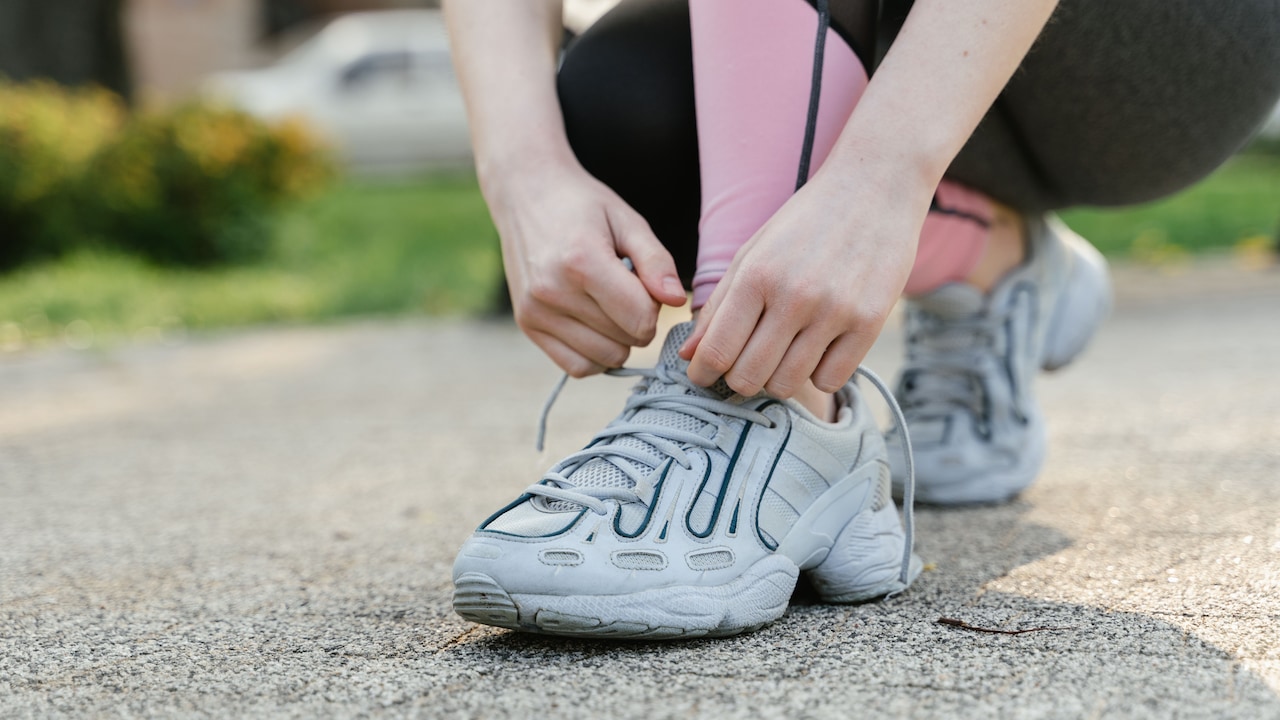
A pair of shoes can change the mood of an entire day. The right pair makes a long commute feel manageable, a market run feel breezy, and a wedding dance floor feel less like a punishment. The wrong pair, however, begins its drama before lunch. A pinch near the toes, a rub at the heel, a burning arch, or that familiar urge to remove shoes under the office desk can all come from one simple problem: poor fit. Most people know their shoe size by heart. It becomes almost a personal detail, like a birthday or tea preference. Yet shoe size tells only part of the story. Feet have width, shape, arch height, swelling patterns, pressure points, and moods of their own. A size 7 in one brand can feel like a polite hug, while another size 7 can feel like a crowded bus at peak hour. Every day, foot pain often hides in these small details. The mistakes look harmless, but the feet keep the receipts.
Everyday Foot Pain: Small Shoe Fit Mistakes You Should Stop Ignoring; Photo Credit: Pexels
Common Fit Mistakes That Quietly Hurt Your Feet
The Toe Box That Thinks It Is A Corridor
The front of a shoe should give toes room to spread, bend, and breathe. Yet many shoes treat toes like guests who arrived without invitation. A narrow toe box squeezes them together, especially during long walks, office hours, or festive events where standing becomes a full-time job.
This mistake often happens with pointed flats, slim formal shoes, and fashionable sandals that look elegant on display. They may feel fine for five minutes in a shop. By evening, they can create a dull ache, burning, or pressure around the big toe and little toe. Some people even blame “weak feet” when the real villain sits right at the front of the shoe.
A good fit leaves a little space ahead of the longest toe and enough width for the toes to sit naturally. The foot should not look like it has entered a strict hostel with no personal space. Style matters, of course. Comfort matters longer.
Also Read: Top 5 Running Shoes For Rainy Conditions Under ₹1,100
The Heel That Slips Like A Rickshaw On Wet Roads
A loose heel feels small at first. The shoe lifts slightly with every step, and the foot tries to grip harder to keep it in place. That quiet gripping can tire the toes, strain the arch, and cause blisters at the back of the foot. By the end of the day, walking can feel like a negotiation.
Heel slipping often happens when people buy a larger size to avoid tightness at the toes. The front feels better, but the back starts its own rebellion. The shoe may also slip because the shape does not match the heel, even when the length seems correct.
A well-fitted heel should feel secure without biting. It should hold the foot gently, not trap it like a suitcase zip. Lace-up shoes, adjustable straps, and cushioned heel grips can help, but they cannot rescue a shoe with the wrong shape. When the heel keeps escaping, the foot works overtime. Pain usually follows.
The Width Nobody Talks About
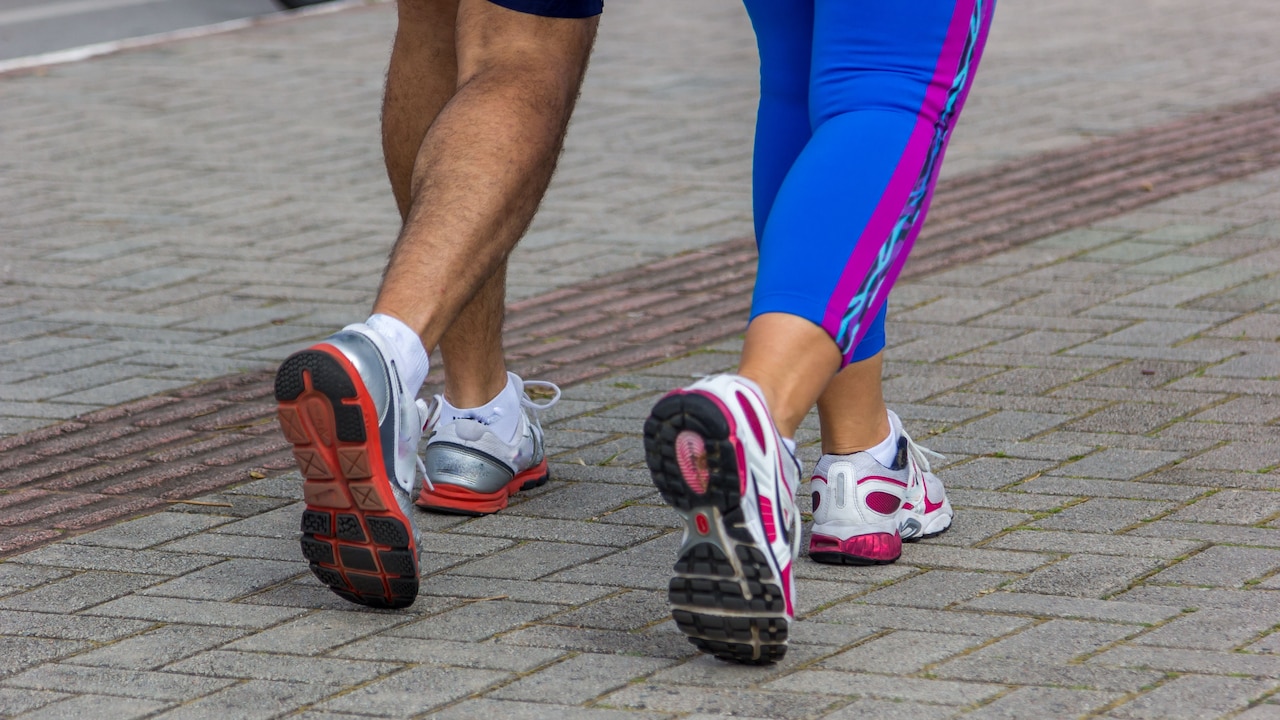
Shoe size gets all the attention, but width often causes the bigger trouble. Two people can wear the same size and still need completely different fits. One foot may sit narrow and neat, while another needs extra room across the ball of the foot. Ignoring width can lead to pressure, numbness, corns, and that unpleasant feeling of feet being pressed from both sides.
This matters even more during warm weather, long travel, and wedding season, when feet swell after hours of standing. A shoe that felt perfect in the morning can feel rude by evening. Many shoppers mistake tight width for “new shoe stiffness” and hope it will loosen. Sometimes it does. Often, it simply teaches the foot patience through pain.
The widest part of the foot should sit comfortably in the widest part of the shoe. No bulging, no squeezing, no red marks that resemble a map. Width may not sound glamorous, but it can decide whether a walk feels smooth or sour.
Everyday Foot Pain: Small Shoe Fit Mistakes You Should Stop Ignoring; Photo Credit: Pexels
The Afternoon Foot Test Most Shoppers Skip
Feet change through the day. After walking, sitting, travelling, and dealing with heat, they often swell a little. That is normal. The problem begins when shoes get bought early in the day, when feet sit at their smallest and most innocent. By evening, the same pair can feel like it belongs to someone with a grudge.
Trying shoes later in the day gives a more honest picture. It suits people who commute, stand at work, run errands, or attend long functions. The afternoon foot test also helps reveal tight straps, narrow fronts, and stiff soles before money leaves the wallet.
A shop trial should include more than standing in front of a mirror. Walk around. Turn. Bend the foot. Check whether toes press forward. Notice whether the heel slips. A shoe does not deserve applause just because it looks smart for thirty seconds. It must survive real life, including stairs, uneven pavements, and the sudden decision to chase an auto.
The Sock Gap That Changes Everything
Socks change fit more than people admit. A shoe tried with thin shop socks may feel very different with thick sports socks at home. A formal shoe worn without socks can rub the skin raw. A sneaker worn with the wrong socks can become tight across the toes. The small layer between foot and shoe can decide the whole experience.
This matters for school shoes, office shoes, gym trainers, and walking shoes. Even fabric makes a difference. Thick cotton can bunch up. Very thin socks can increase friction. Moisture can make rubbing worse, especially in humid weather or during long travel.
The best test is simple: try shoes with the type of socks usually worn with them. Sports shoes need sports socks during trial. Formal shoes need the usual office socks. Loafers need whatever will actually go inside them on a Monday morning. A good shoe-sock pairing feels boring in the best way. Nothing rubs, slips, pokes, or demands attention.
The Arch Support Myth That Trips People Up
Arch support has become a magic phrase. Many shoes advertise it, and many buyers chase it without knowing what their feet need. Some feet enjoy firm support. Others feel irritated by a raised arch that presses in the wrong place. Too much support can feel as uncomfortable as too little.
Flat feet, high arches, and neutral arches all respond differently to shoes. Pain under the arch, heel, or ball of the foot can come from a mismatch between foot shape and shoe structure. A soft slipper may feel cosy but offer no support during long walking. A rigid shoe may feel “healthy” but create pressure if it does not match the foot.
The right support should feel steady, not dramatic. The foot should feel guided, not bullied. For daily wear, choose shoes that hold the midfoot well and do not collapse inward after a few weeks. When pain continues despite careful choices, a foot specialist can help. Guesswork has limits, especially when every step complains.
The Sole That Bends In All The Wrong Places
A shoe sole should bend where the foot naturally bends, near the ball of the foot. When it folds in the middle like a tired chapati, the foot loses support. When it refuses to bend at all, walking feels stiff and heavy. Both extremes can create strain.
This mistake often hides in cheap flats, flimsy sandals, and overly rigid formal shoes. A very thin sole may look sleek, but it allows every stone, tile edge, and uneven pavement to join the conversation. On the other side, a hard sole can make the foot slap the ground instead of rolling smoothly.
Before buying, hold the shoe and bend it gently. It should flex at the front, not twist like rubber in every direction. The heel area should feel stable. Daily shoes need enough cushioning to soften impact and enough structure to guide movement. Feet enjoy freedom, but not chaos. A good sole offers both comfort and common sense.
The Strap Mark Everyone Pretends Is Normal
A strap mark after removing sandals often gets ignored. Many people treat it as normal, like traffic noise or relatives asking personal questions at family functions. Yet deep red lines, dents, or sore patches mean the shoe has spent the day pressing too hard.
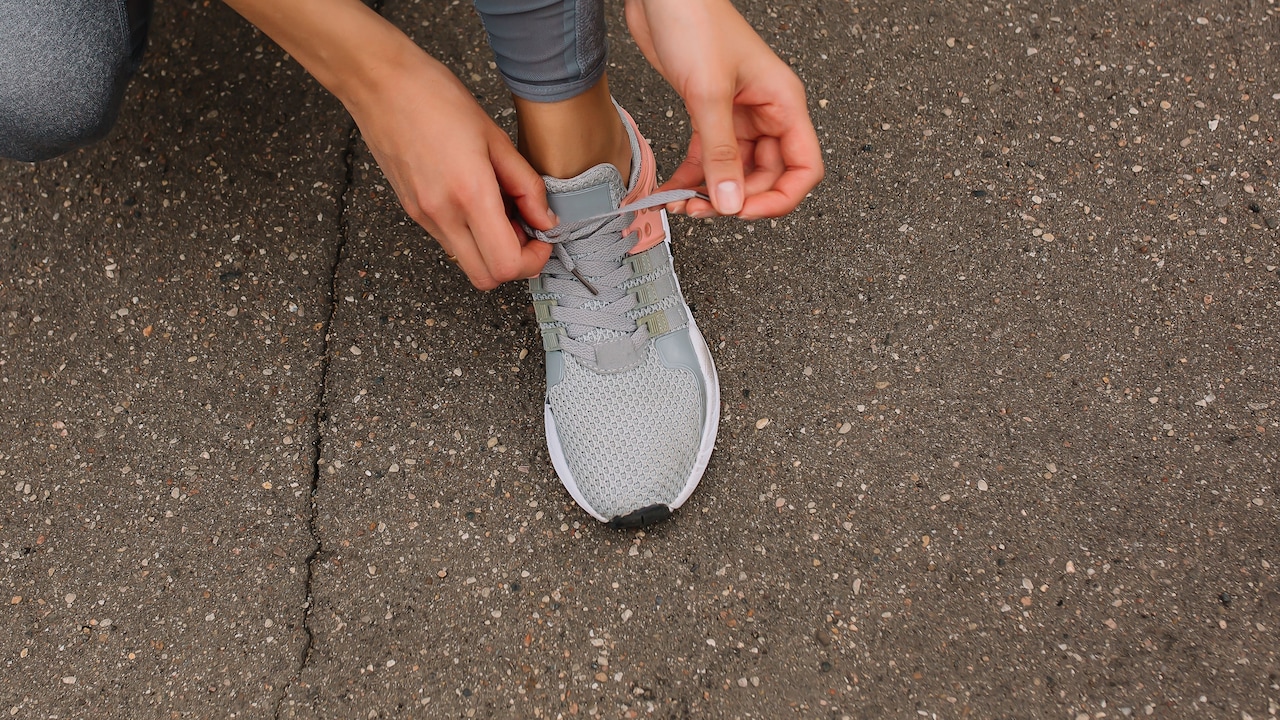
Straps can cause trouble across the toes, over the instep, around the ankle, or behind the heel. Tight straps restrict movement and circulation. Loose straps make the foot slide, which creates friction. Decorative straps can look pretty but behave like tiny ropes during long wear.
Adjustability helps. Buckles, Velcro, elastic panels, and soft linings can make sandals kinder to the foot. The strap should hold the foot in place without leaving a souvenir on the skin. This becomes especially important during summer, festive shopping, temple visits, and travel days when sandals stay on for hours. A sandal should not demand bravery. It should support the foot and then quietly mind its own business.
Everyday Foot Pain: Small Shoe Fit Mistakes You Should Stop Ignoring; Photo Credit: Pexels
The Old-Favourite Shoe That Has Retired
Every home has that one beloved pair. The faded sneaker. The soft slipper. The sandal that has survived rain, dust, errands, and emotional attachment. It knows the shape of the foot so well that replacing it feels disloyal. Sadly, comfort memories can fool the body.
Old shoes lose cushioning and support. Soles wear unevenly. Heel counters soften. The foot may start tilting without the wearer noticing. This can lead to heel pain, knee strain, arch fatigue, or ankle discomfort. The shoe still feels familiar, but it no longer does its job.
Check the sole pattern. If one side has worn down more, the shoe may alter the walking pattern. Press the midsole. If it feels flat and lifeless, it has probably retired without telling anyone. A favourite pair deserves respect, but not blind loyalty. Let it become a balcony shoe, a quick-errand shoe, or a memory. Daily feet need daily support.
The Occasion Shoe That Overstays Its Welcome
Occasion shoes often promise glamour and deliver punishment. Heels, embroidered flats, glossy loafers, and stiff dress shoes may look perfect with festive clothes, but many are never designed for six hours of standing, greeting, dancing, and hunting for the dessert counter.
Pain begins when occasion shoes get treated like regular shoes. A high heel shifts pressure to the front of the foot. A flat, thin sole gives little cushioning. A stiff upper rubs at the toes and heel. By the end of a celebration, the face smiles for photographs while the feet quietly file a complaint.
The solution does not require giving up style. Break in new pairs before the event. Use cushioned insoles if they do not crowd the shoe. Keep heel height manageable. Choose straps that hold the foot well. Carry backup flats for long functions. A beautiful shoe should add charm to the evening, not become the main memory of it.
The One-Size Habit That Ignores Two Different Feet
Most people have one foot slightly larger than the other. It sounds strange until a shoe trial reveals the truth. One foot feels comfortable, while the other feels sore near the toe, heel, or side. Buying for a smaller foot may create pain. Buying for the larger foot usually works better, especially when small adjustments help the other side.
This difference can become more noticeable with age, weight changes, pregnancy, injury, or long hours on the feet. Yet many shoppers keep trusting the same size for years. Feet can change. Shoe brands also differ. A number printed inside the shoe should guide the purchase, not command it like a school principal.
Try both shoes, not just one. Walk in both. Check the larger foot first. If one shoe feels slightly loose on the smaller foot, an insole or heel grip may help. When both feet feel respected, walking becomes easier. A good fit does not ask the feet to become identical. It simply makes room for reality.
Products Related To This Article
1. ASIAN Wonder-13 Men's Running Shoe
2. SPARX Sports Shoe SM-171 for Men
3. Campus Men Oxyfit (N) Walking Shoes
4. Boldfit Badminton Shoes for Man Lightweight Non Marking Shoes
5. Dr.Ortho PAINFREE Ease Men Shoes
6. PUMA Men's Martifical Groundmax Nitro Running Trainers Shoes
7. Skechers Men Go Run Supersonic Max Running Shoe
Every day, foot pain rarely arrives with a dramatic announcement. It creeps in through tiny mistakes: a narrow toe box, a slipping heel, a tired sole, a tight strap, or a favourite shoe that has quietly given up. The trouble is easy to miss because most people focus only on size. Yet feet care about shape, width, support, timing, socks, and the way a shoe behaves after hours of real life.
A better fit does not mean buying the most expensive pair in the shop. It means paying attention. Try shoes later in the day. Walk before buying. Notice red marks. Respect width. Replace worn-out pairs. Choose occasion shoes with a little mercy built in.
Feet carry office bags, grocery packets, school runs, festival plans, train dashes, and evening strolls. They do plenty without applause. Giving them shoes that fit properly seems only fair.
(Disclaimer: This article may include references to or features of products and services made available through affiliate marketing campaigns. NDTV Convergence Limited (“NDTV”) strives to maintain editorial independence while participating in such campaigns. NDTV does not assume responsibility for the performance or claims of any featured products or services.)