Why Ethnic Wear Feels Uncomfortable After A Few Hours: Fit And Fabric Mistakes To Avoid
Ethnic wear often feels uncomfortable after a few hours because of tight fits, poor lining and unsuitable fabrics. This is how small tailoring and fabric mistakes turn festive outfits into a struggle.
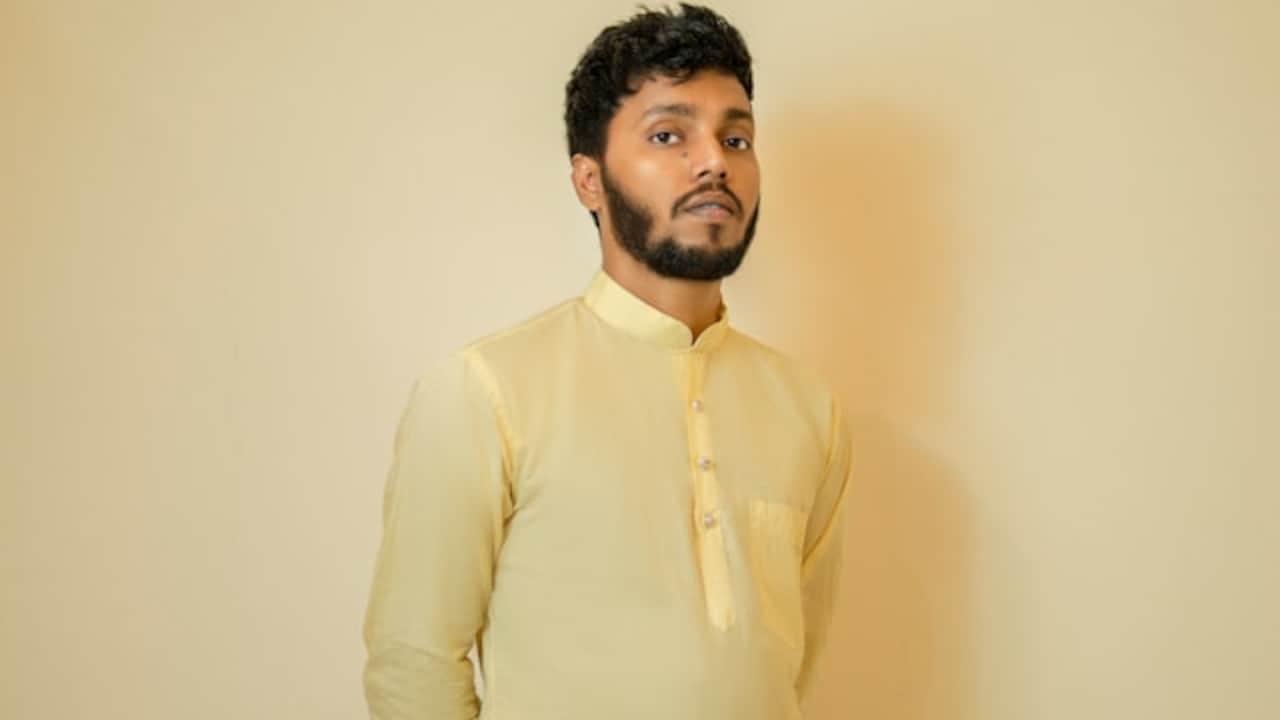
Common reasons that can make your ethnic outfits feel uncomfortable after a few hours
Ethnic wear carries drama, grace and a special kind of festive confidence. A mirror-work lehenga can light up a sangeet. A crisp kurta can make a family lunch feel ceremonial. A silk saree can turn even a regular evening into an occasion. Yet many outfits begin their journey with compliments and end with a desperate search for the nearest chair. The discomfort rarely arrives all at once. It starts with a blouse hook digging into the back, a waistband refusing to forgive lunch, a sleeve seam scratching the arm, or a lining that traps heat like peak May weather. By the third hour, the outfit that looked royal at home starts feeling like a test of patience.
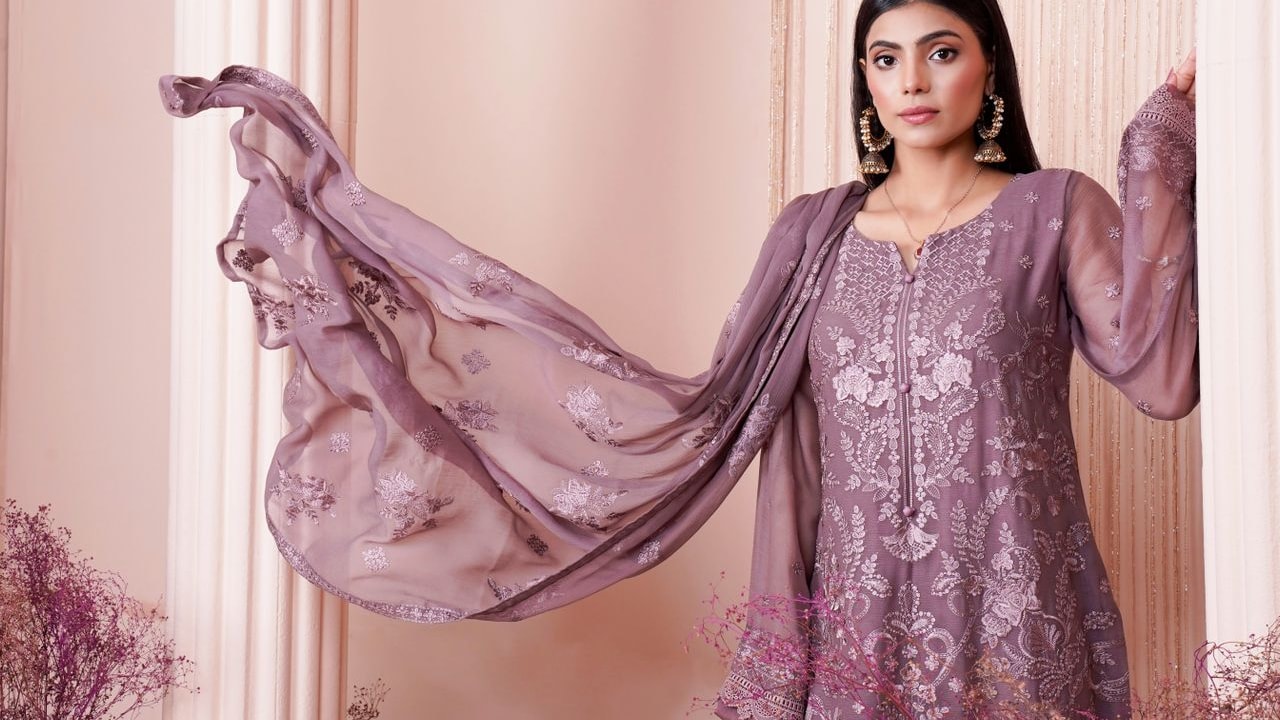
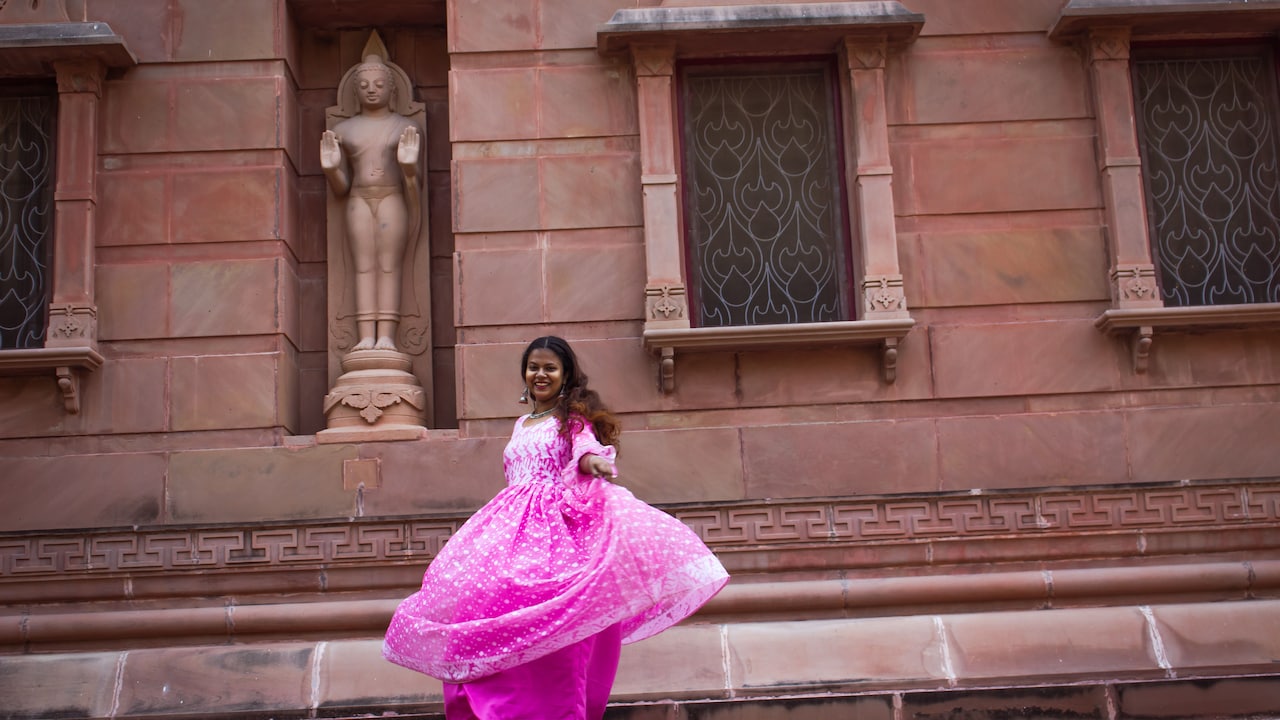
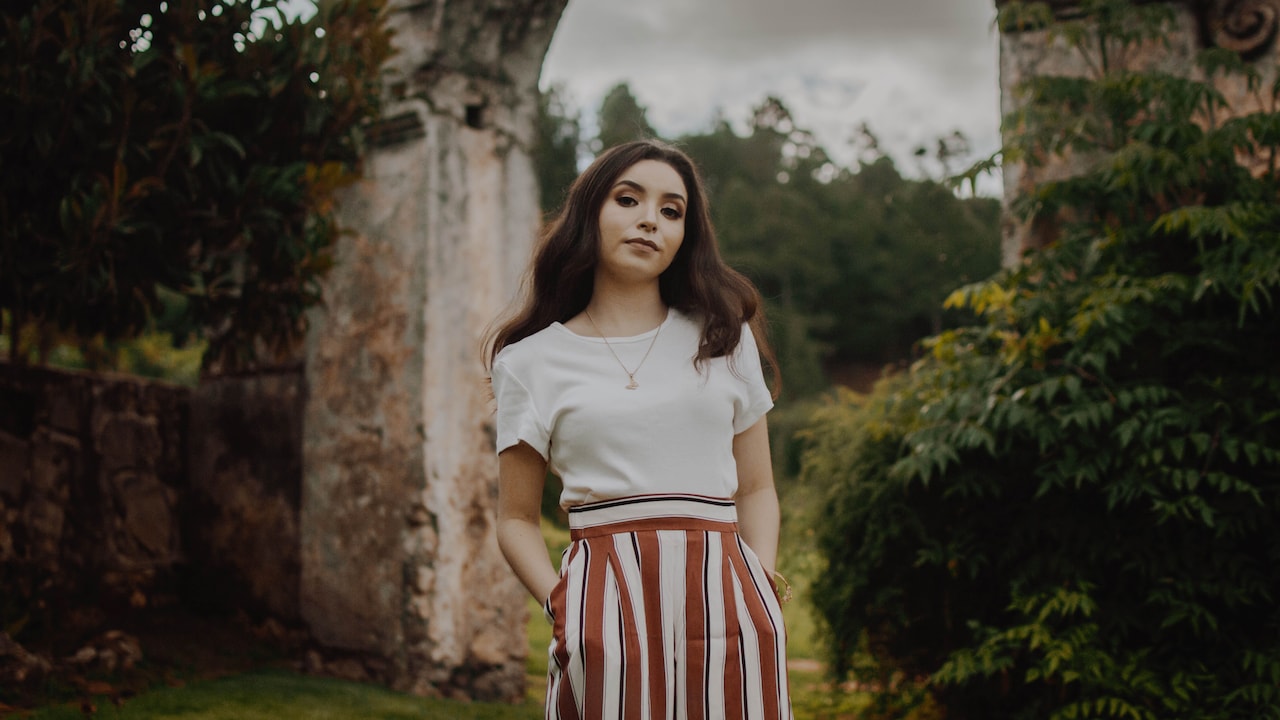
Read why ethnic wear often feels uncomfortable after a few hours; Photo Credit: Pexels
Most of these problems come from avoidable mistakes. The colour may be stunning, the embroidery may be rich, and the price may sound like a smart bargain at ₹2,500, but comfort depends on less glamorous details. Fit, lining and fabric decide whether an outfit supports the body or quietly starts a wrestling match.
Also Read: Best Spring Wedding 2026: Best Breezy Ethnic Wear For Women
Why Comfort Depends On More Than Just The Design
The Fit Looks Perfect But Feels Too Tight
A snug outfit often looks neat during a quick trial, especially under flattering store lights. The real trouble begins when the body moves. Sitting through a wedding ritual, bending to adjust sandals, climbing stairs at a banquet hall, or eating one more gulab jamun changes everything. A blouse that allows only shallow breathing cannot count as a good fit, no matter how sharp the neckline looks.
Many people choose ethnic wear a size smaller because fitted clothes appear more polished. Tailors also tend to take measurements while the person stands straight, arms still, stomach held in. Real life has other plans. Bodies need ease. A kurta should allow the shoulders to move. A lehenga waistband should leave space for sitting. A churidar should not turn the knee into a negotiation.
The best fit flatters without punishing. Before finalising any outfit, sit, raise both arms, bend slightly and walk a few steps. If the fabric pulls, rides up or pinches, the outfit has already revealed its secret.
Armholes And Sleeves Can Ruin The Whole Outfit
Armholes look like a small tailoring detail, but they can make or break comfort. Too tight, and they bite into the underarm. Too loose, and the outfit looks droopy or exposes innerwear at awkward angles. This problem appears often in saree blouses, anarkalis, embroidered kurtas and cholis, especially when the design focuses more on shape than movement.
Sleeves add their own drama. Heavy embroidery near the arm can scratch the skin. Narrow sleeves may look elegant but restrict dancing, eating and even holding a phone for selfies. Cap sleeves sometimes press into the upper arm, while full sleeves with stiff lining can make warm weather feel even warmer.
A well-cut armhole gives enough room without gaping. The seam should sit comfortably around the shoulder and not crawl towards the neck. During a fitting, arms should move naturally, not carefully. Any outfit meant for a long event needs sleeves that allow clapping, hugging relatives, handling a plate of chaat and maybe surviving a surprise garba round.
Waistbands Often Forget That People Eat
Many ethnic outfits look dreamy from the waist up and become less friendly after snacks arrive. Lehenga skirts, shararas, palazzos and petticoats often use tight waistbands, hard hooks or stiff drawstrings. These feel manageable at home, but after a few hours, they press into the stomach and leave marks.
A common mistake involves tying the skirt too high or too tight for a cleaner silhouette. This works for photos but fails during real celebrations. Festive wear must leave room for movement, sitting cross-legged during rituals and enjoying food without regret. Nobody should have to choose between pani puri and breathing comfortably.
Elastic waistbands help, but only when tailors use good-quality elastic and enough fabric ease. A side hook with a small margin also works well. For sarees, the petticoat matters more than many realise. A stiff, tight petticoat can make even a soft saree feel uncomfortable. The waist should feel secure, not like a polite threat.
The Wrong Lining Turns Pretty Clothes Into Traps
Lining hides beneath the surface, so shoppers often ignore it. Yet lining touches the skin for hours. A beautiful kurta with harsh synthetic lining can feel unbearable by evening. It may trap heat, stick to sweat and create that familiar urge to rush home and change into a cotton night suit.
Many festive outfits use polyester lining because it costs less and keeps the garment's shape firm. The problem starts when designers pair heavy outer fabric with non-breathable lining. The outfit may look luxurious, but the skin gets no air. In crowded halls, warm weather or outdoor functions, this becomes a slow cooker situation.
Soft cotton, mulmul, voile or breathable blends usually feel kinder against the skin. For structured pieces, a slightly better lining may raise the cost by a few hundred rupees, but it can save the entire evening. Before buying, touch the inside, not just the outside. If the lining feels rough in the shop, it will not become gentle after three hours of wear.
Heavy Embroidery Adds Weight And Irritation
Embellishment gives ethnic wear its festive sparkle. Zari, sequins, stones, beads and mirror work can make an outfit look grand enough for the main stage. Still, beauty comes with weight. A heavily embroidered dupatta can strain the shoulder. A blouse covered in sequins can scratch the arms. A lehenga with too much work near the waist can feel stiff and bulky.
The placement of embroidery matters as much as the amount. Work around the neckline may rub the collarbone. Embellishment under the arm can cause redness. Heavy borders on sarees and dupattas may pull the garment down and force constant adjustment. By the end of the event, the outfit gets remembered for discomfort rather than compliments.
A smarter choice balances decoration and wearability. Heavy work looks best in areas that do not bend or rub too much. Soft finishing, smooth backing and lighter borders can make ornate pieces feel easier. Festive dressing should sparkle, not scrape.
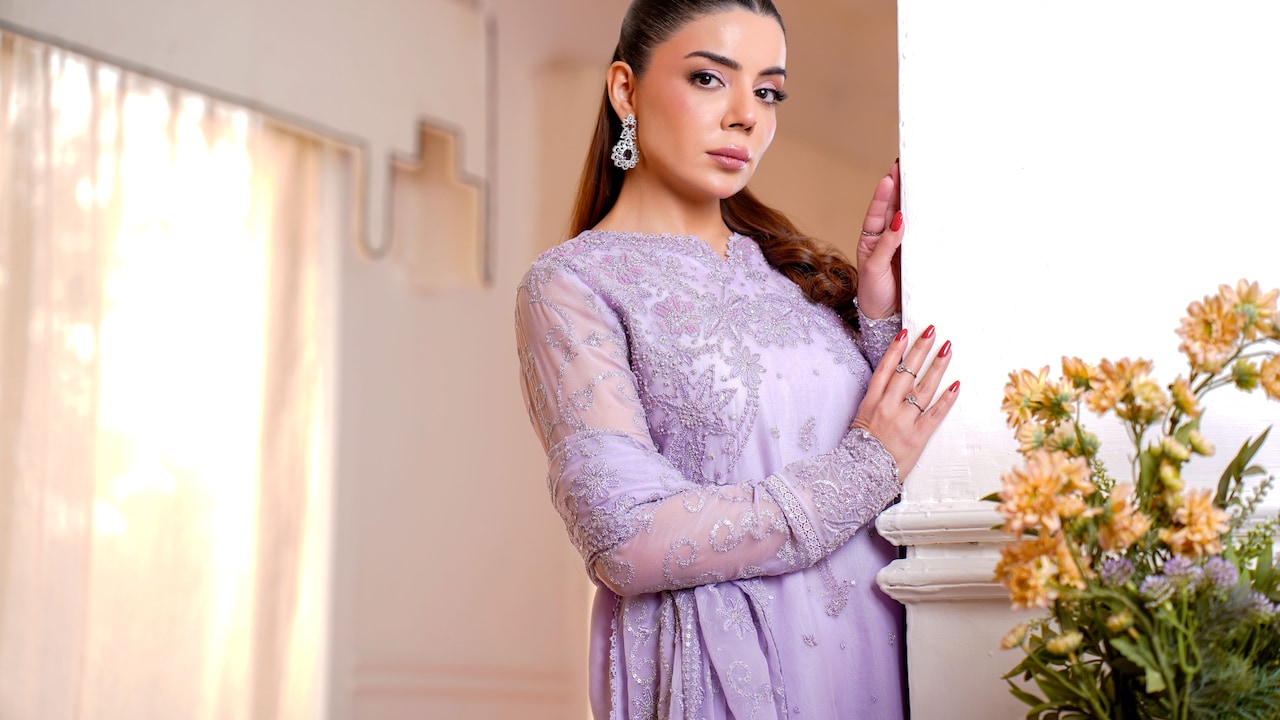
Ethnic wear with embroidery can feel bulky after wearing; Photo Credit: Pexels
Fabric Choice Matters More Than The Trend
Trends change quickly. One season belongs to organza, another to velvet, tissue, satin or crushed silk. Social media makes every fabric look dreamy for ten seconds. Real life asks tougher questions. Will the fabric breathe? Will it crease badly? Will it cling? Will it itch? Will it survive a crowded metro ride, a scooter trip or four hours in a wedding lawn?
Synthetic fabrics often look glossy and photograph well, but some trap heat and create static. Velvet feels royal in winter but turns punishing in humid weather. Stiff organza looks graceful but may scratch around the neck and arms. Tissue fabric shines beautifully but can feel crisp and fussy for long wear.
Cotton, silk blends, chanderi, modal, muslin and viscose blends often offer a better balance for daily or semi-festive wear. The occasion should guide the fabric. A reception in December can handle heavier textures. A daytime puja in April needs breathability. A fabric that suits the weather already solves half the comfort problem.
Poor Blouse And Kurta Lengths Create Constant Adjustments
Length can quietly decide whether an outfit feels graceful or annoying. A kurta that is too short may keep riding up while sitting. A very long kurta with narrow sides can restrict walking. A blouse that ends at the wrong point may dig into the ribs or shift every time the wearer moves.
Many people focus on chest, waist and shoulder measurements, then treat length as a minor detail. It deserves more respect. The right blouse length depends on the saree drape, bust shape, comfort level and posture. The right kurta length depends on height, bottom style and the amount of flare. Even a lovely outfit can feel wrong when its proportions fight the body.
Trial-room checks should include sitting, walking and turning sideways in the mirror. A blouse should not climb up. A kurta should not pull around the hips. The hem should feel natural, not like something that needs hourly management. Good length brings quiet confidence, which beats constant tugging any day.
Necklines Can Look Stylish Yet Feel Annoying
Necklines often steal attention first. A deep back, high collar, sweetheart cut or boat neck can completely change the mood of an outfit. But a neckline that looks striking for a photo can become uncomfortable during a long function. High collars may rub the neck. Deep backs may need constant checking. Wide necklines can slip from the shoulder. Sharp edges, stiff piping and scratchy hooks can irritate the skin.
The issue grows when the neckline does not match the wearer's movement or support needs. A heavy bust may need better structure. A backless blouse may need stronger cups or hidden support. A closed-neck kurta in thick fabric may feel stuffy during warm afternoons.
Style should not demand nervous body language. A good neckline stays where it should, frames the face and lets the wearer relax. Before choosing a dramatic cut, think of the actual event. A three-hour dinner allows more experimentation. A full-day ceremony needs a neckline with patience.
Innerwear Mismatches Make Outfits Feel Worse
Even a well-stitched outfit can feel uncomfortable with the wrong innerwear. Ethnic wear often needs thoughtful support because fabrics may cling, necklines may sit differently and seams may show. A bra strap peeping from a blouse, shapewear rolling down under a lehenga, or a petticoat bunching under a saree can ruin the mood faster than a delayed baraat.
Many discomfort issues blamed on the outfit actually start underneath it. Tight shapewear can restrict breathing and create heat. Poorly fitted bras can cause shoulder pain. Synthetic slips can stick to the body. A saree petticoat in the wrong fabric may add bulk or reduce movement.
Inner layers should support, not suffocate. Breathable slips, well-fitted bras, comfortable petticoats and sensible shapewear make a huge difference. The goal should never involve looking two sizes smaller at the cost of comfort. A smooth base helps the outfit fall better and lets the wearer enjoy the event without secret wardrobe battles.
Skipping A Proper Trial Leads To Regret
Many outfits get approved after a quick standing trial. The mirror looks good, the tailor says “perfect fit”, and everyone feels relieved. Then the actual event begins, and problems appear one by one. The sleeve feels tight. The hook scratches. The dupatta keeps slipping. The waist grows unbearable. The outfit did not fail suddenly; it simply never faced a proper test.
A real trial should copy real use. Wear the intended innerwear. Try the actual footwear. Drape the dupatta or saree fully. Sit for a minute. Walk around. Lift the arms. Check whether the neckline shifts. Notice whether the lining sticks. These small tests take little time and prevent expensive disappointment.
Alterations also need margins. Tailors should leave enough seam allowance where possible, especially around the bust, waist and hips. Bodies change slightly with weather, meals and monthly cycles. A little extra ease can protect both comfort and confidence. The best outfit does not just look good at 5 pm. It still feels good by dessert.
Products Related To This Article
1. House of Pataudi Woven Design Mandarin Collar Nehru Jackets
2. Indo Era Ethnic Motifs Embroidered Sequinned Kurta With Trousers & With Dupatta
3. SOJANYA Ethnic Motifs Printed Mandarin Collar Kurta With Pyjamas
4. ROOP RADHIKA Woven Design Zari Handloom Saree
5. Jompers Floral Embroidered Sequinned Straight Kurta With Trousers & Dupatta
6. VASTRAMAY Men Silk Blend Sherwani With Dhoti Pants
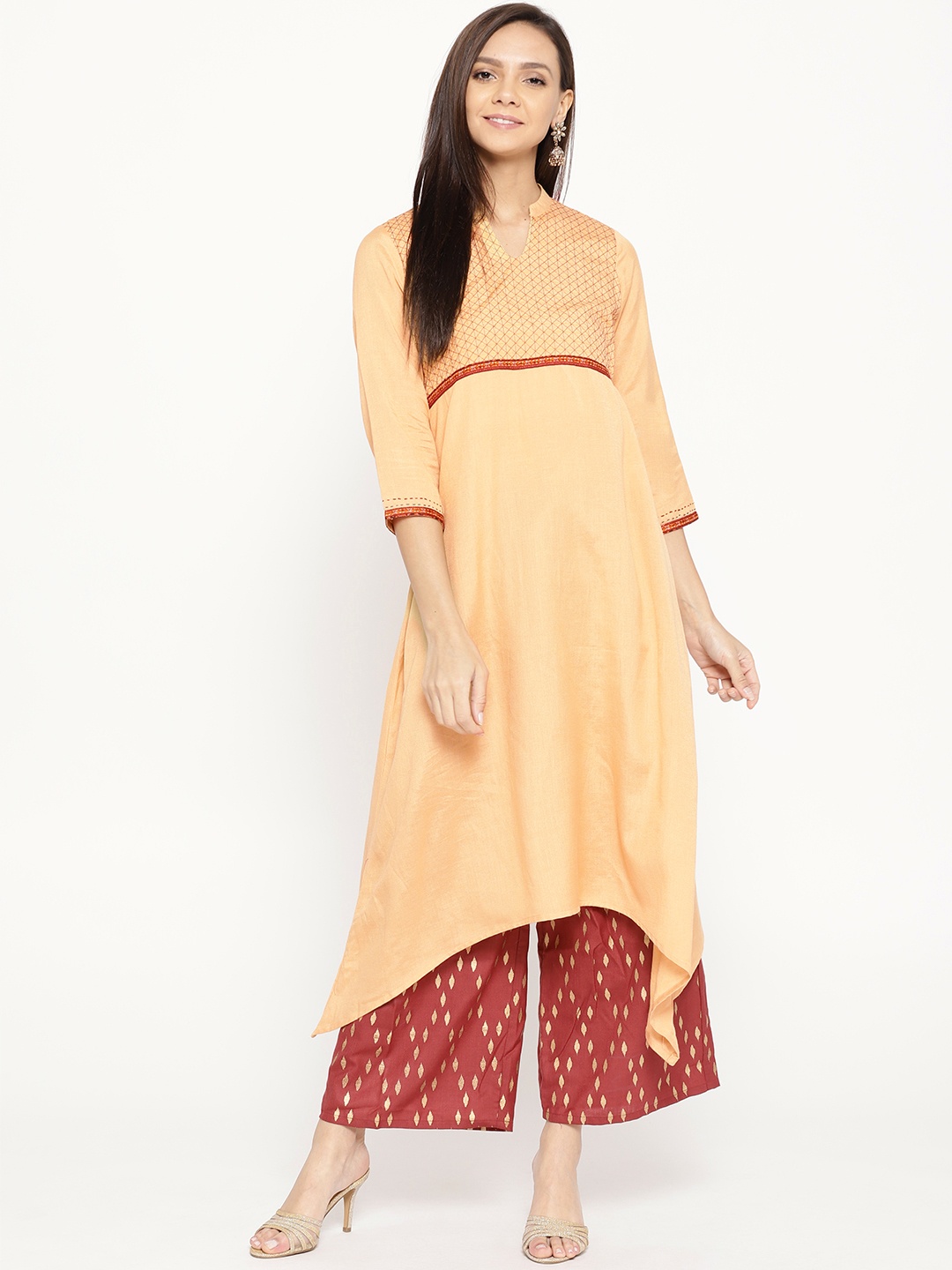
7. Indo Era Women Ethnic Motifs Embroidered Thread Work Pure Cotton Kurta with Trousers
Ethnic wear should feel celebratory, not exhausting. The magic lies not only in colour, embroidery or trend value, but in the quiet details that support the body for hours. A breathable lining, forgiving waistband, sensible sleeve, suitable fabric and thoughtful trial can turn a beautiful outfit into a beloved one.
The next time a kurta, saree blouse, lehenga or sherwani looks irresistible, check how it feels when the body actually lives in it. Compliments matter, but comfort stays longer. A truly great outfit lets the wearer laugh louder, eat happily, dance freely and return home with memories instead of red marks.
(Disclaimer: This article may include references to or features of products and services made available through affiliate marketing campaigns. NDTV Convergence Limited (“NDTV”) strives to maintain editorial independence while participating in such campaigns. NDTV does not assume responsibility for the performance or claims of any featured products or services.)