Cotton Shirt Lost Collar Shape After Washing? Here Are The Top Reasons Why
Cotton shirt collar losing shape after washing? The reason may not be the shirt itself. From hot water to drying mistakes, several laundry habits can ruin the collar structure. Discover the common causes and how to keep shirts looking crisp.
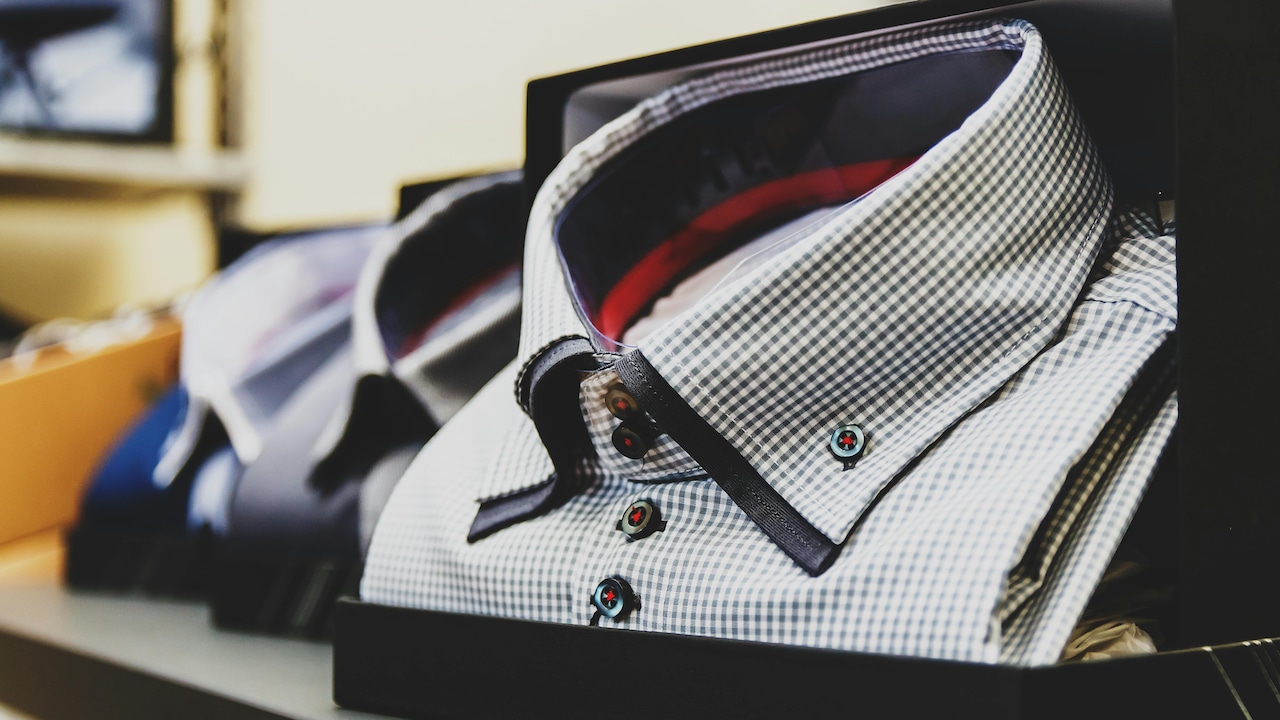
Cotton Shirt Collar Lost Its Shape After Washing? 10 Common Reasons You Should Know.
A well-pressed cotton shirt has a certain quiet authority. Whether worn for a meeting, a festive dinner, or a casual weekend outing, the collar frames the entire look. When that collar loses its structure after a wash, the shirt suddenly feels tired and untidy.
Many people assume that a collar losing its shape simply means poor fabric quality. Yet the real story usually runs deeper. Everyday laundry habits, detergent choices, and even the way a shirt dries on the balcony can slowly change the structure of cotton fibres. Over time, the once-crisp collar begins to curl, wrinkle, or collapse.
Cotton behaves like a living material. Heat, moisture, and friction influence its fibres. A simple mistake during washing can quietly distort the collar's internal structure. Add a few more washes, and the shape never quite returns.
The good news is that most collar issues have clear explanations. Once the causes become clear, small adjustments in laundry routines can prevent the problem altogether. From washing temperatures to ironing techniques, several factors determine whether a cotton shirt keeps its crisp form or slowly loses its edge.
Understanding these reasons not only saves favourite shirts but also avoids unnecessary replacements that quietly add up to hundreds or even thousands of rupees over time.
Cotton Shirt Collar Ruined After Washing? 10 Laundry Mistakes That Cause It
Photo Credit: Pexels
Common Reasons Cotton Shirt Collars Lose Their Shape After Washing
Washing In Hot Water
Hot water feels like the ultimate cleaning solution. After all, tougher stains seem to surrender faster in warm or hot washes. However, cotton collars rarely appreciate high temperatures.
Cotton fibres expand when exposed to heat. During a wash cycle, hot water relaxes the threads that give the collar its shape. If the shirt remains in hot water for too long, the fibres soften and shift slightly. The collar may look fine when wet, but once it dries, the structure becomes uneven.
Many washing machines also combine heat with vigorous spinning. This combination creates tension along the stitched edges of the collar. Over repeated washes, the original alignment slowly changes.
The result often appears as curling corners or a collar that refuses to lie flat no matter how carefully it gets ironed.
A gentler approach works far better. Cotton shirts respond well to cold or mildly warm water. Lower temperatures clean effectively while protecting the fabric structure.
Laundry labels often recommend washing cotton at around 30°C. Following this simple instruction helps collars maintain their firmness and shape. A small change in water temperature can quietly extend the life of every shirt in the wardrobe.
Overloading The Washing Machine
Laundry days sometimes feel like a race against time. The temptation to toss in one more shirt, one more pair of jeans, or that extra towel can be hard to resist. Yet overcrowding the washing machine creates unexpected problems for delicate parts of clothing.
A cotton shirt collar sits at the most structured part of the garment. Inside the machine, tightly packed clothes rub against each other constantly. Heavy fabrics such as denim or thick towels place extra pressure on the shirt collar.
During the spin cycle, these garments twist and compress the collar. The stiff interfacing inside the collar struggles to return to its original shape once distorted.
Imagine folding a piece of cardboard repeatedly in different directions. After several bends, it never quite regains its original form. Cotton collars experience something similar.
Giving shirts enough space inside the washing machine allows them to move freely without harsh friction. Fabric fibres remain relaxed rather than crushed.
Laundry experts often suggest filling the drum only about three-quarters full. That small gap inside the machine allows water and detergent to circulate properly while protecting delicate parts of clothing. The collar, in particular, benefits from this extra breathing room.
Excessive Use Of Strong Detergents
Detergent promises powerful cleaning, fresh fragrance, and bright fabrics. Yet stronger does not always mean better for cotton shirts.
Many modern detergents contain enzymes and chemical agents designed to break down tough stains. While effective, these ingredients can slowly weaken cotton fibres when used in large amounts.
A collar endures more stress than most parts of a shirt. It faces constant contact with skin, sweat, and sometimes hair products or perfumes. As a result, people often scrub the collar area with extra detergent before washing.
Unfortunately, heavy detergent application stiffens fibres unevenly. Over time, the collar loses its smooth structure. Instead of crisp lines, the fabric develops ripples and subtle distortions.
Residue left behind by excessive detergent also creates stiffness after drying. The collar may feel rough rather than structured.
A balanced approach works best. Using the recommended detergent quantity ensures effective cleaning without damaging the fibres. Pre-treating stains gently rather than aggressively scrubbing the collar also protects its shape.
Sometimes, less detergent produces better results, especially when caring for structured cotton garments.
Rough Spin Cycles
Spin cycles exist to remove excess water quickly. However, high-speed spinning can quietly damage delicate fabric structures.
When a washing machine spins rapidly, clothing experiences intense centrifugal force. Shirts twist, fold, and press against the drum walls. While the body of the shirt can tolerate this movement, the collar often suffers.
Collars contain internal layers that provide structure. These layers shift slightly when exposed to repeated twisting motions. Once misaligned, the collar begins to lose its crisp outline.
Fast spin cycles also create creases that become stubborn once the shirt dries. Ironing can soften these wrinkles, but the underlying distortion sometimes remains.
Selecting a gentler spin setting helps reduce unnecessary stress on cotton shirts. Many machines offer a delicate or low-spin option specifically designed for lightweight garments.
Though this setting may leave shirts slightly wetter, the trade-off protects the collar's structure. Air drying afterwards solves the moisture issue without compromising the garment.
A slower spin cycle might take a few extra minutes, yet it saves shirts from gradual structural damage.
Drying Shirts Incorrectly
Drying often receives less attention than washing, yet it plays a major role in how a collar behaves afterwards.
Many people toss freshly washed shirts onto a clothesline without adjusting the collar. As the fabric dries, gravity pulls the damp fibres downward. The collar stiffens in whatever position it settles.
If the collar folds slightly during drying, that crease becomes permanent once the cotton stiffens.
Drying shirts under harsh sunlight can also create problems. Intense heat dries fabric too quickly, causing fibres to tighten unevenly. The collar sometimes shrinks slightly along its edges, leading to curling.
A better technique involves gently shaping the collar before hanging the shirt. Smooth the fabric with your hands and ensure the collar lies flat.
Using a hanger instead of a clothesline also helps preserve the natural structure. The collar stays upright while drying, preventing awkward bends.
Small details during drying often determine whether the collar remains crisp or begins to lose its original shape.
Skipping Proper Ironing
Ironing may seem old-fashioned in an era of wrinkle-free fabrics, yet cotton shirts still benefit greatly from proper pressing.
Heat and steam help cotton fibres relax and return to their natural alignment. When a shirt skips ironing repeatedly, small wrinkles accumulate along the collar edges. These wrinkles slowly reshape the fabric.
Over time, the collar begins to curve or sag instead of maintaining its clean structure.
Ironing does more than remove creases. It restores the internal balance of fibres that washing and drying may have disturbed.
The key lies in technique. Starting from the collar points and moving toward the centre ensures even pressure. Light steam also helps soften fibres before pressing them flat.
Some households treat ironing as a weekend ritual before the work week begins. Though time-consuming, this habit keeps shirts looking sharp and professional.
A properly ironed collar often transforms an ordinary shirt into a polished outfit.
Poor Quality Collar Interfacing
Not all cotton shirts share the same internal structure. Hidden between the collar layers lies a material called interfacing, which gives the collar its firmness.
High-quality shirts use durable interfacing that withstands repeated washing. Lower-cost shirts sometimes rely on thinner materials that lose strength quickly.
When this internal layer weakens, the collar begins to collapse. Even careful washing cannot restore the original stiffness once the interfacing deteriorates.
Some shirts priced around ₹700–₹900 may prioritise appearance over long-term durability. The collar initially looks sharp in store displays, but slowly softens after several washes.
This does not mean every affordable shirt suffers from poor construction. Yet checking stitching quality and collar thickness before purchase helps identify better garments.
Shirts with slightly firmer collars often maintain their structure far longer. Spending a little more initially can prevent frequent replacements later.
Storing Shirts Improperly
Laundry habits influence collar shape, but wardrobe storage matters just as much.
Many wardrobes become crowded over time. Shirts squeeze tightly together on hangers, forcing collars to bend sideways. When this pressure continues for days or weeks, the fabric slowly adapts to the distorted shape.
Folding shirts improperly can create similar issues. A collar folded awkwardly inside the shirt's body develops permanent creases.
Storage solutions do not need to be elaborate. Simply giving shirts enough space on the hanger allows collars to remain upright.
Some people slide a small piece of cardboard inside the collar while storing freshly ironed shirts. This simple trick helps preserve the crisp structure.
A tidy wardrobe quietly protects garments from damage that often goes unnoticed until the collar refuses to sit properly.
Cotton Shirt Collar Ruined After Washing? 10 Laundry Mistakes That Cause It
Photo Credit: Pexels
Hard Water Effects
Water quality rarely receives attention in laundry discussions, yet it significantly affects fabric health.
Hard water contains minerals such as calcium and magnesium. These minerals leave microscopic deposits on fabric fibres during washing.
Over time, the buildup stiffens cotton and reduces its flexibility. The collar becomes slightly rigid in uneven ways, leading to curling or wrinkling.
Soap and detergent also struggle to dissolve fully in hard water. Residue clings to fabric and alters its texture.
Many households notice shirts feeling rougher after several washes. The collar often shows the earliest signs of this change.
Using a water softener or specialised detergent designed for hard water can reduce mineral deposits. Even adding a small amount of white vinegar during the rinse cycle helps remove buildup.
Cleaner fibres respond better to ironing and maintain their natural structure far longer.
Natural Wear And Tear Over Time
Even with perfect care, cotton shirts eventually show signs of ageing. Fabric fibres weaken gradually through regular wear, washing, and ironing.
The collar experiences the most stress. It rubs against skin, absorbs sweat, and faces constant bending during daily movement.
After dozens of washes, the fibres begin to relax permanently. The once-crisp collar softens and loses its sharp outline.
This change often happens so slowly that it becomes noticeable only when compared with a newer shirt.
While ageing cannot be prevented entirely, thoughtful care can delay the process. Gentle washing, proper drying, and careful storage significantly extend the life of cotton garments.
Some shirts remain wardrobe favourites for years simply because they receive consistent care.
In many cases, the collar losing shape marks the natural end of a well-loved garment's journey.
Products Related To This Article
1. Metronaut Men Solid Casual Purple Shirt
2. Fubar Men Solid Casual Light Green Shirt
3. Stoneberg Men Solid Formal Brown Shirt
4. Woxen Men Checkered Casual Grey Cream Shirt
5. Cotnzip Men Checkered Casual Black Light Green Shirt
A cotton shirt collar may appear simple, yet it represents one of the most carefully constructed parts of the garment. When that structure disappears after washing, frustration naturally follows.
However, the causes rarely stem from a single mistake. Water temperature, detergent strength, washing machine load, drying habits, and storage methods all influence how cotton fibres behave over time.
Small changes in laundry routines can make a remarkable difference. Cooler washes, gentler spin cycles, and thoughtful drying techniques protect the delicate balance within the collar.
Choosing well-constructed shirts and storing them properly further preserves their shape.
A crisp collar does more than complete an outfit. It reflects attention to detail and care for everyday clothing. With a little awareness, favourite cotton shirts can maintain their structure wash after wash, keeping wardrobes looking polished without frequent replacements.
(Disclaimer: This article may include references to or features of products and services made available through affiliate marketing campaigns. NDTV Convergence Limited (“NDTV”) strives to maintain editorial independence while participating in such campaigns. NDTV does not assume responsibility for the performance or claims of any featured products or services.)