Polyester Gym T-Shirts Vs Cotton Blends: The Ultimate Fabric Guide
Polyester or cotton blends, which gym T-shirt truly performs better? This guide breaks down comfort, sweat control, durability, and value to help choose the right fabric for every workout and climate. Key differences between polyester and cotton t-shirts for gym.
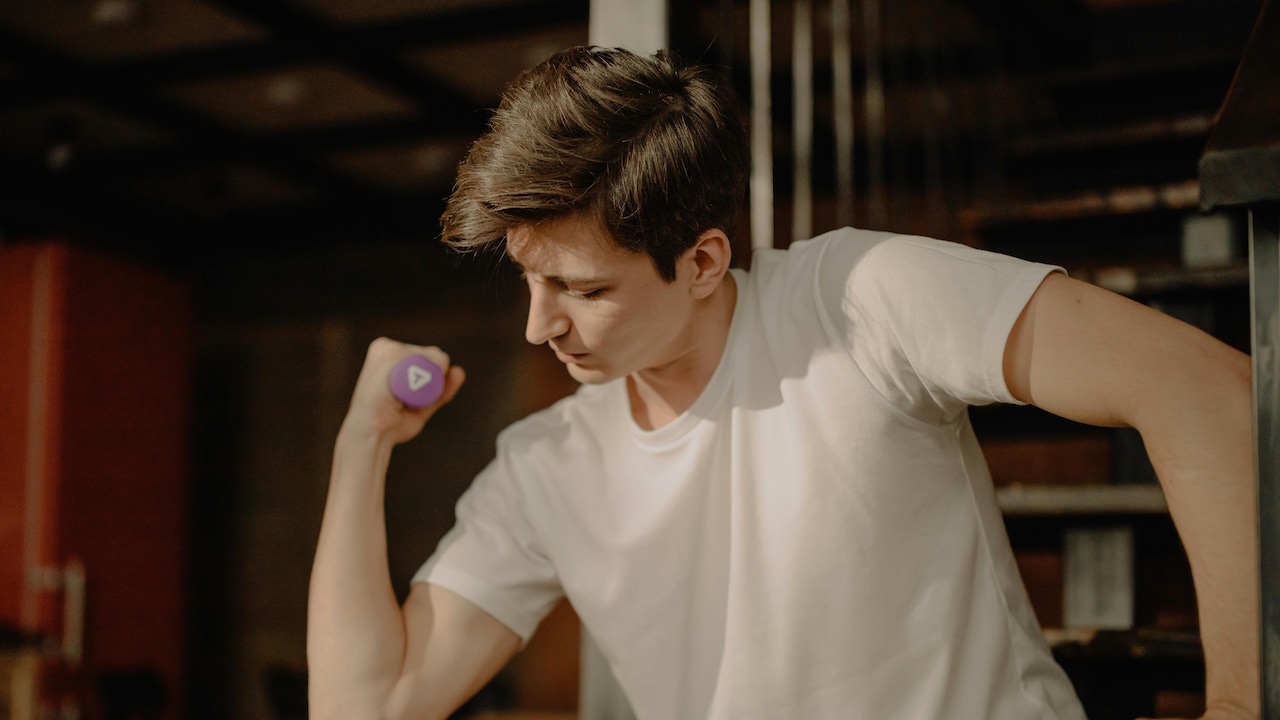
Polyester Gym T-Shirts Vs Cotton Blends: Comfort, Sweat Control And Durability Compared.
Step into any sportswear store or scroll through an online sale during the festive season, and racks overflow with gym T-shirts claiming superior performance. Some highlight “dry-fit technology”, others celebrate “breathable cotton comfort”. The decision often comes down to polyester versus cotton blends, yet many buyers rely on price tags or colour choices rather than fabric science.
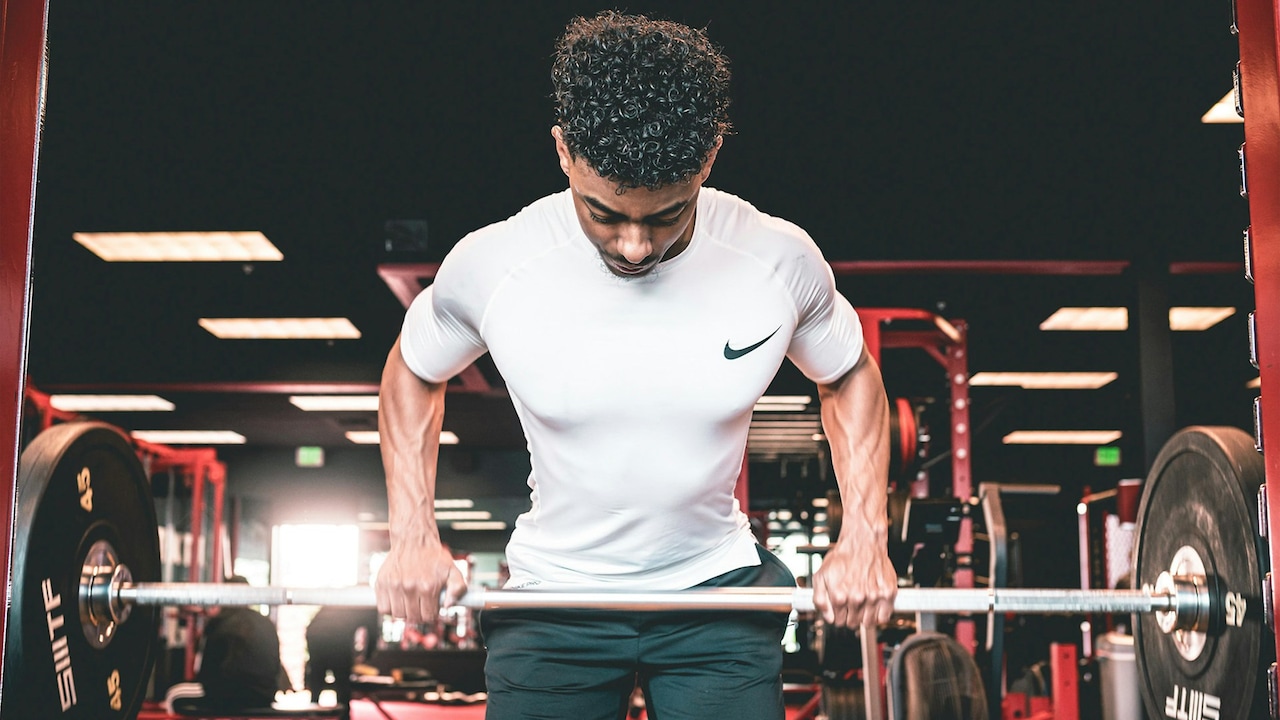
Things to know about cotton vs polyester tshirts for gym before choosing one; Photo Credit: Pexels
Workout clothing carries a bigger responsibility than regular casual wear. A good gym T-shirt regulates heat, handles sweat, avoids irritation, and survives frequent washing. A poor choice clings uncomfortably, smells quickly, or loses shape within weeks. Climate plays a huge role, too. Warm temperatures, long commutes, and packed fitness spaces demand fabrics that work harder.
Polyester and cotton blends approach comfort differently. One focuses on performance engineering, while the other balances softness with practicality. Neither fabric wins every situation. The real answer depends on workout style, body type, and expectations from clothing.
This guide explores both fabrics through everyday experiences, practical comparisons, and honest observations. Whether lifting weights, practising yoga, running along a seaside promenade, or squeezing workouts between office hours, understanding fabric behaviour makes every session more comfortable.
Also Read: Gym Wardrobe Upgrade: 10 Best Activewear Picks For Men Under ₹1000 From HRX To Jockey
Breaking Down The Polyester Vs Cotton Blend Question
Moisture Management: How Each Fabric Handles Sweat
Sweat defines workout clothing performance more than any label or brand logo. Polyester excels because it pushes moisture away from the skin rather than absorbing it. During intense workouts, sweat spreads across the fabric surface and evaporates quickly. This process keeps the body feeling lighter, especially during cardio sessions or high-intensity training.
Cotton blends behave differently. Cotton fibres absorb moisture, which creates an immediate sense of softness and cooling. However, once saturated, the fabric becomes heavier. Anyone who has finished a treadmill session wearing a cotton-heavy T-shirt knows that damp cling around the shoulders.
Blended fabrics attempt to solve this problem by mixing cotton with polyester or elastane. The result offers moderate moisture control without losing comfort entirely. For lighter workouts such as stretching or casual walking, cotton blends feel pleasant and breathable.
In humid conditions, polyester often feels more practical because evaporation matters more than absorption. Yet some people dislike the slightly synthetic touch against the skin. The choice ultimately depends on sweat intensity and tolerance for dampness during exercise.
Comfort And Skin Feel During Long Workouts
Comfort goes beyond softness. True comfort means forgetting about clothing altogether while moving freely. Cotton blends usually win the first impression test. Their natural fibres feel gentle, familiar, and relaxed against the skin, similar to everyday T-shirts worn at home.
Polyester, on the other hand, sometimes carries a reputation for feeling artificial. Older versions felt stiff or plastic-like, but modern athletic polyester has improved significantly. Advanced weaving techniques create smoother textures that mimic natural fabrics surprisingly well.
During longer workouts, however, comfort shifts. Cotton blends may start soft but can feel sticky once soaked with sweat. Polyester maintains consistency because it dries faster. That steady dryness prevents friction, especially around the neck and underarms.
Skin sensitivity also influences preference. People prone to irritation often lean towards cotton blends because natural fibres reduce the chance of rubbing discomfort. Yet well-designed polyester shirts with flat seams now minimise chafing effectively.
Comfort, therefore, evolves over time rather than appearing instantly. The fabric that feels best in the trial room may not remain the most comfortable after forty minutes of movement.
Breathability In Warm Weather Conditions
Breathability becomes crucial when temperatures rise, and air circulation feels limited. Cotton naturally allows airflow due to its fibre structure. Air moves freely through cotton blends, creating a cooling sensation during mild activity or outdoor walks.
Polyester achieves breathability differently. Instead of relying purely on fibre gaps, manufacturers engineer mesh panels and micro-ventilation patterns into the fabric. These designs channel heat outward while maintaining lightweight performance.
During slower workouts, cotton blends often feel cooler initially because of their airy structure. Yet during intense activity, trapped moisture reduces airflow efficiency. Polyester's quick-drying nature helps maintain ventilation even as sweating increases.
Anyone travelling from work to the gym during peak evening traffic understands the importance of breathable clothing. A shirt that retains heat quickly becomes uncomfortable before the workout even begins.
Modern sportswear brands increasingly combine polyester with ventilation zones to mimic cotton's airflow while retaining performance advantages. Breathability today depends as much on garment design as on fabric composition itself, making fit and construction equally important considerations.
Durability And Longevity After Multiple Washes
Gym clothes face relentless washing cycles. Frequent laundering tests the fabric strength more than workouts do. Polyester handles repeated washing exceptionally well. It resists shrinking, stretching, and fading, maintaining shape even after months of use.
Cotton blends require slightly more care. Cotton fibres weaken gradually under constant washing and drying. Over time, collars loosen, colours soften, and fabric texture changes. While this ageing sometimes adds a relaxed charm, performance clothing benefits from structural stability.
Polyester also dries faster after washing, which proves convenient during monsoon seasons or tight laundry schedules. A shirt washed at night often dries by morning without needing sunlight.
Cost efficiency emerges here. A polyester gym T-shirt priced around ₹800 may last longer than a ₹600 cotton blend that is replaced twice within the same period. Longevity reduces overall spending despite a higher initial cost.
Durability matters particularly for those maintaining regular workout routines. Reliable clothing removes small daily frustrations, allowing focus to remain on fitness goals rather than wardrobe replacements.
Odour Control And Hygiene Factors
Nothing tests gym wear more honestly than odour retention. Polyester dries quickly, yet it tends to trap bacteria within synthetic fibres if not washed properly. This leads to lingering smells that reappear once body heat rises again.
Cotton blends absorb sweat along with bacteria, which may sound worse, but actually allows deeper cleaning during washing. As a result, cotton shirts often smell fresher after laundering.
However, modern polyester fabrics increasingly include anti-microbial treatments designed to reduce odour buildup. These technologies help maintain freshness even during intense workouts.
Hygiene habits play a larger role than fabric choice alone. Immediate washing, proper drying, and avoiding damp storage significantly improve garment freshness. Leaving gym clothes inside a backpack overnight challenges any fabric's ability to remain odour-free.
For frequent gym-goers attending back-to-back sessions, owning multiple shirts becomes essential. Rotating between garments allows proper drying and prevents bacterial accumulation, ensuring both polyester and cotton blends remain comfortable and hygienic.

Cotton blends absorb sweat along with bacteria, whereas modern polyester fabrics come with anti-microbial treatments; Photo Credit: Pexels
Stretch, Mobility, And Athletic Performance
Movement defines athletic clothing. Squats, stretches, and overhead lifts demand flexibility without restriction. Polyester fabrics often include elastane or spandex, creating natural stretch that adapts to body motion.
Cotton blends vary widely depending on composition. Pure cotton offers minimal stretch, but blended versions improve mobility significantly. Still, they rarely match the elasticity found in performance polyester designs.
During dynamic workouts such as functional training or sports drills, polyester provides a second-skin effect that moves effortlessly with the body. This reduces distractions caused by fabric pulling or bunching.
Yoga practitioners and casual fitness enthusiasts sometimes prefer cotton blends because they provide gentle structure rather than compression. The slightly heavier feel creates stability during slower movements.
Mobility preferences differ from person to person. Some enjoy snug athletic fits, while others prefer relaxed silhouettes. The ideal choice depends on workout intensity and personal comfort rather than strict performance rankings.
Climate Suitability And Seasonal Wearability
Weather conditions influence fabric performance dramatically. Polyester thrives in hot and humid environments because moisture evaporation helps regulate body temperature. Quick drying prevents that uncomfortable damp sensation during long outdoor sessions.
Cotton blends shine during cooler months or early morning workouts when sweat levels remain moderate. The fabric provides warmth without overheating, making it suitable for transitional weather.
Seasonal versatility often determines wardrobe choices. Many fitness enthusiasts maintain a mix of both fabrics, switching based on temperature rather than loyalty to one material.
For example, a breathable polyester shirt works well during peak summer runs, while a cotton blend feels cosy during winter strength training sessions. Fabric choice becomes less about superiority and more about timing.
Understanding seasonal behaviour prevents disappointment. A shirt praised online may fail simply because it suits a different climate or activity level. Matching fabric to weather creates noticeable improvements in workout comfort.
Style, Appearance, And Everyday Versatility
Gym clothing increasingly doubles as casual wear. Post-workout coffee stops or quick errands demand clothing that looks presentable beyond fitness spaces. Cotton blends often resemble regular T-shirts, making them easy to style with jeans or joggers.
Polyester gym T-shirts typically feature sporty aesthetics, including sleek finishes and performance cuts. While stylish, they sometimes appear too athletic for everyday settings unless paired thoughtfully.
Colour retention favours polyester. Bright shades remain vibrant even after multiple washes, while cotton blends gradually develop softer tones. Some appreciate this lived-in appearance, while others prefer crisp colours.
Fit also influences style perception. Polyester shirts usually follow athletic tailoring, highlighting body shape. Cotton blends offer relaxed silhouettes that suit varied body types comfortably.
Versatility matters for those balancing busy schedules. A shirt that transitions smoothly from gym to daily activities reduces the need for outfit changes, making cotton blends particularly appealing for multitasking lifestyles.
Environmental Impact And Sustainability Considerations
Sustainability conversations increasingly shape clothing decisions. Cotton, as a natural fibre, feels environmentally friendly at first glance. However, traditional cotton farming consumes significant water resources, raising concerns about long-term sustainability.
Polyester originates from synthetic materials, yet recycled polyester now offers a more eco-conscious alternative. Many brands convert plastic waste into performance fabrics, reducing landfill impact.
Durability also affects sustainability. A long-lasting polyester shirt may create less waste compared to frequently replaced cotton garments. Longevity often matters more than material origin alone.
Consumers today look beyond labels and examine manufacturing practices. Ethical production, recycling initiatives, and responsible sourcing influence purchasing decisions more strongly than fabric type alone.
Choosing sustainable gym wear involves balancing durability, usage frequency, and environmental awareness. Conscious buying habits ultimately reduce waste more effectively than chasing trends or replacing clothes frequently.
Price, Value, And Smart Buying Decisions
Price tags often guide decisions more strongly than fabric knowledge. Cotton blend T-shirts usually cost less upfront, with many options available between ₹400 and ₹900. Polyester performance shirts range higher, often starting near ₹700 and extending beyond ₹1,800 depending on brand technology.
Value, however, extends beyond purchase price. Durability, comfort during workouts, and maintenance requirements determine long-term satisfaction. A slightly expensive shirt that lasts two years may offer better value than cheaper alternatives replaced frequently.
Sales seasons tempt buyers into impulse purchases. Yet understanding fabric's purpose prevents regret later. Buying based on workout needs rather than discounts ensures smarter spending.
Trying different fabric types before committing to bulk purchases helps identify personal preferences. Comfort varies widely between individuals, making experimentation worthwhile.
Ultimately, value emerges from alignment between fabric performance and lifestyle needs rather than price alone.
Products Related To This Article
1. BOLDFIT Rapid Dry Gym T-shirt
2. ASICS Logo Printed Training Or Gym T-shirt
3. Ajile by Pantaloons Graphic Printed Cotton Training Or Gym Relaxed Fit Sports T-shirt
4. CHKOKKO Plus Men Green Gym T-shirt
5. Decathlon DOMYOS - Melange Effect Gym T-Shirt
The debate between polyester gym T-shirts and cotton blends rarely produces a universal winner. Each fabric excels under specific conditions, shaped by workout intensity, climate, comfort preferences, and daily routines.
Polyester stands out for performance, durability, and moisture management. It suits intense training sessions, humid weather, and frequent washing schedules. Cotton blends deliver softness, versatility, and relaxed comfort, making them ideal for lighter workouts and everyday wear.
Smart wardrobes rarely rely on a single fabric. A balanced mix allows adaptability across seasons and activities. Understanding how fabrics behave transforms shopping decisions from guesswork into informed choices.
Fitness journeys demand consistency, and comfortable clothing quietly supports that discipline. The right T-shirt may not lift heavier weights or run faster kilometres, yet it removes distractions, boosts confidence, and makes every workout feel just a little easier.
In the end, the best fabric feels less like clothing and more like a reliable training partner, always ready, never uncomfortable, and perfectly suited to the rhythm of an active life.
(Disclaimer: This article may include references to or features of products and services made available through affiliate marketing campaigns. NDTV Convergence Limited (“NDTV”) strives to maintain editorial independence while participating in such campaigns. NDTV does not assume responsibility for the performance or claims of any featured products or services.)