Denim Jackets Over Ethnicwear: Fashion Experiment Or Styling Disaster?
Denim jackets over ethnicwear have become fashion’s favourite fusion trend. Stylish layering statement or complete styling chaos? Here’s why this bold mix keeps dividing wardrobes and opinions.
How to experiment with denim jacket and ethnic wear the right way
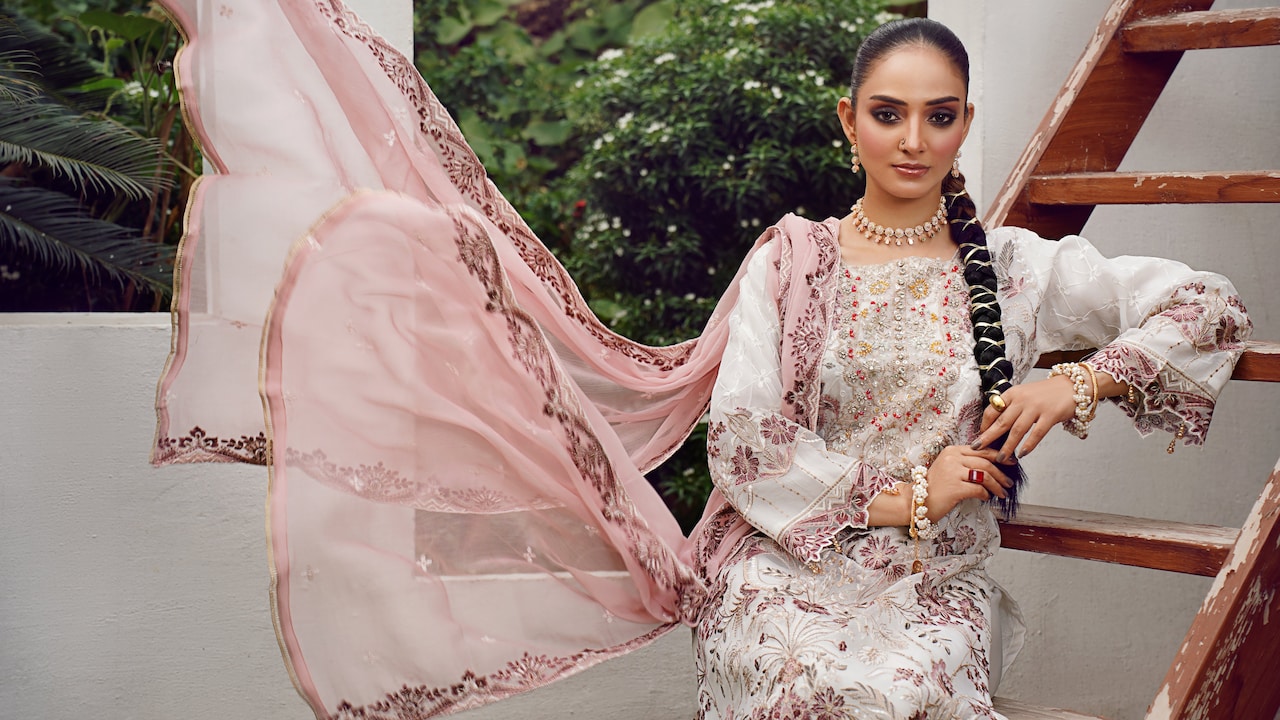
Fashion has always loved rebellion. Bell-bottoms arrived and shocked aunties. Chunky sneakers returned from the dead. Sarees found companions in belts, corsets and trainers. Now, denim jackets have entered the ethnicwear chat with full confidence and zero hesitation. The combination first gained popularity among college students and travel influencers who wanted comfort without giving up cultural flair. Soon, celebrities started pairing oversized denim jackets with lehengas, kurtas and even silk sarees. Suddenly, everyone seemed ready to experiment. One festive season later, local markets from Delhi to Surat displayed embroidered denim jackets beside mirror-work dupattas.
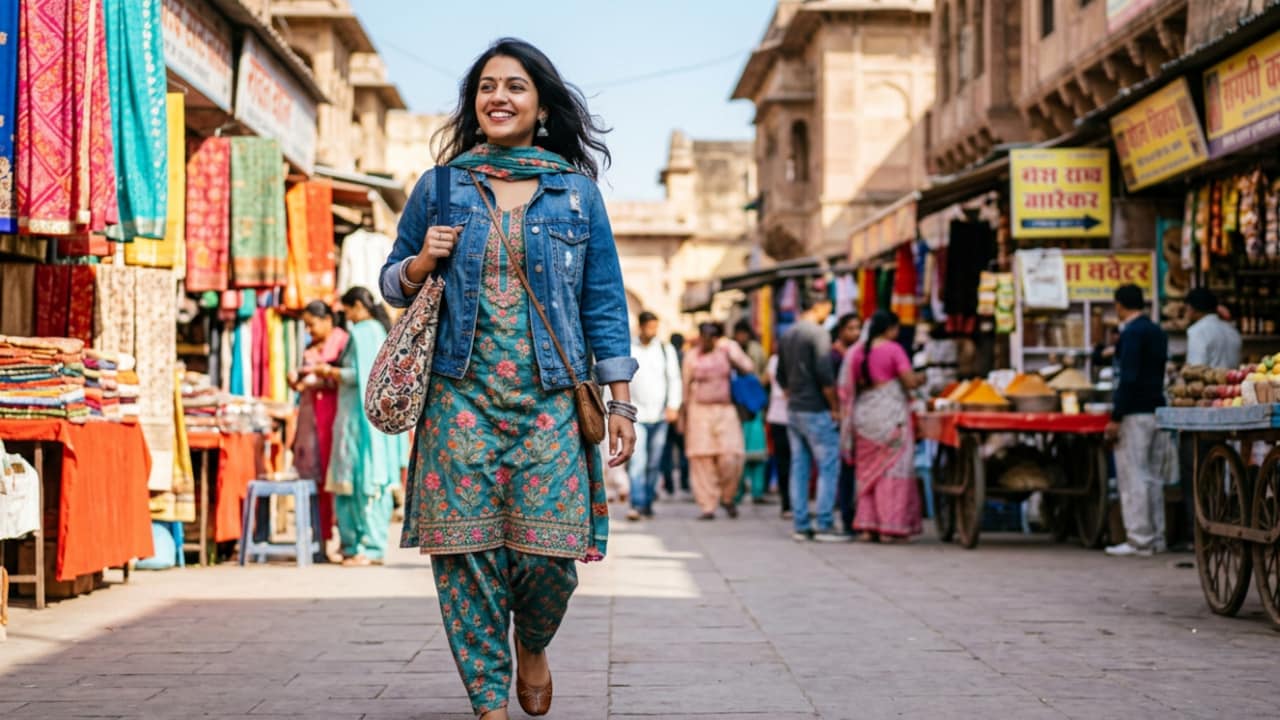
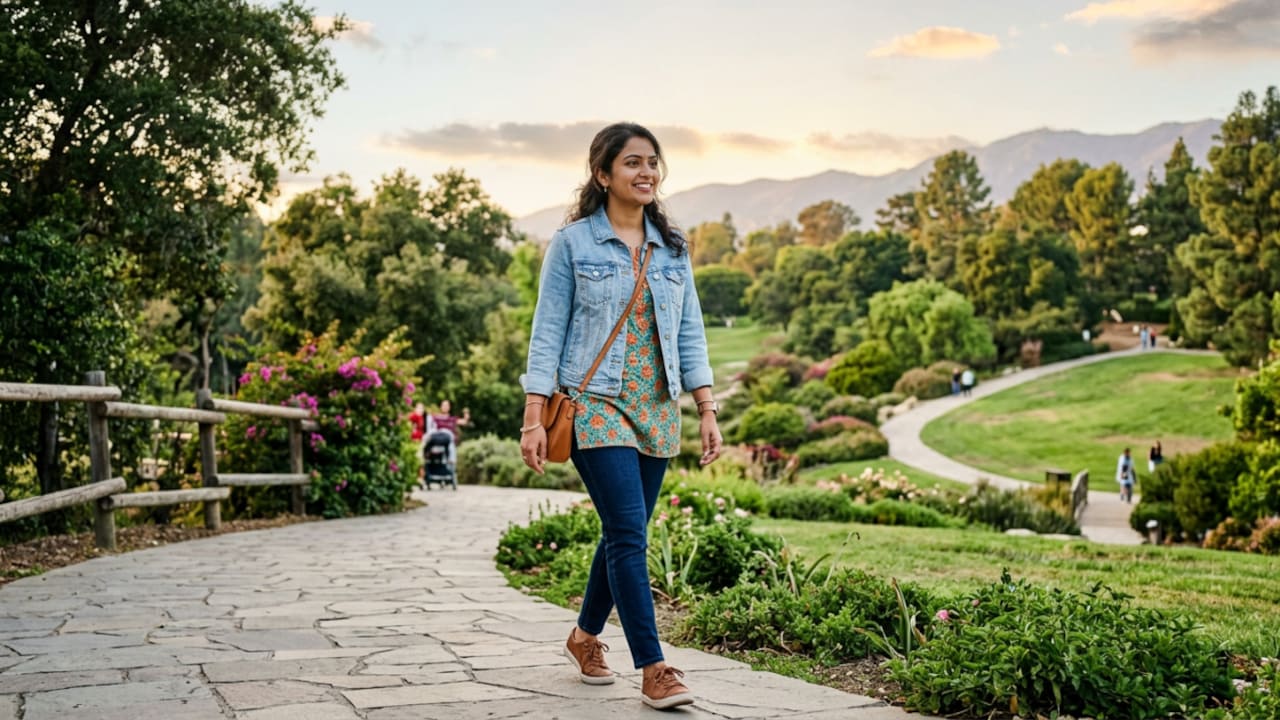
Why do people style denim jackets with ethnic wear fits; Photo Credit: Gemini
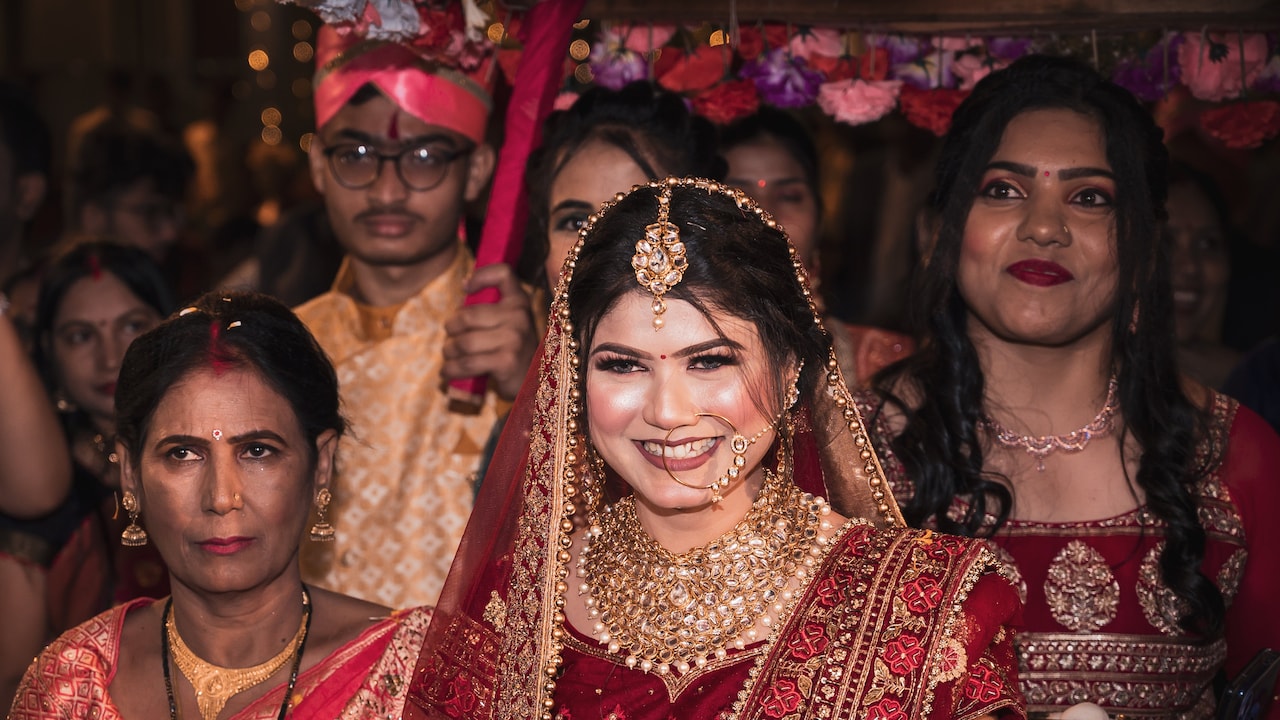
Still, not everyone feels convinced. Traditionalists often argue that ethnicwear already carries rich textures and craftsmanship. Why throw rugged denim into the mix? Others believe the contrast creates a refreshing balance between old and new. The debate grows louder during weddings, where one cousin arrives elegantly draped in a Banarasi saree while another walks in wearing a cropped denim jacket over a sequinned lehenga like a Bollywood stylist on caffeine.
Yet fashion rarely survives without risk. Some combinations fail spectacularly. Others quietly become classics. Denim over ethnicwear sits right in that unpredictable middle ground.
Also Read: 5 Best Denim Jackets for Women With Vintage Wash Under ₹1500
Denim Jackets Over Ethnicwear: Fashion Experiment Or Styling Disaster?
Why The Combination Feels Surprisingly Relatable
Perhaps the biggest reason this trend works lies in familiarity. Almost everyone owns a denim jacket. It hangs patiently in wardrobes through every season, waiting to rescue outfits during sudden weather changes or style emergencies. Ethnicwear, meanwhile, often appears reserved for festivals, weddings or family functions. Pairing the two suddenly makes traditional pieces feel approachable for everyday life.
A simple cotton kurta with jeans already feels normal. Add a faded blue denim jacket, and the outfit instantly looks café-ready. The same applies to maxi skirts, printed dresses and handloom sarees. The jacket tones down the formality without erasing the elegance.
This blend also mirrors the way younger generations approach fashion today. Strict rules no longer dominate wardrobes. Comfort matters. Personality matters more. Nobody wants to look like a catalogue mannequin carefully arranged beside fake marigolds and brass diyas. Real style now celebrates individuality, even if that means mixing Ajrakh prints with streetwear sneakers.
There is also something emotionally comforting about denim. It carries memories of college road trips, monsoon evenings and first concerts. Pairing that nostalgia with festive clothing creates a look that feels grounded rather than overly polished.
Bollywood's Obsession With Fusion Fashion
Cinema deserves partial blame for this entire movement. Stylists in films and celebrity shoots discovered years ago that fusion fashion photographs beautifully. A lehenga with a leather jacket has already made headlines. Denim naturally followed.
From airport sightings to music festivals, actors regularly pair distressed denim jackets with chikankari kurtas, sarees and shararas. Fans quickly recreate these looks because they feel achievable. A designer blouse costing ₹18,000 feels unrealistic. A denim jacket from a local market for ₹1,500 feels manageable.
Social media accelerated the trend further. Influencers began styling oversized jackets over floral lehengas for mehendi functions. Soon, wedding photographers captured bridesmaids twirling in sneakers and denim instead of matching heels. Fashion shifted from perfection to personality.
However, celebrity styling often hides practical reality. Professional draping, expensive fabrics and perfect lighting can make almost anything look stylish. The same combination may appear chaotic under harsh tube lights at a family gathering. That gap explains why some people adore the trend online but hesitate to try it offline.
Still, cinema influences aspiration deeply. Once a popular actor confidently wears denim over a silk saree, public hesitation quietly dissolves. Fashion suddenly stops asking permission.
When Denim Jackets Actually Elevate Ethnicwear
The pairing succeeds best when balance exists. Ethnicwear already carries strong visual elements through embroidery, colour and fabric texture. Denim works beautifully when it complements rather than competes.
For example, a lightly embroidered kurta paired with a classic blue jacket creates an effortless everyday outfit. Similarly, a plain black denim jacket over a printed maxi dress can transform simple festive wear into something contemporary and youthful. Cropped jackets especially flatter high-waisted skirts and lehengas because they define the silhouette without overwhelming it.
Colour coordination matters too. Neutral denim shades usually perform better than heavily distressed or patchwork designs. Acid-wash jackets covered in metallic studs often clash with intricate ethnic fabrics. Simplicity allows traditional craftsmanship to remain visible.
Fabric pairing also changes everything. Soft cottons, linens and flowy georgettes blend naturally with denim's rugged texture. Heavy brocades and velvets occasionally feel weighed down by it. Imagine wearing a heavily embellished wedding lehenga with a bulky jacket during peak summer in Mumbai. Fashion bravery has limits, especially in humidity.
The best outfits often appear effortless rather than carefully engineered. If the combination looks too calculated, the charm disappears instantly.
The Thin Line Between Stylish And Confusing
Fusion fashion carries one unavoidable danger. One wrong styling choice can turn experimental into accidental. Denim jackets over ethnicwear often fail when too many trends collide at once.
An oversized jacket with heavy mirror work, chunky jewellery, embellished juttis and dramatic makeup can easily create visual chaos. Instead of looking fashion-forward, the outfit begins resembling a hurried costume change backstage at a college dance competition.
Proportion creates another common issue. Long kurtas paired with oversized jackets sometimes cut the body awkwardly, making the entire outfit appear bulky. Similarly, heavily flared skirts combined with stiff denim may remove movement and elegance from the look.
There is also the matter of occasion. A casual denim layer may work perfectly for festive brunches or college events, but traditional ceremonies often demand more thoughtful dressing. Turning up at a sacred wedding ritual in ripped denim and sunglasses might earn more side-eyes than compliments from elderly relatives already suspicious of modern fashion.
Many people also mistake “fusion” for “random.” Good styling still requires harmony. Contrasts should feel intentional rather than confusing. Otherwise, the outfit risks becoming memorable for all the wrong reasons.
Street Style Culture Changed The Rules Completely
Street style transformed fashion from aspirational luxury into everyday expression. Earlier, people dressed according to rigid categories. Festivewear stayed festive. Casualwear stayed casual. Today, wardrobes mix freely.
Urban fashion culture encouraged experimentation through flea markets, thrift stores and independent labels. Suddenly, denim jackets appeared with hand-painted motifs, mirror work, block prints and embroidery inspired by regional crafts. The fusion no longer felt forced because designers intentionally built these garments around cultural influences.
College campuses especially embraced the trend because it suits unpredictable schedules. A student could attend lectures, grab coffee and head directly to a festive event without changing outfits entirely. The jacket acted as a bridge between practicality and celebration.
Music festivals and cultural events also contributed heavily. Young crowds wanted outfits that looked vibrant yet comfortable enough for long hours outdoors. Heavy traditional clothing alone often felt restrictive. Denim softened the seriousness and added movement.
This shift reflects a broader cultural mood. Fashion today values authenticity over rigid perfection. Personal interpretation matters more than textbook styling rules. A person confidently wearing a denim jacket over a saree often looks better than someone nervously adjusting a perfectly coordinated outfit all evening. Confidence quietly influences fashion more than trends admit.
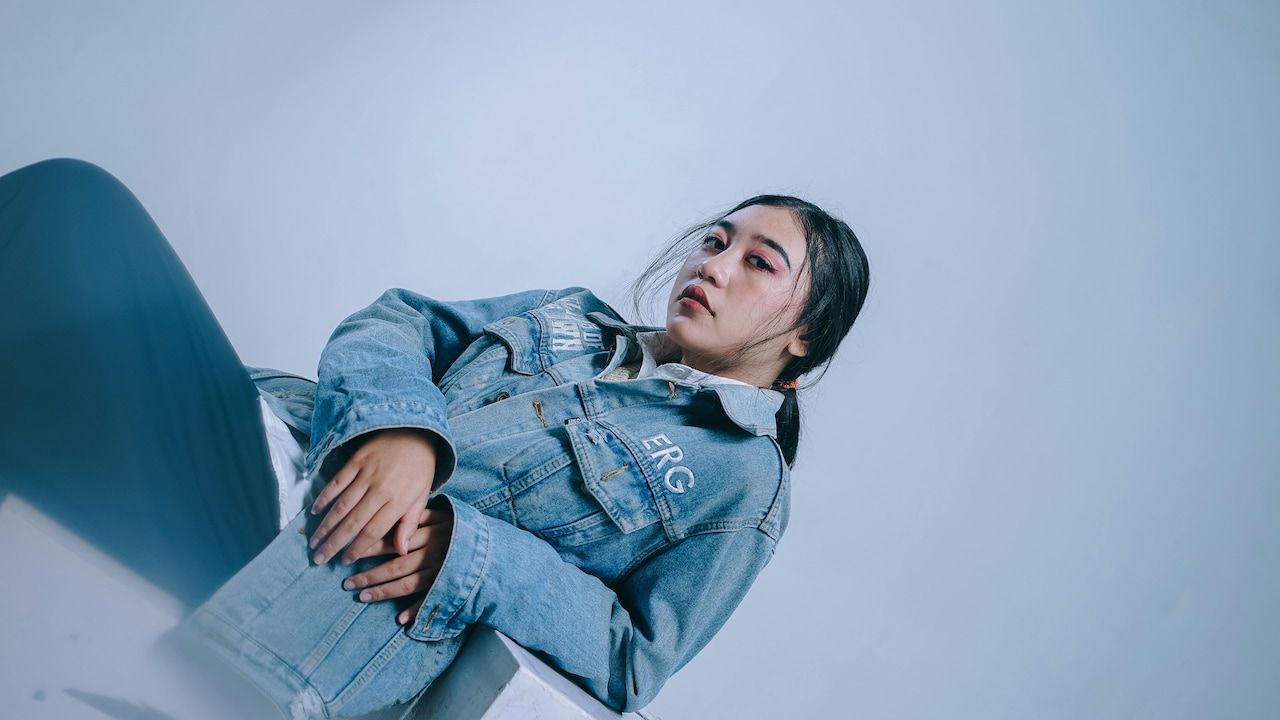
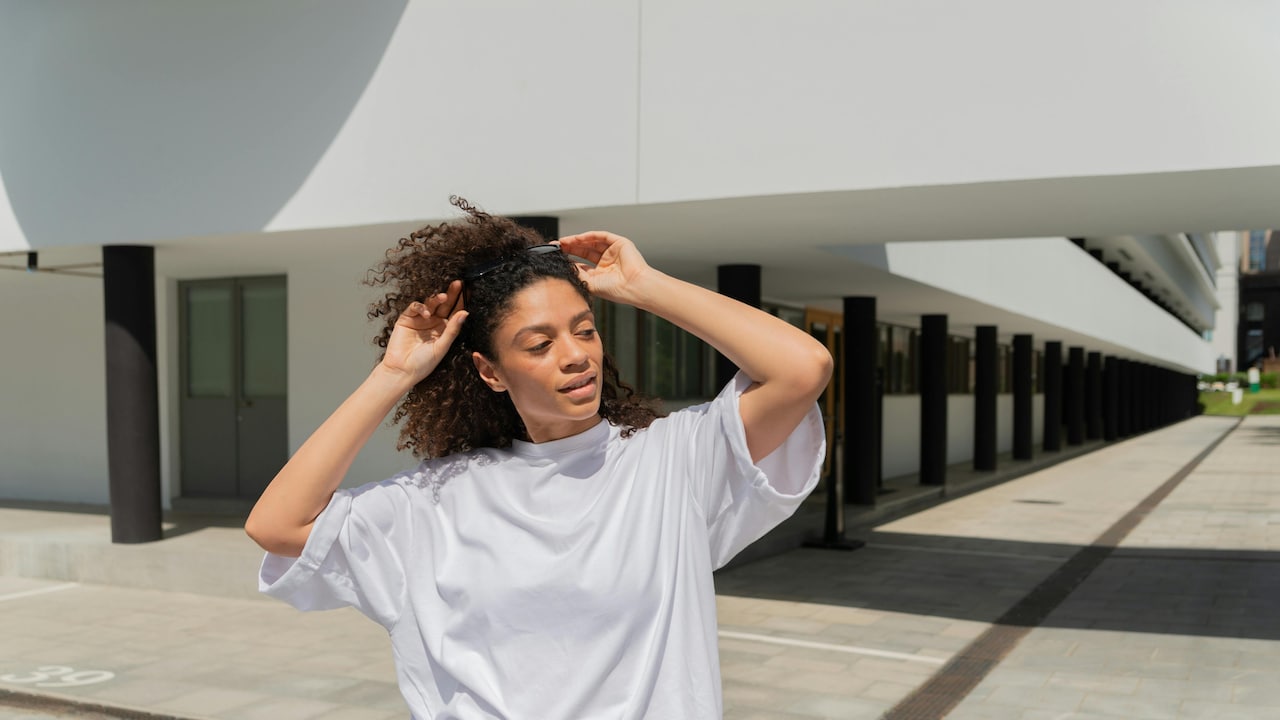
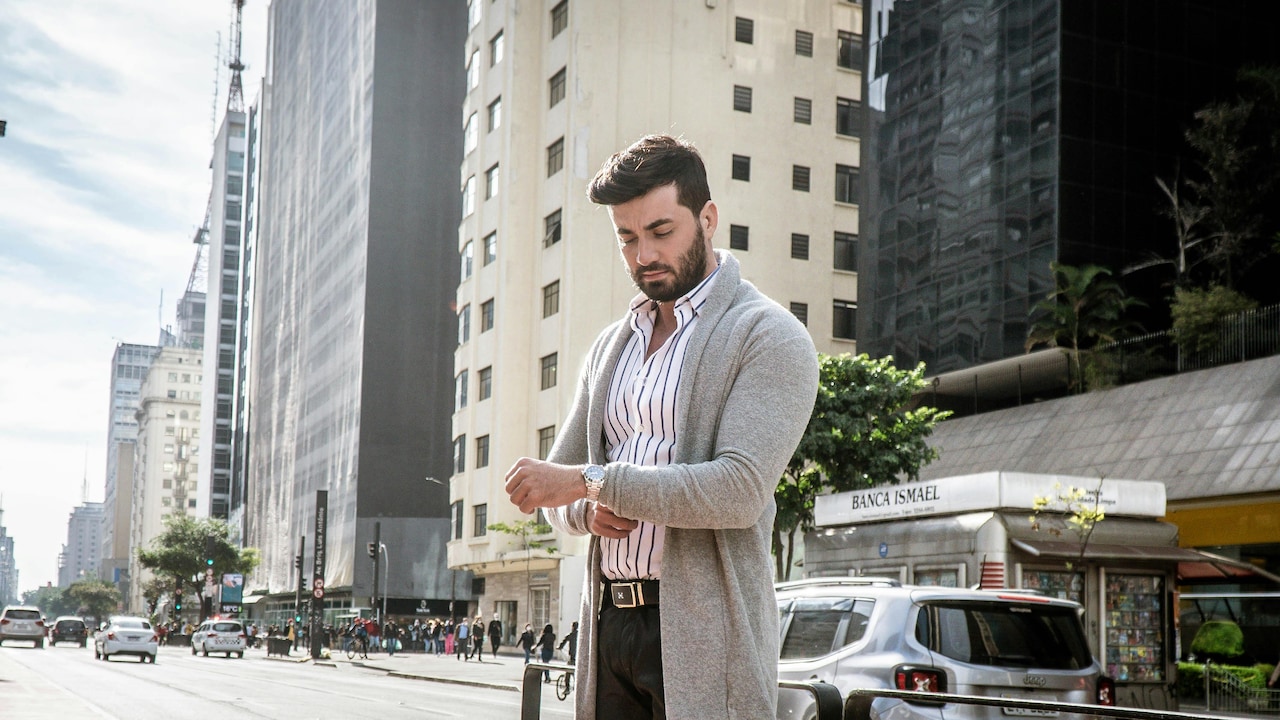
Streetstyle culture often changes the rule about fashion; Photo Credit: Pexels
Seasonal Dressing Made Denim More Practical
Weather rarely cooperates with fashion ambitions. Anyone who has attended a winter wedding in North India understands the struggle between looking elegant and surviving the cold. Shawls often ruin carefully planned outfits. Denim jackets entered as a stylish compromise.
A fitted jacket layered over a kurta or saree blouse adds warmth without completely hiding the outfit underneath. During monsoons, denim also feels practical compared to delicate fabrics that demand constant attention.
Travellers particularly love this pairing because it simplifies packing. One versatile jacket can style multiple ethnic pieces differently during holidays or destination weddings. Instead of carrying several heavy layers, people rely on denim to create variety.
Fashion brands quickly recognised this practicality. Many labels now design jackets with embroidery, tassels and handloom patches specifically intended for festive layering. Markets in cities like Ahmedabad and Pune display customised denim jackets with names stitched across the back for wedding functions. Bridesmaids especially adore them for post-function photographs.
Practicality often decides whether trends survive. Many dramatic runway looks disappear because real life refuses to cooperate. Denim over ethnicwear survived because it adapts easily to everyday routines while still feeling stylish enough for social occasions.
Older Generations Still Remain Divided
Fashion debates within families deserve their own television series. Denim over ethnicwear often sparks exactly that kind of household discussion. Younger people see creativity. Older relatives sometimes see confusion.
For many elders, ethnicwear carries emotional and cultural value. Sarees, kurtas and lehengas connect strongly with memories, rituals and craftsmanship. Pairing them with western casualwear may feel disrespectful or unnecessary. They often wonder why anyone would cover elegant embroidery with denim in the first place.
Yet attitudes slowly soften when styling feels tasteful. A clean dark-blue jacket over a simple handloom kurta often receives approval because it looks polished rather than rebellious. Loud experimental versions usually face stronger resistance.
Interestingly, generational differences also reflect changing lifestyles. Earlier wardrobes separated “traditional” and “modern” clothing clearly because occasions demanded it. Today, social settings overlap constantly. A festive dinner may happen right after office hours. Young professionals want outfits that transition smoothly between environments. Fusion dressing solves that practical challenge.
Some grandparents even secretly enjoy the trend once they see comfortable styling options. Fashion conversations usually begin with criticism and end with someone asking where the jacket came from.
Social Media Made Everyone A Stylist Overnight
Instagram deserves enormous credit for normalising this trend. Fashion creators constantly post styling hacks showing how one denim jacket can transform multiple festive looks. The accessibility attracts viewers immediately.
Unlike intimidating couture trends, this combination feels achievable. Most wardrobes already contain both pieces. The experiment costs little compared to buying entirely new outfits. That accessibility fuels viral popularity.
Short-form videos also changed fashion psychology. Earlier, people followed trends after magazines or films introduced them slowly. Now one viral reel can inspire thousands of wardrobe experiments overnight. A creator styling a ₹2,000 denim jacket over a saree may suddenly influence wedding season fashion across several cities.
However, social media also creates pressure to appear constantly unique. Some styling choices push experimentation so far that practicality disappears entirely. Wearing six layers of jewellery, combat boots, and an oversized jacket over delicate festivewear might attract online engagement, but surviving an actual family function in that outfit presents another story.
Still, digital platforms encourage creativity and confidence. They allow regional styles, thrift fashion and handmade customisation to gain visibility beyond local communities. Denim over ethnicwear became popular partly because ordinary people styled it in relatable ways rather than waiting for luxury designers to approve it first.
So, Is It Fashion Experiment Or Styling Disaster?
The answer honestly depends on execution. Denim jackets over ethnicwear can look strikingly stylish or painfully mismatched. The difference lies in balance, confidence and occasion awareness.
When styled thoughtfully, the combination feels modern, comfortable and refreshingly expressive. It softens formal clothing without stripping away cultural beauty. It also reflects contemporary lifestyles where people move constantly between traditions and modern spaces. Fashion naturally evolves alongside those realities.
At the same time, not every outfit benefits from forced fusion. Some ensembles already possess enough character without extra layering. Adding denim purely because social media declared it trendy often creates unnecessary clutter. Fashion should enhance personality, not bury it beneath endless experimentation.
Perhaps the real charm of this trend lies in its unpredictability. It invites creativity. It encourages people to rethink clothing rules inherited for decades. Sometimes the result becomes effortlessly chic. Other times, it resembles someone lost during a costume trial session before a college fest. Both possibilities remain part of fashion's strange magic.
Products Related To This Article
1. Tokyo Talkies Women Crop Denim Jacket
2. DressBerry Women Spread Collar Denim Cropped Jacket
3. Tokyo Talkies Women Green Denim Jacket
4. STREET 9 Women Blue Solid Crop Denim Jacket
5. Urbano Fashion Women Ice Blue Regular Fit Washed Full Sleeve Denim Jacket
6. Popnetic Women Pure Cotton Crop Denim Jacket
7. Glitchez Boxy Fit Denim Jacket
Denim jackets over ethnicwear represent more than just another temporary trend. They symbolise changing attitudes toward style, identity and comfort. Modern wardrobes no longer respect strict boundaries between traditional and casual dressing. People want versatility, individuality and practicality wrapped into one outfit.
The combination succeeds because it feels relatable. It allows festive clothing to breathe outside weddings and formal occasions. It gives denim a fresh purpose beyond ordinary layering. Most importantly, it reflects how younger generations approach fashion today, less rulebook, more personality.
Of course, not every experiment deserves applause. Styling still matters. Occasion still matters. Nobody wants to resemble a confused fashion mannequin during a family celebration. Yet dismissing the trend entirely ignores the creativity driving contemporary style culture.
Fashion has always evolved through risk. Some experiments disappear quietly. Others stay long enough to become normal. Denim jackets over ethnicwear may continue dividing opinions for years, but one thing remains certain: wardrobes have become far more interesting since the trend arrived.
(Disclaimer: This article may include references to or features of products and services made available through affiliate marketing campaigns. NDTV Convergence Limited (“NDTV”) strives to maintain editorial independence while participating in such campaigns. NDTV does not assume responsibility for the performance or claims of any featured products or services.)