The Compression Myth: Do Tighter Leggings Improve Workouts
Do tighter leggings really boost performance, or just confidence? This piece breaks down the science, myths and real impact of compression wear on everyday workouts.
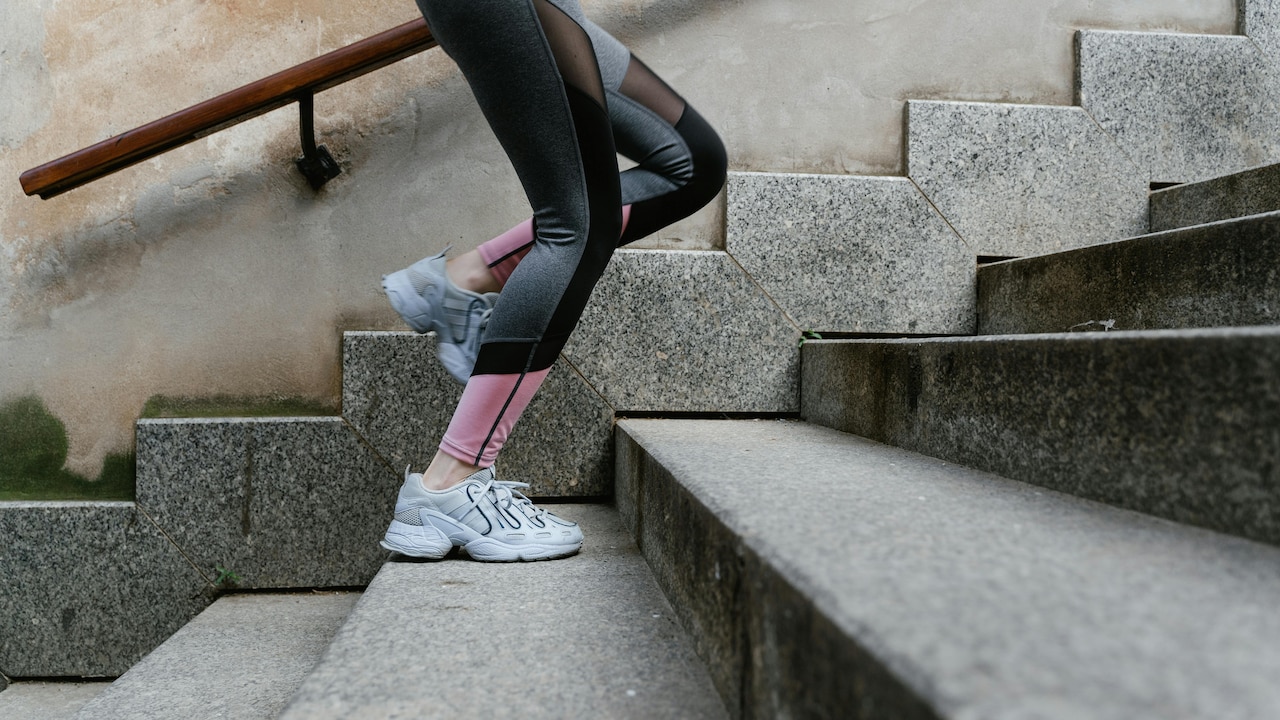
Do Compression Leggings Really Improve Workouts? The Truth Behind The Hype.
Step into any gym today, and the scene feels familiar. Rows of treadmills hum, weights clink rhythmically, and nearly everyone wears some form of athleisure. Among these, compression leggings stand out. They hug the body closely, almost like a second skin, and often come with a price tag that makes one pause before tapping “Buy Now”.
The appeal feels obvious. The idea that clothing could improve performance sounds irresistible. After all, if a pair of leggings could help run faster, lift heavier, or recover quicker, they would feel like a shortcut worth taking. Yet fitness rarely works that way.
This growing fascination raises a simple question. Do tighter leggings actually help workouts, or do they just feel like they do? The answer lies somewhere between science, psychology, and a bit of everyday gym culture.
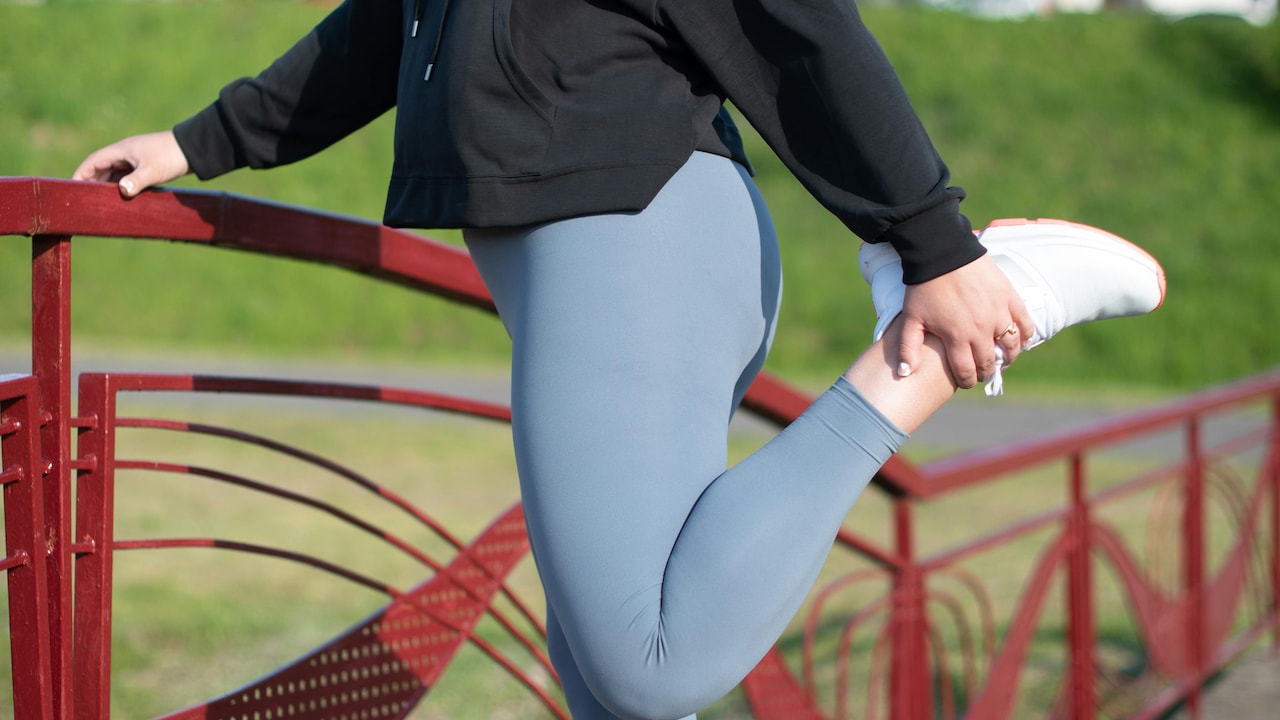
The Compression Myth: Do Tighter Leggings Improve Workouts; Photo Credit: Pexels
Breaking Down The Compression Leggings Debate
The Rise Of Compression Wear In Fitness Culture
Compression wear did not begin as a fashion trend. Its roots lie in medical use, where doctors recommended tight garments to improve blood circulation in patients. Over time, sports brands adapted this concept and turned it into performance gear.
Today, the shift feels complete. Compression leggings appear everywhere, from boutique fitness studios charging ₹1,500 per session to neighbourhood parks where joggers gather at sunrise. Social media has amplified this trend, showcasing sculpted silhouettes and promises of peak performance.
Marketing plays a strong role here. Advertisements often suggest that tighter clothing equals better workouts. The message feels subtle yet powerful. If professional athletes wear compression gear, then surely it must offer an advantage.
Yet the popularity also reflects something deeper. Fitness has become not just about health, but also identity. Clothing forms part of that identity. Compression leggings signal commitment, discipline, and a certain modern approach to fitness. Whether they truly improve performance becomes almost secondary to how they make people feel.
Understanding How Compression Actually Works
Compression garments apply gentle pressure to muscles and blood vessels. This pressure aims to support circulation, particularly venous return, which helps blood flow back to the heart more efficiently.
In theory, improved circulation could deliver more oxygen to muscles and remove waste products faster. That sounds ideal during exercise. The body works harder, and better blood flow might support endurance.
However, the effect remains modest. Studies suggest that while compression can slightly improve circulation, it does not dramatically boost performance for most people. The difference often feels subtle rather than transformative.
Another aspect involves muscle stabilisation. Tight leggings reduce small vibrations in muscles during movement. This may help decrease fatigue over long sessions, especially in activities like running.
Still, expectations often exceed reality. Compression supports the body, but it does not replace proper training, nutrition, or rest. It acts more like a supporting character than the main hero in any fitness journey.
Also Read: 5 Best Leggings Under ₹1000 for Yoga, Gym, and Lounging
Do Tighter Leggings Really Boost Performance?
The promise of better performance draws many towards compression wear. The idea that clothing alone could improve speed or strength feels appealing, especially on days when motivation dips.
In practice, the benefits remain limited. Research shows slight improvements in endurance for some athletes, particularly during prolonged activities. However, these gains rarely translate into noticeable changes for everyday workouts.
For instance, a morning jog around Marine Drive feels the same whether wearing regular track pants or compression leggings. The pace depends more on sleep, hydration, and mood than fabric tightness.
Yet perception plays a strong role. Wearing compression gear often creates a feeling of readiness. The snug fit can make movements feel more controlled, which boosts confidence.
This psychological edge matters. Confidence can push someone to complete that extra set or run an extra kilometre. While the leggings themselves may not improve performance directly, they can influence mindset, which indirectly affects results.
The Recovery Advantage: Fact Or Fiction?
One area where compression leggings show more promise lies in recovery. After intense workouts, muscles experience tiny tears that need time to repair. Proper recovery ensures stronger muscles and prevents injury.
Compression wear may help reduce muscle soreness. By improving circulation, it aids in flushing out metabolic waste and delivering nutrients needed for repair. Many athletes report feeling less stiff after wearing compression leggings post-workout.
However, the effect varies from person to person. Some notice clear benefits, while others feel little difference. Recovery still depends largely on sleep, hydration, and nutrition.
Consider the typical scenario after a heavy leg day. Walking up stairs feels like climbing a mountain. Compression leggings might ease that discomfort slightly, but they will not eliminate it.
So, while compression can support recovery, it does not replace basic recovery practices. Think of it as a helpful addition rather than a miracle solution.
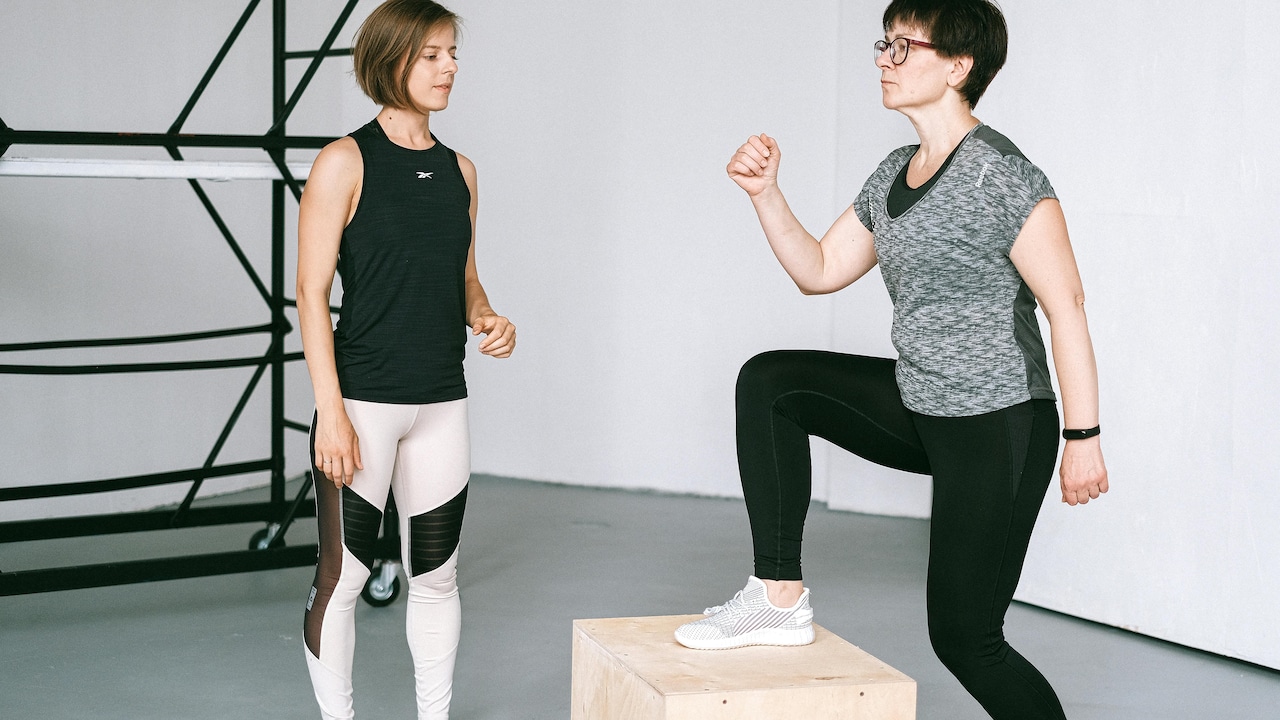
The Compression Myth: Do Tighter Leggings Improve Workouts; Photo Credit: Pexels
Comfort Versus Restriction: Finding The Balance
Not all tight leggings feel the same. Some provide supportive compression, while others simply feel restrictive. This distinction matters more than most realise.
Good compression leggings should feel snug but not suffocating. They should allow free movement without cutting into the skin. Poorly designed ones, however, can restrict blood flow or cause discomfort during workouts.
Many gym-goers have experienced this. Mid-squat adjustments, constant tugging, or that uncomfortable waistband digging in during yoga poses. These distractions can ruin focus and reduce workout quality.
Comfort often determines consistency. If leggings feel uncomfortable, workouts become less enjoyable. Over time, this can affect motivation.
Price does not always guarantee comfort either. A pair costing ₹3,000 might feel worse than one priced at ₹1,000. Fit, fabric, and personal preference matter far more.
Ultimately, the best leggings are those that support movement without drawing attention to themselves. When clothing fades into the background, workouts feel more natural and effective.
The Psychological Boost Of Compression Gear
Fitness often involves as much mental effort as physical. This is where compression leggings quietly shine. They create a sense of readiness, almost like wearing a uniform.
Putting on workout gear can trigger a mental shift. The body prepares for action, and the mind follows. Compression leggings enhance this effect because of their structured fit.
The snugness provides a sense of control. Movements feel more deliberate, posture improves slightly, and confidence grows. Even if the physical benefits remain minimal, the psychological impact can feel significant.
This explains why many people prefer compression wear despite limited scientific backing. Feeling good often leads to performing better.
A relatable example comes from busy professionals squeezing in evening workouts after long workdays. The right outfit can make the difference between skipping the gym and showing up.
In this sense, compression leggings act as motivation tools. They do not change the body directly, but they influence how one approaches exercise.
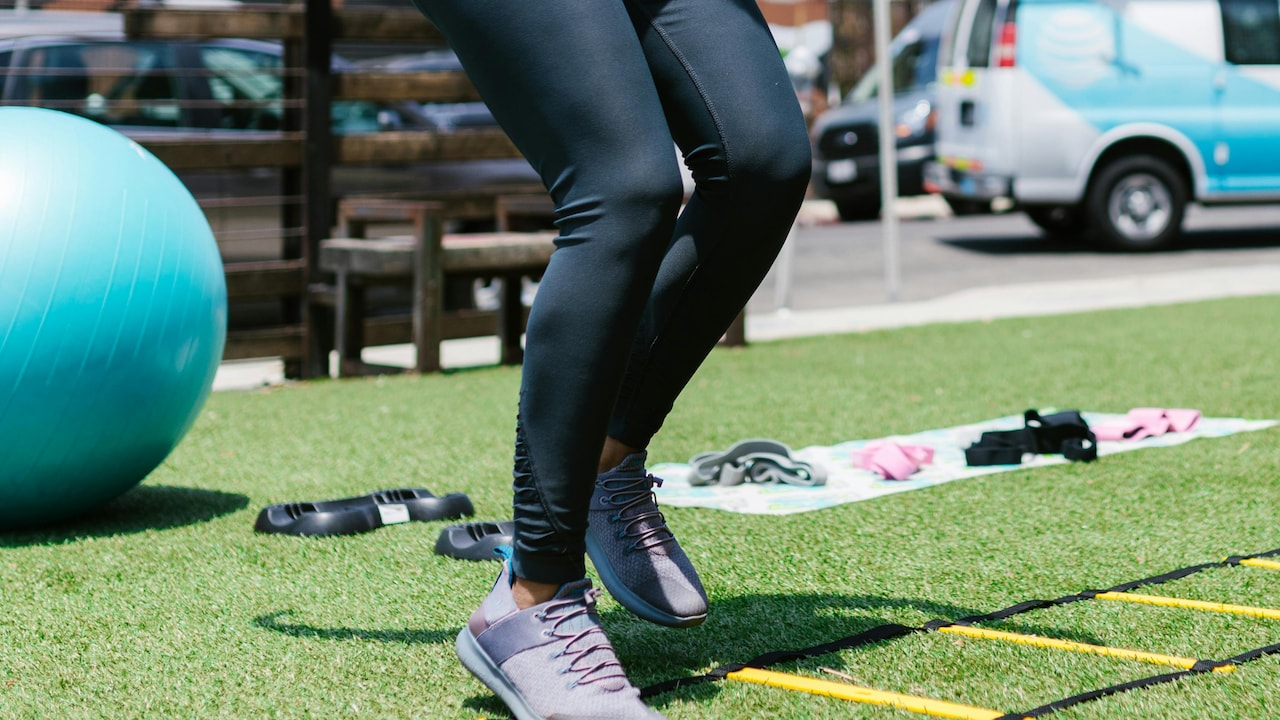
The Compression Myth: Do Tighter Leggings Improve Workouts; Photo Credit: Pexels
Sweat, Temperature, And Fabric Technology
Modern compression leggings often feature advanced fabrics designed to manage sweat and temperature. This adds another layer to their appeal.
Moisture-wicking materials pull sweat away from the skin, keeping the body relatively dry. This helps maintain comfort during intense sessions, especially in humid climates.
Breathability also plays a role. Good leggings allow airflow, preventing overheating. This matters during outdoor runs or crowded gym environments.
However, not all compression leggings deliver these benefits equally. Lower-quality options may trap heat or feel sticky after a few minutes of exercise.
Technology enhances comfort, but it does not transform performance. It simply creates a better workout environment.
Choosing the right fabric becomes important. Lightweight, breathable materials often outperform thicker ones, especially during longer sessions.
In the end, fabric technology supports the experience rather than altering the outcome of workouts.
Are Expensive Leggings Worth The Investment?
Walk into any sports store and the price range for leggings can feel surprising. From ₹800 basics to premium options crossing ₹5,000, the choices seem endless.
Higher-priced leggings often promise better compression, durability, and design. Some deliver on these promises, while others rely heavily on branding.
The key lies in value rather than price. A well-fitted pair that lasts long and feels comfortable offers more value than an expensive one that disappoints.
For many, investing in good-quality leggings makes sense. They withstand frequent washes, maintain shape, and provide consistent support.
However, spending excessively does not guarantee better workouts. Fitness depends on effort, not attire.
A balanced approach works best. Choose leggings that fit well, feel comfortable, and suit the type of workout. Whether they cost ₹1,200 or ₹4,000 matters less than how they perform in real use.
The Myth Of Spot Reduction And Body Shaping
One of the most persistent myths around compression leggings involves body shaping. Many believe tighter leggings can tone muscles or reduce fat in specific areas.
This idea sounds appealing but lacks scientific support. Fat loss occurs through overall calorie balance, not targeted compression.
Leggings may create a temporary slimming effect by smoothing out the silhouette. This can boost confidence, especially during workouts.
However, the effect remains purely visual. Once the leggings come off, the body remains unchanged.
Understanding this helps set realistic expectations. Compression wear enhances appearance but does not replace exercise or healthy eating.
This myth persists because it aligns with common desires. Everyone looks for easier ways to achieve fitness goals. Yet the truth remains simple. Consistency matters more than clothing.
Products Related To This Article
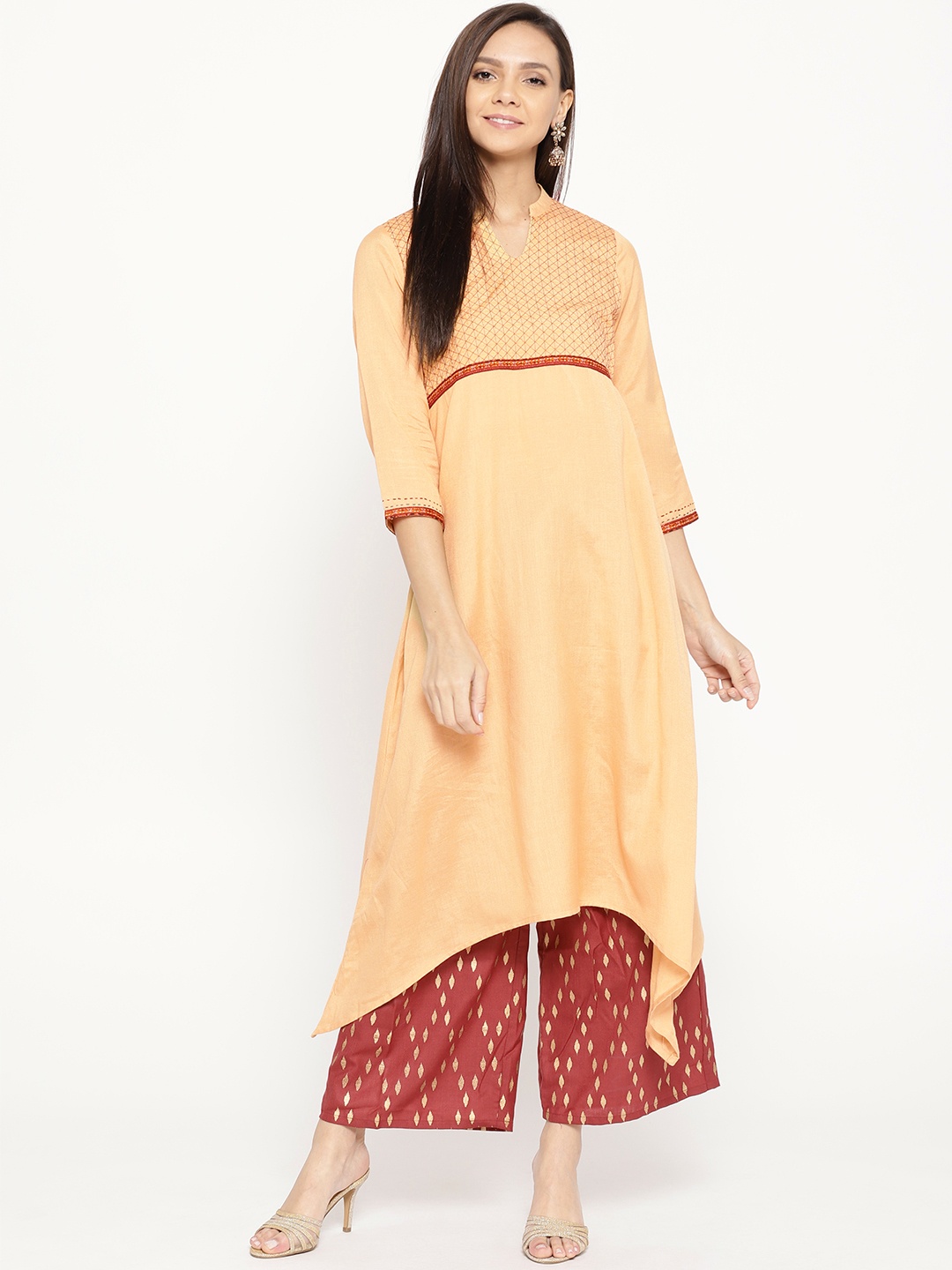
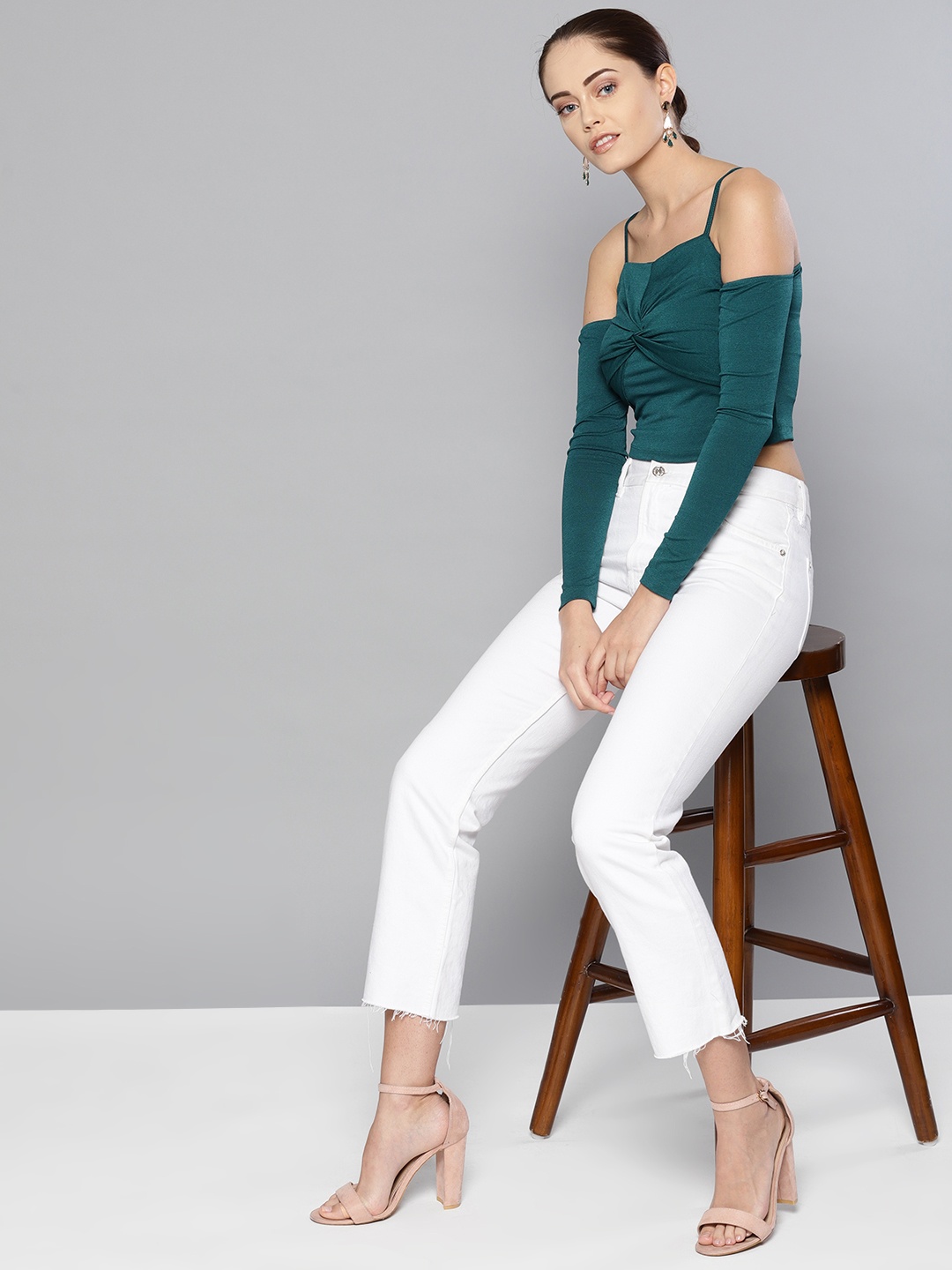
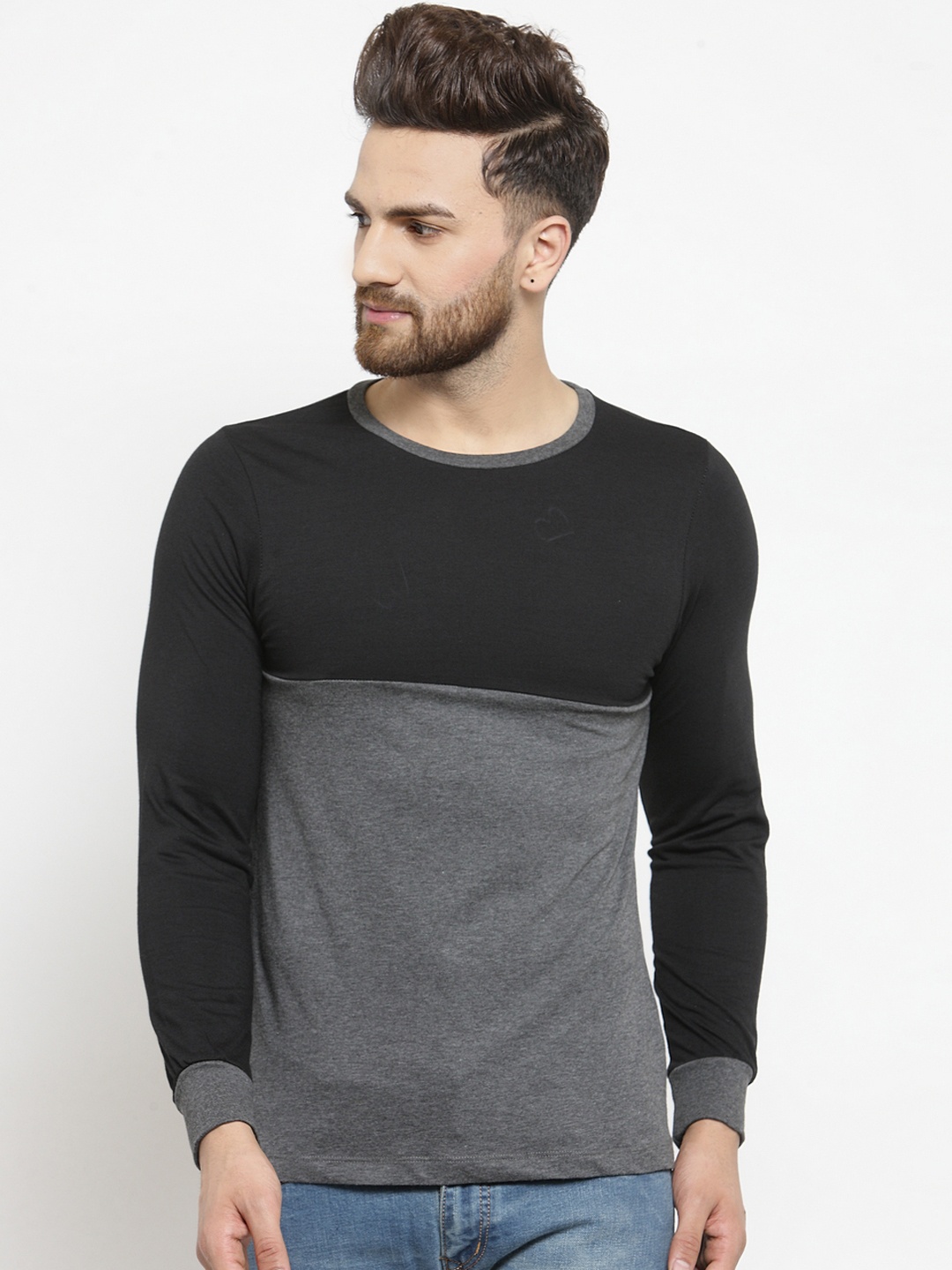
1. Victoria's Secret VS Elevate Low Compression Leggings
2. NINQ Women High-Waist Compression Ankle Length Wide-Leg Gym Tights
3. Decathlon KIPSTA - Men Black Keep Comfort Sports Compression Tights
4. SAWSEE Women Play Sculpt High Waist Leggings With Compression
5. Invincible Men Pro Compress Tights
6. Soie Women Seamless Activewear High compression Sports Tights
Compression leggings occupy an interesting space in the fitness world. They blend science, style, and psychology into a single garment. While they offer certain benefits, these remain modest rather than revolutionary.
They can support circulation, reduce muscle vibration, and aid recovery slightly. More importantly, they provide comfort and confidence, which influence workout consistency.
However, they do not replace hard work. No pair of leggings, no matter how tight or expensive, can substitute proper training, nutrition, and rest.
The real value lies in how they make people feel. If wearing compression leggings encourages regular workouts and boosts motivation, they serve a meaningful purpose.
At the end of the day, fitness does not depend on fabric. It depends on showing up, putting in effort, and staying consistent. The rest, including those snug leggings, simply play a supporting role.
(Disclaimer: This article may include references to or features of products and services made available through affiliate marketing campaigns. NDTV Convergence Limited (“NDTV”) strives to maintain editorial independence while participating in such campaigns. NDTV does not assume responsibility for the performance or claims of any featured products or services.)