Jeggings vs Leggings: Which One Actually Holds Shape After Washes?
Jeggings or leggings, which survives repeated washes without losing shape? A closer look at fabric, fit, and durability reveals which one truly holds up over time.
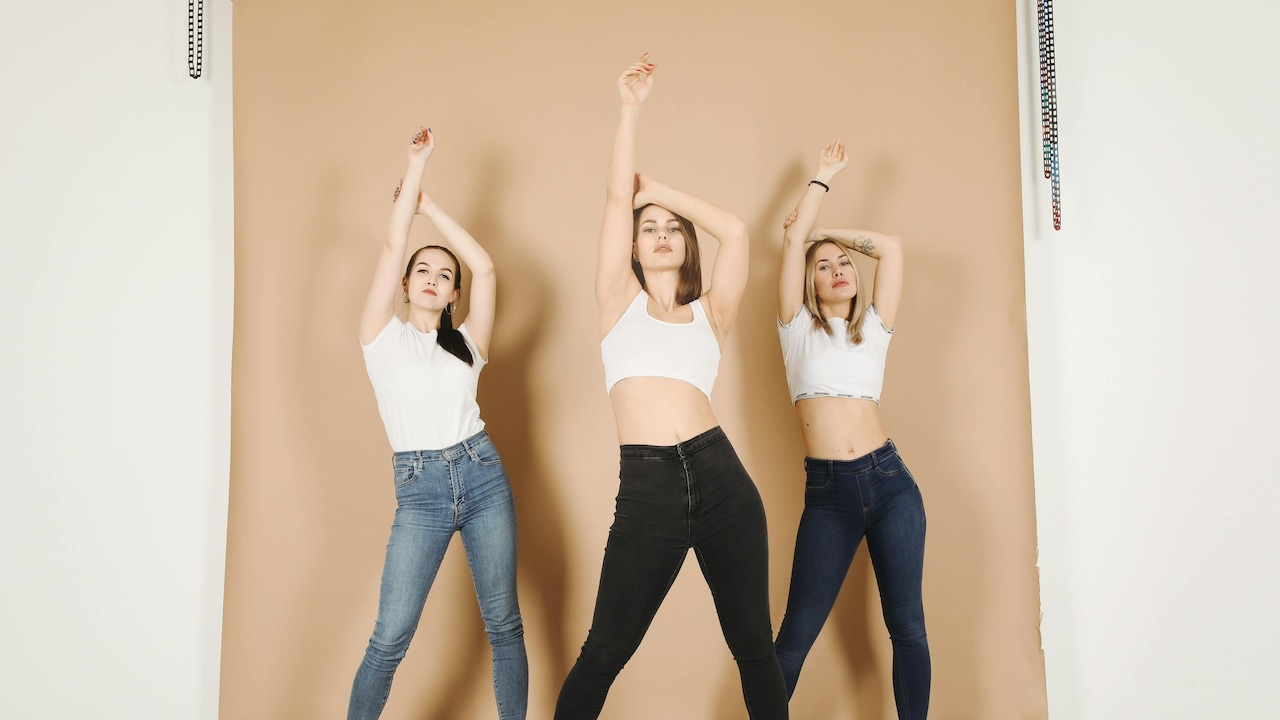
Jeggings vs Leggings: Which One Actually Holds Shape After Washes?
A good pair of stretch bottoms feels like a small victory. Slip them on, and the day feels sorted, comfortable yet put-together. Yet, that satisfaction often fades after a few washes. Waistbands loosen, knees sag, and what once hugged perfectly starts behaving like an overstretched rubber band. The debate between jeggings and leggings is not new. Both promise comfort, flexibility, and easy styling. Both claim to be wardrobe staples. But when it comes to durability, especially how they hold shape after repeated washes, the difference becomes quite real.
Picture this: a ₹799 pair bought during a festive sale looks great on day one. By the third wash, it starts slipping at the waist or bunching awkwardly at the knees. That's when the real question hits: was it the wrong choice, or just the wrong type?
This article explores that exact dilemma. Through fabric breakdowns, wear patterns, and everyday scenarios, it uncovers which option truly stands the test of time.
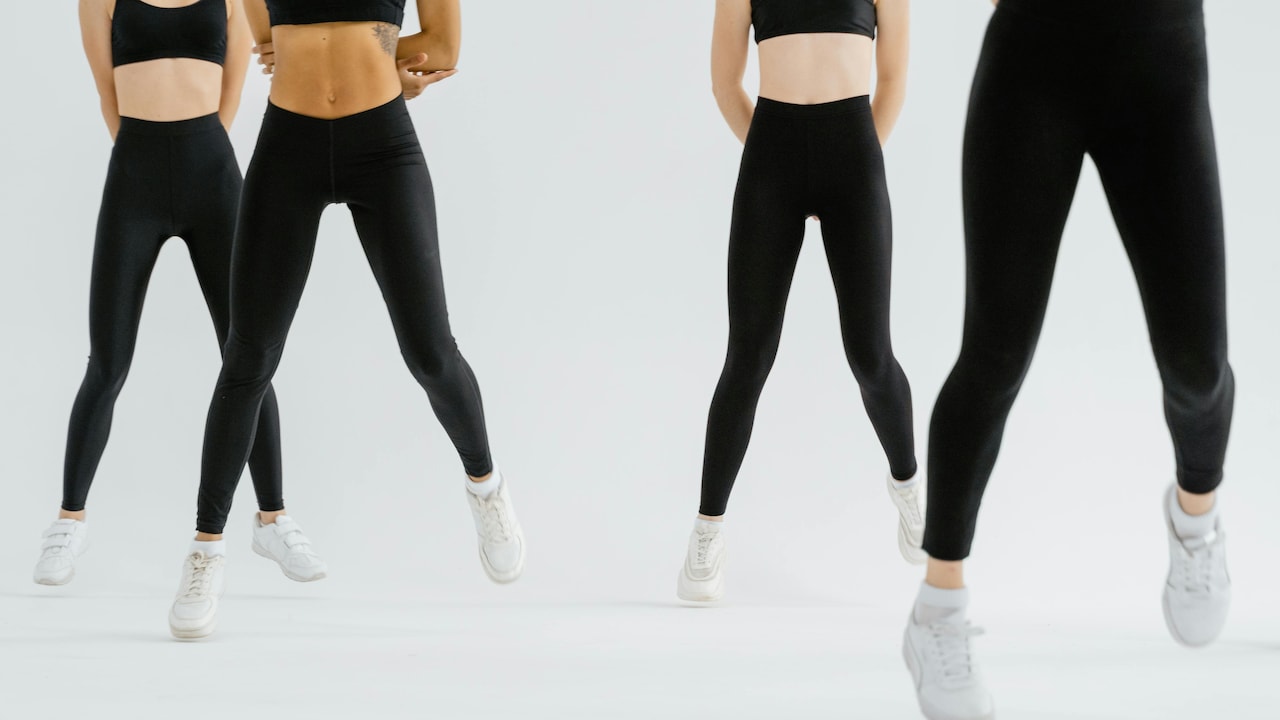
Jeggings vs Leggings: Which One Actually Holds Shape After Washes?; Photo Credit: Pexels
Understanding What Really Affects Shape Retention
Fabric Composition: The Real Game Changer
The foundation of any garment lies in its fabric. Jeggings typically blend cotton, polyester, and elastane, mimicking denim while keeping stretch intact. Leggings, on the other hand, lean heavily on synthetic fibres like spandex and polyester, sometimes mixed with cotton.
This difference may sound technical, but it shows up clearly after washing. Cotton-based jeggings tend to shrink slightly at first but stabilise over time. The structure provided by the denim-like weave helps them bounce back into shape. Leggings, especially cheaper ones, often rely too much on elasticity rather than structure. That elasticity wears out with repeated washes.
Think of it like a rubber band versus a woven rope. One stretches easily but weakens quickly; the other resists change and holds its form longer. In daily wear, this translates into leggings losing firmness around the waist or knees faster than expected.
Fabric quality matters too. A ₹1,200 pair of leggings with high-quality elastane might outperform low-cost jeggings. Still, as a category, jeggings have an edge due to their more structured fabric blend.
Waistband Strength: The Silent Hero
The waistband rarely gets attention until it fails. That snug fit around the waist defines comfort and confidence. Once it loosens, even the best-looking pair becomes frustrating.
Jeggings often feature thicker waistbands, sometimes reinforced to mimic jeans. This added support helps them maintain shape after multiple washes. Leggings, especially budget options, often come with thin elastic bands stitched into soft fabric. Over time, these bands stretch out and lose their grip.
Imagine rushing to catch a local train, only to keep adjusting a slipping waistband. It's not just inconvenient; it ruins the experience of wearing the garment. Jeggings rarely create this problem because their waistbands are designed for structure.
Repeated washing, especially in hot water, weakens elastic fibres. Leggings suffer more here because their entire fit depends on elasticity. Jeggings distribute the stress across fabric and stitching, giving them better longevity.
Also Read: How To Wear Jeggings in the Summer So That They Do Not Sag After a Few Hours: 10 Smart Ways
Knee Sagging: The Ultimate Test
Nothing exposes wear and tear like the knees. Sit through a long office day, and the fabric stretches. Stand up, and the real test begins: Does it snap back or stay baggy?
Leggings often fail this test after a few washes. The knee area starts to bulge, creating that unmistakable “worn-out” look. This happens because the fabric stretches repeatedly without enough structural support to recover.
Jeggings, with their denim-like composition, resist this sagging. The tighter weave ensures that even after bending and stretching, the fabric returns closer to its original shape.
A long day of errands, walking through markets, climbing stairs, and sitting for chai breaks puts these garments to the test. Jeggings tend to hold their dignity through it all, while leggings sometimes look tired before the day ends.
Over time, this difference becomes more pronounced. After ten washes, the gap between the two becomes hard to ignore.
Washing Behaviour: What Happens Inside The Machine
The washing machine can be both a friend and a silent destroyer. The way fabrics react to water, detergent, and spin cycles determines their lifespan.
Leggings absorb water easily due to their synthetic-heavy composition. This makes them more prone to stretching during wash cycles. High-speed spins further strain the elastic fibres, leading to gradual loosening.
Jeggings, with their sturdier fabric, handle washing better. They may feel slightly stiff after air drying, but that stiffness often indicates that the structure remains intact. A quick wear usually softens them again.
Detergents also play a role. Strong detergents can break down elastane fibres faster, affecting leggings more than jeggings. Over time, this chemical wear becomes visible in the form of thinning fabric and reduced elasticity.
Care routines matter, but even with gentle washing, leggings show signs of fatigue earlier than jeggings.
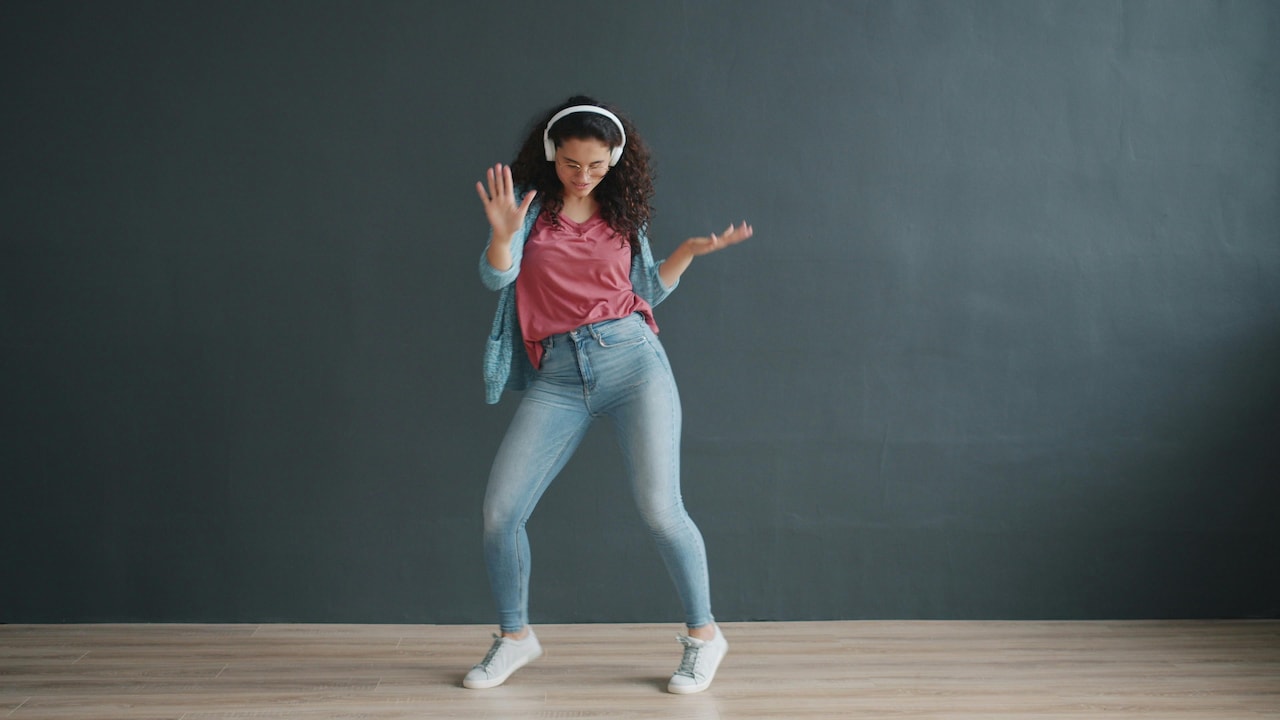
Jeggings vs Leggings: Which One Actually Holds Shape After Washes?; Photo Credit: Pexels
Heat Exposure: The Hidden Enemy
Drying methods influence how garments age. Heat, whether from direct sunlight or a dryer, can damage elastic fibres significantly.
Leggings suffer more from heat exposure. The elastane fibres weaken, leading to permanent stretching. Even a few cycles in a dryer can reduce their lifespan drastically.
Jeggings handle heat slightly better because of their mixed fabric composition. Cotton and polyester blends resist heat damage more effectively, helping maintain shape.
Consider a sunny balcony where clothes dry quickly. While both garments face exposure, leggings often emerge slightly looser. Over time, this effect compounds, making them lose their original fit.
Avoiding excessive heat helps, but when comparing the two, jeggings show more resilience against this invisible wear factor.
Stitching And Construction: The Backbone Of Durability
Beyond fabric, construction determines how well a garment holds up. Jeggings usually feature reinforced stitching, especially around stress points like seams and pockets.
Leggings often prioritise comfort over durability. Their seams are softer and less structured, which feels great initially but may not last as long.
Repeated stretching and washing put pressure on seams. In leggings, this can lead to slight distortions, causing uneven fits. Jeggings, with stronger stitching, maintain alignment better.
Picture wearing a pair for a casual outing, only to notice twisted seams after washing. That subtle flaw changes how the garment sits on the body. Jeggings rarely develop this issue as quickly.
Construction quality doesn't always show upfront, but reveals itself over time. In this regard, jeggings again take the lead.
Fit Retention Over Time: The Long-Term View
The real test lies not in the first wear or even the fifth wash, but after months of use. Fit retention defines whether a garment remains a favourite or gets pushed to the back of the wardrobe.
Leggings often start strong. They feel soft, stretch easily, and adapt to movement. However, over time, they lose that snug fit. Waistbands loosen, fabric thins, and overall structure fades.
Jeggings age differently. They may feel slightly tighter initially, but they maintain their shape much longer. Even after multiple washes, they retain their original silhouette better.
Think of it like a trusted pair of jeans that only gets better with time. Jeggings follow a similar pattern, while leggings often peak early and decline faster.
For anyone looking for longevity, this difference becomes crucial.
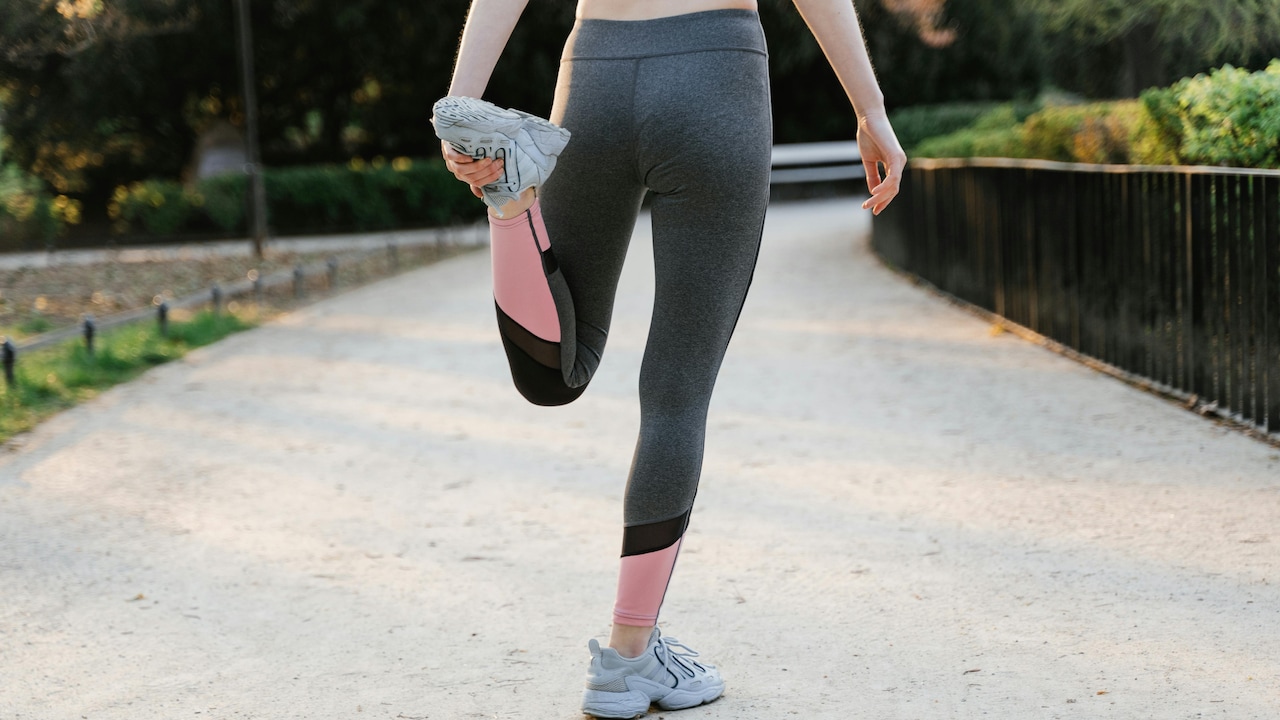
Jeggings vs Leggings: Which One Actually Holds Shape After Washes?; Photo Credit: Pexels
Style Longevity: Looking Good After Repeated Use
Holding shape isn't just about comfort; it affects appearance too. A well-fitted garment enhances confidence, while a stretched-out one does the opposite.
Leggings that lose shape often look faded and worn, even if the fabric hasn't torn. The sagging knees and loose waist create a less polished look.
Jeggings maintain a sharper appearance. Their structured fabric keeps them looking newer, even after several washes. This makes them more versatile for both casual and semi-formal settings.
Imagine heading out for dinner and reaching for a pair that still looks crisp. Jeggings often fit that role better than leggings.
Style longevity adds value to every rupee spent. A garment that looks good longer naturally feels like a better investment.
Cost Vs Value: What Actually Pays Off
Price tags can be misleading. A ₹499 pair of leggings might seem like a bargain, but if it loses shape within a month, the value drops quickly.
Jeggings, often priced slightly higher, tend to offer better longevity. Their ability to hold shape after repeated washes makes them a smarter investment over time.
However, quality within each category matters. Premium leggings can outperform low-quality jeggings. The key lies in fabric composition and construction.
Still, when comparing average options, jeggings provide better value per wear. They last longer, look better, and require fewer replacements.
In the long run, spending a bit more up front often saves money and frustration.
Everyday Practicality: Real-Life Comfort And Confidence
Beyond technical details, everyday experience matters most. Comfort, confidence, and reliability define how often a garment gets worn.
Leggings shine in immediate comfort. They feel soft and easy, perfect for lounging or quick errands. But their declining fit can become a drawback over time.
Jeggings strike a balance between comfort and structure. They may feel slightly firmer but offer consistent support and fit, even after many washes.
Picture a busy day, work, errands, maybe an evening outing. A pair that holds shape throughout the day makes all the difference. Jeggings tend to deliver that reliability.
In practical terms, they reduce the need for constant adjustments and maintain a polished look from morning to evening.
Products Related To This Article
1. ADBUCKS Women Blue Slim Fit Washed Stretchable Denim Jeggings
2. Trendmalls Women Cotton Solid Ankle Length Leggings
3. Ether Women Black Solid Treggings
4. IMPERATIVE Women Crossover Belt High-Rise Dry-Fit Ankle-Length Gym Tights
5. LYRA Women Mid-Rise Denim Jeggings with Pockets
The battle between jeggings and leggings isn't about which feels better on day one. It's about which stands strong after weeks and months of wear.
Leggings offer unmatched comfort initially, but struggle to maintain shape over time. Their reliance on elasticity becomes their weakness after repeated washes. Jeggings, with their structured fabric and stronger construction, hold their form better and age more gracefully.
For anyone tired of sagging knees and slipping waistbands, the choice becomes clear. Jeggings provide durability, style retention, and better value in the long run.
That doesn't mean leggings have no place in a wardrobe. They remain ideal for short-term comfort and relaxed settings. But when longevity matters, jeggings take the lead.
In the end, the washing machine reveals the truth. And more often than not, jeggings come out looking like they still mean business.
(Disclaimer: This article may include references to or features of products and services made available through affiliate marketing campaigns. NDTV Convergence Limited (“NDTV”) strives to maintain editorial independence while participating in such campaigns. NDTV does not assume responsibility for the performance or claims of any featured products or services.)