Why Do Sneakers Feel Hot And Suffocating: And What To Look For Instead
Sneakers often trap heat and moisture, leaving feet sweaty and uncomfortable. This is why it happens, and what to look for in breathable, comfortable footwear instead.
Why Do Sneakers Feel Hot And Suffocating: And What To Look For Instead
There is something quietly frustrating about slipping into a brand-new pair of sneakers, expecting comfort, and instead feeling as though the feet have been sealed inside a small oven. The promise of cushioning and support turns into damp socks, heat build-up, and that strange, suffocating sensation that makes every step feel heavier than it should. This is not just about discomfort. It affects posture, mood, and even how long someone can stay on their feet through a busy day of commuting, errands, or simply walking through crowded streets. Many assume the issue lies with the weather or long hours outdoors, but often the real culprit sits right beneath the ankles.
Sneakers today come in countless designs, colours, and price points, from ₹1,500 budget buys to premium pairs costing upwards of ₹10,000. Yet price rarely guarantees comfort. The real difference lies in design choices, materials, and how well a shoe understands the natural needs of the foot.
Understanding why sneakers feel hot and suffocating is the first step. Choosing better alternatives is the next step.
Why Do Sneakers Feel Hot And Suffocating: And What To Look For Instead
Photo Credit: Pexels
Why Sneakers Feel Hot And Suffocating
Poor Breathability In Materials
Most discomfort begins with the materials used. Many sneakers rely heavily on synthetic fabrics that trap heat rather than allowing airflow. While these materials often look sleek and durable, they tend to behave like plastic wrap for the feet.
Imagine wearing a raincoat on a humid afternoon. That same trapped warmth builds inside poorly ventilated sneakers. The foot, naturally prone to sweating, cannot release moisture effectively. Over time, this creates a sticky, suffocating environment.
Cheaper sneakers, especially those priced around ₹1,500 to ₹2,500, often prioritise cost over comfort. They skip breathable mesh or natural fabrics and instead use dense synthetic layers. Even some premium models fall into this trap, focusing more on aesthetics than function.
Breathability matters because feet contain thousands of sweat glands. Without proper ventilation, heat accumulates quickly. The result is not just discomfort but also unpleasant odours and an increased risk of skin irritation.
A good sneaker should feel almost airy, allowing subtle airflow with every step. If a shoe feels warm even before stepping outdoors, it is likely to become unbearable after an hour of walking.
Overly Cushioned Designs That Trap Heat
Cushioning sounds like a blessing, but too much of it can become a problem. Many modern sneakers boast thick soles and padded interiors that promise cloud-like comfort. In reality, excessive cushioning often acts as insulation.
The padding absorbs heat and holds it close to the foot. Instead of dispersing warmth, it creates a microclimate inside the shoe. This is particularly noticeable during long commutes or when standing for extended periods.
There is also a subtle psychological effect. Heavily cushioned shoes can feel secure at first, but over time, they begin to feel restrictive. The foot cannot move naturally, and this lack of movement adds to the sensation of suffocation.
Consider the experience of walking through a busy market on a warm afternoon. A heavily padded sneaker might feel fine at first, but within minutes, the heat builds. The foot feels boxed in, almost disconnected from the ground.
Balanced cushioning works better. Shoes that combine light padding with responsive support allow the foot to breathe and move. Comfort should not come at the cost of ventilation.
Tight Toe Boxes Restrict Airflow
The shape of a sneaker plays a crucial role in how it feels. Many designs narrow towards the front, squeezing the toes together. This might look stylish, but it limits both movement and airflow.
A cramped toe box creates pressure points. It also reduces the space where air can circulate. Without that space, heat accumulates faster, and the foot begins to feel suffocated.
This issue often goes unnoticed during a quick trial in a store. The discomfort builds gradually. After an hour or two, toes feel restricted, and the entire shoe begins to feel warmer.
Feet naturally expand throughout the day, especially in warm conditions. A tight toe box leaves no room for this expansion. The result is a constant sense of pressure and heat.
Sneakers that offer a wider front section feel noticeably different. Toes can spread naturally, allowing better airflow and reducing that trapped feeling. Comfort, in this case, comes from space rather than compression.
Lack Of Moisture-Wicking Linings
Sweat is inevitable, especially during long days outdoors. What matters is how the shoe handles it. Many sneakers lack proper moisture-wicking linings, meaning sweat stays inside rather than evaporating.
This creates a damp environment that feels both hot and uncomfortable. Wet fabric clings to the skin, increasing friction and making every step feel heavier.
Think of the difference between wearing a cotton shirt and a quick-dry fabric during a warm day. The latter feels cooler because it manages moisture better. The same principle applies to sneakers.
Without moisture-wicking properties, even a breathable shoe can feel suffocating. Sweat builds up, and the cooling effect of evaporation never happens.
Better sneakers use linings that pull moisture away from the foot. This keeps the interior drier and significantly improves comfort. It is a small detail, but one that makes a noticeable difference during daily wear.
Also Read: The Real Reason Your Sneakers Start Smelling Too Fast
Thick Soles That Block Heat Escape
Sole design often focuses on durability and shock absorption. However, very thick soles can prevent heat from escaping. They act as a barrier between the foot and the ground, trapping warmth inside.
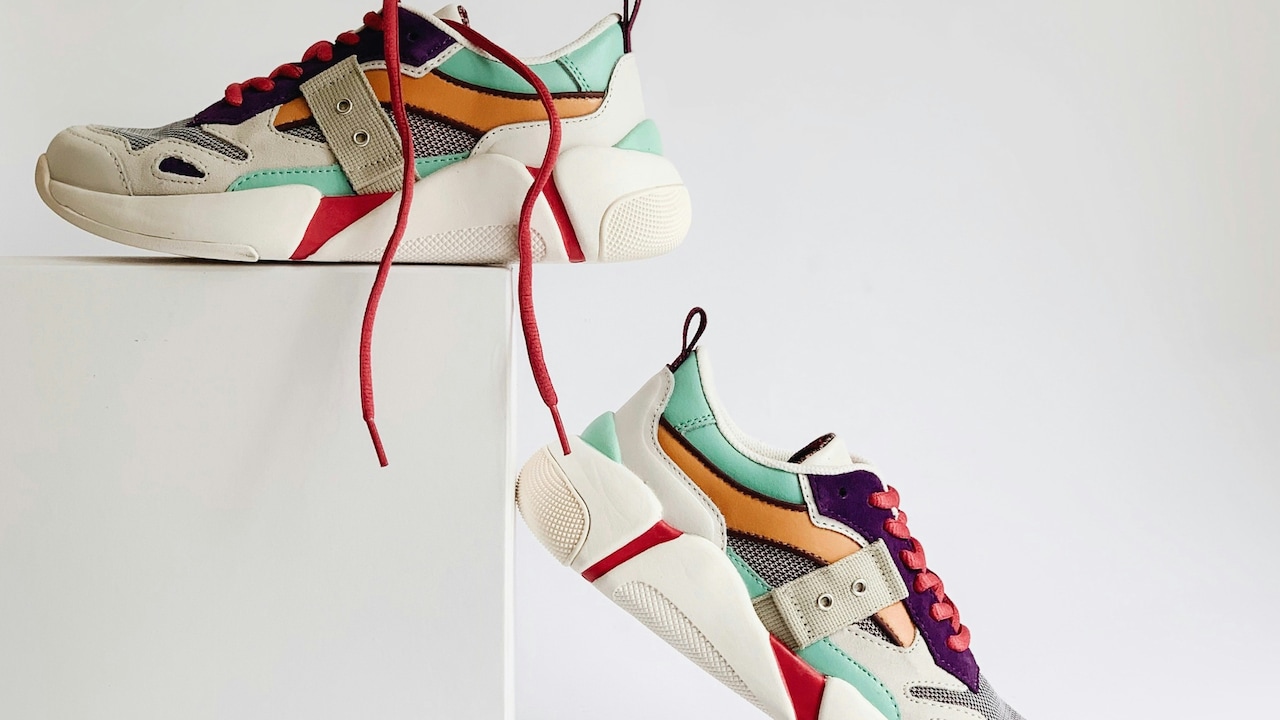
This is particularly common in chunky sneaker trends. While they offer height and style, they often compromise breathability.
Heat naturally moves downward as well as upward. When the sole blocks this movement, the entire shoe becomes warmer. Over time, this contributes to that suffocating sensation.
Walking on hot surfaces only worsens the problem. The sole absorbs heat from the ground and transfers it back to the foot. Without proper ventilation, this heat has nowhere to go.
A well-designed sole should balance cushioning with airflow. Some modern designs include small ventilation channels that allow heat to dissipate. These subtle features often go unnoticed but play a significant role in comfort.
Synthetic Insoles That Retain Warmth
Insoles are often overlooked, yet they sit directly beneath the foot. Many sneakers use synthetic foam insoles that trap heat rather than dispersing it.
These insoles can feel soft initially, but they tend to warm up quickly. Once heated, they hold onto that warmth, making the shoe feel increasingly uncomfortable.
Natural materials like cork or specially designed breathable foams perform better. They allow heat to escape and maintain a more stable temperature.
Another issue is odour. Synthetic insoles that retain moisture and heat become breeding grounds for bacteria. This not only affects comfort but also hygiene.
Replacing insoles can make a surprising difference. Even a ₹500 upgrade to a breathable insole can transform how a sneaker feels throughout the day.
Why Do Sneakers Feel Hot And Suffocating: And What To Look For Instead
Photo Credit: Pexels
Poor Fit Leading To Reduced Air Circulation
Fit is often reduced to size, but it goes beyond that. A shoe that fits too snugly reduces internal airflow. Even if the materials are breathable, limited space restricts how air moves inside.
This creates a paradox. A perfectly snug fit may feel secure, but it can also feel suffocating after prolonged use.
On the other hand, a slightly relaxed fit allows air to circulate naturally. Each step creates a subtle movement of air, helping to cool the foot.
Finding the right fit requires attention. Trying shoes in the evening, when feet are slightly swollen, gives a more accurate sense of comfort.
A well-fitted sneaker should feel supportive without feeling tight. There should be enough room for natural movement and airflow. Comfort often lies in this balance.
Style Trends That Prioritise Looks Over Comfort
Fashion trends play a significant role in sneaker design. Chunky silhouettes, glossy finishes, and layered materials often look appealing but compromise functionality.
Many designs focus on visual impact rather than practical comfort. Thick overlays, decorative panels, and synthetic coatings reduce breathability.
It is easy to be drawn towards a stylish pair displayed under bright lights. However, real comfort reveals itself only after hours of wear.
There is a growing shift towards minimalist designs that prioritise function. These sneakers may appear simpler, but they often feel significantly better.
Choosing comfort does not mean sacrificing style. It simply means looking beyond trends and focusing on how a shoe performs in real life.
Climate And Daily Conditions Matter
Weather plays a crucial role in how sneakers feel. Warm, humid conditions amplify every flaw in design. A shoe that feels fine in an air-conditioned store may become unbearable outdoors.
Daily routines also matter. Walking through crowded streets, using public transport, and spending long hours on foot demand better ventilation.
A sneaker suited for a short outing may not work for an entire day of errands. The difference becomes clear after a few hours.
Choosing the right shoe means considering where and how it will be worn. Lightweight, breathable options work better for daily use, especially in warmer climates.
Ignoring these factors often leads to discomfort. Understanding them helps in making smarter choices.
What To Look For Instead
The solution lies in thoughtful selection. Breathable mesh uppers, moisture-wicking linings, and flexible soles make a noticeable difference.
Shoes that feel light and airy tend to perform better over long periods. They allow the foot to move naturally and stay cooler.
Trying on sneakers and walking around for a few minutes helps. Paying attention to how the shoe feels rather than how it looks leads to better decisions.
Spending ₹3,000 to ₹5,000 on a well-designed pair often proves more worthwhile than chasing trends at higher prices.
Comfort is not a luxury. It is a necessity, especially for footwear used daily.
Why Do Sneakers Feel Hot And Suffocating: And What To Look For Instead
Photo Credit: Pexels
Products Related To This Article
1. Campus Women OGL-4 Round Toe Sneakers
2. Puma Smashic Comfort Casual Sneakers
3. HRX by Hrithik Roshan Unisex Round Toe Lace-Ups Sneakers
4. Red Tape down town dapper Women Colourblocked Sneakers
5. ASIAN Women Round Toe Sneakers
Sneakers should support movement, not restrict it. Yet many designs fall short, creating heat, discomfort, and that unmistakable suffocating feeling.
The reasons are often hidden in plain sight: poor materials, tight designs, excessive cushioning, and a focus on style over function. Recognising these factors changes how footwear is chosen.
Comfort begins with understanding. It grows with better choices. A well-designed sneaker does not just look good; it feels effortless, almost unnoticeable, even after hours of wear.
And that is perhaps the true goal, not to think about shoes at all, because they simply do their job.
(Disclaimer: This article may include references to or features of products and services made available through affiliate marketing campaigns. NDTV Convergence Limited (“NDTV”) strives to maintain editorial independence while participating in such campaigns. NDTV does not assume responsibility for the performance or claims of any featured products or services.)