Memory Foam Insoles: Do They Actually Reduce Foot Pain?
Memory foam insoles promise softer steps and less foot pain. But do they truly help or just feel good temporarily? This is a clear look at their real benefits and limits.
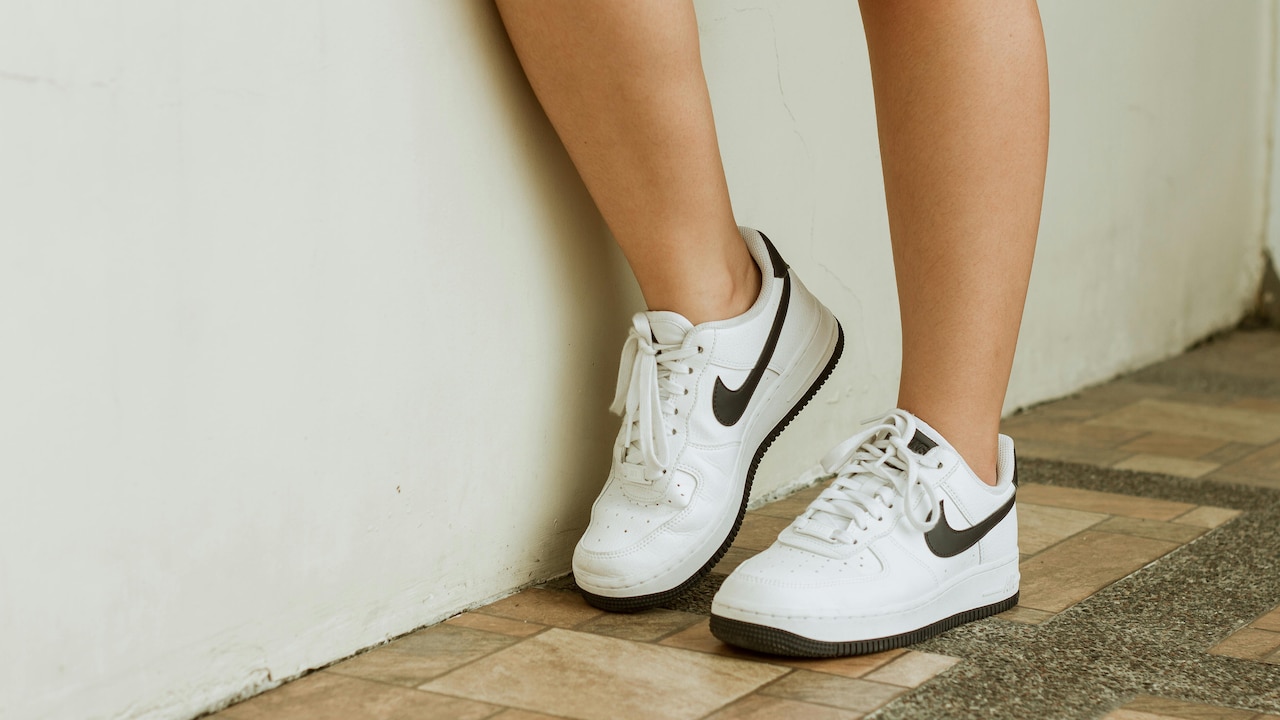
Important things about how memory foam insoles affect foot pain
A long day on one's feet can turn even the simplest walk into a chore. From bustling markets to standing desks and endless queues, foot fatigue has become a quiet companion for many. Shoes may look stylish, but comfort often takes a back seat. This is where memory foam insoles step in, marketed as a simple fix for sore soles and aching heels.
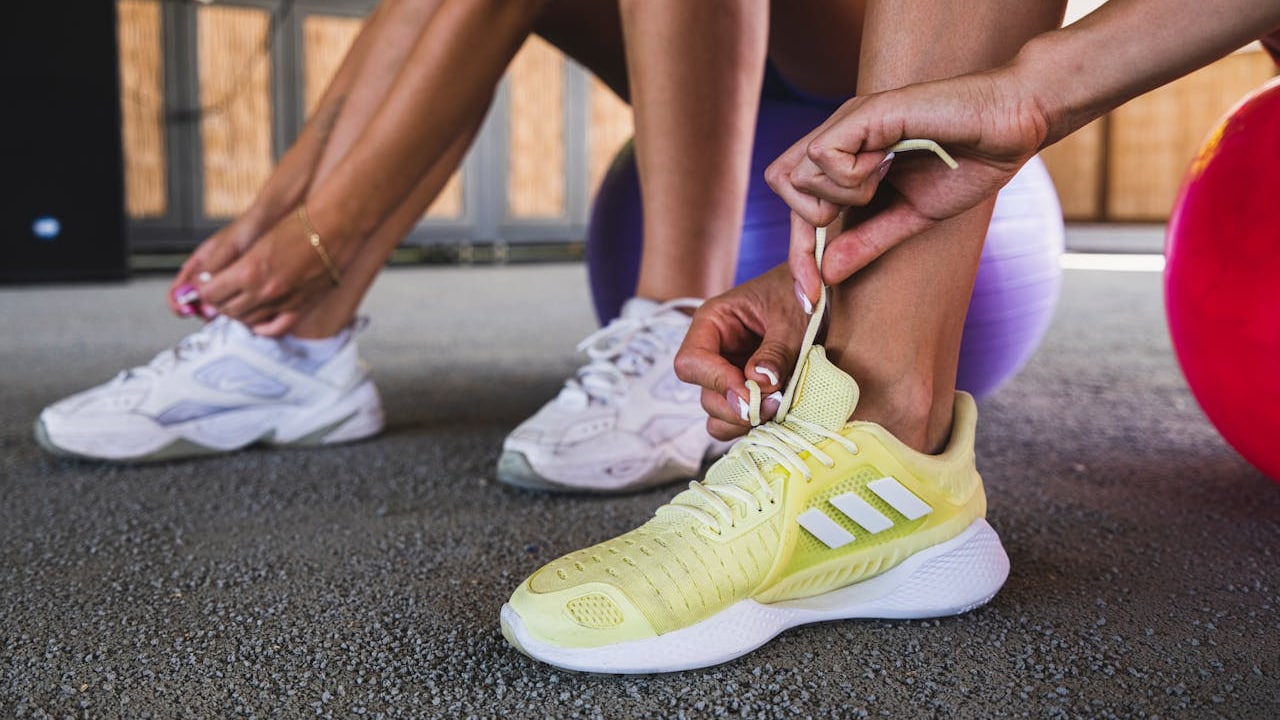
Important points about memory foam insoles and how they affect foot pain; Photo Credit: Pexels
The idea sounds promising. Slip an extra layer into shoes and suddenly each step feels softer, lighter, almost indulgent. But beneath that plush feel lies an important question. Does the comfort translate into actual pain relief, or is it merely a temporary cushion against a deeper problem?
Understanding the truth requires looking beyond marketing claims. Foot pain varies widely, from mild discomfort to chronic conditions, and not every solution works for everyone. Memory foam insoles have their place, but knowing when and how to use them makes all the difference.
Also Read: Top Walking Shoes with Arch Support for Long Comfort Under Rs. 2,400
Understanding How Memory Foam Insoles Impact Foot Comfort And Pain Relief
The Science Behind Memory Foam Comfort
Memory foam was first developed for pressure absorption, and its appeal lies in its ability to mould to the shape of the foot. When weight presses down, the foam compresses and distributes pressure more evenly across the surface. This reduces strain on specific points like the heel or the ball of the foot.
Unlike rigid insoles, memory foam reacts to body heat and weight. It softens slightly, creating a custom-like fit with every step. This adaptability often gives the impression of walking on a cushioned surface, similar to stepping on a freshly laid mattress.
However, comfort and support are not always the same. While memory foam excels at absorbing shock, it does not always provide structural correction. For someone dealing with uneven gait or arch issues, the foam may feel good initially but fail to address the root cause of discomfort.
Why Foot Pain Happens In The First Place
Foot pain rarely appears without reason. Long hours of standing, poorly fitted footwear, and hard walking surfaces all contribute to stress on the feet. Over time, this stress builds up and manifests as soreness, stiffness, or even sharp pain.
Common conditions like plantar fasciitis, flat feet, and heel spurs also play a role. These issues involve structural imbalances that cushioning alone cannot fix. The foot is a complex system of bones, muscles, and ligaments, and when one part is out of sync, the entire system feels the strain.
Lifestyle factors add another layer. Commuting in crowded spaces, wearing formal shoes for extended hours, or relying on thin-soled footwear can worsen the situation. In such cases, memory foam insoles may provide relief, but only as part of a broader solution rather than a standalone fix.
The Immediate Comfort Factor
Slip a pair of memory foam insoles into shoes, and the difference feels almost instant. The soft cushioning reduces the harsh impact of each step, especially on hard surfaces like tiles or concrete. This immediate comfort is one of the biggest reasons behind their popularity.
For those who spend hours on their feet, this cushioning acts like a buffer. It softens the blow of repetitive motion and reduces fatigue by the end of the day. Even a simple walk can feel noticeably smoother.
Yet, this comfort can sometimes be misleading. The softness may mask underlying issues rather than resolve them. A person might feel better while wearing the insoles, only to experience the same discomfort once they are removed. This highlights the importance of understanding the difference between temporary relief and long-term improvement.
Do They Help With Plantar Fasciitis?
Plantar fasciitis, a common cause of heel pain, often brings sharp discomfort with the first steps in the morning. Memory foam insoles can help by cushioning the heel and reducing pressure during walking.
The soft material absorbs impact, which can ease irritation in the plantar fascia. This makes daily movement less painful and more manageable. Many people notice a reduction in discomfort when using these insoles consistently.
However, plantar fasciitis often requires more than cushioning. Proper arch support plays a crucial role in recovery. Memory foam alone may lack the firmness needed to maintain the foot's natural alignment. In such cases, combining cushioning with structured support offers better results.
The Role Of Arch Support
Arch support remains a key factor in foot health. The arch acts as a natural shock absorber, and when it lacks support, stress shifts to other areas of the foot. Memory foam insoles, while comfortable, often compress under weight and fail to hold the arch in place.
For individuals with flat feet or high arches, this can lead to uneven pressure distribution. Over time, this imbalance may worsen discomfort rather than alleviate it.
Some modern insoles combine memory foam with firmer materials to address this issue. These hybrid designs aim to deliver both comfort and stability. Choosing the right type depends on individual needs, and not every pair of memory foam insoles will provide the same level of support.

Some soles combine memory foam with firmer materials to support high arches; Photo Credit: Pexels
Everyday Use: Work, Travel, And Beyond
Memory foam insoles find their strongest appeal in everyday use. Long office hours, crowded commutes, and weekend outings can all take a toll on the feet. Adding a cushioned layer inside shoes can make these routines more bearable.
For those working in retail, healthcare, or hospitality, where standing for extended periods is common, the relief can feel significant. Even during travel, whether navigating busy streets or waiting in long queues, the extra cushioning helps reduce fatigue.
The convenience also plays a role. Insoles are easy to use, affordable, and require no major lifestyle changes. A decent pair may cost anywhere between ₹300 and ₹1,500, making them an accessible option for many.
Durability And Long-Term Performance
While memory foam feels great at first, durability becomes a concern over time. The material tends to lose its shape with repeated use. As it compresses, its ability to provide cushioning decreases.
This gradual wear often goes unnoticed until discomfort returns. Many users continue using worn-out insoles, assuming the product no longer works, when in reality it simply needs replacement.
On average, memory foam insoles last a few months with regular use. Factors like body weight, activity level, and shoe type influence their lifespan. Replacing them periodically ensures consistent performance and comfort.
Are They Suitable For All Types Of Shoes?
Memory foam insoles adapt well to casual and sports shoes, where there is enough space to accommodate the extra layer. In these cases, they enhance comfort without affecting fit.
However, tighter footwear such as formal shoes or slim designs may not work as well. Adding an insole can make the shoe feel cramped, leading to new discomfort instead of relief.
Choosing the right insole size and thickness becomes important. Some brands offer slim versions specifically designed for narrower shoes. Matching the insole to the shoe type ensures better results and avoids unnecessary adjustments.
Comparing Memory Foam With Orthotic Insoles
Orthotic insoles differ significantly from memory foam options. While memory foam focuses on cushioning, orthotics aim to correct foot alignment and provide structured support.
For mild discomfort, memory foam often does the job. It offers quick relief and enhances overall comfort. However, for chronic conditions or structural issues, orthotic insoles provide a more targeted solution.
Custom orthotics, though more expensive, address specific problems and deliver long-term benefits. They may cost anywhere from ₹3,000 to ₹10,000 or more, depending on the design. The choice depends on the severity of the issue and personal comfort preferences.
The Psychological Side Of Comfort
Comfort is not just physical; it also has a psychological aspect. The feeling of softness underfoot can create a sense of relief and relaxation. This mental comfort often enhances the overall experience of wearing memory foam insoles.
A long day feels less exhausting when each step feels cushioned. Even small improvements in comfort can boost mood and energy levels. This effect should not be underestimated.
However, relying solely on this feeling without addressing underlying issues may lead to prolonged discomfort. Balancing immediate comfort with proper support ensures both physical and mental well-being.
Products Related To This Article
1. ASIAN Men Memory Foam Insole Sneakers
2. Skechers Women Memory Foam Sneakers
3. HRX by Hrithik Roshan Men White Memory Foam Mesh Running Shoes
4. FAUSTO Women Round Toe Memory Foam Sneakers
5. JQR Men BLAST-02 Memory Foam Running Shoes
Memory foam insoles offer undeniable comfort. Their soft, adaptive nature reduces pressure and makes daily activities more manageable. For many, they provide a simple and affordable way to ease foot fatigue and enhance overall comfort.
However, they are not a universal solution. While they excel at cushioning, they may fall short in providing the structural support needed for certain conditions. Understanding individual needs remains key to choosing the right option.
Used wisely, memory foam insoles can become a valuable addition to everyday footwear. Paired with well-fitted shoes and proper care, they contribute to healthier, happier feet. The real answer lies not in whether they work, but in how and when they are used.
(Disclaimer: This article may include references to or features of products and services made available through affiliate marketing campaigns. NDTV Convergence Limited (“NDTV”) strives to maintain editorial independence while participating in such campaigns. NDTV does not assume responsibility for the performance or claims of any featured products or services.)