Does More Stretch Make Joggers Fit Better? 10 Elastane And Fabric Myths Explained
More elastane does not always mean better-fitting joggers. Discover 10 common myths about stretch, cotton, polyester, fabric weight and fit, and learn what really makes joggers comfortable, flexible and durable.
Does More Stretch Make Joggers Fit Better? 10 Elastane And Fabric Myths Explained
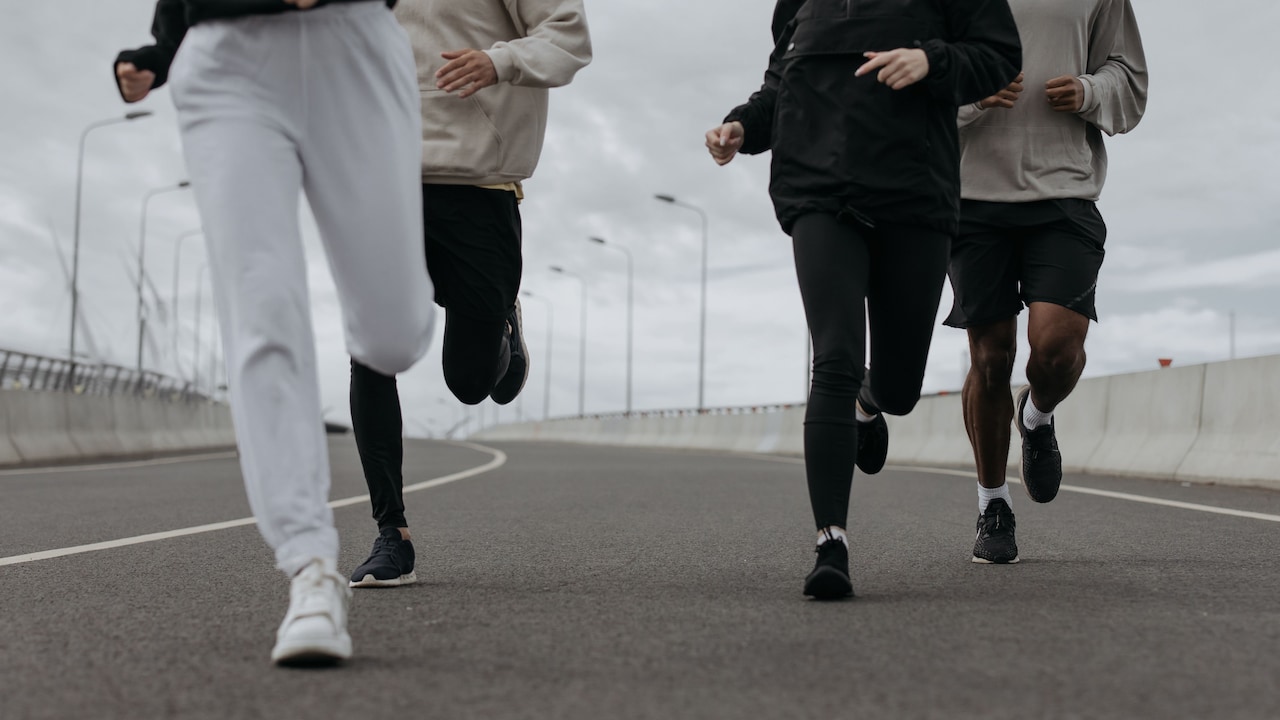
A good pair of joggers earns its place quickly. It works for a morning walk, a coffee run, a train journey, a grocery dash and the sort of Sunday when changing into “proper clothes” feels wildly ambitious. Naturally, shoppers often reach for one clue on the label: elastane. If one pair contains 2% elastane and another has 8%, the second one must be softer, stretchier and better fitting, right? Not quite. Stretch is only one part of the fabric story. The way joggers sit on the waist, hug the calves, recover after movement and survive repeated washing depends on several details working together. Cotton type matters. Polyester can change durability. Knitted structures behave differently from woven ones. Fabric thickness changes drape. Even the direction of stretch can alter comfort.
Does More Stretch Make Joggers Fit Better? 10 Elastane And Fabric Myths Explained
Photo Credit: Pexels
That means a high elastane percentage can still produce disappointing joggers, while a modest amount can create a pair that fits beautifully for years.
The following ten myths explain what really happens behind that tiny fabric-composition label.
What Really Makes Joggers Stretch, Fit And Feel Better
Myth 1: More Elastane Always Means A Better Fit
This is probably the biggest misunderstanding around stretchy clothing. Elastane does improve flexibility, but piling more of it into a fabric does not guarantee a flattering fit.
Think of elastane as the elastic in a waistband. A little can create comfortable movement. Too much, combined with the wrong fabric construction, can make trousers feel clingy, rubbery or strangely restrictive.
Most joggers rely on a blend rather than elastane alone. Cotton brings softness and breathability. Polyester can add strength and help the fabric dry faster. Elastane contributes stretch and recovery. The important word here is recovery.
A good fabric stretches when someone bends, squats or climbs stairs, then returns close to its original shape. Poor recovery leaves knees sagging and seat areas looking tired. That can happen even with a fairly high elastane percentage.
A well-engineered pair containing a small amount of elastane may therefore fit better than one packed with stretch fibre.
So, when comparing two ₹1,500 joggers, do not assume the one shouting “super stretch” deserves the shopping bag. Fabric structure often tells a much bigger story.
Myth 2: Elastane And Spandex Are Completely Different Materials
Fabric labels can sound like a chemistry exam after a long day. Elastane appears on one garment, spandex on another, while Lycra occasionally enters the conversation like a celebrity guest.
In practical terms, elastane and spandex refer to the same type of stretchy synthetic fibre.
The difference mainly comes down to naming conventions. “Elastane” appears commonly across Europe and many international garment labels. “Spandex” is widely used in North America. Lycra, meanwhile, is a well-known brand name associated with elastane fibre.
This matters because shoppers sometimes pay extra simply because one label sounds more advanced.
Imagine two near-identical joggers on a rack. One says “95% cotton, 5% elastane”. Another says “95% cotton, 5% spandex”. The second is not automatically more flexible, durable or premium.
The actual performance depends on yarn quality, knitting technique, fabric density and how the fibres work together.
Names can sound impressive, especially in activewear marketing. Yet the fabric does not care what the swing tag calls it. What matters is how comfortably it stretches, how smoothly it recovers and how well it survives real life.
Myth 3: Cotton Joggers Without Elastane Cannot Stretch
Cotton itself does not behave like elastane, but a cotton garment can still have noticeable give.
The secret often lies in how the fabric is constructed.
Many joggers use knitted fabric, and knits naturally stretch because their yarns form interlocking loops. Those loops can open slightly under tension, allowing movement even when the fibre composition contains no elastane.
That explains why a cotton T-shirt can stretch across the shoulders despite containing 100% cotton.
The same principle applies to some joggers.
However, natural knit stretch and elastane-powered stretch do not feel exactly the same. Cotton knit may give comfortably but recover less sharply after repeated wear. This is where knees can start forming those familiar little fabric domes.
Elastane usually improves shape retention.
Still, a 100% cotton jogger can feel wonderfully relaxed, especially for lounging or cooler evenings. Someone looking for structured gym wear may prefer added elastane, while someone craving soft weekend trousers might enjoy pure cotton.
Stretch, in other words, does not begin and end with the fibre label. Sometimes the knitting machine deserves more credit than the marketing department.
Myth 4: Stretchy Joggers Never Lose Their Shape
Every pair of joggers has limits, even the impressively stretchy ones.
Repeated sitting, walking, squatting and lounging places stress on specific areas. Knees, hips and the seat experience much more strain than the lower leg. Over time, fibres and knitted loops can relax.
Elastane helps the fabric bounce back, but it cannot promise immortality.
Heat plays a role too. Very hot washing or drying can damage elastic fibres faster. Harsh detergents and repeated high-temperature cycles may gradually reduce recovery.
That is why a pair that once snapped neatly back into shape can eventually start looking slightly sleepy around the knees.
Fabric quality makes a major difference. Better yarns, balanced fibre blends and stable knitting generally resist distortion more effectively.
Care matters just as much.
Washing joggers inside out, using sensible water temperatures and avoiding unnecessary heat can help preserve their original feel. Throwing every pair into an aggressive wash simply because “sportswear can handle it” may shorten its life.
Stretch should therefore be viewed as resilience, not magic. Even the best fabric performs better when treated with a little kindness.
Also Read: Top 5 Affordable Joggers Under ₹1500 for Men: Gym-to-Cafe Fashion Picks
Myth 5: A High Cotton Percentage Always Means Better Joggers
Cotton has an excellent reputation for good reason. It feels familiar, absorbs moisture and often provides that soft, comfortable finish people expect from everyday joggers.
But “more cotton” does not automatically mean “better”.
A very high cotton percentage can make some joggers heavier, slower to dry and more likely to hold moisture after exercise. Depending on the knit, pure or near-pure cotton may also lose shape more quickly.
Blends can solve some of these problems.
Polyester often improves durability and drying speed. Elastane can add recovery. A carefully balanced combination may therefore outperform a 100% cotton fabric for commuting, workouts or travel.
Context matters.
For a relaxed evening at home during mild weather, thick cotton joggers can feel fantastic. For a humid morning walk in Mumbai or Chennai, a lighter blended fabric may feel far more comfortable.
Quality also matters more than a headline percentage. Long, smooth cotton fibres can produce a better fabric than cheaper cotton used in a poorly knitted garment.
So that “100% cotton” tag should not automatically win the argument. A fabric blend is not necessarily a compromise. In many cases, it is the reason joggers remain comfortable after hours of movement.
Does More Stretch Make Joggers Fit Better? 10 Elastane And Fabric Myths Explained
Photo Credit: Pexels
Myth 6: Polyester Makes Joggers Cheap And Uncomfortable
Polyester has spent years playing the villain in fabric conversations. Mention it and someone will usually remember an old, shiny tracksuit that trapped heat like a pressure cooker.
Modern polyester fabrics can behave very differently.
The fibre is durable, lightweight and naturally quick drying. Those qualities make it especially useful in joggers designed for exercise, travel or frequent washing.
Polyester can also help a garment keep its shape. When blended with cotton and elastane, it may reduce sagging while maintaining softness.
Of course, not every polyester jogger deserves applause. Low-quality versions can feel overly synthetic, hold odours or become uncomfortable in hot conditions.
The lesson is not that polyester is wonderful or terrible. It is that fibre quality and fabric construction matter.
A ₹2,000 cotton-polyester-elastane jogger with good knitting and thoughtful finishing can feel far more premium than a badly made cotton pair at the same price.
Touch remains one of the simplest tests. If the fabric feels clammy, stiff or strangely shiny in the fitting room, the label percentage will not rescue it.
Polyester is simply a tool. Used well, it quietly solves several problems.
Myth 7: Thicker Fabric Means Better Quality
Weight can create an illusion of luxury.
Pick up a thick pair of joggers and it may immediately feel expensive. The fabric seems substantial, the seams feel serious and suddenly paying an extra ₹700 feels almost reasonable.
Yet thickness alone does not prove quality.
A dense heavyweight knit can work brilliantly for winter travel, cooler cities or relaxed streetwear. It can hold its shape and create a clean silhouette.
In warmer weather, however, the same fabric may feel exhausting.
Lightweight fabrics are not automatically flimsy either. High-quality yarns and tightly controlled knitting can produce thin joggers that remain strong, smooth and resistant to distortion.
The better question is whether the fabric weight suits the purpose.
Someone wearing joggers mainly during early morning walks may prefer a lighter knit. A traveller facing cold airport lounges and overnight buses may appreciate something heavier.
Drape matters too. Some thick fabrics stand away from the body, while others collapse softly. That changes how joggers look around the thighs and knees.
Quality comes from construction, fibre choice and finishing working together. Fabric weight is only one clue, not the final verdict.
Myth 8: Four-Way Stretch Means The Fabric Contains Loads Of Elastane
“Four-way stretch” sounds impressively athletic. The phrase appears on activewear tags, online product pages and gym clothing ads because it immediately suggests freedom of movement.
But it does not tell shoppers how much elastane the garment contains.
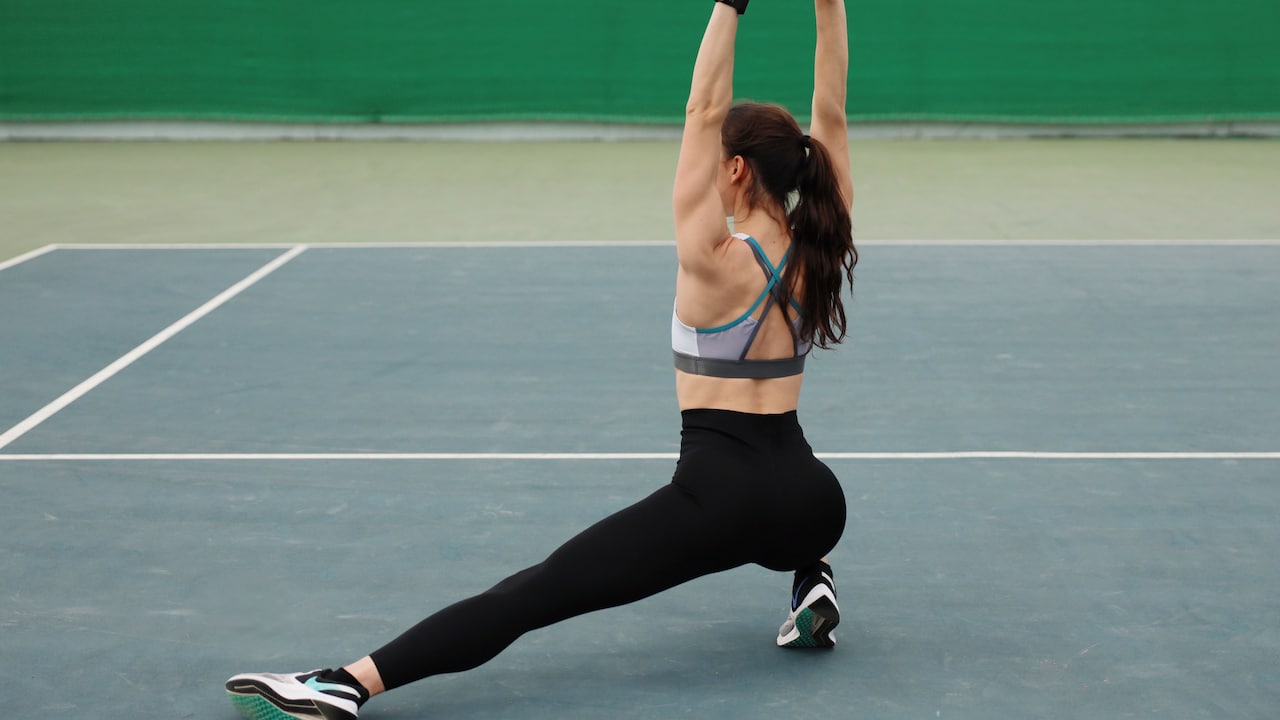
Four-way stretch simply describes the directions in which a fabric can extend. It stretches both lengthwise and widthwise, creating flexibility during movements such as lunges, bending or sitting cross-legged.
Two-way stretch usually gives more noticeably in one main direction.
Fabric structure contributes heavily to this behaviour. Certain knits can deliver excellent multidirectional movement with a relatively modest elastane content.
That means two fabrics containing the same elastane percentage may stretch very differently.
The four-way feature can be useful in slim or tapered joggers because the fabric needs to move around knees, thighs and hips without pulling awkwardly.
For relaxed lounge joggers, dramatic multidirectional stretch may matter less.
The phrase is therefore useful, but it should not become another marketing shortcut. Four-way stretch describes performance, not fibre quantity.
The real test remains wonderfully low-tech: bend the knee, sit down, take a few steps and notice whether the fabric moves naturally instead of fighting back.
Myth 9: More Stretch Makes Joggers More Comfortable In Hot Weather
A fabric that stretches easily can feel comfortable while moving, but stretch has little to do with staying cool.
Hot-weather comfort depends more on breathability, thickness, moisture management and how closely the fabric sits against the body.
A heavily elasticated pair of slim joggers may stretch beautifully yet still feel warm because the fabric hugs the legs closely.
Meanwhile, loose cotton-blend joggers with modest stretch can feel cooler because air circulates more easily.
Colour, fabric density and surface texture can also affect how a garment feels during a sweltering afternoon.
This becomes especially noticeable during everyday errands. A pair that feels perfect inside an air-conditioned mall may become far less charming after fifteen minutes outside in May.
For warmer conditions, lightweight fabrics with a slightly relaxed cut often make more sense than simply chasing higher elastane numbers.
Moisture-wicking synthetic blends can also help during workouts, although personal preference matters. Some people enjoy the dry feel of performance fabrics, while others prefer softer cotton-rich options.
Stretch improves mobility. Breathability improves thermal comfort.
They occasionally work together, but they are not the same thing. Summer wardrobes become easier once that distinction becomes clear.
Myth 10: The Fabric Label Tells You Everything About Fit
A composition label is helpful, but it cannot explain the whole garment.
Two joggers can both contain 95% cotton and 5% elastane yet feel completely different.
One may use lightweight jersey. Another may use thick French terry. One may have a tightly knitted structure, while the other feels loose and soft. One may recover beautifully after stretching. The other may develop baggy knees before the first evening chai.
Cut changes everything too.
A slim jogger with extra room at the hip can feel more comfortable than a supposedly relaxed pair with an awkward rise. Waistband construction, cuff width, pocket placement and seam design all affect how the garment sits.
Even sizing varies between brands.
That is why buying joggers purely by reading fibre percentages online can become frustrating. Measurements, customer reviews and return policies deserve attention as well.
When trying a pair in person, movement reveals more than numbers. Walk around. Bend slightly. Sit if possible. Check whether the waistband rolls or the knees pull.
Fabric composition offers useful clues, but fit comes from the entire garment working together. Labels provide ingredients. They do not guarantee a good recipe.
Does More Stretch Make Joggers Fit Better? 10 Elastane And Fabric Myths Explained
Photo Credit: Pexels
Products Related To This Article
1. Dockstreet Women Regular Fit Joggers
2. WARCOURT Men Regular Fit Training Joggers
3. Blissclub Ultimate Cuffed Jogger
4. CULT Men Mid-Rise Jogger
5. U.S. Polo Assn. Women Women Mid-Rise Jogger Trouser
6. HIGHLANDER Men Casual Cargo Jogger Trousers
7. ONLY Oatmeal Women Jogger High-Rise Pleated Trousers
More stretch can improve joggers, but it does not automatically make them fit better.
Elastane helps with flexibility and shape recovery, yet fabric construction, cotton quality, polyester content, knit structure, thickness and garment design all influence comfort.
That tiny percentage on the label deserves attention, just not complete trust.
A good pair of joggers should move without sagging, sit comfortably without squeezing and survive ordinary washing without quickly losing its shape. For some people, that may mean a cotton-rich pair with a touch of elastane. For others, a performance blend will make far more sense.
The best approach is refreshingly simple: read the label, feel the fabric and pay attention to how the garment behaves when the body actually moves.
Because when joggers fit properly, nobody spends the day thinking about elastane percentages. They simply get on with the day.
(Disclaimer: This article may include references to or features of products and services made available through affiliate marketing campaigns. NDTV Convergence Limited (“NDTV”) strives to maintain editorial independence while participating in such campaigns. NDTV does not assume responsibility for the performance or claims of any featured products or services.)