Water-Resistant Bags: Do They Actually Protect In Rain?
Can a water-resistant bag really protect your belongings in the rain? This article breaks down what it actually does, where it fails, and how to choose the right one for everyday use.
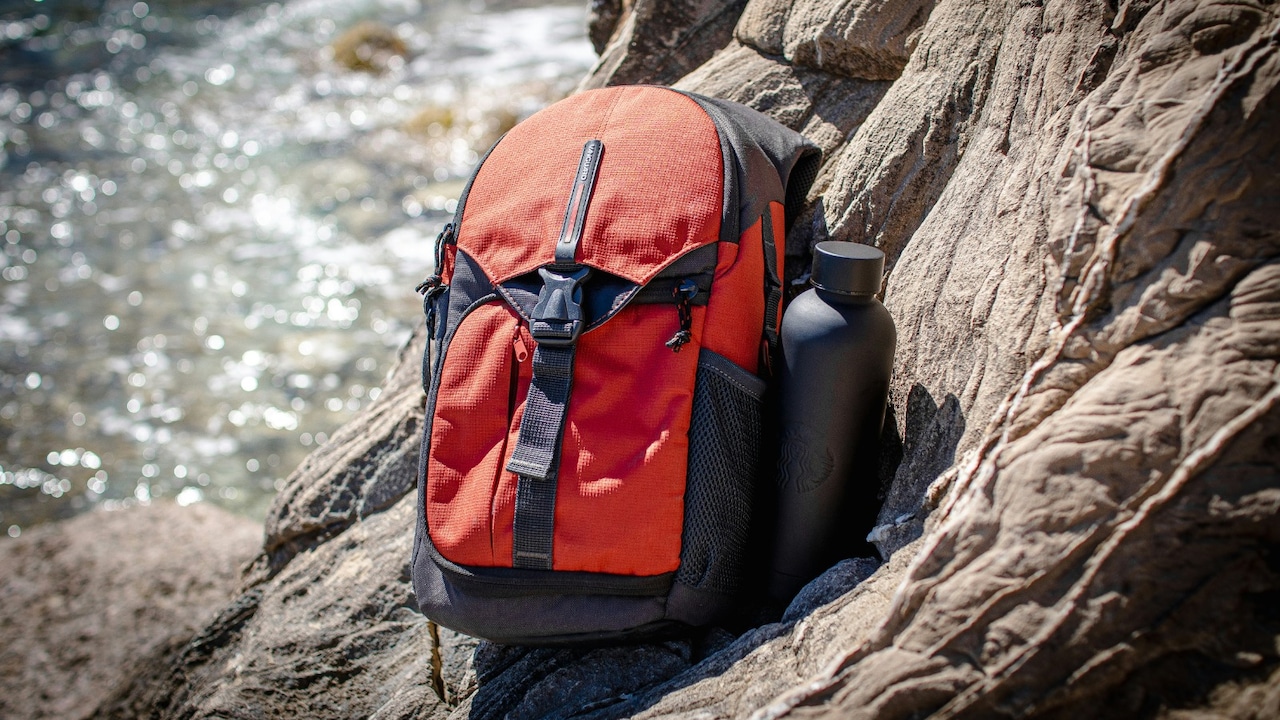
Water-Resistant Bags: Do They Actually Protect In Rain?
The skies often have a mind of their own. One moment, it's blazing sunshine, and the next, clouds gather like an uninvited guest. In such moments, a reliable bag becomes more than an accessory; it turns into a silent protector. From laptops and books to wallets and snack items, everything depends on that one promise printed on the tag: water-resistant.
But what does that promise really mean? Many assume it guarantees complete safety in heavy rain. Yet, a closer look reveals a more nuanced truth. Water-resistant bags sit somewhere between convenience and compromise. They offer protection, but only to a certain extent. Understanding this difference can save both money and frustration.
This article dives into the practical reality of water-resistant bags. It looks beyond marketing jargon and examines how these bags perform in real-world conditions. Whether it's a daily commute, a weekend trip, or an unexpected drizzle, knowing what to expect makes all the difference.

Water-Resistant Bags: Do They Actually Protect In Rain?; Photo Credit: Pexels
Understanding How Water-Resistant Bags Perform In Real Life
What Does “Water-Resistant” Really Mean?
The term “water-resistant” often creates confusion. It sounds reassuring, almost like a guarantee, but the reality sits on a spectrum. A water-resistant bag can repel light moisture, such as a drizzle or splashes, but it cannot fully block water under prolonged exposure.
Think of it like carrying an umbrella with tiny holes. It works well for a short walk, but not for standing in heavy rain. The fabric usually has a coating that prevents water from soaking in immediately. However, over time, water finds its way through seams, zips, or simply the material itself.
Many people assume water-resistant equals waterproof. That assumption leads to disappointment. A bag priced at ₹1,500 may offer decent resistance, but it won't survive a monsoon downpour. Brands often rely on this misunderstanding, using the term loosely to appeal to buyers.
Understanding this definition sets realistic expectations. It helps in choosing the right bag for the right situation. A water-resistant bag is useful, but it's not invincible.
Also Read: Best Water-Resistant Bags For Monsoon And Treks: How To Choose the Right One
Materials That Make A Difference
The performance of a water-resistant bag largely depends on its material. Not all fabrics behave the same way when faced with rain. Polyester and nylon dominate the market because they naturally repel water better than cotton or canvas.
Nylon, especially when treated with a coating, performs well in light rain. It dries quickly and doesn't absorb much moisture. Polyester follows closely, offering durability and moderate resistance. However, cheaper variants may lose effectiveness over time.
Some bags use special coatings like polyurethane or TPU. These coatings enhance resistance but can wear off with regular use. A bag that worked perfectly last year might struggle during this year's rains.
Canvas bags, though stylish, tend to absorb water unless treated. Leather, on the other hand, reacts poorly to rain and can get damaged easily.
Choosing the right material is crucial. It determines whether the bag merely survives a drizzle or genuinely protects belongings during a sudden shower.
The Role Of Zippers And Seams
A bag's weakest points are often invisible at first glance. Zippers and seams play a crucial role in determining how well a bag handles rain. Even the most water-resistant fabric can fail if these areas are poorly designed.
Standard zippers allow water to seep through easily. During heavy rain, droplets collect along the zipper line and slowly trickle inside. Some bags feature coated or rubberised zippers, which provide better protection, but they are not always foolproof.
Seams present another challenge. Stitching creates tiny holes, and unless sealed properly, water finds its way through. High-quality bags use taped or sealed seams to block this entry point.
Many budget-friendly options skip these details to cut costs. At around ₹800 to ₹1,200, such bags may look appealing but often compromise on these critical features.
Paying attention to zippers and seams can make a noticeable difference. These small details often decide whether belongings stay dry or end up damp.

Water-Resistant Bags: Do They Actually Protect In Rain?; Photo Credit: Pexels
How Long Can They Handle Rain?
Water-resistant bags perform well in short bursts of rain. A quick dash from the office to the car or a brief walk to a café usually poses no problem. The fabric repels water long enough to keep contents safe.
However, prolonged exposure changes the story. After 20 to 30 minutes of steady rain, water begins to penetrate. The outer layer gets saturated, and moisture slowly creeps inside.
Humidity adds another layer of complexity. Even without direct rainfall, damp air can affect the contents, especially electronics or paper items.
Many users realise this limitation the hard way. A bag that worked perfectly during light showers may fail during a longer commute in heavy rain.
Understanding this time factor helps in planning better. A water-resistant bag offers temporary protection, not long-term defence against continuous rainfall.
Everyday Scenarios And Practical Use
In daily life, water-resistant bags prove quite useful. They handle unexpected drizzles during commutes, protect groceries during short walks, and keep essentials safe in mildly wet conditions.
Consider a typical day involving travel on crowded streets. A sudden shower hits, and there's barely any time to find shelter. In such moments, a water-resistant bag acts as a quick shield, preventing immediate damage.
Students carrying books or professionals with laptops benefit the most. The bag buys enough time to reach a safer place. However, it doesn't eliminate the need for caution.
Weekend outings and short trips also highlight their practicality. They offer peace of mind without the bulk of fully waterproof gear.
These bags shine in everyday situations where rain appears briefly and unpredictably. They balance convenience and protection effectively.
Common Misconceptions Buyers Have
Many buyers fall into the trap of assumptions. The most common one is believing that water-resistant means fully waterproof. This misunderstanding often leads to disappointment.
Another misconception involves price. Spending ₹2,000 or more doesn't always guarantee better protection. Some premium bags focus on design rather than functionality.
People also assume that thicker material equals better resistance. While thickness helps, the type of coating and construction matters more.
Marketing language adds to the confusion. Words like “weatherproof” or “rain-ready” sound impressive but lack clear definitions.
These misconceptions highlight the importance of informed decisions. Reading product details carefully and understanding limitations can prevent costly mistakes.
When You Actually Need Waterproof Bags
There are situations where water resistance simply isn't enough. Heavy rains, long commutes, and outdoor adventures demand stronger protection.
Waterproof bags come with sealed seams, specialised coatings, and airtight closures. They prevent water from entering even during prolonged exposure.
For those travelling frequently or carrying expensive electronics, investing in a waterproof option makes sense. Prices may range from ₹2,500 to ₹6,000, but the added protection justifies the cost.
Trekking, biking, or working outdoors during rainy seasons requires this level of reliability. In such cases, a water-resistant bag becomes a risky choice.
Knowing when to upgrade ensures better safety for belongings. It's about matching the bag to the environment rather than relying on a one-size-fits-all solution.
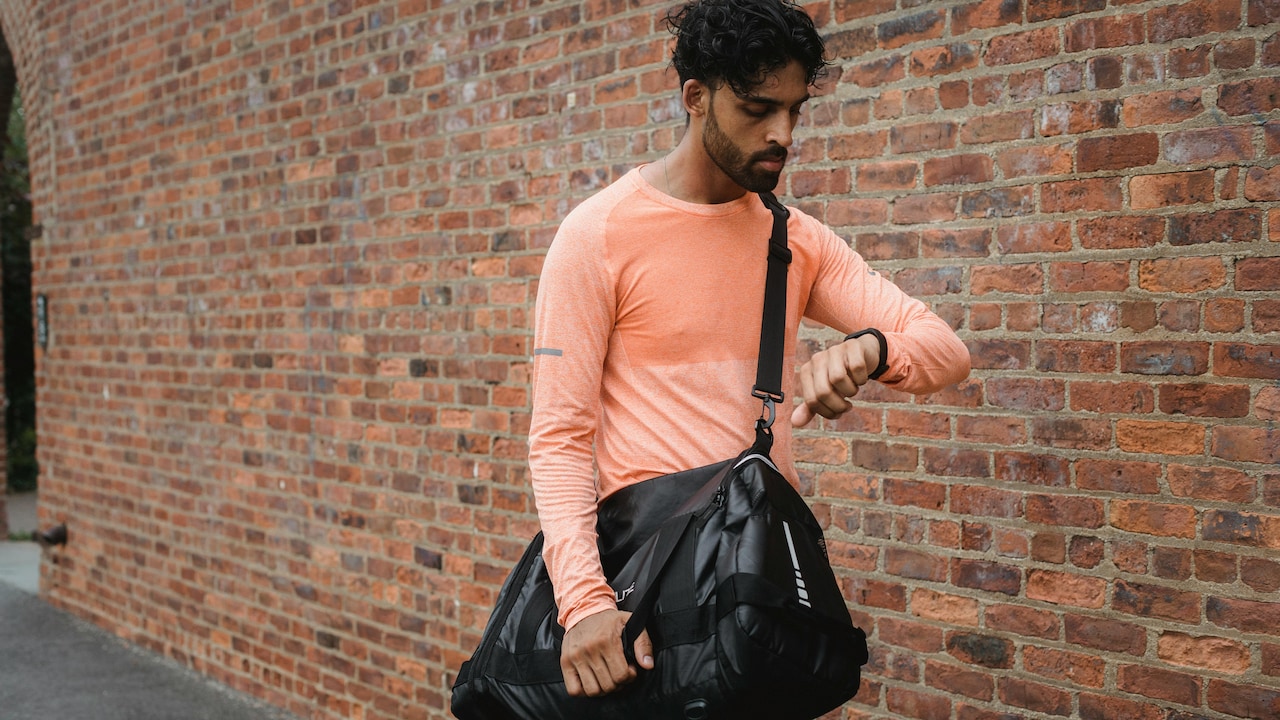
Water-Resistant Bags: Do They Actually Protect In Rain?; Photo Credit: Pexels
Maintenance And Longevity Of Water Resistance
Water resistance doesn't last forever. Over time, exposure to dust, sunlight, and regular use weakens the protective coating.
Proper care can extend the lifespan of a bag. Cleaning it regularly and avoiding harsh detergents helps maintain its effectiveness. Storing it in a dry place also prevents damage.
Some bags allow reapplication of water-repellent sprays. These products, available for around ₹300 to ₹600, can restore lost resistance.
Ignoring maintenance leads to a gradual decline. A bag that once handled rain effortlessly may start absorbing moisture after months of use.
Treating the bag with care ensures it performs well when needed. It's a small effort that delivers long-term benefits.
Style Vs Function: Finding The Balance
Modern bags often prioritise style alongside function. Sleek designs, trendy colours, and lightweight builds attract buyers. However, these features sometimes come at the cost of performance.
A stylish bag may look perfect for daily use, but struggle during heavy rain. On the other hand, highly functional bags may appear bulky or less fashionable.
Finding a balance becomes essential. A good bag combines decent water resistance with a design that suits everyday needs.
Many brands now attempt to merge both aspects, offering products that look good while providing adequate protection. Prices vary widely, but options exist for every budget.
Choosing wisely means considering both appearance and practicality. After all, a bag should not only look good but also perform when it matters.
Products Related To This Article
1. Golden Peacock Unisex Medium Foldable Sports Or Gym Waterproof Duffel Bag
2. SWISS HORN Women's Waterproof Polyester Sling Bag
3. Roadster The Lifestyle Co Men Brand Logo Classic Waterproof DSLR Camera Backpack
4. Carry Trip Unisex 1 Compartment Waterproof Laptop Backpack
5. TRUNKIT Waterproof Trekking Rucksack
Water-resistant bags serve a clear purpose. They protect against light rain and offer convenience in unpredictable weather. However, they are not a complete solution for heavy or prolonged rainfall.
Understanding their limitations allows smarter choices. Instead of relying solely on labels, examining materials, construction, and intended use provides better clarity.
For daily commutes and short exposures, these bags perform well. They offer enough protection to keep essentials safe during brief encounters with rain. But for harsher conditions, upgrading to waterproof options becomes necessary.
In the end, it's about expectations. A water-resistant bag does its job, just not beyond its limits. Knowing those limits ensures fewer surprises and more confidence when the clouds decide to open up.
(Disclaimer: This article may include references to or features of products and services made available through affiliate marketing campaigns. NDTV Convergence Limited (“NDTV”) strives to maintain editorial independence while participating in such campaigns. NDTV does not assume responsibility for the performance or claims of any featured products or services.)