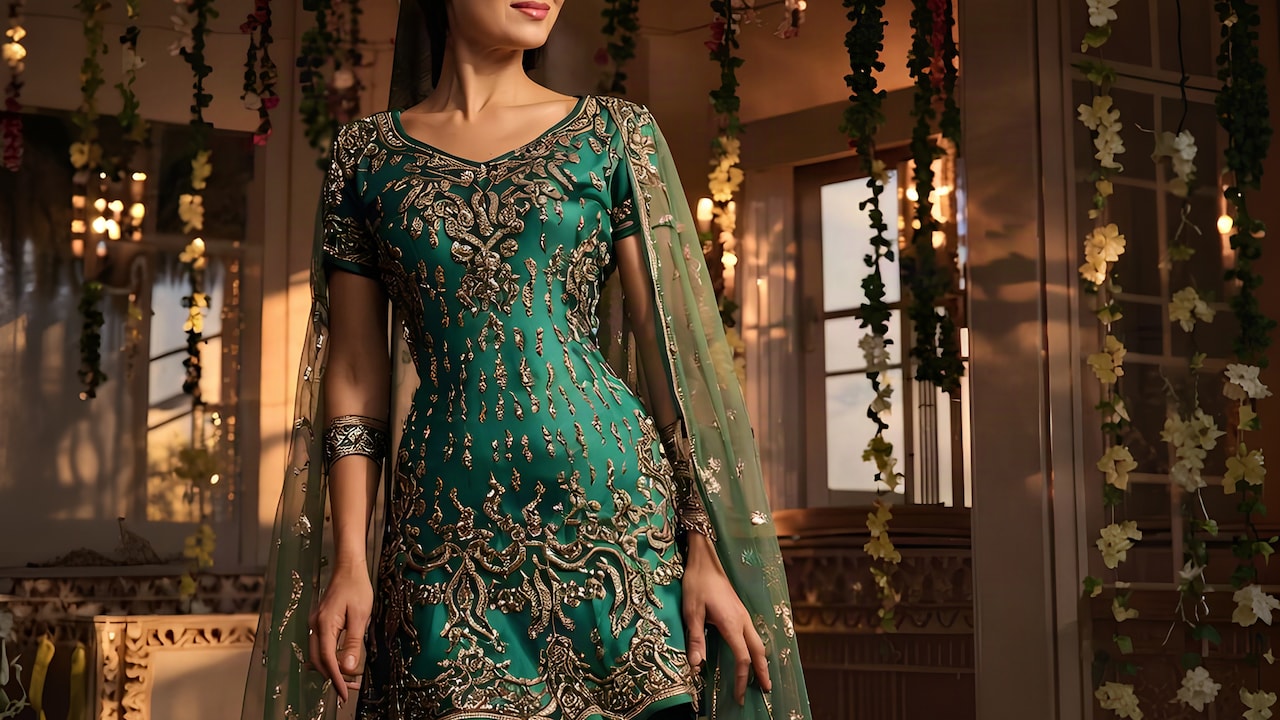
Does Armhole Gaping Always Mean The Blouse Is Too Big? 10 Fit Myths Explained
Armhole gaping doesn’t always mean your blouse is too big. From bust shaping and shoulder width to fabric stretch and posture, several small fit issues can create that annoying gap. Here are 10 common blouse-fit myths worth clearing up.

Blouse Armhole Gaping: 10 Fit Myths And What Actually Causes The Problem
There's a familiar blouse-fitting moment that can turn an otherwise perfect ethnic outfit into a minor wardrobe crisis. The blouse sits beautifully at the waist, the neckline looks right, the sleeves behave themselves, and then there's that stubborn little gap near the armhole. Pull the blouse down and it returns. Tighten a hook and it still returns. Eventually, the obvious conclusion seems to be that the blouse must simply be too big. Except that isn't always the problem. Blouse fit involves several measurements working together. Bust shape, shoulder width, armhole depth, darts, fabric, lining and even posture can change how the garment sits around the upper body. A blouse may fit closely everywhere else and still gape at one small section. On the other hand, a blouse that feels loose may actually need a change to its pattern rather than a smaller size. Before blaming the size label or asking a tailor to take in every available seam, it helps to know what that gap is actually trying to tell us. Here are ten common armhole and blouse-fit myths that deserve a closer look.

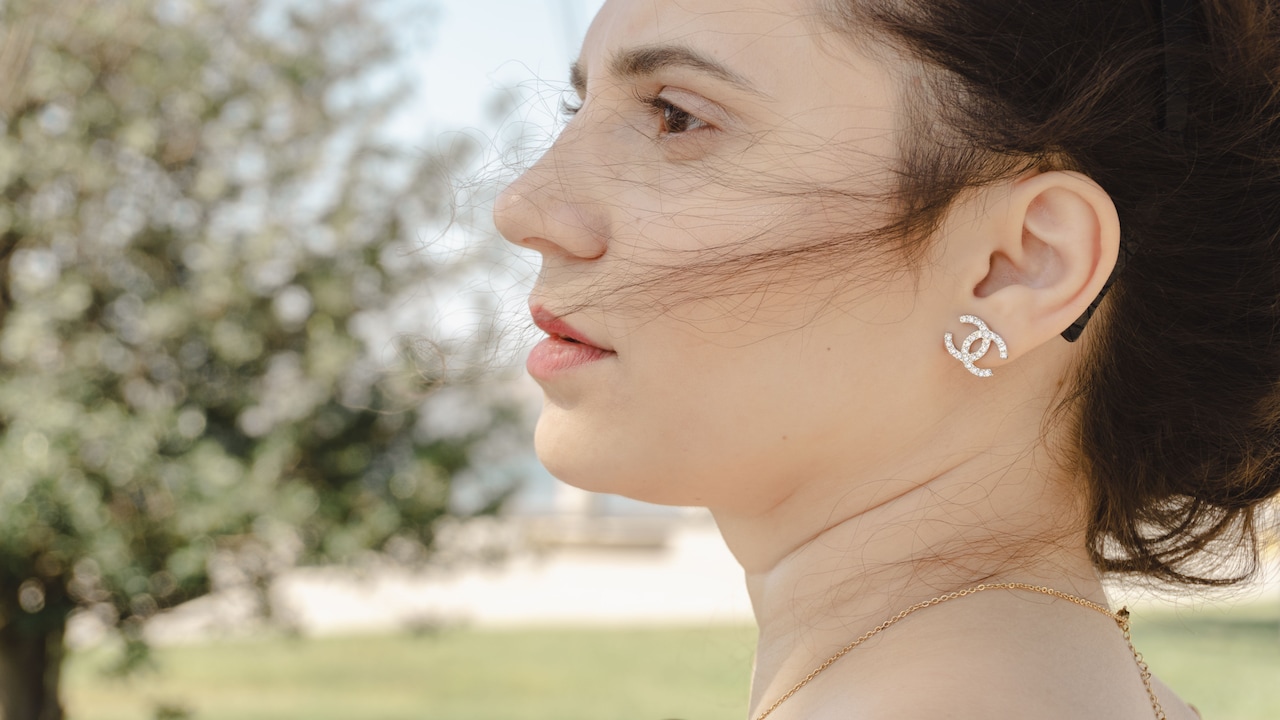
Blouse Armhole Gaping: 10 Fit Myths And What Actually Causes The Problem; Photo Credit: Pexels
What That Armhole Gap Is Really Telling You
1. Myth: Armhole Gaping Always Means The Blouse Is Too Big
This is probably the most common assumption, and it can lead to alterations that create even more problems. Armhole gaping simply tells us that there's excess fabric around that particular section. It doesn't automatically mean the whole blouse has too much room.
The issue may come from the bust dart, shoulder seam or shape of the armhole itself. For instance, someone with a fuller bust may need more fabric across the front but less around the upper chest. A standard blouse pattern may provide the bust space without shaping it correctly, leaving spare fabric near the armhole.
Taking in the entire side seam can make the blouse tighter around the bust while leaving the underlying fitting issue unresolved. Suddenly, the armhole looks slightly better but breathing becomes an extracurricular activity.
A tailor may instead pinch out a small amount near the armhole, reshape the dart or adjust the princess seam. The important distinction is simple: localised looseness doesn't necessarily equal an oversized garment.
Also Read: Top 5 Lightweight Blouses That Pair With Any Saree And Will Not Stick In The Heat
2. Myth: Going Down One Size Will Automatically Fix The Gap
Trying a smaller size sounds logical. Less fabric should mean less gaping, right? Sometimes it works. Quite often, it simply moves the problem somewhere else.
Ready-made blouses follow predetermined proportions. When we go down a size, almost everything becomes smaller: the bust circumference, shoulder width, waist, armhole and sometimes the blouse length. That can fix excess fabric around the armhole while making the bust pull, the hooks strain or the neckline shift.
Watch what happens when you move your arms. If the smaller blouse cuts into the underarm or forms horizontal pull lines across the bust, the size isn't necessarily better just because the armhole lies flatter.
A more useful approach involves checking the overall fit first. The blouse should sit comfortably at the bust and waist without pulling or collapsing. If everything else fits but the armhole still gaps, alteration usually makes more sense than downsizing.
Clothes rarely cooperate with the idea that one number should solve every proportion at once.
3. Myth: A Tighter Side Seam Is The Best Solution
When fabric sticks out around the armhole, taking in the side seam often becomes the first alteration people consider. It can help when the entire blouse feels roomy, but it isn't a universal fix.
The side seam controls more than the armhole. Tightening it reduces circumference around the bust and waist as well. If the blouse already fits closely across the bust, removing another centimetre can create diagonal wrinkles, stretched hooks or uncomfortable pressure beneath the arms.
Sometimes the excess fabric needs to disappear closer to where it actually occurs. A tailor may adjust the armhole curve, increase a dart or redistribute fabric through a princess seam. These changes preserve the required bust space while removing looseness higher up.
There's also a useful clue in the direction of the wrinkle. Fabric that simply stands away from the body can suggest excess width. Fabric that forms diagonal lines towards the bust or shoulder may point towards a shaping problem instead.
Good alterations follow the fabric rather than attacking the nearest seam with determination.
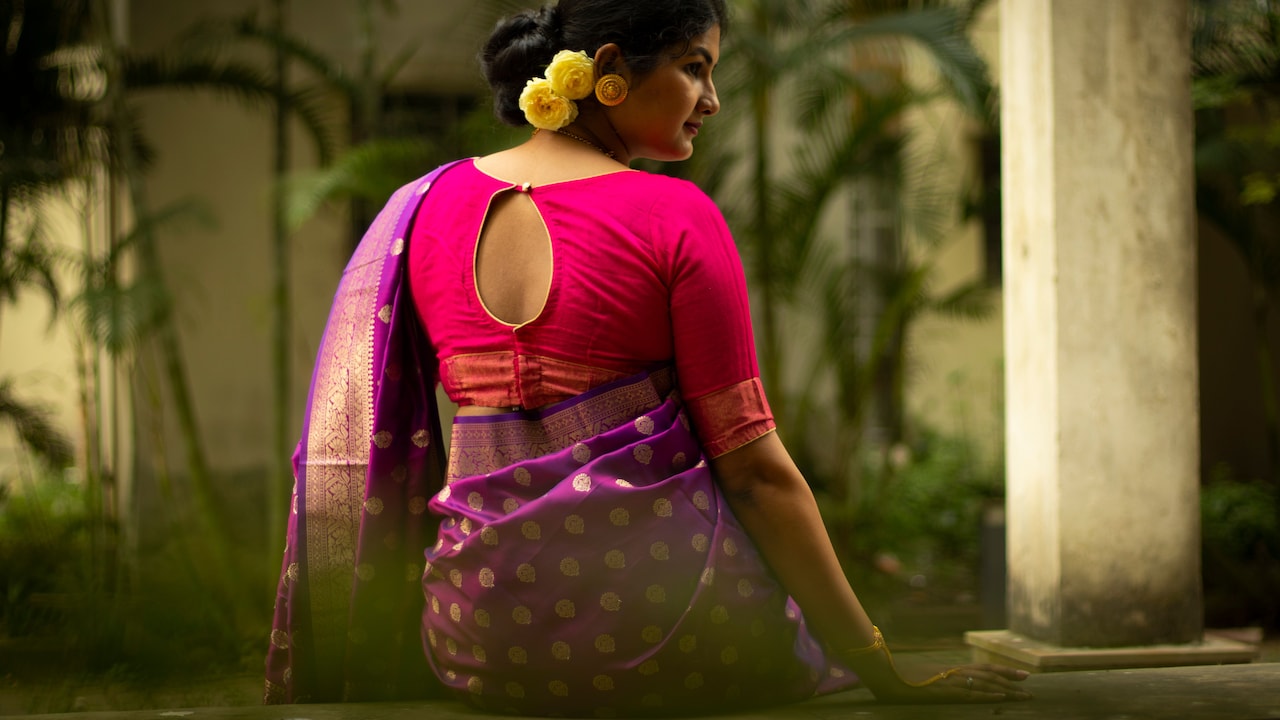
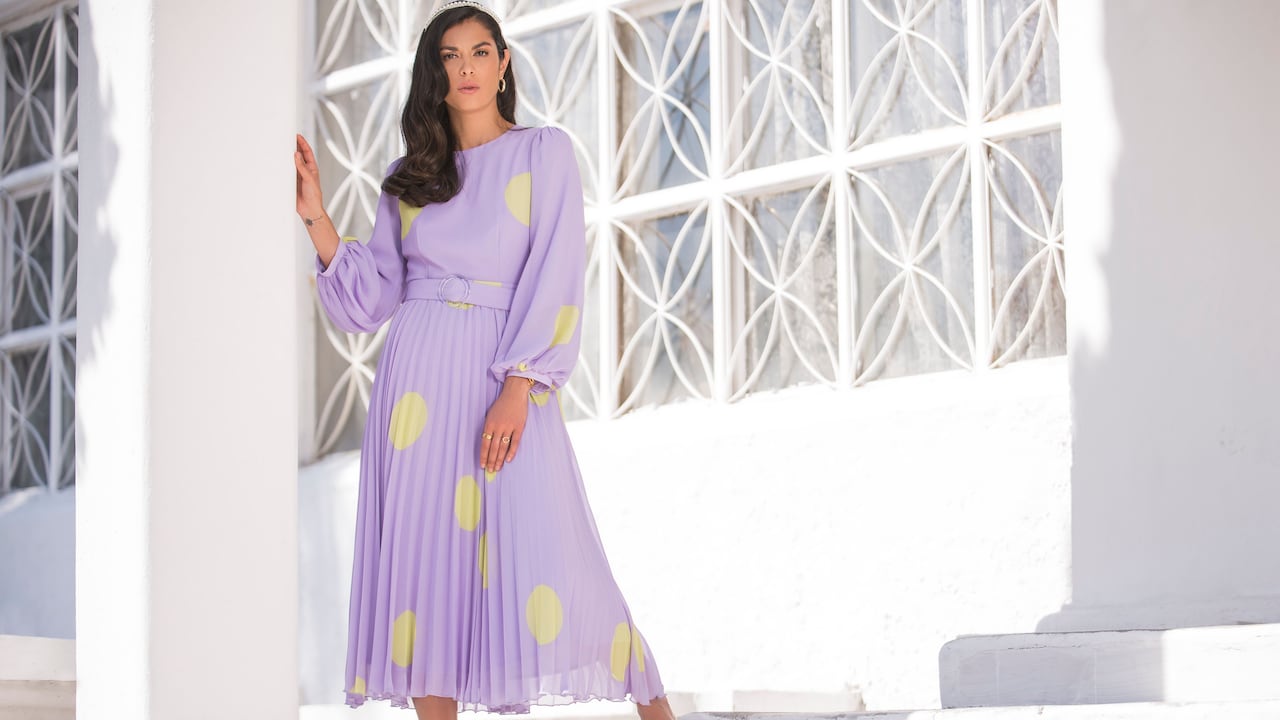
Blouse Armhole Gaping: 10 Fit Myths And What Actually Causes The Problem; Photo Credit: Pexels
4. Myth: The Bust Measurement Is All That Matters
Bust circumference plays a major role in blouse sizing, but two people with exactly the same measurement can need completely different blouse patterns.
One person may have a fuller bust with a comparatively narrow upper chest. Another may carry more width across the ribcage with less forward projection. A standard size chart can place both bodies in the same size even though the fabric needs to distribute itself very differently.
This becomes particularly noticeable around armholes. If the pattern provides enough total circumference but doesn't place that volume where the body needs it, spare fabric can collect near the upper bust.
Bust height matters too. Darts designed for a higher or lower bust point won't shape the fabric correctly. Instead of lying smoothly, the fabric can pull in one area and collapse in another.
So, when a blouse gaps despite matching your measured bust size, the measurement itself may not be wrong. The pattern may simply need better shaping.
Fit depends not only on how much space a body needs but also on where that space needs to sit.
5. Myth: Armhole Gaping Is Always An Armhole Problem
The gap appears at the armhole, so naturally we blame the armhole. Yet clothing patterns behave more like connected systems than isolated sections. Altering one area can affect several others.
A shoulder seam that extends beyond the natural shoulder can push fabric outward near the armhole. A neckline that sits too wide may allow the entire front panel to shift. Incorrect dart placement can also send excess fabric towards the side.
One quick check involves looking at the shoulder seam. Ideally, it should finish close to the point where the shoulder meets the arm. If it hangs noticeably beyond that point, the blouse may have too much width across the upper body.
Then look at the neckline. Does it sit flat, or does it also lift away when you move? Multiple areas of looseness often suggest a broader pattern issue rather than one badly shaped armhole.
This is why simply trimming the armhole deeper can backfire. Removing fabric without identifying the source may create a larger opening while the original gap stubbornly survives.
Sometimes the armhole is simply where another fitting problem chooses to announce itself.
6. Myth: Sleeveless Blouses Should Have Larger Armholes
Sleeveless designs may look as though they need generous armholes for comfort, but larger isn't necessarily better.
Without sleeves covering the edge, the armhole needs particularly careful shaping. An opening that sits too low or extends too far towards the bust can expose innerwear and create visible gaping whenever the arm moves.
A well-cut sleeveless blouse usually follows the body's contour fairly closely while leaving enough room for comfortable movement. The challenge lies in balancing mobility with coverage.
The shape matters just as much as the circumference. Someone with narrower shoulders may need a slightly different armhole curve from someone with broader shoulders, even when their bust measurements match.
Fabric can change the result too. A rigid brocade blouse may require slightly different ease from a stretchier material because it can't flex naturally with movement.
So, asking a tailor to “make the armhole bigger for comfort” can sometimes create precisely the problem you hoped to avoid. Comfort comes from correct shaping and adequate ease, not simply cutting away more fabric.
7. Myth: Adding Darts Will Always Fix Armhole Gaping
Darts can perform remarkable little feats of fabric engineering. They transform flat cloth into a three-dimensional shape, which makes them extremely useful for fitting around the bust. But adding a dart isn't automatically the correct answer.
A small additional dart near the armhole can sometimes remove excess fabric, especially when the blouse needs more contouring around the upper bust. However, too much dart intake can distort the armhole or create a pointed shape at the bust.
The location also matters. A dart should direct shaping towards the bust point without actually reaching it. Poor placement can create puckering or make the blouse look oddly angular.
Princess-seam blouses handle shaping differently. Instead of adding another visible dart, a tailor may redistribute the excess through the existing curved seam. Depending on the design, this can create a cleaner finish.
Before adding anything new, check whether the existing darts sit in the right position. Sometimes adjusting their width or angle solves the problem.
Darts are useful tools, but fitting works best when every alteration has a reason rather than becoming decorative geometry.

Blouse Armhole Gaping: 10 Fit Myths And What Actually Causes The Problem; Photo Credit: Pexels
8. Myth: Stretchy Fabric Cannot Develop Armhole Gaping
Stretch can forgive many fitting imperfections, which is why knitted and elastane-blend blouses often feel easier to wear. But stretch doesn't guarantee a perfectly flat armhole.
If the pattern contains too much fabric around the upper chest, a stretchy material can still gape. In fact, certain soft fabrics may make the problem more noticeable because they collapse instead of holding a firm silhouette.
Overstretching during stitching can cause another issue. If the tailor pulls the fabric while attaching binding, piping or lining around the armhole, the edge may lose its original shape. Once released, it can ripple or flare outward.
Lining also matters. A non-stretch lining paired with a stretch outer fabric may restrict movement differently, creating pulling in one layer and looseness in another.
Before changing the size, inspect how the fabric behaves when the blouse lies flat. A wavy armhole edge may indicate construction or stretching rather than a sizing problem.
Stretch fabrics can adapt to the body, but they still need accurate cutting and careful sewing. Elasticity helps with fit; it doesn't replace it.
9. Myth: If The Blouse Fits While Standing Still, The Fit Is Correct
A fitting-room mirror gives us only part of the story. Blouses have to survive real life, which includes reaching for things, adjusting a dupatta, carrying a handbag, eating dinner and performing the occasional complicated manoeuvre to retrieve a dropped phone.
A blouse may look flawless while the arms rest at the sides but gape dramatically once they move forward. Alternatively, it may sit flat until you lift an arm and discover that half the blouse travels upwards with it.
Movement tests reveal whether the armhole has the correct balance of room and shaping. Raise both arms, reach forward, sit down and gently rotate the shoulders. The garment shouldn't dig sharply into the underarm or expose much more than it does while standing naturally.
That doesn't mean clothing must remain completely motionless. Fabric moves because bodies move. The aim is reasonable stability and comfort.
This test also prevents over-alteration. Making an armhole extremely tight because it looks neat in one position can restrict movement later.
A successful blouse should work beyond the mirror pose. After all, very few social occasions involve standing perfectly still for four hours.
10. Myth: Every Armhole Gap Needs To Be Altered
Not every tiny gap qualifies as a fitting emergency.
A small amount of ease allows the arms and shoulders to move comfortably. Trying to make every millimetre of fabric cling perfectly to the body can result in an armhole that cuts into the skin, particularly when sitting or moving.
The blouse style matters as well. Structured corset-style pieces naturally fit differently from softer everyday cotton blouses. A heavily embroidered blouse may also need slightly more ease because stiff fabric doesn't move as freely.
Consider how noticeable the gap actually is during normal wear. If innerwear remains covered, the blouse feels comfortable and the gap appears only in an exaggerated posture, altering it may create more trouble than benefit.
On the other hand, a gap that exposes undergarments, folds noticeably or keeps getting larger deserves attention.
Before altering, wear the blouse with the saree, lehenga or outfit it was intended for. Styling can change how the garment settles on the body.
Perfect fit doesn't mean squeezing out every hint of movement. Sometimes a little breathing room is exactly what keeps a blouse wearable.
Products Related To This Article
1. SALWAR STUDIO Taffeta Solid Sleeveless Saree Blouse
2. Soch Red Woven Design Silk Saree Blouse
3. Studio Rasa Silk Solid Saree Blouse
4. SALWAR STUDIO Embroidered Non-Padded Stretchable Saree Blouse
5. Anouk Silk Blend Solid Brocade Saree Blouse
6. Soch Woven Design Silk Blouse
7. SALWAR STUDIO Silk Round Neck Saree Blouse
Armhole gaping can look like a straightforward sizing problem, but blouse fit rarely follows such simple rules. Bust shape, shoulders, darts, fabric behaviour and construction can all influence that small section of cloth. Instead of automatically downsizing or tightening the side seams, look at how the entire blouse sits and moves. A thoughtful alteration can remove the gap without sacrificing comfort elsewhere. And sometimes, that tiny bit of looseness doesn't need fixing at all. A blouse should fit the person wearing it, not force the person to fit the blouse.
(Disclaimer: This article may include references to or features of products and services made available through affiliate marketing campaigns. NDTV Convergence Limited (“NDTV”) strives to maintain editorial independence while participating in such campaigns. NDTV does not assume responsibility for the performance or claims of any featured products or services.)