How To Clean Canvas Shoes Without Warping Them: 10 Fixes For Soaking, Scrubbing And Drying
Canvas shoes can lose their shape when cleaning gets too aggressive. From soaking and scrubbing to rinsing and drying, these 10 practical fixes help remove everyday dirt while keeping the fabric, soles and structure in better condition.
How To Clean Canvas Shoes Without Warping, Shrinking Or Losing Shape
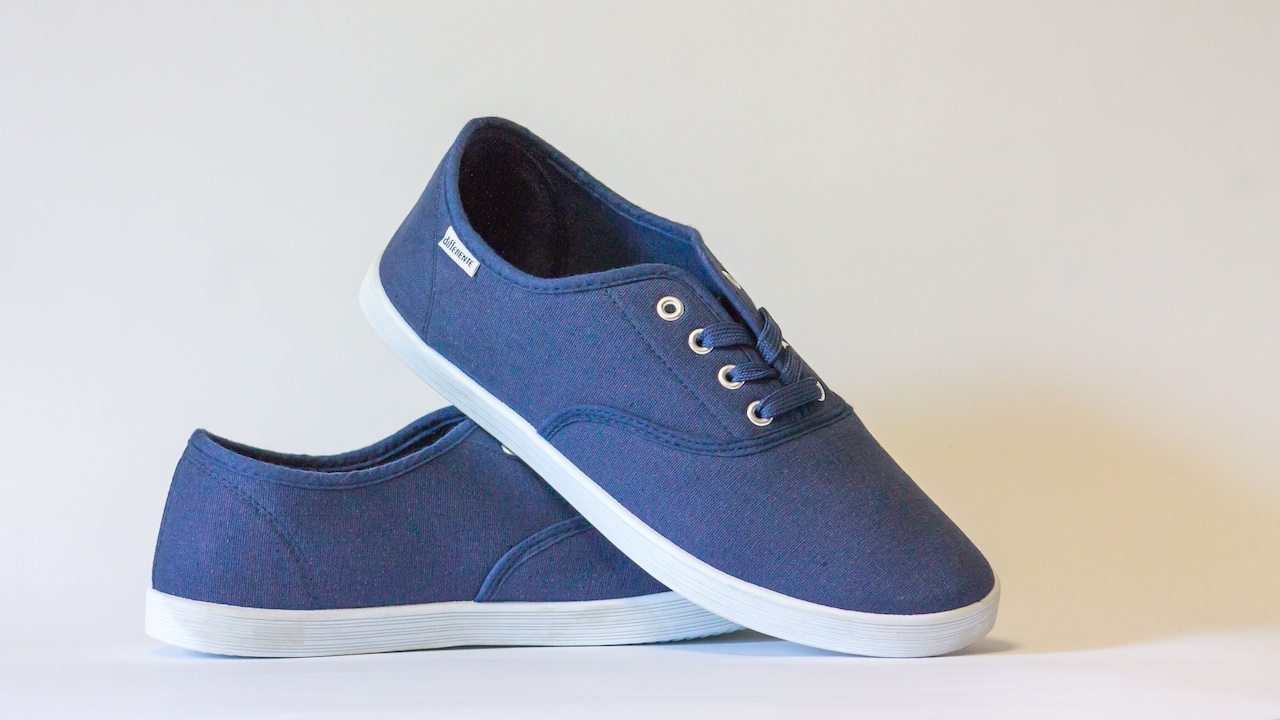
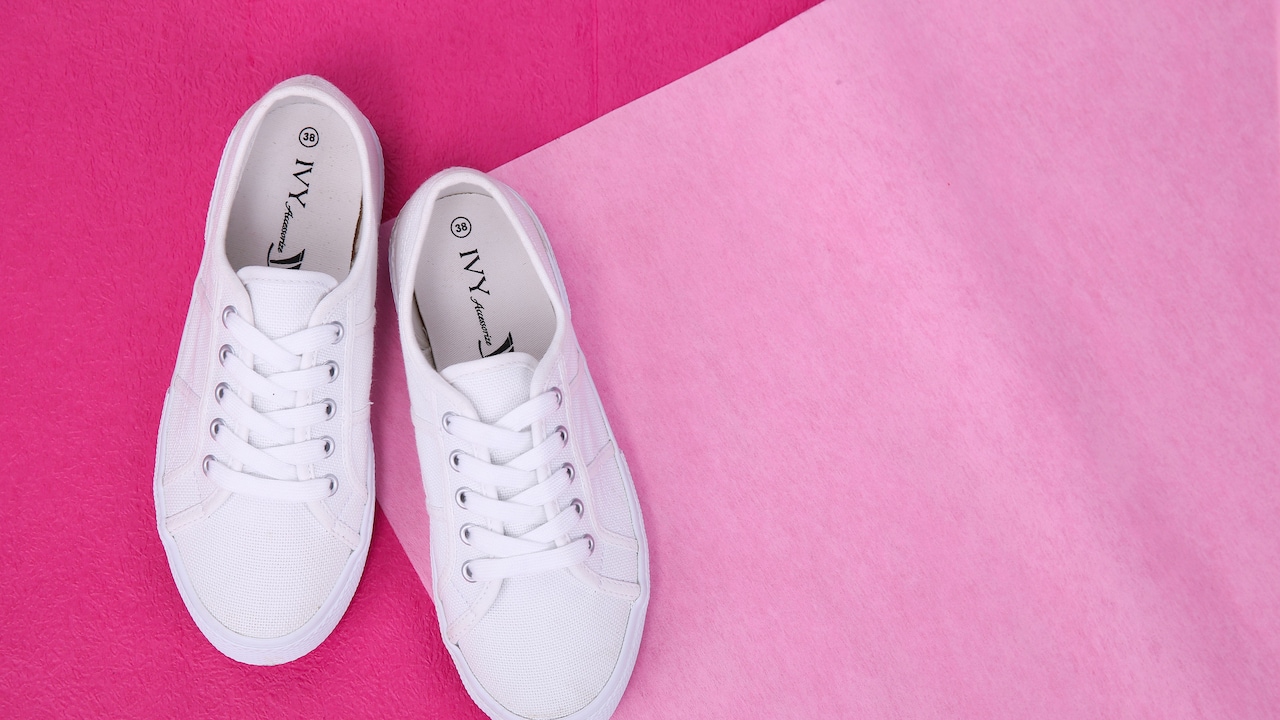
Canvas shoes have an inconvenient talent for looking fantastic when new and mysteriously exhausted after a few weeks of regular wear. Dust settles into the weave, the rubber edges turn grey, and one unexpected splash near a puddle can leave a mark that refuses to disappear. Naturally, the temptation is to fill a bucket, add detergent and give the shoes a serious scrub. That enthusiasm can cause another problem: shoes that come out clean but no longer look quite like shoes. Canvas may feel sturdy, yet the overall structure depends on more than fabric. Adhesive holds different sections together, the toe box has its own shape, stitching takes pressure during washing, and the sole can react badly to prolonged soaking. Add harsh scrubbing or careless drying and a perfectly wearable pair may shrink, curl, wrinkle or lean sideways. Cleaning canvas shoes therefore isn't about using more water or more force. It is about controlling moisture, friction and drying. Whether the pair handles college runs, grocery trips, weekend outings or a daily commute, a gentler routine can make a noticeable difference.
How To Clean Canvas Shoes Without Warping, Shrinking Or Losing Shape; Photo Credit: Pexels
How To Wash Canvas Shoes Without Damaging Their Shape
1. Remove Dry Dirt Before Adding Any Water
One of the easiest ways to make canvas shoe cleaning harder is to introduce water too early. Loose dust turns into muddy paste as soon as it becomes wet, and that paste works its way deeper into the fabric. Instead of lifting dirt out, scrubbing then pushes it around.
Start with completely dry shoes. Tap the soles together outdoors or over an easy-to-clean surface to release loose soil. Then use a soft, dry shoe brush or an old toothbrush to work over the canvas, seams and edges. Pay particular attention to the crease near the sole, where dust loves to settle.
This small step can remove a surprising amount of grime before detergent gets involved. It also means the cleaning solution can focus on actual stains instead of fighting an entire layer of surface dust.
Avoid attacking dried mud aggressively. If a thick patch refuses to move, gently loosen its edges rather than scraping the canvas with a sharp object.
Think of dry brushing as sweeping the floor before mopping it. Skip it, and everything gets unnecessarily messy.
Also Read: Top Casual Canvas Sneakers for Men in Multiple Colours Under Rs. 1600
2. Take Out The Laces And Insoles Before Cleaning
Cleaning canvas shoes while everything remains assembled might save two minutes at the beginning, but it often creates problems later. Laces cover sections of fabric that need cleaning, while removable insoles hold water and can take ages to dry.
Remove the laces first. This opens the tongue and eyelet area, allowing you to clean spots that normally stay hidden. Wash the laces separately with mild detergent and water rather than scrubbing them while they remain attached to the shoes.
If the insoles come out easily, remove those too. Don't force glued or permanently attached inserts. Removable insoles can usually be wiped or cleaned separately according to their material.
Taking the insoles out also improves airflow during drying. That's particularly useful during humid weather, when damp shoes may sit around far longer than expected.
There is another advantage. Once the shoes are empty, you can support their shape more effectively while cleaning and drying them.
A canvas sneaker stuffed with damp insoles, wet laces and trapped moisture is basically asking for that stale cupboard smell to make an appearance.
3. Stop Soaking The Entire Shoe For Every Stain
A stained patch doesn't automatically justify submerging an entire pair of shoes in a bucket. Full soaking saturates the canvas, padding, seams, adhesive and internal structure at once. The shoes then become heavier, softer and much easier to distort.
For routine dirt, spot cleaning usually makes more sense.
Mix a small amount of mild liquid detergent with water. Dip a cloth or soft brush into the solution and work on one section at a time. The canvas needs to become damp enough for cleaning, not drenched enough to drip across the floor.
This gives you much more control. A dusty toe box can receive extra attention without unnecessarily soaking the heel. Likewise, one food stain doesn't require a swimming lesson for both shoes.
Occasional deeper cleaning may still become necessary, particularly after mud or heavy dirt. Even then, prolonged soaking rarely improves results enough to justify the extra stress on the footwear.
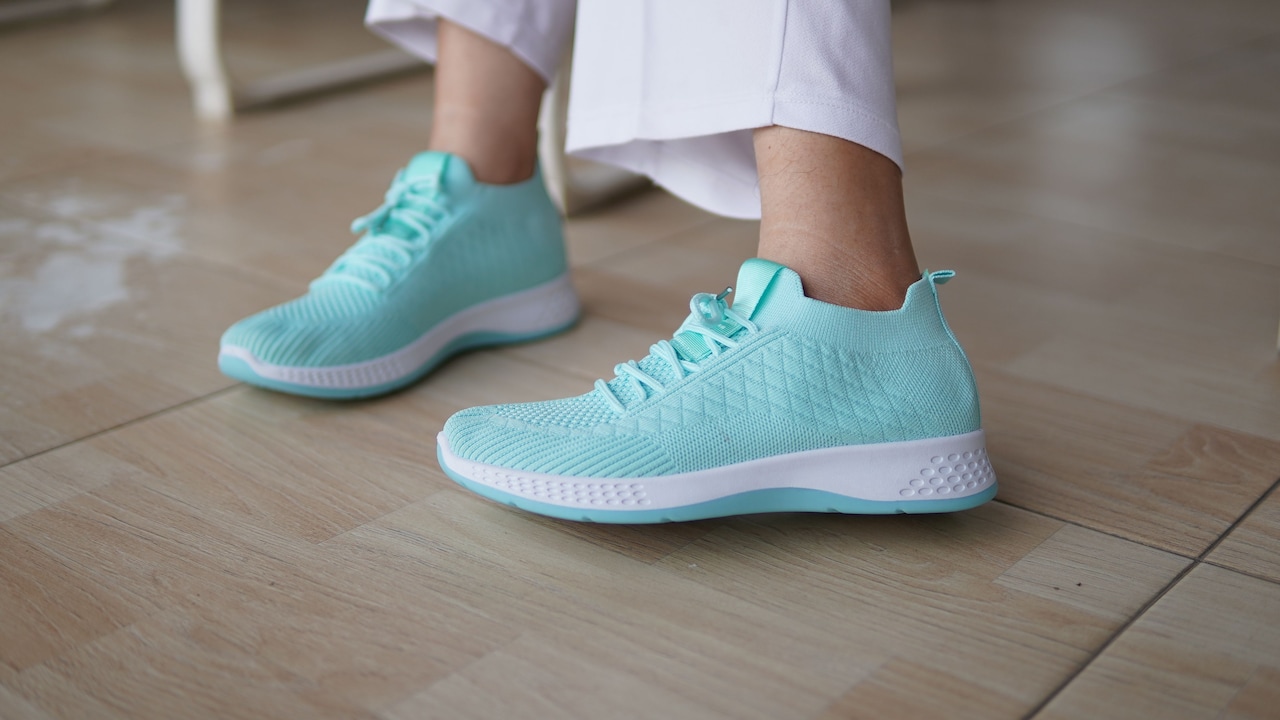
More water doesn't automatically mean more cleanliness. With canvas shoes, excess moisture often creates additional work because every soaked layer must eventually return to its original shape while drying.
How To Clean Canvas Shoes Without Warping, Shrinking Or Losing Shape; Photo Credit: Pexels
4. Use Mild Detergent Instead Of Making A Super-Strong Cleaning Mix
When white or light-coloured canvas looks particularly grimy, adding an impressive amount of detergent can feel logical. Unfortunately, stronger isn't always better.
Too much detergent becomes difficult to rinse from tightly woven fabric. Residue may leave canvas feeling stiff, attract fresh dirt or create pale patches once the shoes dry. Strong household cleaners can also affect colour, stitching or adhesive.
A small quantity of mild liquid laundry detergent diluted with water is generally enough for ordinary grime. The goal is to create a gentle cleaning solution rather than something capable of stripping a kitchen hob.
Before treating the entire shoe, test the mixture on a small, less visible area, particularly with coloured or printed canvas. Colours and finishes vary, and an enthusiastic cleaning experiment shouldn't end with one suspiciously faded patch.
Also resist randomly mixing cleaning products. Combining different chemicals doesn't create a superior shoe cleaner and may produce irritating or unsafe fumes.
If a stain needs another round, repeat a gentle treatment instead of dramatically increasing the concentration. Patience is cheaper than replacing a pair that survived the stain but not the cleaning solution.
5. Scrub With The Canvas Weave Rather Than Fighting It
Canvas can handle some brushing, but that doesn't mean it appreciates being scrubbed as though it personally caused the stain.
Hard, repetitive scrubbing can roughen fibres, create fuzzy patches and distort softer areas. The risk increases once the shoe becomes wet because saturated fabric has less structural firmness.
Use a soft-bristled brush or toothbrush and work in small, controlled motions. Focus pressure on the dirty surface rather than pressing the shoe inward. Around seams, printed details and glued edges, reduce the pressure further.
For stubborn marks, let the diluted cleaning solution sit briefly before brushing again. Giving the cleaner time to loosen dirt often works better than doubling the elbow grease.
Hold the shoe with one hand while working on the canvas so the toe box and sidewalls remain supported. If you squeeze a soaked shoe while scrubbing it, creases can form in places where they don't normally belong.
There is no prize for completing both shoes in three furious minutes. Gentle, repeated passes may seem slower, but they protect the weave and usually deliver a more even finish.
6. Treat The Rubber Separately From The Canvas
The canvas upper and rubber sole live together, but they don't necessarily need exactly the same cleaning method.
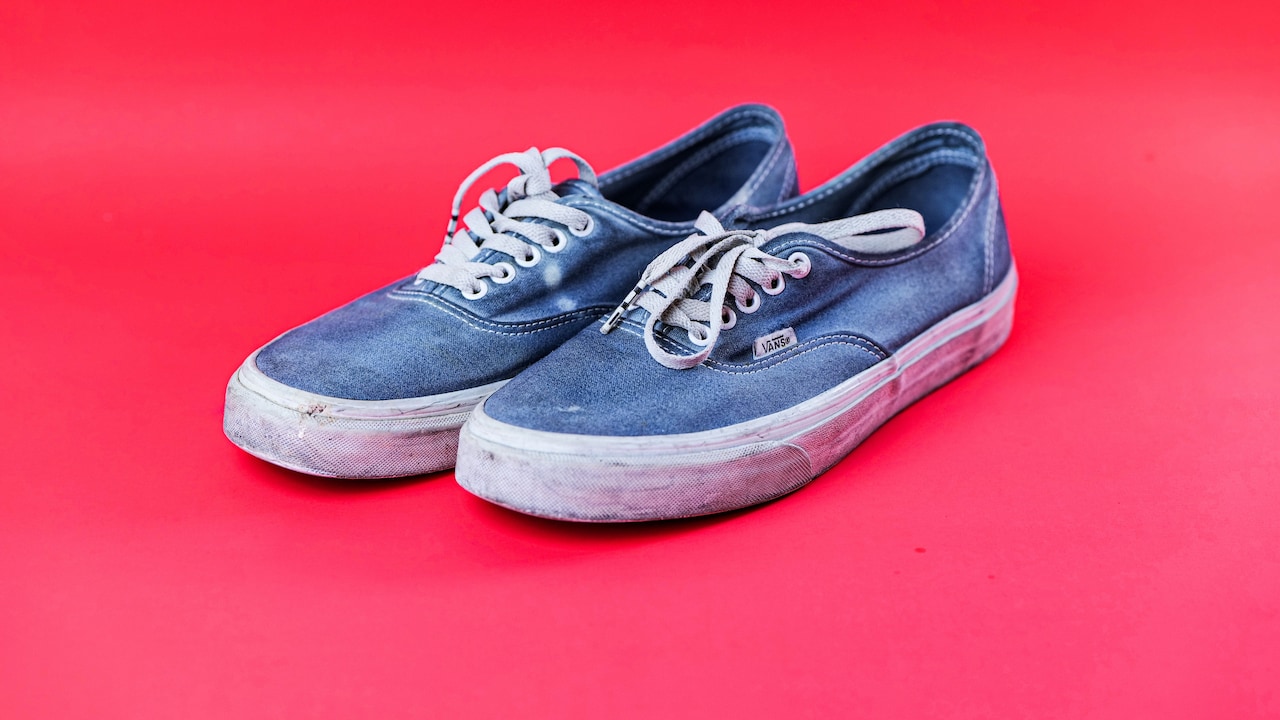
Rubber edges often collect black marks, street grime and stubborn discolouration that require slightly firmer cleaning. Trying to tackle those marks with the same brush stroke used on the fabric can transfer dirty residue straight back onto freshly cleaned canvas.
Clean the fabric first or use separate brushes and cloths for different areas. A mild soap solution and toothbrush can handle much of the grime around rubber midsoles. Work carefully near the line where the sole meets the canvas, since aggressive scrubbing along glued seams may weaken the area over time.
Avoid flooding that seam with cleaning liquid. If a mark needs extra work, concentrate on the rubber rather than repeatedly soaking the join. White rubber may not return to its original shop-floor brightness after years of wear, and that's perfectly normal. Chasing every last shadow with increasingly harsh cleaners can do more harm than accepting a little evidence that the shoes have actually left the house. Clean is the goal. Factory-new perfection doesn't have to be.
How To Clean Canvas Shoes Without Warping, Shrinking Or Losing Shape; Photo Credit: Pexels
7. Rinse Away Soap Without Saturating The Shoes Again
Once the dirt disappears, detergent needs to leave too. This is where a careful cleaning job sometimes accidentally becomes a second soaking session.
Holding canvas shoes under a running tap may remove soap quickly, but it also sends water through the upper, lining and footbed. Instead, use a clean damp cloth or sponge to lift away detergent gradually.
Rinse the cloth regularly and continue wiping until the canvas no longer feels slippery or noticeably soapy. This may take several passes, especially if too much detergent went into the original mixture.
Don't wring, twist or squeeze the shoe to remove water. Canvas fabric may survive the motion, but the shoe's structure doesn't necessarily enjoy it. Twisting can distort the upper and place unnecessary strain on glued and stitched areas.
When excess moisture remains, press a dry towel gently against the surface. Blotting pulls out water without crushing the shape.
This stage requires a little patience. A shoe that feels merely damp rather than waterlogged will dry more evenly, hold its shape better and return to service considerably sooner.
8. Stuff The Shoes Before They Start Drying
Wet canvas softens, which means drying becomes the moment when the shoe either regains its familiar shape or decides to experiment with modern sculpture.
After blotting excess moisture, gently arrange the toe box, tongue and sides into their normal positions. Then stuff the shoes with clean, absorbent material to support the interior.
Plain paper towels or clean light-coloured paper work well. Avoid heavily printed newspaper inside pale shoes because moisture may encourage ink transfer. Don't cram so much paper inside that the canvas stretches outward. The aim is support, not expansion.
Replace the stuffing if it becomes thoroughly wet during the first stage of drying. Fresh dry material can absorb more moisture while continuing to hold the shape.
Pay particular attention to the toe area. If canvas dries while collapsed inward, creases and dents may remain even after the material loses its dampness.
Shoe trees can also help when they're suitable for the footwear and don't stretch the fabric.
Essentially, don't leave gravity in charge of design decisions. Give damp canvas a gentle reminder of what shape it is supposed to return to.
9. Keep Wet Canvas Shoes Away From Direct Heat
A pair of damp shoes on a humid afternoon can test anyone's patience. Pointing a hair dryer at them or placing them close to a heater might look like an efficient solution. It can also turn a harmless cleaning session into a warped-shoe problem.
Strong heat can dry different parts of the shoe at different speeds. Canvas may tighten while adhesive and rubber respond differently, potentially leading to curling, shrinkage or separation along the sole.
Let the shoes air-dry in a well-ventilated area instead. Keep them away from intense direct sunlight for prolonged periods, particularly if they're coloured. Strong sun can contribute to fading, while excessive heat may affect glue.
A fan can help improve airflow without blasting the shoes with high temperatures. Position the pair so air can circulate around them rather than leaving both shoes pressed against a wall.
Turn or reposition them occasionally if one side remains noticeably wetter.
It isn't the fastest method, but controlled air-drying protects the shape far better. Canvas shoes don't need a tanning session after every wash. They need airflow, support and enough time to dry evenly.
10. Wait Until The Shoes Are Fully Dry Before Wearing Them
Canvas can feel dry on the outside while moisture still hides inside the lining, beneath the insole area or around padded sections. Putting the shoes back on too early introduces body heat, pressure and movement while the structure is still soft.
That combination can encourage stretching, creasing and unpleasant odours.
Before replacing the insoles and laces, check the interior carefully. Press a clean finger or dry tissue against thicker sections. If anything feels cool, damp or slightly clammy, give the shoes more drying time.
Don't use the familiar shortcut of wearing them so they'll “dry around the feet”. Wet shoes can alter shape under pressure, while damp fabric rubbing against skin isn't particularly pleasant either.
Once everything feels completely dry, remove the paper stuffing, replace the insoles and lace the shoes without pulling excessively tight at first.
Regular maintenance also reduces the need for future deep cleans. Brushing away surface dust after particularly dirty outings and dealing with stains early can keep canvas looking respectable for longer.
The gentlest cleaning job is usually the one you don't have to repeat every weekend.
Products Related To This Article
1. Bata Women Woven Design Slip-On Sneakers
2. Lotto Men Strada Vele Black Sneakers
3. Decathlon Women Pink Klnj Be Essential Cushioned Walking Trainers Shoes
4. New Balance Women 420I Dynasoft Running Shoe
5. Roadster The Lifestyle Co. Men Black Textured Comfort Insole Canvas Lace-Up Sneakers
6. Cantabil Men Textured Sneakers
7. DOCTOR EXTRA SOFT Women Perforations Lightweight Slip-On Sneakers
Cleaning canvas shoes successfully has less to do with scrubbing power and more to do with restraint. Remove dry dirt first, use limited moisture, clean gently and support the shoes while they dry. Most importantly, avoid shortcuts involving long soaking, twisting or intense heat. A careful wash may take a little longer, but it gives the shoes a much better chance of looking clean without coming back warped, curled or mysteriously smaller.
(Disclaimer: This article may include references to or features of products and services made available through affiliate marketing campaigns. NDTV Convergence Limited (“NDTV”) strives to maintain editorial independence while participating in such campaigns. NDTV does not assume responsibility for the performance or claims of any featured products or services.)