Does Frequent Washing Cause All Trouser Fading? 10 Fabric-Care Myths Explained
Frequent washing is not the only reason trousers fade. Discover 10 common fabric-care myths about washing, drying, detergent, ironing and colour loss, and learn what really helps trousers last longer.
Does Frequent Washing Cause All Trouser Fading? 10 Fabric-Care Myths Explained
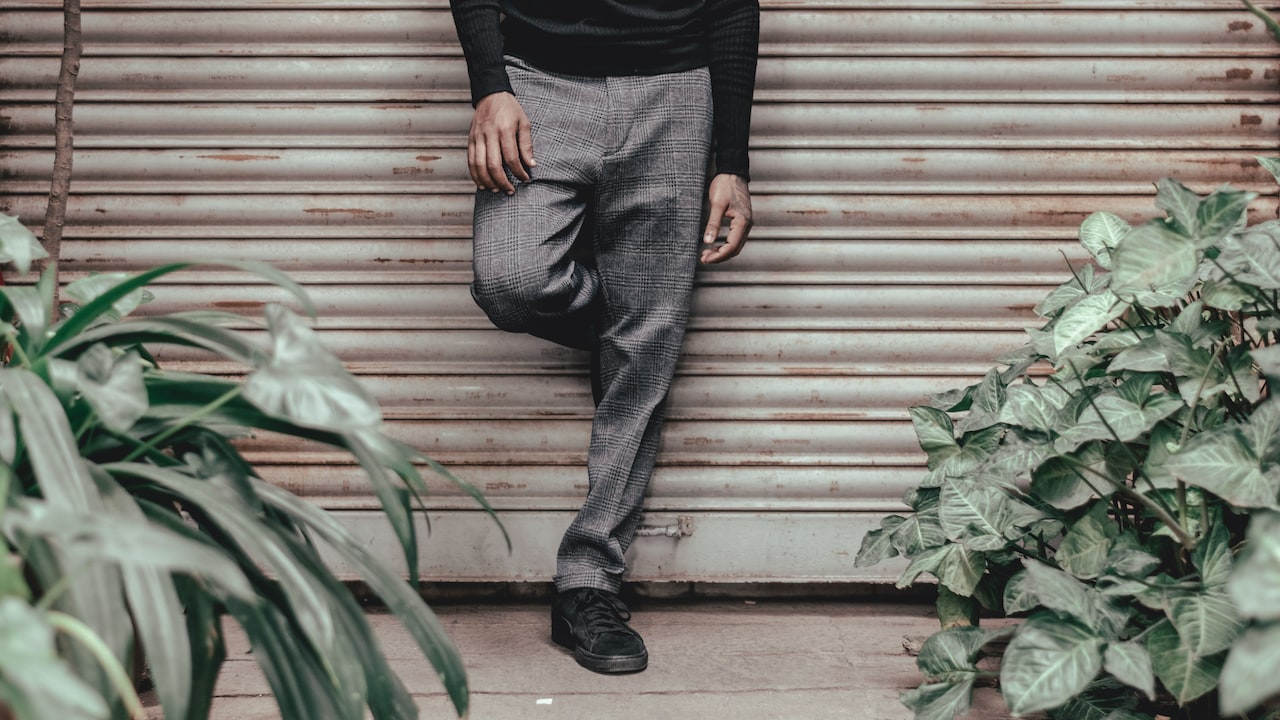
Few wardrobe problems feel quite as annoying as watching a smart pair of trousers lose its finish too soon. One month it looks crisp enough for a client meeting; a few washes later, the knees appear lighter, the seams look dull and the colour no longer has the same depth. Naturally, frequent washing gets the blame. Sometimes it deserves part of it. Often, though, the real culprit hides elsewhere. Trousers face more wear than many garments. They rub against chairs, scooter seats, office desks and bags. They absorb sweat during humid afternoons, collect dust on commutes and endure detergents, hard water, sunlight and ironing. Even the way they sit inside a washing machine can influence their appearance.

Does Frequent Washing Cause All Trouser Fading? 10 Fabric-Care Myths Explained
Photo Credit: Pexels
That makes fabric care less about memorising one golden rule and more about understanding what different materials need. Cotton chinos behave differently from wool trousers. Stretch blends dislike certain heat levels. Dark denim responds strongly to friction. Linen has its own personality altogether. So, does frequent washing cause all trouser fading? Not quite. The truth sits somewhere between laundry science and everyday common sense.
What Really Causes Trouser Fading?
1. Frequent Washing Always Causes Trouser Fading
Frequent washing can contribute to fading, but it does not automatically ruin every pair of trousers. The bigger question is how the garment gets washed.
Each wash creates movement. Fabric rubs against fabric, detergent interacts with dye, and water carries away loose pigment. Dark cotton trousers and denim often show these effects faster because surface dyes make colour loss more visible. Yet a gentle cycle, cool water and mild detergent can reduce the impact considerably.
Daily habits matter just as much. Trouser thighs rubbing against a motorbike seat, knees brushing office furniture or pockets scraping against a wallet can produce uneven fading without a washing machine entering the story.
Some trousers also hold colour better because manufacturers use more durable dyes or better finishing processes. Others begin losing pigment from the first few wears.
Washing only when necessary remains sensible, especially for dark colours. Still, stretching wear too far brings its own problems. Sweat, body oils and dirt can weaken fibres and create stubborn odours.
The practical answer lies in balance. Wash when the garment genuinely needs cleaning, and wash it gently rather than treating every laundry load like a wrestling match.
2. Hot Water Cleans Trousers Better Than Cold Water
Hot water has an impressive reputation. It feels powerful, hygienic and somehow more serious than a cool wash. Unfortunately, trousers do not always appreciate the enthusiasm.
High temperatures can encourage colour loss, shrink cotton and damage elastic fibres found in stretch trousers. Repeated heat can also make certain finishes deteriorate faster. A pair that once fitted neatly may slowly turn into something that requires a determined tug at the waistband.
For ordinary dirt, sweat and light stains, cool or lukewarm water often works perfectly well when paired with the right detergent. Modern detergents generally perform efficiently at lower temperatures, so there is little need to turn every wash into a hot-water treatment.
Heat may help in specific situations, but the care label should guide that decision. Wool, viscose blends and trousers containing elastane need particular caution.
There is another practical advantage to cooler washing. It places less stress on dyes, especially rich blacks, navies and earthy browns.
When trousers look dull after only a handful of washes, water temperature deserves investigation. Sometimes the fading blamed on “poor fabric” started with nothing more dramatic than an unnecessarily hot wash cycle.
3. More Detergent Means Cleaner Trousers
Laundry detergent creates one of the easiest traps in household cleaning: if one cap works, surely two caps must work even better.
Not necessarily.
Too much detergent can leave residue trapped between fibres, especially when the washing machine cannot rinse it away properly. That residue may make trousers feel stiff, look dull and attract fresh dirt. Dark fabrics can develop pale streaks or cloudy patches that resemble fading.
The problem often becomes worse in areas with hard water, where minerals already interfere with washing performance. Pouring in extra detergent does not always solve the issue. Sometimes it simply creates more residue.
Correct dosage depends on the load size, detergent concentration, water hardness and soil level. The label on the detergent usually offers a useful starting point.
A heavily stained pair may need pretreatment rather than an extra flood of washing liquid. Applying a small amount of suitable detergent directly to the stain before washing often works more effectively.
Clean trousers should not come out smelling like a perfume counter from across the room. A light, fresh result usually signals adequate washing.
In laundry, restraint can do more for fabric than enthusiasm.
4. Turning Trousers Inside Out Makes No Difference
Turning trousers inside out may look like one of those household rituals passed around without explanation, but it has a practical purpose.
The outer surface of trousers faces most of the friction inside a washing machine. It rubs against other garments, the drum and fasteners such as zips or buttons. Over time, this friction can roughen fibres and wear away surface colour.
Turning trousers inside out moves much of that abrasion to the inner side. The trick proves particularly helpful for black trousers, dark chinos, printed fabrics and denim.
It also helps protect decorative details, subtle surface finishes and areas that tend to develop visible wear.
Of course, turning a garment inside out cannot perform miracles. Poor-quality dye may still fade. Harsh detergent can still cause damage. A scorching dryer can undo careful washing in one session.
Yet this tiny habit costs nothing and takes seconds.
Before washing, empty the pockets, close zips where appropriate and turn the trousers inside out. That forgotten metro token or ₹10 coin will not improve the wash, and neither will allowing the darkest surface of the fabric to take every bit of friction directly.
5. Sun-Drying Can Never Damage Trouser Colour
Sunlight can make freshly washed clothes smell wonderfully clean, and line-drying remains practical in many homes. Still, strong sunshine does not treat every colour kindly.
Ultraviolet light can break down certain dyes over time. Dark trousers often show the effect first, especially black, navy, charcoal and deep olive shades. Repeated exposure to intense midday sun may leave one side noticeably lighter if the garment hangs in the same position again and again.
That does not mean trousers need to hide indoors forever.
A better approach involves drying dark garments inside out and choosing a bright, airy spot without prolonged harsh sunlight. Morning light or shaded ventilation often provides enough warmth and airflow.
Leaving clothes outside long after they have dried can also add unnecessary exposure. Once the fabric feels dry, bringing it in protects colour and prevents dust from settling back onto the surface.
White and very light garments may tolerate sunlight differently, but even then the care label matters.
Sun-drying works beautifully when handled with a little judgement. The balcony need not become a fabric danger zone. Just avoid roasting favourite black trousers for hours as though they were papad on a summer terrace.
6. Fabric Softener Is Good For Every Pair Of Trousers
Fabric softener promises exactly what its name suggests: softer clothes, smoother fibres and a pleasant fragrance. That sounds harmless enough, but not every trouser fabric benefits from it.
Many softeners work by coating fibres with lubricating ingredients. This coating can change how certain materials behave. Stretch fabrics may gradually lose performance, while moisture-wicking sports trousers can become less effective at moving sweat away from the skin.
Some finishes also respond poorly to repeated softener use.
For everyday cotton trousers, an occasional small amount may not cause obvious trouble, but automatic use in every wash makes little sense. The fabric composition should decide the routine.
If trousers feel unusually stiff after washing, excess detergent, hard water or over-drying may deserve more blame than the absence of softener. Adding another product can sometimes hide the symptom without solving the cause.
Gentler washing, proper rinsing and air-drying often restore a comfortable feel.
Laundry cupboards have a habit of becoming crowded with bottles that claim to solve everything. Fabric care gets easier once every product stops feeling compulsory.
Sometimes the kindest treatment for a pair of trousers involves using fewer chemicals, not more.
Does Frequent Washing Cause All Trouser Fading? 10 Fabric-Care Myths Explained
Photo Credit: Pexels
7. Dry Cleaning Is Always Safer Than Washing
A “dry clean only” label deserves respect, especially on tailored wool trousers and structured garments. Yet dry cleaning does not automatically represent the safest option for every pair.
Dry cleaning uses solvents rather than a conventional water wash. It works well for fabrics and constructions that could shrink, distort or lose shape in water. Formal trousers with delicate linings, sharp pleats or structured waistbands may genuinely need professional treatment.
However, trousers labelled for normal washing gain little from unnecessary dry cleaning. Repeated solvent exposure can affect some finishes, while frequent professional cleaning also adds cost.
The care label remains the best starting point. Manufacturers design those instructions around fibre composition, dyes, trims and garment construction.
A ₹3,000 pair of office trousers does not become more precious simply because it visits a dry cleaner every week. Sometimes airing it after wear, spot-cleaning a small mark and washing it according to instructions offers better long-term care.
Professional cleaning works best as a targeted tool, not a prestige ritual.
Use it when the fabric or construction requires it. For everything else, careful home laundering can prove both gentle and effective.
Also Read: 5 Best Women's Formal Trousers For Monsoon Office Under ₹1300
8. All Dark Trousers Should Be Washed The Same Way
Putting black, navy, charcoal and dark brown trousers into one “dark clothes” category feels convenient. Their colour may look similar, but their fabrics can behave very differently.
Dark denim often tolerates a different washing routine from wool-blend formal trousers. Cotton chinos may handle a gentle machine cycle, while some viscose trousers need greater care because wet fibres can become vulnerable to stretching or distortion. Stretch fabrics bring elastane into the equation, which makes high heat a poor choice.
Even dye methods vary. Two black trousers from different brands may fade at completely different rates despite receiving identical treatment.
Care labels therefore matter more than colour alone.
Sorting by shade still has value because darker dyes can transfer during washing, especially when garments are new. Yet sorting by fabric type and washing requirements matters too.
A sensible load groups clothes that can share similar water temperature, cycle speed and drying conditions.
Think of it like arranging passengers for a road trip. Everyone may wear dark clothes, but that does not mean everyone wants the same journey. Your rugged jeans may enjoy conditions that leave a delicate formal trouser thoroughly unimpressed.
9. Ironing Cannot Cause Fading Or Fabric Damage
Ironing looks like the final harmless step after washing, but excessive heat can alter both colour and texture.
Dark trousers may develop shiny patches when a hot iron presses directly against the fabric, particularly around pockets, seams and thighs. Wool and synthetic blends often show this problem more visibly. The shine comes from changes at the fibre surface rather than ordinary dirt.
Too much heat can also weaken elastane and scorch sensitive fibres. Even when obvious burn marks never appear, repeated high temperatures may shorten the life of the garment.
The solution starts with checking the care label and adjusting the iron accordingly. Using the lowest effective temperature usually makes sense.
For delicate or dark fabrics, placing a thin cotton pressing cloth between the iron and the trousers can protect the surface. Ironing garments inside out also helps in many cases.
Steam may remove stubborn creases without requiring aggressive direct heat, provided the fabric allows it.
That extra-high setting should not become the default simply because it flattens wrinkles faster. A trouser crease needs discipline, certainly, but it does not need punishment.
10. Faded Trousers Always Mean Poor Fabric Quality
When trousers fade quickly, poor quality becomes an easy suspect. Sometimes that judgement proves correct. Cheap dyes, weak finishing and low-grade fibres can certainly contribute to disappointing wear.
Still, fading alone does not tell the whole story.
Even excellent fabrics change with time. Cotton naturally develops character through repeated washing and friction. Denim lovers often celebrate exactly that transformation. Linen softens and shifts in appearance. Dark dyes can lose intensity when exposed to sunlight, sweat, or harsh detergents, regardless of the original price tag.
Usage patterns matter enormously. Someone who wears the same black trousers three times a week will naturally see more change than someone who rotates six pairs.
Storage can play a role too. Leaving trousers beside a sunny window for months may create uneven fading without a single wash.
Quality, therefore, involves more than colour retention. Strong stitching, good recovery, comfortable fabric, stable seams and lasting shape all count.
A faded trouser does not automatically equal a bad purchase. Sometimes it simply tells the story of regular use.
The more useful question asks whether the garment aged gracefully, not whether it remained frozen in showroom condition forever.
Does Frequent Washing Cause All Trouser Fading? 10 Fabric-Care Myths Explained
Photo Credit: Pexels
Products Related To This Article
1. Roadster The Lifestyle Co Linen Relaxed-Fit Regular Trousers
2. Glitchez Women Mid-Rise Pure Cotton Flared Fit Cargos
3. FABRIPPLE Men Cotton Classic Mid-Rise Loose Fit Cargos Trousers
4. Mast & Harbour Women High-Rise Trousers
5. Foomer Men Easy Wash Trousers
6. BAESD Women Relaxed Straight Leg High-Rise Easy Wash Trousers
7. HIGHLANDER Men Cotton Cargo Trousers
Trouser fading rarely has one villain. Frequent washing can affect colour, but so can friction, high heat, strong sunlight, excessive detergent, rough drying and careless ironing. Fabric type and dye quality shape the outcome as well.
That makes good garment care surprisingly simple: pay attention to what the trousers actually need.
Check the care label. Use cooler water where suitable. Measure detergent rather than pouring it by instinct. Turn dark trousers inside out, avoid excessive heat and give fabrics enough time to air between wears. Most importantly, stop treating every pair as though it came from the same roll of cloth.
Clothes are meant to age. A well-worn pair of chinos may soften beautifully, while favourite denim can develop a character that no brand-new garment can copy. The goal is not to prevent every sign of use. It is to avoid damage that never needed to happen.
So the next time a pair loses a little colour, the washing machine may deserve a glance, but not an immediate conviction. Laundry has more suspects than that.
(Disclaimer: This article may include references to or features of products and services made available through affiliate marketing campaigns. NDTV Convergence Limited (“NDTV”) strives to maintain editorial independence while participating in such campaigns. NDTV does not assume responsibility for the performance or claims of any featured products or services.)