10 Reasons Strapless Dresses Fold, Roll Or Collapse At The Neckline And How To Fix The Fit
Strapless neckline folding, rolling or collapsing? From poor fit and weak boning to stretched fabric and misplaced cups, discover 10 common causes and practical fixes for a smoother, more secure fit.

What causes strapless dress necklines to roll over
Few fashion problems are as distracting as a strapless dress that refuses to behave. The outfit may be perfect for a wedding reception, cocktail evening or festive dinner, but a curling neckline can quickly steal attention from everything else. Instead of enjoying the occasion, the wearer ends up checking mirrors, adjusting the bodice and wondering whether the dress looked this rebellious in the trial room. A well-fitted strapless dress should stay supported by the bodice rather than relying on constant tension at the neckline. In fact, the upper edge is often where fit problems become visible, not where they begin. A loose waist, weak internal structure or poorly positioned bust seam can all show up as folding near the chest.

How to prevent strapless dress necklines from rolling over
Photo Credit: Pexels
Fortunately, many of these issues can be corrected. Some need a skilled tailor, while others simply call for better undergarments or a small adjustment in sizing. Understanding what causes the neckline to collapse makes it much easier to choose the right fix.
Also Read: Plaid Perfection: 5 Check Print Tops That Serve Soft-Girl Energy
Why Strapless Necklines Lose Their Shape
1. The Dress Is Too Loose Around The Upper Bust
A strapless dress needs close contact around the upper bust to stay upright. When that area is even slightly loose, the neckline loses tension and begins to fold away from the body. The effect can look especially obvious while sitting, bending or dancing.
This often happens when someone chooses a larger size for comfort around the waist or hips. The lower half may fit beautifully, while the bodice quietly develops a gap. That extra space gives the fabric room to roll outwards.
A tailor can usually take in the side seams or centre-back seam to create a closer fit. However, the adjustment should feel secure rather than restrictive. A neckline pulled too tightly can create a different set of problems, including digging and bulging.
Before altering the dress, move around in it for a few minutes. Raise the arms, sit down and twist gently. If the neckline shifts noticeably while the rest of the dress stays in place, the upper bust probably needs shaping. A small alteration can make a surprisingly dramatic difference.
2. The Bodice Is Too Tight
Loose fabric causes problems, but excessive tightness can be just as troublesome. When a strapless bodice is stretched beyond its intended shape, the fabric often looks for somewhere to escape. The neckline may roll, flip or curl outwards as tension pushes material towards the top edge.
This can happen when a dress technically closes but feels like a determined deep breath might start negotiations with the zip. A very tight fit may seem supportive at first, yet true support comes from structure, not simply squeezing the torso.
Check for horizontal wrinkles around the bust or ribcage. These lines often suggest that the bodice lacks enough room. If the neckline flips more when sitting than standing, tightness may also be contributing.
Depending on the seam allowance, a tailor might be able to let the bodice out slightly. A different size may be the better choice if alterations are limited. Choosing a dress with enough room for proper shaping usually creates a smoother silhouette than forcing a smaller size to hold everything in place.
3. The Boning Is Too Weak Or Poorly Positioned
Boning acts like the quiet architecture inside many strapless dresses. It helps the bodice keep its shape and transfers support towards the waist and torso. When boning is too soft, too short or positioned badly, the neckline can begin collapsing because the fabric has nothing firm enough to hold it upright.
Budget dresses sometimes use lightweight plastic boning that bends easily after a few wears. Even more expensive pieces can struggle if the internal structure does not suit the weight of the fabric.
Press gently along the seams inside the bodice. If the boning buckles or curves dramatically under light pressure, it may not provide enough support. A tailor experienced with occasionwear can replace weak strips with firmer alternatives or add boning where the design allows.
This type of alteration may cost more than a simple seam adjustment, but it can transform the entire dress. Instead of repeatedly pulling the neckline upwards, the internal construction begins doing the work. Good strapless design should feel supported from within, not held together by wishful thinking and emergency fashion tape.
4. The Bust Cups Sit In The Wrong Position
Built-in cups can be wonderfully convenient, but only when they actually sit where the bust does. If the cups are too high, too low, too narrow or too wide, the surrounding fabric can wrinkle and push against the neckline.
A common sign is a curved fold appearing directly above the fullest part of the bust. The dress may fit at the waist yet still look oddly hollow or compressed near the top.
Cup placement matters because strapless bodices rely heavily on contouring. When that contour does not match the wearer, the neckline starts compensating for the mismatch.
A tailor may be able to reposition existing cups or replace them with a more suitable shape. For dresses without built-in cups, a properly fitted strapless bra or longline bra can sometimes improve the silhouette. However, bulky padded bras can make the problem worse if the bodice already fits closely.
Try the dress with different support options before committing to alterations. What looks like a faulty neckline may actually be a disagreement between the dress, the cup shape and the undergarment underneath.
5. The Bodice Length Does Not Match The Torso
Not every fit problem is about circumference. Sometimes the bodice is simply too long or too short for the wearer's torso.
When a strapless bodice is too long, extra fabric may bunch between the waist and bust. That excess material can travel upwards and appear as folding near the neckline. A short bodice can create the opposite problem by pulling the neckline down and compressing the bust area.
This is why two people with similar measurements can have completely different experiences with the same dress. Torso proportions change how seams, cups and waistlines sit.
Look at where the dress's natural waist seam falls. If it sits noticeably below or above the body's waist, bodice length may be the culprit. Vertical wrinkles can offer another clue.
Correcting torso length usually requires more advanced alteration work because several construction points may need repositioning. Still, for an expensive lehenga-style gown, reception dress or formal evening outfit, the improvement can justify the effort. A bodice built for the right vertical proportions tends to sit calmer, smoother and far more securely.
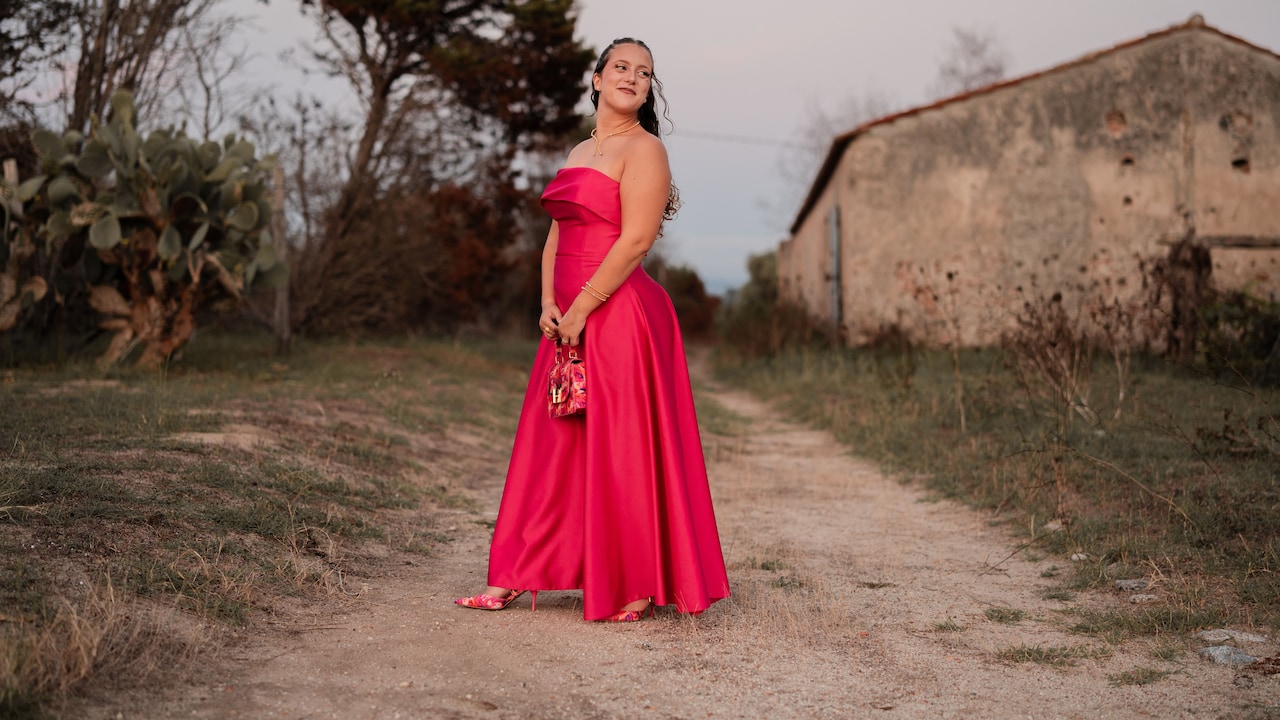
Another reason can be that the bodice length does not match the torso
Photo Credit: Pexels
6. The Fabric Is Too Soft For The Design
Some fabrics simply have more backbone than others. A structured satin can hold a crisp strapless neckline beautifully, while a soft crepe, lightweight georgette or delicate stretch fabric may struggle without enough reinforcement.
When the fabric lacks body, the top edge can fold under its own weight. This becomes more noticeable in dresses with wide necklines, heavy embellishment or dramatic bust shaping.
The solution does not always involve replacing the fabric. Tailors can sometimes add interfacing, lining or hidden support layers to strengthen the neckline. A narrow stay tape sewn inside the top edge may also help prevent stretching.
This matters particularly with embellished occasionwear. Beads, sequins and embroidery add weight, and gravity remains stubbornly unimpressed by how pretty the detailing looks.
When shopping, gently pinch the neckline and release it. A well-supported edge should recover its shape rather than collapsing immediately. Soft fabric can still work beautifully in a strapless design, but it needs thoughtful construction underneath. The floaty look should belong to the skirt, not to a neckline slowly surrendering halfway through dinner.
7. The Neckline Has Stretched Over Time
A strapless neckline can fit perfectly when new and become increasingly relaxed after repeated wear. Heat, movement, cleaning and storage can gradually stretch the upper edge, particularly when the dress contains elastane or lightweight woven fabric cut on a curve.
The change may be subtle. At first, the neckline only gaps after several hours. Later, it begins folding almost as soon as the dress goes on.
Hanging can sometimes contribute to the problem. A heavy dress stored for months on narrow shoulder loops may pull against the bodice. Stretching can also occur when a dress is frequently lifted by the neckline rather than supported from the waist.
A tailor can often stabilise the edge with stay tape or elastic, depending on the design. Taking in the upper bodice slightly may also restore the original fit.
For storage, heavy strapless dresses generally benefit from proper hanging loops or careful folding in a breathable garment bag. A ₹12,000 occasion dress deserves something kinder than being suspended from one exhausted little loop in the back of a cupboard.
8. The Waist Is Not Supporting The Dress Properly
A common misconception says a strapless dress stays up because it grips the chest. In a well-constructed design, much of the support should actually come from the waist and ribcage.
If the waist is too loose, the entire dress can slide down gradually. As the bodice drops, the neckline may buckle, fold or create a strange shelf-like shape above the bust.
Mark the neckline position when first putting the dress on, then walk around for ten minutes. If the whole bodice shifts lower, the issue probably begins further down.
Taking in the waist or adding an internal waist stay can help. A waist stay is a hidden ribbon or band anchored inside the dress. It fastens firmly around the waist and helps carry the weight of the garment.
This solution is especially useful for heavier dresses with embroidery, layered skirts or dense fabric. Once the lower bodice stays where it belongs, the neckline often settles naturally. The best strapless dresses do not cling desperately to the chest. They distribute their weight cleverly, almost like good teamwork in fabric form.
9. The Neckline Seam Has Been Finished Poorly
Sometimes the fit measurements are fine and the trouble comes from the seam itself. A badly finished neckline can twist, ripple or roll even when the bodice fits correctly.
This happens when seam allowances are uneven, interfacing has been attached poorly or the facing inside the neckline is not secured properly. Curved strapless edges need careful pressing and clipping during construction. Skip those details and the fabric may refuse to lie flat.
One useful clue is consistency. If the neckline rolls in exactly the same spot every time, regardless of movement, the construction may be responsible.
A tailor can inspect the inside edge, reshape the seam and secure the facing with understitching or small internal tacks. In some cases, pressing the neckline professionally is enough to improve its shape.
Avoid attacking delicate fabric with the hottest iron setting at home. Satin, synthetic blends and embellished materials can mark, melt or develop shine surprisingly quickly. A neckline that merely curls is annoying. A neckline with a permanent iron-shaped souvenir is significantly harder to explain.
10. The Dress Needs Extra Grip
Even a well-fitted strapless dress can benefit from a little extra grip, particularly during long events involving dancing, humid weather or plenty of movement.
Many strapless dresses include silicone elastic along the neckline. This narrow strip helps the fabric stay close to the skin. If the dress lacks one, or if the original strip has worn smooth, the neckline may begin slipping and folding.
A tailor can sometimes add silicone-backed elastic without changing the visible design. Fashion tape can also provide temporary support for lighter dresses, though it should never compensate for a badly fitting bodice.
Skin preparation matters too. Heavy body lotion near the neckline can reduce grip and make silicone edging slide more easily. Applying moisturiser earlier and keeping the immediate contact area relatively dry can help.
Think of grip as the finishing touch rather than the main support system. Tape should provide reassurance, not carry the entire dress through a sangeet-length dance session. When the fit, structure and waist support already work properly, a little extra grip simply keeps everything looking polished.
Products Related To This Article
1. SASSAFRAS Strapless Schiffli Smocked Bandeau Maxi Dress
2. Stylecast X Slyck Animal Printed Bodycon Midi Dress
3. Stylecast X Slyck Solid Off-shoulder Bodycon Midi Dress
4. Phosphorus Polka Dot Print Fit & Flare Maxi Dress
5. Stylecast X Slyck Maxi Dress
6. Pink Paprika by SASSAFRAS Strapless Floral Printed Cotton Fit and Flare Maxi Dress
7. KALINI Evil Eye Printed A-Line Halter Neck Cotton Midi Dress
A folding strapless neckline may look like a small flaw, but it usually tells a larger story about fit and construction. The upper edge can react to a loose bust, an overly tight bodice, weak boning, misplaced cups, incorrect torso length or fabric that needs more reinforcement. Even the waist can influence what happens several centimetres above it.
The most useful approach is to identify where the movement begins. If the entire dress slips down, focus on the waist and internal support. If one section consistently flips outwards, inspect the seam, cups or boning. If the neckline gradually loosens during wear, stretching or insufficient grip may be involved.
Above all, avoid assuming that constant pulling and adjusting simply comes with wearing strapless clothing. A well-fitted dress should allow its wearer to talk, eat, dance and pose for photographs without conducting a neckline inspection every few minutes.
Sometimes the fix is as simple as better support underneath. Sometimes a skilled alteration makes all the difference. Either way, the goal remains the same: a neckline that stays exactly where the designer intended while the person wearing it gets on with enjoying the occasion.
(Disclaimer: This article may include references to or features of products and services made available through affiliate marketing campaigns. NDTV Convergence Limited (“NDTV”) strives to maintain editorial independence while participating in such campaigns. NDTV does not assume responsibility for the performance or claims of any featured products or services.)