Ethnic Gown With Dupatta Or Not? Styling Rules For A Balanced Look
Ethnic gown with or without dupatta: Ethnic gowns blur the line between tradition and modern style. Should they be worn with a dupatta or styled without one? This guide breaks down when to drape it, when to skip it, and how to keep the look balanced. These key styling rules will create a perfectly balanced, elegant look.
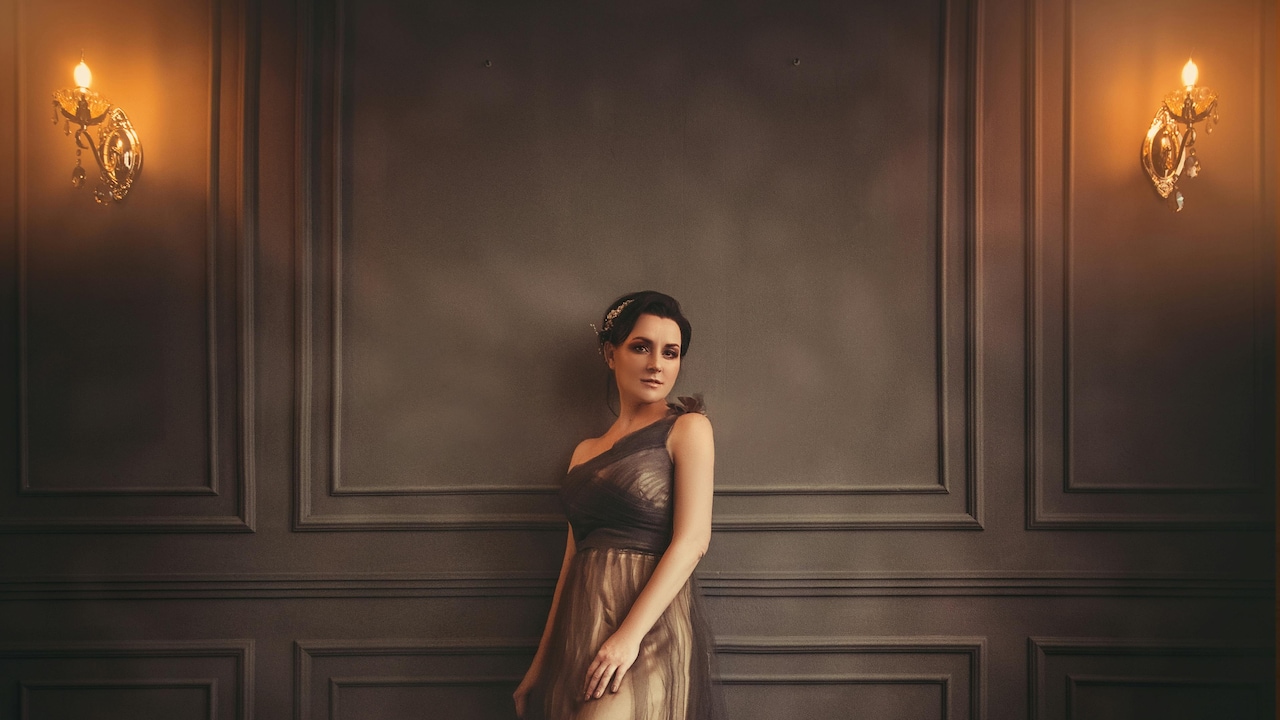
Ethnic gown with or without dupatta: Easy tips to figure out if your ethnic gown needs a dupatta or not.
The ethnic gown has earned its place as a celebration staple. It blends the ease of a one-piece outfit with the grandeur of traditional wear. Yet one question keeps popping up in front of mirrors and wardrobe cupboards alike. Does the gown need a dupatta or not? Styling depends on the occasion, the gown's design, body proportions, and even mood. A heavy dupatta can elevate a simple gown, while skipping it can highlight modern cuts and details. So, does your ethnic gown need a dupatta or not? Here we reveal styling rules for a balanced look. This article breaks down the choice into clear, relatable rules.

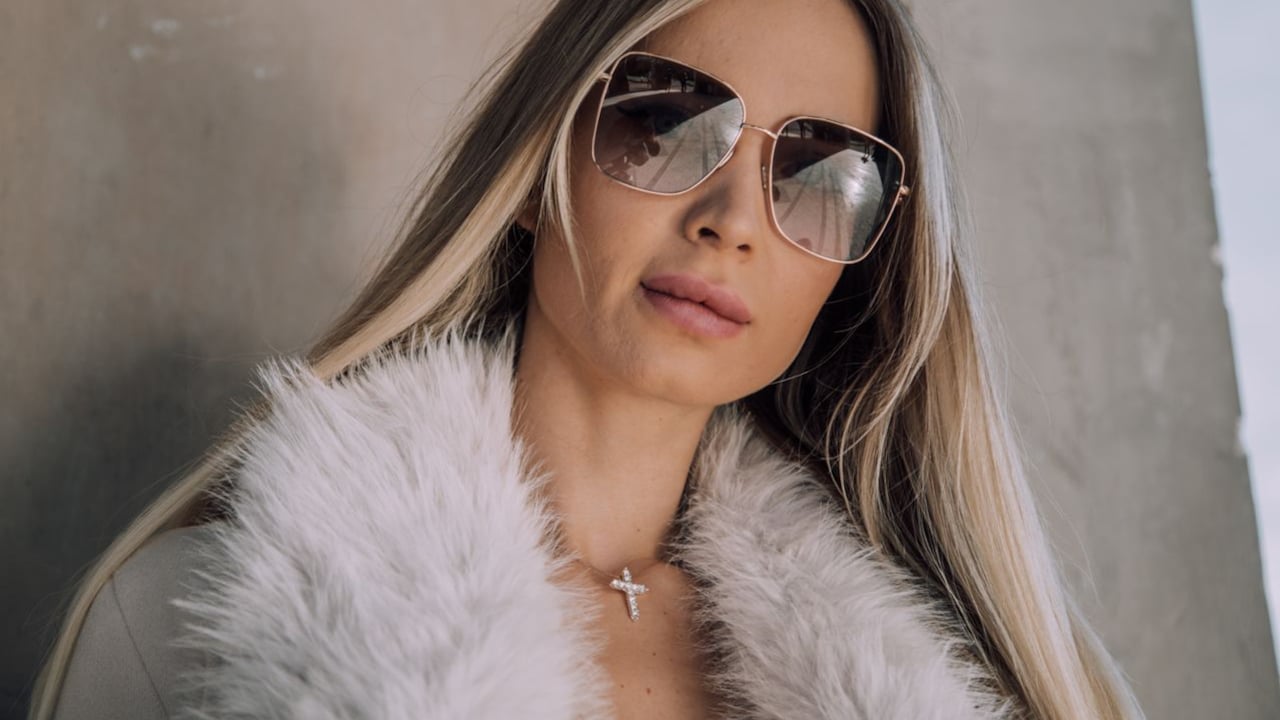
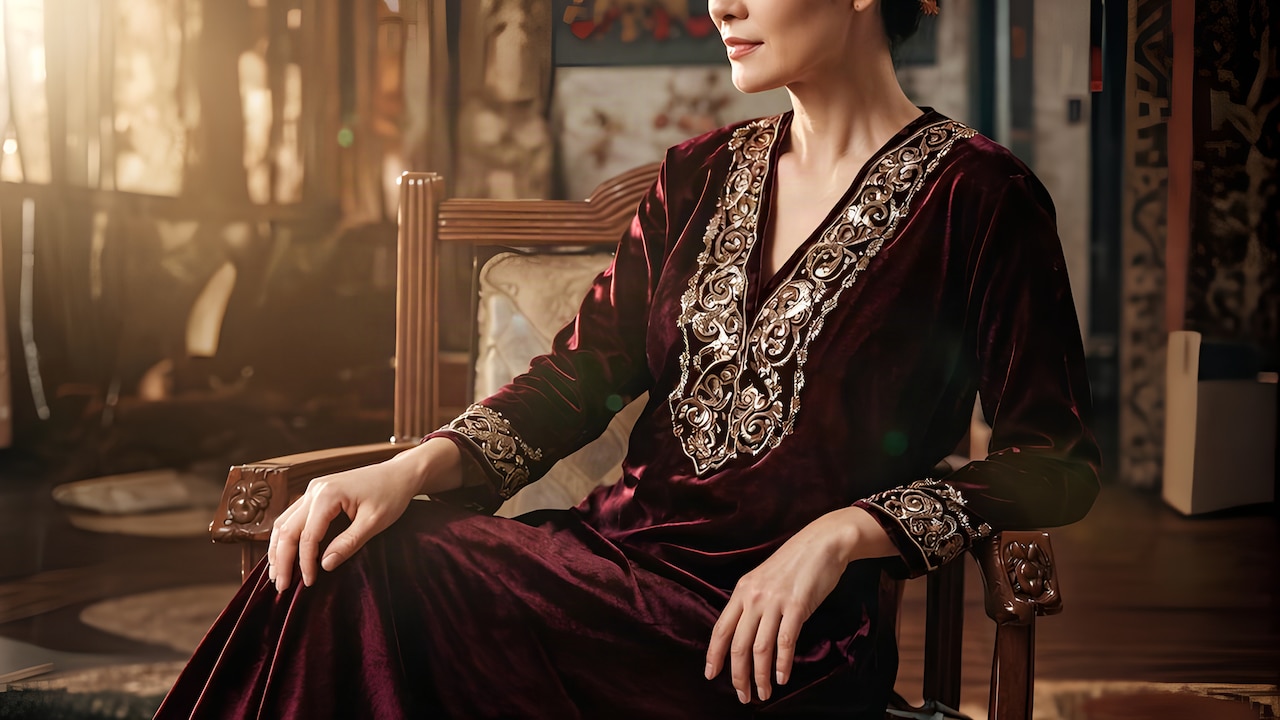
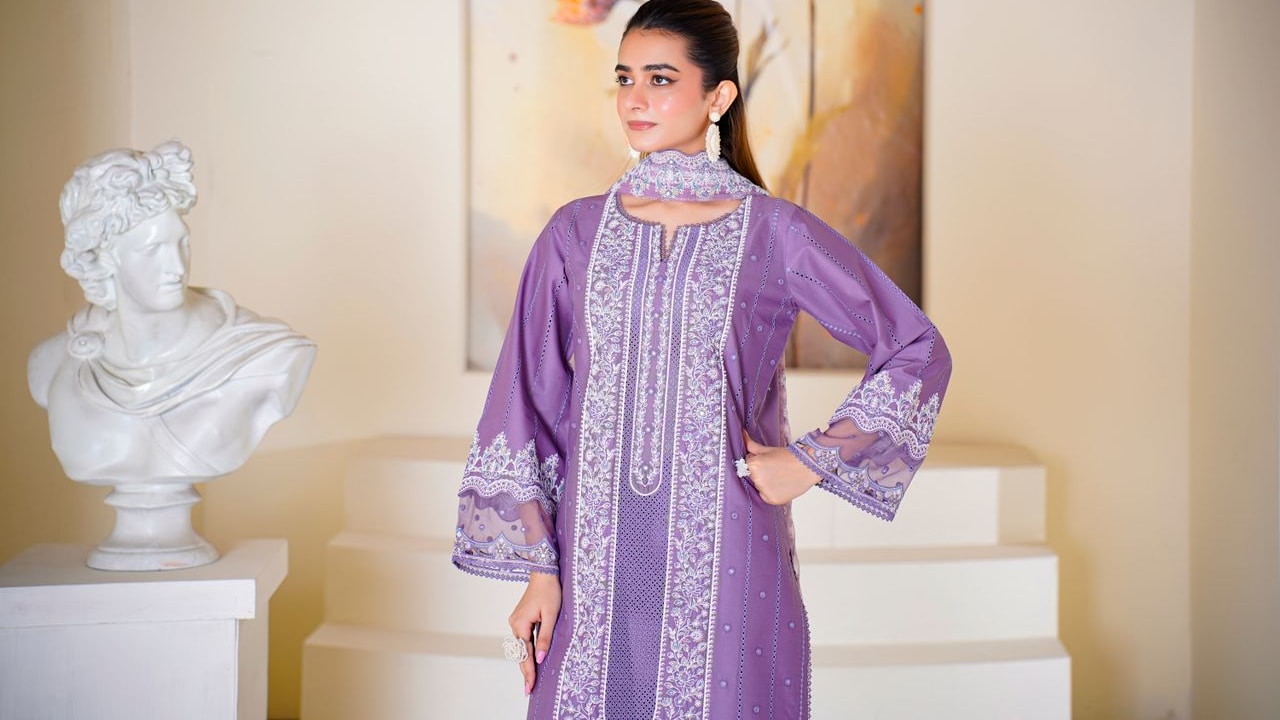
Here are some tips to decode if your ethnic gown needs a dupatta or not; Photo Credit: Pexels
Also Read: 5 Best Ethnic Gowns Under ₹500 On Flipkart: Festive Style, But On A Budget
How To Decide: Practical Styling Rules That Actually Work
1. Understanding the Role of the Dupatta
The dupatta does more than decorate an outfit. It adds movement, tradition, and sometimes a sense of ceremony. On ethnic gowns, it can act as a visual anchor, especially during weddings or religious functions. Elders often associate a draped dupatta with grace and modesty, which still matters at many family gatherings. At the same time, gowns today feature intricate necklines, dramatic sleeves, and sculpted silhouettes. A dupatta can either complement these details or hide them completely. The key lies in recognising its role. Think of the dupatta as an accessory, not a rule. When it enhances the gown's personality, it earns its place. When it distracts, skipping it feels refreshing. This shift in thinking removes guilt from the choice and replaces it with intention. A well-chosen dupatta supports the look. An unnecessary one simply adds weight, both literally and visually.
2. When a Dupatta Elevates a Simple Gown
Minimal gowns often benefit the most from a dupatta. A plain georgette or crepe gown in a solid colour can look understated on its own. Add a contrasting dupatta with embroidery or zari borders, and the outfit suddenly feels festive. This works well for family weddings, pujas, or evening functions where subtle elegance wins. A lightweight dupatta also allows playful styling. Draping it over one shoulder or wrapping it loosely around the arms creates movement without fuss. It also helps balance jewellery choices. When the gown stays simple, the dupatta takes on the decorative role, reducing the need for heavy necklaces. This approach suits those who prefer comfort but still want to look occasion-ready. A gown priced around ₹3,000 can easily look like a premium ensemble with the right dupatta choice. Styling, after all, often matters more than cost.
3. When Skipping the Dupatta Makes Sense
Some gowns speak loudly enough on their own. Structured bodices, cape-style sleeves, layered skirts, or dramatic necklines deserve full attention. Adding a dupatta here may clutter the look. Cocktail nights, engagement parties, and festive dinners often favour cleaner silhouettes. Going without a dupatta also allows freedom of movement. Dancing, mingling, and managing long evenings become easier without constantly adjusting drapes. This choice appeals to younger crowds and those who enjoy a contemporary edge. It also photographs beautifully, as the gown's design remains uninterrupted. To keep the look grounded, jewellery and footwear should feel intentional. Statement earrings or a bold cuff can replace the visual weight of a dupatta. Confidence plays a big role here. When worn with ease, a dupatta-free gown feels stylish, not incomplete.
4. Matching Dupatta Styles With Gown Fabrics
Fabric pairing can make or break the look. Heavy velvet or silk gowns pair best with lighter dupattas to avoid a bulky appearance. Net, organza, or chiffon works beautifully here. On the other hand, flowy gowns in georgette or chiffon can handle a slightly heavier dupatta with embroidery or tassels. Texture contrast adds interest without overwhelming the outfit. Colour harmony also matters. A dupatta in the same shade creates a seamless look, while a contrasting one adds drama. Gold borders on jewel tones suit evening events, while pastel dupattas shine during daytime celebrations. Thoughtful pairing shows attention to detail. It also prevents that awkward feeling of something looking “off” without knowing why. The right fabric choice allows the dupatta to blend into the outfit rather than compete with it.
5. Occasion-Based Styling Rules
Context shapes every outfit choice. A temple visit or family ceremony often calls for a dupatta, even with a gown. It signals respect and tradition without needing explanation. Weddings offer more flexibility. Morning events suit lighter dupattas, while evening receptions allow either option depending on the gown's drama. Festive house parties and dinners lean towards comfort and style, making dupatta-free gowns a popular pick. Office celebrations or formal gatherings benefit from subtle elegance, where a neatly draped dupatta adds polish. Reading the room helps avoid discomfort later. No one enjoys feeling overdressed or oddly casual. Dressing appropriately shows awareness and care, which often matters more than following trends blindly.
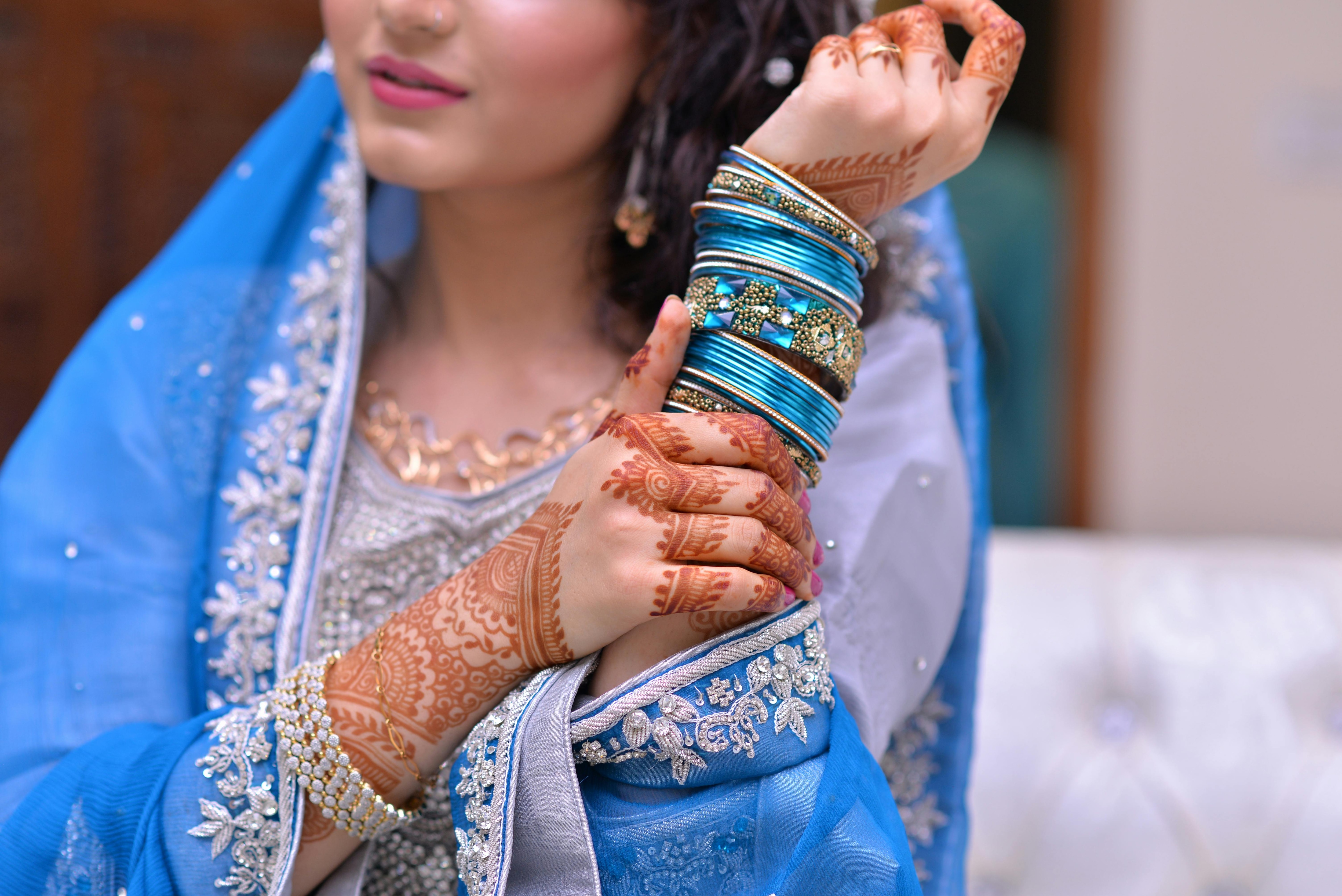
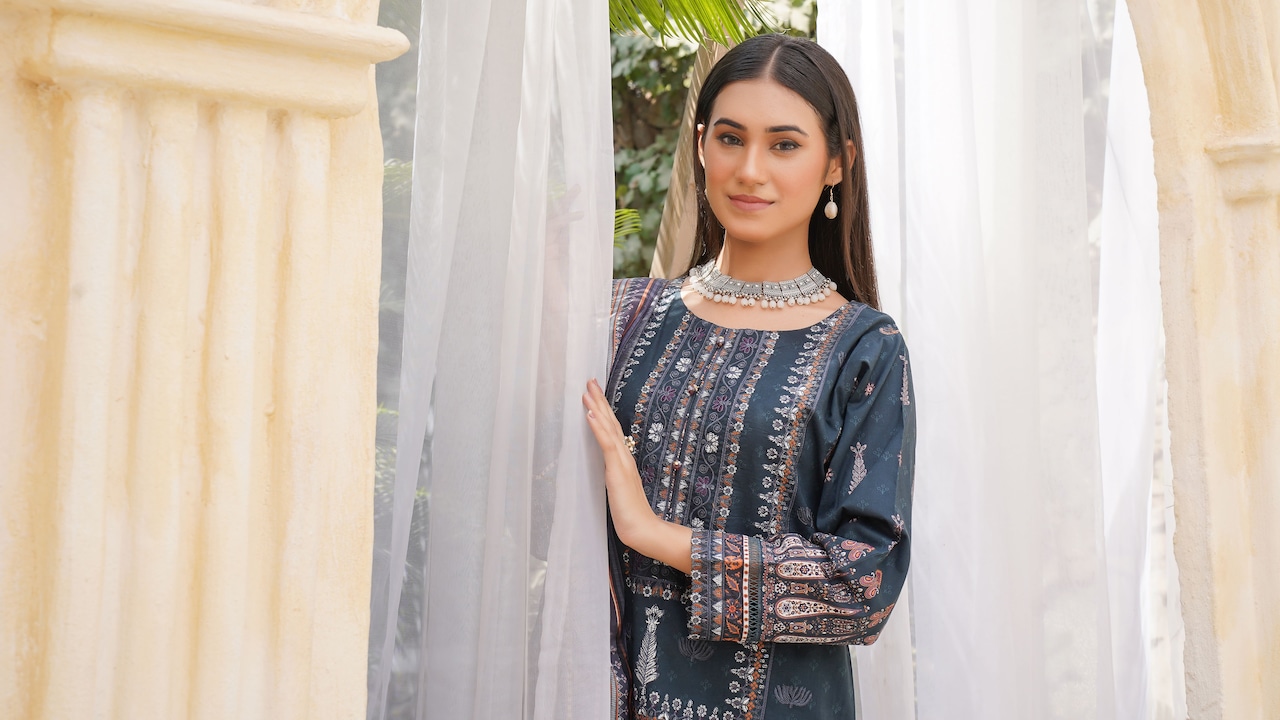
Refer to the occasion you are attending to determine if your look demands a heavy dupatta; Photo Credit: Pexels
6. Body Proportions and Visual Balance
Styling always circles back to balance. A dupatta can help create proportion, especially for those who prefer a bit of coverage around the arms or waist. Draping it diagonally elongates the frame and adds structure. For petite builds, overly heavy dupattas may overpower the gown. Lightweight fabrics and narrow drapes work better. Taller frames can carry dramatic dupattas with ease, especially when worn cape-style. Those who enjoy highlighting the waist may skip the dupatta to let the gown's cut shine. There is no universal rule here, only visual harmony. Trying different drapes in front of the mirror often reveals what works best. Trusting that instinct usually leads to the most flattering result.
7. Jewellery Choices With or Without a Dupatta
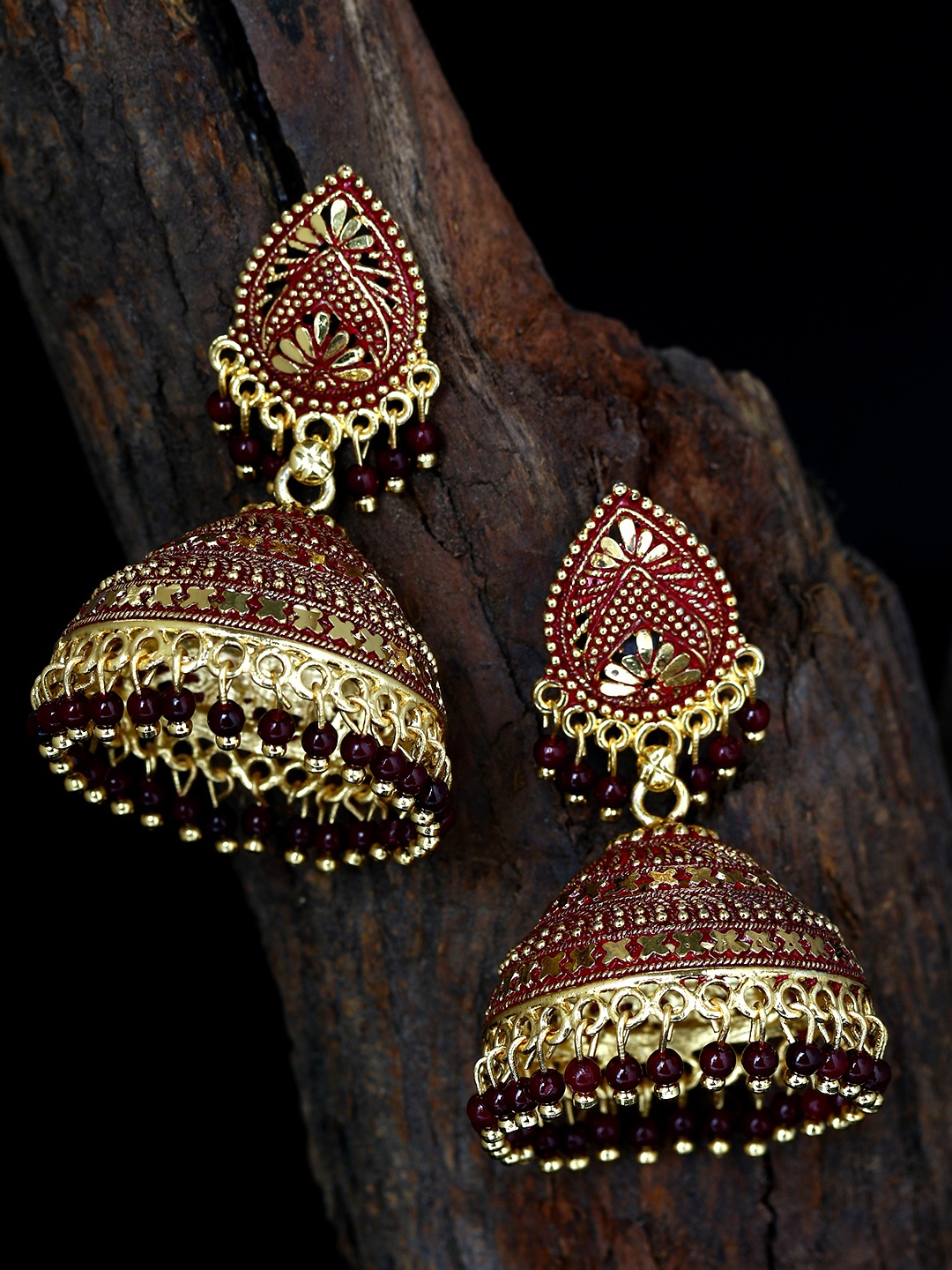
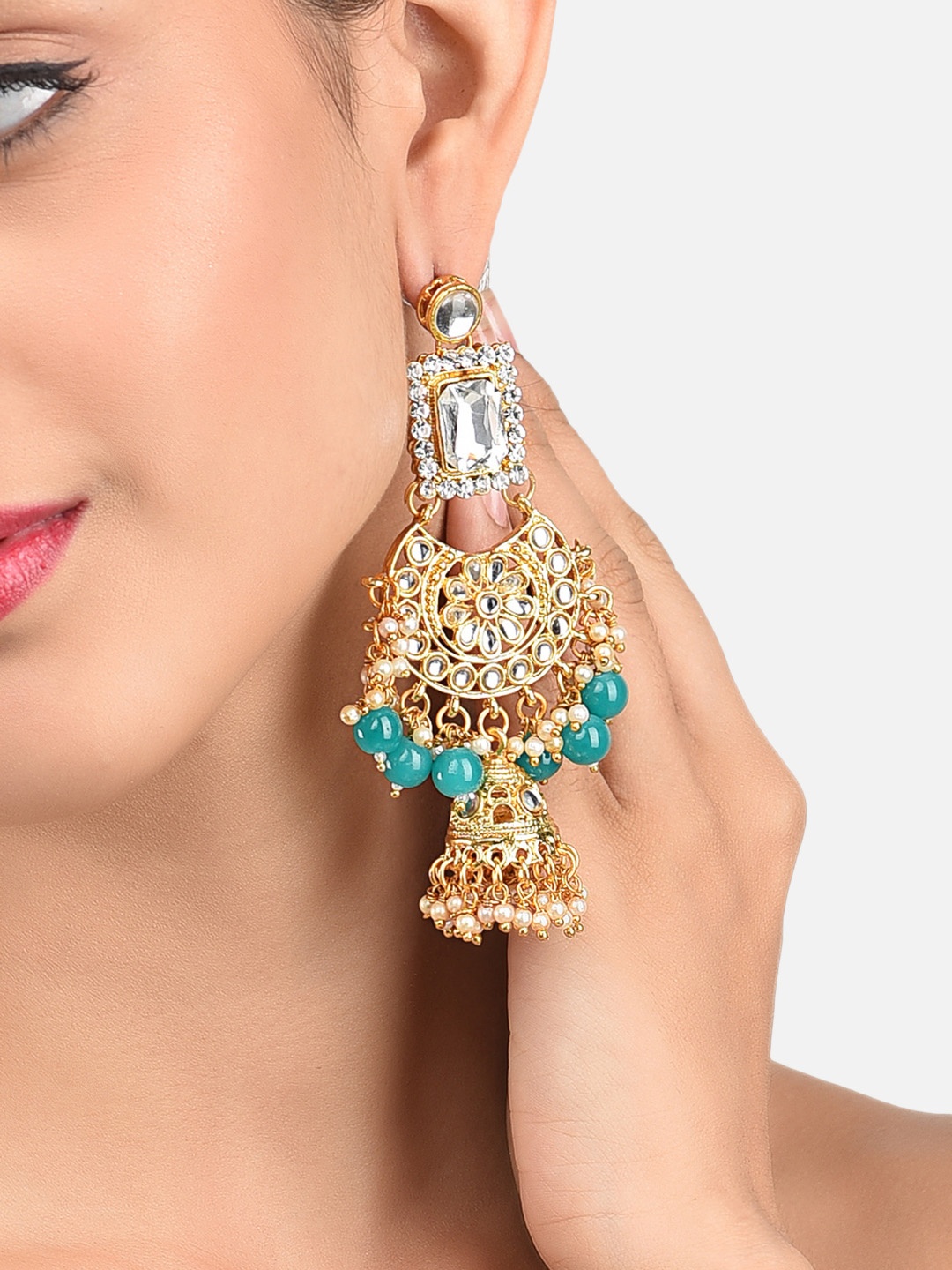
Jewellery and dupattas share visual space. When both compete, the look feels crowded. With a dupatta, especially one with heavy borders, jewellery should stay refined. Jhumkas, chandbalis, or a simple necklace often suffice. Without a dupatta, jewellery can step up. Statement earrings, layered necklaces, or even a bold maang tikka add interest. Necklines guide these choices. High-neck gowns pair well with dramatic earrings, while deep necks invite necklaces. Bangles and rings finish the look without overpowering it. Balance remains the goal. Each element should feel intentional, not added at the last minute.
8. Hairstyle and Makeup Considerations
Hair and makeup complete the picture. A dupatta often influences hairstyle choice. Open hair or soft curls frame the face beautifully when the dupatta sits on one shoulder. Sleek buns or low ponytails work well with heavier drapes, keeping the look tidy. Without a dupatta, hairstyles can turn playful or bold. Braids, waves, or half-up styles shine here. Makeup follows a similar logic. Traditional looks suit classic makeup with defined eyes and lips. Contemporary gowns without dupattas allow experimentation with dewy skin or bold liners. Coordination between outfit and beauty choices ensures the final look feels cohesive, not confusing.
9. Comfort, Confidence, and Practicality
Fashion loses its charm when discomfort takes over. A dupatta that slips, feels heavy, or restricts movement can ruin an otherwise lovely outfit. Practicality deserves consideration, especially during long events. Pins, belts, or pre-stitched dupattas help, but skipping it altogether remains an option. Confidence often stems from comfort. When the wearer feels at ease, it shows in posture, smiles, and energy. That glow outshines any styling rule. Choosing what feels right rather than what feels expected leads to better memories and better photographs.
10. Blending Tradition With Personal Style
Ethnic gowns sit at the crossroads of tradition and modernity. The dupatta symbolises heritage, while the gown's silhouette reflects evolving tastes. Blending both allows personal style to shine. Some days call for nostalgia and drapes. Other days celebrate simplicity and ease. Fashion thrives on choice, not obligation. Building a wardrobe that allows both options ensures readiness for every occasion. Over time, personal preferences become clear. Trusting them creates a signature style that feels authentic and timeless.
Products Related To This Article
1. LooksLink Embroidered Pure Silk Stitched Flared/A-line Gown
2. DHYAN CREATION ONLINE Floral Print Georgette Stitched Anarkali Gown
3. PERONICA FASHION Embroidered Georgette Stitched Anarkali Gown
4. Nandi Printed Rayon Blend Stitched Flared/A-line Gown
5. Bittu Fashion Printed Georgette Stitched Anarkali Gown
6. GLAM ROOTS Embroidered Pure Cotton Stitched Anarkali Gown
7. TILKI Embroidered Georgette Stitched Straight Gown
The question of wearing a dupatta with an ethnic gown rarely has a fixed answer. It depends on design, occasion, comfort, and mood. A dupatta can elevate, balance, and add tradition. Skipping it can highlight craftsmanship and offer freedom. Both choices hold value when made thoughtfully. Style works best when it reflects confidence rather than compliance. The next time the mirror poses the question of whether your ethnic gown needs a dupatta or not, listen to the outfit, the occasion, and personal instinct.
(Disclaimer: This article may include references to or features of products and services made available through affiliate marketing campaigns. NDTV Convergence Limited (“NDTV”) strives to maintain editorial independence while participating in such campaigns. NDTV does not assume responsibility for the performance or claims of any featured products or services.)