Why Your Face Still Feels Oily After Cleansing And What You May Be Doing Wrong
If your face feels oily soon after cleansing, harsh products, hot water, over-washing, or skipped moisturiser may be to blame. Learn what disrupts your skin’s balance and how to fix it.

Avoid these common face cleansing mistakes to enhance your routine
There is a particularly annoying kind of betrayal that happens in front of the bathroom mirror. The face has just been washed, the cleanser smells fresh, and every trace of yesterday's dust appears to be gone. Then, barely ten minutes later, the forehead begins to shine. The nose follows. By the time breakfast is served, the skin feels as though cleansing never happened. This does not always mean the face is dirty. Oil, or sebum, is naturally produced by the skin to protect it from dryness, irritation and environmental damage. Problems begin when a cleansing routine disrupts that balance. Trying too hard to remove every drop of oil can encourage the skin to produce even more. Meanwhile, unsuitable products may leave behind residue that feels greasy rather than nourishing.
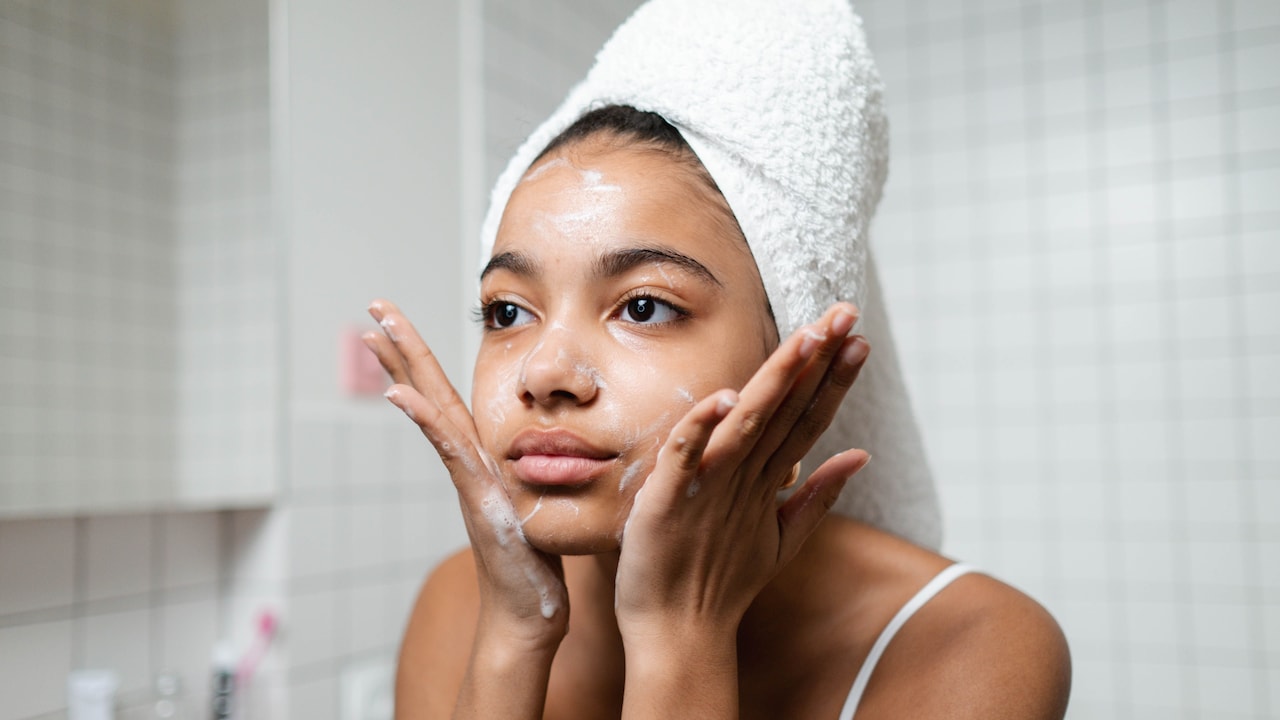
Common face cleansing mistakes to avoid in your beauty routine
Photo Credit: Pexels
Weather, pollution, hormones, stress and food habits may influence oiliness, but technique matters too. A cleanser cannot perform well when paired with boiling water, rough scrubbing or an overloaded skincare shelf. Here are ten common reasons the face may still feel oily after cleansing, along with practical ways to restore a fresher, calmer finish.
Also Read: Top 10 Facewash To Grab Under ₹1000
Common Cleansing Mistakes That Keep Your Skin Oily
Your Cleanser May Be Too Harsh
A cleanser that leaves the face feeling squeaky, stretched and almost polished can seem wonderfully effective. That tight sensation, however, is often a warning rather than proof of cleanliness. Strong formulas may strip away too much natural oil and weaken the skin's protective barrier. In response, the sebaceous glands can produce extra oil to compensate for the sudden dryness.
This creates a frustrating cycle. The face feels oily, so a stronger cleanser is used. The skin becomes dehydrated, produces more oil and feels greasy again. It is rather like turning up a ceiling fan because papers are flying around the room.
Look for a gentle, pH-balanced cleanser that removes sweat, sunscreen and grime without leaving the skin uncomfortable. Gel cleansers often suit oily skin, while mild foaming formulas can work well in humid weather. Ingredients such as salicylic acid may help unclog pores, but they do not need to appear in every product used twice a day.
After washing, the skin should feel clean and comfortable. It should not feel as though it has been shrink-wrapped.
You Could Be Washing With Water That Is Too Hot
Hot water feels soothing after a long commute, especially when traffic fumes, heat and dust seem to have settled into every pore. Unfortunately, steaming water can disturb the skin barrier and remove protective oils too aggressively. The immediate result may feel fresh, but the skin can become irritated, dehydrated and noticeably shinier soon afterwards.
Very hot water may also worsen redness and sensitivity. This can be particularly troublesome for anyone dealing with acne, rosacea or inflamed breakouts. The skin may respond by producing more oil while still feeling dry underneath, creating the confusing combination of greasiness and tightness.
Lukewarm water is a safer choice. It is warm enough to loosen surface dirt and help the cleanser spread, yet gentle enough to preserve the barrier. A final splash of cool water can feel refreshing, although it does not magically close pores. Pores do not open and shut like tiny windows.
The temperature test is simple. If the water makes the face turn pink or fills the mirror with steam, it is probably too hot. Save that level of warmth for a bucket bath on a chilly morning, not for delicate facial skin.
You May Be Cleansing Too Often
Oiliness can tempt people to wash their face repeatedly throughout the day. One cleanse after waking, another before leaving home, one after lunch and perhaps another after the evening commute may seem sensible. In reality, frequent cleansing can irritate the skin and strip away the oils it needs for protection.
Most people only need to cleanse twice a day: once in the morning and once at night. An additional wash may be useful after heavy sweating, exercise or prolonged outdoor activity, but it should not become an hourly rescue mission. Constant washing may encourage rebound oiliness, dryness and sensitivity.
During the day, blotting paper or a clean tissue can absorb excess shine without disturbing the entire skin barrier. Press gently rather than rubbing. A light rinse with plain water may also help after sweating, particularly when a full cleansing routine is not practical.
The urge to wash again often comes from wanting the face to feel completely matte. Healthy skin, however, is not meant to resemble chalk. A slight natural sheen is normal. The goal is balance, not a face so dry that smiling feels like folding cardboard.
You Might Not Be Cleansing For Long Enough
A quick splash, a dab of cleanser and an immediate rinse may remove surface sweat, but it may not dissolve sunscreen, makeup, excess sebum and pollution properly. Cleansers need a little time to spread across the skin and lift away impurities.
Around 30 to 60 seconds is usually enough for a standard cleanse. Massage the product gently over the forehead, nose, cheeks, jawline and around the hairline. The sides of the nose and area beneath the lower lip are easy to miss. These forgotten corners often collect oil and product residue.
Longer does not necessarily mean better. Scrubbing for several minutes can irritate the skin, particularly when the cleanser contains exfoliating acids or acne-fighting ingredients. Gentle fingertips work better than rough brushes, abrasive sponges or vigorous rubbing.
Think of cleansing as washing a delicate cotton kurta rather than scrubbing a stained kitchen cloth. Careful movement gets the job done without unnecessary damage.
A consistent, unhurried cleanse can make a noticeable difference. Those extra few seconds may prevent leftover sunscreen and oil from creating the slippery film that appears soon after washing.
Your Face May Still Have Cleanser Residue
Sometimes the oily feeling after cleansing is not oil at all. It may be leftover cleanser, especially when using rich cream formulas, cleansing balms or products containing heavy emollients. If these products are not rinsed thoroughly, they can leave a coating that feels waxy, slippery or greasy.
Pay attention to areas near the hairline, jaw, eyebrows and sides of the nose. Foam and product often remain there when rinsing is rushed. Use plenty of lukewarm water and gently move the hands across the face until the skin no longer feels soapy.
Hard water can also make rinsing more difficult. Minerals in the water may interact with cleansers and leave a dull film. A gentle toner or a final rinse using filtered water may help some people, although there is no need to turn the bathroom into a laboratory.
Double cleansing can be useful at night when wearing water-resistant sunscreen or makeup. Begin with micellar water, a cleansing oil or balm, then follow with a gentle water-based cleanser. The first step dissolves stubborn products, while the second removes residue. Done correctly, double cleansing should leave the skin comfortable, not stripped or coated.

Leftover cleansing balms or face cleansers can also leave a sticky, oily layer; Photo Credit: Pexels
You May Be Skipping Moisturiser
Applying moisturiser to an oily face can sound as logical as adding ghee to an already rich paratha. Yet skipping it may make the skin feel even greasier. When the skin lacks water, it may produce more oil in an attempt to protect itself.
Oil and hydration are not the same. A face can be oily on the surface while dehydrated underneath. Signs may include tightness after washing, fine lines that appear more obvious, patchy texture and a shiny finish that returns quickly.
Choose a lightweight, non-comedogenic moisturiser with a gel or lotion texture. Ingredients such as glycerine, hyaluronic acid, ceramides and niacinamide can support hydration without creating a heavy film. Apply it while the skin is slightly damp to help retain moisture.
The amount matters too. A small quantity is usually enough for the face. Piling on several layers may feel sticky, particularly during hot or humid months.
Moisturiser should not be treated as a reward reserved for dry skin. It is a basic barrier-support step. Once the skin feels properly hydrated, it may become less desperate to produce excess oil as a defence mechanism.
Your Skincare Products May Be Too Heavy
A cleanser may work perfectly, yet the face can still become greasy because of what comes next. Thick creams, rich facial oils, silicone-heavy primers and dense sunscreens can sit on the surface and create a shiny layer. When several such products are applied together, the result may feel more like festive makeup preparation than an everyday morning routine.
Product layering requires restraint. Each formula needs time to settle before the next one is applied. Using too much can lead to pilling, stickiness and excess shine. A pea-sized amount of moisturiser and roughly two finger lengths of sunscreen are common starting points, though the ideal quantity varies by formula and face size.
Look for labels such as lightweight, oil-free, gel-based or non-comedogenic. These terms are not perfect guarantees, but they can guide product selection. Sunscreen remains essential, even for oily skin, so the answer is not to skip it. Instead, choose a fluid or gel formula designed for humid conditions.
It also helps to simplify the routine. Cleanser, moisturiser and sunscreen may be enough in the morning. Ten layers may look impressive on a bathroom shelf, but the skin does not award marks for attendance.
You Could Be Exfoliating Too Aggressively
Scrubs promise smoothness, brightness and cleaner pores, which makes them tempting when the face feels oily. Used too often, however, gritty scrubs and strong exfoliating acids can damage the skin barrier. Irritated skin may sting, develop tiny bumps and produce more oil.
Walnut shells, coarse granules and rough cleansing tools can create microscopic irritation, particularly when rubbed with enthusiasm. Chemical exfoliants such as salicylic acid, glycolic acid and lactic acid may offer a gentler alternative, but they can still cause problems when overused.
For oily or acne-prone skin, salicylic acid can help clear oil from inside the pores. Starting once or twice a week is often more sensible than using it every day. The rest of the routine should remain gentle, with proper moisturising and daytime sunscreen.
Avoid combining several strong actives on the same night without professional guidance. An exfoliating cleanser, acid toner, retinoid and spot treatment may turn a skincare routine into an obstacle course.
Smooth skin comes from consistency, not punishment. If the face burns, peels or becomes unusually shiny after exfoliation, take a break. A damaged barrier needs calm products and patience, not another scrub.
Your Towel And Pillowcase May Be Working Against You
A freshly cleansed face can quickly pick up oil, dirt and bacteria from everyday fabrics. A damp towel hanging in the bathroom may collect microbes, while a pillowcase absorbs hair oil, sweat, skincare and dust night after night. Pressing the face against these surfaces can bring unwanted residue straight back onto the skin.
Use a clean, soft towel only for the face. Pat rather than rub, since friction can irritate the skin and stimulate redness. Allow the towel to dry fully between uses and wash it regularly. In humid weather, fabric can remain damp for hours, making frequent changes especially helpful.
Pillowcases should also be changed regularly, particularly for people with oily hair, dandruff or acne. Cotton is breathable and easy to wash, while smoother fabrics may reduce friction. The material matters less than cleanliness.
Mobile phones deserve attention too. Screens collect fingerprints, makeup, sweat and whatever they touched inside a handbag or pocket. Wiping the phone regularly can reduce the grime transferred to the cheek.
Cleansing does not end at the sink. The objects touching the face afterwards can either support the routine or quietly undo it.
Hormones, Stress And Weather May Be Driving The Oiliness
Not every oily face is the result of a cleansing mistake. Hormonal changes can increase sebum production during puberty, menstrual cycles, pregnancy or periods of hormonal imbalance. Stress may also influence oil production, especially when sleep and eating habits suffer at the same time.
Weather plays a major role. Heat and humidity can make the skin feel slick within minutes, while pollution and dust may mix with sebum to create a heavier film. A cleanser cannot stop the climate, no matter how luxurious its packaging looks.
Adjust the routine according to conditions. A lighter moisturiser and matte-finish sunscreen may work better during humid months. After long journeys or sweaty outdoor activities, a gentle evening cleanse can remove accumulated grime. Avoid reacting to every shiny day by introducing stronger products.
Persistent oiliness accompanied by painful acne, irregular periods, sudden facial hair growth or major skin changes may need professional evaluation. A dermatologist can identify whether hormones, medication or an underlying condition is involved.
Skincare should help the skin cope with daily life, not promise complete control over biology. Some shine is natural, especially in warm weather. The aim is healthy, comfortable skin rather than permanent photo-filter perfection.
Products Related To This Article
1. DOT & KEY Watermelon SuperGlow Facial Gel Cleanser with Vitamin C & Cucumber
2. Hyphen Rice Water Brightening Daily Cleanser To Brighten Skin & Reduces Dark Spots
3. PLIX THE PLANT FIX Set Of 3 Night Cream- 50 g- Dewy Serum- 30 ml & Cleanser
4. Cetaphil Gentle Skin Cleanser With & Pro-Vitamin B5 & B3
5. The Derma co. 2% Niacinamide Non-Irritant & Soap Free Oily Skin Cleanser
6. Forest Essentials Travel Size Delicate Facial Cleanser Kashmiri Saffron & Neem
7. Pilgrim Red Vine Face Wash Cleanser for Anti-Ageing & De-Pigmentation
A face that feels oily soon after cleansing is not necessarily unclean. More often, it is responding to a routine that is too harsh, too rushed or too complicated. Hot water, frequent washing, aggressive exfoliation and skipped moisturiser can all disturb the skin barrier. Heavy products and poor rinsing may add another layer of shine.
The solution rarely involves scrubbing harder. A gentle cleanser, lukewarm water, thoughtful moisturising and a simpler routine usually offer a better starting point. Clean towels, fresh pillowcases and suitable sunscreen can also make a surprisingly visible difference.
It helps to give any new routine time. Skin does not transform overnight, and constantly switching products may create more confusion than progress. Observe how the face feels, not only how it looks. Comfortable skin that carries a mild natural glow is healthier than irritated skin forced into temporary dullness.
That returning shine may be frustrating, but it is also useful feedback. The skin could be asking for less force, fewer layers and a little more patience. Sometimes the smartest way to control oil is to stop treating it like the enemy.
(Disclaimer: This article may include references to or features of products and services made available through affiliate marketing campaigns. NDTV Convergence Limited (“NDTV”) strives to maintain editorial independence while participating in such campaigns. NDTV does not assume responsibility for the performance or claims of any featured products or services.)