Feeling Bloated in Jeans? Your Waistband Might Be the Problem; Try This Instead
A stiff waistband can cause pressure, discomfort, and “bloating” after meals. A partially elasticated waistband feels better, looks polished, and moves with your body.
This Common Jeans Waistband Design Causes Bloating; Know The Best And Most Comfortable Option.
There's a very specific kind of suffering that doesn't get talked about enough: the moment you sit down after lunch and feel your waistband dig in like it has a personal grudge. It usually starts innocently. You put on your favourite jeans in the morning. Everything feels fine. Then the day moves along. You drink tea, you eat a proper meal, you sit through traffic, you bend to pick up something, you take the stairs, you exist like a normal human being. Suddenly, your stomach feels tight, heavy, and weirdly swollen. You start blaming the food. The dal. The curd. The onions. The fact that you dared to eat a mango. But here's the twist: sometimes, it's not your meal. It's your waistband.
Many common waistbands are designed for appearance, not comfort. They compress the belly, trap pressure, and make natural digestion feel like an inconvenience. The result? That bloated, stuffed feeling even when you haven't overeaten.
The solution is not “stop eating”. The solution is smarter waistbands. And yes, that means there are alternatives that you can try to fix the problem.
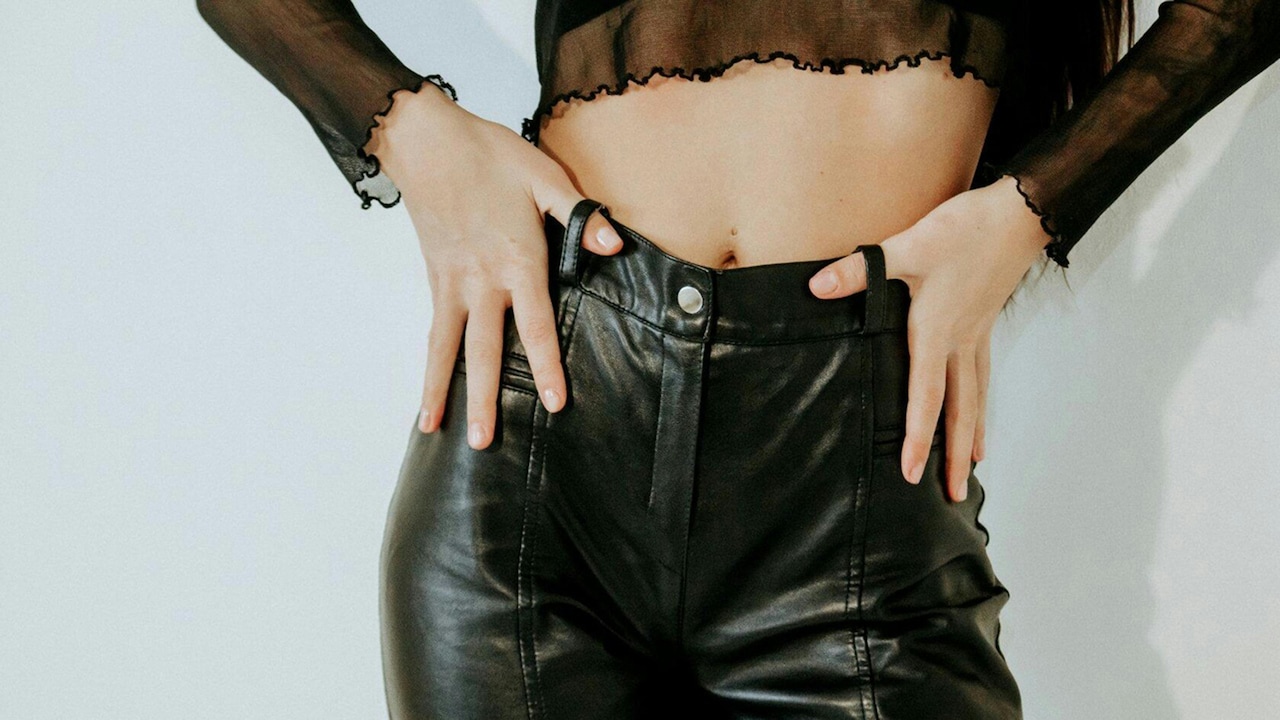
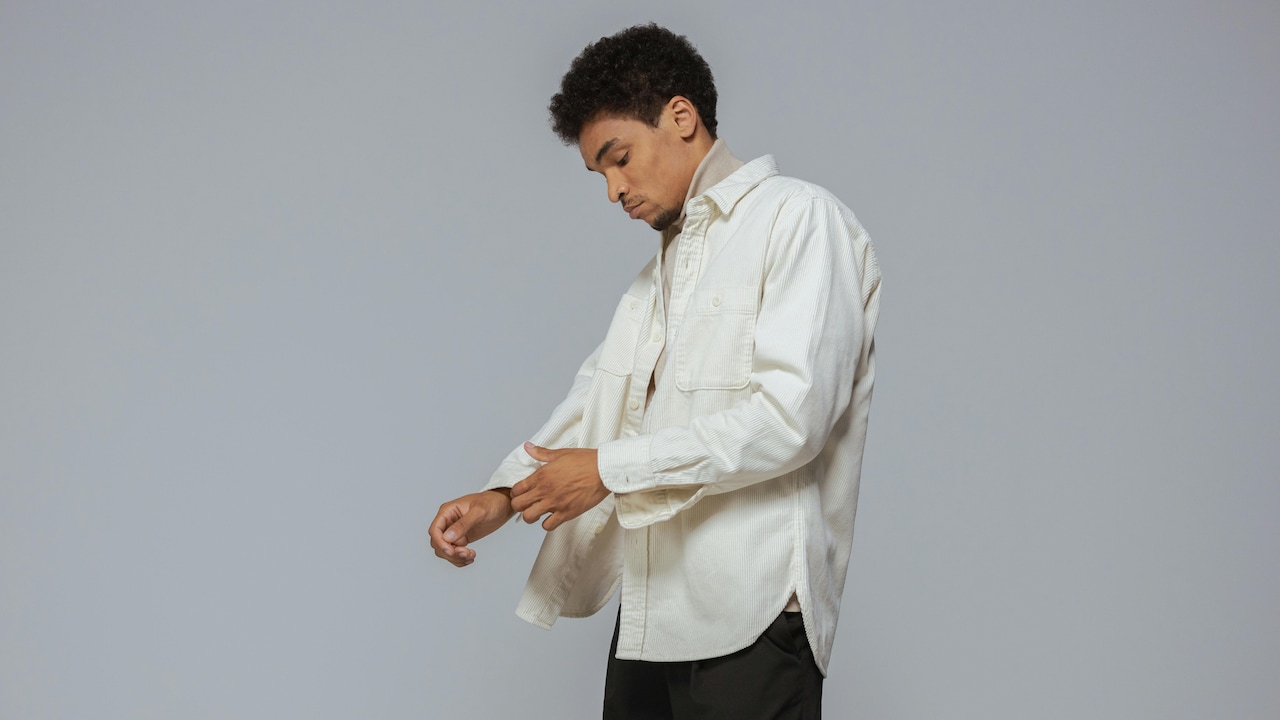
Feeling Bloated in Jeans? Your Waistband Might Be the Problem; Photo Credit: Pexels
Why Your Waistband Feels Fine in the Morning but Miserable After Lunch
1) The stiff waistband problem: it squeezes where the body naturally expands
The belly isn't a statue. It changes shape all day. It expands after meals, during long sitting hours, and even with water intake. That's normal. Yet many trousers and jeans come with a stiff, non-stretch waistband that acts like a hard ring around the midsection.
When that waistband has no flexibility, it compresses the abdomen right where digestion needs space. That pressure doesn't just feel uncomfortable. It can make the stomach feel heavier and more swollen because everything inside is getting pushed and trapped.
It's a bit like trying to close a suitcase while someone sits on it. Sure, it shuts, but it's not exactly a peaceful experience.
This is why people often feel fine while standing but start feeling bloated the moment they sit. Sitting naturally folds and expands the waist area. A rigid waistband doesn't adapt. It fights back.
The body loses, every time.
2) High-rise and mid-rise waistbands can backfire when they're too firm
High-rise trousers look elegant. Mid-rise ones feel classic. Both can be great—until the waistband gets too firm and structured.
A higher waistband sits closer to the softer upper belly area. That part is more sensitive and more likely to expand after food. If the waistband is stiff, it presses into the stomach like a blunt object. The discomfort doesn't always show on the outside, but inside, it can feel like the digestive system is being told to “wrap it up quickly”.
Mid-rise waistbands often hit the exact spot where many people store natural belly softness. That's not a flaw. That's biology. But when the waistband is designed like armour, it creates a constant squeeze.
This can lead to that familiar cycle: you loosen the button discreetly, promise yourself you'll never wear these again, and then somehow wear them again next week because they look good in photos.
Fashion is powerful. Waistbands shouldn't be.
Also Read: Why Jeans Feel Tight After Sitting: A Guide to Modern Waistband Types And Fit
3) The button-and-zip combo: the most common “bloating trigger” design
There's something about the classic button-and-zip closure that feels like a universal standard. Jeans. Work trousers. Skirts. Even some ethnic-fusion styles. It's everywhere.
The issue is that this design creates a hard point of pressure right at the centre of the belly. The button sits like a tiny anchor. The zip adds stiffness. Together, they form a rigid section that doesn't flex, even when the rest of the fabric has a bit of give.
So when you eat, drink water, or sit for long periods, the waistband doesn't expand evenly. Instead, the pressure concentrates at the front.
That's why the discomfort often feels sharpest around the navel area. Not because your stomach is “too big”, but because the waistband is too unforgiving.
It's a small design choice that creates a big daily annoyance. Like a pebble in your shoe, but socially acceptable.
4) The “clean look” waistband: smooth outside, misery inside
Many modern trousers use a “clean look” waistband. No visible elastic. No gathers. No clues that comfort was even considered. On the hanger, it looks sleek and polished. On the body, it often feels like a polite trap.
These waistbands rely on internal stiffening, interfacing, and tight tailoring to hold shape. The problem is that they hold shape even when your body doesn't want them to.
And bodies don't stay the same shape all day. That's not a motivational quote. That's digestion.
The clean waistband often compresses the lower abdomen, especially when paired with structured fabrics. It can create the illusion of a flatter stomach in the mirror, but the cost is paid in the form of discomfort later.
The worst part? People often don't realise the waistband is the cause. They assume they're bloating “more than usual”. In reality, the waistband just gives them fewer chances to feel normal.
Feeling Bloated in Jeans? Your Waistband Might Be the Problem; Photo Credit: Pexels
5) Tight waistbands don't just cause discomfort; they can mess with posture and breathing
A waistband that digs in doesn't only affect the stomach. It affects how you move.
When the belly feels compressed, people naturally adjust their posture. They sit differently, slouch more, or lean back to relieve pressure. Over time, this can create lower back discomfort and stiffness in the hips.
Breathing changes, too. A tight waistband can make deep belly breathing feel restricted. Many people then shift into shallow chest breathing without noticing. That can add to fatigue and that slightly “off” feeling by late afternoon.
It's surprisingly common in office settings. Long hours sitting, a firm waistband, and a heavy lunch. The body starts acting like it's under mild stress, because it is.
This is why some days feel inexplicably tiring. It's not always the workload. Sometimes it's your trousers quietly bullying your nervous system.
No one should need a stretch break just to survive their waistband.
6) The more comfortable option: a partially elasticated waistband
Now for the good news: there's a waistband design that solves most of these problems without looking like loungewear.
The partially elasticated waistband.
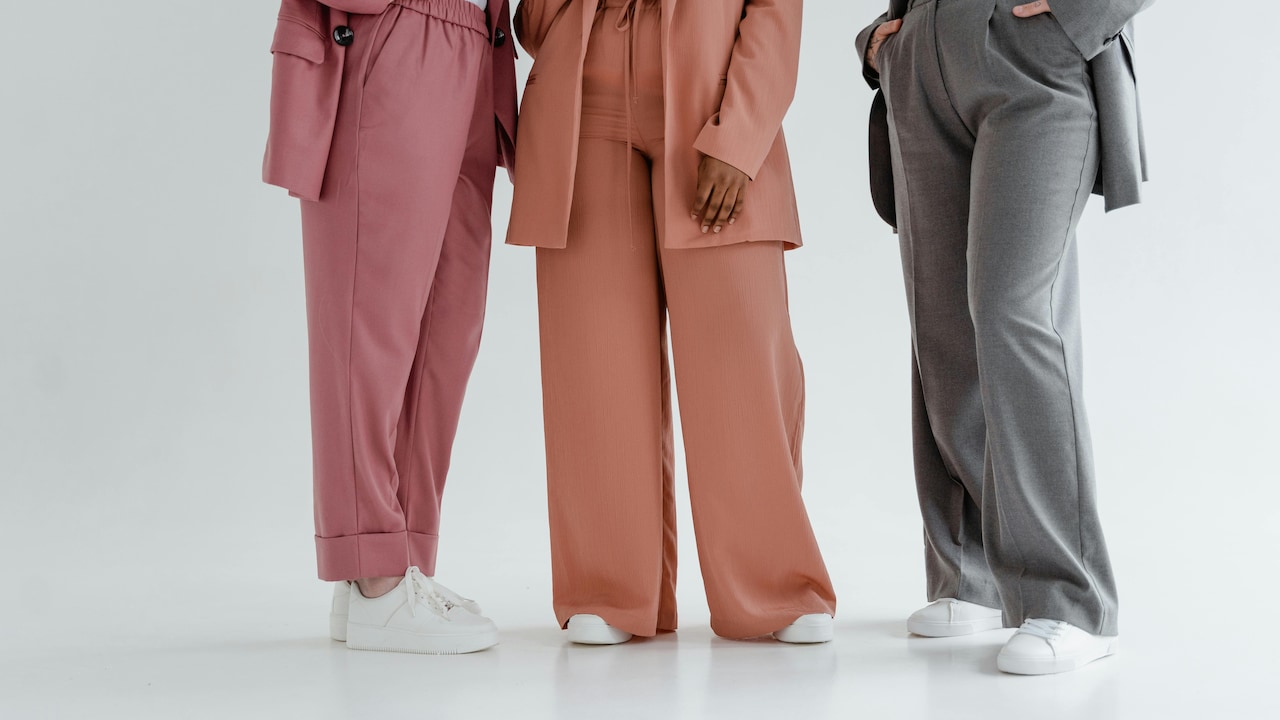
This style usually looks normal from the front. It stays clean and structured where it matters visually. But at the back or sides, it includes elastic panels that expand when the body expands.
This means you get flexibility after meals, while sitting, and throughout the day. Instead of the waistband pressing harder as the belly naturally shifts, it adjusts.
It's the clothing equivalent of someone saying, “Relax, take your time.”
Partially elasticated waistbands are now available in work trousers, casual pants, palazzos, skirts, and even some denim-style options. Many brands have realised people want comfort without sacrificing a sharp silhouette.
And yes, it still looks neat. It just doesn't punish you for eating a proper lunch.
7) The hidden comfort hero: adjustable inner waist tabs
Another underrated option is the adjustable waistband, especially those with inner tabs or buttons. These are common in some trousers and skirts, and they deserve more love.
The best part? They don't rely on stretch. They rely on choice.
An adjustable waistband allows you to loosen or tighten slightly depending on how your day is going. It's perfect for long events, travel days, festive meals, or those times when lunch turns into lunch-plus-dessert-plus-something-fried.
And unlike the awkward “unbutton and pray no one notices” trick, adjustable tabs are discreet. They're built into the garment. It's a feature, not a secret.
This design respects the fact that the human body changes throughout the day. It doesn't demand the same measurement from morning to evening like a strict school uniform.
If trousers came with emotional intelligence, this would be it.

Feeling Bloated in Jeans? Your Waistband Might Be the Problem; Photo Credit: Pexels
8) Soft waistbands with drawstrings aren't just for home anymore
Drawstrings used to mean one thing: home clothes. The kind you wear while watching cricket, eating snacks, and judging reality shows.
Not anymore.
Modern trousers and skirts now use soft waistbands with refined drawstrings that look stylish enough for casual outings and even smart-casual workplaces. Some designs hide the drawstring inside, so the outside still looks polished.
The advantage is obvious. A drawstring waistband allows micro-adjustments. You can loosen it slightly after meals, tighten it for a walk, and keep it comfortable during long sitting.
It also avoids the rigid pressure points created by buttons and zips. Instead of one hard closure, the tension spreads evenly around the waist.
The result is less digging, less discomfort, and fewer moments where you feel like your clothes are judging your lunch choices.
Comfort shouldn't require a costume change.
9) Fabric matters: stretch in the waistband beats stretch in the legs
Many jeans claim to be “stretchable”, but often the stretch sits mostly in the thighs and legs. The waistband remains stiff because brands want it to hold shape.
That's the wrong priority.
A little stretch in the waistband does more for comfort than stretch anywhere else. The legs don't expand after meals. The waist does.
Look for trousers that include elastane in the waistband area or have a waistband constructed with a flexible inner band. Some denim brands now create “comfort waist” jeans, where the waistband has built-in stretch while still looking like classic denim.
This is a game-changer for daily wear.
It means you can sit through meetings, commute in traffic, and eat lunch without feeling like your stomach is negotiating a peace treaty with your jeans.
If you've ever spent ₹2,000 on jeans that looked great but felt awful, you already know how valuable this is.
10) The ultimate comfort test: the “sit-after-lunch” check
If there's one simple way to spot a bloating-trigger waistband, it's this: wear the trousers, eat a normal meal, and sit for twenty minutes.
If the waistband starts digging, pressing, or making you feel heavy and restricted, it's not a “you” problem. It's a design problem.
A comfortable waistband should allow your stomach to exist without drama. You should be able to sit, bend, and breathe without constantly adjusting your clothing.
The best designs for real life tend to include flexibility in the waistband itself. Partially elasticated styles, adjustable tabs, softer bands, and smart drawstrings all work because they adapt to the body.
And that's the whole point.
Clothes should fit your day, not force your day to fit them.
Because honestly, life is already stressful enough. Your waistband doesn't need to add to it.
Products Related To This Article
1. Yashk Regular Fit Women Maroon Trousers
2. Ftx Relaxed Men Black Trousers
3. Moda Rapido Flared Women Dark Green Trousers
4. Indiclub Slim Fit Men Dark Blue Trousers
5. Chemistry Regular Fit Women Dark Green Trousers
6. Jay Vachhraj Slim Fit Men Black Trousers
7. Citysquad Loose Fit Women Beige Trousers
Bloating gets blamed on food far too often. Yes, meals can cause it, and digestion can be unpredictable. But there's a simpler, more overlooked culprit sitting right on the waist: the stiff, rigid waistband.
The classic button-and-zip waistband, the clean, structured band, and overly firm high-rise styles often create pressure where the body needs space. They don't just cause discomfort. They can change posture, restrict breathing, and make normal digestion feel like a problem.
The more comfortable option isn't complicated. A partially elasticated waistband, an adjustable waist, or a softer band with a drawstring can transform how clothing feels through the day. These designs respect the fact that bodies shift, expand, and move.
So the next time you feel bloated by afternoon, don't immediately blame the dal, the tea, or the mango. Take a look at the waistband first. It might be the real troublemaker.
(Disclaimer: This article may include references to or features of products and services made available through affiliate marketing campaigns. NDTV Convergence Limited (“NDTV”) strives to maintain editorial independence while participating in such campaigns. NDTV does not assume responsibility for the performance or claims of any featured products or services.)