Why Jeans Feel Tight After Sitting: A Guide to Modern Waistband Types And Fit
Jeans often feel tighter after sitting due to body expansion, fabric behaviour and waistband design. This guide explains the science behind the squeeze and how modern fits improve everyday comfort.
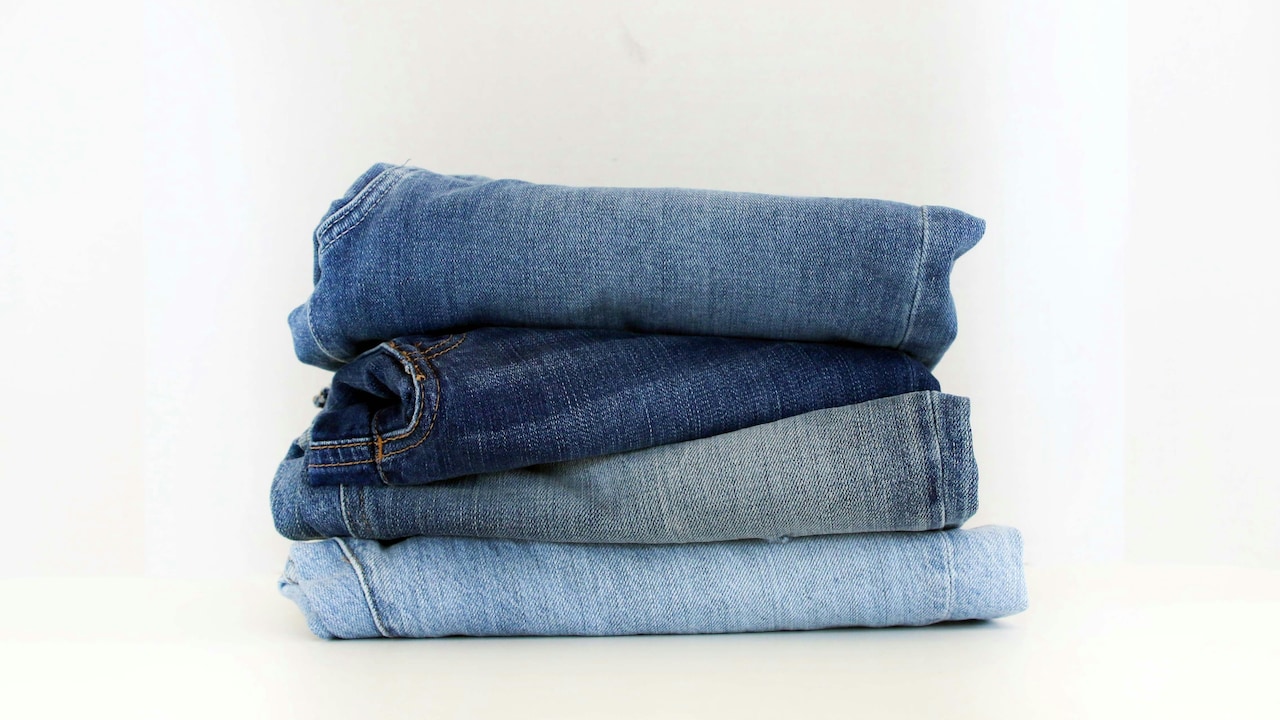
Jeans Feeling Tight After Sitting? This Is What Fabric, Fit, And Waistbands Have To Do With It.
Jeans enjoy a special place in everyday dressing. They promise durability, versatility, and effortless style. Yet, comfort often takes a hit after hours spent sitting at a desk, driving through traffic, or enjoying a long café catch-up. The waistband digs in, thighs feel restricted, and the urge to loosen a button grows stronger.
This sensation does not signal weight changes or poor posture alone. It reflects how bodies move, how denim reacts, and how waistbands get designed. Modern fashion has responded with smarter cuts, stretch fibres, and adaptive waistbands that suit long workdays and social evenings alike.
Understanding why jeans feel tighter after sitting helps in choosing pairs that work with the body rather than against it. This guide explores the science, style, and solutions behind that post-sit squeeze, offering practical insights that make shopping and styling far more comfortable.
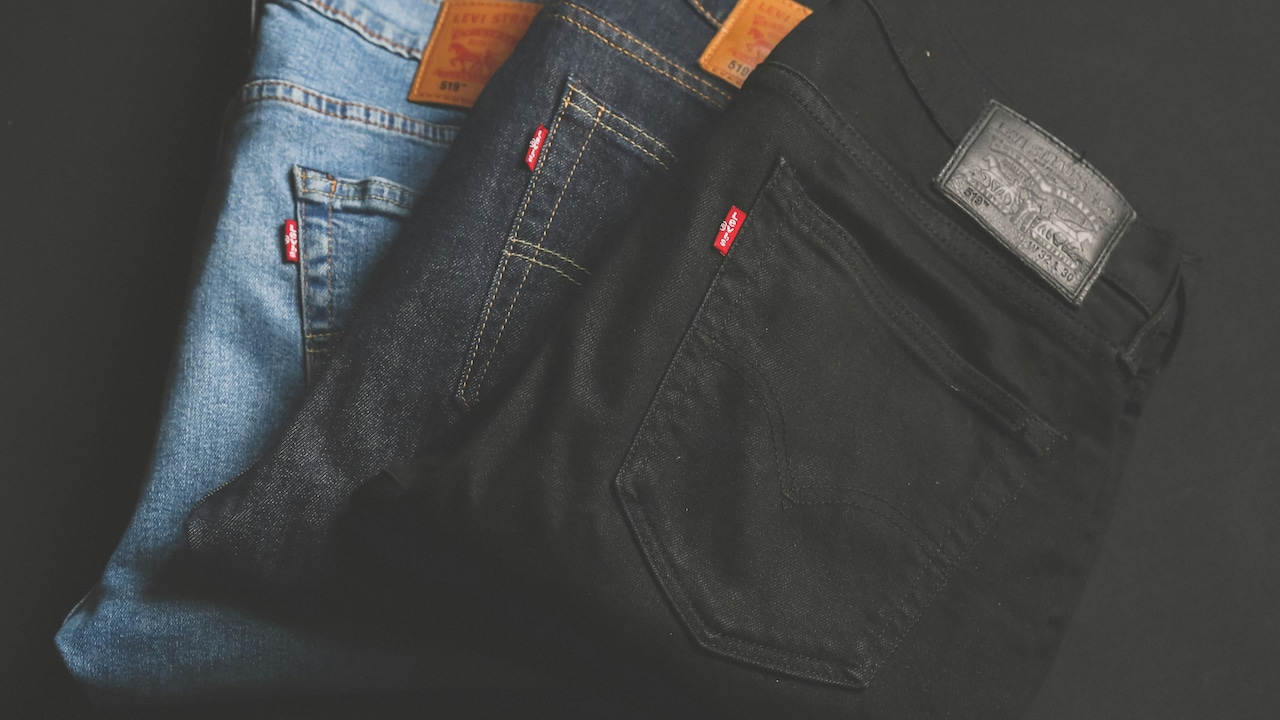
Why Jeans Feel Tight After Sitting: A Guide To Modern Waistband Types
Photo Credit: Pexels
What Really Happens To Your Jeans When You Sit Down
1. The Body's Natural Expansion While Sitting
The human body changes shape throughout the day. Sitting causes the abdomen to compress and spread slightly. Hips rotate forward, and the waist expands by a small yet noticeable margin. This shift happens to everyone, regardless of size or fitness.
Jeans, unlike soft lounge trousers, hold their structure. When the body expands during sitting, the waistband resists that change. After standing up, blood flow increases, and muscles re-engage, which can make the waistband feel even tighter for a few minutes.
Long hours at a desk or in traffic intensify this effect. A short tea break may pass unnoticed, but a three-hour meeting leaves a clear impression. The issue does not lie with the body. The problem stems from garments that fail to adapt to natural movement.
2. Denim Fabric and Its Relationship With Movement
Denim began as a tough workwear fabric. Traditional denim uses tightly woven cotton yarns that offer strength but little flexibility. When worn for long hours, the fabric creases at stress points like the waist and hips.
Modern denim blends cotton with elastane or Lycra. These fibres stretch with movement and recover their shape later. However, not all stretch denim behaves equally. Lower-quality stretch loses elasticity over time, while premium blends maintain comfort longer.
Sitting causes denim fibres to pull in different directions. Heat from the body softens the fabric, allowing it to mould closely. When standing, that moulded shape may feel restrictive until the fabric relaxes again.
3. Waistband Construction: The Hidden Comfort Factor
The waistband plays the lead role in comfort. Many jeans use rigid waistbands designed for a standing posture. These bands look sharp, but struggle with prolonged sitting.
Modern designs now include curved waistbands that follow the natural slope of the waist. Some feature hidden elastic panels or stretch lining inside the band. These additions stay invisible while offering subtle give.
A well-designed waistband balances structure with flexibility. It holds jeans in place without pinching. Poor construction, on the other hand, causes digging, rolling, or that familiar urge to unbutton discreetly during long meals.
4. High-Rise, Mid-Rise, and Low-Rise Fits
Rise refers to the distance between the crotch seam and the top of the waistband. Each rise interacts differently with sitting posture.
High-rise jeans sit closer to the natural waist. They often feel secure when standing but can press into the stomach when seated, especially after a hearty lunch. Mid-rise jeans offer a compromise by sitting slightly lower, reducing pressure.
Low-rise jeans rest on the hips. They rarely dig into the stomach but may shift or gape when standing up. Choosing the right rise depends on daily activity. Office days benefit from mid-rise comfort, while casual outings allow more experimentation.
5. The Role of Tailoring and Size Choices
Size labels tell only part of the story. Two pairs marked the same size can fit very differently due to the cut and brand philosophy. Buying jeans that feel perfect while standing may lead to discomfort later.
A smarter approach involves sitting, bending, and walking during the trial. Tailoring also makes a significant difference. A small adjustment at the waist or hips transforms wearability. Spending ₹800 to ₹1,200 on alterations often extends the life of a favourite pair.
Tailored jeans respect body shape and movement patterns. They reduce stress points and distribute tension evenly, preventing that post-sit tightness.
Also Read: Jeans Feel Soft In Store But Stiff After Washing? This Is Why It Happens And How To Fix It
6. Stretch Technology and Performance Denim
Performance denim has entered everyday wardrobes. These fabrics borrow ideas from sportswear, using multi-directional stretch and moisture control.
Such jeans expand with movement and contract gently without squeezing. They suit long travel days, extended meetings, and evenings that stretch into the night. Unlike traditional denim, performance blends maintain shape after repeated sitting and standing cycles.
Though prices sit higher, often above ₹3,000, the comfort return justifies the spend. These jeans feel less like armour and more like a second skin, even after hours of wear.
7. The Impact of Lifestyle and Daily Habits
Lifestyle plays a quiet role in how jeans feel. Long commutes, desk-bound jobs, and irregular meal times contribute to bloating and stiffness. These factors amplify waistband pressure.
Hydration levels, posture, and even stress influence body expansion. Slouching increases abdominal compression, while upright posture distributes pressure evenly. Small habits like standing breaks and light stretches ease tension and reduce that tight feeling.
Jeans designed with movement in mind complement these habits, creating a more forgiving daily experience.
8. Gender-Neutral Design and Inclusive Fits
Modern denim design has embraced inclusivity. Gender-neutral cuts focus on comfort, straight silhouettes, and adaptive waistbands. These jeans avoid extreme shaping that causes discomfort while sitting.
Inclusive sizing also improves fit consistency. Brands now test designs across varied body types, leading to better balance between structure and ease. These changes benefit everyone, regardless of style preference.
Comfort no longer hides behind baggy shapes. Clean lines and flexible construction prove that style and ease can coexist.
9. Seasonal Factors and Climate Considerations
Warm weather affects how jeans feel. Heat causes the body to swell slightly, and denim absorbs moisture. This combination increases friction and tightness after sitting.
Lighter denim weights and breathable blends suit warmer months. In cooler seasons, heavier denim feels more forgiving as the body remains less prone to swelling.
Choosing season-appropriate jeans prevents discomfort. Rotating pairs across the year keeps wardrobes practical and comfortable.
Why Jeans Feel Tight After Sitting: A Guide To Modern Waistband Types
Photo Credit: Pexels
10. Choosing Jeans That Age Well With Wear
Good jeans improve with time. Quality denim adapts to body shape and movement patterns. Over weeks of wear, the fabric relaxes in the right places without losing structure.
Signs of well-aged jeans include softening at the waist, reduced digging, and improved flexibility. Cheap denim often does the opposite, becoming stiff or misshapen.
Investing in fewer, better pairs saves money and discomfort in the long run. Jeans that age gracefully feel kinder after sitting and remain reliable companions for years.
Products Related To This Article
1. KASHIANXSTYLE Women Comfort Straight Fit High-Rise Light Fade Stretchable Jeans
2. Levis Women Straight Fit High-Rise Light Fade Stretchable Jeans
3. DOLCE CRUDO Women Straight Fit High-Rise Stretchable Jeans
4. Tokyo Talkies Women Wide Leg Stretchable Jeans
5. AngelFab Women Bootcut High-Rise Stretchable Jeans
That tight feeling after sitting does not signal a flawed body or poor fashion choice. It highlights how garments interact with movement, posture, and time. Understanding waistband construction, fabric behaviour, and fit transforms the denim experience.
Modern jeans now cater to real lives filled with meetings, commutes, and long conversations over shared meals. Thoughtful choices, small tailoring tweaks, and awareness of daily habits help jeans feel comfortable from morning to night.
The next time that familiar squeeze appears, the reason will feel clearer, and the solution closer than expected.
(Disclaimer: This article may include references to or features of products and services made available through affiliate marketing campaigns. NDTV Convergence Limited (“NDTV”) strives to maintain editorial independence while participating in such campaigns. NDTV does not assume responsibility for the performance or claims of any featured products or services.)