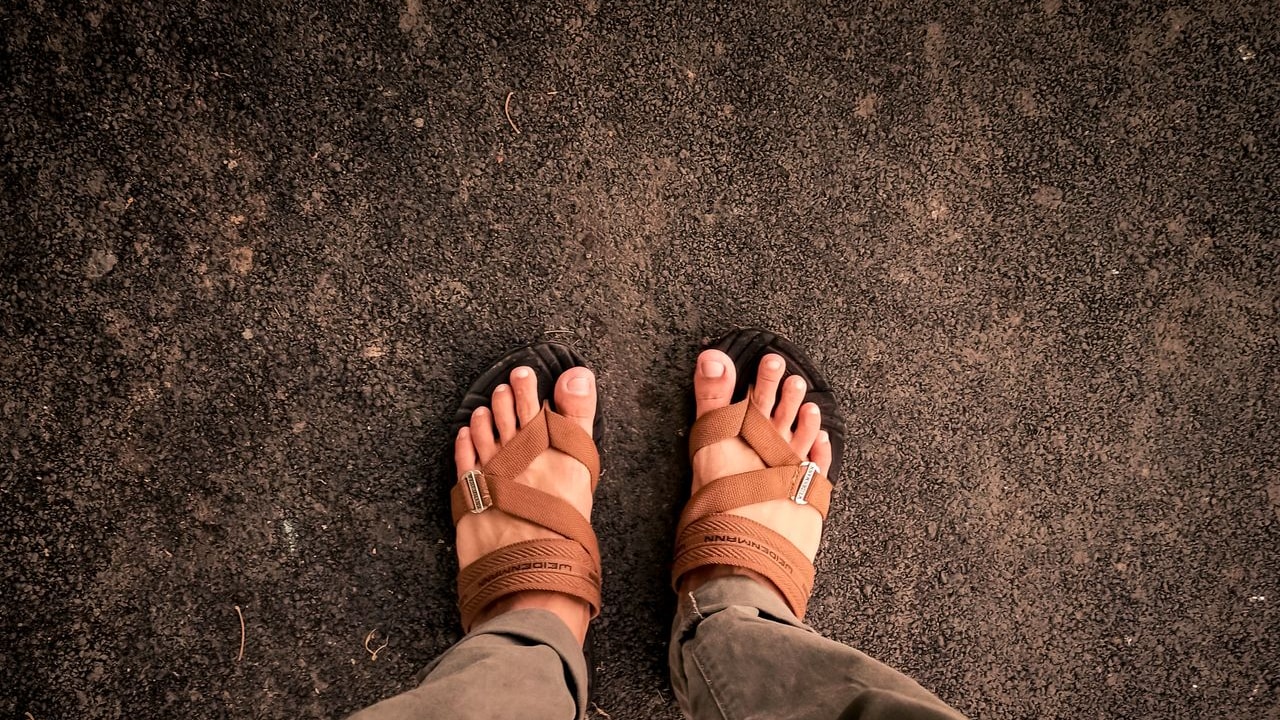
Floaters vs Crocs: Which Is Better For Everyday Monsoon Wear
Confused about choosing between floaters and Crocs this monsoon? Here's an honest, practical comparison to help you pick the right rainy-season footwear.
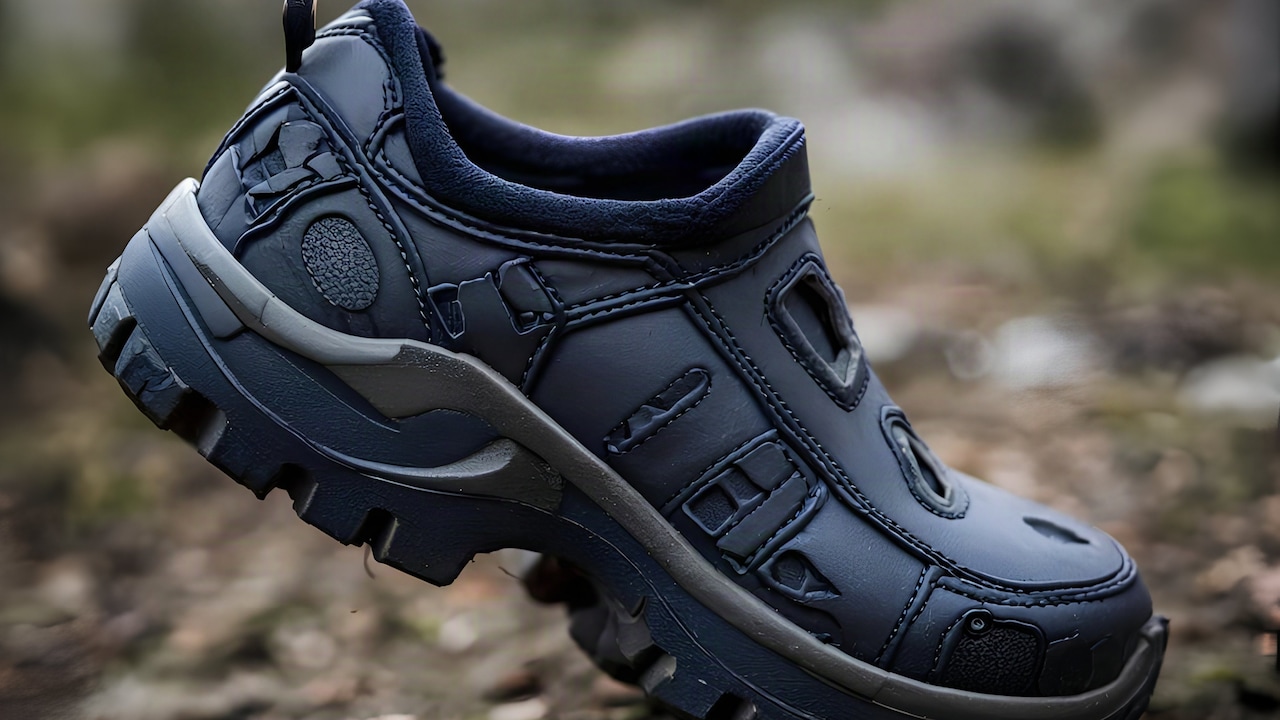
Floaters vs Crocs: Which Is Better For Everyday Monsoon Wear
Every year, right around June, the same debate starts in office WhatsApp groups and PG common rooms across the country. Someone shows up with a brand new pair of Crocs, and someone else swears by their old, faithful pair of floaters. Both camps have opinions, and both have a point. The thing is, monsoon footwear isn't really about looks. It's about which pair survives a flooded bus stop, dries fast, and doesn't leave your feet smelling like a wet dog by 6 pm. So the real question isn't which one looks better on Instagram; it's which one actually works for your daily grind. This guide is for anyone standing in a shoe store right now, smartphone in hand, trying to decide between the two before the next spell of rain hits.
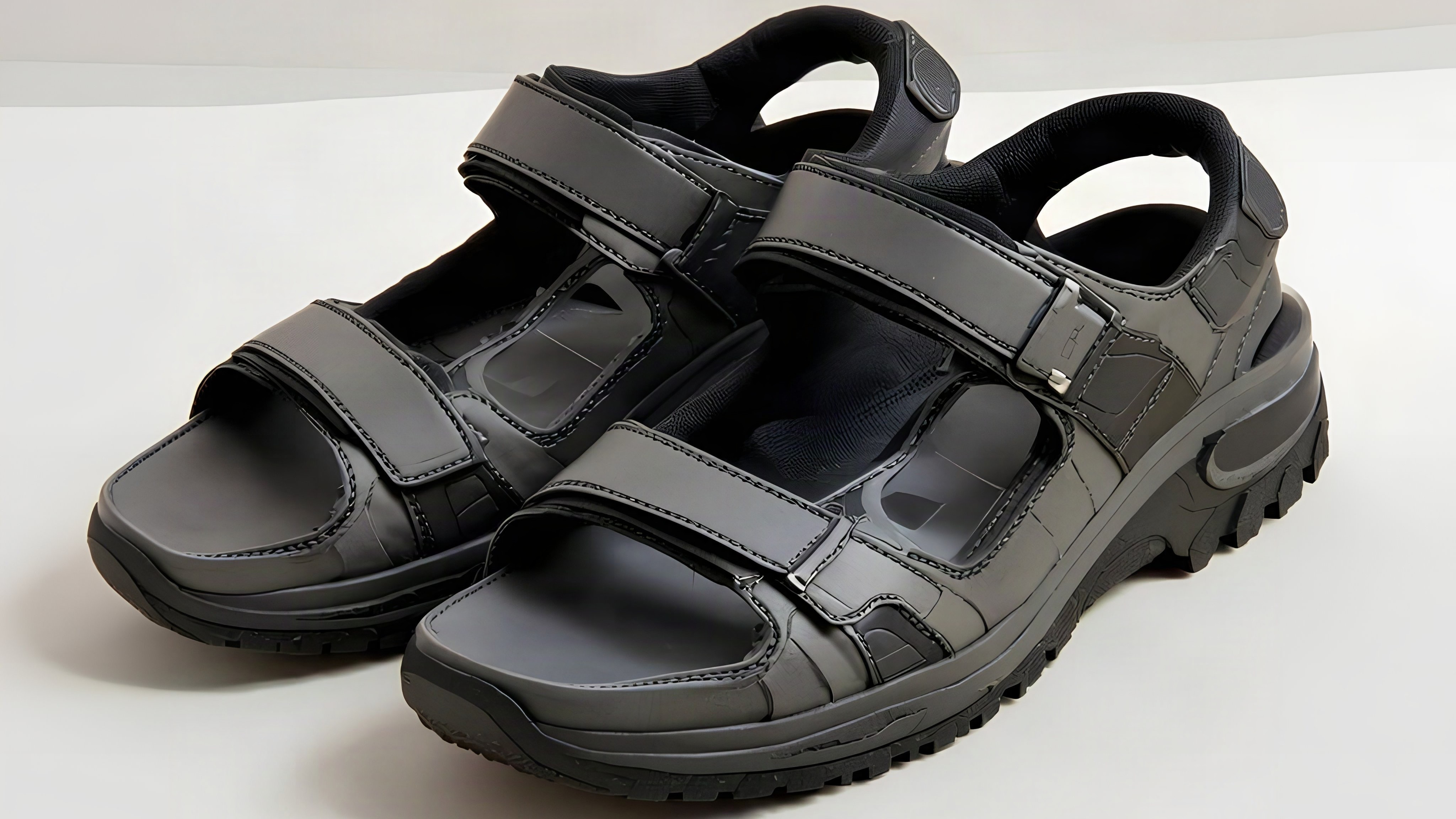
What Are Floaters and What Are Crocs; Photo Credit: iStock
What Are Floaters and What Are Crocs, Really?
People throw around these terms loosely, so let's clear that up first before comparing anything.
1. Floaters, Explained
Floaters are basically open sandals, usually made of rubber or EVA foam, with a strap across the front and sometimes around the ankle. They're light, they're cheap, and almost every footwear brand, like Sparx, Bata, and Liberty, makes some version of them. You'll find a decent pair anywhere between ₹400 and ₹900.
Also Read: Beat The Heat With Style: Top 4 Crocs Under 5000 For Summer 2026
2. Crocs, Explained
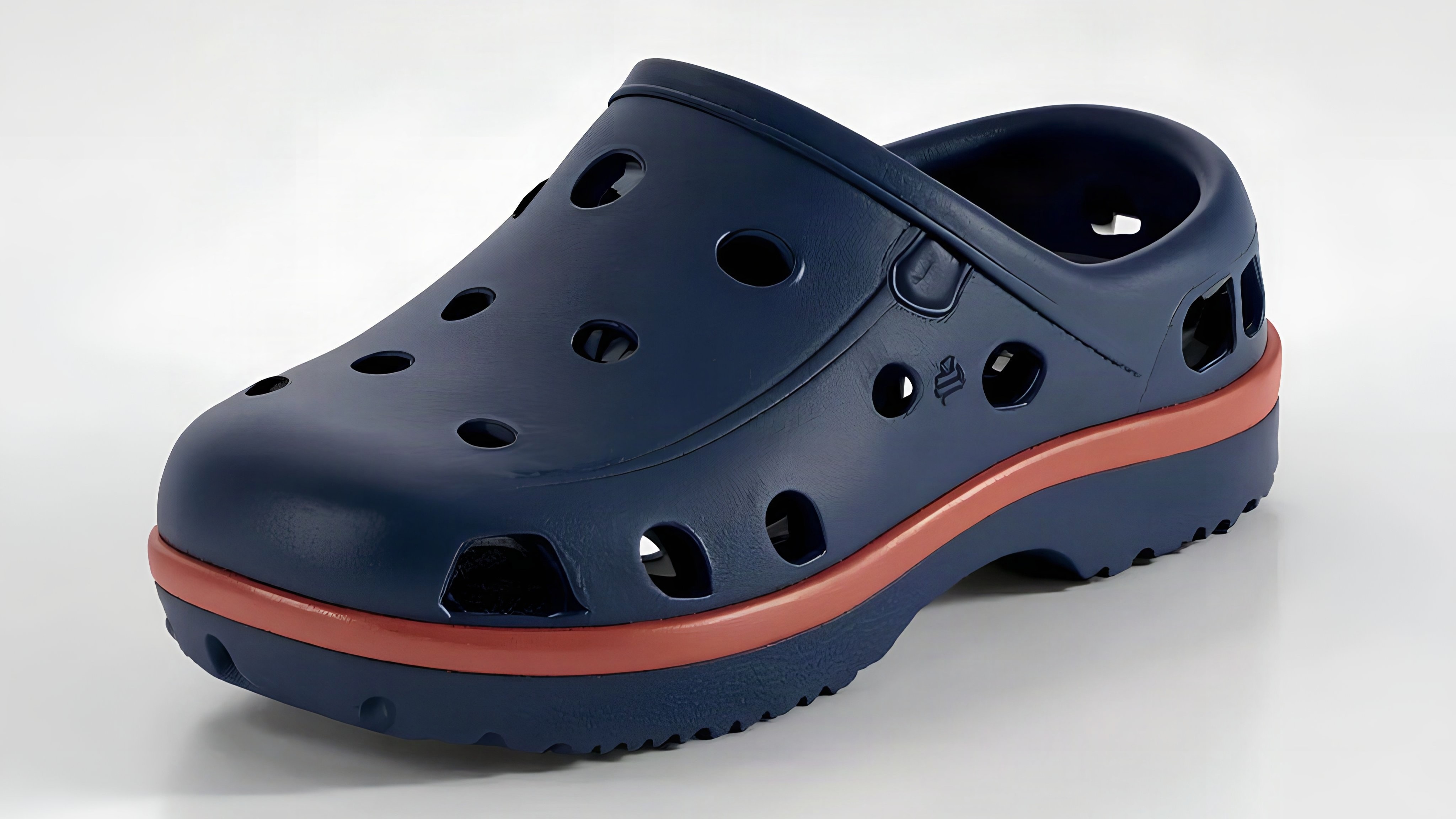
Crocs, on the other hand, refers to the actual brand (and now a generic name people use for similar clogs). The Classic Clog covers your whole foot with ventilation holes on top, made from a foam-like material called Croslite. They cost more, usually starting around ₹2,000, and they've become a bit of a fashion statement too, not just a rain shoe.
Comfort And Fit During Monsoon Walks
Comfort is where these two really start to differ, and it depends a lot on how much walking you're doing.
1. How Floaters Feel On Wet Feet
Floaters keep your feet mostly exposed to air, which sounds odd for rain but actually helps a lot. Wet feet dry quicker when there's less material covering them. The strap can dig in a bit after long hours, though, especially the cheaper ones with thin straps that don't have much cushioning.
2. How Crocs Feel On Wet Feet
Crocs wrap around your whole foot, so there's more cushioning, and your toes stay protected from stones or glass hidden under puddles (this happens more than you'd think on the streets). But because the foot is more enclosed, sweat and rainwater can pool inside a little, especially if you're not wearing the back strap down.
Grip, Drainage, and Water Handling
The grip is arguably the most important part for monsoons, because a slip on a wet floor is nobody's idea of a good time.
1. Floaters And Puddle Walking
Most floaters have a flat rubber sole, and the grip really depends on the brand. Sparx and Liberty ones tend to have decent tread patterns for monsoon use, but the cheaper unbranded floaters can get slippery fast on wet tiles or marble flooring, which many offices and malls still have.
2. Crocs And Waterlogged Streets
Crocs handle water genuinely well. The holes on top let water drain out almost immediately, so you're not sloshing around after stepping into a puddle. The sole has a decent grip too, though it's not magic; you can still slip if the surface is really slick.
Durability, Price, and Daily Office Use
Now for the part that actually matters for someone wearing these every single day for months.
1. Floaters For Daily Commute
Floaters are the budget-friendly pick, no doubt. A ₹600 pair can last a season, sometimes two, if you're not too rough with them. The trade-off is that the strap glue or stitching tends to give up first, especially with constant wetting and drying.
2. Crocs For Daily Commute
Crocs cost more upfront, but they're built to survive years of wear without falling apart. The Croslite material doesn't crack easily and doesn't hold odour the way rubber sometimes does. For someone commuting daily in heavy rain, this durability can actually make the higher price worth it over time.
Comfort And Fit During Monsoon Walks; Photo Credit: iStock
Some Monsoon Footwear Products You May Like
1. Crocs Unisex Adult Bayaband Navy/Pepper Clog-M9W11
2. Crocs Bayaband Clog Unisex Adult
3. Crocs Unisex-Adult 10126a Clog
4. Crocs Off-Grid Unisex Adult Clog
5. Sparx Men SS 9007 Floater Sandal
6. Sparx Men SS-590 Sport Floater Sandal
7. DOCTOR EXTRA SOFT Men's Classic Athletic & Outdoor Casual Sandals/Floaters
8. NoStrain Men's Waterproof Casual Floater Sandals with Back Strap
As the rains pour and the skies turn grey, the right footwear becomes more than just a style statement — it's a necessity. Amazon offers a wide range of monsoon‑ready options, from waterproof sandals to slip‑resistant shoes, ensuring comfort and safety without compromising on fashion. Whether you're stepping out for work, errands, or festive gatherings, these picks keep your feet dry and your look fresh. Investing in durable, practical, and chic monsoon footwear means you can embrace the season with confidence, knowing every step is protected, stylish, and perfectly suited for rainy‑day adventures. Shop now on Amazon.
Frequently Asked Questions (FAQs)
1. Are Crocs actually waterproof or just water-resistant?
They're genuinely waterproof. Crocs are made from a closed-cell foam known as Croslite, and this material simply doesn't absorb water, unlike a lot of "water-resistant" footwear that just delays the inevitable.
2. Can floaters be worn to the office during the monsoon?
Depends heavily on where you work. Traditional, formal offices tend to see floaters as too casual for daily wear, but plenty of startups and relaxed workplaces won't blink at it, particularly when it's pouring outside.
3. Do Crocs smell bad after getting wet repeatedly?
For the most part, no. Croslite just isn't the type of material that traps odour the way rubber soles or foam insoles do. That said, if you're skipping socks for hours at a time, the inside will probably need a rinse now and then.
4. Which is better for kids during monsoon, floaters or Crocs?
Crocs win this one, mostly because of the enclosed front. Stones, glass, sharp bits hidden under puddles, kids' toes are exposed to all of it in floaters, and Crocs simply block that risk out.
5. How do I stop my feet from smelling in floaters during the rains?
A few habits make a real difference here. Let them dry out completely before wearing again, try to steer clear of stagnant puddles when you can, and give them a wash with mild soap every so often.
(Disclaimer: This article may include references to or features of products and services made available through affiliate marketing campaigns. NDTV Convergence Limited (“NDTV”) strives to maintain editorial independence while participating in such campaigns. NDTV does not assume responsibility for the performance or claims of any featured products or services.)