Heavy Embroidery vs Printed Kurta Sets: Which One Actually Looks More Expensive
Do heavier designs always look more luxurious? From intricate embroidery to refined prints, this guide breaks down what truly makes a kurta set look expensive, beyond just the price tag.
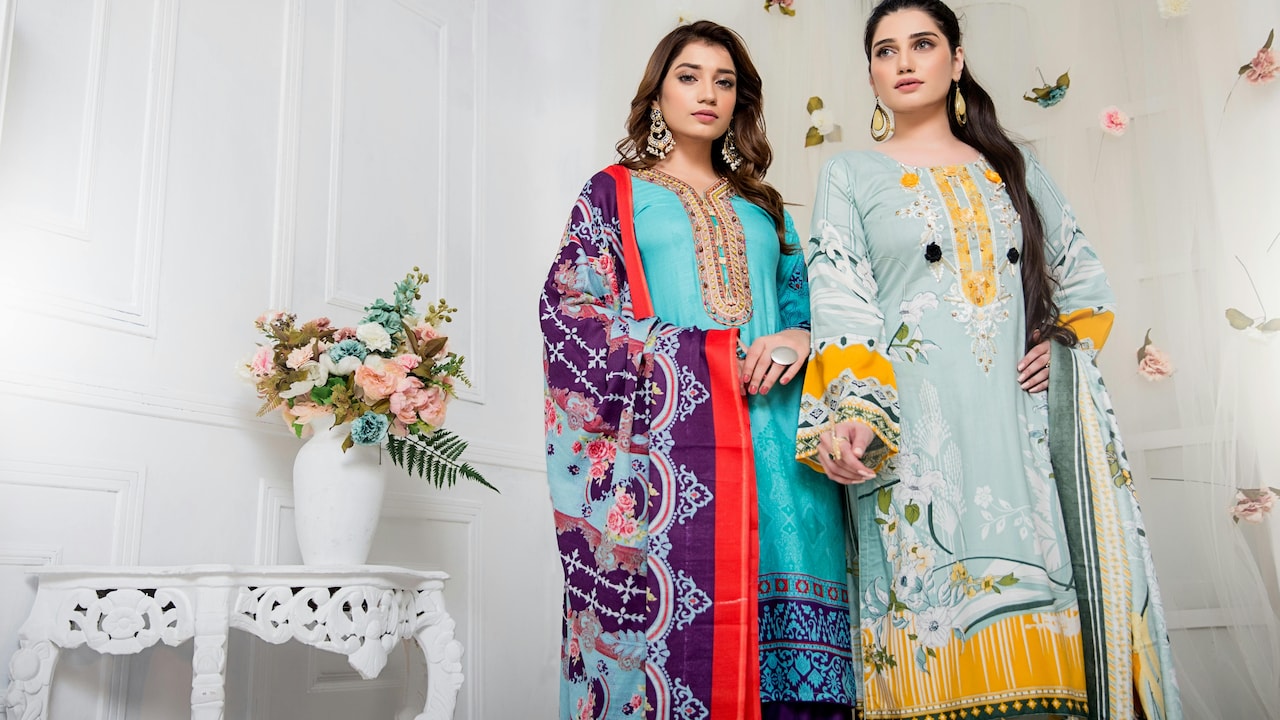
Heavy Embroidery Vs Printed Kurta Sets: Which Style Looks More Expensive In 2026? Find Out.
Walk into any festive gathering or family function, and the quiet competition begins. Not the loud, obvious kind, but the subtle kind where outfits do the talking. A heavily embroidered kurta glints under warm lighting, while a printed set sways gracefully with effortless charm. Both draw attention, but for entirely different reasons.
The question often lingers in the mind while browsing racks or scrolling through endless online collections. Does heavier embroidery automatically signal luxury? Or can a well-chosen print look just as refined, if not more?
The answer, like most things in fashion, sits somewhere between perception and detail. It depends on craftsmanship, styling, fabric, and even how one carries the outfit. What looks expensive isn't always about how much sparkle or colour appears on the surface. Sometimes, it lies in restraint.
This exploration breaks down the real differences between heavy embroidery and printed kurta sets, helping decode what actually looks more premium in real-life settings.
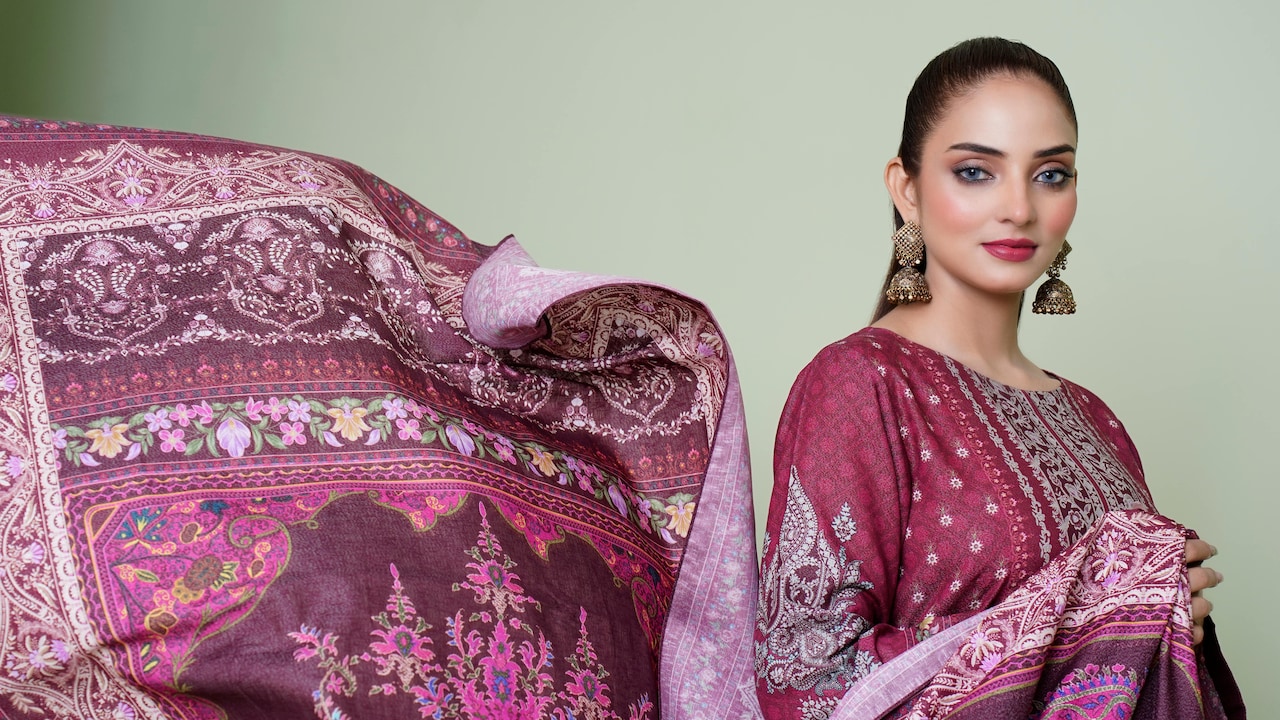
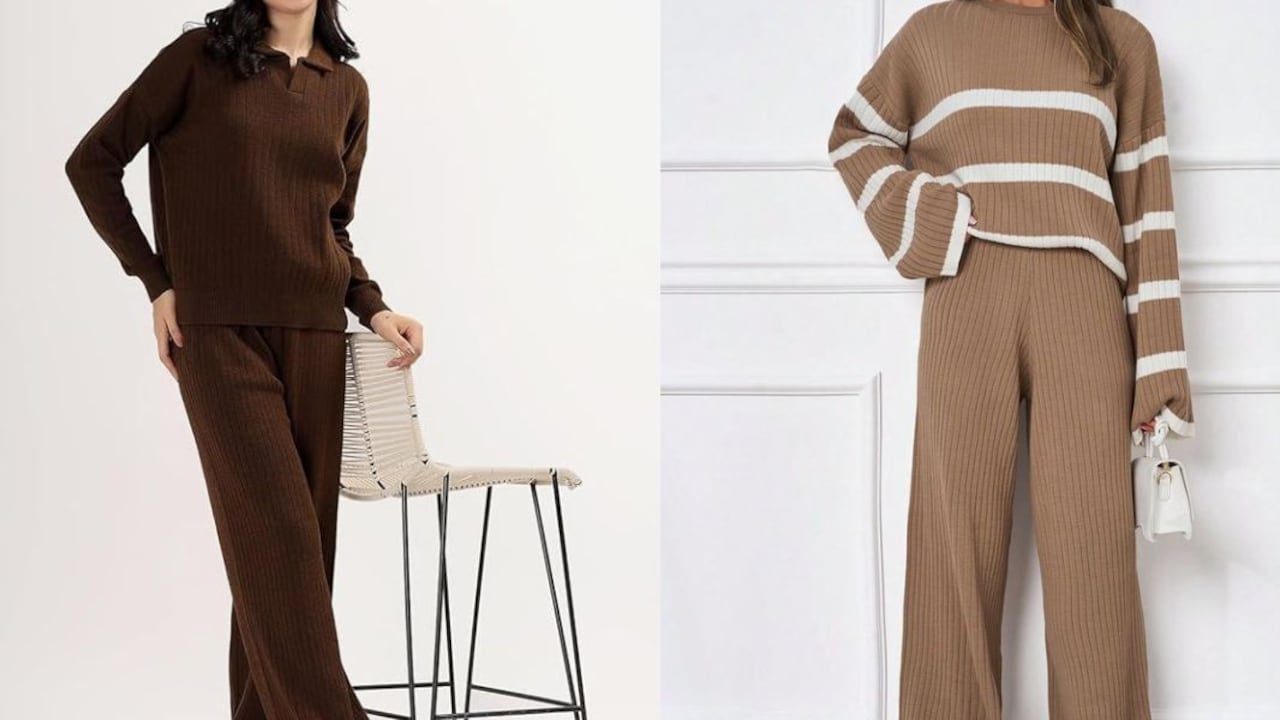
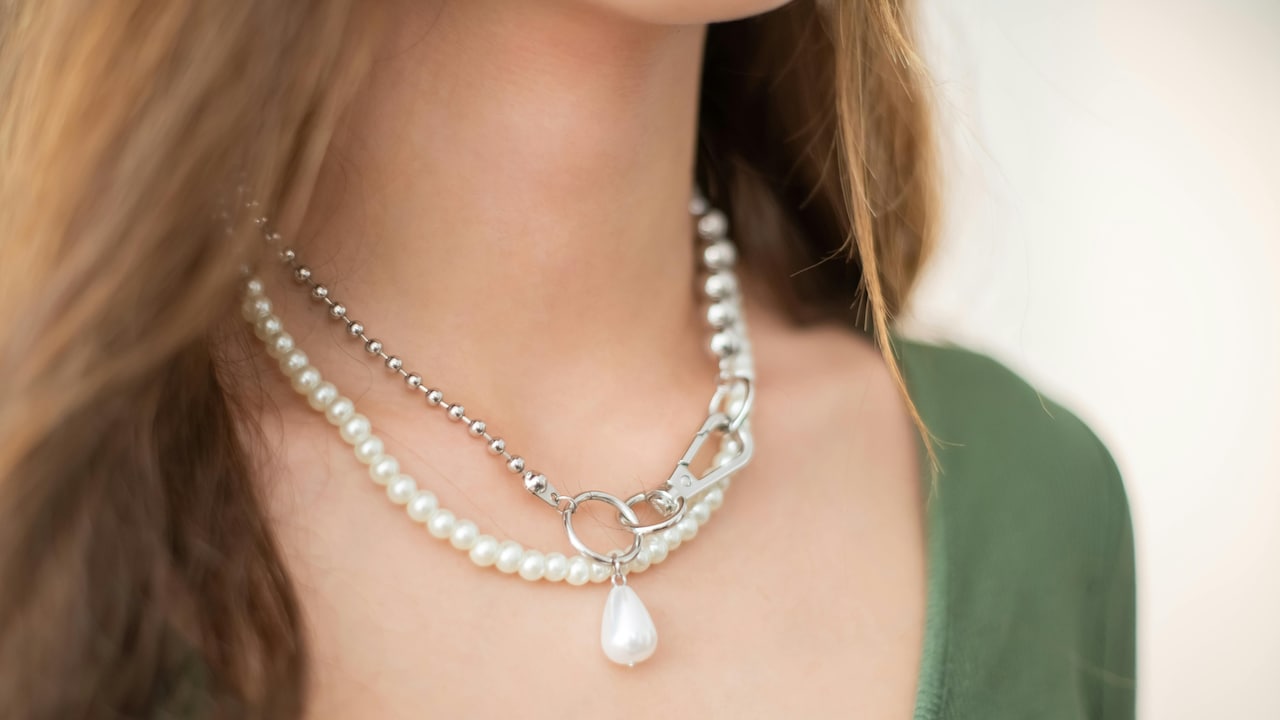
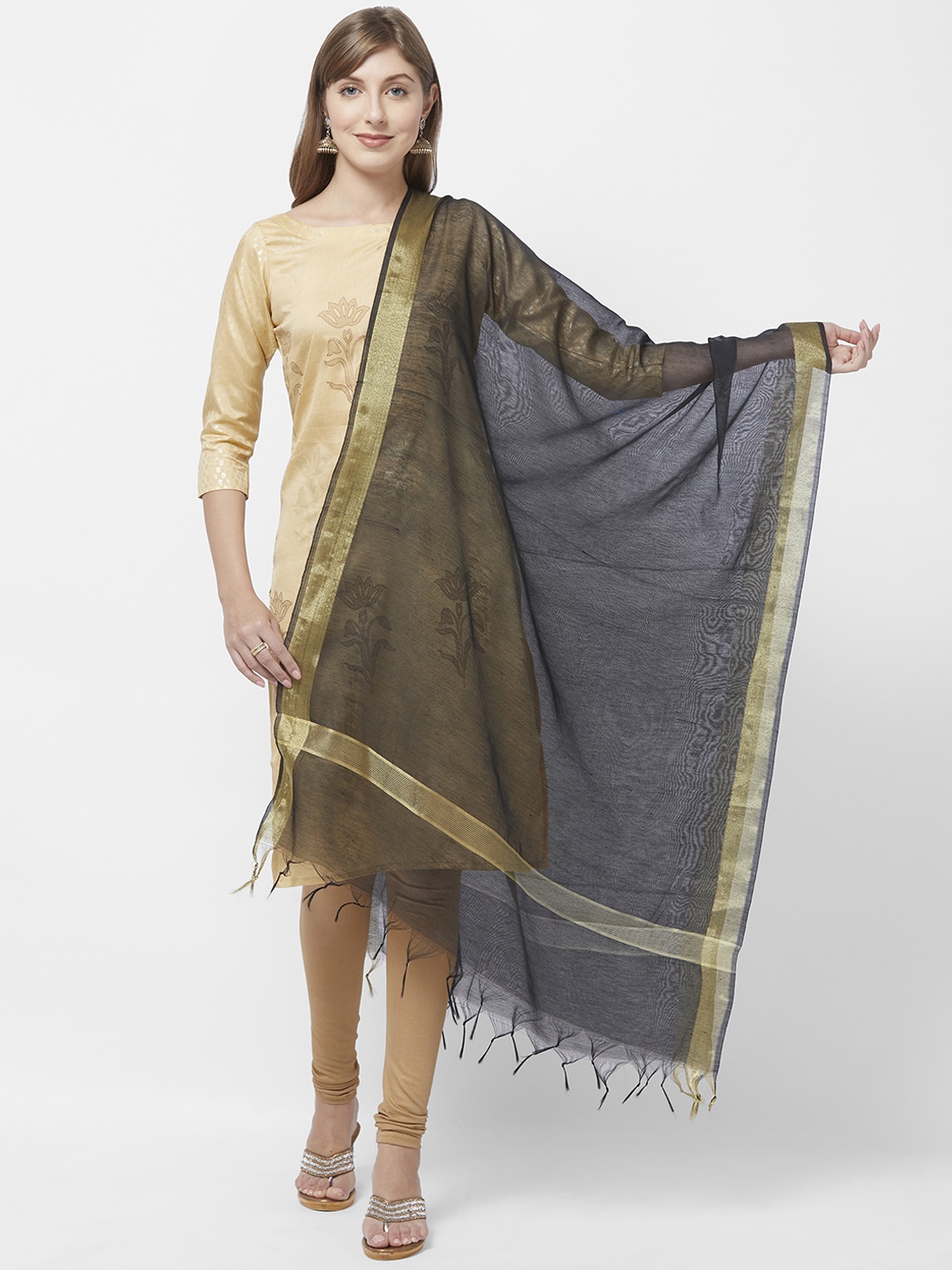
Heavy Embroidery vs Printed Kurta Sets: Which Looks More Expensive; Photo Credit: Pexels
Understanding The Real Markers Of Luxury In Kurta Sets
The Illusion Of Richness: Why Embroidery Feels Luxurious
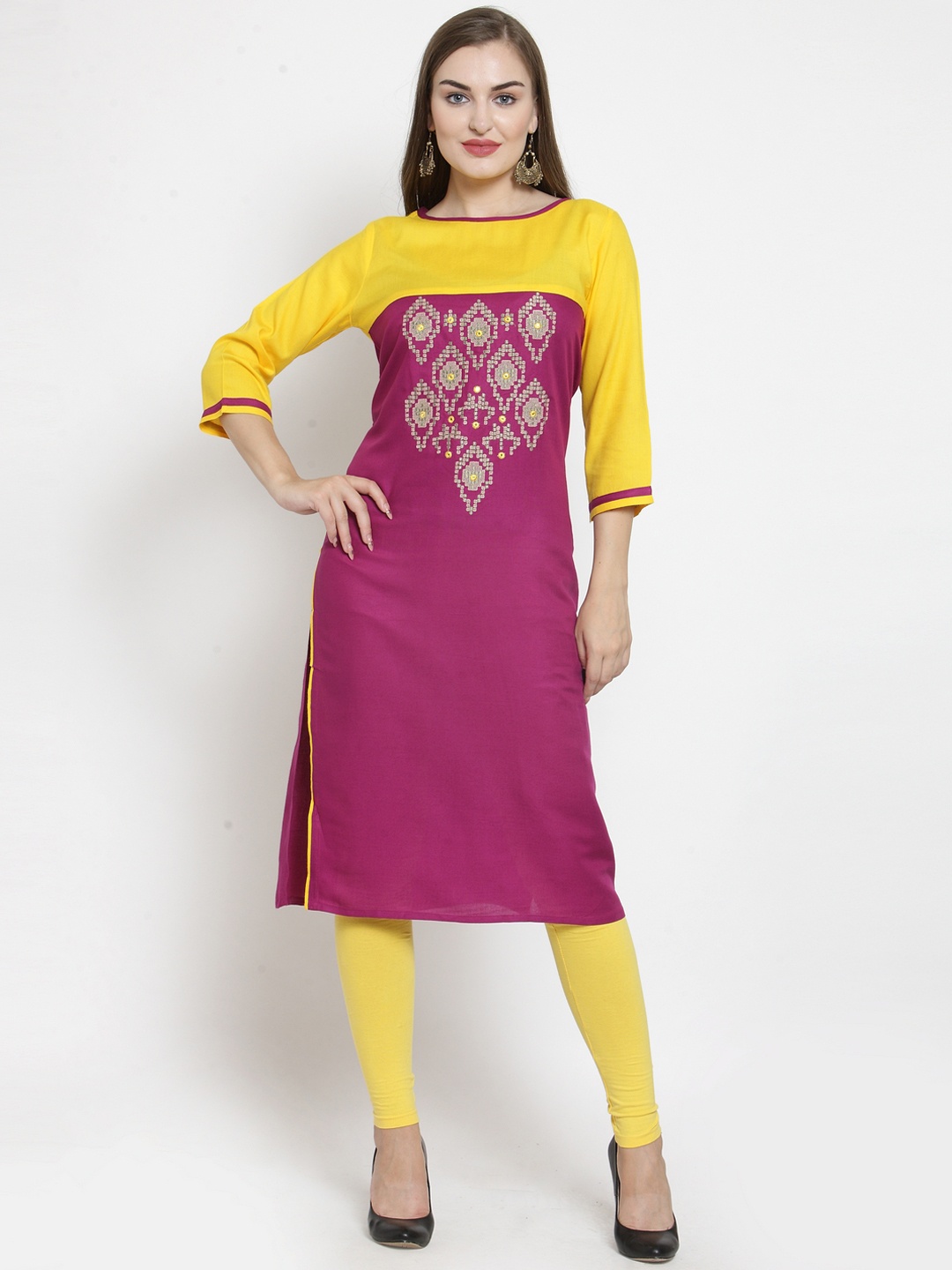
Heavy embroidery carries an undeniable sense of grandeur. Threads woven with zari, sequins, or beads create texture that immediately catches the eye. It feels festive, celebratory, and undeniably rich.
This perception has roots in tradition. Embroidery once demanded time, patience, and skilled craftsmanship. Even today, a well-embroidered kurta often comes with a higher price tag, sometimes crossing ₹8,000 or more, depending on detailing.
However, not all embroidery translates to elegance. Overdone patterns or poor-quality threadwork can look loud rather than luxurious. When motifs feel crowded or shiny elements dominate the fabric, the outfit can drift into flashy territory.
True luxury in embroidery lies in balance. Subtle threadwork on fine fabrics often appears far more refined than dense, overpowering designs. The eye appreciates space as much as detail.
The Quiet Power Of Prints
Printed kurtas often get dismissed as casual or everyday wear. Yet, that assumption overlooks their ability to look effortlessly expensive.
A well-designed print tells a story without shouting. Whether it's delicate florals, geometric patterns, or hand-block designs, prints create visual interest without adding weight or clutter.
Interestingly, premium prints often rely on superior fabric quality and precise colour palettes. A soft cotton silk kurta with understated prints can look far more polished than heavy embroidery on synthetic fabric.
Printed sets also age gracefully. They don't rely on shine or embellishment, which means they maintain their charm across seasons. That consistency adds to their perceived value.
Luxury, in this case, whispers rather than announces itself.
Also Read: Navratri Festive Ethnic Wear Kurti Sets For Women And Girls On Myntra
Fabric Matters More Than Design
One of the biggest misconceptions in ethnic wear revolves around design overshadowing fabric. In reality, fabric dictates how expensive an outfit looks.
A heavily embroidered kurta on stiff polyester rarely feels premium. On the other hand, a printed kurta in chanderi, silk, or high-quality cotton instantly elevates the overall look.
Texture plays a crucial role here. Fabrics that drape well and feel soft against the skin create a natural elegance. They move gracefully, catch light subtly, and add depth without effort.
Even a simple printed kurta can look worth ₹5,000 when made from fine fabric. Meanwhile, embroidery on low-quality material struggles to hide its shortcomings.
The foundation always matters more than decoration.
The Role Of Colour In Perceived Luxury
Colour choices can make or break an outfit's perceived value. Heavy embroidery often pairs with bold, deep shades like maroon, emerald, or royal blue. These colours naturally feel festive and rich.
However, prints thrive in softer palettes as well. Pastels, muted tones, and earthy shades often appear more sophisticated than loud colours.
A blush pink printed kurta with minimal detailing can look far more refined than a bright red embroidered one overloaded with sequins. The difference lies in restraint.
Luxury often leans towards subtlety. Colours that feel easy on the eyes tend to appear more expensive, especially in daylight settings.
The right shade can elevate even the simplest design.
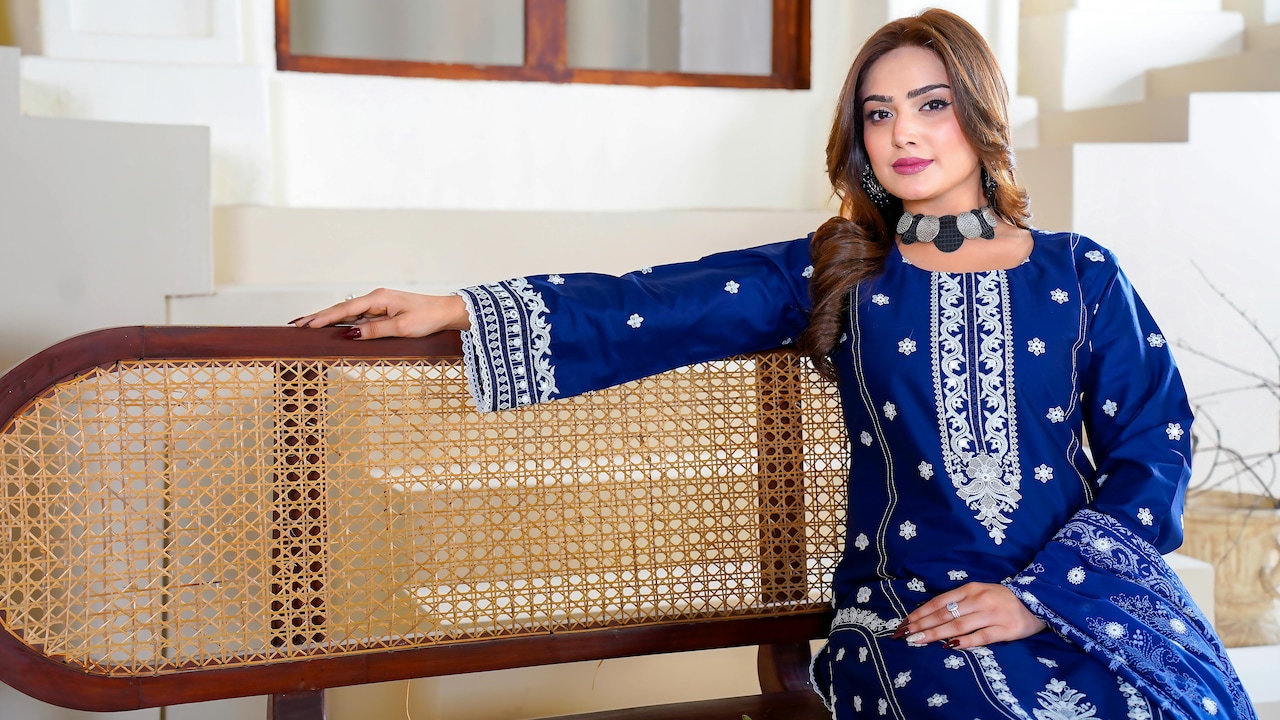
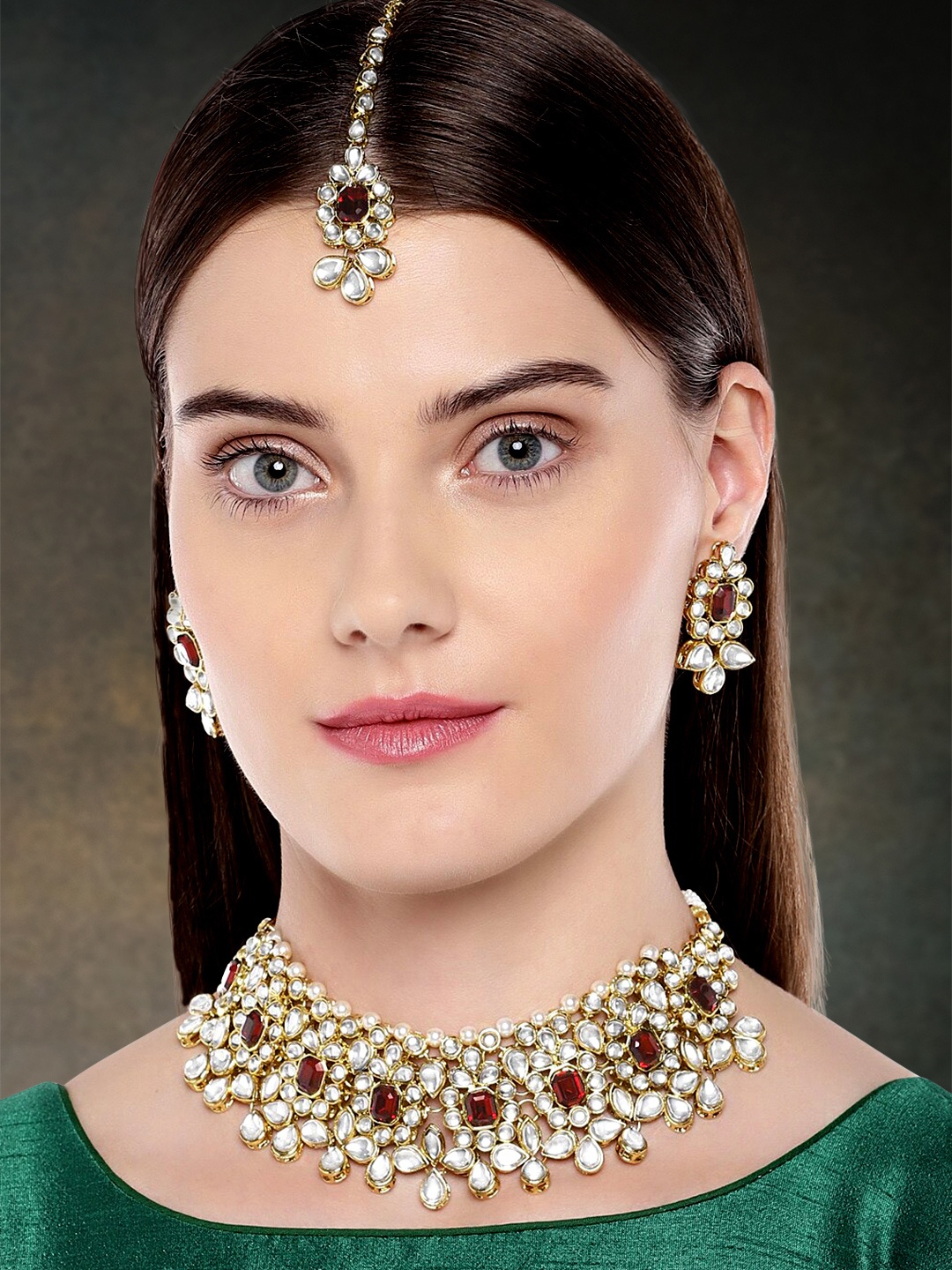
Heavy Embroidery vs Printed Kurta Sets: Which Looks More Expensive; Photo Credit: Pexels
Occasion Versus Everyday Elegance
Heavy embroidery shines in festive settings. Weddings, celebrations, and evening events provide the perfect backdrop for intricate detailing. In such environments, the sparkle feels appropriate and even necessary.
Printed kurtas, however, dominate everyday elegance. They suit brunches, office gatherings, and casual outings without looking underdressed.
Interestingly, the idea of looking “expensive” often depends on context. A heavily embroidered kurta at a daytime event might feel excessive, while a printed one fits seamlessly.
Elegance adapts to the setting. The outfit that aligns with the occasion often appears more refined, regardless of its actual cost.
Craftsmanship And Finishing Details
The finishing of a kurta speaks louder than its design. Clean stitching, neat seams, and well-aligned patterns create a polished look.
In embroidery, uneven threads or loose embellishments instantly reduce the perceived value. Even a kurta priced at ₹10,000 can look average if the finishing lacks precision.
Printed kurtas, on the other hand, rely heavily on alignment and clarity. Blurred prints or mismatched patterns can make the outfit appear cheap.
Attention to detail defines luxury. Small elements like button quality, neckline finishing, and sleeve structure quietly influence how expensive an outfit feels.
It's the finishing touch that completes the story.
Styling Changes Everything
An outfit rarely stands alone. Styling plays a powerful role in shaping perception.
A heavily embroidered kurta paired with heavy jewellery can feel overwhelming. However, when styled with minimal accessories, it looks balanced and elegant.
Printed kurtas offer more flexibility. They can be dressed up with statement earrings or kept simple for a relaxed look.
Footwear, hair, and even posture contribute to the overall impression. A printed kurta styled thoughtfully can easily outshine a heavily embroidered one styled poorly.
The magic lies in harmony, not excess.
Comfort And Confidence
Comfort often translates into confidence, and confidence always looks expensive.
Heavy embroidery can feel restrictive, especially during long events. The weight of embellishments may limit movement and reduce ease.
Printed kurtas, being lighter, allow freedom. They feel breathable, especially in warm climates, and make long hours more manageable.
When someone feels comfortable, it reflects in posture and expression. That natural ease adds an intangible quality to the outfit.
Expensive-looking style isn't just about appearance. It's about how effortlessly one carries it.
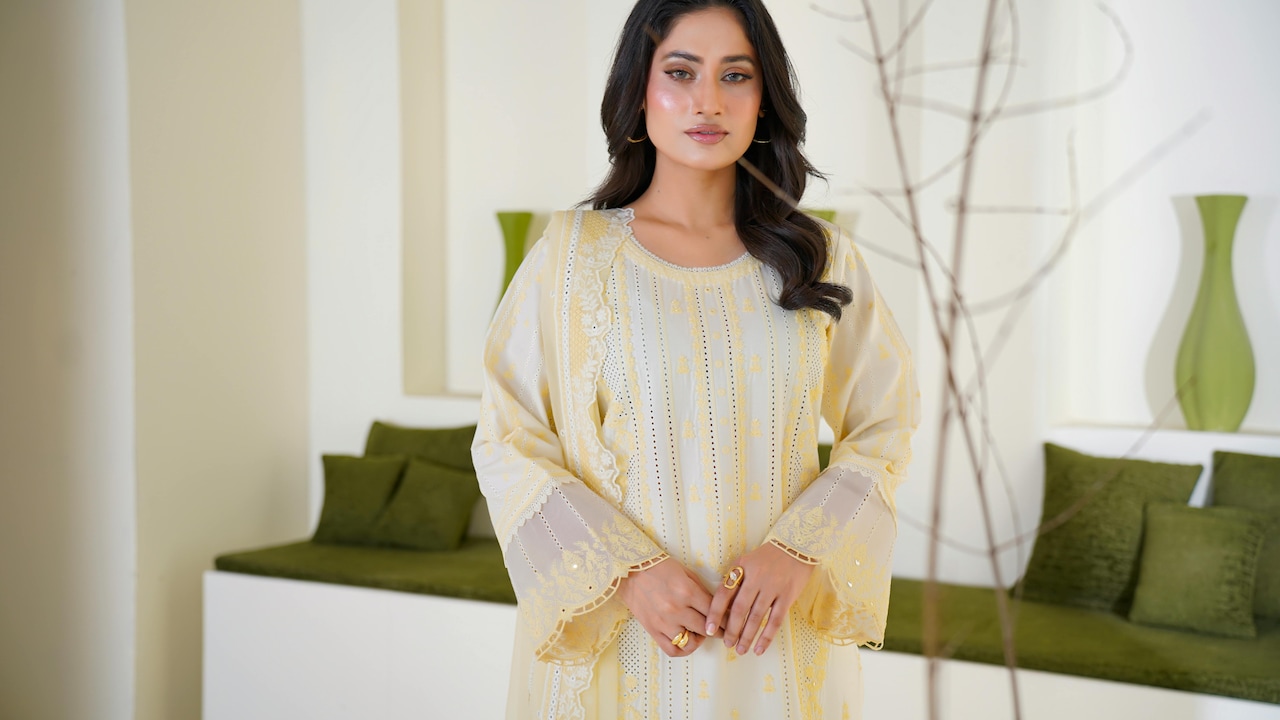
Heavy Embroidery vs Printed Kurta Sets: Which Looks More Expensive; Photo Credit: Pexels
Trends Versus Timeless Appeal
Fashion trends shift quickly, but timeless style remains consistent.
Heavy embroidery often follows seasonal trends. Certain patterns or embellishments may feel outdated after a few years.
Printed kurtas, especially those with classic motifs, tend to remain relevant. Hand-block prints, subtle florals, and traditional patterns rarely go out of style.
Timeless pieces often appear more expensive because they don't feel tied to a particular moment. They carry a sense of continuity.
Investing in designs that age well often leads to a more refined wardrobe.
Price Doesn't Always Equal Perception
A higher price tag doesn't guarantee a luxurious look. Many embroidered kurtas command premium prices due to labour and detailing.
However, perception doesn't always follow cost. A ₹3,000 printed kurta made from fine fabric can look far more expensive than a ₹9,000 embroidered one with excessive shine.
Shoppers often associate sparkle with value, but true elegance lies in subtlety.
Understanding this difference helps make smarter choices. It shifts focus from price to presentation.
The most expensive-looking outfits often prioritise quality over decoration.
The Balance Between Statement And Simplicity
Both embroidery and prints have their strengths. The real question isn't which one is better, but how they are used.
Heavy embroidery makes a statement. It draws attention and creates impact. Printed kurtas, on the other hand, offer simplicity with sophistication.
The most expensive look often sits between these extremes. A kurta with minimal embroidery combined with subtle prints can achieve perfect balance.
Blending elements creates depth without overwhelming the eye.
Style thrives in moderation. Too much of anything rarely feels refined.
Products Related To This Article
1. KALINI Ethnic Motifs Printed Thread Work Straight Kurta With Trouser & Dupatta
2. HERE&NOW Women Embroidered Regular Thread Work Kurta with Trousers & With Dupatta
3. Sztori Women Ethnic Motifs Printed Regular Pure Cotton Kurta with Trousers & With Dupatta
4. Royal Export Women's Floral Embroidered Kurta & Trousers With Dupatta
5. Indo Era Floral Printed Pure Cotton Straight Kurta With Trousers
6. Sangria Floral Embroidered Panelled Notch Neck A-Line Kurta With Trouser And Dupatta
7. Anayna Women Floral Printed Tiered Kurta with Trousers & Dupatta
The debate between heavy embroidery and printed kurta sets doesn't have a one-size-fits-all answer. Both styles hold their own charm, and both can look expensive when chosen wisely.
However, the idea of “looking expensive” goes beyond surface detail. It lives in fabric quality, colour choices, finishing, and most importantly, how the outfit feels when worn.
Heavy embroidery dazzles, especially in festive settings, but risks appearing excessive if overdone. Printed kurtas, though quieter, often carry a timeless elegance that feels effortlessly refined.
In the end, the most expensive-looking outfit isn't the one with the most embellishment. It's the one that feels balanced, comfortable, and thoughtfully styled.
Because true luxury doesn't shout. It simply exists, noticed without trying too hard.
(Disclaimer: This article may include references to or features of products and services made available through affiliate marketing campaigns. NDTV Convergence Limited (“NDTV”) strives to maintain editorial independence while participating in such campaigns. NDTV does not assume responsibility for the performance or claims of any featured products or services.)