Why Blazers Rarely Fit And The Simple Tailoring Fix Required
Off-the-rack blazers often promise sophistication but deliver awkward shoulders, and sagging sleeves. This is a deep dive into why most men and women struggle to find a blazer that fits, and how a few clever tailoring tweaks can transform your purchase.

Here Are Reasons Why Blazers Rarely Fit Properly and the Simple Tailoring Fix Required.
A blazer is supposed to be that effortless bridge between casual and formal, sharp enough for a meeting, yet relaxed enough for an evening out. But for many men and women, wearing one feels like putting on someone else's outfit. It's not that these men and women lack style, it's that most ready-made blazers are built for a template that doesn't match the reality of local body shapes. The result? A comfortable blazer that feels foreign, even when bought at a store just down the street. However, do not lose hope. A few thoughtful adjustments by a skilled tailor can transform that disappointing blazer into a statement piece that looks bespoke.
Here are 10 top reasons behind the blazer fiasco, and the practical, wallet-friendly fixes that make all the difference.
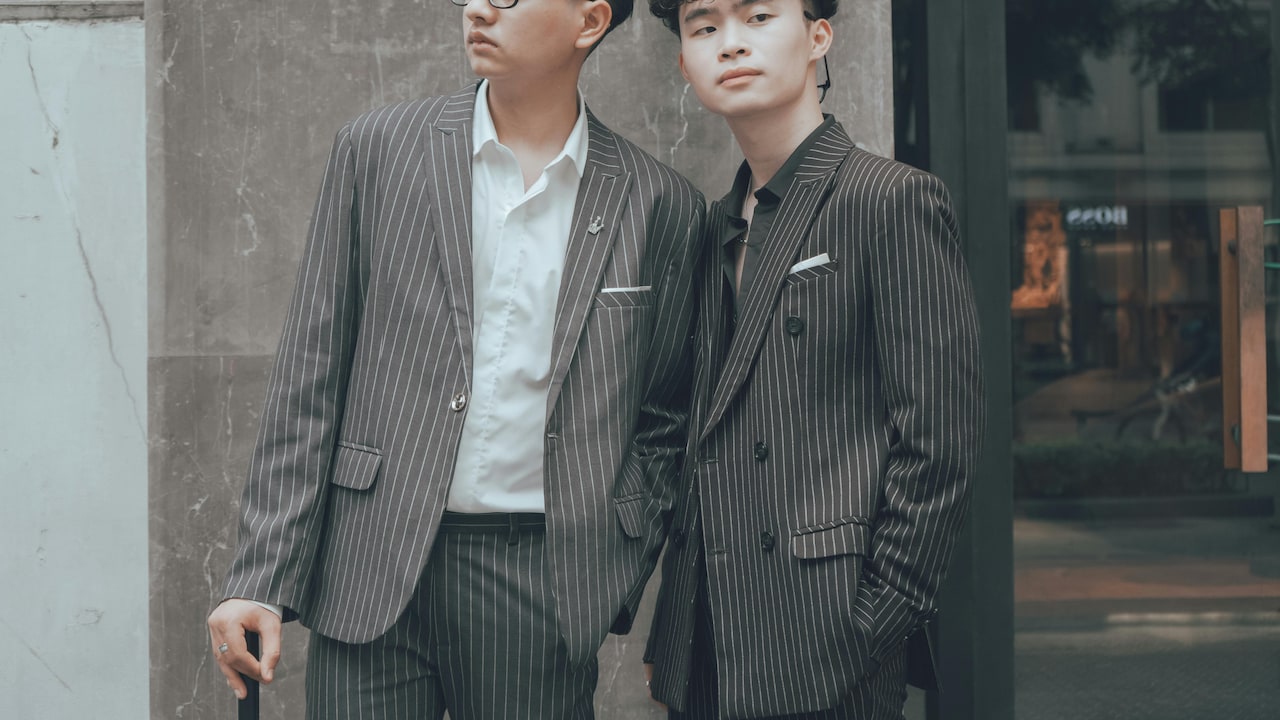
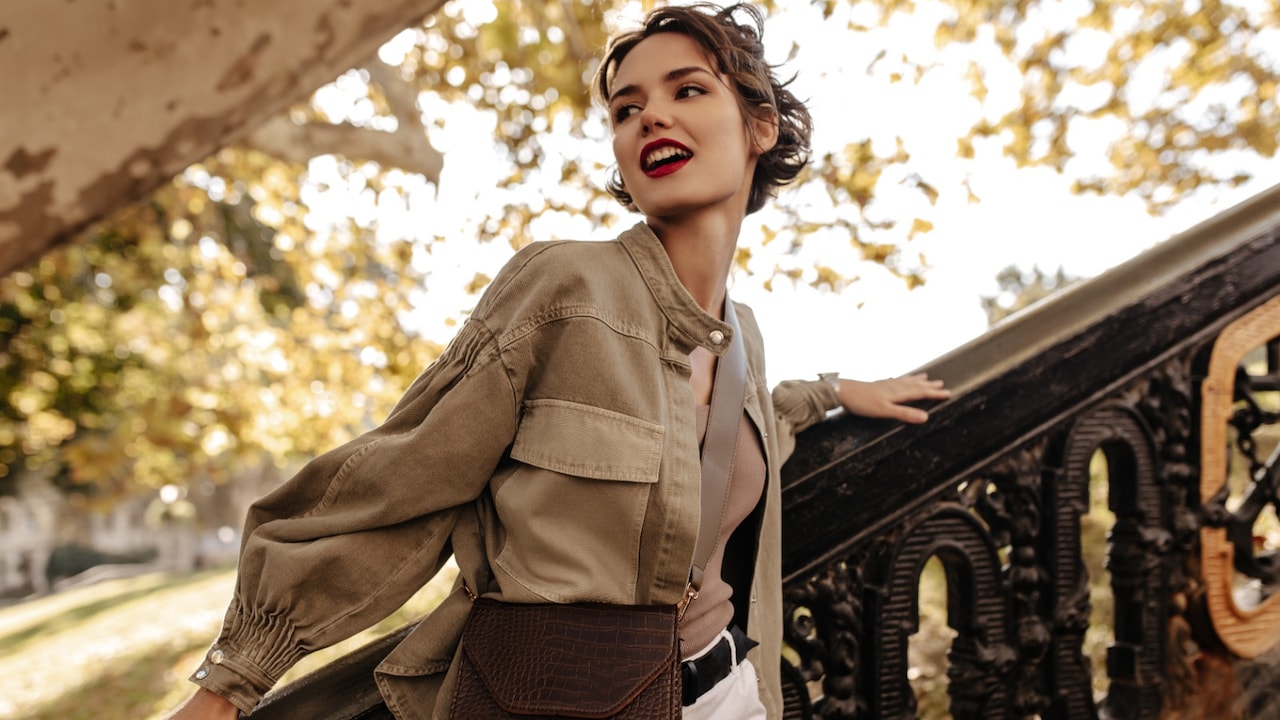
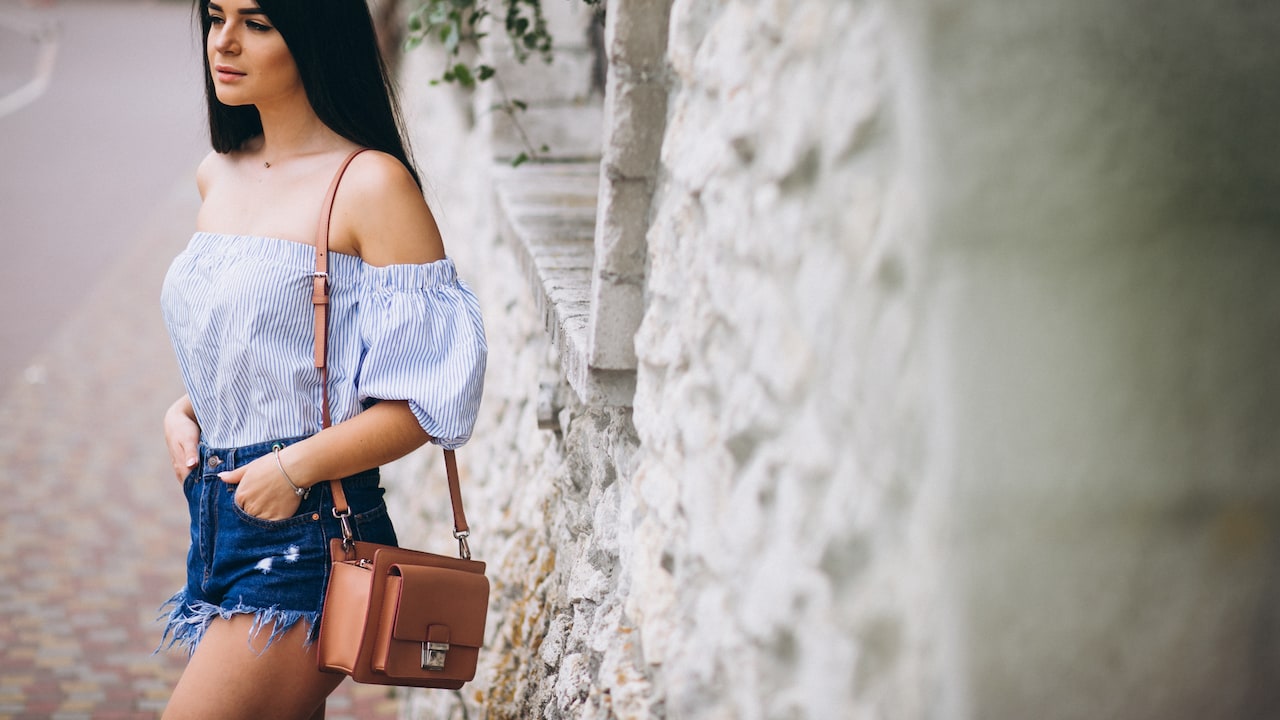
Why Blazers Rarely Fit Men And Women: And The Simple Tailoring Fix; Photo Credit: Pexels
Why Blazers Never Seem to Fit Right: And What's Really Going On
1. Global Sizing, Local Reality
Walk into any high-street store and you'll find racks of blazers neatly sorted by size, 38, 40, 42. But here's the catch: those numbers aren't truly ours. They're based on Western body proportions, where shoulders are broader and torsos narrower. That's why, even when the chest fits well, the shoulders may sit awkwardly high or the sleeves end halfway down the fingers.
Most local men and women have different body compositions, wider midsections, shorter torsos, or sloping shoulders. Global sizing doesn't consider that, so the blazer ends up fighting against the body instead of flowing with it. It's not a matter of shape or fitness; it's just that the template isn't designed for local realities.
The solution starts with awareness. Always remember that “size 40” doesn't mean the same thing across brands or countries. Try before buying, and prioritise comfort over the number on the tag. And if that elusive perfect fit isn't on the rack, that's where a tailor earns his ₹500 magic fee.
2. The Shoulder Problem
If there's one part of a blazer that can't lie, it's the shoulders. They set the tone for the entire silhouette. Yet, this is where most blazers fail spectacularly. Many designs assume sharply structured, square shoulders, but in reality, shoulders tend to slope gently. When a blazer doesn't account for that, it forms a small “tent” near the collarbone or puckers oddly.
Even minor shoulder mismatches create visual imbalance, making a person look stiffer or broader than they are. And no, shoulder pads don't always help; they can make the issue worse, exaggerating bulk rather than enhancing form.
A simple tailoring fix can make magic here. A good tailor will reduce padding, adjust the seam angle, or realign the sleeve head to match natural posture. The difference is striking, it suddenly feels like the blazer was made just for you. That tiny adjustment can turn a store-bought jacket into something that looks custom-fitted at ten times the cost.
Also Read: Best Cotton Blazers For Summer Office Wear In India: Stay Stylish
3. The Battle of the Sleeve Length
Blazer sleeves are a tricky territory. Most ready-made ones assume longer arms than the average local man possesses. The result: sleeves that swallow the wrists, covering the shirt cuffs that are meant to peek out stylishly.
The right sleeve length is critical, it defines the blazer's elegance. Ideally, half an inch of the shirt cuff should be visible. Anything more looks careless; anything less looks borrowed. The trouble is, few brands get it right.
Luckily, this is one of the easiest fixes. A quick alteration costing around ₹300 can trim sleeves to the perfect length. And while you're at it, get the cuffs tapered slightly. A narrow cuff looks sharper, elongates the arm visually, and gives the blazer that bespoke charm. A few stitches here make the difference between looking polished and looking packed.
4. The Misfit at the Waist
Another common complaint is that the blazer feels tight when buttoned, yet loose when open. This happens because most blazers follow a “V” cut meant for narrower waists and broader chests, a shape that doesn't reflect most local physiques.
What's worse, some people size up to make it comfortable, which only shifts the problem upward: the shoulders and sleeves balloon. The blazer then looks boxy and shapeless.
A smart fix involves a subtle nip at the waistline. Tailors can take in fabric at the back seams to define without restricting movement. When done well, this creates that sleek, confident taper that flatters the torso. It's like the garment suddenly wakes up to your proportions. And it usually costs less than a fancy dinner, around ₹400 to ₹600, depending on the shop.
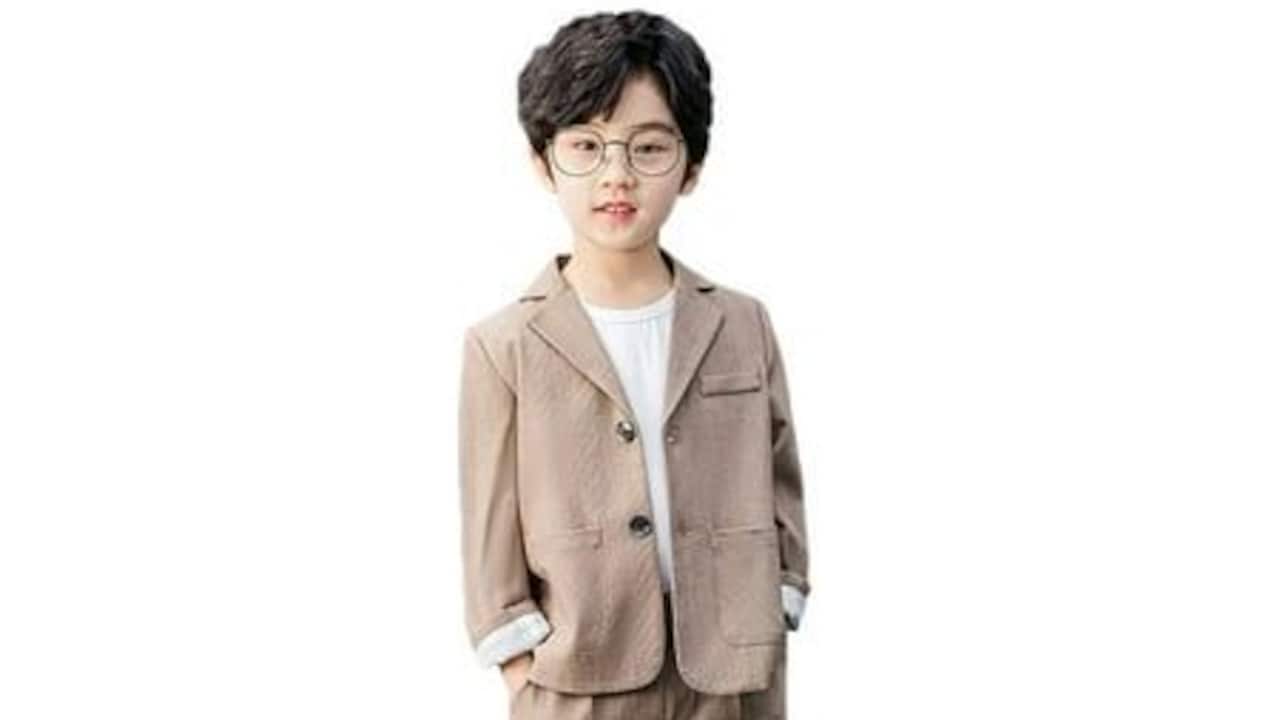
Why Blazers Rarely Fit Men And Women Here: And The Simple Tailoring Fix; Photo Credit: Pexels
5. Fabric That Fights Back
Let's be honest, our weather isn't blazer-friendly. Heavy wool blends designed for cooler climates can feel suffocating. By the time one reaches a wedding or a conference, the blazer clings like cling film.
This mismatch isn't just about comfort, it also affects the fit. Sweating or constant movement can cause stiff fabrics to lose structure, wrinkle awkwardly, and even expand slightly in humid air.
The smarter choice is to opt for lighter fabrics, cotton-linen blends, tropical wool, or lightweight terry wool. They breathe better and drape naturally. Tailors in places like Delhi and Mumbai often recommend these for a reason, they suit both climate and comfort. Choosing the right fabric can instantly improve how a blazer looks and feels, no matter the brand.
6. The Hidden Cost of Bad Posture
Even the best-fitting blazer can betray its wearer if posture isn't right. Slouching causes the back to bunch, shoulders to sag, and sleeves to twist. This makes the fit appear off, even when it's not.
Posture isn't often discussed in fashion, but it plays a major role. People who spend long hours at desks or on their phones tend to develop rounded shoulders and forward necks. The blazer wasn't designed for that pose.
Before rushing to blame the store, try standing straight in front of a mirror. Adjust your shoulders, lift your chest slightly, and see how differently the blazer sits. Some tailors even tweak the back seam to accommodate your natural stance. In the long run, a little attention to posture enhances not just how you wear clothes, but how you carry yourself.
7. The Collar That Won't Behave
That annoying gap between the blazer collar and the shirt? It's a small detail that screams poor fit. It happens when the blazer's back panel doesn't match the natural curve of the neck and shoulders.
Most mass-produced blazers assume an upright posture and a longer neck, but that's rarely accurate. The gap becomes worse when you move or sit, making the collar float away from the shirt like a loose lid.
Fortunately, this isn't a lost cause. A tailor can adjust the collar roll, essentially, how the fabric curves around the neck. It's a delicate fix but one that instantly adds finesse. Once adjusted, the blazer hugs the shirt collar gracefully, as though it's in a long-term relationship rather than a casual fling.
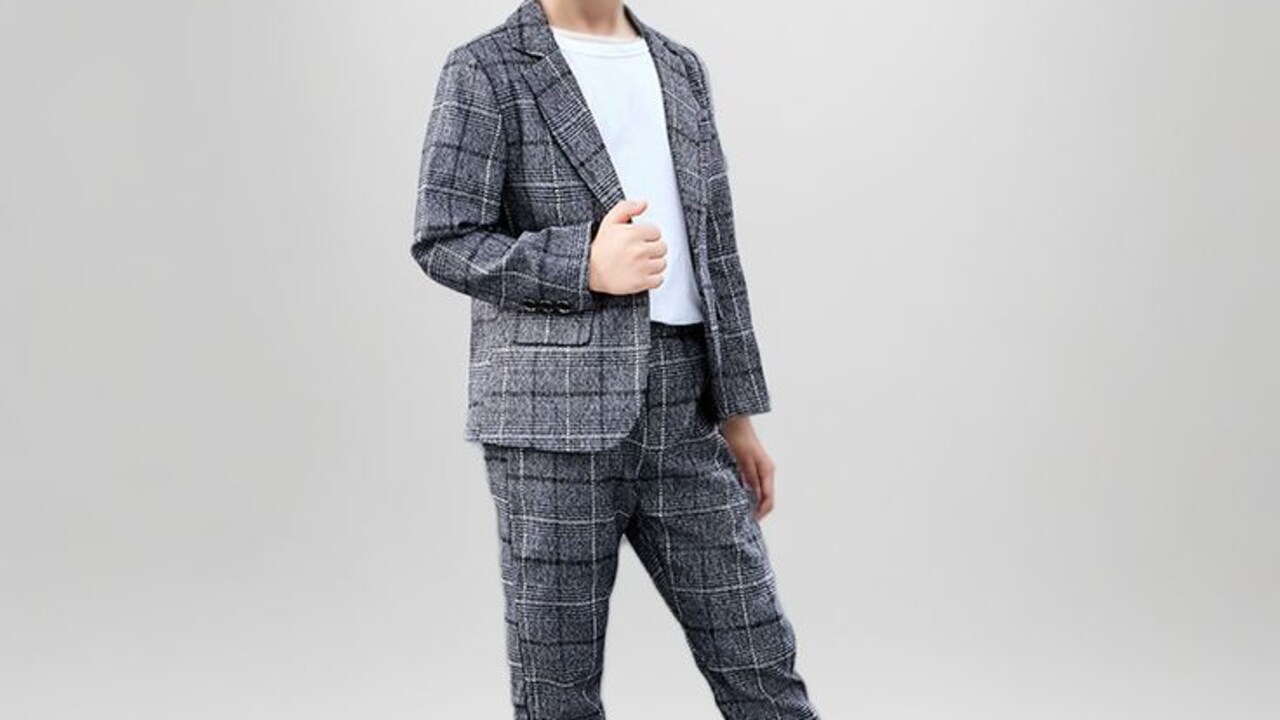
Why Blazers Rarely Fit Men And Women Here: And The Simple Tailoring Fix; Photo Credit: Pexels
8. The Button Stance Dilemma
Button placement can make or break a blazer's silhouette. Many ready-made options have their first button set too high, which shortens the torso visually and makes the midsection look bulkier. Others have it too low, pulling the fabric awkwardly across the belly.
The perfect button stance depends on height and proportions. For most men and women, the button should sit just above the navel, it balances the frame and elongates the legs subtly.
Since moving buttons is relatively simple, this tweak is worth considering. A tailor can shift them slightly, creating that harmonious line that complements posture and build. It's one of those small details that whispers sophistication without shouting for attention.
9. The Trouser Disconnect
A blazer rarely stands alone, it's part of an ensemble. But mismatched trousers often ruin the effort. Many reach for whatever's clean and “almost matches”, leading to odd combinations of textures or tones.
If the blazer is structured and formal, pairing it with lightweight chinos can make the proportions feel off. Conversely, pairing a soft cotton blazer with stiff dress trousers feels disjointed.
The trick is balance. When buying or altering a blazer, bring along the trousers you plan to wear with it. This helps the tailor align the length, cuff, and overall drape for harmony. And always check how the blazer looks while sitting, creases can reveal if the length is right. It's the kind of thoughtful coordination that elevates a look without extra expense.
10. The Tailoring Fix, Smart, Simple, and Worth It
Here's the comforting truth: nearly every problem listed above has a fix. The secret lies not in splurging on a designer label but in investing a little time with a reliable local tailor. For under ₹2,000, one can fine-tune fit, sleeve, waist, and collar to perfection.
The process itself is rewarding. There's something personal about a tailor noting every detail, how you stand, where you bend, how the jacket sits when you exhale. It turns clothing into craft.
In a world of fast fashion, this bit of care brings back elegance. Tailoring gives personality to a blazer that might otherwise hang lifelessly on a hanger. And once you've experienced a jacket that fits like a handshake, you'll never settle for “off-the-rack” comfort again.
Products Related To This Article
1. All about you Women Grey Melange Solid Smart Casual Blazer
2. Mast & Harbour Single-Breasted Smart Casual Blazer
3. TJ FASHION Single-Breasted Notched Lapel Blazer With Ribbed Crop Camisole
4. INVICTUS Slim Fit Corduroy Single-Breasted Semiformal Blazer
5. Mr Bowerbird Men Green And Navy Blue Checked Single Breasted Tailored Fit Tweed Blazer
A blazer isn't just fabric and buttons, it's confidence stitched into form. The reason it so often fails isn't because the wearer lacks style, but because the system of sizing ignores real shapes and daily comfort. Once a skilled tailor gets involved, that disconnect disappears.
Whether it's the shoulders, sleeves, or waistline, small corrections can transform how one looks and feels. And in a society where first impressions matter, at job interviews, weddings, or dinner meetings, that transformation is priceless.
So, next time a blazer doesn't fit quite right, don't give up or blame yourself. Take it to the tailor around the corner, invest a little patience and ₹1,500, and watch it come alive. Because a well-fitted blazer doesn't just fit the body, it fits the moment, the mood, and the man wearing it.