How To Choose Sunglasses For Your Face Shape: The Complete Guide
Stop guessing in the sunglasses aisle. Learn how to choose frames that suit your face shape, balance your features, and feel comfortable, so every pair looks intentional, not accidental.
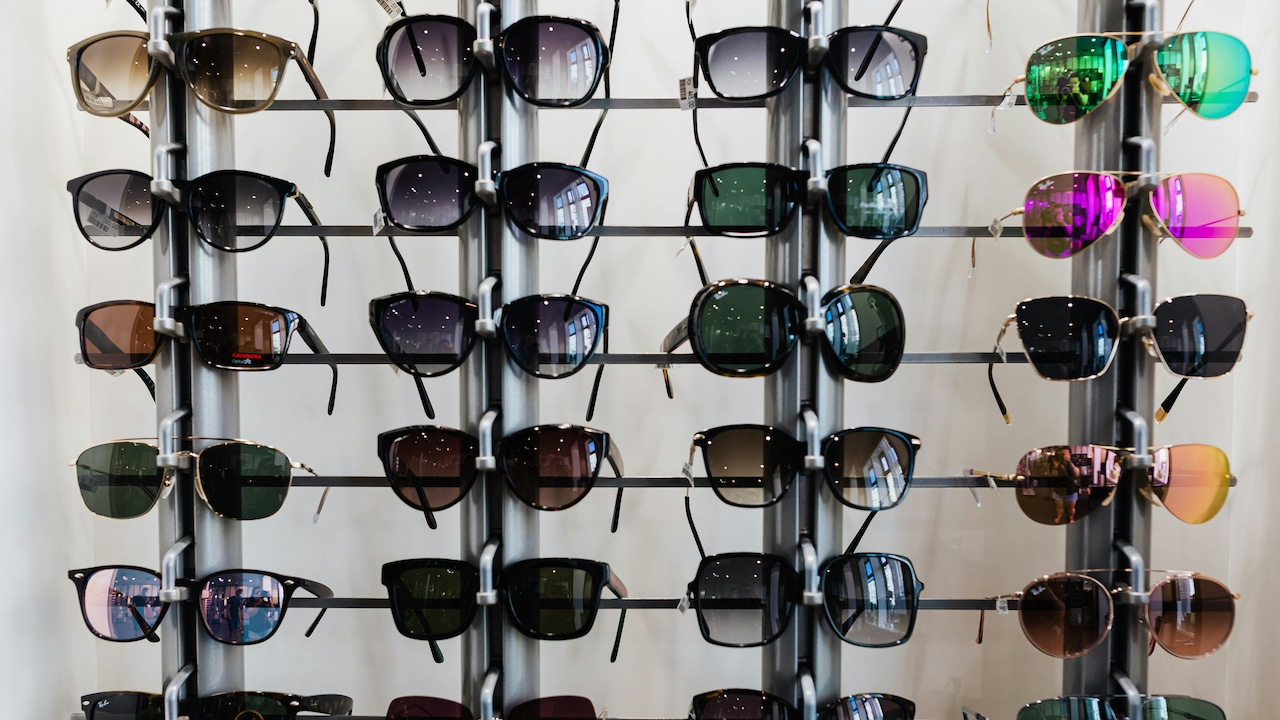
Sunglasses Shopping Made Easy: Learn How To Select Frames That Match Your Face Shape.
Sunglasses have a special power. They can make a regular outfit look intentional, hide a rough night's sleep, and add instant confidence on a crowded street. They also protect your eyes from harsh sunlight, dust, and that dramatic squint you do when the afternoon sun hits just right.
But shopping for them can be oddly stressful. You try one pair and feel like a film star. You try another, and suddenly your face looks… unfamiliar. People blame trends, brands, or luck. The real secret sits in something far simpler: balance.
Every face has its own proportions. The right frames don't “fix” anything. They simply work with your natural lines, like a good haircut or a well-fitted kurta. Once you know what shapes complement your face, shopping becomes less trial-and-error and more “Oh, this makes sense.”
So if you've ever stood in front of a mirror holding sunglasses like a confused detective, this one's for you.
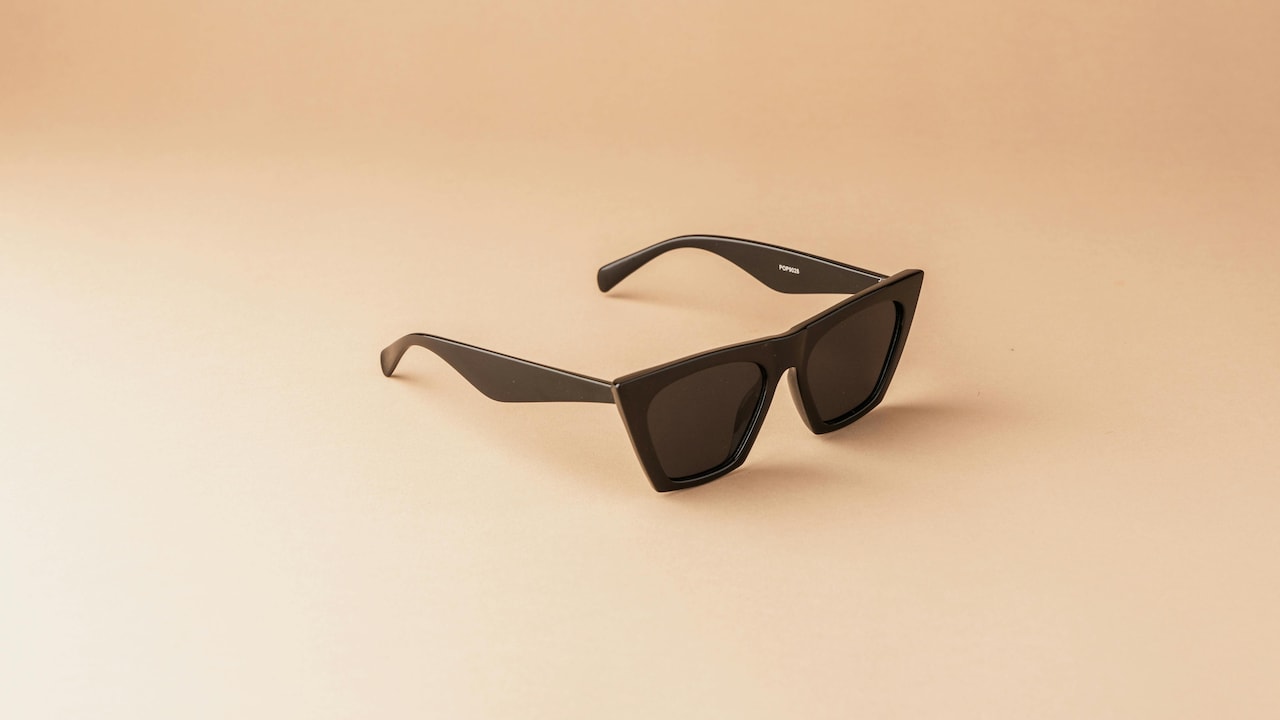
Sunglasses Shopping Made Easy: How To Select Frames That Match Your Face Shape
Photo Credit: Pexels
Your Face Shape Guide: Find Frames That Actually Suit You
1) Start With the Mirror Test: Finding Your Face Shape Without Overthinking
Before picking frames, it helps to know your face shape. Not in a strict, dramatic way, no one needs to label themselves like a geometry textbook. This is just about understanding proportions.
The easiest way is the mirror test. Stand in front of a mirror with your hair pulled back. Look at the widest part of your face. Is it your forehead, your cheekbones, or your jaw? Then notice your jawline. Is it soft and rounded, sharp and angular, or narrow and pointed? Finally, check the overall length. Does your face look roughly as wide as it is long, or clearly longer?
A lot of people fall somewhere between two shapes, and that's completely normal. Face shapes are not fixed categories. They're more like “vibes” with structure. If your face looks balanced and rounded, you're probably closer to oval or round. If your jaw is strong and your forehead is broad, you're leaning square. If your face is longer with softer lines, you might be oblong.
Once you get a rough idea, the rest becomes much easier and far less frustrating.
2) The One Rule That Works for Everyone: Contrast Creates Magic
Here's the simplest principle in sunglasses styling: contrast flatters. If your face has soft curves, frames with angles often look striking. If your face has sharp angles, rounded frames can soften and balance things out.
This is why the same sunglasses can look totally different on two people. A square face paired with sharp, boxy frames can feel too intense. A round face paired with very round frames can sometimes look overly cute when you want something more polished.
Think of it like food. A plate feels more exciting when it has both crunch and softness. Sunglasses work similarly. You want your frames to bring in what your face shape has less of.
That doesn't mean you must avoid certain styles. It just means you'll know why one pair makes you look instantly “put together” while another makes you look like you borrowed someone else's glasses in a hurry.
Once you start spotting contrast, shopping turns into a fun game. You'll see frames and immediately think, “This will balance my jawline,” or “This will add definition.” It's strangely satisfying.
3) Round Faces: Add Structure Without Going Too Severe
A round face usually has softer lines, fuller cheeks, and a similar width and length. The charm here is warmth. The goal with sunglasses is not to hide that softness, but to add a little structure so your features look more defined.
Frames with angles work beautifully: rectangular, square, and wayfarer styles are often instant winners. They create a visual “lift” and make the face appear slightly longer. Frames that sit a bit wider than your cheekbones also help, because they prevent the glasses from looking cramped.
That said, super sharp, harsh frames can sometimes feel too strict. The sweet spot tends to be structured but not aggressive. A slightly rounded rectangle can look brilliant, clean, modern, and flattering.
If you love round sunglasses, don't panic. You can still wear them. Just look for round frames that are slightly oversized, or those with a strong brow line. A little thickness in the frame can stop the look from becoming overly circular.
Think of it like adding a crisp blazer over a soft outfit. You keep the comfort but gain definition.
4) Square Faces: Soften the Angles and Let the Frames Flow
Square faces usually have a broad forehead, strong jawline, and fairly straight sides. The look is bold and striking. Sunglasses can either enhance that power or soften it, depending on what you want.
If you want balance and harmony, curved frames work best. Round and oval sunglasses are classic choices because they smooth out the sharper angles. Aviators also suit square faces extremely well, especially if they have a slightly curved lens shape.
Frames with thinner rims can look elegant because they don't add extra heaviness to the jawline. If you go for thick frames, choose ones with rounded edges rather than sharp corners.
One style that often surprises people with square faces is the cat-eye. Not the dramatic, tiny kind, more the modern, slightly lifted version. It adds an upward sweep and gives a refined, stylish look.
Avoid very boxy frames that mirror your jawline too closely, unless you specifically want a strong, edgy aesthetic. Otherwise, it can feel like your face is doing all the work while the frames shout over it.
The best look usually feels like a smooth conversation between your features and the glasses.
5) Oval Faces: The Lucky Shape, With One Small Warning
Oval faces are often called the “easy” shape because the proportions are naturally balanced. The forehead and jawline are slightly narrower than the cheekbones, and the face length is a bit longer than the width. Most frames look good on this shape.
That said, even oval faces have a few guidelines. The main one is scale. Because the face is balanced, extremely oversized frames can sometimes overwhelm it, while very tiny frames can look a bit lost. The best frames tend to match the width of the face or sit slightly wider.
This is where you can have fun. Wayfarers, aviators, round frames, cat-eye, rectangular, almost everything is on the table. If you want a more professional look, clean rectangular frames work well. If you want playful weekend energy, round frames or coloured lenses can look great.
The small warning is this: don't let “everything suits you” become “anything will do.” The difference between a good pair and a great pair often comes down to fit and comfort.
An oval face gives you freedom, but comfort still decides whether you'll actually wear them beyond the first week.
6) Heart-Shaped Faces: Balance the Forehead and Lighten the Top
A heart-shaped face usually has a wider forehead and cheekbones, with a narrower chin. It can look youthful, expressive, and very photogenic. The trick with sunglasses is to balance the top half so the face doesn't look top-heavy.
Frames that are slightly wider at the bottom can work nicely, but you don't need anything dramatic. Aviators are a strong choice because they naturally taper down and create a balanced look. Round frames also suit heart-shaped faces well, especially if they aren't too small.
Lighter frames often look better than heavy, thick ones. If the top rim is very bold, it can emphasise the forehead too much. Instead, consider thin metal frames, rimless styles, or frames with subtle detailing rather than chunky thickness.
Cat-eye frames can look stunning too, but it depends on the shape. A softer cat-eye with a gentle lift works better than a sharp, extreme one.
If you've ever tried on sunglasses and felt like your forehead appeared larger than usual, it's usually because the frame had too much visual weight at the top. A lighter design fixes that quickly.
7) Diamond Faces: Highlight the Cheekbones Without Fighting Them
Diamond face shapes are less common, but they're memorable. The cheekbones are the widest point, while the forehead and jawline are narrower. The overall effect is sculpted and elegant.
Sunglasses should work with those cheekbones, not compete with them. Frames that have a strong brow line can be flattering because they add balance to the narrower forehead. Cat-eye frames also look fantastic on diamond faces, because they echo the cheekbones while lifting the overall look.
Oval frames are another safe, flattering choice. They soften the angles and keep attention on the eyes. Rimless or semi-rimless designs can look particularly stylish because they don't add bulk.
What to avoid? Very narrow frames that sit right on the cheekbones and feel tight. Those can exaggerate width and look uncomfortable. Also, extremely boxy frames can sometimes clash with the natural angles of the face.
If you want a simple mental picture: your cheekbones are already doing the glamorous work. The sunglasses should support them, not steal the spotlight.
8) Oblong Faces: Add Width, Break the Length, Look Effortless
Oblong faces are longer than they are wide, often with a straight cheek line and a gentle jaw. The goal with sunglasses is to create the illusion of more width and reduce the sense of length.
Oversized frames tend to work brilliantly here. They add presence and visually shorten the face. Large square frames, big round frames, and chunky wayfarers are all strong options. The key is to avoid frames that are too narrow or small, because they can make the face look even longer.
Frames with decorative temples or a thicker side detail can also help because they add width. Even a subtle pattern or a slightly wider arm can change the overall balance.
Another good trick is to choose frames with a low bridge or deeper lenses. This helps break up the vertical length of the face. Sunglasses that sit too high can make the face look stretched.
Oblong faces also look great in retro styles. Think big, confident frames that feel like a statement. If you've ever wanted to try bold sunglasses but hesitated, this face shape often carries them effortlessly.
9) Fit Matters More Than People Admit: Comfort, Nose Bridges, and Sliding Drama
Face shape is important, but fit is what decides whether sunglasses become your daily favourite or a forgotten accessory.
A common problem in hot weather is sliding. You step out, start walking, and suddenly you're pushing your sunglasses up every ten seconds. Not stylish. Not relaxing. This usually happens when the bridge doesn't suit your nose or when the arms are too loose.
Check three things. First, the sunglasses should sit comfortably on the nose without pinching. Second, they should not touch your cheeks when you smile. Third, the arms should hold the frames securely without squeezing your temples.
People often ignore this because the mirror makes everything look fine. But real life involves walking, sweating, turning your head, and surviving traffic. Comfort is not optional.
Also, pay attention to lens size. If your sunglasses are too wide, they can tilt. If they're too narrow, they can press into your face and leave marks. A good fit feels almost weightless.
Even a ₹800 pair can feel premium if it fits well. And even a ₹12,000 pair can feel annoying if it doesn't.
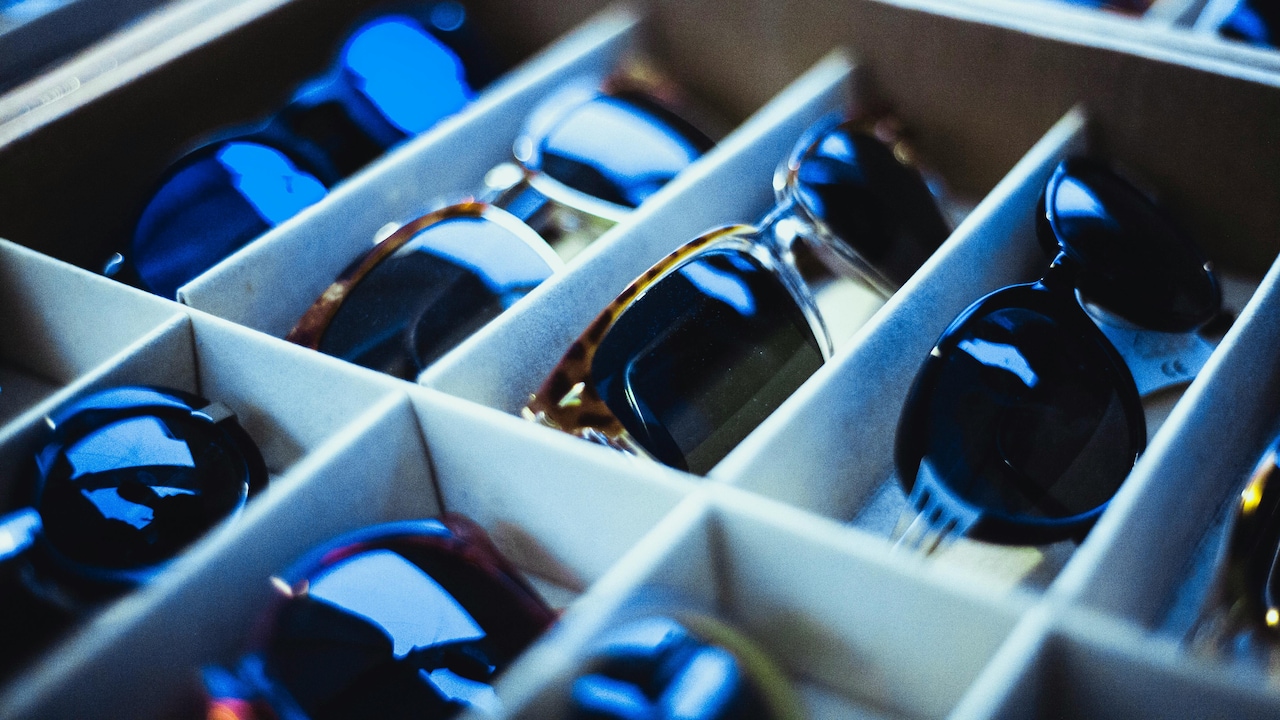
Sunglasses Shopping Made Easy: How To Select Frames That Match Your Face Shape
Photo Credit: Pexels
10) Style and Practicality: Choosing Lenses and Frames for Real Life
A pair of sunglasses isn't just about the selfie moment. It's about daily life: heat, dust, driving, commuting, and long afternoons outdoors.
If you drive often, polarised lenses can reduce glare and make things more comfortable. If you spend time outside, UV protection matters more than lens colour. Dark lenses without UV protection are actually worse than no sunglasses, because your pupils dilate and let in more harmful rays.
Lens colour is also worth thinking about. Grey lenses feel neutral and versatile. Brown lenses can enhance contrast and feel warm. Green lenses offer a balanced tone. Blue or pink lenses can look fun, but they aren't always practical for long wear.
Frame material matters too. Metal frames feel sleek but can get hot. Plastic frames can feel sturdy but may feel heavier. In peak summer, lightweight frames often win.
And yes, trends matter, but only if they fit your life. If you spend your day on a two-wheeler, tiny fashion frames might look cool, but they won't protect your eyes properly.
The best sunglasses are the ones you'll actually wear every day, not just the ones that look good for five minutes.
Products Related To This Article
1. Zaadran Cat Eye Sunglasses
2. Vintage Wrap Around Sunglasses
3. Dkeraod Retro Square Round Sunglasses
4. Youth Club Retro Square Wrap Around Sunglasses
5. Spadeaces Retro Square Sunglasses
Sunglasses shopping doesn't need to be confusing, intimidating, or full of regret. Once you understand your face shape and the idea of balance, the process becomes surprisingly simple. You stop guessing. You start choosing.
The right frames don't change your face. They highlight it. They bring out your best angles, soften what feels sharp, sharpen what feels soft, and make you look like you meant to look this good all along.
And when you finally find that perfect pair, the one that fits comfortably, flatters your features, and makes you feel quietly confident, you'll understand why sunglasses are more than an accessory. They're a mood, a shield, and a little everyday luxury.
So next time you're browsing online or standing under bright store lights trying on frames, remember: it's not about finding “the best sunglasses.” It's about finding the best sunglasses for you.
(Disclaimer: This article may include references to or features of products and services made available through affiliate marketing campaigns. NDTV Convergence Limited (“NDTV”) strives to maintain editorial independence while participating in such campaigns. NDTV does not assume responsibility for the performance or claims of any featured products or services.)