Why Chiffon Sarees Keep Slipping And How Fabric Weight Changes Everything
Chiffon sarees slip because their lightweight, smooth texture lacks grip. Understanding fabric weight, drape, and styling essentials can turn this elegant wardrobe staple into a comfortable, confidence-boosting choice.
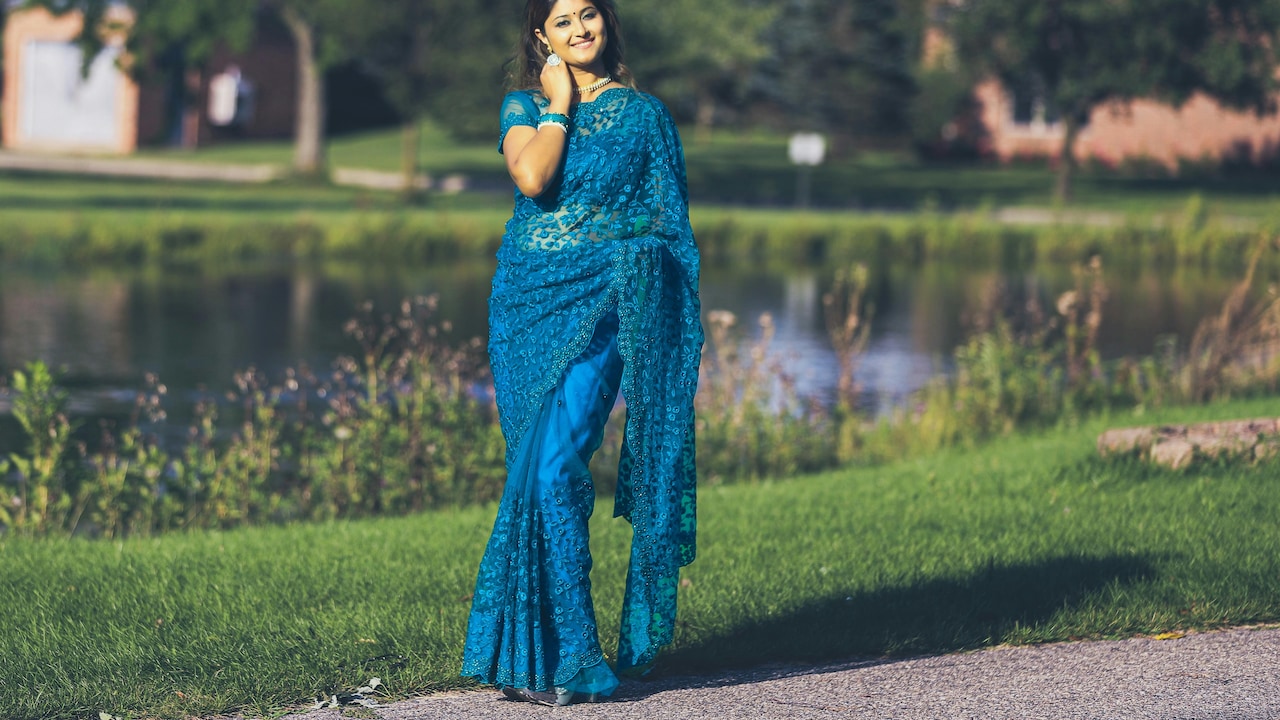
Things to know about chiffon sarees before buying your next one for a more flattering look
Chiffon sarees have long held a special place in wardrobes, admired for their soft flow, dreamy movement, and understated glamour. They carry an effortless elegance, perfect for festive evenings, weddings, office parties, or even a simple family gathering. There is something undeniably enchanting about the way chiffon floats with every step, creating that classic cinematic charm. Anyone who has spent an evening discreetly adjusting pleats in front of relatives or pinning the pallu for dear life understands the struggle. The issue often feels like poor draping skills, but that is only part of the story. The real culprit often comes down to the weight of the fabric itself.
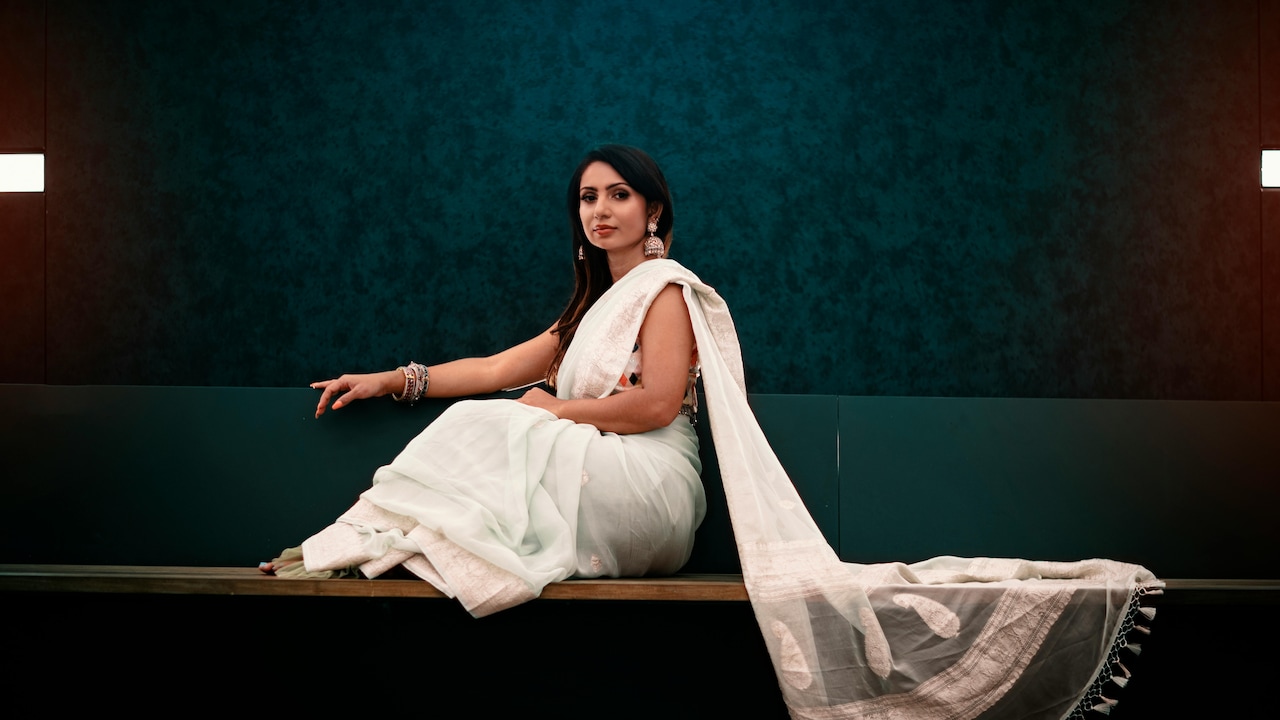
Read about the role of fabric weight in chiffon sarees; Photo Credit: Pexels
Fabric weight influences how a saree falls, grips, and stays secure. Lighter materials like chiffon naturally move more, which can create constant shifting. Understanding this transforms saree shopping, styling, and confidence.
The difference between a saree that glides beautifully and one that becomes a wardrobe headache often lies in these subtle details.
Also Read: Explore These Sarees Which Never Disappoints
Why Chiffon Sarees Keep Slipping And How Fabric Weight Changes Everything
The Feather-Light Nature Of Chiffon
Chiffon's biggest strength is also its greatest weakness. This fabric feels light as air, making it incredibly comfortable, especially during warmer months when heavy silks can feel overwhelming. Its breezy texture allows easy movement and delivers that sought-after, graceful silhouette.
However, because chiffon weighs so little, it lacks the natural anchoring that heavier fabrics provide. Unlike cotton or silk blends that settle firmly, chiffon tends to shift with every movement. Walking, sitting, or even a slight breeze can disrupt carefully arranged pleats.
This airy quality means chiffon often demands more attention throughout the day. While it looks effortlessly stylish, maintaining that polished appearance can require repeated adjustments.
For many, this explains why chiffon feels glamorous yet slightly unpredictable.
Smooth Texture Reduces Grip
Texture plays a crucial role in saree stability. Chiffon typically has a smooth, slippery finish, which means it struggles to hold onto blouse fabrics or petticoats effectively.
When paired with satin underskirts or synthetic blouses, the problem worsens dramatically. The layers simply slide over each other, creating constant movement. This can make even expertly draped sarees feel unstable.
In contrast, sarees made from textured or heavier materials create friction naturally, helping them stay in place longer.
This is why experienced saree wearers often focus not just on the saree itself but also on the supporting fabrics beneath it. A cotton petticoat or well-fitted blouse can significantly improve grip.
Sometimes, solving the slipping issue is less about the saree and more about what supports it.
Fabric Weight Shapes Pleat Structure
Pleats form the heart of saree draping. Crisp pleats create structure, elegance, and ease of movement. Unfortunately, chiffon's lightweight character often makes pleats softer and less defined.
Instead of holding sharp lines, chiffon pleats can loosen quickly, particularly during long events. The result often feels messy despite careful preparation.
Heavier fabrics naturally maintain pleat shape because their weight adds structure. Chiffon, on the other hand, requires strategic pinning or precise folding to mimic this effect.
This explains why some chiffon sarees seem manageable while others feel impossible. Slight variations in weave density or added embellishments can dramatically improve stability.
The more weight a saree carries, even subtly, the better its chances of staying beautifully arranged.
Petticoat Choice Can Make Or Break The Look
Many saree mishaps begin with the wrong petticoat. Lightweight chiffon demands a petticoat that offers a strong grip and support.
Cotton petticoats often work best because they create friction, reducing slippage. Mermaid-cut petticoats can also help by offering a snugger fit that supports draping.
Silk or satin petticoats, though visually appealing, often worsen chiffon's tendency to slide. This combination can turn even a short function into a constant battle with shifting pleats.
Investing ₹800 to ₹1,500 in a quality petticoat may sound excessive, but it can completely transform the wearing experience.
The right foundation often matters as much as the saree itself.
Humidity And Climate Add To The Challenge
Climate can quietly influence saree behaviour more than expected. In humid weather, chiffon may cling awkwardly in some areas while slipping in others, creating inconsistent draping.
Monsoon weddings or summer functions can amplify these issues. Sweat, moisture, and movement all interact with chiffon's delicate texture, sometimes making the saree harder to manage.
Heavier fabrics often handle environmental changes better due to their stability. Chiffon's sensitivity makes preparation essential.
Choosing anti-slip pins, breathable blouses, and secure draping techniques becomes particularly important in such conditions.
A saree suitable for an air-conditioned banquet may behave very differently at an outdoor celebration.
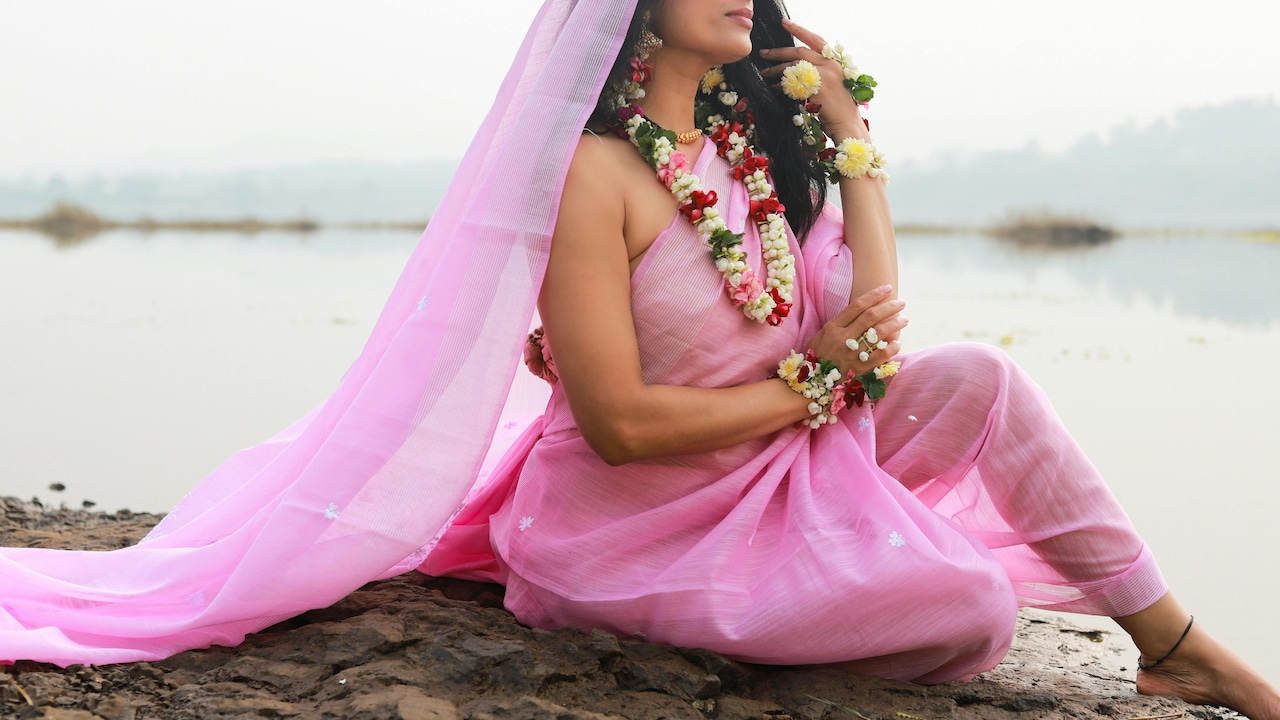
Climate can also make chiffon sarees cling to some areas awkwardly; Photo Credit: Pexels
Embellishments Can Improve Stability
Interestingly, added design elements often serve more than decorative purposes. Borders, embroidery, sequins, or stonework can increase the saree's overall weight, helping anchor the drape.
A heavily bordered chiffon saree usually stays in place better than a plain version because the additional weight creates balance.
This subtle enhancement improves pallu control and pleat stability without sacrificing chiffon's signature fluidity.
When shopping, paying attention to border construction can make a practical difference.
Beauty and function often work hand in hand.
Draping Technique Matters More With Chiffon
Chiffon requires greater precision than sturdier fabrics. Loose draping methods that work beautifully for cotton or silk may lead to chaos with chiffon.
Securing pleats firmly, pinning strategically, and maintaining balanced tension are essential. Small errors can quickly escalate into visible slipping.
Many seasoned wearers develop personalised methods, from double pinning to using textured waistbands.
While chiffon may initially seem difficult, mastering its nuances creates stunning results.
Like making the perfect cup of masala chai, success lies in the finer details.
Modern Blouse Designs Can Help
Blouses today offer more than style. Structured blouses with textured fabrics, better fits, and supportive cuts can dramatically improve saree stability.
Velvet, raw silk, or cotton-lined blouses create stronger friction against chiffon than synthetic alternatives.
This means contemporary blouse choices can reduce slipping while enhancing overall appearance.
Fashion increasingly blends practicality with elegance, proving comfort need not compromise style.
The blouse has quietly become an engineering tool in saree draping.
Occasion Should Guide Fabric Choice
Not every event suits chiffon equally. While chiffon shines at elegant dinners, receptions, or formal gatherings, it may prove challenging for long ceremonies or highly active occasions.
Choosing slightly heavier georgette or chiffon blends for demanding events can preserve aesthetic appeal while improving comfort.
Understanding fabric behaviour allows smarter wardrobe decisions rather than purely emotional purchases.
Sometimes the prettiest saree on the hanger may not be the easiest to wear for six straight hours.
Style becomes far more enjoyable when practicality joins the conversation.
Confidence Comes From Understanding Fabric
Many people blame themselves when chiffon proves difficult, assuming poor draping skills are entirely responsible. In reality, fabric science plays a major role.
Recognising how weight, texture, and structure affect wearability empowers smarter choices.
Rather than struggling endlessly, informed styling creates ease and confidence.
A well-chosen chiffon saree, paired with the right support, can absolutely become a wardrobe triumph instead of a fashion frustration.
Knowledge changes everything.
Products Related To This Article
1. KALINI Floral Batik Dyed Chiffon Saree
2. Sangria Floral Printed & Embellished Saree With Blouse Piece
3. Mitera Ethnic Motifs Zari Saree
4. RACHNA Ombre Poly Chiffon Ready To Wear Saree
5. RATAN Women Chiffon Floral Printed Saree Without Blouse Piece
6. Varanga Floral Poly Chiffon Designer Saree
7. QISSA Embellished Mirror Work Dhoti Saree
Chiffon sarees continue to captivate because they embody softness, sophistication, and timeless beauty. Their flowing elegance remains unmatched, offering a charm few fabrics can rival.
Yet their tendency to slip often stems not from personal error, but from the very qualities that make them special. Lightweight construction, smooth texture, and delicate drape all contribute to their behaviour.
Understanding fabric weight unlocks the secret to wearing chiffon successfully. From selecting better petticoats and blouses to choosing embellished designs and mastering draping techniques, small adjustments create dramatic improvements.
Fashion should feel empowering, not exhausting.
With the right knowledge, chiffon sarees can move from a frustrating wardrobe challenge to an effortless style statement, proving that sometimes, the smallest details carry the greatest impact.
(Disclaimer: This article may include references to or features of products and services made available through affiliate marketing campaigns. NDTV Convergence Limited (“NDTV”) strives to maintain editorial independence while participating in such campaigns. NDTV does not assume responsibility for the performance or claims of any featured products or services.)