Saree Draping Guide for Beginners: Simple Tricks To Keep Pleats And Pallu In Place
Saree Draping Guide for Beginners: A saree can look timeless on anyone, but only when the pleats behave, and the pallu stays put. Explore simple tricks, cultural warmth, and a touch of humour to help beginners drape confidently without battling a rebellious fabric.
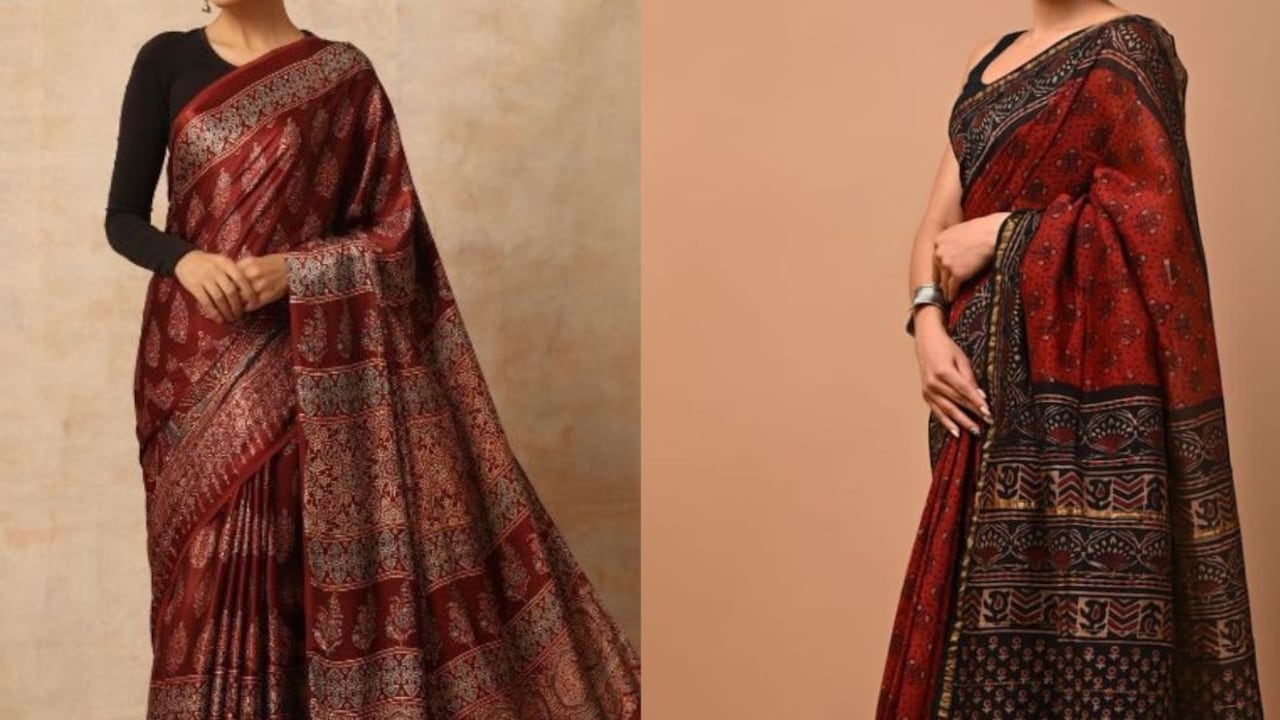
Saree Draping Guide For Beginners: How To Make Drapes And Fabrics Stay In Place.
A saree often feels like magic stitched into six yards. It sways, glows, and carries a quiet elegance that turns even an ordinary day into a celebration. Many beginners admire its grace from afar, but step back when thoughts of slipping pleats and wandering pallus creep in. A few tremble at the idea of wearing one to a function, terrified that the saree may loosen during a quick sprint to catch an auto or a hurried walk through a crowded market.
This guide brings calm to that chaos. With practical hacks, relatable scenarios, and a friendly tone, the goal is simple: help any beginner drape a saree with confidence. These pointers lean on experienced dressers, neighbourhood aunties, boutique stylists, saree, and those who have survived weddings, office parties, and family gatherings with a saree that stayed perfectly in place from start to finish.
Let's walk you through this saree draping guide for beginners that highlights simple tricks to keep pleats and pallu in place. These essentials show you how to drape a saree in easy, secure, and joyful ways.
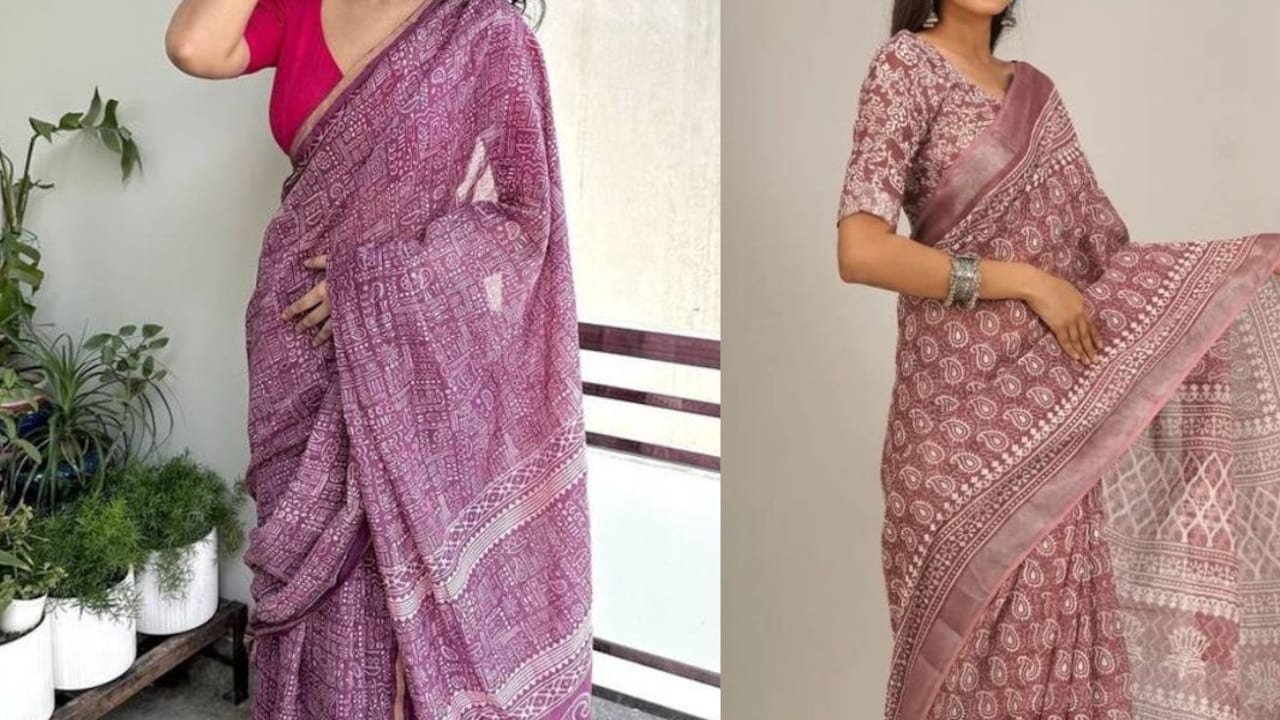
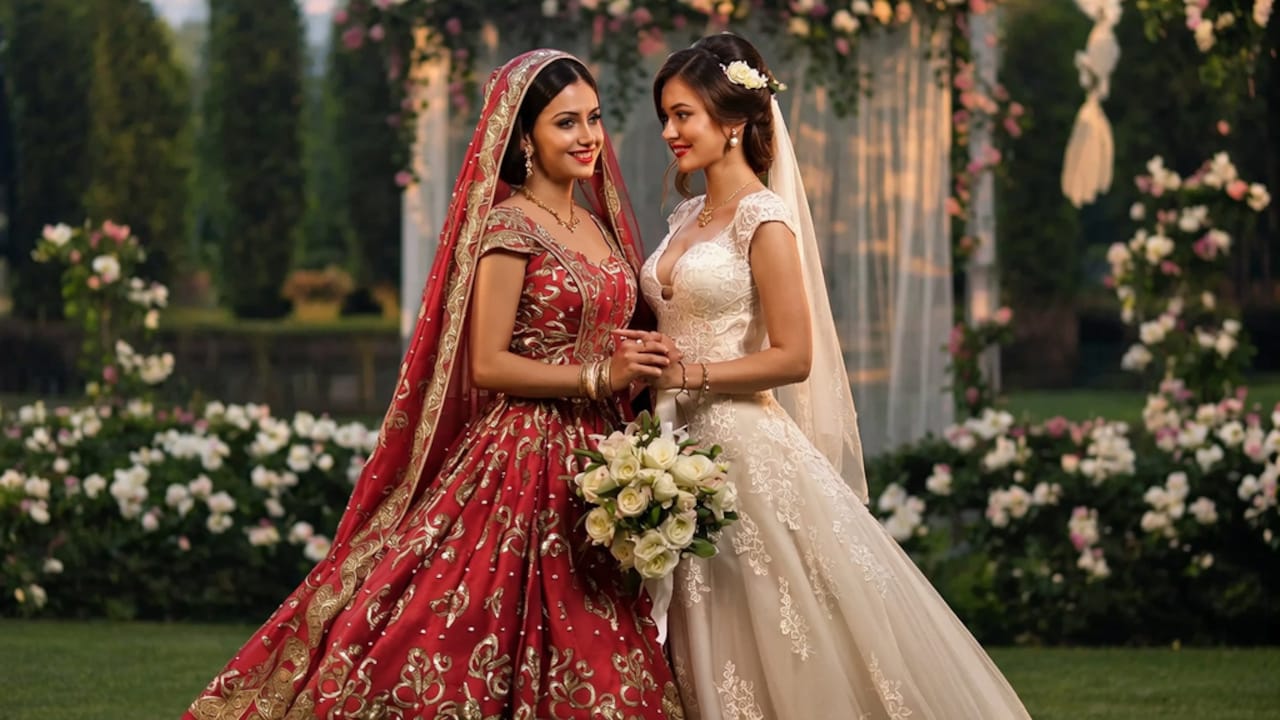
Saree Guide For Beginners: How To Make Drapes And Fabrics Stay In Place; Photo Credit: Pexels
How To Keep Your Saree In Place: A Beginner's Toolkit
1. Start With the Right Petticoat Fit
A saree rests entirely on the petticoat, so its fit shapes everything that follows. A loose drawstring leaves the saree struggling for grip, while an overly tight waistband creates discomfort before the event even begins. A well-fitted petticoat sits snug on the waist, offers stability, and allows the saree to move without sliding. Many beginners notice that the saree dips at one side or tugs away from the waist, often due to a loose tie. A firm knot solves this instantly.
Fabric matters as well. Cotton petticoats give a good hold for most sarees, especially silk and chiffon. Satin petticoats feel soft but sometimes slip, so beginners may skip them at first. Side slits help with movement, making staircases, ceremonies and dance floors far easier to manage. A waistline that stays flat helps the saree fall neatly. Choosing a matching colour avoids the awkwardness of a bright petticoat peeking through photos of a wedding album.
With the right petticoat, half the battle is already won. The saree sits better, pleats behave, and the entire drape builds on a strong and comfortable foundation.
2. Use a Strong, Textured Blouse for Better Grip
A blouse gives the saree its upper hold, especially for the pallu. When the blouse fabric feels smooth, like satin, velvet or certain poly-blends, the pallu often slides off. Beginners often panic when the pallu keeps drifting every few minutes. A blouse with a bit of texture solves the problem and helps the fabric stay put.
Cotton blends, raw silk, brocade and jacquard blouses grip well. Even net sleeves with embroidered details create enough texture to support the pallu. Well-fitted shoulder seams help keep everything aligned. A slipping blouse often comes from loose shoulders rather than the fabric alone.
A blouse also shapes posture. When the fit around the shoulders feels firm, walking becomes graceful and confident. It supports movement when greeting guests, taking blessings, or enjoying a dance at a late-night sangeet. With a secure blouse, the pallu stays where it belongs without constant adjustments.
Also Read: Discover The Charm Of Kalamkari Sarees And Check The Top 10 On Myntra
3. Master the Tuck: Small, Even Sections Create Stability
Every saree drape begins with the first tuck, and this single step sets the tone for the entire outfit. Beginners often create big tucks, uneven sections or rushed gathers. These mistakes cause a bulky waistline, pleats that refuse to fall neatly, and edges that pop out after a short walk.
A smooth tuck involves taking small, even sections and securing them firmly into the waistband. The fabric should feel steady without digging into the stomach. The edge must sit flat. Walking around for a moment helps check if the tuck holds. If the saree shifts, retuck with smaller folds until the grip feels secure.
This rhythm becomes easier with practice. Once mastered, the saree falls beautifully from waist to floor, the pleats align with ease, and the overall drape stays stable for hours. Many seasoned wearers swear by this simple trick: neat tucks, no matter how hurried the occasion.
4. Clip the Pleats Before Tucking Them In
Pleats form the heart of a saree, but they also cause the most stress. They widen, separate or disappear while being carried from mirror to mirror. A simple hack solves these dramatic moments, a sturdy cloth clip.
Gather the pleats inch by inch, making sure each fold flows with the grain of the fabric. Once the stack looks even, clip the top. This keeps the pleats aligned while adjusting length or altering width. After a test walk to check fall and comfort, tuck the pleats into the waistband and remove the clip only if needed.
This approach brings calm to a chaotic draping process. The pleats behave through movement, giving the saree a polished and graceful look. With clipped pleats, beginners gain confidence knowing the foundation stays intact throughout the event.
5. Safety Pins: Small Tools With Big Influence
Safety pins often save the day. They secure the pallu, tighten loose corners, and reinforce weak spots. A saree feels far more reliable with three key pins: one at the shoulder, one at the waist (for pleats), and one at the pallu end.
The shoulder pin carries special importance. It fixes the pallu in place, especially when moving through busy gatherings or windy outdoor functions. The waist pin behind the pleats strengthens the structure, avoiding awkward fabric shifts. The final pin keeps the pallu end neat and prevents it from slipping during greetings or photos.
Though useful, too many pins stiffen the drape. A balanced approach ensures both security and elegance. When used thoughtfully, safety pins bring peace of mind, allowing the wearer to enjoy the event without fussing over the saree every few minutes.
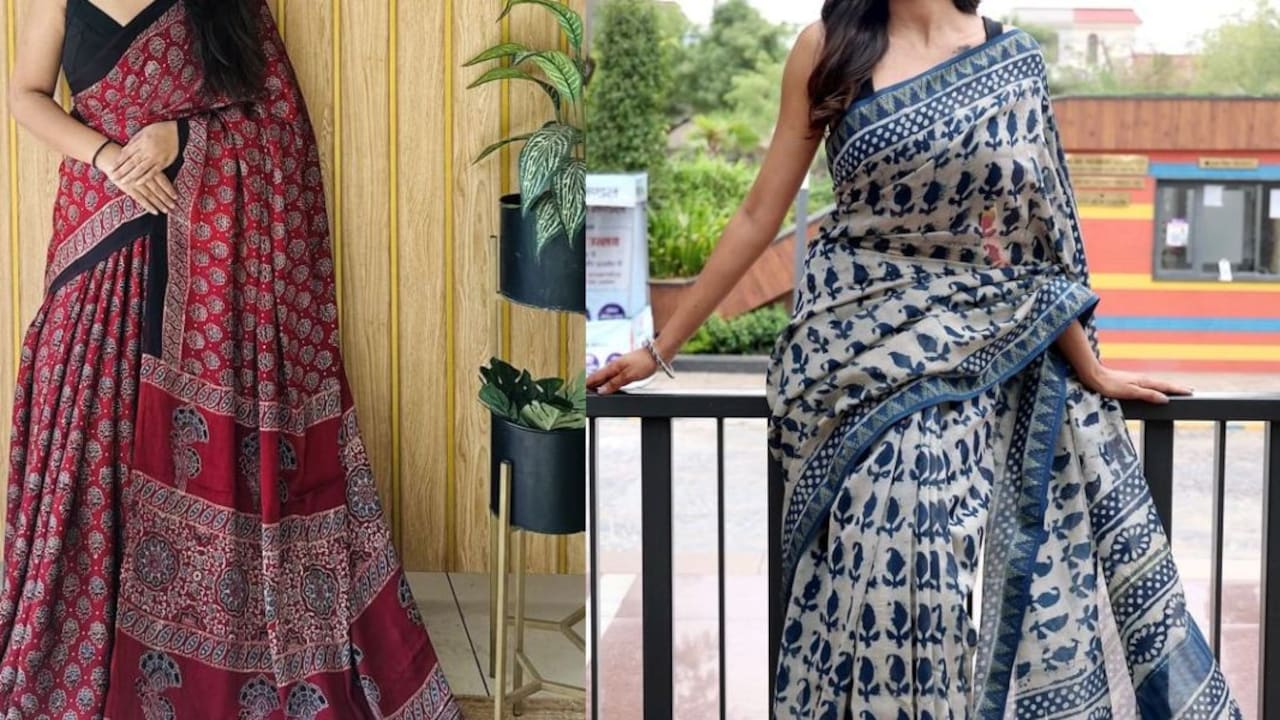
Saree Guide For Beginners: How To Make Drapes And Fabrics Stay In Place; Photo Credit: Pexels
6. Choose Fabrics That Support Beginners
Not all sarees behave the same way. Some fall perfectly, while others seem to have a mind of their own. Beginners often struggle with chiffon, satin or slippery georgette because these fabrics demand practice and patience. They move easily, shift often, and require precise pleats.
Cotton-silk, khadi, linen, soft silk, and light banarasi blends offer far more comfort. They carry enough weight to stay in place yet drape gently without stubbornness. They help beginners understand how fabric flows, how pleats form, and how pallus sit on the shoulder.
When confidence grows, exploring lighter fabrics becomes easier. A first saree always matters. Choosing a friendly fabric saves time, stress and countless attempts in front of a mirror. It transforms draping from struggle to celebration.
7. Consider Pre-Stitched Sarees for Busy Occasions
Modern wardrobes often include pre-stitched or semi-stitched sarees for hectic days. These designs keep the charm of a traditional saree while removing the anxiety of getting every pleat right. Many newcomers try them for office events, college farewells, or family celebrations when time feels tight.
These sarees come with pre-pleated fronts, fixed waistlines, and attached pallus that drape neatly. They work like skirts with flair. The look remains classic, yet the effort feels minimal. They save beginners from wrestling with unstable pleats or slipping fabrics.
While a pre-stitched saree cannot replace the magic of a hand-draped one, it offers comfort and confidence. It helps people enjoy a saree experience without worrying about pinning, tucking or re-pleating during long, eventful days.
8. Use Double-Sided Fashion Tape for a Smooth Finish
Fashion tape has become a quiet hero in many wardrobes. It helps blouses and pallus stay aligned and stops fabric from sliding, especially with smoother materials like crepe or chiffon. A small piece at the shoulder keeps the pallu from wandering. Another bit near the blouse edge prevents gaps and misalignments during movement.
This trick works well during weddings, office presentations, or performances where constant adjustments distract from the moment. Fashion tape blends into the outfit without drawing attention. It offers a sense of freedom since the saree stays exactly where it should.
Carry a small roll in the handbag along with compact powder and lipstick. It offers a quick fix whenever the saree shows signs of rebellion. With a few strips of tape, the drape remains poised and picture-ready through the entire event.
9. Keep Calm and Move With Confidence
A saree looks its best when worn with ease. Nervousness creates stiff movements, and the saree responds by shifting or tugging awkwardly. Confident, natural steps help the fabric fall into place and stay there.
Many beginners worry about tripping, spilling food, or stepping on the pleats. Walking around the home for a few minutes after draping helps the body adjust. Small steps, relaxed shoulders, and a straight posture work wonders. A saree responds gracefully to calm energy and fluid movement.
Confidence also comes from practice. A few trial sessions before a major function reduce stress and create muscle memory. Once the wearer trusts the drape, the saree transforms from a challenge into a partner, elegant, expressive and comfortable.
10. Carry a Mini Survival Kit for Quick Fixes
A saree sometimes surprises even experienced wearers. A pin may loosen, a pallu may slip, or a pleat may shift. A tiny emergency kit ensures nothing spoils the moment. A few safety pins, a small pack of fashion tape, a compact comb, and a tube of lipstick create a sense of preparedness.
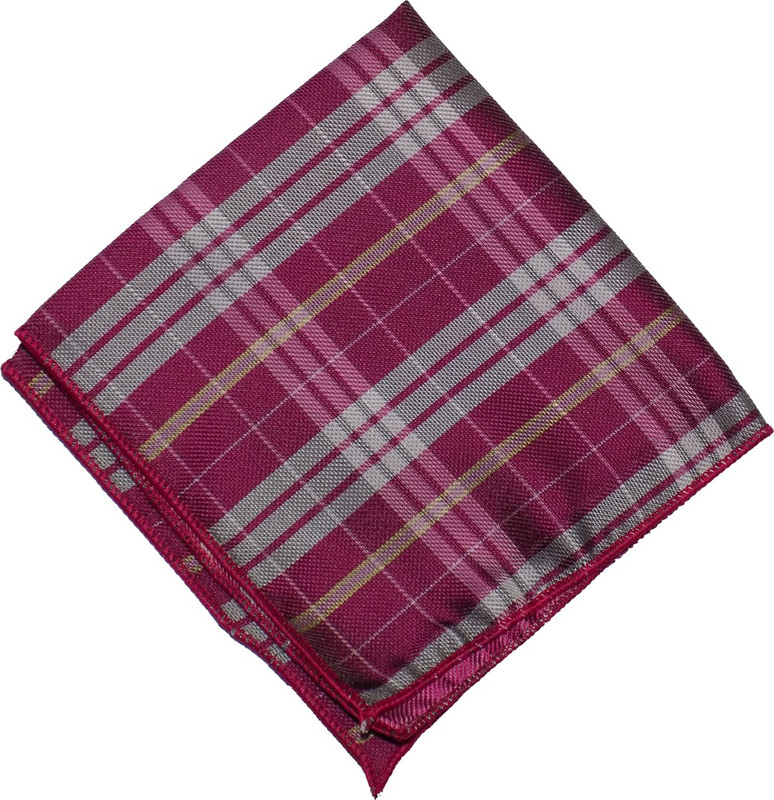
A handkerchief tucked into the handbag helps during crowded ceremonies or warm afternoons. A small pouch of bindi glue doubles as a quick adhesive for tiny beadwork mishaps. A couple of hairpins also offer backup for the pallu, especially during energetic dance sessions.
This kit costs little, usually less than ₹150, yet saves the day more often than expected. It feels like a quiet companion that supports the wearer through long functions, busy celebrations, or rushed travel between venues.
Products Related To This Article
1. Kylar Checkered Banarasi Georgette Saree
2. DHRITI Ready to Wear Woven Handloom Cotton Silk Saree
3. swatifashion Self Design, Solid/Plain Bollywood Pure Silk Saree
4. Navantika Embroidered Bollywood Chiffon Saree
5. KASEE Self Design Bollywood Net Saree
A saree carries stories, emotions and memories. It brings a sense of celebration to ordinary days and transforms special moments into unforgettable ones. Many beginners step into the world of sarees with excitement and nervousness, afraid the drape may misbehave. Each tip in this guide builds confidence and comfort. When the drape stays in place and the pleats fall beautifully, the wearer moves freely and enjoys every moment. A saree then becomes more than fabric. It becomes an expression of elegance, confidence and personal style.
(Disclaimer: This article may include references to or features of products and services made available through affiliate marketing campaigns. NDTV Convergence Limited (“NDTV”) strives to maintain editorial independence while participating in such campaigns. NDTV does not assume responsibility for the performance or claims of any featured products or services.)