How To Break In Festive Footwear Before Diwali?
Bought a new pair of footwear? Learn how to break in festive footwear before Diwali with simple tips to reduce blisters and improve comfort in your new shoes.
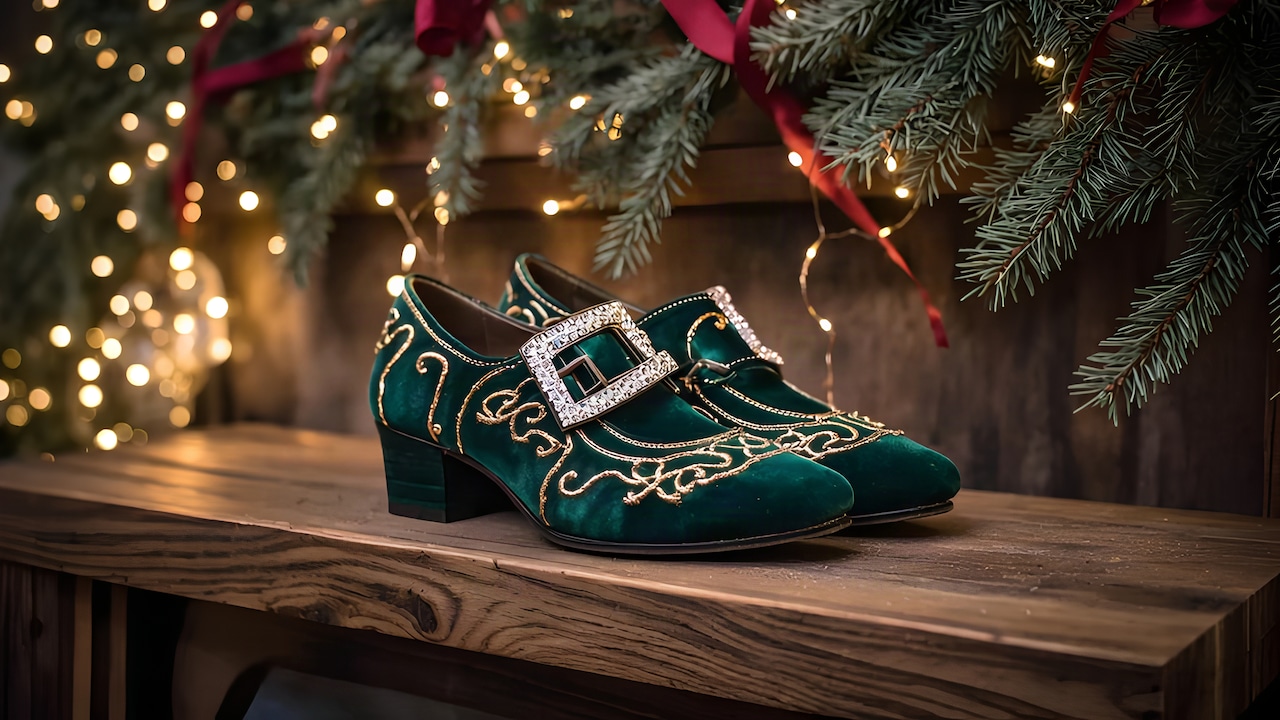
How To Break In Festive Footwear Before Diwali?
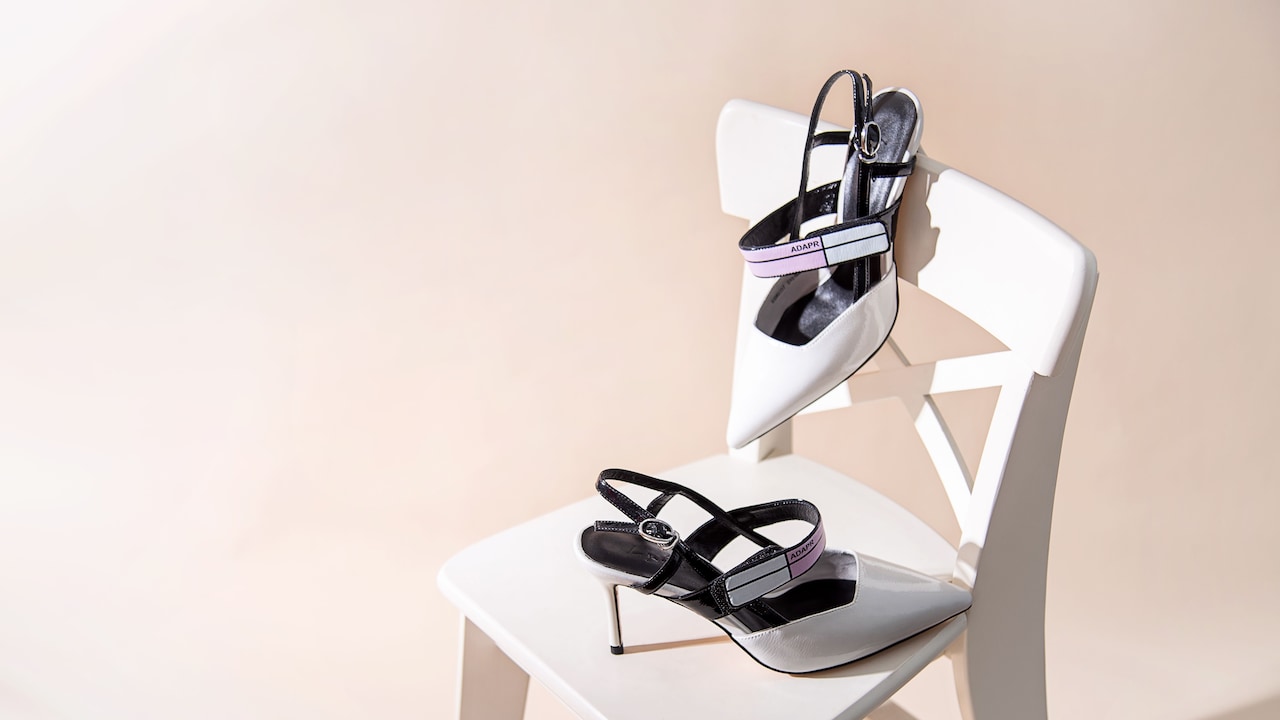
Buying new footwear for Diwali feels exciting until you wear it for the first time and your heels start hurting. Those beautiful juttis, embroidered flats, wedges and ethnic sandals may look perfect with your outfit, but stiff material and tight straps can make walking around uncomfortable. And during Diwali, there is usually plenty to do. You might be visiting relatives, attending a puja, meeting friends or spending hours standing while guests come over. The last thing you want is to keep taking off your footwear, as it can hurt your feet.
Festive Footwear for Diwali
Photo Credit: iStock
A little preparation before the festival can help, especially if you haven't worn your new pair before. So, how do you break in festive footwear before Diwali without damaging its shape or decoration? Here's how to make your new festive footwear more comfortable before the celebrations begin.
Why Should You Break In New Festive Footwear Before Diwali?
The material, the sole, and the straps of the new footwear may not be completely adjusted to your feet. Wearing them all evening may cause rubbing or blisters. Breaking in gives you time to detect all discomfort and decide whether the pair of footwear only requires adjustment or the size and design won't suit your feet at all.
1. Wear Your New Footwear Around The House
First, put on your new juttis, flats or sandals for 15-20 minutes. Walk into your room and pay attention to the feeling while moving.
If it appears to be quite comfy, then repeat this procedure for several days, increasing the period gradually. You shouldn't tolerate any pain; if your footwear continues pinching or rubbing, determine the reason and change it.
2. Check The Fit Before Wearing It Outside
Try your footwear in the afternoon or evening, when your feet may be slightly larger than they are early in the morning. Stand up while checking the fit, rather than judging it only when sitting down.
Your toes should have enough room, and your heel shouldn't keep slipping out. If the footwear feels painfully tight from the beginning, don't assume it will stretch enough with use. A different size or style may be the better choice.
Simple Ways To Make Festive Footwear More Comfortable
You don't always need special equipment to improve the feel of new footwear. Occasionally, you can change how you wear and prepare footwear, and the material will respond well.
1. Wear Socks With Closed-Toe Footwear
If you're breaking in closed-toe juttis or ethnic shoes, try wearing a thin pair of socks indoors for a short time. They can reduce friction while you walk and help you notice tight areas around the toes.
However, don't use thick socks to force a very tight pair to stretch. Embroidered footwear can also have delicate threads or embellishments that catch on fabric, so check the inside before trying this method.
2. Use Heel Grips If The Back Keeps Rubbing
A stiff heel counter may rub the back of your foot while walking. A heel grip can give a softer layer between your skin and the footwear.
Install the grip according to the manufacturer's directions and ensure that the shoe is not too tight afterwards. This method works well only when the shoe is fitted properly. If your heel keeps slipping because of the large size of the footwear, you should buy another pair.
3. Add Cushioned Insoles For Extra Support
Thin cushioned insoles can make some flats and closed shoes feel softer underfoot. They're worth considering if the original sole feels unyielding when you stand or walk for several minutes.
Check the available space before adding one. A thick insole can push your toes against the upper and make tight footwear even more uncomfortable. For embellished juttis, choose an insert that fits without lifting your foot too much.
What Should You Avoid While Breaking In Footwear?
Not every popular method is appropriate for festive shoes. The delicate fabric, glue, decorative elements, metallic finish and synthetic material can react differently to heat, moisture and stretching.
1. Don't Use A Hair Dryer To Force The Material To Stretch
Applying heat to tight footwear seems to be a quick solution, but it may damage the adhesives, the synthetic material and the decorations. Embroidered footwear should be treated even more carefully.
Instead, you should try putting on the pair indoors for several minutes and wait while the material stretches on itself. If your footwear is tight and you don't want to stretch it, ask the seller or cobbler about the best way to stretch it.
2. Avoid Water And Oils On Delicate Footwear
Applying water, coconut oil or other household products to soften footwear can leave marks, affect the finish or weaken certain materials. This is particularly risky with suede-like surfaces, embroidered fabric and metallic decorations.
Read the care instructions before using any product. A shoe-stretching spray should only be used when its label confirms that it is suitable for the footwear material.
3. Stop If You Notice Pain Or Blisters
Some mild stiffness may improve with gradual wear, but sharp pain, numbness and repeated rubbing aren't things you should ignore. Remove the footwear as soon as it starts hurting.
If a blister develops, avoid wearing the same pair until the affected area has recovered. A little discomfort before Diwali is a sign to check the fit, not a reason to keep walking until the shoes supposedly become comfortable.
Festive Footwear for Diwali
Photo Credit: iStock
Festive Footwear Comfort Products To Consider
1. DFR Women Payal Embroidered Mojari Jutti Ladies
2. OPIVE Mehandi Women's Mojari Jutti
3. JM LOOKS Stylish Embroidered Jutti For Women
4. IndieStride Women's Embroidered Rajasthani Mojari Jutti
5. Pairs4U Women's Mojari Jutti
6. DIPYO Floral Embroidered Ethnic Wedge Heel Slip-On Sandals for Women
7. Shoetopia Women's & Girls' Woven Design Wedges Heels
8. Metro Women's Gold Ethnic Wear Block Heel Fashion Sandals
The right festive footwear can elevate your Diwali look, but comfort is just as important as style. Taking the time to break in your shoes, sandals, or juttis before the celebrations can help prevent blisters and discomfort during long hours of festivities. With a few simple steps and a little patience, you can ensure your footwear fits comfortably, letting you enjoy every Diwali gathering, puja, and celebration with confidence and ease.
Frequently Asked Questions (FAQs)
1. How many days before Diwali should you break in new footwear?
Start around five to seven days before Diwali if possible. This gives you enough time to identify rubbing, check the fit and find another pair if the footwear remains uncomfortable.
2. Can you break in new juttis overnight?
No. It is better to wear them indoors for short periods than to break them in quickly with water or steam, which could damage delicate embroidery or adhesives.
3. Should festive footwear feel tight when you first wear it?
It may feel a little stiff, but it shouldn't cause pain, numbness or strong pressure on your toes. If it feels too tight from the beginning, consider another size or style.
4. Do heel grips prevent shoe bites?
They will minimise rubbing at the back of the shoe when used correctly. However, they do not always solve all fit problems and could actually make a tight shoe feel tighter.
5. Is it better to wear new footwear at home before a festive event?
Yes. Wearing the new footwear inside helps you see how well it fits and whether any areas cause discomfort.
(Disclaimer: This article may include references to or features of products and services made available through affiliate marketing campaigns. NDTV Convergence Limited (“NDTV”) strives to maintain editorial independence while participating in such campaigns. NDTV does not assume responsibility for the performance or claims of any featured products or services.)