How To Choose Footwear For The Wedding Season Ahead?
Wondering how to choose footwear for the wedding season? Check comfort, outfit matching, heel height, fit and material before buying your wedding footwear.
How To Choose Footwear For The Wedding Season Ahead?
Weddings usually mean several outfits, but footwear can get left for the last minute. Then comes the wedding week; the lehenga or saree is ready, the suit is pressed, and suddenly, there is no comfortable pair that actually works with everything. So, how do you choose footwear for the wedding season without ending up with a pair that looks good for 20 minutes and hurts after that?
Start With The Wedding Function
Photo Credit: iStock
The right choice depends on the function, outfit, amount of walking, and, of course, how long you expect to be on your feet. Indian weddings can also mean moving between the mandap, dining area, photo sessions and different functions. A little planning before buying wedding footwear can make a bigger difference than choosing something only because it looks festive.
Start With The Wedding Function
Different wedding functions need different kinds of footwear. What works for a sangeet may not be the easiest choice for a daytime haldi or a long wedding ceremony.
Think about where you will go, how much you may walk, and whether you will be sitting most of the time. Once that is clear, choosing becomes much easier.
1. Pick Footwear Based On The Occasion
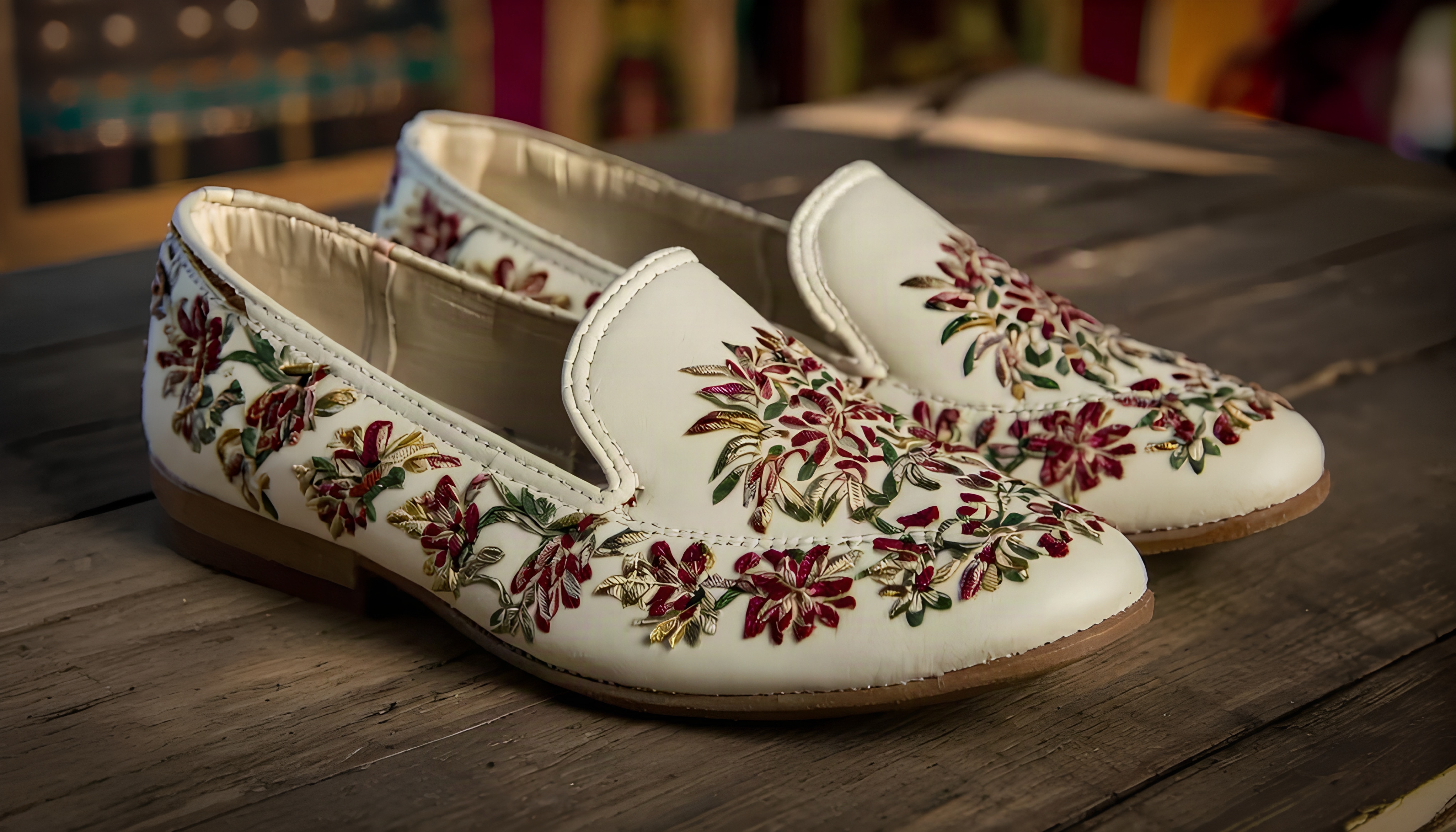
Mehendi/Haldi ceremonies do not generally require fancy footwear. You can select flats, juttis and embroidered sandals for such occasions, as these functions are relatively informal and you might be required to walk a lot.
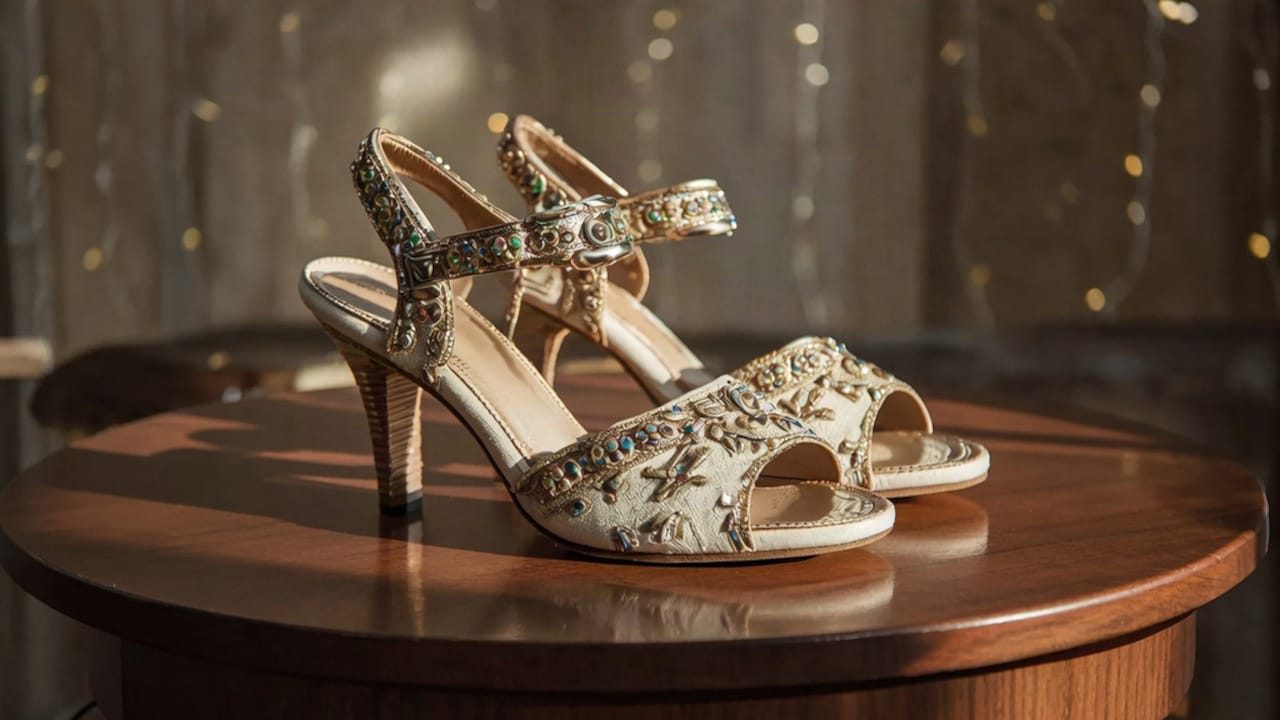
For the ceremony or wedding reception, you can opt for some detailed footwear. This can include embroidered juttis, embellished heels or metallic sandals, which can complement ornate attire without being excessive.
2. Think About How Long You Will Wear Them
A wedding can last a couple of hours. The footwear selected for just the photo shoot can be entirely different from those that you would choose to wear for a few hours.
If you will be standing for a long period of time, you should select comfortable footwear. For instance, look for a cushioned sole, good stability and a design that does not squeeze your feet. A slightly less detailed but more comfortable pair of shoes can be much more useful than an elaborately designed pair of shoes that you would end up taking off halfway through the function.
Match Your Footwear With The Outfit
Footwear does not necessarily have to perfectly match the attire. Actually, too many matching elements can make the look of the outfit seem rather artificial.
It is best to consider the colour, detail and overall style of your outfit. Such consideration allows more versatility, and you can reuse the same pair of shoes on another occasion.
1. Use Neutral Shades For More Outfits
Gold, beige, cream, tan and metal colours are useful for wedding footwear. They go well with sarees, lehengas, anarkalis and elaborate kurta sets.
For example, a cream embroidered jutti can complement a colourful kurta at one function and a pale lehenga at another. It allows more versatility and helps when weddings start crowding your calendar.
2. Let The Footwear Add A Little Contrast
Sometimes the outfit already has enough embroidery and shine. In that case, footwear doesn't need to compete with it.
A simpler metallic sandal with a heavily worked saree can look balanced. On the other hand, a plain kurta or simple lehenga can be paired with a more detailed jutti without making the overall look feel too busy.
Also Read: From Haldi To Reception: Your Guide To The Perfect Wedding Dress For Every Celebration
Don't Ignore Comfort While Shopping
Wedding footwear can look perfect in product photos. But photos don't tell you whether the sole is stiff or whether the front becomes uncomfortable after walking for an hour.
1. Check The Sole And Footbed
A flexible sole can make walking easier, while some cushioning under the foot can help when you are standing for long periods. For flats and juttis, also check whether the inside looks smooth enough for extended wear.
If you know that very flat footwear bothers your feet, don't choose it just because the design is attractive. Wedding season is not really the time to experiment with footwear that you have never worn before.
2. Be Careful With Heel Height
High heels can change the appearance of an outfit, but they also change how you walk and stand. If you aren't used to them, a long wedding function can become uncomfortable pretty quickly.
Block heels and lower heels can give you some extra height while offering a more stable base. For outdoor functions or venues with uneven surfaces, stability becomes even more useful.
Check The Fit Before The Wedding
Buying wedding footwear early gives you one advantage that last-minute shopping doesn't. You actually have time to check whether the pair fits properly.
1. Never Depend Only On Your Usual Size
Your usual size is a starting point, not a guarantee. Check the seller's size chart and look at reviews mentioning tightness, width or overall fit.
If the footwear feels uncomfortable when you first try it indoors, don't assume it will magically become perfect during the wedding. Some materials soften with wear, but a poor fit is still a poor fit.
2. Wear Them Indoors Before The Function
Before the wedding, wear your new pair at home for short periods. Walk around, sit down, and climb a few steps if possible, and notice if any part is rubbing against your foot.
This is also a good time to check whether the footwear stays secure while walking. Better to find a problem in your room than while walking towards the wedding stage.
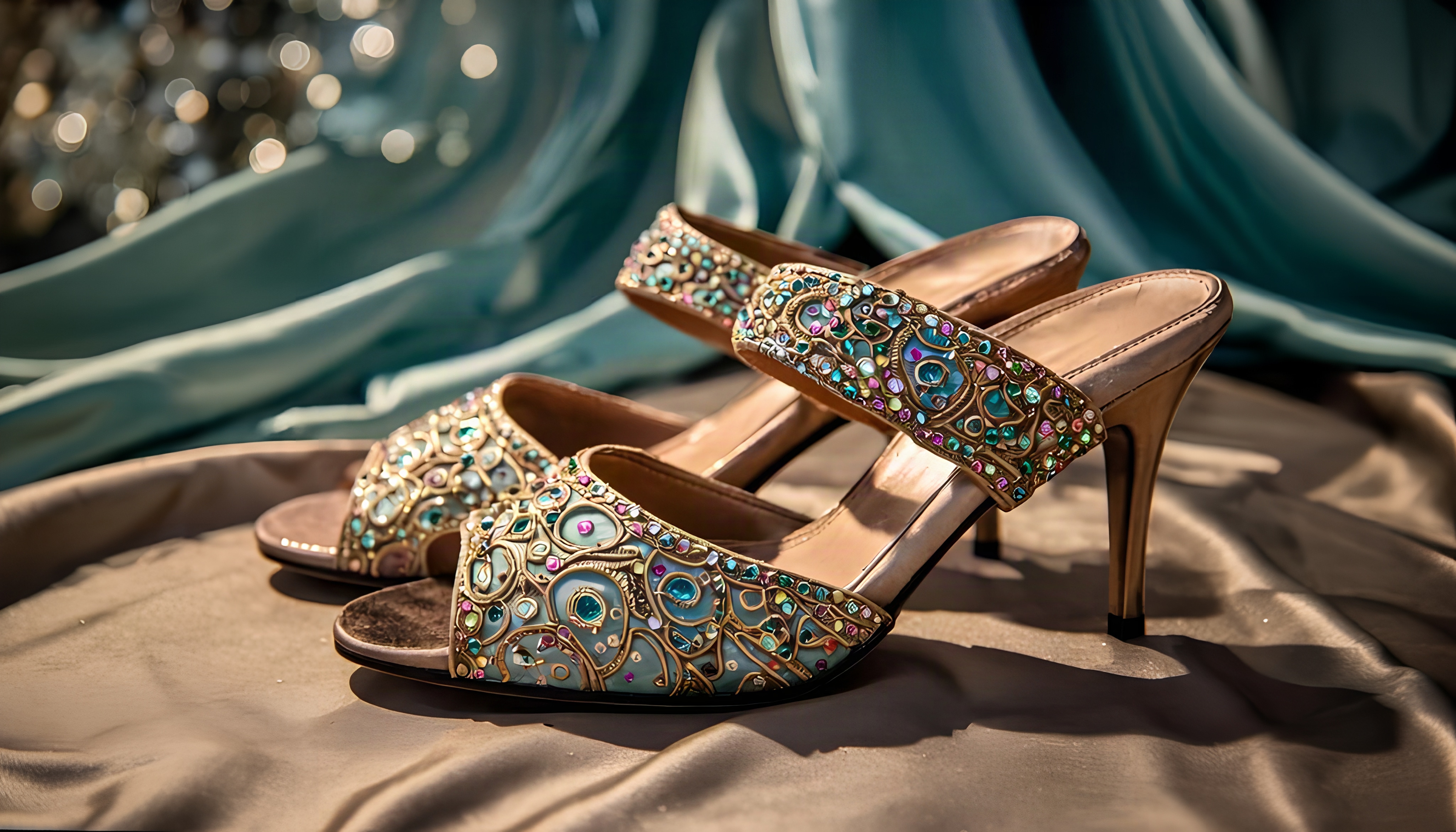
Some Wedding Footwear Options To Consider
Photo Credit: iStock
Some Wedding Footwear Options To Consider
1. Tryfeet Women's Mojari
2. IndieStride Women's Embroidered Rajasthani Mojari Jutti
3. DFR Women's Embroidered Punjabi Mojari Jutti
4. Miraya Impex Women's Punjabi Embroidery Jutti
5. Shoetopia Women's Embellished Ethnic Slingback Heels
6. Mochi Women's Block Heel Sandal
7. DIPYO Floral Embroidered Ethnic Wedge Heel Slip-On Sandals
8. JM LOOKS Women & Girls Embellished Ethnic Slip-On Sandal Heels
The wedding season is filled with celebrations, long hours on your feet and plenty of outfit changes, making the right footwear just as important as your attire. Whether you prefer elegant heels, classic juttis, embellished sandals or comfortable block heels, choosing a pair that balances style and comfort can help you enjoy every function with ease. By considering factors like comfort, outfit compatibility and venue suitability, you can find footwear that not only complements your festive look but also keeps you confident from the ceremony to the last dance.
Frequently Asked Questions (FAQs)
1. What type of footwear is best for a wedding?
The answer depends on the purpose as well as the duration that one will spend wearing them. Juttis, embellished flats, block heels, and comfortable sandals can work perfectly in combination with the outfit.
2. Are juttis comfortable for long wedding functions?
Yes, if the selected pair has a flexible sole and comfortable interior structure. Comfort should come first and not the attractive embroidery of the jutti.
3. Should wedding footwear match the outfit exactly?
No, neutral tones or even metallic can blend well with many outfits. This means there are greater opportunities to wear the same pair.
4. How early should I buy wedding footwear?
You must purchase it at least a couple of weeks before the function in order to have time to check whether the size fits.
5. Are heels a good choice for long wedding ceremonies?
Yes, heels can be a sensible choice, but you must consider the height and stability of the heel, as lower or block heels may be easier to manage.
(Disclaimer: This article may include references to or features of products and services made available through affiliate marketing campaigns. NDTV Convergence Limited (“NDTV”) strives to maintain editorial independence while participating in such campaigns. NDTV does not assume responsibility for the performance or claims of any featured products or services.)