How To Break-In Formal Shoes Without Blisters: The Dos And Don'ts
New formal shoes shouldn't hurt. Learn the dos and don'ts to soften leather, stop rubbing, prevent hotspots, and walk comfortably from commute to meeting. Break in your new formal shoes the right way with these simple tips.
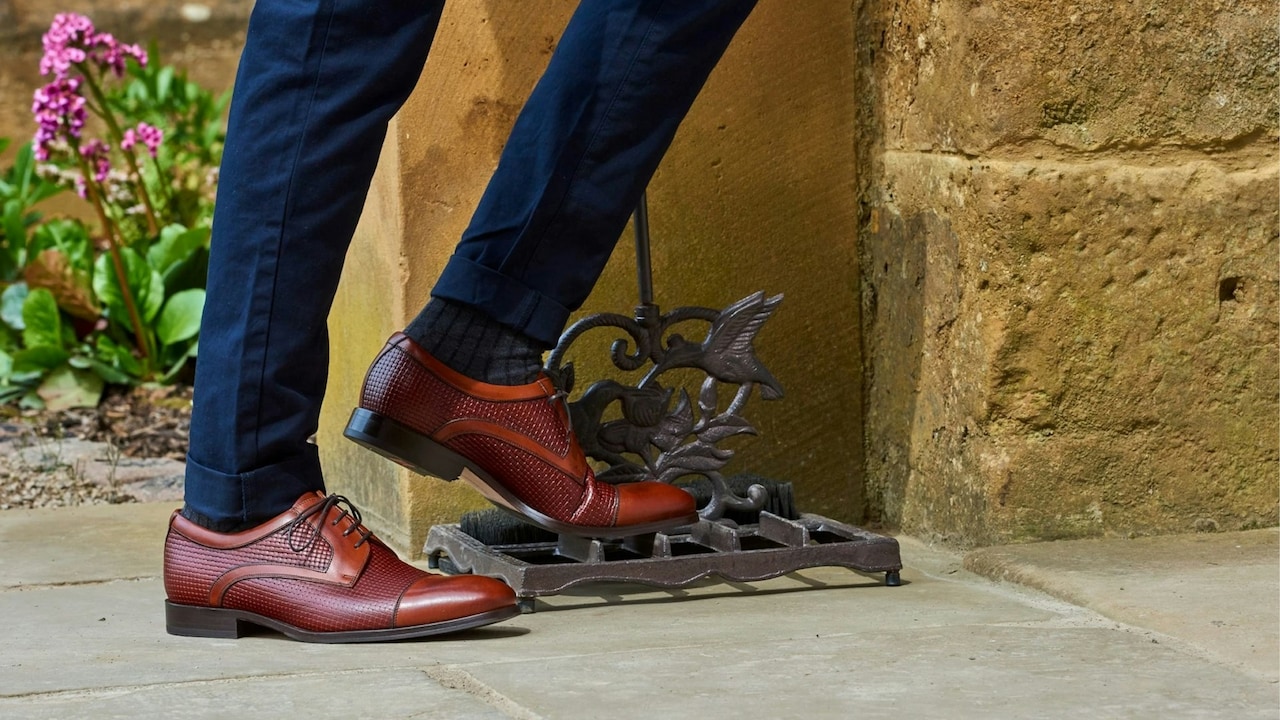
New Formal Shoes Hurting? 10 Easy Ways to Break Them In Without Blisters.
A fresh pair of formal shoes has a special kind of confidence. The shine, the clean stitching, the way they instantly upgrade even a basic shirt and trousers, pure magic. Then reality arrives. A tight heel counter bites. The toe box argues with your little toe. By the time you reach the metro, you're walking like you're carrying invisible shopping bags in both hands, carefully, painfully, dramatically. Most people try to 'tough it out'. That's when blisters show up, and the shoes get blamed for being 'bad quality'. Often, the shoes are fine. The break-in process is just being rushed, skipped, or done the wrong way.
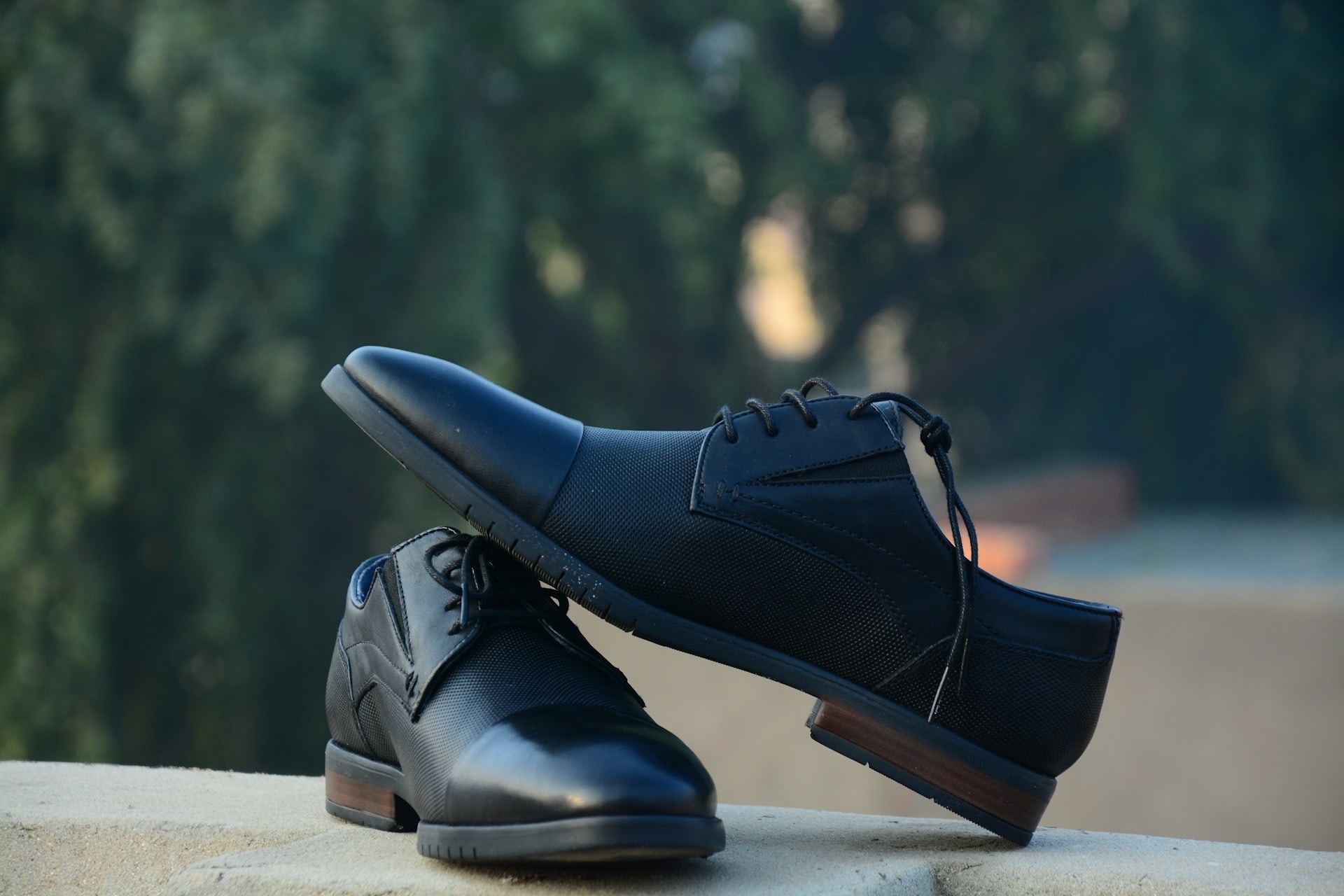
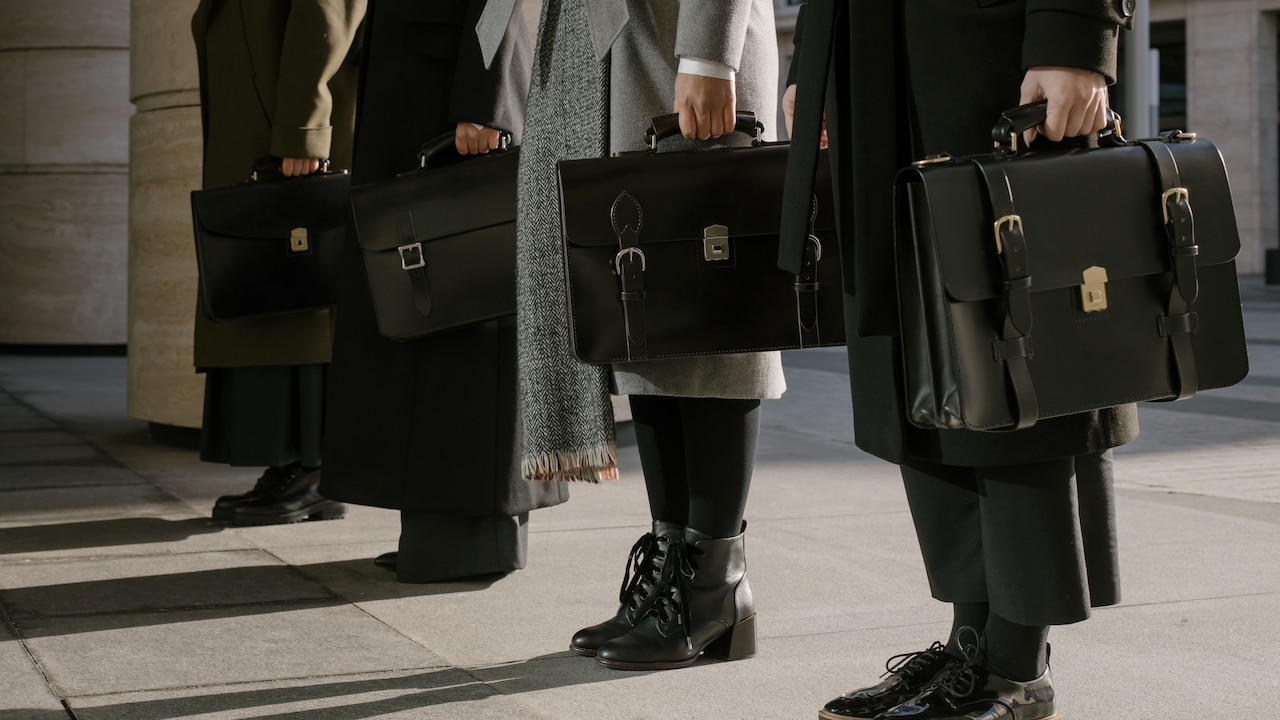
Find expert tips to break in your new formal shoes for fewer blisters; Photo Credit: Unsplash
This article shows you how to break-in formal shoes without blisters - just check the dos and don'ts below. Expect practical steps, relatable moments (yes, weddings and office presentations), and a few gentle reminders that comfort is not 'extra'. It's the foundation.
Also Read: Formal Shoes For Men Under ₹1000: Buying Hacks That Do Not Compromise Quality
Top 10 Simple Rules to Break In Formal Shoes Without Blisters
1) Do start with the right fit: break-in isn't magic
Breaking in works best when the shoe already fits properly. It won't turn a half-size-too-small pair into a dream. Start by checking three zones: heel, width, and toe space. The heel should hold firm without grinding. The widest part of the shoe should align with the widest part of the foot. Toes should sit comfortably, not curled like they're hiding from your boss.
Try shoes later in the day if possible, because feet naturally swell. If you try them at 10 a.m. in an air-conditioned shop, they may feel 'perfect', then punish you at 4 p.m. in traffic. Walk around for a few minutes, not just a polite two steps. Pay attention to hotspots, any spot that rubs now will rub more later.
Also, understand the difference between 'snug' and 'tight'. Snug feels supportive. Tight feels like your foot is being negotiated with. If the shoe pinches at the toes or squeezes the sides, don't count on stretching as a rescue plan. Some leather gives a little. Some don't. Insoles can improve comfort, but they also reduce space. Fit is the first blister-prevention tool; everything else builds on it.
2) Do break them in at home first: the slow, sensible approach
The biggest mistake happens on day one: wearing brand-new formal shoes straight to a full workday or a function. That's like taking a brand-new scooter on a highway ride without checking the brakes. Start at home, in short sessions. Wear them for 20–30 minutes while doing simple things, folding laundry, pacing during phone calls, or standing while making chai. This lets the shoe start flexing with less risk.
If you feel rubbing, stop. Don't 'push through' at home. The goal is to teach the shoe where your foot bends, not to win a battle of endurance. Repeat this for a few days, increasing time gradually. You'll notice the leather soften, the sole flex better, and the shoe feel less rigid.
A practical trick: wear the shoes with slightly thicker socks at home (not so thick that your toes go numb). That gentle pressure helps the shoe adapt. It's controlled stretching, not violent stretching. Think of it as introducing your foot politely: 'Hello, we'll be spending time together, please adjust accordingly.'
This approach also helps you spot any real problems early, like a hard seam or a heel that slips. Better to discover that in the living room than halfway through a client meeting.
3) Do use socks strategically: thin for style, thick for training
Socks are not just an accessory; they're protective gear. Many blisters happen because people wear ultra-thin socks with stiff new shoes, then spend the day walking. Thin socks look sleek, but they don't buffer friction. For break-in days, choose socks that reduce rubbing. A slightly thicker cotton blend works well. If you sweat a lot, choose moisture-wicking socks so your feet don't turn into slippery, rubbing machines.
Here's the smart routine: 'training socks' for breaking in, 'presentation socks' once the shoes settle. At home, wear thicker socks to coax the leather gently. When heading out, still choose a sock that balances comfort and appearance. If your workplace demands very formal styling, pick a good-quality dress sock that isn't paper-thin. Many brands make dress socks with cushioning in the heel and ball of the foot, your feet will notice.
Also, keep socks clean and dry. Re-wearing yesterday's socks in humid weather is asking for trouble. Damp fabric increases friction, and friction makes blisters. If you commute long hours, carry an extra pair in your bag. It sounds dramatic until you've changed socks in a washroom and suddenly your shoes stop feeling like they're plotting against you.
The goal is simple: reduce friction, manage moisture, and cushion pressure points. Socks can do all three, if chosen wisely.
4) Do soften the shoe in targeted ways: leather needs persuasion, not panic
Formal shoes often use firm leather and structured heel counters. That stiffness looks premium but needs a gentle break-in. Start by flexing the shoe with your hands, carefully. Hold the shoe at the heel and toe, and bend it slightly where your foot naturally bends (near the ball of the foot). Don't fold it like a paper boat. Just encourage movement.
For leather uppers, a small amount of leather conditioner can help. Apply lightly, especially around stiff areas, then let it absorb. This prevents the leather from drying and cracking while it softens. Avoid soaking the shoe or using random household oils. Some oils darken leather, weaken stitching, or leave patchy marks that scream 'DIY disaster'.
If the heel counter feels like a rock, use a rounded object (like the handle of a wooden spoon) to press and gently massage the inside, again, gently. You're loosening stiffness, not performing a wrestling move. Another safe method: insert shoe trees when you're not wearing them. Shoe trees help maintain shape and apply light, even pressure, which supports gradual moulding.
Avoid heat hacks like hairdryers. Heat can warp glue, shrink leather, and create weird creases. The shoe may 'soften' for a day and then age ten years overnight. Patience works better than drama.
5) Do prevent hotspots before they become blisters: tape, balm, and common sense
Blisters don't appear out of nowhere. They begin as a hotspot, a warm, irritated patch where the skin starts complaining. The best time to act is before the skin breaks. If you know your usual trouble zones (heel, little toe, side of the big toe), protect them proactively.
Use blister tape or medical tape on those spots before wearing new shoes out. It creates a low-friction layer and reduces rubbing. Some people use a dab of petroleum jelly or anti-chafe balm on hotspots. That reduces friction and helps the skin handle movement. Keep it subtle; you don't want your foot sliding around inside the shoe like it's on a monsoon water ride.
Another practical move: carry blister plasters in your wallet or bag. They're small, cheap, and feel like a superhero cape when disaster strikes. If you feel burning while walking, step aside, fix it, then continue. Waiting until you reach home is how a small problem becomes a painful week.
Also, keep toenails trimmed. Long nails increase pressure and change how your toe sits, which increases rubbing. Simple habits like this don't feel glamorous, but neither does limping through a wedding photo session.
Hotspot prevention is the quiet secret behind 'How do they wear those shoes all day?' It's not toughness. It's preparation.
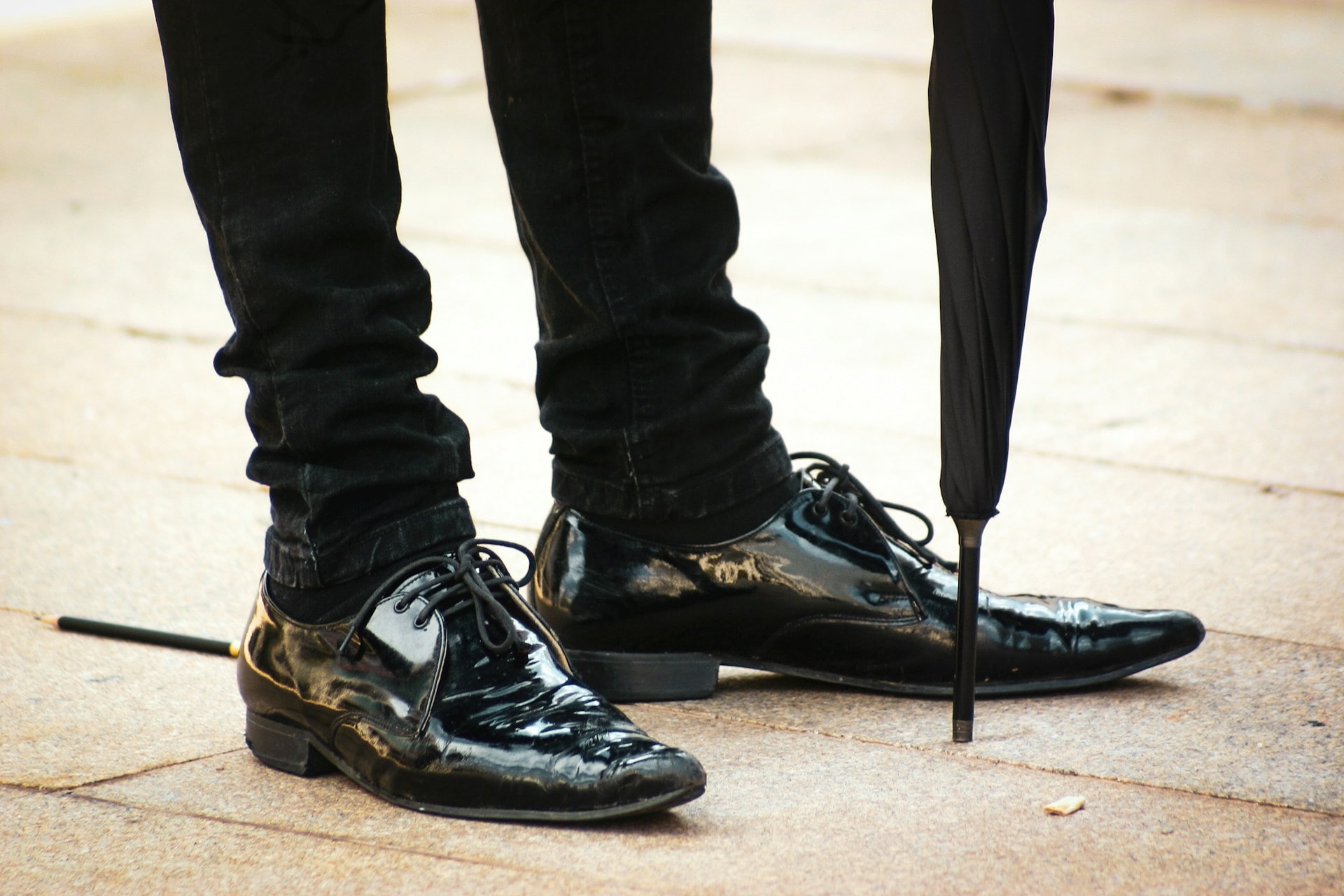
Use tape and balm to soften stiff parts of your formal shoes; Photo Credit: Unsplash
6) Don't wear them for a full day on the first outing: pick your battle
New shoes need a soft launch. A full day, especially one that includes walking, standing, heat, and stairs, is the hardest test. Many people choose the worst possible first day: a wedding, a long office day, or a day with client visits. That's like debuting a new recipe at a family function and discovering halfway through that you forgot salt.
Plan your first outdoor wear for a short, low-stakes outing. A quick dinner, a short meeting, a nearby visit, something where you can return home easily. Keep a backup plan: if you must wear new formals to work, carry comfortable footwear in your bag. Even a simple pair of loafers or sneakers can save your feet during the commute, while formal shoes come out only at the destination.
Feet swell during the day, so a shoe that feels 'fine' at 9 a.m. can feel cruel by 3 p.m. That's not you being dramatic, that's biology. Sweat also increases friction, especially in warmer months. If your first outing is short, the shoe has less time to irritate skin.
A smart strategy: wear new shoes for 1–2 hours, then switch. Do this a few times. Within a week or two, many formal shoes feel noticeably more forgiving. The break-in process becomes part of your routine, not a painful event.
7) Don't try risky stretching tricks: water, heat, and brute force backfire
The internet loves 'instant hacks'. Many of them ruin shoes or hurt feet. Avoid soaking shoes with water to stretch them. Water can stiffen leather as it dries, create stains, damage inner linings, and weaken glue. The shoe may end up smelling odd and ageing fast. Also, avoid blasting shoes with a hairdryer while wearing them. Heat can warp the shoe, loosen the adhesive, and cause uneven stretching. You may end up with one shoe that fits and one shoe that looks like it survived a small accident.
Brute-force stretching, like stuffing shoes with huge objects, can distort shape. Formal shoes rely on clean lines. When the shape goes, the shoe looks tired even if it's new. And if you stretch the wrong area, you may create new pressure points.
If you genuinely need more width, use safer methods: a proper shoe stretcher, a stretching spray designed for leather, or a professional cobbler. A cobbler can stretch specific spots and add heel grips or pads cleanly. The cost is usually far less than replacing the shoes or suffering through them.
The rule is simple: if a hack sounds like it belongs in a kitchen experiment, it probably doesn't belong in your formal shoes. Respect the materials. They'll last longer, and your feet will thank you quietly every day.
8) Do use inserts and grips wisely: small tweaks, big comfort
Sometimes a shoe fits overall but causes small issues, heel slip, pressure on the ball of the foot, or a tiny gap that creates rubbing. Inserts and grips can solve these without changing the shoe drastically.
Heel grips are brilliant if the heel rubs or slips. They reduce friction and help the shoe hold your foot better. For pressure under the forefoot, a thin cushioned insole can add comfort. But don't overdo thickness. A bulky insole steals space and can make your shoe tighter, especially around the toes. Choose a slim insole designed for formal shoes.
If your arch feels unsupported, an arch-support insert can improve comfort and reduce fatigue, especially if you stand for long hours. Again, pick a low-profile option. Formal shoes don't have the same space as sports shoes.
Also consider tongue pads for lace-up shoes if the top feels loose but you don't want to tighten laces too much. These small fixes can transform the experience. It's like adjusting the seat in a car, same vehicle, completely different comfort.
One more thing: don't ignore the sole. A slightly slippery sole can cause awkward walking, which increases friction inside the shoe. A cobbler can add a thin sole grip or roughen the sole lightly. It improves traction and helps you walk naturally, which reduces rubbing in unexpected spots.
Comfort often comes from micro-adjustments. Not every problem needs a new shoe, sometimes it needs a smarter setup.
9) Do care for your feet: toughen gently, heal quickly, stay ready
Shoes get all the blame, but feet matter too. Dry, cracked skin rubs more. Sweaty skin rubs more. Skin that's already irritated rubs more. A simple foot-care routine makes break-in easier.
Moisturise heels and dry areas at night, but avoid heavy cream just before wearing shoes (it can increase slipping). Keep feet clean and dry. If you tend to sweat, use foot powder in the morning. It reduces moisture and friction. Rotate shoes so the lining dries properly between wears. Wearing the same pair daily traps sweat inside, and that dampness turns every step into a rubbing session.
If you get a blister, treat it properly. Clean it, cover it with a blister plaster, and avoid bursting it unless it's very painful and you know how to do it safely. Walking on an open blister is miserable and increases infection risk. Also, give your feet a break. Use comfortable footwear for a day if needed. Style is great, but limping is not a fashion statement.
Over time, feet also adapt slightly. Skin becomes more resilient when it's not constantly injured. Think of it like building stamina: consistent, gentle exposure works better than one heroic day of suffering.
Good shoes plus cared-for feet equals a smooth day. Ignore either side, and you'll pay for it in tiny, painful ways.
10) Do plan for real life: commute-proof strategies that still look sharp
Formal shoes don't exist in a vacuum. Real life includes potholes, long corridors, surprise stairs, and days that run longer than expected. So the smartest break-in plan fits your routine.
If you commute, wear comfortable footwear for travel and switch at the destination during the first week of break-in. Keep a shoe bag and a pair of fresh socks in your backpack. It feels extra until the day it saves you. If you attend functions, especially weddings, break in the shoes well before the event. Don't buy them on Tuesday for a Saturday baraat. That's how blisters become part of the celebration.
Choose the right moments for your formal shoes. A day with fewer meetings and less walking works best. If you have an important presentation, don't pair it with your newest shoes. Confidence should come from your preparation, not from pretending your heel isn't on fire.
Also, learn your shoe types. Oxfords and derbies with stiff leather need more break-in than softer loafers. Pointed toes look sleek but demand better fit and slower adaptation. If your job involves constant movement, consider buying comfort-focused formals with cushioned insoles and softer linings. A little more spent upfront can save you from the '₹399 bandage budget' over the year.
Breaking in shoes is not a one-day project. It's a short, smart process that respects your schedule and keeps your mood intact.
Products Related To This Article
1. Bata Men Textured Formal Derby
2. House of Pataudi Men Textured Pointed Toe Slip-On Formal Loafers
3. Anouk Men Solid Slip-On Formal Loafers
4. Mast & Harbour Men Formal Loafers
5. HERE&NOW Men Black Formal Penny Loafers
6. Liberty Men Lace-Up Derby Formal Shoes
7. INVICTUS Men Brown Solid Formal Lace-Up Derby
Formal shoes should make you feel polished, not punished. Blisters aren't proof of hard work or style; they're simply friction meeting poor planning. Start with the right fit, break them in at home, use socks and protection strategically, and avoid risky shortcuts that wreck leather. Add small comfort tweaks like heel grips and slim inserts, and take care of your feet the way you'd care for any tool you rely on daily.
(Disclaimer: This article may include references to or features of products and services made available through affiliate marketing campaigns. NDTV Convergence Limited (“NDTV”) strives to maintain editorial independence while participating in such campaigns. NDTV does not assume responsibility for the performance or claims of any featured products or services.)