How To Buy Boots That Will Not Hurt Your Feet: Heel Comfort Science
Heel comfort boots can protect your feet when you learn how to buy boots that will not hurt, using basic heel comfort science.
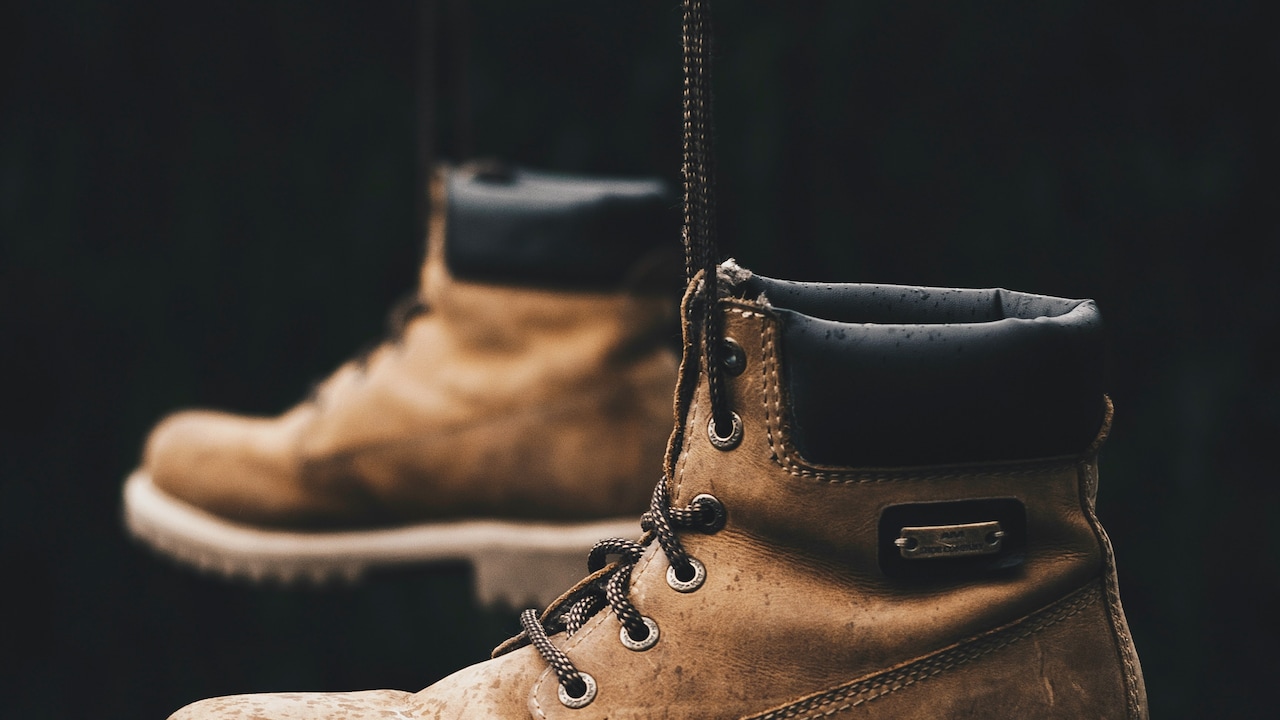
Heel Comfort Boots: How To Buy Shoes That Will Not Hurt Your Feet, Using Heel Comfort Science.
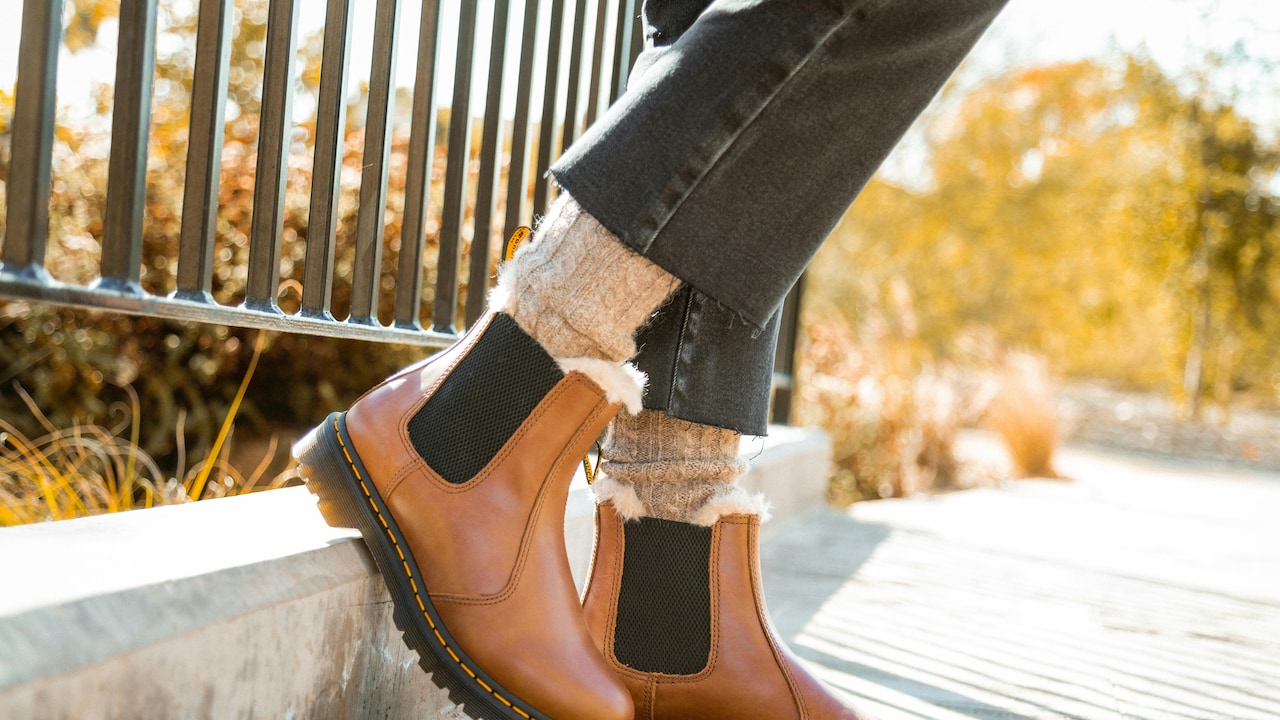
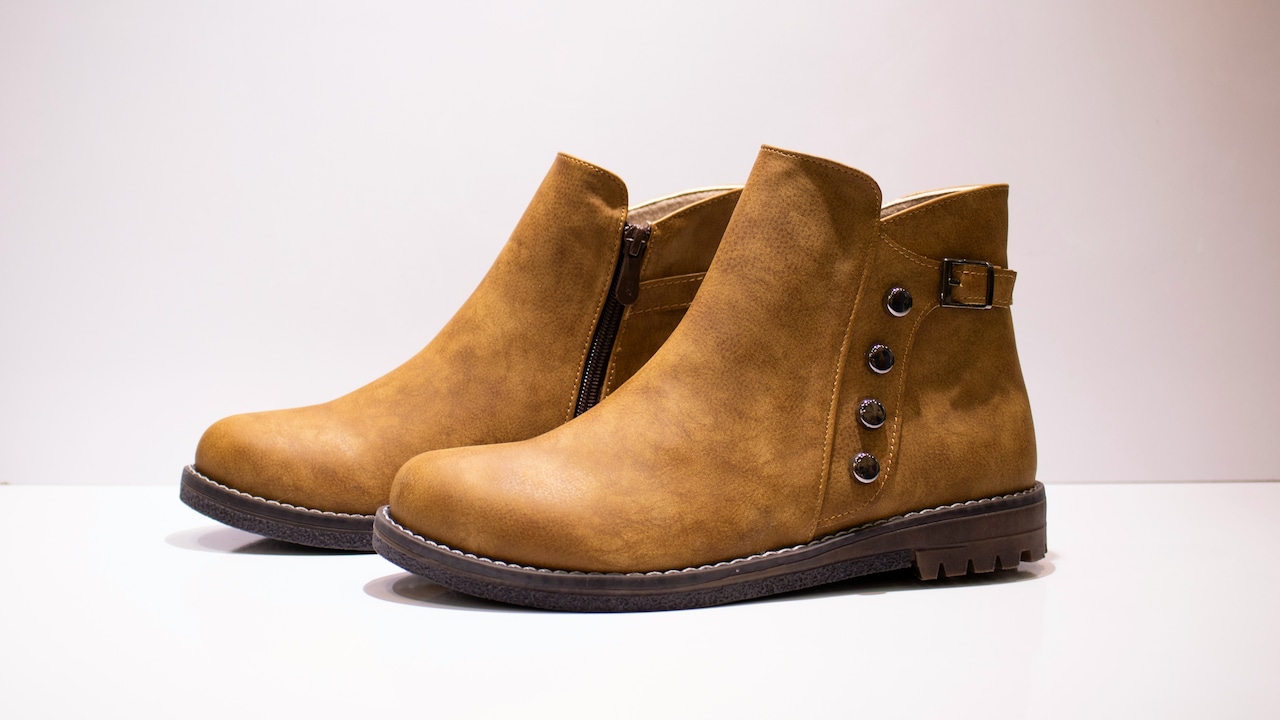
Boots hold a special place in wardrobes across cities and small towns alike. They pair beautifully with jeans, dresses and even workwear. Yet the heartbreak remains familiar: a stunning pair that promises confidence but delivers blisters by lunchtime. Foot pain often gets brushed off as the price of fashion, but that idea deserves retirement. Comfort and style can share the same sole. Footwear science has evolved far beyond flat versus heel debates. The right boot supports natural movement instead of fighting it. Heel comfort depends on more than just height. Shape, placement, cushioning and materials work together like parts of a well-tuned engine. This guide breaks down heel comfort science in simple terms. It focuses on how to shop wisely, try on boots correctly and avoid common traps that lead to regretful purchases.
How To Buy Boots That Will Not Hurt Your Feet: Heel Comfort Science
Photo Credit: Pexels
Key Design Factors That Decide Whether Boots Hurt or Support Your Feet
1. Understand Heel Height Versus Heel Comfort
Heel height often gets blamed for foot pain, but height alone tells only half the story. A 7 cm heel can feel supportive, while a 4 cm heel may still cause misery. Comfort depends on how the weight spreads across the foot. When heels rise, pressure shifts towards the forefoot. Smart design reduces that strain.
A slightly higher heel with proper balance often feels better than a low, poorly structured one. Look for heels that sit closer to the centre of the foot rather than pushed too far back. That placement improves stability and reduces calf strain. Wedge heels and block heels distribute weight more evenly than narrow stilettos, making them friendlier for daily wear.
Think about how the heel works with the sole. A gradual slope supports natural posture, while an abrupt angle jars the foot with every step. During shopping, walk around the store instead of standing still. Feet reveal discomfort quickly in motion. Comfort emerges from harmony, not just numbers printed on a price tag.
2. Heel Shape Matters More Than You Think
Heel shape plays a starring role in comfort. Slim heels may look elegant but demand constant muscle effort to maintain balance. That effort leads to fatigue, especially during long days. Chunkier heels offer a wider base, reducing wobble and strain on ankles.
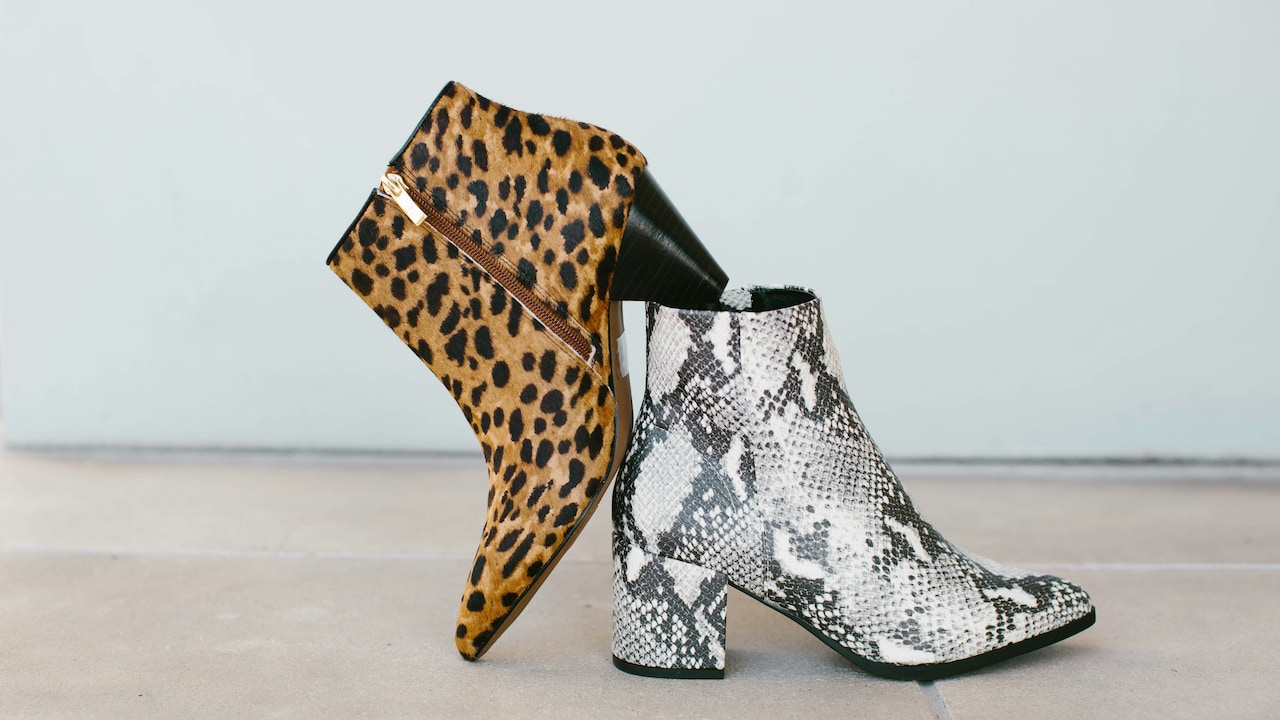
Block heels have gained popularity for good reason. They provide visual impact without sacrificing stability. Even slightly tapered heels can work well if they maintain a solid footprint on the ground. Platforms also help by reducing the effective heel height, even when boots appear tall.
Picture navigating uneven pavements, stairs or crowded markets. A supportive heel shape allows confident steps without constant fear of twisting an ankle. Try pressing the heel against the floor. If it feels flimsy or hollow, comfort may suffer later. A sturdy heel supports posture and keeps feet relaxed instead of tense.
3. Cushioning: The Unsung Hero of Comfortable Boots
Cushioning rarely gets the attention it deserves. Many boots look polished outside but hide thin, unforgiving insoles. Proper cushioning absorbs shock and protects joints from repeated impact. Without it, even moderate heels can feel punishing.
Memory foam insoles adapt to foot shape and provide personalised support. Gel padding under the heel and ball of the foot reduces pressure hotspots. Some boots include built-in cushioning, while others benefit from removable insoles that allow upgrades.
Try pressing the insole with a thumb. It should compress slightly and bounce back. Hard, flat insoles signal trouble ahead. For everyday wear, especially during long commutes or standing-heavy routines, cushioning becomes essential. Spending an extra ₹500 on quality insoles often transforms an average boot into a reliable favourite.
4. The Role of Arch Support in Heel Comfort
Arch support influences how weight travels through the foot. Without it, arches collapse under pressure, causing pain that radiates to heels and knees. Many boots ignore this crucial element, focusing instead on external style.
Feet come with different arch types: low, medium or high. While custom solutions exist, well-designed boots usually feature moderate arch support suitable for most people. Look for a slight curve in the midsole rather than a completely flat interior.
Slip boots on and notice how the arch feels after a few steps. Support should feel gentle, not intrusive. A good arch aligns the foot and reduces strain on heels. When arches work properly, heels stop bearing the brunt of every step.
Also Read: Get A Minimum 45% Off On Winter Boots From The Amazon
5. Material Choices That Keep Feet Happy
Materials influence comfort more than appearance suggests. Synthetic materials may look sleek but often trap heat and moisture. That environment invites blisters and discomfort. Natural materials like leather and suede allow breathability and mould gradually to foot shape.
Soft leather stretches gently over time, accommodating slight size variations between feet. Suede offers flexibility and reduces friction. Inside lining matters too. Padded fabric linings feel kinder than stiff synthetic layers.
Weather also plays a role. Breathable materials prevent sweaty feet during warm months, while insulated linings keep feet comfortable during cooler days. Always run fingers inside the boot. Rough seams or stiff edges usually translate to irritation later. Comfortable materials create a welcoming home for feet, not a punishment chamber.
6. Fit: The Science of Space and Support
Perfect fit balances snugness with breathing room. Boots that feel tight during trials rarely improve with time. Feet swell slightly throughout the day, especially in warm climates. Trying boots in the evening offers a more accurate fit.
There should be enough space to wiggle toes freely. Heels should stay secure without slipping. Heel slippage causes friction and blisters, even in low heels. Lacing systems and adjustable straps help customise fit, especially for different calf sizes.
Walk on hard surfaces in-store if possible. Listen to feet rather than mirrors. If discomfort appears within minutes, it rarely disappears later. Comfort announces itself quietly but confidently when fit feels just right.
7. Sole Design and Shock Absorption
Soles serve as the foundation of comfort. Thin, rigid soles transmit shock directly to joints. Flexible soles with built-in shock absorption reduce impact and fatigue. Rubber soles often outperform hard leather when it comes to everyday comfort.
Look for soles with slight flexibility at the ball of the foot. Completely stiff soles hinder natural movement. Deep tread patterns improve grip, preventing micro-slips that strain muscles.
Urban walking involves constant stops, starts and surface changes. A supportive sole cushions each transition. Even stylish boots benefit from thoughtful sole engineering. Comfort grows from the ground up, quite literally.
8. Climate and Lifestyle Considerations
Boot comfort depends on lifestyle. Daily commuters, festive shoppers and office professionals place different demands on footwear. Boots worn for long hours need prioritised comfort over occasional statement pieces.
Climate matters too. Breathable designs suit warmer regions, while insulated boots work better during cooler months. Waterproofing protects feet during unexpected showers, but it should not compromise breathability.
Think about where boots will travel. Smooth office floors differ from uneven streets. Choosing boots aligned with daily routines prevents disappointment. Versatility often trumps extreme fashion when comfort stays at stake.
How To Buy Boots That Will Not Hurt Your Feet: Heel Comfort Science
Photo Credit: Pexels
9. Breaking In Boots Without Breaking Feet
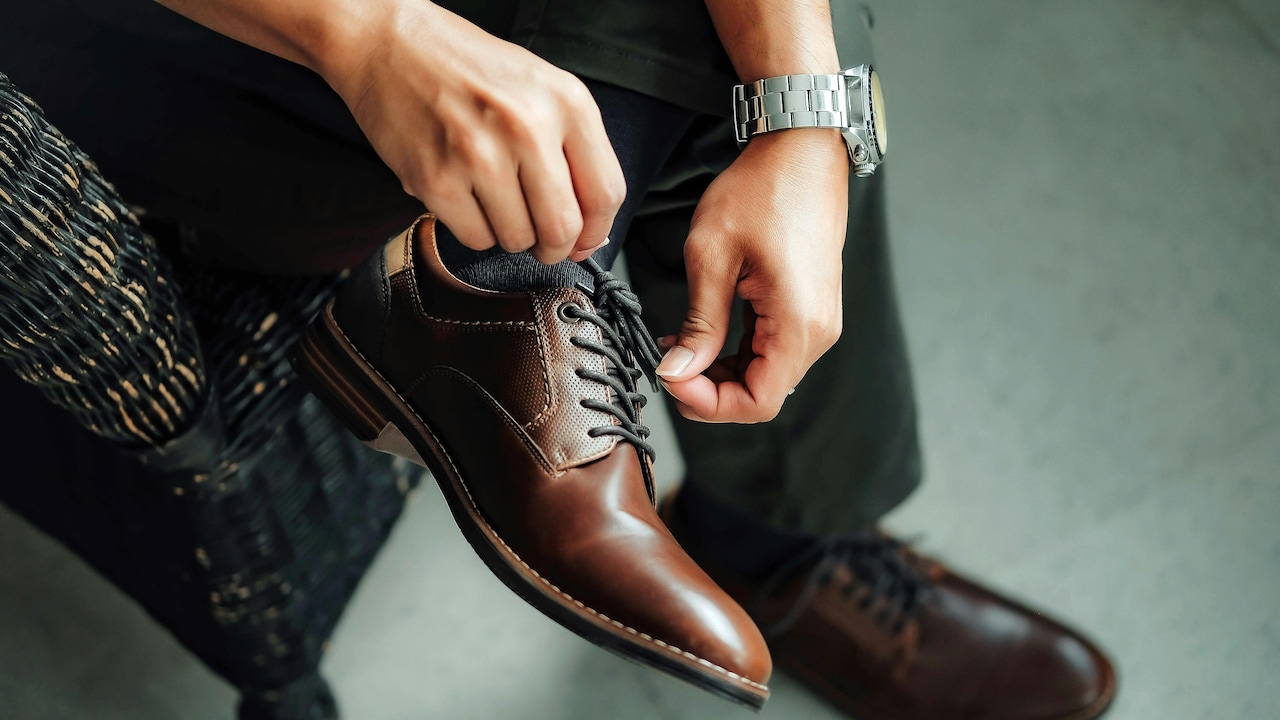
Breaking in boots should feel gradual, not painful. Stiff boots require short initial wears. Thick socks help reduce friction during early outings. Flexing soles gently by hand loosens rigid areas before wearing.
Avoid wearing new boots for long events straight away. Start with brief walks and increase duration gradually. Leather softens with warmth and movement, adapting to foot shape.
Quick fixes like heel grips and blister patches provide extra protection during the break-in phase. Patience pays off. Rushing the process often leads to regret and sidelined footwear.
10. Budget Smartly Without Sacrificing Comfort
Comfort does not demand extravagant spending, but extremely cheap boots often cut corners. Poor materials, weak soles and inadequate cushioning usually show up quickly. Investing wisely saves money in the long run.
Set a realistic budget and prioritise essentials like fit, cushioning and material quality. Many reliable brands offer comfortable boots within ₹3,000–₹6,000. Sales provide opportunities to snag premium designs at friendlier prices.
Treat boots as tools, not just accessories. Comfortable footwear supports posture, mood and confidence. Spending thoughtfully turns boots into companions rather than adversaries.
Products Related To This Article
1. TRM Boots For Men
2. RIDERS Riders Lightweight Comfortable Trendy Walking Outdoor Slip On Chelsea Boots Boots For Men
3. Gdr shoe mart L2 Boots For Men
4. Layasa Men Chelsea Slip-On Synthetic Leather Comfortable Boots For Men
5. Vellinto Royal Look Party Wear ll Casual ll Latest Patent Leather Boots for Men Boots For Men
Comfortable boots combine science, thoughtful design and smart shopping. Heel comfort relies on balance, cushioning, support and materials working together seamlessly. Painful footwear never deserves a place in daily life, no matter how stylish it looks on display.
By understanding how heels function and what feet truly need, shopping transforms from guesswork into confidence. Comfortable boots support long days, lively evenings and everything in between. When feet feel good, every step feels lighter. And that, more than any trend, defines great footwear.
(Disclaimer: This article may include references to or features of products and services made available through affiliate marketing campaigns. NDTV Convergence Limited (“NDTV”) strives to maintain editorial independence while participating in such campaigns. NDTV does not assume responsibility for the performance or claims of any featured products or services.)