How to Buy Chikankari Online: 10 Easy Ways to Spot Real Work
Shop chikankari online without getting fooled by shiny thread, flat machine work, or cheap fabric. These simple checks help you spot neat, authentic-looking embroidery before you buy. Here's how you can spot real chikankari like a real fashion enthusiast.
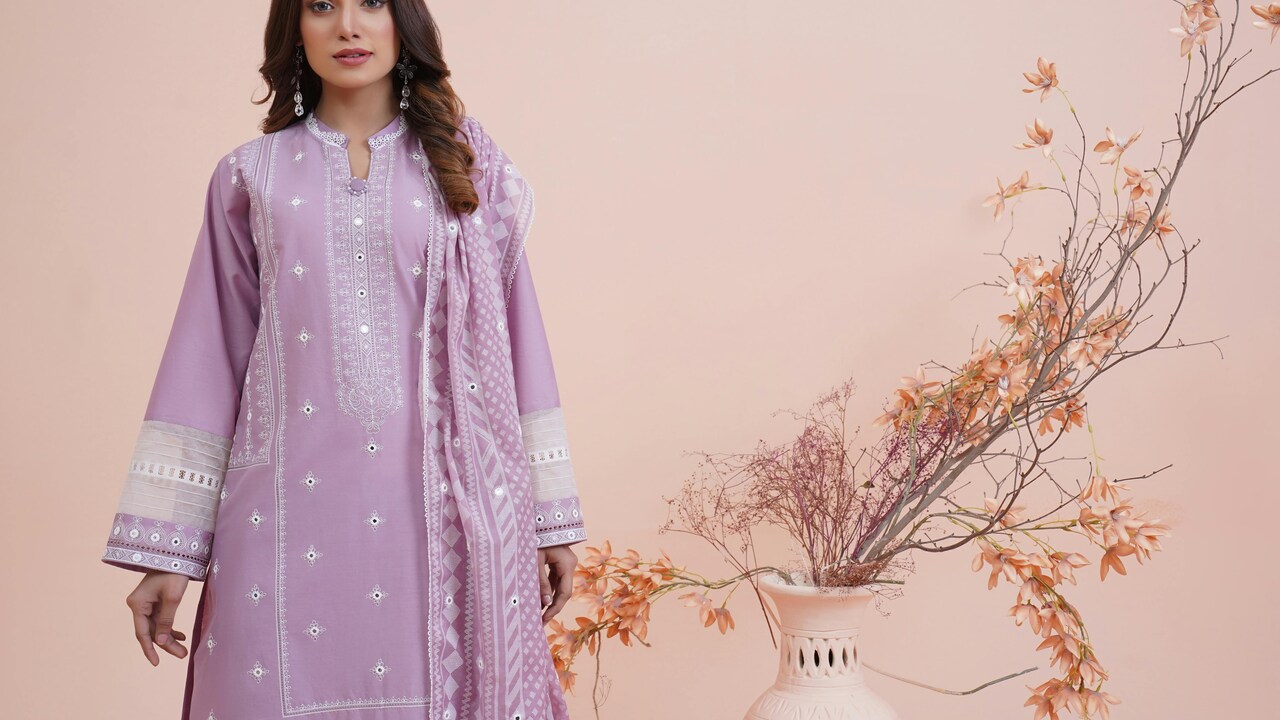
Here Is How To Buy Chikankari Online Without Getting Fake-Looking Work.
Chikankari has a quiet kind of charm. It doesn't scream for attention, yet somehow becomes the star of the outfit. The problem starts when shopping moves from the comforting chaos of a market lane to a clean, glossy online store. Screens can lie. Lighting can flatter. Descriptions can do gymnastics. And suddenly, what looked like delicate threadwork of Chikankari arrives looking stiff, shiny, and oddly “printed-but-trying-to-be-embroidery”.
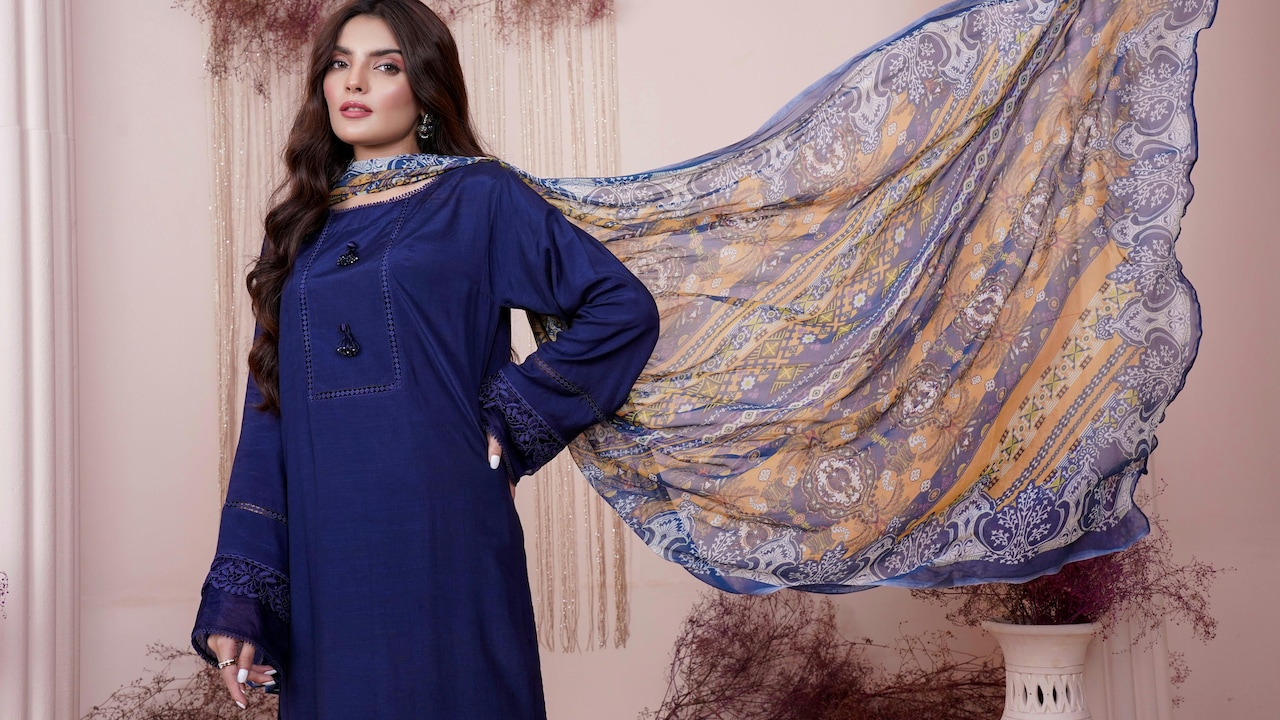
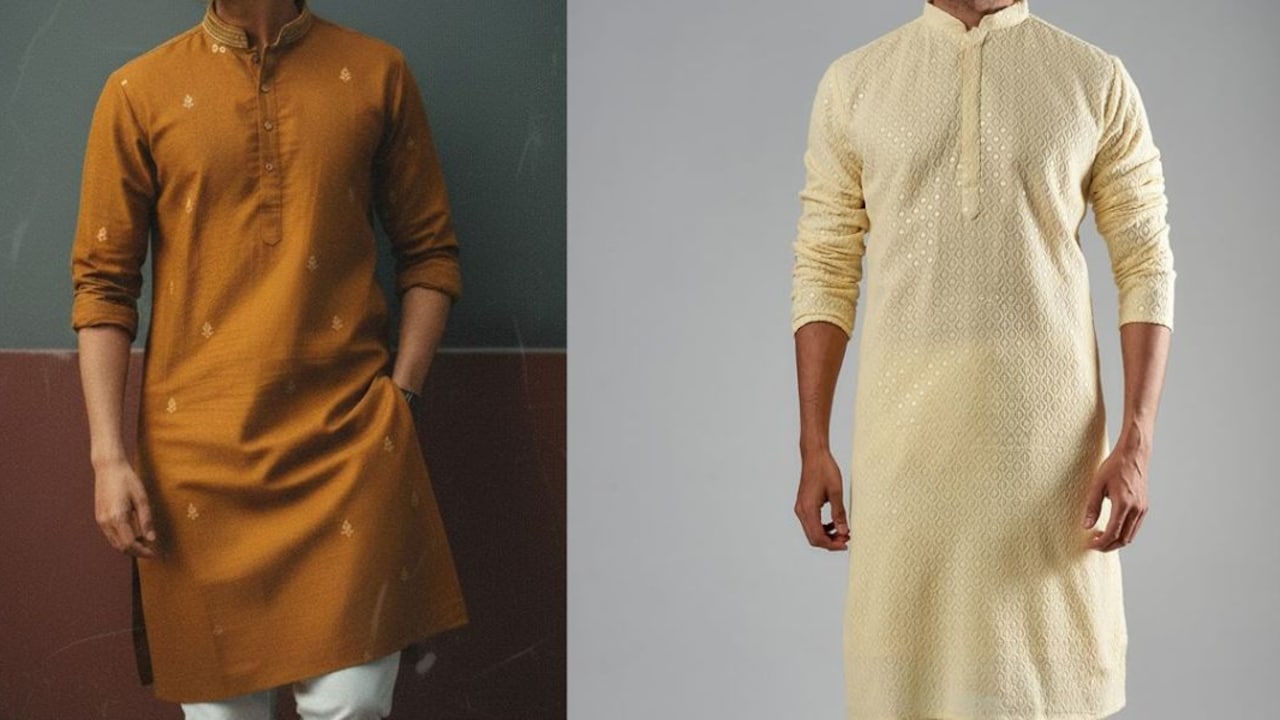
Learn the art of identifying real chikankari work using these expert tips; Photo Credit: Pexels
Online chikankari shopping isn't risky because good work is rare. It's risky because the internet makes average work look exceptional. And when chikankari is done badly, it shows immediately. The stitches look thick. The motifs look flat. The fabric looks like it's holding its breath.
This is where a smarter approach saves money and disappointment. The aim isn't to become a textile expert overnight. The aim is to know the small signs that separate authentic-looking, neat work from the kind that looks fake from five feet away. Let's get into it.
Also Read: Pair Palazzo Pants With Best Short Chikankari Kurtis, Check Top 8 Picks Online
10 Smart Ways to Spot Real-Looking Chikankari Online
1) Learn what “real-looking” chikankari actually looks like
Most online disappointments happen because expectations are built on heavily edited photos. Real chikankari has a softness to it. The embroidery sits gently on the fabric, not like it's been glued on. The stitches look like they belong there. They don't look chunky, overly raised, or suspiciously identical.
Good chikankari also has tiny variations. Not messy ones, human ones. When the work is handmade, the thread tension changes slightly. The curves breathe. The flowers don't look like they were stamped using a cookie cutter. That subtle irregularity is a feature, not a flaw.
Fake-looking work often has a stiff, uniform vibe. The motifs feel too perfect. The thread looks too shiny. Sometimes the “work” is just a textured print pretending to be embroidery. The moment the fabric moves, it gives itself away.
A quick trick? Zoom in. If the stitches look like a clean row of identical loops with no natural variation, it's likely machine-heavy. Chikankari should look like a craft, not like an office spreadsheet.
2) Check the fabric first, because bad fabric makes even good work look cheap
Chikankari and fabric have a relationship. Put delicate embroidery on a harsh fabric, and it looks confused. Many online sellers push synthetic blends because they photograph well and cost less. Under bright studio lights, polyester can look “smooth and premium”. In real life, it can look sweaty, shiny, and oddly loud.
For everyday wear, cotton, mulmul, cambric, and soft rayon tend to carry chikankari beautifully. For dressier pieces, georgette and chiffon work well too, but only when the embroidery is done with care. The fabric should flow. It should not feel like it's resisting movement.
If the listing says “cotton mix” or “silk blend” without details, treat it like a vague food label. It could mean anything. A trustworthy seller usually mentions the exact fabric type, plus how it feels. Words like breathable, soft, lightweight, and skin-friendly aren't just marketing. They signal that the seller understands the product.
Also, good fabric reduces the risk of that fake-looking effect. Even simple stitches look elegant on the right base. On cheap fabric, everything looks like a compromise.
3) Don't trust one photo, trust the close-ups and the awkward angles
A single front-facing photo is the online equivalent of meeting someone who only posts selfies with one specific side of their face. It's not illegal, but it raises questions.
For chikankari, the close-ups matter more than the full outfit shot. A good listing should show the embroidery from near enough that the thread texture becomes visible. The work should look clean. The stitches should sit flat where they should, and puff gently where they're meant to.
Also, look for unflattering angles. Side views, back views, and fabric drape shots reveal a lot. If the seller avoids them, there's often a reason. Real chikankari has depth. It catches light in a subtle way. Fake-looking work tends to either disappear completely or look harsh and plasticky.
Another giveaway is the “over-smooth” photo. If the embroidery looks like it's been airbrushed, it probably has. Many sellers blur images to hide uneven stitching or low-quality thread.
A confident seller won't be scared of zoom. If the listing feels like it's hiding, it probably is.
4) Understand the difference between stitches and don't get fooled by fancy names
Chikankari has a whole vocabulary. Sellers know this. Some use that vocabulary honestly. Others use it like a magic spell to make anything sound authentic.
The most common stitches include bakhiya, phanda, murri, jaali, tepchi, and keel kangan. The key isn't memorising them like an exam. The key is recognising what a handmade detail looks like.
Jaali work, for example, creates a delicate net-like effect where threads seem to “lift” the fabric. It takes skill. It doesn't look flat. If a listing claims jaali but shows a flat mesh-like pattern, that's usually imitation.
Murri and phanda look like tiny knots or grains. They should look slightly raised and textured, not like little plastic dots.
If the product description is stuffed with stitch names but the photos don't show the details, treat it like a menu that lists 40 dishes but can't cook one properly.
Good sellers keep it simple and show the work clearly. Real craft doesn't need too much shouting.
5) Watch out for the “too-white, too-shiny” problem
That bright, blinding white kurta online can look like a dream. Then it arrives and looks like a school uniform from 2006. This happens more often than people admit.
Chikankari looks best in whites, off-whites, pastels, and soft colours. But the shade matters. Many low-cost pieces use optical brighteners. Under sunlight, the fabric looks almost blue-white. It feels harsh. The embroidery also starts looking flat because everything blends into one loud brightness.
Also, watch out for shiny thread. Traditional chikankari thread has a soft, matte finish. If the thread reflects light like tinsel, the piece can look costume-like. That's one of the biggest reasons chikankari ends up looking fake.
A good online listing will mention whether the thread is cotton or polyester. Cotton thread looks softer and more refined. Polyester thread looks brighter and more “perfect”, which ironically makes it look less authentic.
If the photos look like the kurta could glow in the dark, it might not be the vibe you're after.
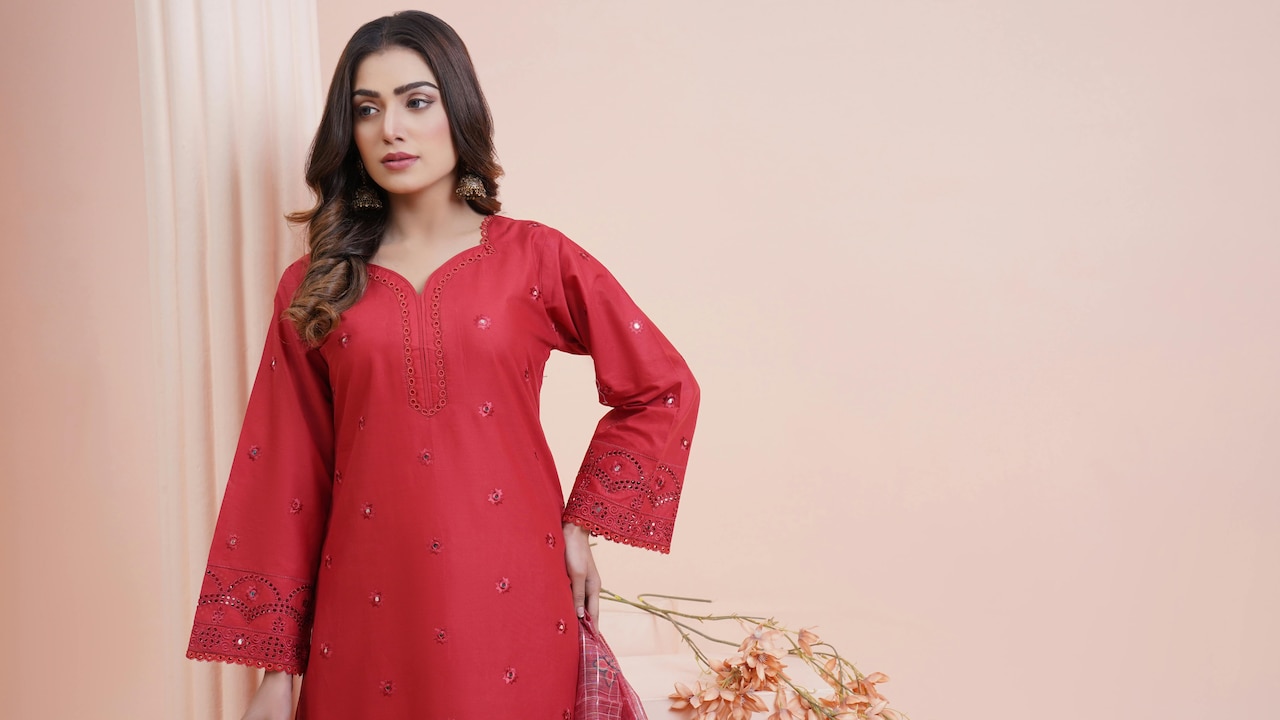
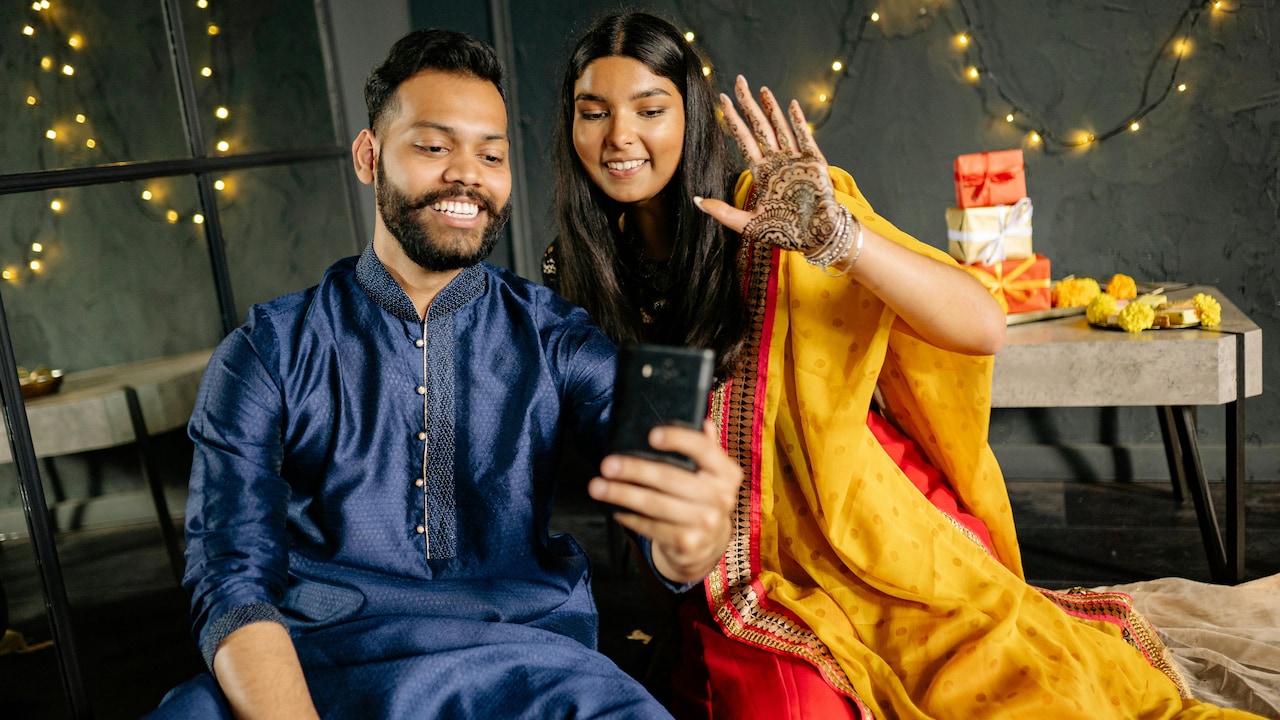
Always remember that traditional chikankaris have a soft, matte finish; Photo Credit: Pexels
6) Price matters, but not in the way most people think
There's a belief that expensive chikankari is always better and affordable chikankari is always fake-looking. Both ideas are wrong. Price is a clue, not a verdict.
Hand embroidery takes time. That time has a cost. If a full-length anarkali with heavy work is priced at ₹899, it's almost certainly machine embroidery or imitation. That doesn't automatically make it “bad”, but it changes expectations. It won't have that soft, handcrafted finish.
On the other hand, a piece priced at ₹6,000 can still disappoint if the seller relies on branding rather than quality. Some stores charge for packaging, not craft.
The sweet spot often sits in the middle. A well-made kurta with neat, detailed work commonly starts around ₹1,800 and goes upward depending on fabric and complexity. Heavier pieces can go higher, especially with jaali and dense embroidery.
A smart approach is to compare similar products across a few sellers. If one price looks wildly unrealistic, it probably is. Chikankari doesn't do miracles. It does patience.
7) Read reviews like a detective, not like a fan
Reviews can save lives. Or at least save wardrobes. But only if read properly.
Ignore the reviews that say “Nice” or “Good product”. Those are basically emotional placeholders. Look for reviews that mention fabric feel, embroidery neatness, thread quality, and whether the product matches photos.
Pay attention to complaints about stiffness, shine, or “looks different in real life”. Those phrases often translate to fake-looking work.
Customer-uploaded photos are gold. They show the piece in real lighting, on real bodies, in real homes where nothing is curated. If the embroidery looks flat or the fabric looks shiny in those photos, believe them. Studio photography can hide a lot. A living room tube light cannot.
Also, watch for repeated phrases across multiple reviews. If several people say the same thing with the same wording, it may be copied. Real reviews vary. People complain in creative ways.
If the reviews mention things like “work is neat” and “looks classy” without sounding scripted, that's usually a good sign.
8) Choose sellers who show the garment as a garment, not as a fantasy
Some listings sell chikankari like it's a fairy tale. The model is standing in a palace. There's wind. There's a mug of tea. The kurta is floating like it has its own emotional arc.
And yet, there's no clear shot of the sleeves.
That's a problem.
Reliable sellers show garments plainly. Front, back, neckline, sleeve, hem, and close-up embroidery. They also show the inside, if possible. The reverse side can reveal whether the embroidery is clean or messy. A neat back often indicates better finishing.
Sellers who understand chikankari also mention practical details: lining, transparency, wash care, and whether the fabric is see-through. These things matter because many white chikankari pieces need a slip. If the seller avoids this topic, it can lead to awkward surprises.
A good chikankari purchase should feel like a thoughtful buy, not a gamble wrapped in poetic lighting.
9) Don't ignore finishing: seams, necklines, and the “cheap tailoring” giveaway
Even when the embroidery is decent, poor finishing can ruin the whole piece. This is the part many people overlook because they focus only on the threadwork.
Look closely at the neckline in the photos. Is it neatly stitched? Does it sit flat? Or does it look like it will curl after one wash? Cheap finishing often shows up in neck piping, sleeve hems, and side seams.
Also, check whether the embroidery placement looks intentional. On better pieces, motifs sit symmetrically or thoughtfully. On rushed pieces, motifs can look randomly scattered, like someone tossed flowers into the air and hoped for the best.
A fake-looking vibe often comes from imbalance. Too much work in one spot, too little elsewhere, or awkward spacing that makes the design look unfinished.
Another common issue is harsh interfacing around the neck. It makes the fabric stiff, and the kurta looks structured in the wrong way. Chikankari should feel soft, not like formal office wear.
The best pieces feel comfortable even before they look pretty.
10) Be smart about returns and washing, because chikankari needs care
Even the best online shopping strategy can't guarantee perfection. That's why return policies matter. Before buying, check whether returns are allowed and what counts as eligible. Some sellers only allow exchange. Some don't accept returns on discounted items. And some have rules so strict they feel like a school attendance policy.
Once the piece arrives, inspect it in daylight. Look at the embroidery, fabric feel, and stitching. Try it on gently. If it looks fake-looking in real light, don't convince yourself it will “grow on you”. It won't. That's how wardrobes get filled with regret outfits.
Also, chikankari needs gentle washing. Harsh detergents, rough machine cycles, and aggressive scrubbing can ruin the thread and make it look fuzzy or dull. That's when even good work starts looking cheap.
For white pieces, avoid strong bleach. It can weaken fabric and thread. Mild detergent and careful handling work best.
A little care keeps chikankari looking graceful for years. It's not high maintenance. It just doesn't like being treated like gym clothes.
Products Related To This Article
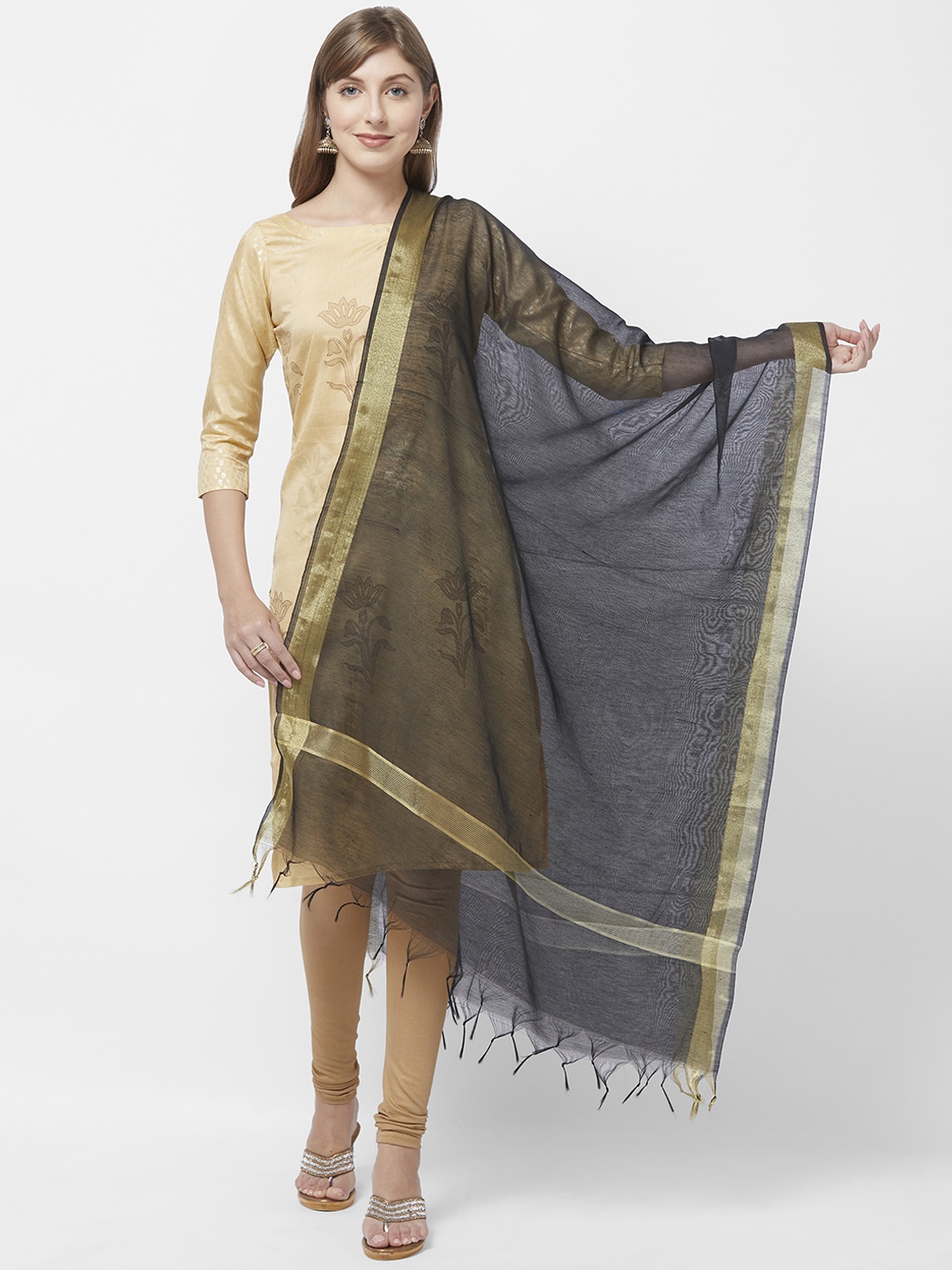
1. KALINI Floral Embroidered Chikankari Georgette Straigth Kurta
2. Jompers Men Cotton Embroidered Chikankari Kurta
3. KALINI Women Chikankari Embroidery Kurta
4. Jompers Geometric Embroidered Mandarin Collar Chikankari Kurta
5. Uparna Women Ethnic Motifs Embroidered Chikankari Kurta
6. Uparna Ethnic Motifs Embroidered Chikankari Kurta
7. Jompers Floral Embroidered Regular Chikankari Straight Kurta With Pyjamas
Buying chikankari online doesn't need to feel like rolling dice. With the right cues, fabric clarity, stitch detail, realistic pricing, honest photos, and reliable reviews, it becomes a confident, satisfying purchase. The goal isn't perfection. The goal is to avoid that unmistakable fake-looking finish that makes the outfit feel wrong the moment it comes out of the package.
Chikankari is meant to feel soft, lived-in, and quietly beautiful. When it's done well, it doesn't try too hard. It simply works, whether it's worn to a family lunch, a small festive gathering, or just on a day when comfort and elegance need to coexist.
And if a listing looks too glossy, too cheap, or too vague, trust that instinct. Chikankari is delicate craft. It deserves a buyer who shops with both heart and a little healthy suspicion.
(Disclaimer: This article may include references to or features of products and services made available through affiliate marketing campaigns. NDTV Convergence Limited (“NDTV”) strives to maintain editorial independence while participating in such campaigns. NDTV does not assume responsibility for the performance or claims of any featured products or services.)