How To Buy Sneakers For Daily Wear: Know The Ones That Suit
Choosing sneakers for daily wear goes beyond style. Learn how to pick the right pair based on comfort, fit, materials, and routine, so your feet stay supported every day. Also, check the top picks, from Puma, HRX, Asian, Allen Solly to Ducati.
Buying Sneakers for Daily Wear? This Is How To Pick The Most Comfortable Pair.
Sneakers are no longer limited to gyms or weekend outings. They sit under work trousers, paired with kurtas, and survive traffic jams, uneven pavements, and sudden rain. A good pair feels like a dependable friend—always ready, never complaining. Yet many people still buy sneakers in a hurry, guided by discounts or flashy displays. The result often shows up as sore feet, worn soles, or shoes that stay forgotten at the back of the cupboard.
Daily wear sneakers demand more thought. They need to balance comfort and durability while fitting personal routines. This article walks through smart, simple ways to choose sneakers that actually suit daily life. Know all about how to buy sneakers for daily wear and check out the ones that suit, from Puma, HRX, Asian, Allen Solly to Ducati.
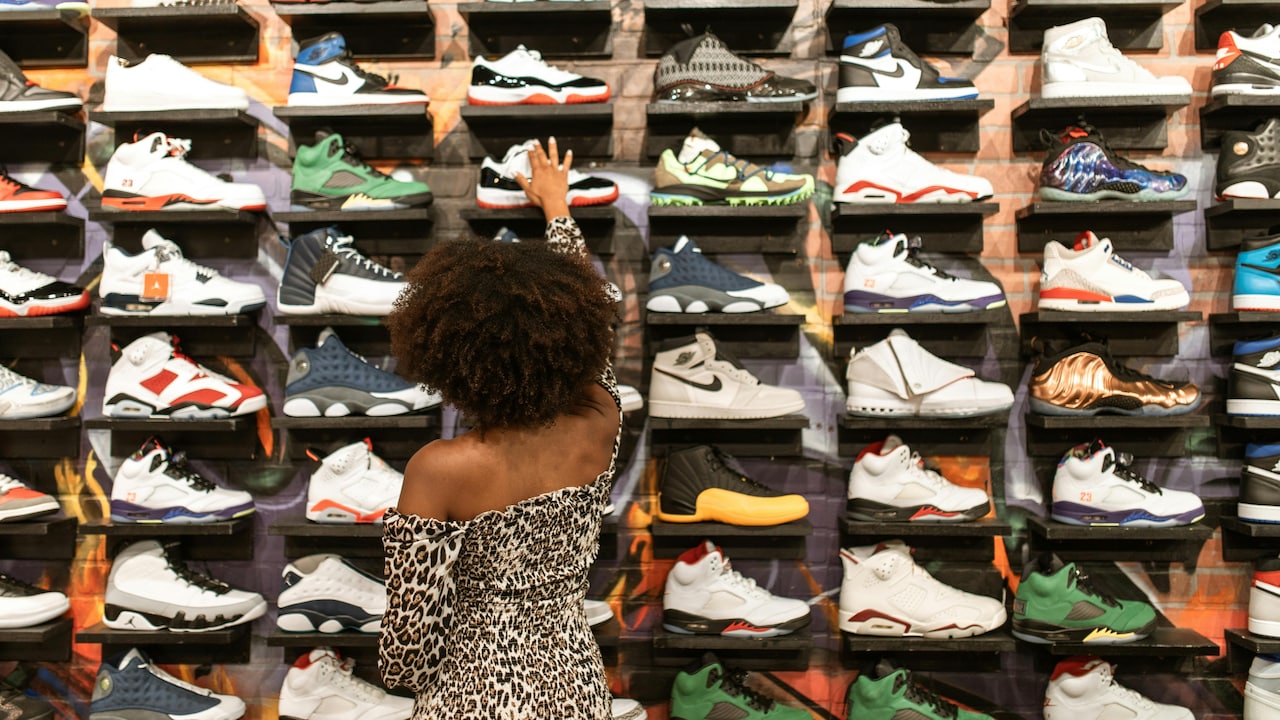
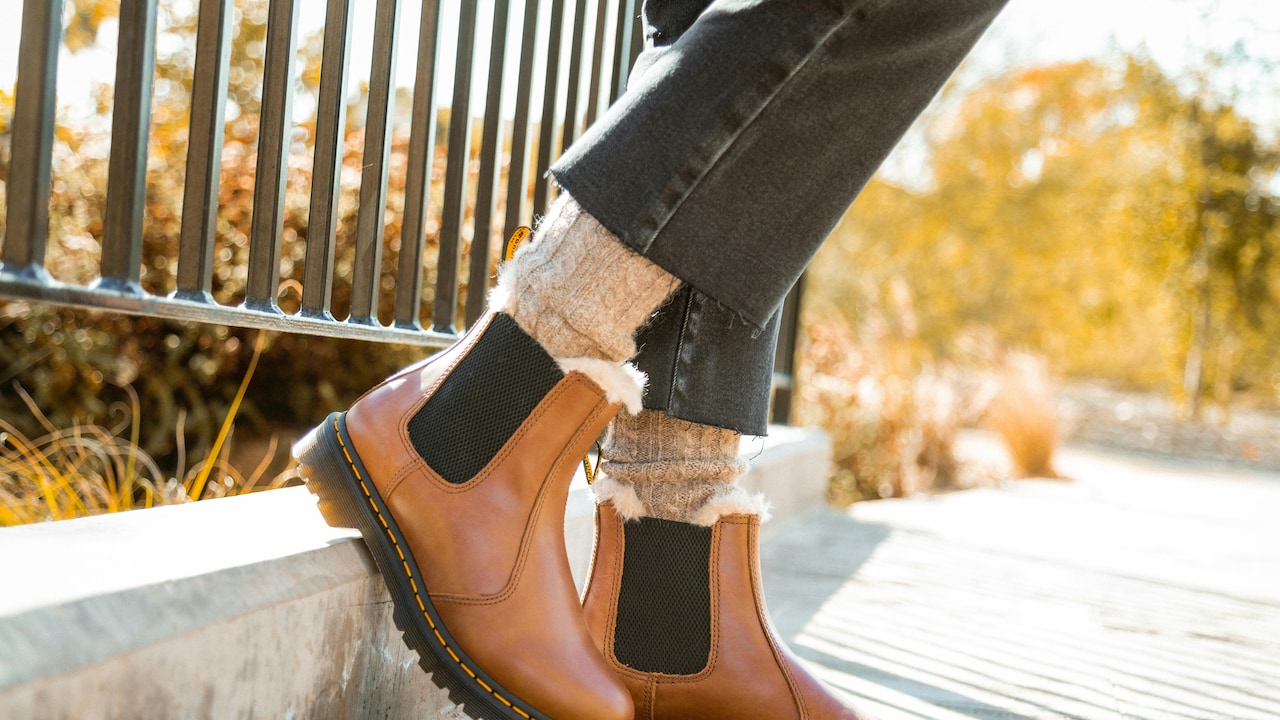
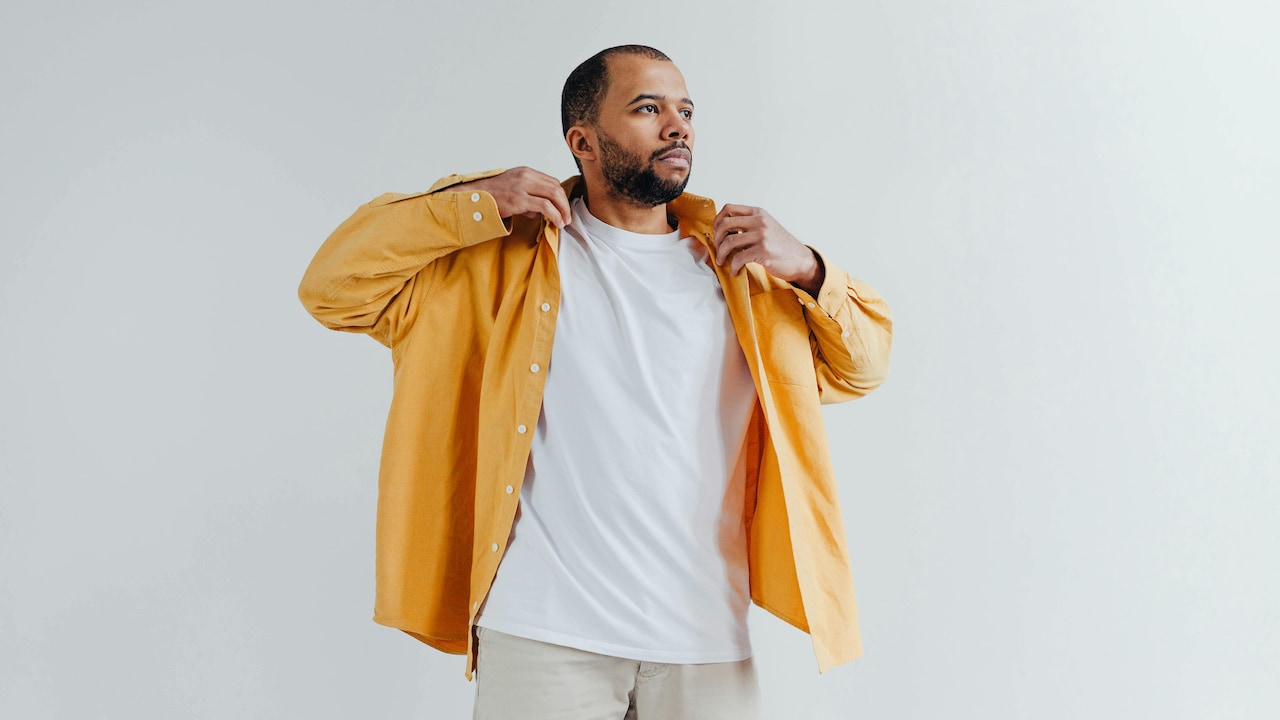
Buying Sneakers for Daily Wear? This Is How To Pick The Most Comfortable Pair; Photo Credit: Pexels
Before You Buy: A Few Things Worth Thinking About
1. Understand Daily Use Before Choosing Style
Daily wear means different things to different people. Some spend hours walking between meetings. Others sit most of the day but face long commutes. Sneakers should match that rhythm. A bulky running shoe may look sporty but can feel awkward during long indoor hours. A slim sneaker may look neat but lack cushioning for long walks.
Start by picturing a typical day. Think about steps taken, surfaces walked on, and time spent standing. A shoe worn for ten hours needs flexibility and breathability. Style should follow function, not the other way around. Neutral colours work better for regular use, as they blend easily with wardrobes. Loud designs feel exciting at first, but often lose charm.
Daily wear sneakers should feel invisible on the feet. When shoes disappear from awareness, comfort is doing its job. Choosing with routine in mind saves money and prevents regret.
2. Focus on Comfort Over Brand Names
Big logos often steal attention, yet comfort rarely comes from branding. Feet respond to cushioning, support, and fit. A lesser-known brand can outperform a popular one if it understands foot anatomy better. Comfort shows up after hours, not at the mirror.
Check the midsole softness by pressing it gently. It should give without collapsing. The inner lining should feel smooth, not rough. Padding around the ankle matters more than flashy colours. Flat soles may look trendy, but they strain arches during long wear.
Price does not always equal comfort. A ₹2,500 sneaker can feel better than a ₹7,000 one if designed well. Paying for quality materials and construction makes sense. Paying for hype does not. Feet carry the body through crowded streets and long queues. They deserve priority over labels.
Also Read: How To Choose Sneakers That Work For Style, Support And All-Day Comfort - 10 Golden Rules
3. Get the Right Fit, Not Just the Right Size
Many people wear the wrong size without realising it. Sizes vary across brands, and foot shape matters as much as length. Some feet are wide, some narrow, some somewhere in between. Daily wear sneakers must respect that shape.
Try sneakers in the evening when feet are slightly swollen. That reflects real conditions better. There should be space for toes to move, yet the heel should feel secure. Tight shoes promise to loosen later, but rarely do in the right places. Loose shoes cause friction and fatigue.
Walk around for a few minutes while trying them on. Any pinching or slipping is a warning sign. Socks matter too. Thick socks change fit. Getting this step right prevents blisters, back pain, and endless discomfort.
4. Choose Breathable Materials for Long Hours
Heat and humidity turn shoes into uncomfortable traps. Breathable materials help keep feet cool and dry throughout the day. Mesh uppers allow airflow, while certain knits adapt to movement. Leather looks premium but may feel heavy for daily use.
Sweaty feet lead to odour and skin issues. Breathability reduces both. A well-ventilated sneaker feels fresher even after hours on the move. Check for small perforations or woven patterns on the upper.
Avoid materials that feel stiff or plasticky. They trap heat and restrict movement. Breathable sneakers may cost slightly more, but they provide comfort and hygiene. Over time, that matters more than saving a few rupees upfront.
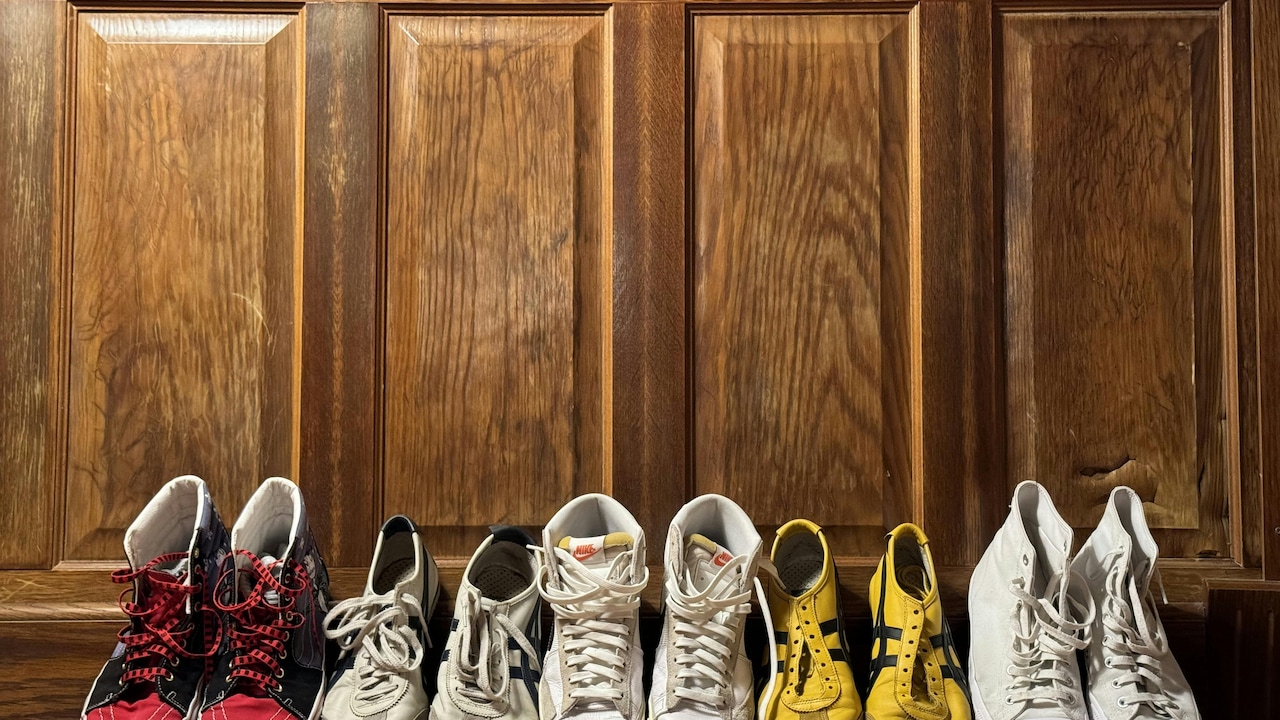
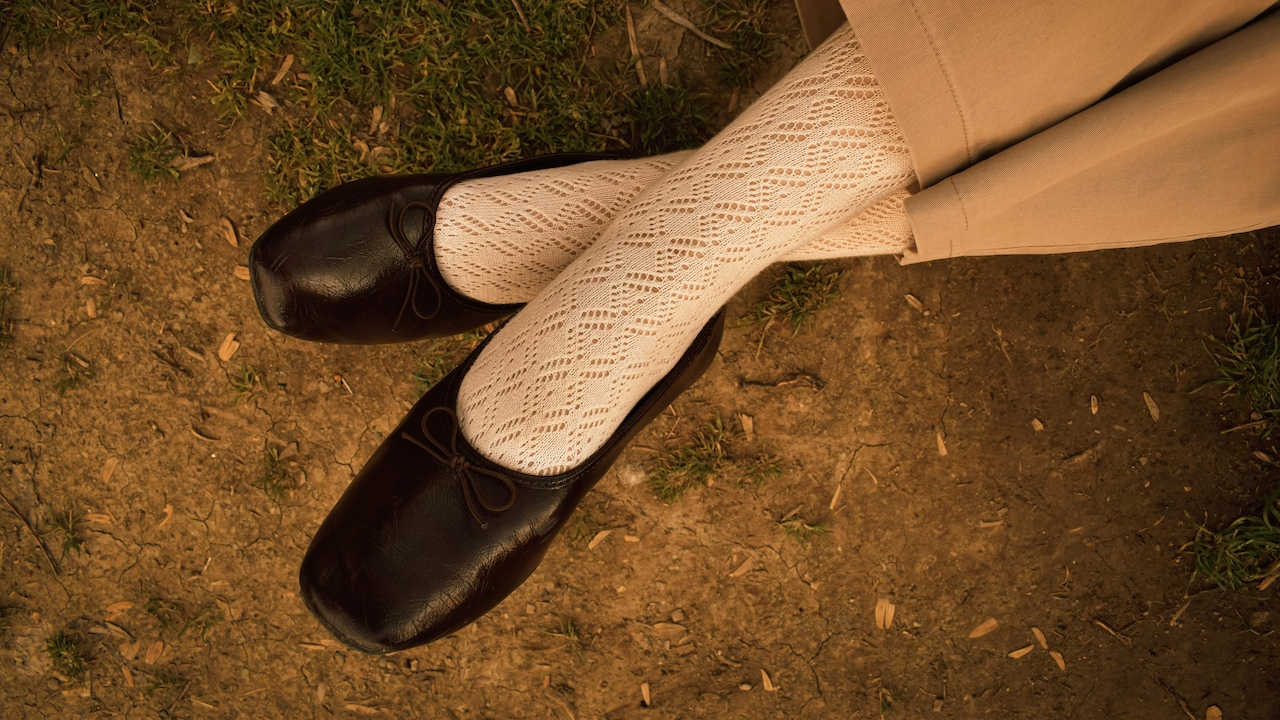
Buying Sneakers for Daily Wear? This Is How To Pick The Most Comfortable Pair.; Photo Credit: Pexels
5. Pay Attention to Sole Quality and Grip
The sole does most of the hard work. It absorbs impact, provides balance, and protects feet from rough surfaces. For daily wear, a flexible yet sturdy sole works best. Hard soles strain joints. Overly soft soles wear out quickly.
Grip matters more than often realised. Smooth soles slip easily on wet tiles or uneven roads. Look for textured patterns underneath. Rubber soles generally perform well for everyday conditions.
Thickness also plays a role. Thin soles feel light but may offer little protection. Moderate thickness balances comfort and control. A good sole makes walking feel natural, not forced. It supports without shouting for attention.
6. Keep Weight Light for All-Day Ease
Heavy sneakers tire feet faster. They may look solid but feel exhausting after hours. Lightweight designs reduce strain and help maintain energy levels. Modern materials allow durability without bulk.
Lift the shoe before buying it. If it feels heavy in hand, it will feel heavier on the feet. Daily wear sneakers should move with the body, not drag it down. Lightweight shoes suit long commutes and spontaneous walks.
That does not mean flimsy. Balance matters. A well-designed lightweight sneaker feels sturdy yet easy. It allows quick steps and relaxed movement. Over time, lighter shoes reduce fatigue and improve posture without effort.
7. Match Sneakers with Everyday Outfits
Daily sneakers should blend into wardrobes without fuss. Neutral shades like white, grey, black, or beige pair easily with most clothes. Bright colours look fun, but limit styling options.
Consider trousers, jeans, and traditional wear often used. Sleek silhouettes work better across styles. Chunky sneakers suit casual looks but clash with formal pieces. A versatile sneaker saves money by serving multiple outfits.
Clean design ages better than trend-driven details. Subtle textures and simple lines remain stylish longer. Choosing wisely avoids the need to buy multiple pairs. One good sneaker can handle workdays, errands, and relaxed outings with ease.
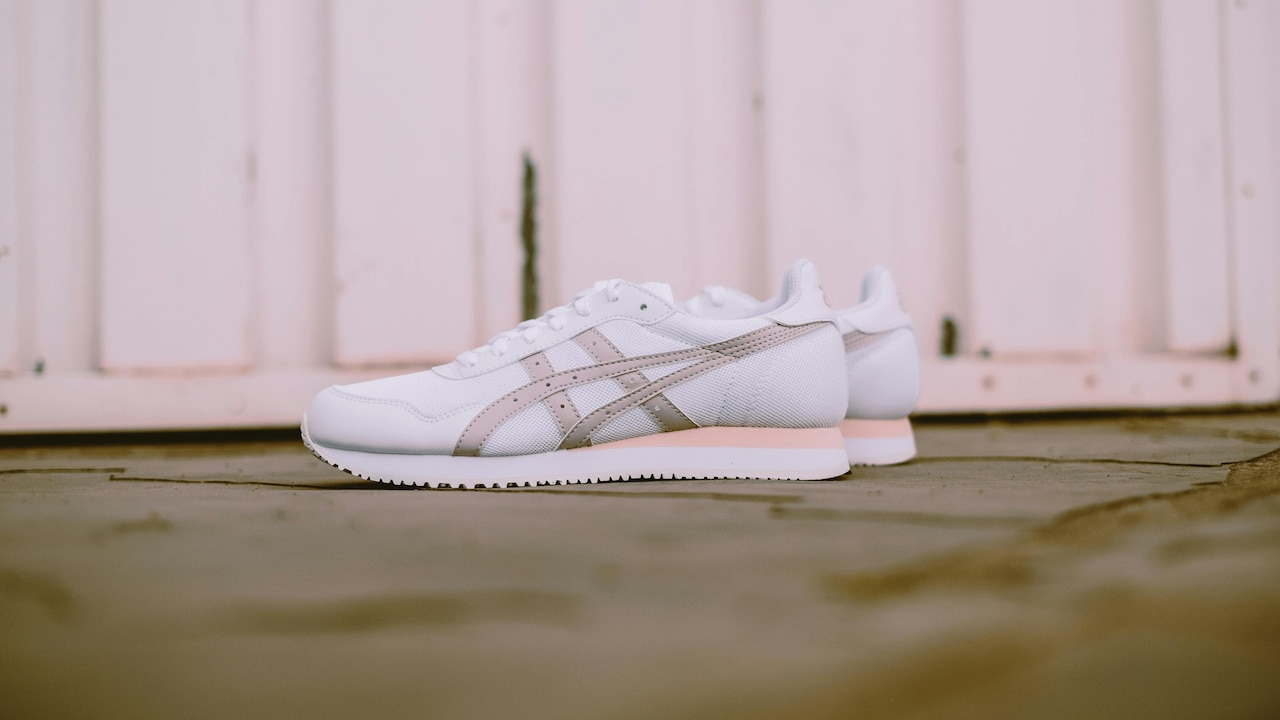
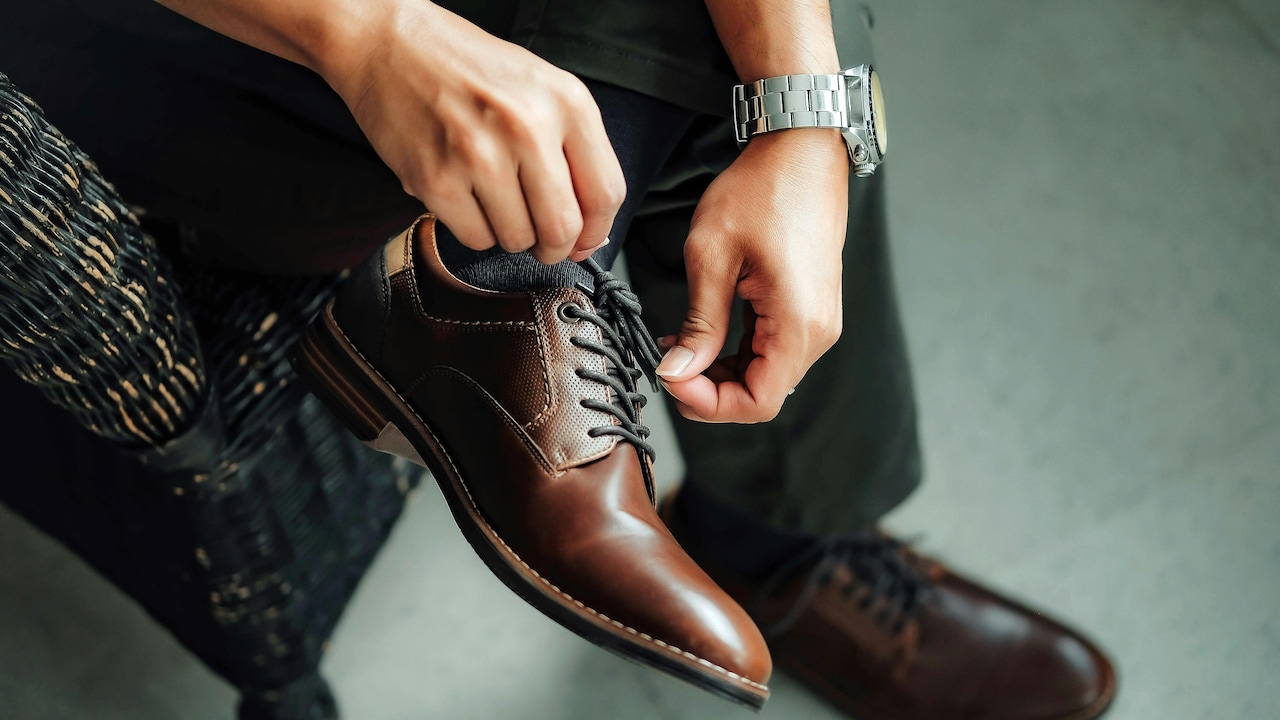
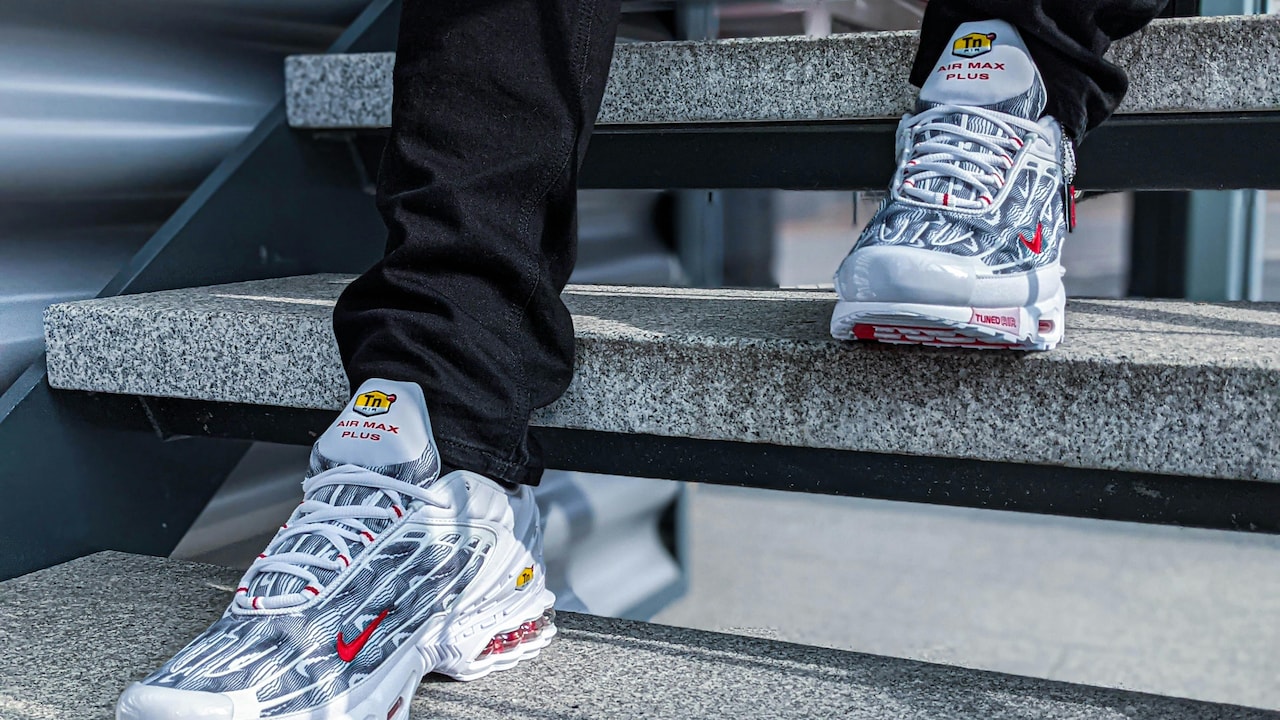
Buying Sneakers for Daily Wear? This Is How To Pick The Most Comfortable Pair.; Photo Credit: Pexels
8. Set a Realistic Budget Without Cutting Corners
Budget shapes choices, yet it should feel realistic. Daily-wear sneakers face constant use, so quality matters. Spending too little often leads to frequent replacements. Spending too much may not guarantee comfort.
A sensible range sits between ₹2,000 and ₹4,000 for reliable daily sneakers. Within this range, many well-made options exist. Focus on materials, stitching, and sole quality rather than discounts alone.
Think long term. A durable pair worn daily offers better value than a cheap one replaced every few months. Budget wisely, not emotionally. Feet remember poor choices far longer than wallets do.
9. Know When to Replace Daily Sneakers
Even the best sneakers wear out. Ignoring signs leads to discomfort and injury. Flattened soles, uneven wear, and reduced cushioning signal time for replacement. Shoes that once felt supportive start feeling hard or unstable.
Daily sneakers usually last six to twelve months depending on use. Rotating pairs extends life and maintains comfort. Wearing the same pair every day speeds up wear.
Listen to feet. Pain in heels or knees often points to worn shoes. Replacing sneakers on time protects joints and posture. Letting go feels wasteful, yet holding on costs more in health terms.
10. Trust Comfort, Not Trends or Opinions
Advice comes from all sides, friends, shop staff, and social media. Trends change quickly, but feet stay loyal to comfort. Trust personal experience over popular opinion.
If a sneaker feels right, it probably is. If it needs convincing, it likely is not. Comfort does not need justification. It shows up as ease, balance, and confidence in movement.
Daily wear sneakers should support life, not distract from it. When shoes fit well, days feel lighter. Walking becomes smoother. That quiet comfort speaks louder than any trend ever could.
Products Related To This Article
1. Puma Smashic Women Comfort Casual Sneakers
2. HRX by Hrithik Roshan Unisex Back To School Shoes
3. ASIAN Men Round Toe Memory Foam Sneakers
4. Theater Women Jiro Black Mary Jane Flats
5. Ducati Men Sneakers
6. DOCTOR EXTRA SOFT Women Textured Lightweight Memory Foam Insole Canvas Slip-On Sneakers
7. Allen Solly Women Everyday Sneakers
Buying sneakers for daily wear is a practical decision with a long-lasting impact. The right pair supports routines, protects health, and adds ease to busy days. Comfort, fit, material, and purpose matter far more than hype or branding. Thoughtful choices save money, prevent discomfort, and bring quiet satisfaction.
Sneakers should feel like an extension of the body, not an accessory demanding attention. When chosen well, they carry stories of long walks, crowded streets, and small victories. Investing time in choosing the right pair pays off with every step taken.
(Disclaimer: This article may include references to or features of products and services made available through affiliate marketing campaigns. NDTV Convergence Limited (“NDTV”) strives to maintain editorial independence while participating in such campaigns. NDTV does not assume responsibility for the performance or claims of any featured products or services.)