How To Choose A Jacket For Two-Wheeler: Beat The Wind Chill, Stay Warm And Ride In Style This Way
Beat the wind chill on your two-wheeler. Choose a jacket that stays warm, blocks rain, fits right, and adds real protection, without sacrificing style. Below are 10 tips that help you choose a jacket that suits the body, the bike, the weather, and the budget, without turning the shopping trip into a research project.

How To Choose The Best Two-Wheeler Riding Jacket For Winter: Top 10 Tips For Warmth.
Winter rides sound romantic until the first gust hits the chest at 50 km/h and turns a normal commute into a deep-freeze experience. Wind chill plays unfairly. The air feels calm at the signal, then turns savage on an open flyover. Add early-morning fog, surprise drizzle, and that one stretch of road where everyone drives as they audition for a stunt show and suddenly, the right jacket feels less like a fashion choice and more like essential equipment. A good two-wheeler jacket solves three problems at once. It keeps warmth in, blocks wind out, and offers protection if things go sideways.
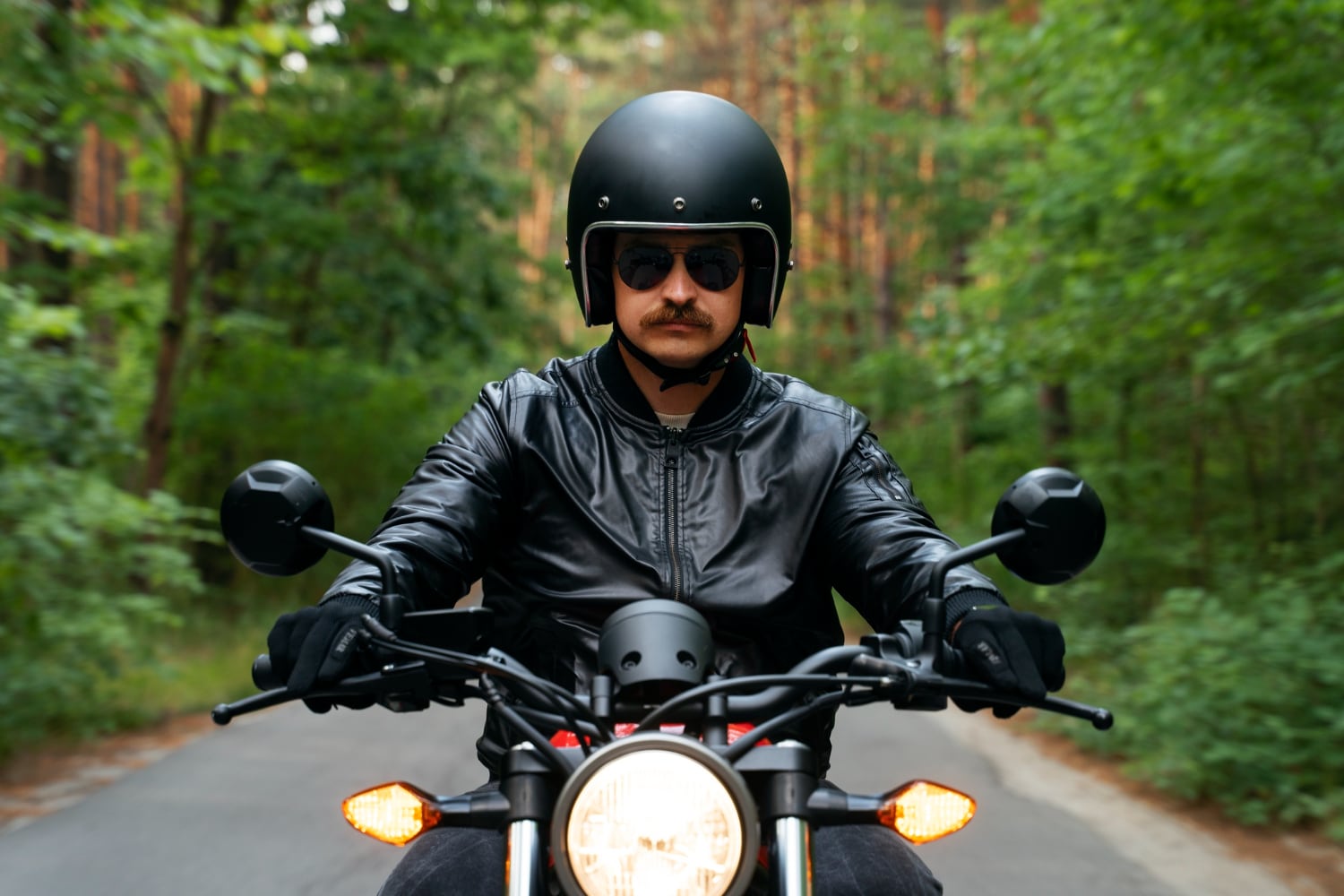
Two-Wheeler Jacket
Photo Credit: Freepik
Here are 10 points about how to choose a jacket for two-wheeler that will beat the wind chill and stay warm.
Your Quick Checklist: Choose The Right Jacket For Every Ride
1) Start With The Job: Daily Commute, Weekend Rides Or Touring
A jacket that works for a 7 km city commute may fail miserably on a 200 km highway run. So begin with the riding routine. City riders face stop-and-go traffic, dust, and sudden heat pockets near buses. A lighter jacket with decent ventilation panels makes more sense here. Weekend riders often hit higher speeds, so wind-blocking and snug cuffs become non-negotiable. Touring needs the full buffet: layering space, rain protection, and comfort for hours.
Think about when the jacket gets used. Early mornings call for insulation. Evening rides call for visibility. If the route includes open stretches, ring roads, bypasses, and coastal highways, the wind chill will bite. Choose a gear that matches the worst 20 minutes of the ride, not the best 5 minutes. Many riders regret buying a 'cool-looking' jacket that feels like a freezer on flyovers. A practical approach saves money, too. Spending ₹6,000–₹12,000 once often beats buying a ₹2,500 jacket every season and still shivering.
2) Fit Decides Comfort, Warmth, And Protection
Fit matters more than brand names and flashy graphics. A loose jacket flaps in the wind, leaks cold air, and shifts armour away from elbows and shoulders. A tight jacket restricts movement, makes layering impossible, and turns shoulder checks into yoga. The right fit feels snug but not clingy. It should allow full handlebar reach, comfortable bending at the elbows, and easy head turns.
Try the jacket in a riding posture. Bend arms as if holding the bars. A good jacket keeps sleeves from riding up and exposing wrists. Check the collar too. A tall collar that irritates the neck will ruin every ride. Look for adjustable cuffs, waist straps, and bicep adjusters. These small details stop wind from sneaking in. Also, check the length. A slightly longer back prevents the classic 'cold air up the spine' moment when leaning forward. For layered winter use, try it with a thin fleece inside. If the zip struggles, size up or choose a different cut.
Also Read: How To Choose The Best Windcheater For Biking, Running, Or Everyday Use: 10 Smart Tips
3) Safety First: Abrasion Resistance And Armour Placement
Warmth feels great, but protection saves skin. Two-wheeler jackets work best when they combine abrasion-resistant outer fabric with armour at impact zones. Look for built-in protectors at the shoulders and elbows, and a pocket for a back protector. Many jackets include basic foam; better ones include certified armour. Even without memorising technical standards, a simple rule helps: choose jackets marketed for riding, not general winter wear, if the bike sees regular use.
Touch the material. Textile riding jackets often use tough synthetic fabrics designed to resist tearing. Leather offers excellent abrasion resistance but needs care and can feel heavy in humidity. Whatever the material, armour must sit correctly. Elbow protectors should cover the pointy bit even when arms bend. Shoulder cups should sit centred, not sliding down the upper arm. Back protection matters on real roads with real potholes. If the jacket allows an upgrade, consider spending extra ₹1,500–₹3,500 on a proper back protector. That upgrade often delivers the best safety value per rupee.
4) Beat Wind Chill With Smart Insulation, Not Bulk
Wind chill makes 18°C feel like 10°C at speed. The jacket needs to block wind and hold warmth. Many riding jackets use a windproof outer shell plus a removable thermal liner. This setup works well because it adapts. Pop the liner in for December mornings, remove it for sunny afternoons. Some jackets also include a separate rain liner. Layering like this beats wearing one thick, puffy jacket that turns into a sauna in traffic.
Check the small openings. Wind sneaks in through cuffs, collar gaps, and the waist. Look for storm flaps over the main zip, snug wrist closures, and a neck design that sits comfortably with a scarf or neck gaiter. A high collar feels brilliant on highways, especially near open fields and water bodies where cold air moves like it owns the place. Warmth also depends on what sits underneath. A thin thermal base layer plus a mid-layer fleece traps heat better than one oversized hoodie. Less bulk, more warmth, better movement.
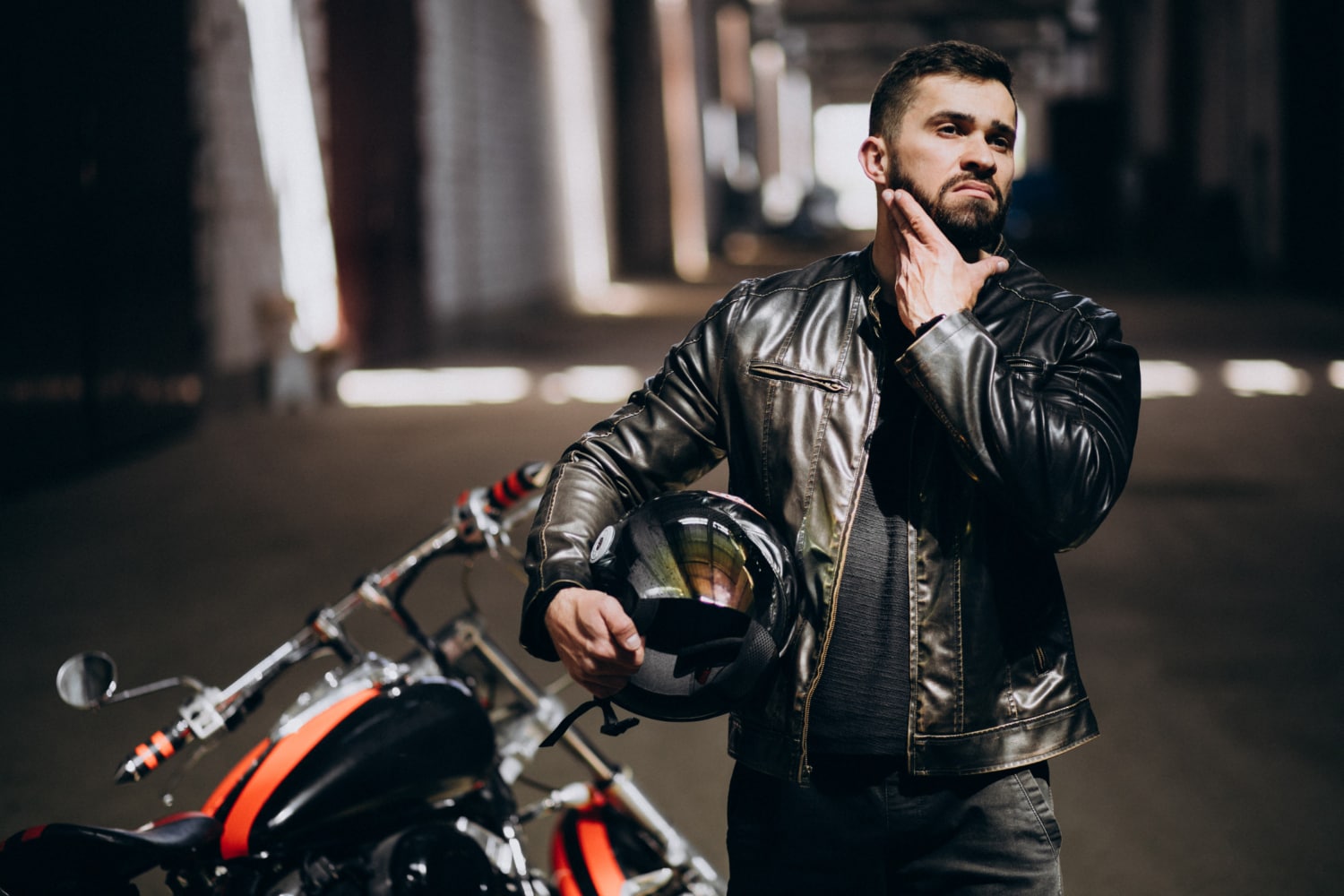
Two-Wheeler Jacket
Photo Credit: Freepik
5) Rain And Winter Mornings: Waterproofing That Actually Works
A jacket that handles cold but fails in rain will disappoint sooner or later. Drizzle soaks sleeves first, then creeps into the chest, and suddenly the ride feels longer than a Monday. For weather protection, check waterproof membranes, sealed seams, and water-resistant zips. Many jackets advertise 'water-resistant' but still let water in during steady rain. For daily use, a proper rain liner or built-in membrane helps.
Also, look for how the jacket manages wet conditions after the ride. Some fabrics dry quickly; others stay damp and smell grumpy. Ventilation zips can double as drying helpers when opened after reaching home. Storage matters too. A waterproof inner pocket keeps phone and wallet safe. In coastal cities, humidity adds another twist. A jacket that traps moisture will feel sticky. Choose breathable waterproofing if possible, especially for longer rides. A practical approach: pick a jacket that handles light-to-moderate rain, then keep a compact rain over-jacket for the 'sky just turned black' days. That combo often costs less than chasing the perfect all-in-one.
6) Ventilation Keeps Comfort Steady Across Traffic, Sun, And Seasons
Winter does not mean constant cold. Sunlight hits differently at noon, and traffic heat rises like a tandoor opening. Ventilation stops the sweaty, clammy feeling that ruins comfort. Good riding jackets include intake vents on the chest and exhaust vents on the back. When airflow moves through, the jacket feels fresh instead of stuffy.
For mixed weather, choose a jacket with vents that operate easily while wearing gloves. Tiny zips that demand fingernail precision will annoy every day. Mesh panels work well in warmer regions but may leak cold air in winter; a removable liner can balance that. If the city stays mild, a jacket with a windproof inner layer and decent vents may cover most of the year. Riders who travel between climates should prioritise adjustable ventilation. Think of it as having a ceiling fan knob for the body. One setting for foggy mornings, one for afternoon sunshine, one for that sudden traffic jam near a metro worksite where everyone forgets lanes exist.
Also Read: How To Choose the Right Jacket Style for Every Personality: A Guide
7) Visibility: Look Good In Daylight, Stay Seen At Night
Style matters, but visibility matters more when headlights bounce off dust and fog. Reflective strips, logos, and piping help other road users spot a rider sooner. This becomes crucial during winter evenings, when darkness arrives early and visibility drops. A jacket in darker colours looks sleek, but it should include reflective elements. A small reflective patch can make a big difference at night.
Check where the reflective parts sit. Back and shoulders matter most because vehicles approach from behind. Sleeve reflectors help during turns and hand signals. If the jacket looks too plain, a reflective slap band or a high-visibility vest can add safety without changing the whole look. Also think about the helmet and gloves as a set. A jacket with modest reflectivity paired with bright gloves or a helmet with reflective decals creates a 'moving signal' effect. It sounds dramatic, but on chaotic roads, anything that helps someone notice a rider earlier counts. Being seen often prevents trouble before it begins.
8) Pockets, Zips, And Small Details That Matter Every Single Day
A jacket can have perfect fabric and still annoy daily if pockets feel useless. Look for pockets that sit comfortably while seated. Some pockets press into the tank or feel awkward when leaning forward. Inner pockets protect valuables. Outer pockets should hold keys, toll change, or earplugs without bulging like a stuffed paratha.
Zips need to feel sturdy and glide smoothly. A main zip that jams will test patience at the worst time, usually at a signal with honking all around. Check for glove-friendly pull tabs. A soft lining at the collar prevents chafing. Thumb loops, if present, help keep sleeves down. A loop for hanging the jacket matters too, especially during office hours when the jacket needs to dry and not end up on a chair like a defeated flag.
Also pay attention to armour pockets. Some jackets allow height adjustment for elbow protectors. This feature can be a game-changer for different arm lengths. Good details feel invisible because everything simply works.
9) Style And Versatility: Look Sharp Without Looking Like A Billboard
A riding jacket can protect well and still match everyday outfits. Plenty of options blend in with jeans, chinos, or office casual. The key lies in choosing clean lines, subtle branding, and colours that suit the wardrobe. Loud neon has its place, but a balanced look helps the jacket get used more often. A jacket that feels too 'racing' may end up hanging at home, while a less safe casual jacket goes out daily. That defeats the whole purpose.
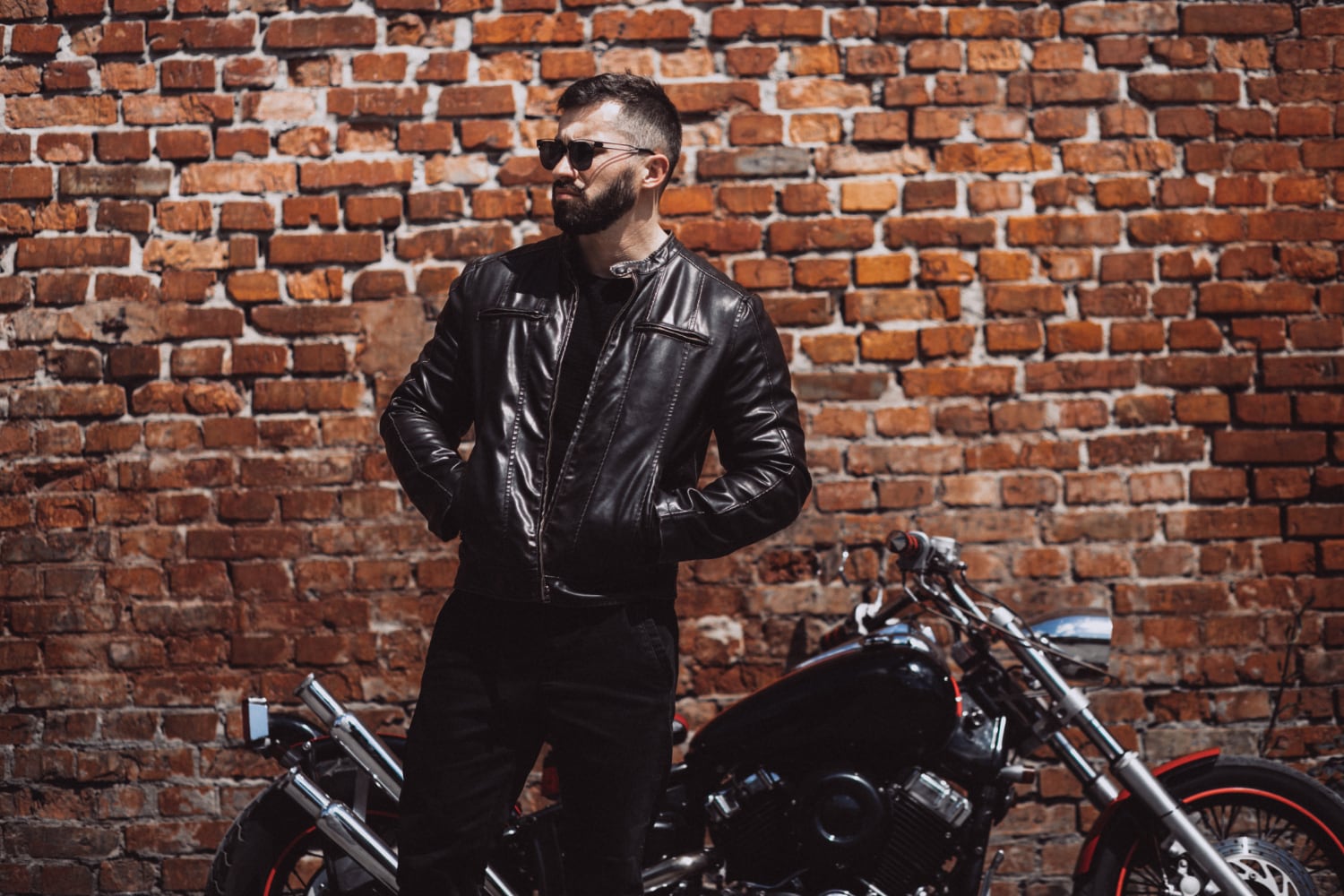
Choose a jacket that suits the bike too. A retro-styled jacket pairs well with classic motorcycles. A sleek textile jacket looks right on a sporty commuter. For scooters, lighter jackets with shorter cuts may feel easier. Style also includes how the jacket sounds and moves. Some stiff materials feel noisy and awkward at first. Try walking around in the store for a minute. Comfort shows up fast.
A smart compromise works best: a jacket that looks good at a café stop, feels comfortable in traffic, and still offers real protection. That's the sweet spot.
Two-Wheeler Jacket
Photo Credit: Freepik
10) Budget And Value: Spend Wisely, Avoid Expensive Mistakes
A good jacket exists at many price points, but value matters more than a number on a tag. Set a realistic budget based on how often the bike gets used. For frequent riders, spending ₹7,000–₹15,000 on a reliable jacket with proper armour and liners often makes sense. Occasional riders can still find solid options around ₹4,000–₹8,000, especially during sales. But avoid 'fashion jackets' that only mimic riding gear. They may lack abrasion resistance and armour support.
Check warranty and after-sales support. Zips, velcro, and stitching take a beating. A brand that offers spare parts or repairs saves money long-term. Also factor in upgrades. Some jackets allow better back protectors. That future-proofing adds value.
Buy for the regular week, then add accessories, rain layer, thermal base, neck warmer, as needed. That strategy keeps comfort high and costs sensible.
Products Related To This Article
1. HRX by Hrithik Roshan Men Olive Green Solid Active Bomber Jacket
2. V-Mart Men Bomber Jacket
3. Decathlon Men Solid Black Upto -0 Degrees Non-Hooded Synthetic Puffer Jacket
4. LOCOMOTIVE Men Blue Solid Denim Jacket
5. The Indian Garage Co Men White Sporty Jacket
6. Roadster The Life Co. Tailored Jacket
7. Being Human Long Sleeves Jacket
Choosing a two-wheeler jacket feels complicated only until the priorities become clear. Start with the riding routine, then lock in the basics: correct fit, strong outer material, well-placed armour, and solid wind protection. After that, choose comfort features that match real weather, liners for cold mornings, ventilation for traffic heat, waterproofing for surprise showers, and reflectivity for darker evenings. The best jacket is the one that gets worn consistently, not the one that looks impressive only on a shopping day. A smart jacket turns winter rides into something enjoyable. Shop now on Myntra!
(Disclaimer: This article may include references to or features of products and services made available through affiliate marketing campaigns. NDTV Convergence Limited (“NDTV”) strives to maintain editorial independence while participating in such campaigns. NDTV does not assume responsibility for the performance or claims of any featured products or services.)