How To Choose A Sling Bag That Suits Your Height, Routine And Style
How To Choose A Sling Bag: A sling bag does much more than carry essentials. It shapes comfort, influences style, and adds confidence to every step. Choosing the right one becomes far easier with a little clarity about height, lifestyle and the tiny details.

How To Pick The Perfect Sling Bag: A Complete Guide For Fit, Comfort And Style.
A good sling bag sits comfortably on the body, blends with everyday outfits, and supports the pace of modern routines. Someone who navigates crowded buses from Andheri to Bandra feels thrilled by a lightweight crossbody sling bag that stays secure. Another person who hops between meetings in Pune may lean towards a refined leather piece. A student who cycles to college needs a strap that doesn't slide. A parent juggling errands appreciates quick-access pockets that save time.
This guide explores 10 essential points and shows you how to choose a sling bag that suits your height, routine and style. Each section offers insight into how sling bags work with different lifestyles, body proportions and style goals. The aim is simple: ensure the next sling bag feels like it belongs.
How To Choose A Sling Bag That Suits Your Height, Routine And Style
Photo Credit: Pexels
Things To Keep in Mind Before Buying Your Next Sling Bag
1. Matching Sling Bag Length to Height for Better Balance
A sling bag hangs best when the strap length complements the wearer's height. Those under 5'4” often feel more balanced with shorter straps because the bag rests near the ribcage instead of dropping awkwardly near the hip. A shorter person with a long dangling sling may struggle with movement in crowded metro stations, and the bag may bump into knees while walking briskly.
Taller individuals, on the other hand, often prefer medium to long straps so the bag doesn't sit too high on the torso. A bag perched too close to the chest can feel uncomfortable and draw attention in odd ways. Adjustable straps solve this instantly. Some brands offer extra-long straps or sliding buckles that shift smoothly during the day.
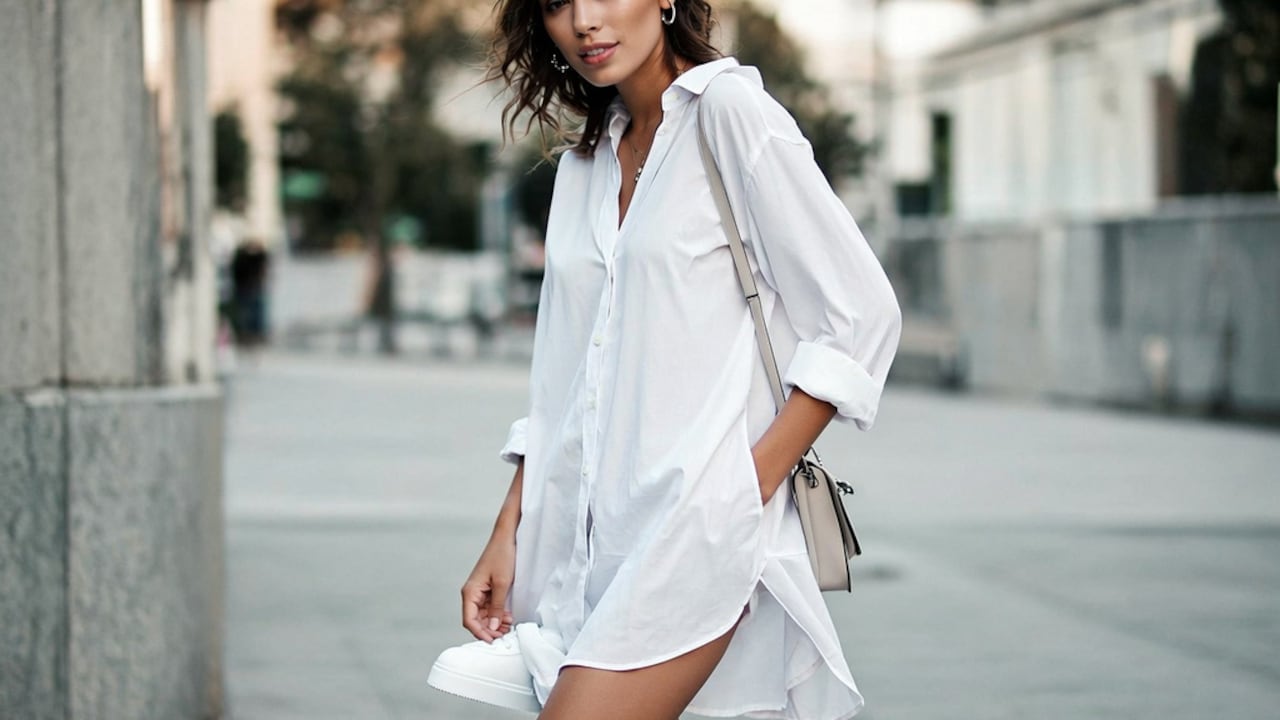
When trying a sling bag, stand in front of a mirror and check where it lands when worn crossbody. The sweet spot usually sits between the lower ribcage and mid-hip. This placement supports comfort, reduces swinging and creates a natural visual line. Height doesn't restrict style choices; it simply guides strap length to ensure the bag sits gracefully.
2. Choosing the Right Size Based on Daily Routine
A sling bag should serve the day's agenda. A professional hopping between office and client meetings needs room for a small notebook, charger, cardholder and sanitiser. Cramming these into a tiny silhouette creates stress before the day even begins. A medium-sized structured sling works far better because it keeps everything organised.
For commuters who weave through busy markets or ride two-wheelers, compact designs offer greater convenience. They sit snugly, feel lighter and eliminate the fear of tugging or drops. Students carrying earphones, a small bottle and snacks feel happier with multi-compartment slings that distribute weight.
Someone who loves walking around malls or weekend bazaars often appreciates a hands-free design that fits just the essentials: phone, ₹500 note, lip balm, a bit of change and an ID. Oversized bags during such outings feel unnecessary.
Understanding routine brings clarity. Consider daily distances, travel mode, weather and how often items are accessed. A well-sized sling removes clutter from the mind and supports a smoother flow through the day.
3. Finding the Perfect Material for Comfort and Durability
Material influences comfort, weather-resistance and overall lifespan. Leather, whether genuine or high-grade vegan, suits commuters who walk through air-conditioned buildings or attend meetings. It carries a refined charm and withstands long-term use. However, leather feels slightly warm on the body during peak summer afternoons on MG Road or Chandni Chowk.
Nylon and polyester blends help during the monsoon because they resist water and dry quickly. They also weigh less, making them ideal for metro travel or long walks. Canvas brings a relaxed weekend vibe with earthy tones that pair well with casual outfits. It survives rough handling but may gather dust faster on busy roads.
Soft-structured slings reduce shoulder fatigue and mould to the body. Rigid shells protect fragile belongings like sunglasses or earphones. Mesh panels add breathability, which feels helpful during humid days.
Material choices should reflect both style and climate. A person who frequently carries electronics may rely on padded nylon. Someone who loves a polished work look may lean towards leather. Material feels like the personality of the bag; choose one that speaks and stays.
Also Read: How To Choose The Right Sling Bag For Your Daily Routine: A 10-Point Guide
4. Selecting a Strap Width That Suits Comfort Levels
Strap width changes how a sling bag feels after hours of use. Slim straps appear elegant, especially with evening outfits or minimalist clothing. Yet they may dig into the shoulder when the bag carries heavier items like power banks or metal perfume bottles.
Medium-width straps offer balance. They distribute weight evenly and hold shape, making them ideal for long commutes on local trains or shared cabs. Wide straps, often seen in sporty designs, add boldness and comfort. They remain stable even when walking briskly or riding a scooter.
Soft padded straps help during travel-packed days because they reduce shoulder soreness. Cotton straps, especially woven ones, don't slip easily over cotton kurtas or loose T-shirts, while smooth leather straps glide more gracefully against formal shirts.
Lifestyle and carrying habits matter most. If daily belongings include chunky items, choose a strap that hugs the shoulder without strain. If style takes priority, select a slim strap but keep the weight minimal. A good strap feels supportive throughout the day without demanding attention.
5. Prioritising Storage Features That Support Busy Days
Modern sling bags include thoughtful compartments that make life easier. A zip pocket at the front keeps MetroCards, AutoPay receipts or loose change easily accessible. A hidden back pocket stores cash safely, especially during crowded festival sales.
A small inner sleeve holds earphones or house keys so they don't tangle with pens or tissues. Some slings include bottle loops, though compact models fit only mini bottles. Bags with two main sections help separate work items from personal ones, reducing frantic searches at security checks.
Quick-access pockets matter for those who constantly reach for mobile phones. Magnetic closures save time when stepping in and out of autos or scanning QR codes. During travel, an RFID-protected pocket feels reassuring.
Clutter slows the spirit. A bag that supports organisation saves minutes throughout the day. Over a month, those minutes add up to hours of smoother, calmer movement.
6. The Role of Colour in Enhancing Style and Mood
Colour transforms a sling bag from a simple accessory to a style statement. Classic hues like tan, black and navy blend effortlessly with office wear and daily outfits. They age beautifully and rarely clash. People on the go often rely on these shades because they mask stains and stand firm against constant use.
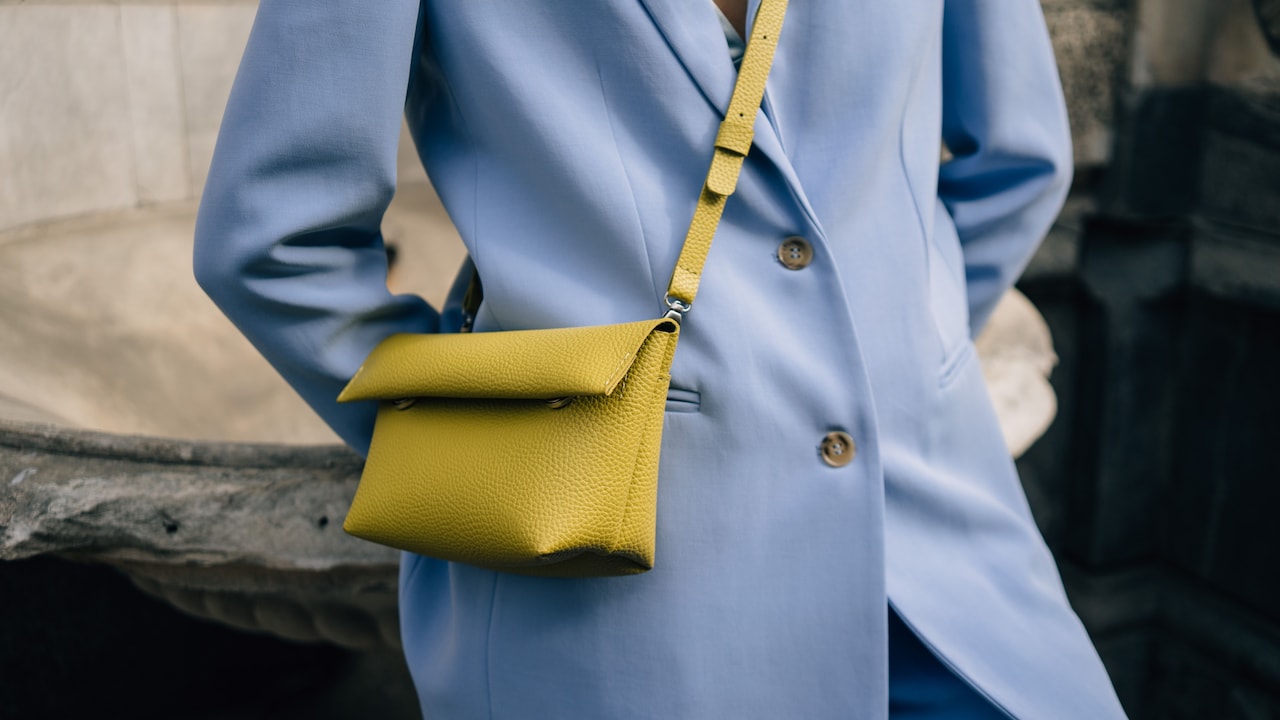
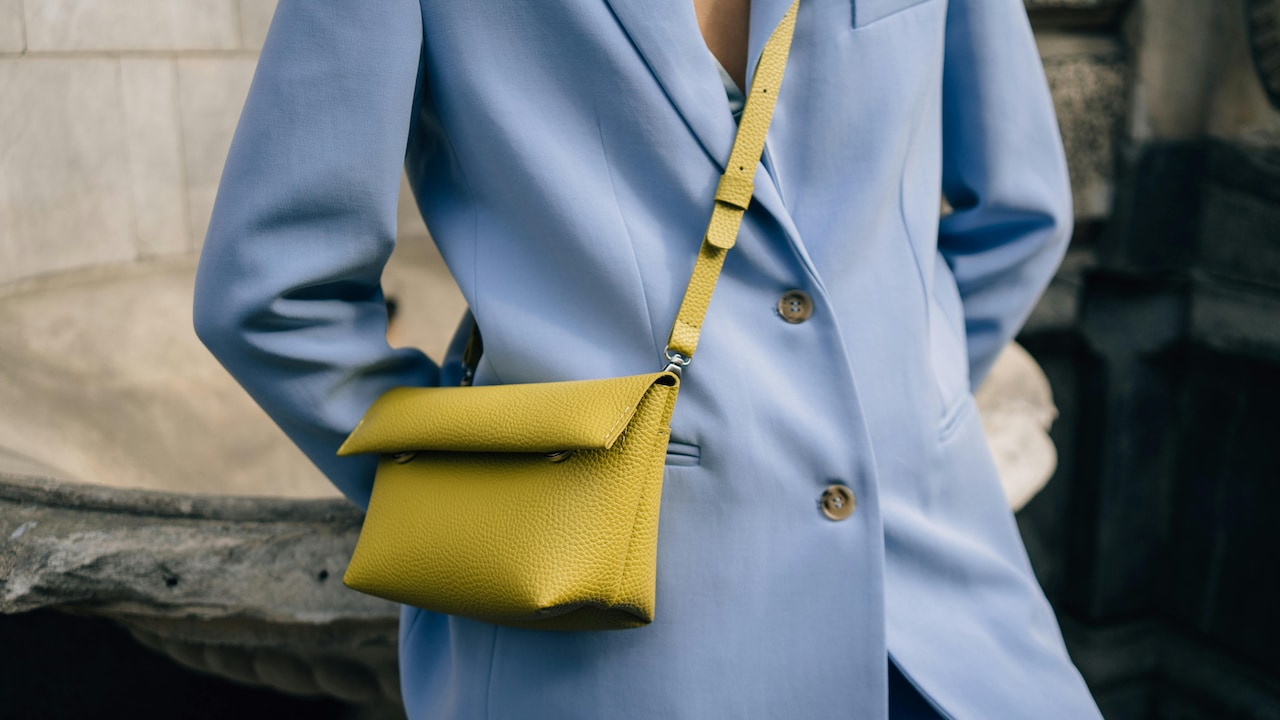
Vibrant colours, mustard, teal, olive and rust, add personality. A bright sling sparks joy during a dull weekday morning. A mustard crossbody worn over a simple kurta or white tee creates instant charm without extra effort.
Patterns and textured finishes suit expressive personalities. Geometric prints or embroidered panels mirror festive energy. Monsoon seasons invite darker tones that don't show splash marks. Summer months pair well with lighter beige and pastel options.
Colour choices reflect mood and lifestyle. Select tones that blend with most outfits but keep space for one standout shade that lifts the spirit on days that need an extra spark.
7. Ensuring the Bag Suits Movement and Travel Habits
A sling bag should move with ease through the rhythm of daily travel. Those who race through train platforms or jump across puddles during monsoon appreciate a compact, secure sling that hugs the torso. A lightweight crossbody reduces bounce and keeps belongings safe during quick movements.
Two-wheeler riders need bags that stay stable despite wind and speed. A firm strap, preferably adjustable with a tight lock, prevents swaying. Bags with zip closures feel essential for such commutes. Those who use metro escalators often choose slimmer shapes that don't knock against railings or elbows.
For walkers and cyclists, breathable back panels reduce sweat marks. During long shopping trips or festival outings, hands-free comfort matters more than size. A well-fitted sling becomes part of the body's natural movement.
Daily travel shapes the choice. A bag should adapt to rhythm, not interrupt it.
8. Choosing A Sling Bag That Complements Body Shape
Body shape subtly influences how a sling bag looks and feels. A bag that rests too low on someone with a heavier lower body may draw attention to the hips. Instead, a mid-length bag that sits around the ribcage balances the frame.
People with broader shoulders may favour wider straps because slim ones tend to slip. Compact horizontal slings create harmony for those with taller frames, while elongated vertical designs suit shorter frames by adding a visual lift.
Soft, rounded bags flatter angular body types by adding warmth, while structured shapes complement softer silhouettes by offering clean lines. Patterns placed near the centre of the sling help draw the eye upward, creating a natural balance.
The goal isn't to hide anything but to create a comfortable visual flow. A sling bag should work with the natural outline of the body, not against it.
How To Choose A Sling Bag That Suits Your Height, Routine And Style
Photo Credit: Pexels
9. Budgeting Smartly: Balancing Style and Value
A good sling bag doesn't need a luxury price tag. Many excellent options fall within ₹600–₹2500, offering durability, style and comfort. Students often explore affordable nylon or canvas slings that survive rough daily handling. Office-goers may lean towards mid-range vegan leather pieces that look polished without straining monthly budgets.
Before purchasing, think about the frequency of use. A bag that supports daily travel deserves slightly more investment. Occasional bags, such as festival-wear embroidered designs, can fall in the lower price range.
Sales seasons bring attractive deals, especially online. Yet avoid impulse buys based purely on discount size. Quality trumps quantity. A single dependable sling saves more money over time than three uncomfortable ones that gather dust.
Budgeting smartly means choosing value over trends. A well-made sling bag becomes a loyal part of life for years.
10. Checking for Small Comfort Details That Make a Big Difference
Small details decide long-term satisfaction. Smooth zips prevent mid-journey struggles. Sturdy stitching, especially near strap joints, ensures longevity. A lightweight inner lining feels cooler during summer and adds softness. Metal hardware lasts longer, but should stay lightweight to avoid extra weight on the shoulder.
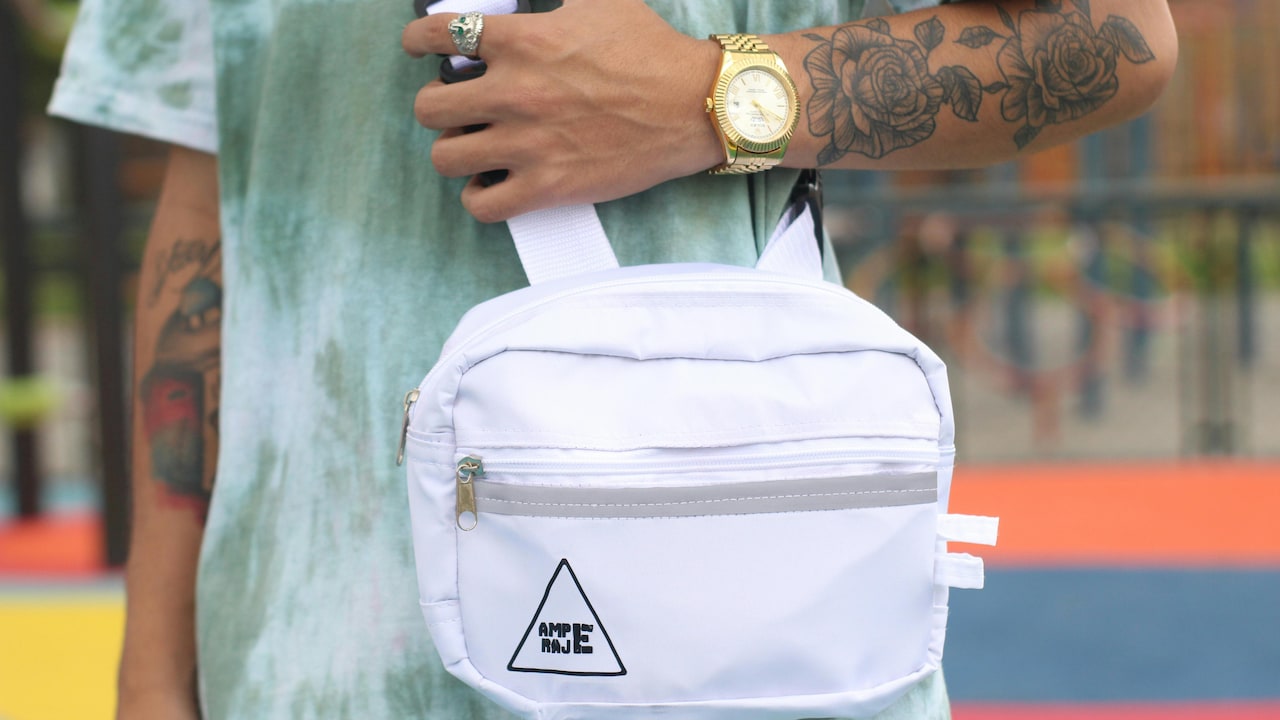
Test how the bag opens and closes. If a flap takes effort, it slows down daily movement. Mesh pockets help organise receipts or earphones. Key hooks save the frustration of rummaging at the door. Hidden back pockets offer security in crowded areas, while reflective accents help during late-evening walks.
Comfort is not merely about appearance; it lives in these precise details. When these small elements work smoothly, a sling bag fades into the background and quietly supports the day without fuss.
Products Related To This Article
1. MUSTKEEM Beige Girls Sling Bag with Halfmoon Trend
2. LIZIQI White Women Sling Bag Trendy Textured sling bag for women
3. Jugnu Multicolor Women Sling Bag
4. ZOUK Multicolor Women Sling Bag Royal Indian Peacock Motif Harmony Sling Bag
5. Leather Land Maroon, Clear Women Sling Bag Buckle Sling IN Dark Cherry Maroon
6. LIZIQI Beige Women Sling Bag Designer Sling bag for women
7. Trendcollection Black Women Sling Bag Trendy korean for women unique
A well-chosen sling bag blends comfort, rhythm and personality. Height guides strap length, routine shapes size, and material influences durability. Colours and details add charm, while strap styles and compartments support everyday movement. The right sling bag feels intuitive; it rests in the perfect spot, stays light, and blends with the mood of the day.
With these insights, picking a sling bag becomes far simpler and more enjoyable. The next one won't just carry essentials; it will carry ease, confidence and a little spark of style.
(Disclaimer: This article may include references to or features of products and services made available through affiliate marketing campaigns. NDTV Convergence Limited (“NDTV”) strives to maintain editorial independence while participating in such campaigns. NDTV does not assume responsibility for the performance or claims of any featured products or services.)