How To Choose An Embroidered Kurti, Heavy Or Minimal, That Works
Choosing between heavy and minimal embroidered kurtis depends on occasion, comfort, fabric and personal style. This guide helps you make the right pick every time. Find the right embroidered kurti for your winter fashion with these easy tips.
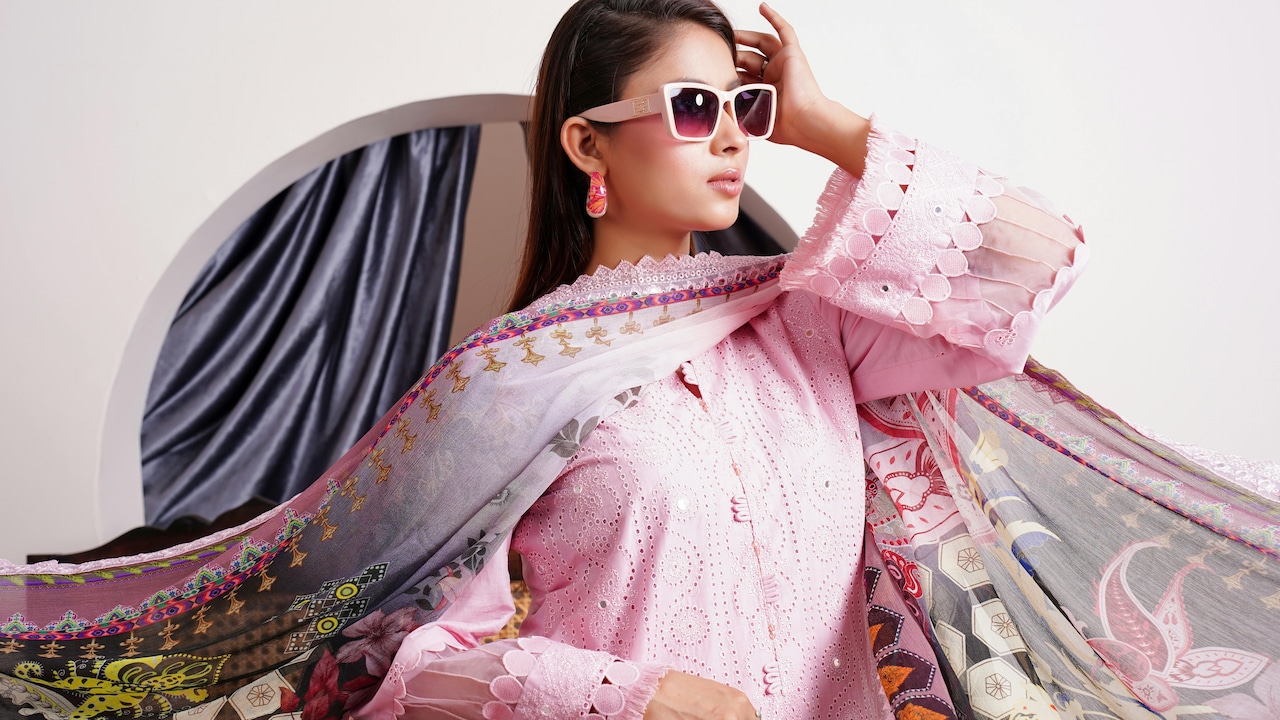
Heavy Or Minimal Embroidered Kurti? A Practical Guide To Choosing The Right One.
Walk into any clothing store or scroll through an online sale, and embroidered kurtis instantly catch the eye. Threads shimmer. Motifs tell stories. Colours evoke celebration. Yet confusion often follows. Should the embroidery feel rich and elaborate or light and effortless? That question matters more than it seems. A heavily embroidered kurti can turn heads at a wedding, but feel out of place at a daytime lunch. A minimal piece may feel elegant at work but underwhelming at a festive dinner. Choosing well saves money, wardrobe space, and last-minute outfit panic. So, here we reveal how to choose an embroidered kurti that actually works.
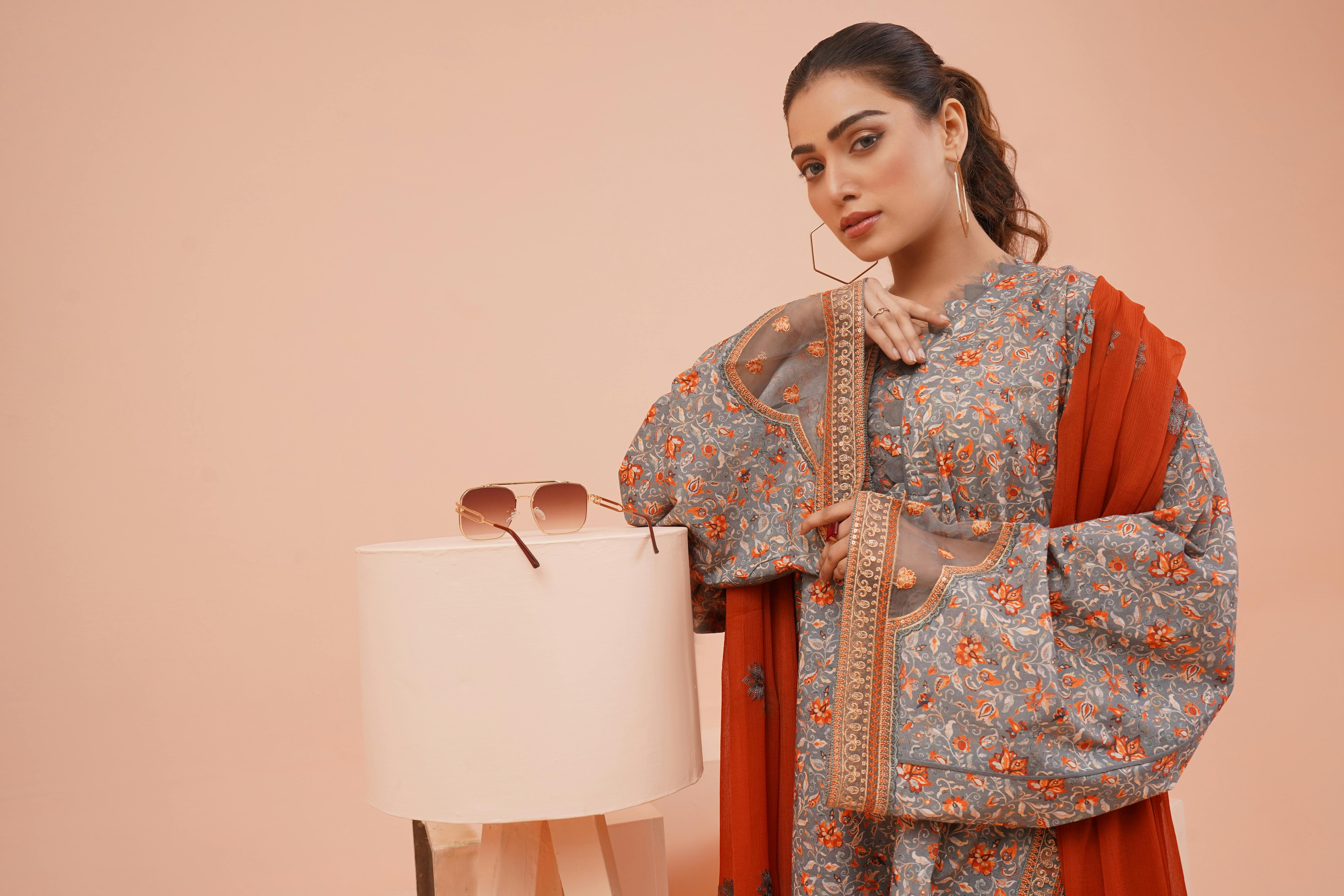
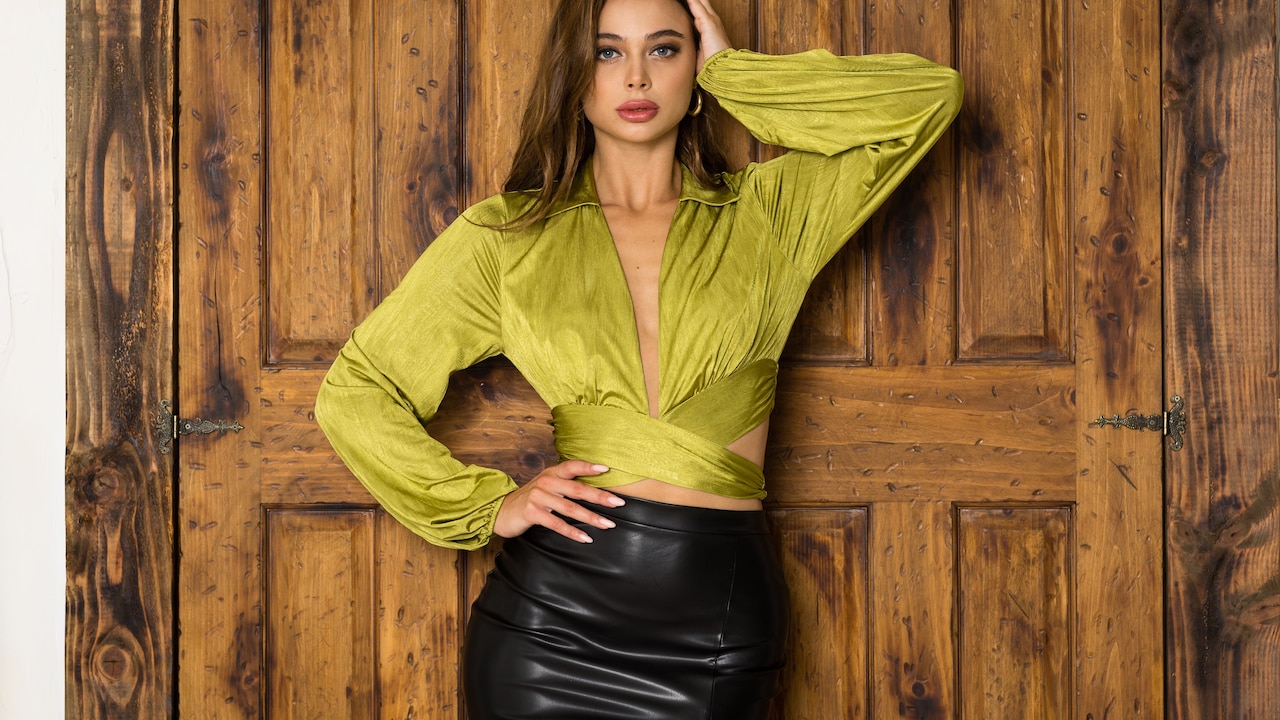
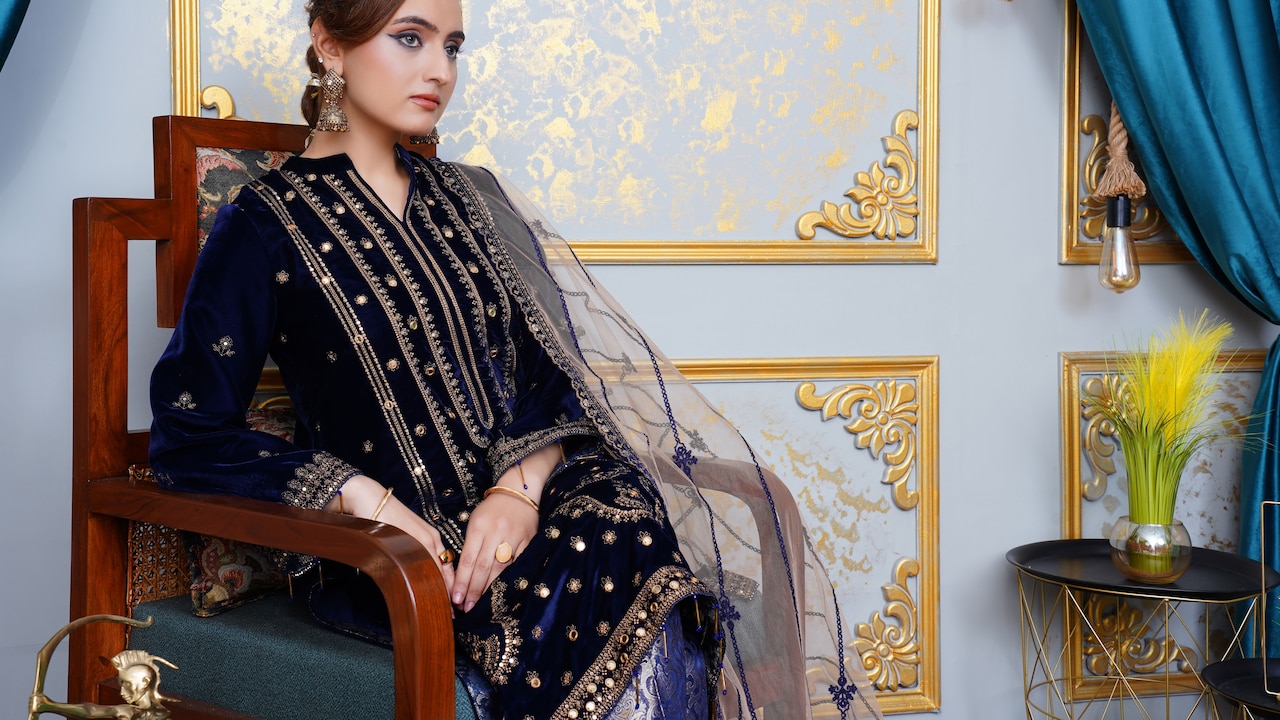
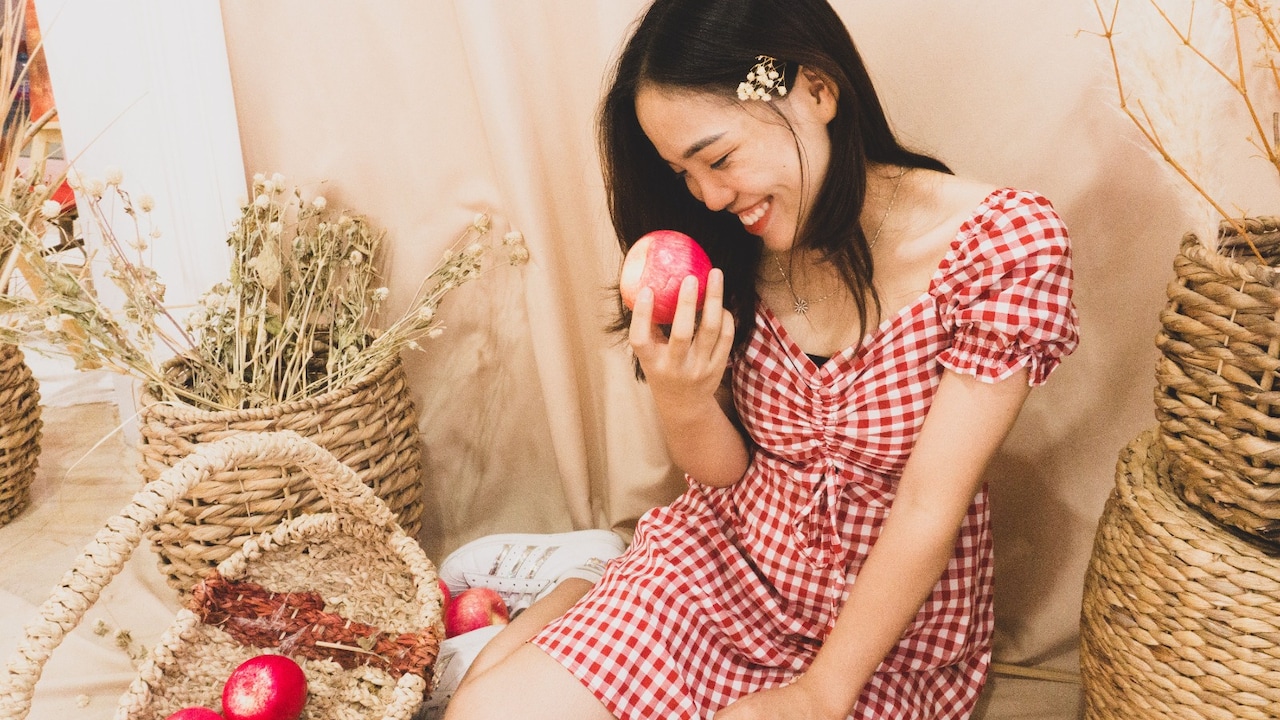
Here are 10 easy tips to choose an embroidered kurti for your wardrobe; Photo Credit: Pexels
The right embroidered kurti works with lifestyle, body shape, comfort needs, and personal style. It feels good to wear and is easy to repeat. This article explores how to strike that balance. Each section offers practical advice, relatable moments, and a touch of cultural warmth, because clothing choices often carry emotion, not just aesthetics.
Also Read: Kashmiri Kurti Sets For Women With Aari and Zari Work On Myntra End Of Reason Sale
Finding The Right Balance Between Detail And Ease
1. Understand the Occasion Before the Outfit
Every kurti tells a story, and the occasion sets the tone. Heavy embroidery suits moments that call for drama, weddings, milestone celebrations, festive evenings with fairy lights and music. Think rich zari work, dense thread patterns, or mirror embellishments that glow under warm lights.
Minimal embroidery thrives in everyday settings. Office meetings, casual dinners, family lunches, or festive mornings demand ease. Light threadwork along the neckline or sleeves feels polished without shouting for attention.
Picture a cousin's wedding versus a Raksha Bandhan lunch at home. Both matter, yet the dress code differs. Wearing heavy embroidery to a quiet gathering may feel overwhelming. Turning up underdressed at a grand event may feel awkward.
Matching embroidery to the occasion ensures comfort and confidence. Clothes should support the moment, not compete with it. A well-chosen kurti blends into the environment while still allowing personal style to shine.
2. Fabric and Embroidery Must Work Together
Embroidery never exists alone. Fabric shapes how it feels, falls, and breathes. Heavy embroidery works best on structured fabrics like silk blends, velvet, or chanderi. These materials hold weight well and keep motifs from sagging.
Minimal embroidery pairs beautifully with cotton, linen, rayon, or muslin. These fabrics suit daily wear and warmer climates. Light threadwork enhances texture without weighing the garment down.
A cotton kurti overloaded with embroidery may pull at seams and feel uncomfortable by midday. A silk kurti with sparse detailing may look unfinished. Balance matters.
Fabric choice also affects maintenance. Heavily embroidered pieces often need dry cleaning, which adds recurring costs. A ₹3,000 kurti that requires ₹400 cleaning each time may not suit frequent wear. Minimal embroidery allows easy hand or machine washing, saving effort and money.
3. Body Type Plays a Quiet but Crucial Role
Embroidery draws attention. Where it sits on the kurti changes how the body appears. Heavy embroidery around the bust or hips highlights those areas. That can feel empowering or uncomfortable, depending on personal preference.
Vertical embroidery panels create length and flatter most body shapes. Dense borders at the hem add volume, which suits taller frames. All-over heavy work may overwhelm petite figures, while minimal detailing adds grace without bulk.
Sleeve embroidery also matters. Heavy work on short sleeves can restrict movement. Light motifs on three-quarter sleeves feel elegant and practical.
The goal never lies in hiding the body. Comfort and confidence matter more. A kurti should move easily, sit well, and feel natural. When embroidery aligns with body proportions, the outfit feels intentional rather than forced.
4. Lifestyle Dictates Practicality
Wardrobes should match real life, not imagined occasions. A schedule filled with office hours, school runs, and quick errand calls for kurtis that breathe and move. Minimal embroidery suits such routines. These pieces transition easily from day to evening with a change of earrings or footwear.
Heavy embroidered kurtis suit for occasional wear. Frequent use may cause thread wear, bead loss, or fabric strain. Such pieces deserve space and care.
Consider storage too. Heavily embroidered kurtis need careful folding or hanging to avoid damage. Minimal styles fold easily and travel well.
Lifestyle also affects budget decisions. Spending ₹6,000 on a kurti worn once a year feels less satisfying than owning three versatile pieces at ₹2,000 each. Thoughtful choices create a wardrobe that works hard without feeling dull.
5. Climate Should Never Be Ignored
Weather shapes comfort more than design ever will. Hot summers demand breathable fabrics and lighter embroidery. Dense threadwork traps heat and causes discomfort, especially during long days.
Monsoon humidity calls for quick-drying fabrics with minimal embellishment. Heavy embroidery takes longer to dry and may develop odour if stored damp.
Winter allows more freedom. Layering becomes easier, and heavier embroidery feels comfortable under shawls or jackets. Velvet or silk kurtis with rich work suit for evening gatherings during cooler months.
Choosing embroidery with the climate in mind prevents regret. A stunning kurti loses charm when sweat and discomfort take over. Comfort enhances confidence, and confidence completes any look.
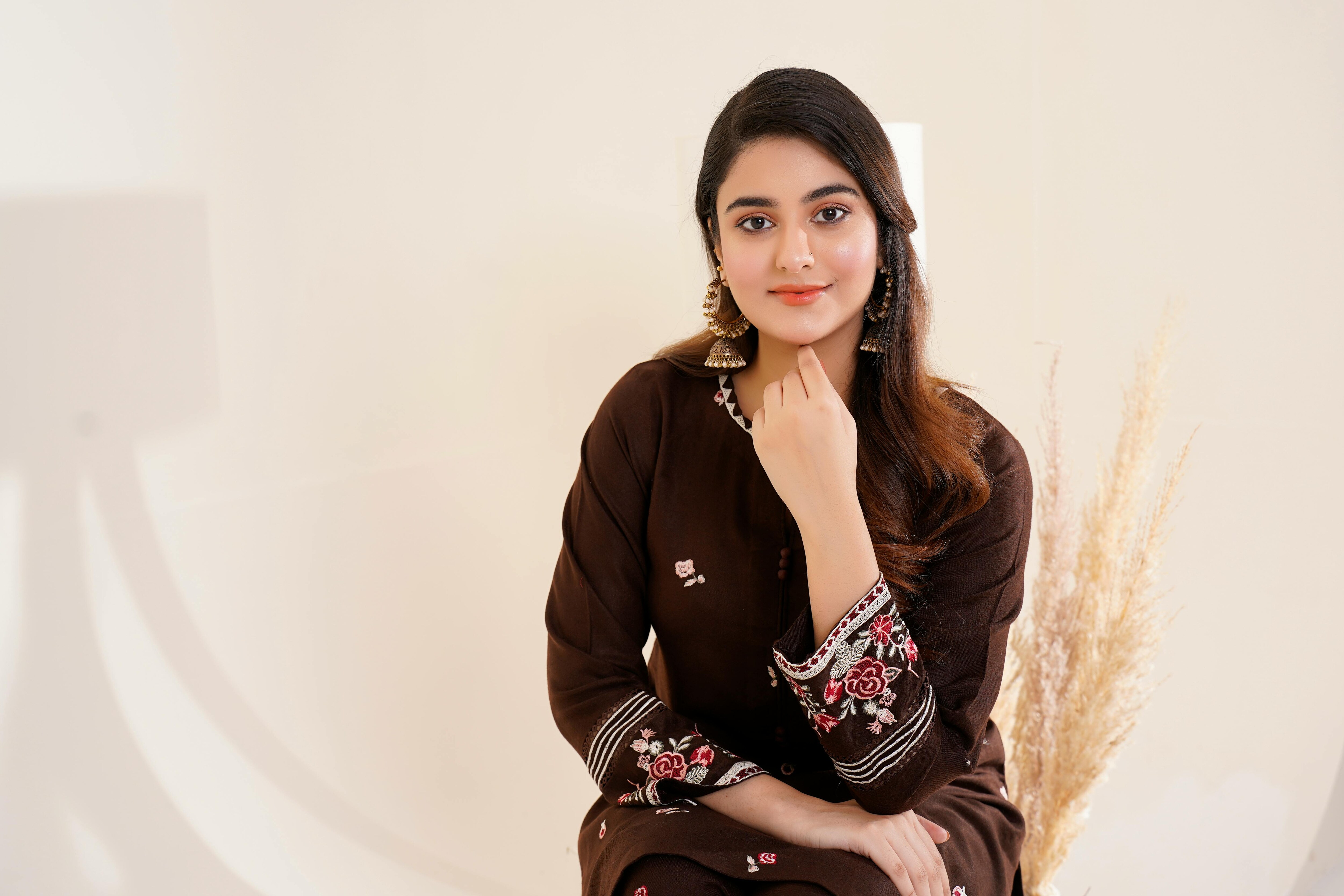
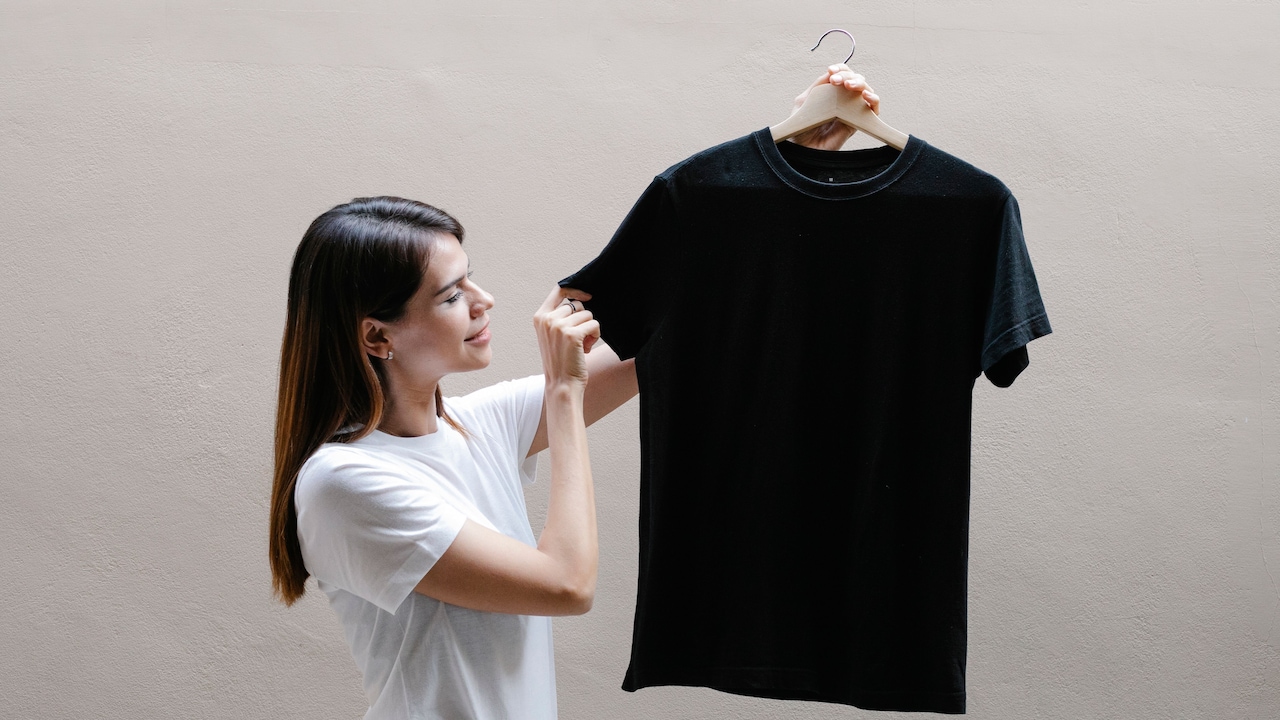
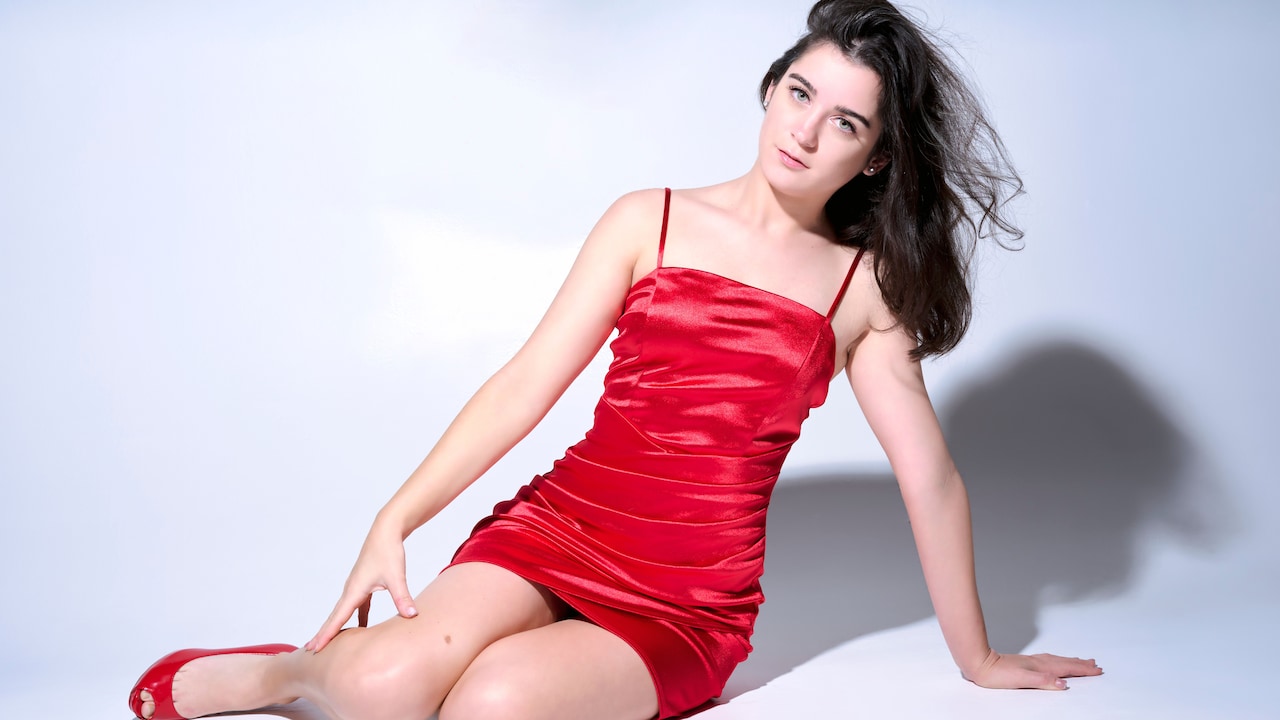
Choose a kurti that works in accordance with the local climate; Photo Credit: Pexels
6. Colour and Embroidery Must Speak the Same Language
Colour sets the mood. Embroidery adds texture. Together, they create impact. Heavy embroidery shines on deeper shades like maroon, emerald, navy, or mustard. These colours anchor elaborate designs and prevent visual clutter.
Minimal embroidery looks stunning on pastels, whites, and earthy tones. A soft blue kurti with delicate white threadwork feels fresh and effortless. Bold colours with minimal detailing create modern elegance.
Contrast matters too. High-contrast embroidery draws attention and suits festive wear. Subtle tonal embroidery feels refined and versatile.
Skin tone and personal preference play roles as well. Some colours uplift mood instantly. Others feel drained. Choosing shades that feel right ensures the kurti gets worn, not forgotten.
7. Handwork vs Machine Work: Know the Difference
Not all embroidery carries the same value. Hand-embroidered kurtis showcase craftsmanship and uniqueness. Each piece carries slight variations, which add charm. These kurtis often cost more, starting around ₹4,000 and rising based on detail.
Machine embroidery offers consistency and affordability. Prices range widely, often starting near ₹1,200. These pieces suit daily wear and regular washing.
Heavy handwork suits heirloom pieces and special occasions. Minimal machine embroidery works well for everyday elegance. Knowing the difference helps justify price tags and set expectations.
Checking the reverse side of embroidery often reveals its quality. Neat stitching and secure threads signal durability. Loose ends suggest future repairs.
8. Styling Potential Extends a Kurti's Life
A versatile kurti earns its place through styling options. Minimal embroidery allows pairing with statement jewellery, printed dupattas, or bold footwear. The same kurti can feel different each time.
Heavy embroidered kurtis often stand alone. Styling remains simple to avoid excess. Such pieces shine best when allowed centre stage.
Consider how often a kurti can be restyled. A ₹2,500 minimal kurti worn ten times offers better value than a ₹7,000 heavy piece worn once. Cost per wear matters more than price alone.
Accessories also affect comfort. Heavy embroidery paired with heavy jewellery may feel tiring. Balance keeps the look enjoyable from start to finish.
9. Cultural Context Shapes Choice
Clothing often reflects tradition and emotion. Festivals, family gatherings, and rituals carry unspoken dress expectations. Heavy embroidery aligns with celebratory moments filled with colour and music.
Minimal embroidery suits quieter traditions and everyday rituals. A simple kurti worn during morning prayers or family lunches carries warmth without excess.
Regional influences also play a role. Some areas favour rich textures and bold motifs. Others lean towards subtle elegance. Respecting these nuances helps the outfit feel appropriate and connected.
Yet personal comfort remains key. Trends change, but authenticity never fades. Choosing what feels right creates confidence that no trend can replace.
10. Trust Personal Style Over Trends
Trends arrive loudly and leave quietly. Personal style stays. Some seasons favour heavy mirror work. Others highlight clean lines and subtle detailing. Chasing every trend leads to cluttered wardrobes and regret.
Observing personal preferences offers clarity. Does comfort matter more than drama? Do neutral colours dominate the wardrobe? Do statement pieces feel exciting or exhausting?
An embroidered kurti should feel like an extension of personality. Heavy or minimal, the choice should spark joy, not doubt. Trying pieces at home, moving around, and checking comfort over time helps make better decisions.
Fashion works best when it serves life, not when life bends around fashion.
Products Related To This Article
1. CROWN KING Women Floral Embroidered Sequinned Kurti
2 Anouk Ethnic Motifs Embroidered Short Kurti
3. Sangria Floral Embroidered Short Kurti
4. KALINI Ethnic Motifs Embroidered Kurti
5. Sitaram Designer Women Ethnic Motifs Embroidered Chikankari Kurti
6. Shae by SASSAFRAS Maroon & Gold-Toned Floral Embroidered Velvet Kurti
7. Kalavrund Creation Ethnic Motifs Embroidered Chikankari Kurti
Choosing between heavy and minimal embroidered kurtis never follows strict rules. It follows awareness. Occasion, fabric, climate, body type, and lifestyle all play their part. So does emotion.
A well-chosen kurti feels right the moment it slips on. It supports movement, suits the setting, and reflects personality. Some days call for quiet elegance. Others demand celebration and sparkle.
Building a thoughtful kurti collection means fewer impulse buys and more meaningful wear. Each piece earns its place through comfort, versatility, and joy. Heavy or minimal, the right embroidered kurti always works when chosen with care and confidence.
(Disclaimer: This article may include references to or features of products and services made available through affiliate marketing campaigns. NDTV Convergence Limited (“NDTV”) strives to maintain editorial independence while participating in such campaigns. NDTV does not assume responsibility for the performance or claims of any featured products or services.)