Broad Shoulders And Button-Downs: Should You Choose Slim Fit Or Regular Fit?
Slim fit sharpens broad shoulders, while regular fit adds comfort. This is how to choose the shirt cut that flatters your frame without feeling tight or looking boxy.

Slim Fit Vs Regular Fit Shirts: Which One Suits Broad Shoulders Better?
A good button-down shirt should do more than cover the torso and survive a long day at work. It should sit well, move well, and make the wearer feel like the mirror has finally decided to be kind. For men with broad shoulders, though, the choice between slim fit and regular fit can feel oddly dramatic. One cut promises clean lines and a sharper silhouette. The other offers breathing room, comfort, and a more relaxed shape. The problem begins when a shirt fits the shoulders but flaps around the waist, or hugs the chest but pulls at the buttons like a pressure cooker whistle. Broad shoulders can make even a simple shirt behave like a complicated puzzle. Add humid weather, long commutes, office chairs, wedding lunches, and festive dinners, and the decision becomes more than a style question. Slim fit and regular fit both have their place. Neither is automatically better. The smarter choice depends on body shape, fabric, occasion, posture, and how much movement the day demands.

Slim Fit Vs Regular Fit Shirts: Which One Suits Broad Shoulders Better?; Photo Credit: Pexels
How To Choose The Right Shirt Fit For Broad Shoulders
Understand What Slim Fit Really Means
Slim fit does not mean skin-tight, though many shirts in shops seem determined to prove otherwise. A true slim fit shirt follows the natural shape of the body. It narrows slightly through the chest, waist, and sleeves, creating a cleaner outline. For men with broad shoulders, this can work beautifully when the shirt has enough space across the upper back and chest.
The trouble starts when slim fit gets confused with a gym T-shirt. If the buttons strain, the sleeves bite into the arms, or the fabric pulls near the shoulder seam, the shirt is too small. A shirt should skim the body, not challenge it to a wrestling match.
Slim fit suits those who have broad shoulders with a relatively narrow waist. It prevents the fabric from ballooning around the midsection. This makes it useful for office wear, dinner plans, and semi-formal events where a sharp shape matters. The result can look polished without trying too hard, especially with chinos or tailored trousers.
Also Read: Slim Fit Shirts For Men: Your Go-To For A Sharp, Modern Silhouette
Know What Regular Fit Brings To The Table
Regular fit has a bad reputation in some circles, mostly because people imagine shapeless shirts from old family photo albums. In reality, a well-made regular-fit shirt can look neat, confident, and quietly stylish. It offers more room through the chest, waist, and sleeves, which makes it ideal for long days and easy movement.
Broad shoulders often need that extra allowance. A regular fit shirt lets the arms move freely without pulling across the back. This matters during daily life more than most people admit. Reaching for a laptop bag, riding a bike, folding arms during a meeting, or stretching after lunch can all expose a poor fit.
Regular fit also works better for men who carry more weight around the stomach or prefer a relaxed appearance. It does not cling, which makes it comfortable in warm weather. The key is structure. The shirt should still sit correctly on the shoulders and fall cleanly. Regular fit should feel roomy, not careless.

Slim Fit Vs Regular Fit Shirts: Which One Suits Broad Shoulders Better?; Photo Credit: Pexels
Check The Shoulder Seam First
The shoulder seam tells the truth before anything else does. It should sit at the edge of the shoulder bone, not halfway down the arm and not creeping towards the neck. For broad shoulders, this small detail can decide the whole look. A shirt with misplaced seams makes the body appear wider, tighter, or sloppier than it actually is.
Many men size up to fit their shoulders, then end up with too much fabric around the waist. This is common, especially with regular-fit shirts. The shirt feels comfortable upstairs but behaves like a curtain downstairs. Slim fit can solve that, but only when the shoulder width is generous enough.
When trying a button-down, raise both arms slightly and move them forward. If the back pulls hard or the chest buttons gape, the shirt is not right. No amount of ironing, confidence, or expensive perfume can save a bad shoulder fit. Start with the shoulders, then judge the rest.
Think About Chest Room And Button Pull
Button pull is the small villain of shirt fitting. It appears that when the shirt looks fine while standing still, it opens tiny gaps across the chest as soon as the body moves. For men with broad shoulders and a fuller chest, this happens often in slim fit shirts.
A little shape is good. Visible strain is not. The placket should lie flat. The buttons should not look as though they are holding a family argument together. If the shirt pulls across the chest, move up a size or try another brand. Different labels cut their shirts differently, even when the size tag says the same thing.
Regular fit usually offers better chest room, but it can create excess fabric lower down. Slim fit gives a neater line, but the chest needs enough space. The best shirt balances both. It lets the torso breathe while keeping the front smooth. That balance is worth hunting for, even across three trial rooms and one impatient shop assistant.
Match The Fit To Your Waist Shape
Broad shoulders often create a strong V-shape, especially when the waist is slimmer. In that case, a regular fit may hang loose around the stomach. It can hide the body's natural shape and make the shirt look borrowed. Slim fit usually works better here because it follows the taper from shoulders to waist.
For men with a straighter torso or a softer midsection, regular fit may look more balanced. It avoids clinging and offers a smoother fall. A shirt that grips the waist rarely flatters anyone. It only draws attention to discomfort, which is never stylish.
The smartest move is to focus on proportion rather than size alone. A ₹1,499 shirt that fits well will always beat a ₹4,999 shirt that fights the body. Tuck the shirt in while trying it. Leave it untucked too. A good fit should pass both tests unless it is designed strictly for formal wear. The waist should look intentional, not accidental.
Consider Fabric Before Choosing The Cut
Fabric can change how slim fit and regular fit behave. Cotton poplin looks crisp but has less give. Oxford cloth feels sturdier and more forgiving. Linen blends breathe well but wrinkle quickly, which can make extra fabric look relaxed or messy depending on the cut. Stretch cotton can help slim fit shirts move better, especially across the shoulders.
For broad shoulders, fabric with a little stretch can be a blessing. It allows movement without turning the shirt into a second skin. However, too much stretch can cling in the wrong places. The goal is comfort, not a superhero costume.
Regular fit shirts in heavy fabric may look bulky, particularly under a blazer. Slim fit shirts in thin fabric may reveal more than expected, especially in lighter colours. For daily office wear, a medium-weight cotton blend works well. It stays presentable, survives long hours, and does not punish the body during a crowded metro ride or scooter commute.
Dress For The Occasion, Not Just The Mirror
A slim fit shirt can look excellent for evening plans, client meetings, date nights, and occasions where polish matters. It pairs well with tailored trousers, loafers, and a watch that looks more expensive than it needs to. When the fit is right, it gives broad shoulders a clean, confident shape.
Regular fit shines during travel, casual Fridays, family lunches, and long workdays. It lets the body relax. It also works well when worn open over a T-shirt or tucked loosely into jeans. Comfort becomes especially important during festive gatherings, where one plate of biryani can turn a tight shirt into a personal crisis.
The occasion should guide the choice. A shirt worn for a two-hour dinner can be sharper and closer to the body. A shirt worn from 9 am to 9 pm needs kindness stitched into it. Style should never demand silent suffering. Even the best outfit loses charm when the wearer keeps adjusting it.
Pay Attention To Sleeve Fit
Sleeves often expose the difference between a good shirt and an almost-good shirt. Men with broad shoulders may also have larger upper arms, which makes slim fit sleeves tricky. If the sleeve pulls at the biceps or restricts elbow movement, the shirt will feel uncomfortable all day.
A slim fit shirt should taper through the sleeve without squeezing. There should be enough room to bend the arm naturally. The cuff should sit close to the wrist without sliding over the hand. With a regular fit, sleeves offer more space, but they should not billow like a kurta sleeve caught in the wind.
Sleeve length matters too. The cuff should reach the wrist bone when the arm rests naturally. Under a blazer, a little cuff showing looks sharp. Too much sleeve fabric, however, ruins the line. Broad shoulders already create presence. Clean sleeves keep that presence refined rather than bulky.
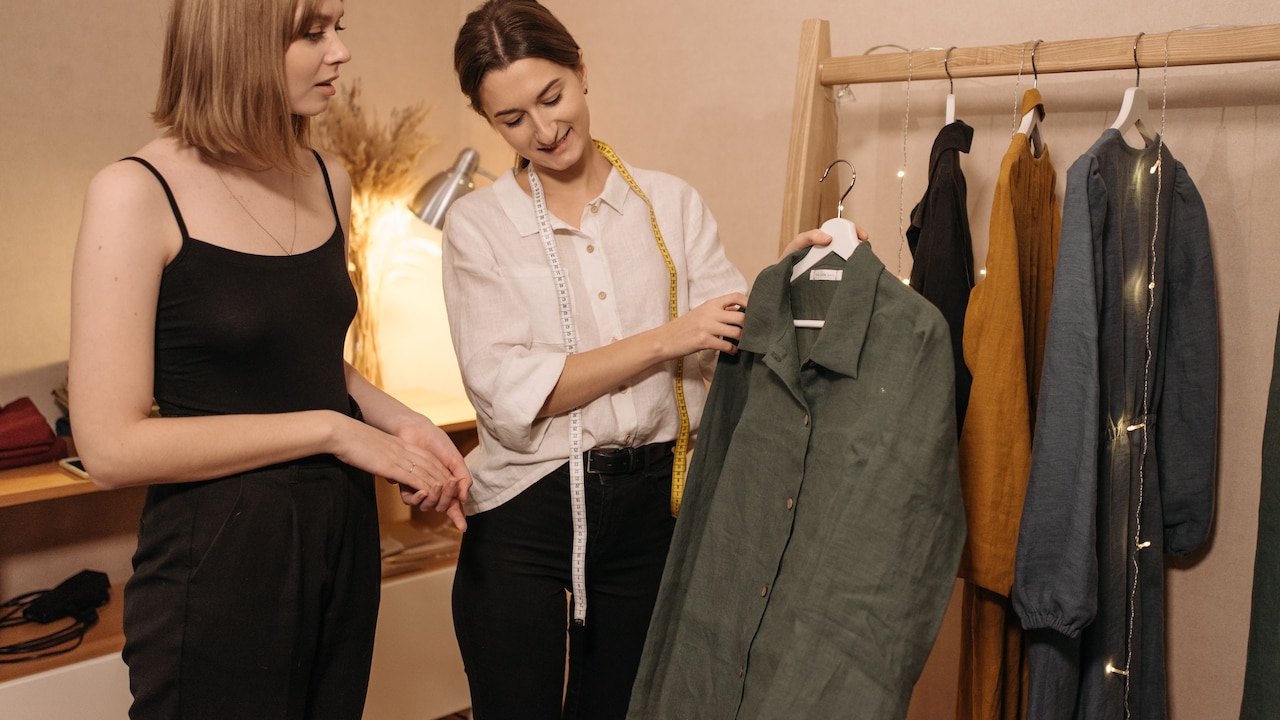
Slim Fit Vs Regular Fit Shirts: Which One Suits Broad Shoulders Better?; Photo Credit: Pexels
Look At The Shirt From The Back
Most people judge shirts from the front because mirrors encourage vanity from one angle. The back, however, tells another story. Broad shoulders can create tightness across the upper back, especially in slim fit shirts. Horizontal pulling lines near the shoulder blades mean the shirt lacks room.
Regular fit often solves this problem, but it may add too much fabric around the lower back. This can create a puffed effect when tucked in. A shirt with back darts can help. Darts remove extra fabric from the waist while keeping room across the shoulders. This gives the best of both worlds: comfort above, shape below.
Ask someone at home to check the back or use a trial room mirror properly. Move, sit, and stretch slightly. A shirt should not look perfect only while standing like a passport photo. Real life includes chairs, traffic, stairs, handshakes, and sudden plans for cutting chai. The back must handle all of it.
Do Not Ignore Tailoring
Ready-made shirts rarely fit every part of the body perfectly. Broad shoulders make this even more obvious. A shirt may fit beautifully across the chest but feel loose at the waist. Instead of rejecting it, consider minor tailoring. Taking in the sides can turn a regular fit shirt into a custom-looking piece.
This works especially well when the shoulders and chest fit correctly. Tailors can reduce waist fabric, adjust sleeve width, and refine length. They cannot easily add space to tight shoulders. So buy for the largest fixed area first, then alter the rest.
A simple alteration may cost around ₹250 to ₹700, depending on the city, fabric, and tailor. That small spend can rescue a shirt from the back of the wardrobe. It also helps build a reliable style formula. Once the right measurements are known, future shopping becomes easier. The shirt stops being a gamble and starts behaving like a dependable friend.
Choose Confidence Over Labels
Slim fit sounds modern. Regular fit sounds comfortable. Yet neither label guarantees style. The best shirt is the one that makes the body look balanced and lets the wearer move without thinking about it. Broad shoulders already carry natural structure. The shirt should support that, not compete with it.
Trying both fits is the only honest way to decide. Brand cuts vary widely. One slim fit may feel perfect, while another may feel like punishment. One regular fit may look elegant, while another may resemble a school uniform bought two sizes too large. The tag matters less than the mirror, movement, and mood.
A good button-down should make mornings easier. It should work with trousers already in the wardrobe and shoes that do not need a special occasion. Whether slim or regular, the shirt should feel like a quiet upgrade. Style works best when it does not shout. It simply stands well, sits well, and survives the day with grace.
Products Related To This Article
1. CORSICA Button-Down Collar Tailored Fit Satin Formal Shirt
2. Stylecast X Slyck Women Tie & Dye Pattern Button-Down Collar Cuffed Sleeves Shirt
3. Pepe Jeans Women Comfort Oversized Fit Vertical Striped Button-Down Collar Casual Shirt
4. KEIYONA Floral Printed Straight Cotton Casual Shirt
5. HERE&NOW Women Striped Casual Shirt
6. Glitchez Women Checked Casual Shirt
7. StyleCast Light Blue Color Regular Denim Shirts
So, should broad-shouldered men choose slim fit or regular fit? The answer depends on proportion, comfort, and purpose. Slim fit works well when the shoulders fit properly, and the waist needs a cleaner shape. Regular fit suits those who want more room, easier movement, and a relaxed fall. Neither option wins every time.
The shoulder seam should guide the first decision. Chest room, sleeve comfort, fabric, and back fit should confirm the choice. For many men, the ideal solution sits somewhere between the two: a regular fit shirt tailored at the waist, or a slim fit shirt with enough stretch and room across the chest.
A button-down shirt should never feel like a compromise disguised as fashion. Broad shoulders are an advantage when dressed with care. Choose the fit that respects them, flatters the frame, and lets the day unfold without constant tugging, pulling, or second thoughts. The right shirt will not beg for attention. It will simply make everything look a little more sorted.
(Disclaimer: This article may include references to or features of products and services made available through affiliate marketing campaigns. NDTV Convergence Limited (“NDTV”) strives to maintain editorial independence while participating in such campaigns. NDTV does not assume responsibility for the performance or claims of any featured products or services.)