How To Choose Formal Shoes That Don’t Need Breaking In
Buying formal shoes should not mean weeks of blisters. The right leather, fit and construction can make shoes comfortable from the first wear. This guide explains how to choose formal shoes that feel right straight out of the box.
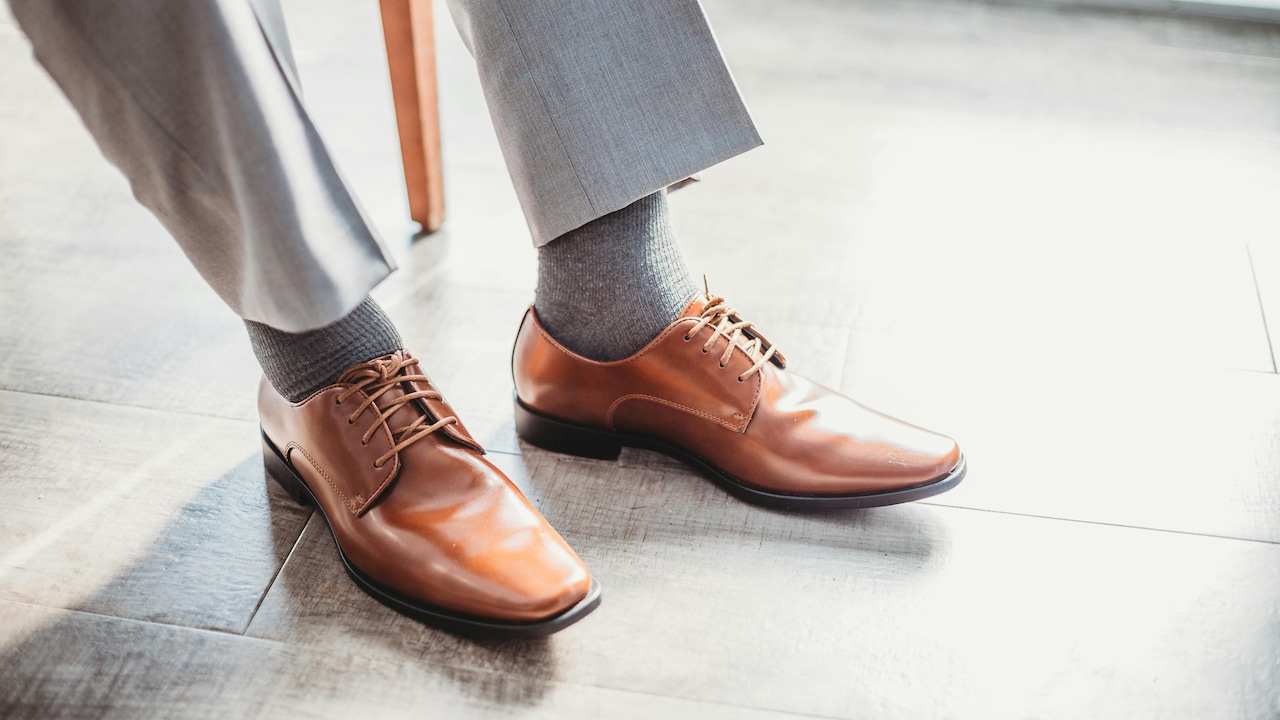
Find the comfiest pair of formal shoes that don't need to be broken-in.
Few wardrobe items influence confidence as much as a good pair of formal shoes. A crisp shirt and tailored trousers may create a sharp appearance, yet uncomfortable shoes quickly ruin the entire experience. Anyone who has limped through a long office day or wedding function understands the problem. New formal shoes often promise elegance but deliver sore heels and stiff toes.
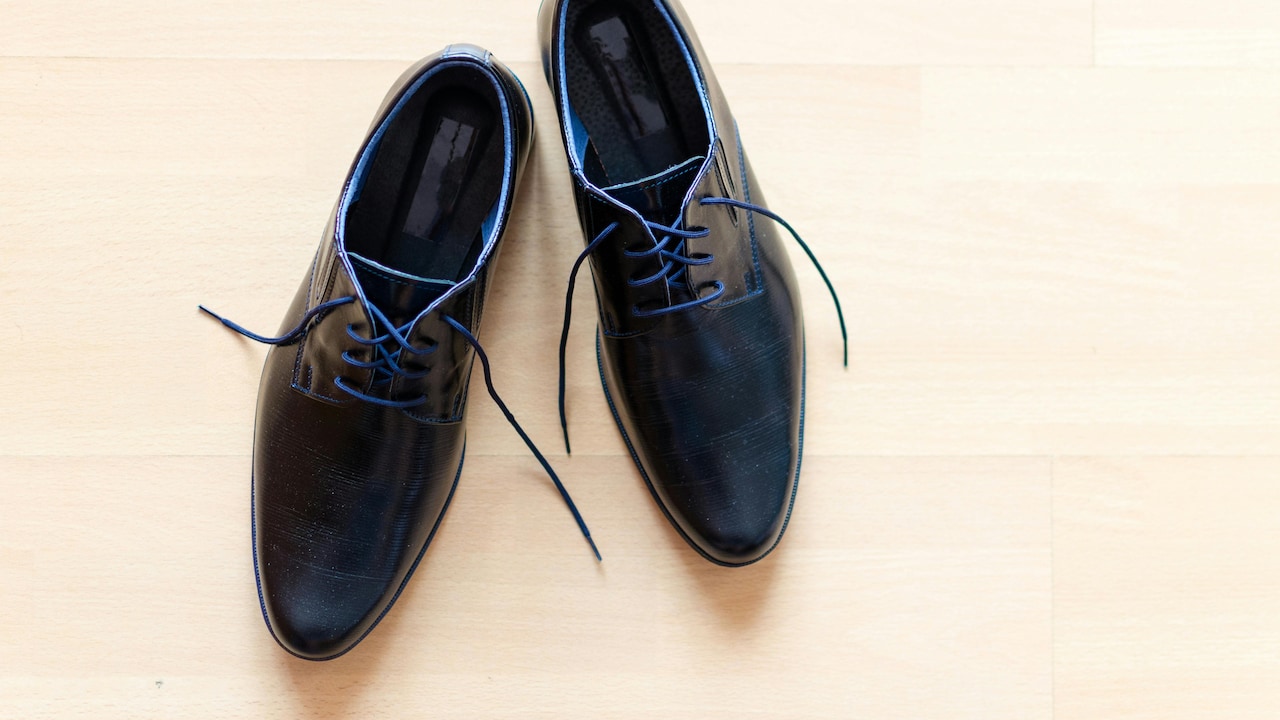
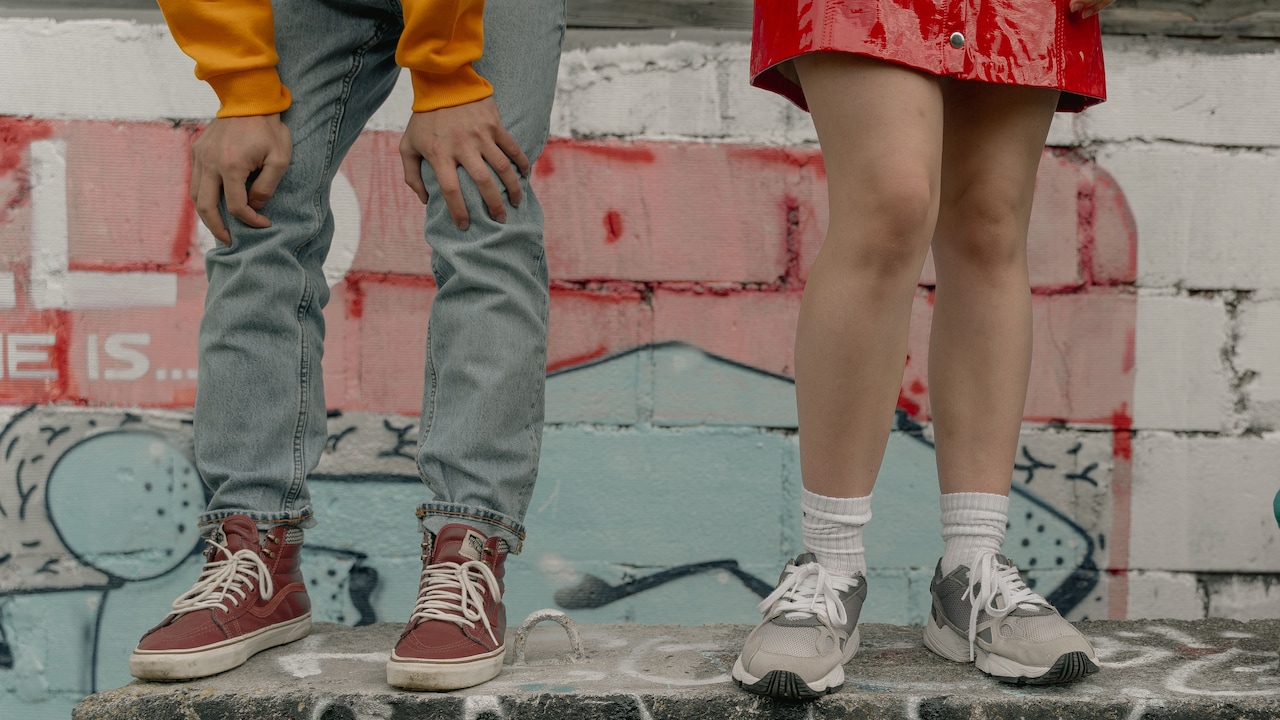
Unveil secrets behind finding formal shoes that don't need breaking in; Photo Credit: Pexels
Many shoppers assume discomfort forms part of the process. Salespeople often repeat the phrase, “It will soften after a few wears.” That idea may comfort the mind, but it rarely comforts the feet. In reality, a well-designed shoe should feel supportive and flexible from the moment it leaves the box.
Modern footwear design offers many improvements. Softer leather, better cushioning, and thoughtful construction now make it possible to avoid the painful “breaking-in” phase altogether. Yet choosing the right pair requires attention to small details that often escape notice during a quick store visit.
From leather quality to sole flexibility, each feature influences how quickly a shoe adapts to the foot. Understanding these details helps shoppers walk away with shoes that feel comfortable during the first commute, the first presentation, and every step afterwards.
Also Read: Most Comfortable Formal Shoes Under ₹700: 5 Styles That Will Not Hurt Your Feet
What To Look For When Buying Comfortable Formal Shoes
Start With The Right Leather
Leather quality plays the biggest role in immediate comfort. Cheap leather often feels stiff, thick, and resistant. Feet struggle to bend during natural movement. That struggle leads to friction, pressure points, and eventually blisters.
High-quality full-grain or soft calf leather behaves very differently. It bends easily with the foot and adapts to movement without resistance. The material feels smoother inside as well, which reduces rubbing around the heel and toes. Many premium pairs display a natural softness when gently pressed between the fingers.
During a store visit, a quick test helps. Press the upper leather lightly near the toe area. Soft leather forms gentle wrinkles and springs back quickly. Hard leather stays rigid or forms harsh creases.
Some modern brands offer supple leather blends designed specifically for warm climates and long workdays. Prices may sit slightly higher, often around ₹4,000 to ₹8,000, yet the difference in comfort becomes obvious within minutes of wearing them.
Good leather behaves like a cooperative partner. It moves with the foot rather than fighting it.
Check The Flexibility Of The Sole
A rigid sole often signals trouble. Shoes that refuse to bend force the foot into unnatural movement. That stiffness causes pressure on the toes and heels, especially during long walks through office corridors, railway platforms, or crowded markets after work.
A quick flexibility test reveals everything needed to know. Hold the shoe with both hands and gently bend the front upward. A comfortable formal shoe shows moderate flexibility near the ball of the foot. It should bend slightly but still maintain structure.
Some formal shoes use lightweight rubber soles disguised as classic leather. These designs combine elegance with flexibility. Many commuters appreciate this feature during daily travel through busy streets or metro stations.
Leather soles still look elegant for boardrooms and ceremonies. However, high-quality versions include thin cushioning layers inside that improve flexibility and comfort.
Good shoes allow natural movement. Feet should walk freely without fighting against stiff materials.
Prioritise The Correct Fit From The Start
Fit matters more than brand names or glossy finishes. Many people purchase slightly tight shoes under the assumption that leather will stretch later. That gamble often fails and results in months of discomfort.
A good formal shoe should feel snug but never tight. The toes must move slightly without hitting the front. The heel should sit securely without slipping. Even small discomfort during the trial often grows worse after several hours of wear.
Feet also tend to swell slightly during the day. Late afternoon shopping, therefore, provides the most realistic sense of fit. Morning fittings sometimes create false comfort that disappears by evening.
Trying shoes while standing also makes a difference. Weight distribution changes the shape of the foot, and sitting hides many pressure points.
Pay attention to width as well. Many brands offer narrow, regular, and wide options. Choosing the right width often removes the need for any breaking-in period.
Comfort should appear instantly. If the shoe argues with the foot inside the store, it will argue louder outside.
Look For Cushioned Insoles
Cushioning transforms the entire wearing experience. Many traditional formal shoes lack proper insoles, leaving feet to absorb impact directly from hard surfaces. Office corridors, marble floors, and pavements demand shock absorption.
Modern formal footwear now includes cushioned insoles that remain invisible from the outside. Memory foam, gel padding, and soft EVA layers create gentle support under the heel and arch.
This cushioning reduces fatigue during long days filled with meetings, commuting, and unexpected errands. Feet stay relaxed even after hours of standing during presentations or family celebrations.
Testing cushioning takes only a few seconds. Press the insole gently with a finger. A soft rebound indicates comfort. Hard insoles feel flat and unyielding.
Some brands allow removable insoles, which offer additional flexibility. Custom orthotic inserts can easily replace them if needed.
A small layer of cushioning may seem minor inside the shoe. Yet that subtle comfort often decides whether a day ends with energy or sore feet.
Pay Attention To Interior Lining
The inside of a shoe rarely attracts attention during shopping, yet it quietly controls comfort. Rough synthetic lining often causes friction against the skin. That friction creates the dreaded heel blister many professionals know too well.
Soft leather lining or breathable fabric dramatically improves comfort. These materials allow gentle contact with the foot and reduce heat buildup during long days. Good lining also absorbs small amounts of moisture, which keeps the interior environment more pleasant.
Running a hand inside the shoe reveals a lot. Smooth surfaces indicate better craftsmanship. Hard seams or exposed stitching suggest potential trouble.
Quality lining also helps the shoe adapt faster to the shape of the foot. The inner material softens quickly and supports natural movement.
Many commuters appreciate breathable lining during warm afternoons or crowded train rides. Feet remain cooler and less irritated.
Comfort rarely comes from flashy design. Often it hides quietly inside the shoe where careful construction matters most.
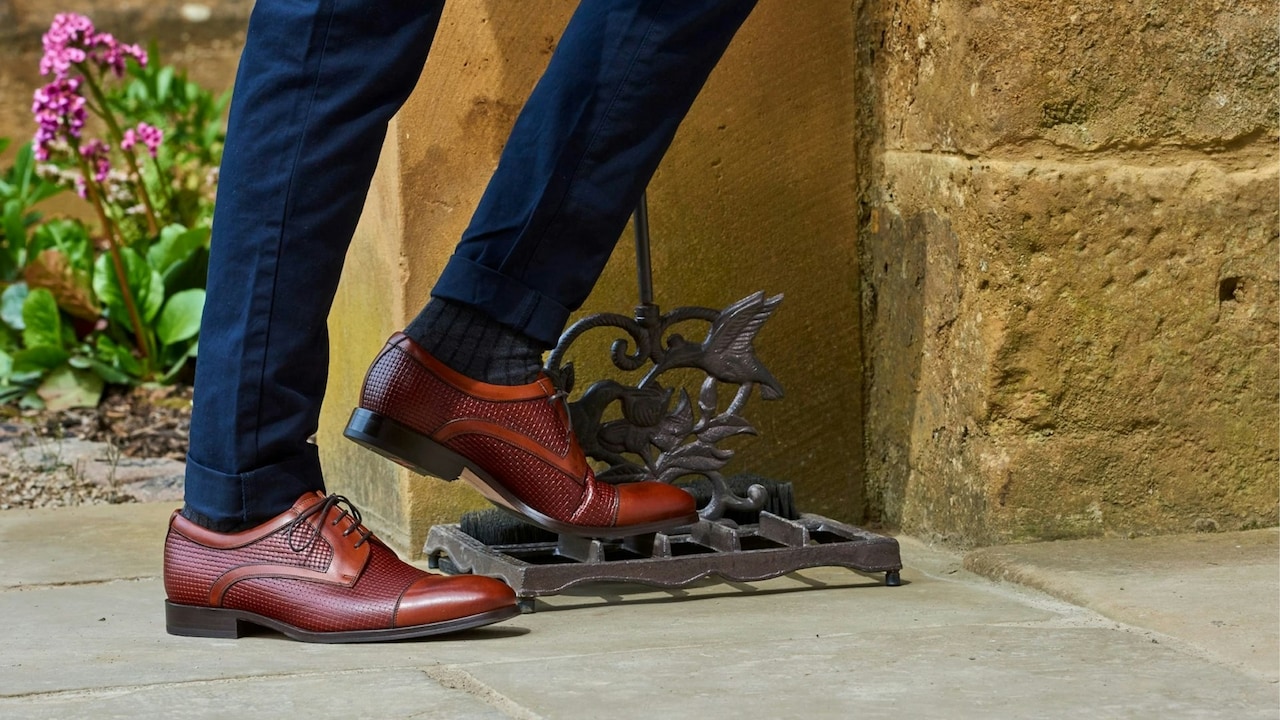
Look for formal shoes with soft leather lining or breathable fabric; Photo Credit: Unsplash
Choose The Right Toe Shape
Toe shape influences both style and comfort. Extremely pointed shoes may look sharp in store displays, yet they often squeeze the toes during real-world use. That pressure becomes unbearable during long office hours or social events.
A slightly rounded or almond-shaped toe offers far better comfort. This shape allows the toes to spread naturally while still maintaining formal elegance. Many classic Oxford and Derby designs follow this balanced approach.
Standing and walking inside the store provides the best test. Toes should move freely without pressing against the sides. Even subtle tightness near the little toe may cause discomfort later.
Modern formal fashion increasingly favours refined shapes rather than aggressive points. This shift benefits both appearance and foot health.
Toe space also matters during warm weather. Feet expand slightly, and cramped designs quickly become painful.
A stylish shoe should never behave like a cage. Elegant design and practical comfort can easily exist together.
Evaluate Stitching And Construction
Construction quality determines how a shoe behaves over time. Poor stitching creates rigid areas that dig into the foot. Cheap glue construction also reduces flexibility and durability.
Hand-stitched or carefully machine-stitched seams often indicate stronger craftsmanship. These shoes usually flex more naturally because the construction respects the shape of the foot.
Goodyear welt or Blake stitch methods appear frequently in high-quality formal footwear. These techniques may sound technical, yet they provide real benefits. They allow the upper leather and sole to move more naturally together.
Examining the stitching along the edges offers useful clues. Clean, even stitches signal attention to detail. Loose threads or uneven lines suggest shortcuts during manufacturing.
Good construction often increases the price slightly, perhaps around ₹6,000 or more. However, the comfort and longevity usually justify the investment.
Shoes built with care tend to cooperate with the foot rather than resist it.
Consider Lightweight Designs
Heavy formal shoes often feel impressive in the hand but exhausting on the feet. Excess weight increases fatigue during long days filled with walking, standing, and commuting.
Lightweight designs reduce strain significantly. Modern materials allow manufacturers to maintain elegance while cutting unnecessary weight. Thin rubber outsoles, flexible midsoles, and improved leather processing contribute to this improvement.
Walking across a store floor quickly reveals the difference. Lightweight shoes encourage natural movement and reduce effort with every step.
Professionals who travel frequently or move between meetings especially appreciate this feature. Carrying extra weight on the feet throughout the day drains energy surprisingly quickly.
Many comfortable formal pairs now weigh less than traditional designs while still maintaining a polished appearance suitable for offices, conferences, and formal gatherings.
Shoes should support movement, not slow it down.
Try Walking Before Buying
Many shoppers test shoes while standing still. That brief moment rarely reveals real comfort levels. Walking inside the store tells a much more accurate story.
Take several laps across the showroom floor. Pay attention to the heel, arch, and toe area during movement. Any rubbing, slipping, or tightness deserves attention immediately.
Listen to subtle signals from the feet. Slight irritation inside the store often transforms into serious discomfort after hours of wear.
Carpeted floors hide many issues. Harder surfaces provide a better sense of real-world use. Some stores even include test areas that simulate pavement.
Walking also reveals balance and stability. Good formal shoes guide the foot naturally without awkward stiffness.
This short test often prevents costly mistakes. Spending ₹5,000 or more on uncomfortable shoes makes little sense when a five-minute walk could reveal the problem.
Comfort reveals itself through movement, not stillness.
Trust Comfort Over Fashion Trends
Fashion trends change constantly. One season favours ultra-slim silhouettes, while another celebrates bold shapes or glossy finishes. Yet comfort should always remain the priority.
Some trendy designs sacrifice practicality for appearance. Extremely narrow shapes, hard synthetic materials, or decorative elements may look striking, but often punish the feet.
Timeless styles such as classic Oxfords, Derbies, and loafers usually balance comfort and elegance beautifully. These designs have survived decades for a reason. They respect the natural structure of the foot.
A well-chosen pair of classic formal shoes can last for years with proper care. Spending ₹7,000 on comfortable, durable footwear often proves wiser than buying multiple cheaper pairs that cause pain.
True style comes from confidence. Comfortable shoes support that confidence quietly throughout the day.
Feet deserve respect, even in the pursuit of fashion.
Products Related To This Article
1. Anouk Men Solid Slip-On Formal Loafers
2. House of Pataudi Men Formal Loafers
3. FOR-B Men Leather Formal Derbys
4. Anouk Men Solid Round Toe Formal Loafers
5. Louis Philippe Men Leather Formal Slip-On Shoes
6. Mast & Harbour Men Chunky Slip-On Formal Loafers
7. Bata Men Round Toe Formal Derbys
Formal shoes should never demand suffering before delivering comfort. The myth of the painful “breaking-in” period persists largely because many buyers overlook important details during purchase.
Soft leather, flexible soles, proper fit, and thoughtful construction create shoes that feel natural from the first step. Interior lining, cushioning, and toe shape also influence how quickly a shoe adapts to daily life.
Taking time during the selection process saves weeks of discomfort later. A few extra minutes spent bending the sole, walking across the store, and checking the fit can prevent countless blisters and regrets.
Comfortable formal shoes do more than protect the feet. They improve posture, confidence, and overall mood during long workdays and special occasions.
In the end, the best formal shoes do their job quietly. They support every step without complaint, leaving attention free for more important matters than sore heels.
(Disclaimer: This article may include references to or features of products and services made available through affiliate marketing campaigns. NDTV Convergence Limited (“NDTV”) strives to maintain editorial independence while participating in such campaigns. NDTV does not assume responsibility for the performance or claims of any featured products or services.)