How to Choose Girls' Dresses - the Right Fabric, Fit and Comfort: Buying Guide
Choosing the right dress for girls is about more than looks. This guide simplifies comfort, fabric and fit, helping parents pick styles that feel good, last longer and suit every occasion with ease.
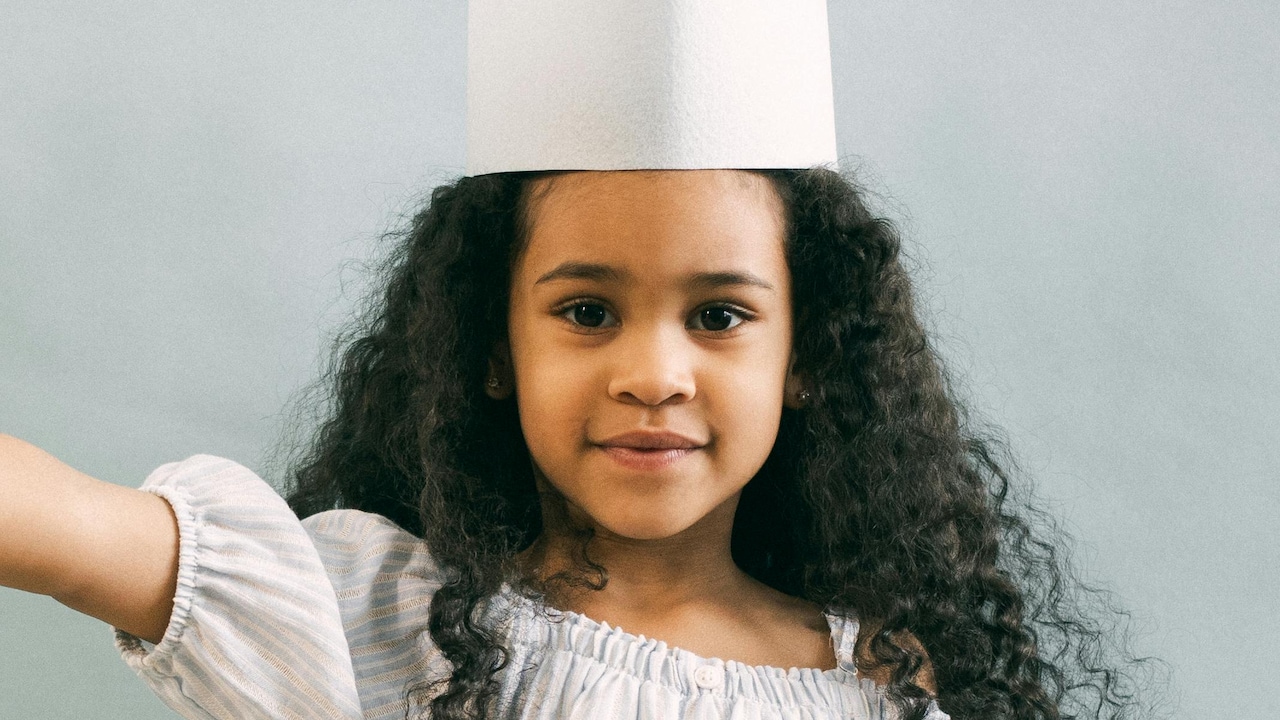
Girls' Dresses Buying Guide: Here Is How To Ensure Comfort, Fabric And Fit, All Simplified In Brief.
How to choose girls' dresses: A good dress does more than look pretty. It allows the girl child to run, laugh, twirl and sit through long school events without fuss. A dress bought with excitement ends up getting worn just once because it scratches, slips or feels stiff. That moment teaches a quiet lesson: comfort always wins. The right dress balances fabric, fit and function. This buying guide simplifies the process and reveals how to choose girls' dresses, including picking the right fabric, fit and more. It focuses on what matters most, without jargon or guesswork. Whether shopping online or strolling through local markets, these insights help choose girls' dresses that feel as good as they look.
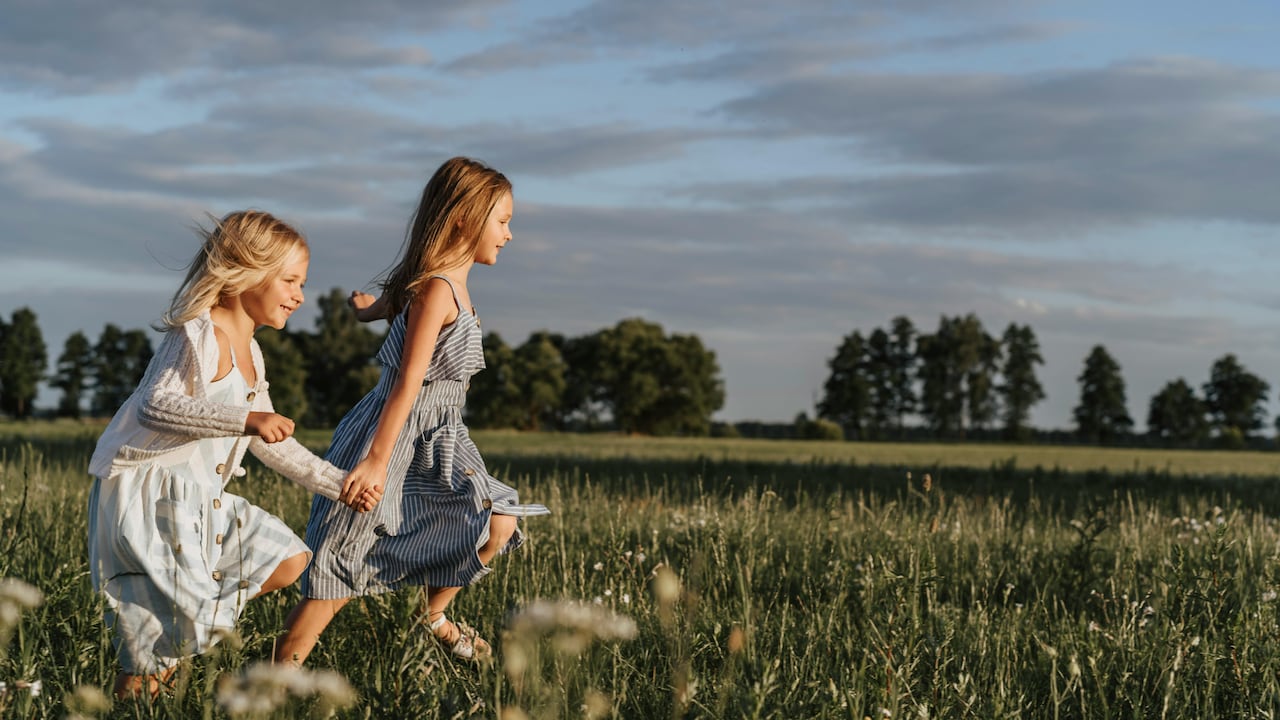
Girls' Dresses Buying Guide: Comfort, Fabric And Fit Simplified
Photo Credit: Pexels
What To Look for When Buying Dresses for Girls
1. Comfort Comes First, Always
Comfort decides whether a dress becomes a favourite or a forgotten hanger piece. Children move constantly. They climb stairs two at a time, sit cross-legged on floors and dash through corridors. A dress that restricts these movements irritates within minutes.
Soft seams, smooth stitching and flexible designs matter more than heavy embellishments. Zips should glide easily and avoid sharp edges near the skin. Elasticated waists often work better than tight belts, especially during long school days or family outings. A dress that feels easy allows children to forget about what they wear and focus on what they do best, being themselves.
Comfort also changes with age. Younger girls need fuss-free designs, while older ones appreciate styles that feel grown-up without sacrificing ease. A quick test helps. If a dress allows arms to stretch fully and knees to bend freely, it passes the comfort check. When comfort leads, confidence follows naturally.
2. Fabric Choices That Feel Right
Fabric touches the skin all day, so choosing wisely saves plenty of complaints later. Natural fabrics like cotton top the list for everyday wear. They breathe well, absorb sweat and suit warm climates. Linen works beautifully for festive summer days, offering a crisp look without trapping heat.
Blended fabrics also have a place. Cotton blends resist wrinkles and handle frequent washing better. For cooler months, soft wool blends or knitted fabrics provide warmth without itchiness. The trick lies in checking texture. A quick rub between fingers often reveals how a fabric behaves against sensitive skin.
Synthetic fabrics may shine under store lights, yet they sometimes trap heat and cause discomfort. They work better for short occasions rather than daily wear. When choosing party dresses, look for breathable linings that sit between skin and outer layers. Fabric comfort ensures a dress stays loved beyond the first wear.
3. Understanding the Right Fit
Fit shapes how a dress feels and looks. Too tight and it restricts movement. Too loose and it feels sloppy. Children grow fast, which complicates sizing further. A slightly relaxed fit often works best, leaving room for growth without looking oversized.
Check shoulder seams first. They should sit neatly without drooping. Armholes need space for movement but should not gape. Length matters too. Knee-length dresses suit active days, while longer styles work well for special events. Adjustable features like tie-backs or elastic panels extend wear time and add flexibility.
Avoid guessing sizes based on age alone. Measurements offer better guidance, especially when shopping online. A dress that fits well boosts posture and confidence. When children feel comfortable in their clothes, they carry themselves with ease. Fit, when chosen thoughtfully, supports both style and practicality.
4. Dressing for Different Occasions
Not every dress suits every moment. Daily wear needs durability and ease, while occasion wear invites a little drama. School-friendly dresses often feature simple cuts, breathable fabrics and darker colours that hide stains. They handle playground adventures and repeated washing with grace.
Festive dresses tell a different story. Flowing skirts, embroidery and playful colours add charm. Comfort still matters, though. Lightweight layers work better than heavy designs that weigh down small shoulders. For family functions, dresses that balance elegance with movement allow children to enjoy celebrations fully.
Seasonal events also influence choices. Outdoor weddings call for breathable fabrics, while winter gatherings need warmth without bulk. A versatile wardrobe includes a mix of casual and special-occasion dresses. Knowing where and when a dress will be worn helps narrow choices and avoid impulse buys.
Also Read: Top 7 Comfort-Focused Kidswear Deals From Bumzee, Googo Gaaga And More
5. Seasonal Comfort Matters
Weather influences comfort more than style ever will. Summer demands light, airy dresses that allow skin to breathe. Sleeveless or short-sleeved cotton dresses work well for hot afternoons. Loose silhouettes prevent overheating and keep moods cheerful.
Monsoon months bring humidity and sudden showers. Quick-drying fabrics and darker shades handle splashes better. Knee-length dresses avoid muddy hems and feel practical. Winter introduces a new challenge. Dresses layered with leggings or paired with cardigans offer warmth without compromising movement.
Choosing season-appropriate dresses reduces discomfort and illness. It also extends wearability throughout the year. A well-chosen seasonal dress feels like a natural extension of daily life rather than a costume worn reluctantly. Comfort aligned with the weather always wins approval.
6. Designs That Encourage Movement
Children rarely sit still. Dresses that support movement enhance play and confidence. A-line cuts, flared skirts and empire waists offer freedom without looking shapeless. Stretchable fabrics allow bending and running with ease.
Avoid overly stiff materials or tight pencil styles that restrict steps. Even party dresses benefit from flexible underlayers. Slits, pleats or layered skirts add movement and visual interest. They also prevent awkward stiffness during play.
Practical design details matter too. Pockets delight children and add functionality. Dresses that encourage movement quickly become favourites. They support imagination, whether pretending to be dancers, explorers or superheroes. When design meets movement, clothes adapt to childhood rather than the other way around.
7. Easy Care Makes Life Simpler
Busy routines leave little time for delicate care instructions. Dresses that demand hand washing or dry cleaning rarely suit daily wear. Machine-washable fabrics save time and effort. Colourfast materials retain charm after multiple washes.
Check labels before buying. Dresses that shrink or fade quickly disappoint. Reinforced seams and quality stitching improve durability. A well-made dress withstands playground adventures and repeated laundry cycles without losing shape.
Easy-care clothing also encourages independence. Older children enjoy managing their own wardrobes when clothes feel manageable. Dresses that wash, dry and wear easily support this learning. Simplicity in care often decides which dresses stay in regular rotation.
8. Balancing Trends with Timeless Style
Trends attract attention, yet timeless styles last longer. Bright colours and popular prints excite children, while classic cuts ensure longevity. The sweet spot lies in blending both. A simple dress in a trendy colour feels fresh without feeling dated next season.
Avoid designs tied too closely to fleeting fads. Neutral bases with playful details adapt easily. Dresses that work across occasions stretch wardrobes further. They suit birthdays, school events and casual outings with minor styling tweaks.
Timeless dresses also pass down well, retaining charm across siblings. Investing in such styles saves money over time. Fashion remains fun when it supports practicality. Choosing dresses with lasting appeal ensures joy beyond the initial excitement.
9. Budgeting Without Compromise
Quality does not always mean high prices. Thoughtful shopping balances budget and durability. Local markets often offer excellent cotton dresses at reasonable rates. Online sales also bring value when sizes and fabrics are checked carefully.
Setting a budget before shopping helps avoid impulse purchases. It also encourages prioritising comfort and quality. Spending slightly more on everyday dresses that last longer often proves economical. Occasion wear can cost less if worn sparingly.
Teaching children about value adds another benefit. They learn to appreciate clothes that last and feel good. Smart budgeting supports sustainability and sensible spending. A well-chosen dress delivers joy without unnecessarily stretching finances.
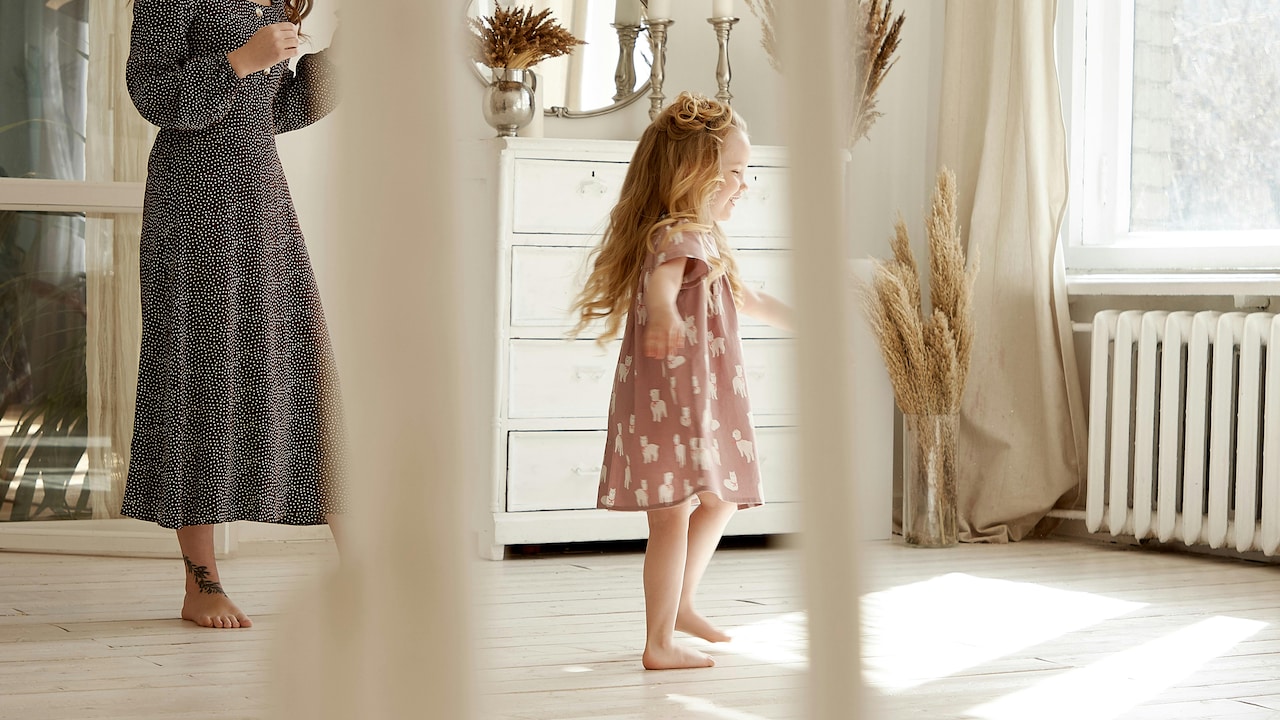
Girls' Dresses Buying Guide: Comfort, Fabric And Fit Simplified
Photo Credit: Pexels
10. Letting Personality Shine Through
Clothes reflect personality, even at a young age. Some children love bold colours, others prefer soft pastels. Allowing choice within boundaries encourages confidence. Offering two or three suitable options lets children feel involved without overwhelming them.
Personal touches like favourite colours or playful prints matter. They transform a dress into something special. Comfort remains key, yet style choices nurture individuality. Listening to preferences builds trust and excitement around dressing up.
A dress chosen with personality in mind often sees more wear. It becomes part of cherished memories, from school functions to family photographs. When clothes align with personality, they support self-expression naturally. Style then becomes a joyful extension of who a child is becoming.
Products Related To This Article
1. PRENA FASHION Girls Pink Dresses
2. BAESD Girls Square Neck Schiffli Empire Dress
3. YK Fit & Flare Dress
4. United Colors of Benetton Girls Round Neck A-Line Dress
5. BAESD Girls Checked Pinafore Dress
6. H&M Girls Printed Sweatshirt Dress
7. Aarika Girls Self Design Ruffles Maxi Fit & Flare Dress
Buying dresses for girls becomes simpler when comfort, fabric and fit guide decisions. These elements shape how a dress feels through busy days and special moments alike. Dresses then become companions in everyday adventures rather than obstacles to enjoyment. Well-chosen girls' dresses tell a quiet story. They speak of comfort, confidence and childhood joy stitched together with care.
(Disclaimer: This article may include references to or features of products and services made available through affiliate marketing campaigns. NDTV Convergence Limited (“NDTV”) strives to maintain editorial independence while participating in such campaigns. NDTV does not assume responsibility for the performance or claims of any featured products or services.)