How To Pick Gym Joggers That Do Not Trap Heat During Workouts
Stay cool while training with gym joggers designed for breathability, moisture control, and smart fit. Discover how the right fabric and features can prevent overheating and keep workouts comfortable.
How To Pick Gym Joggers That Do Not Trap Heat
Few things ruin gym motivation faster than uncomfortable clothing. Imagine stepping into an early morning workout full of determination, only to feel like legs have been wrapped in a thick blanket by the second set of squats. It is frustrating, distracting, and surprisingly common. Many joggers look sleek on the rack but perform poorly when movement and sweat enter the picture. Gym wear has evolved far beyond basic cotton track pants, yet plenty of people still end up buying joggers based on appearance alone. A trendy design means little when fabric traps heat like a pressure cooker lid. The challenge lies in balancing comfort, breathability, durability, and style.
Selecting the right joggers requires more than glancing at price tags or flashy logos. Understanding fabric technology, fit, ventilation, and seasonal needs can save money and prevent endless wardrobe regrets. Whether workouts happen in air-conditioned gyms or humid outdoor parks, the perfect pair should support performance while keeping the body cool. Because no one deserves to feel roasted while chasing fitness goals.
How To Pick Gym Joggers That Do Not Trap Heat; Photo Credit: Pexels
How To Choose Gym Joggers That Keep You Cool During Workouts
Fabric Should Always Come First
The secret to cooler gym joggers begins with fabric choice. Material matters far more than branding or design. Lightweight polyester blends, nylon, and moisture-wicking synthetic fabrics usually outperform thick cotton when workouts intensify. Cotton may feel soft initially, but it absorbs sweat quickly and holds onto moisture, creating a sticky, heavy sensation.
Modern athletic fabrics often include mesh textures or engineered fibres designed to release heat and dry faster. These options allow air to circulate while sweat evaporates more efficiently. For anyone exercising in warmer climates or crowded gyms, this feature can make a dramatic difference.
Checking labels carefully helps avoid unpleasant surprises. Joggers with elastane or spandex blends also offer stretch without sacrificing breathability. Think of fabric like choosing the right fan during summer; a poor choice only adds discomfort. Spending ₹1,500 to ₹4,000 on quality breathable joggers often proves wiser than buying multiple cheaper pairs that fail under pressure.
Prioritise Moisture-Wicking Technology
Sweat is unavoidable during exercise, but sitting in damp joggers should not be. Moisture-wicking technology pulls perspiration away from skin and spreads it across fabric surfaces, allowing quicker evaporation. This keeps the body cooler and reduces that clammy feeling after intense sessions.
Many sportswear brands now highlight sweat-control features, but not all perform equally. Joggers designed specifically for training often include advanced sweat management that genuinely improves comfort. Fabric that remains dry can prevent irritation, chafing, and embarrassing sweat patches.
In practical terms, moisture-wicking joggers can feel fresher during everything from cardio sessions to yoga stretches. Especially in humid conditions, proper sweat control can make workouts feel significantly less draining. Nobody wants to leave the gym looking as though they survived monsoon traffic without an umbrella. Investing in reliable moisture management supports both confidence and performance.
Also Read: Top 5 Affordable Joggers Under ₹1500 for Men: Gym-to-Cafe Fashion Picks
Choose A Relaxed Yet Tapered Fit
Fit plays a major role in temperature control. Joggers that are too tight restrict airflow, while excessively baggy styles may feel bulky and awkward. The sweet spot lies in a relaxed upper leg with a tapered ankle.
This design encourages ventilation around key heat zones while maintaining a streamlined appearance. It also prevents excess fabric from interfering with movement during cycling, lunges, or weight training. Modern tapered joggers often strike this balance beautifully.
Comfort should extend beyond aesthetics. Waistbands need to sit securely without digging in, and fabric should move naturally with the body. Trying on joggers before purchase or carefully reviewing size charts can prevent poor choices. A flattering fit that allows breathing room can feel transformative, especially during longer workouts. Good gym joggers should support movement, not resemble cling film on legs.
Ventilation Features Make A Huge Difference
Many shoppers overlook ventilation details, yet these can significantly improve cooling. Mesh panels, laser-cut perforations, and zip vents enhance airflow in high-heat areas such as behind knees or along calves.
These additions may seem minor, but they create valuable temperature regulation during intense exercise. Similar to opening windows during summer heat, strategic ventilation allows trapped warmth to escape. Joggers without these features often retain heat unnecessarily.
For high-intensity interval training, running, or functional fitness sessions, ventilation can prevent overheating and improve endurance. Gym wear should work with the body, not against it. Subtle design innovations often separate average joggers from exceptional ones. Paying attention to these details can mean the difference between comfort and feeling like your legs are marinating.
How To Pick Gym Joggers That Do Not Trap Heat; Photo Credit: Pexels
Dark Colours Are Not Always The Best Choice
Black joggers dominate gym fashion, largely because they appear slimming and versatile. However, darker shades absorb more heat, particularly during outdoor training or sun exposure. Lighter colours such as grey, olive, or muted blue can reflect more heat and feel cooler.
This does not mean abandoning style for practicality. Many modern brands offer sophisticated lighter-toned joggers that still look polished. Colour can subtly influence temperature, especially during summer months.
While indoor gyms reduce sun exposure, fabric thickness combined with dark shades may still create extra warmth. Rotating wardrobe choices seasonally makes practical sense. Choosing lighter colours during hotter months can enhance comfort without sacrificing appearance. Sometimes staying cool means looking beyond classic black and embracing smarter options.
Stretchability Supports Better Airflow
Stretch fabrics do more than improve flexibility. Materials with four-way stretch often adapt better to movement, reducing cling and encouraging airflow. When fabric shifts naturally with squats, runs, or stretches, it avoids creating pressure points that trap heat.
Rigid joggers often bunch awkwardly, limiting comfort and increasing sweat concentration. Stretch-enhanced designs maintain shape while allowing ventilation. This creates a more responsive and breathable experience.
High-quality stretch joggers also tend to last longer, retaining structure despite repeated use. Whether tackling deadlifts or simply walking on a treadmill, freedom of movement matters. Clothing should feel supportive, not restrictive. Selecting joggers with balanced elasticity ensures cooler workouts and greater overall comfort.
Waistbands And Cuffs Should Not Suffocate
Small design details often have a surprising impact. Thick waistbands and overly tight ankle cuffs can trap heat and reduce comfort significantly. Breathable elastic waistbands with adjustable drawstrings offer better flexibility.
Similarly, ankle cuffs should provide gentle structure rather than aggressive compression. Overly restrictive cuffs can limit airflow and create uncomfortable heat pockets around the lower legs.
Thoughtful construction improves both cooling and wearability. Gym joggers should feel secure without causing pressure or overheating. Like choosing comfortable footwear, these subtle details shape the overall experience. Ignoring them can lead to discomfort that builds throughout workouts. Paying attention to the waistband and cuff design ensures joggers remain functional from warm-up to cooldown.
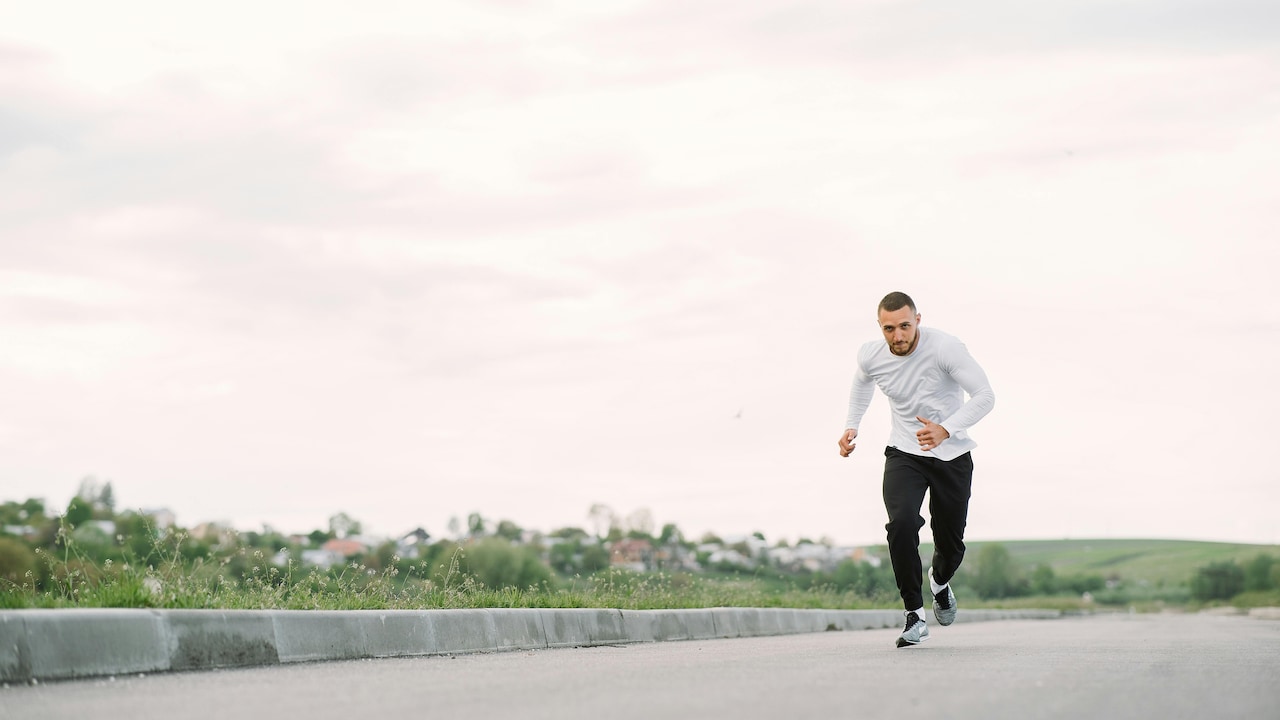
How To Pick Gym Joggers That Do Not Trap Heat; Photo Credit: Pexels
Seasonal Shopping Matters More Than Expected
Not all gym joggers suit every season. Lightweight summer joggers differ dramatically from fleece-lined winter options. Purchasing based solely on discounts can lead to impractical choices, particularly during hotter months.
Warmer climates demand thin, breathable materials with maximum ventilation. Cooler months may justify slightly heavier fabrics, though overheating remains a concern during exercise. Seasonal awareness helps build a versatile fitness wardrobe.
Shopping smartly also prevents wasting money on unsuitable pieces. Spending ₹2,500 on joggers designed for winter may prove frustrating during summer gym sessions. Understanding seasonal performance creates better long-term value. Fitness clothing should match environmental demands just as much as workout style.
Test Durability Without Sacrificing Comfort
Breathable joggers still need durability. Thin fabric that tears quickly or loses shape after a few washes offers poor value. Quality stitching, reinforced seams, and resilient materials ensure longevity.
Balancing durability with lightweight construction can feel tricky, but many reputable sportswear brands manage this effectively. Reading customer reviews often reveals whether joggers maintain performance over time.
Frequent gym-goers need apparel that survives repeated washing, stretching, and movement. Durable joggers should retain breathability while resisting wear. No one enjoys replacing expensive activewear every few months. Selecting well-constructed options can save both money and frustration.
Price Does Not Always Equal Performance
Expensive joggers often promise premium technology, but a higher cost does not always guarantee cooler wear. Some mid-range options outperform luxury brands simply through better fabric engineering and design.
Comparing features rather than chasing labels often leads to smarter purchases. Breathability, fit, and moisture control matter more than flashy branding. Plenty of reliable joggers exist between ₹1,200 and ₹3,500.
Savvy shoppers focus on function first. Testing feel, reading specifications, and considering actual workout needs can prevent overspending. Stylish branding may impress, but practical performance keeps workouts comfortable. Good joggers should earn their price through comfort, not marketing hype.
Products Related To This Article
1. Fame Forever by Lifestyle Men Mid Rise Training or Gym Joggers
2. Max Plus Size Women Pure Cotton Mid-Rise Gym Joggers
3. HRX by Hrithik Roshan Men Rapid-Dry Training Joggers
4. White Moon Women Pack Of 2 Cotton Gym Cargo Joggers
5. FUAARK Lifting Community Men Relaxed Fit Gym & Sports Joggers
6. PYNK Women Relaxed Fit Brand Logo Training Joggers
7. UNDER ARMOUR Men Training or Gym Joggers
Choosing gym joggers that do not trap heat can transform workouts from uncomfortable endurance tests into genuinely enjoyable experiences. Breathable fabrics, moisture-wicking technology, smart fits, and thoughtful ventilation all contribute to cooler, more effective exercise sessions.
Rather than falling for trends alone, selecting joggers based on performance ensures lasting value. The ideal pair should support movement, regulate temperature, and remain comfortable even during demanding routines. With the right choice, gym wear becomes an ally rather than an obstacle.
Fitness journeys already require enough discipline without battling unnecessary discomfort. A carefully chosen pair of joggers can keep workouts cooler, confidence higher, and motivation stronger. After all, exercise should burn calories, not patience.
(Disclaimer: This article may include references to or features of products and services made available through affiliate marketing campaigns. NDTV Convergence Limited (“NDTV”) strives to maintain editorial independence while participating in such campaigns. NDTV does not assume responsibility for the performance or claims of any featured products or services.)