How to Choose Heels For Kids That Wont Slip, Twist, or Cause Pain
Kids love a bit of sparkle and glamour in their footwear, but grown-ups know that the wrong pair of heels can turn excitement into discomfort within minutes. Explore how to help choose heels that look great, feel safe and keep little feet happy.
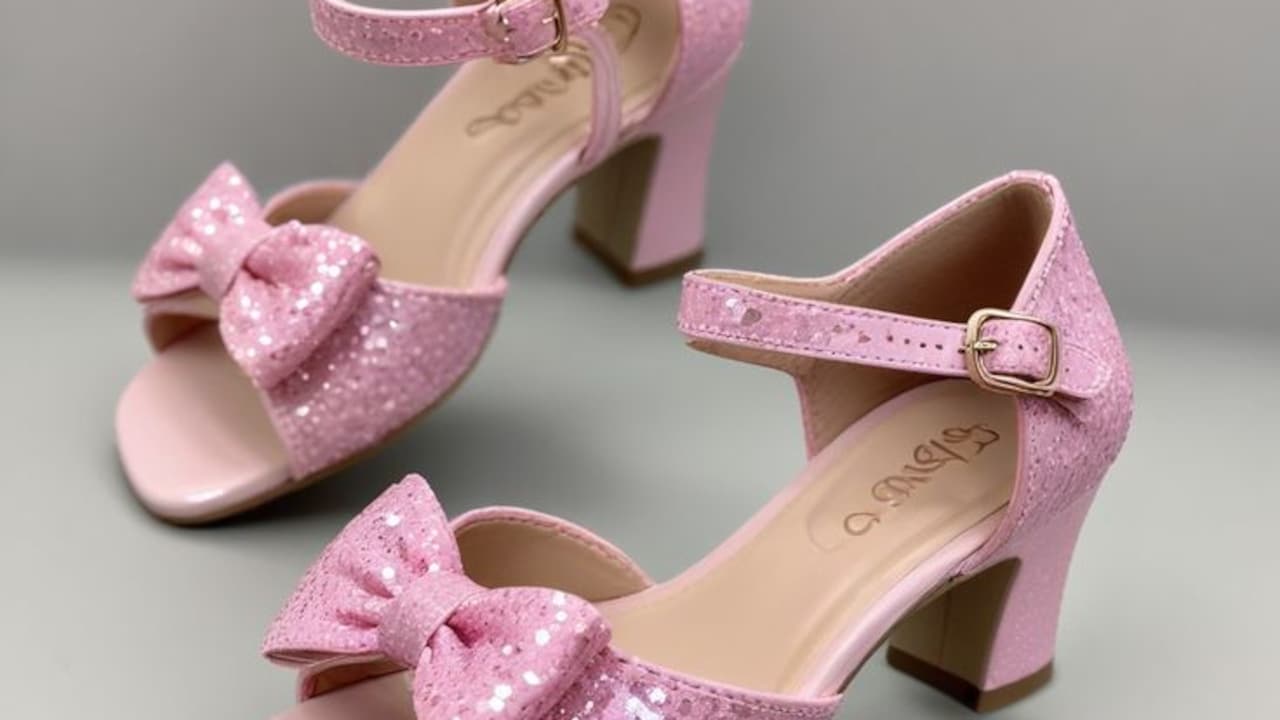
How to Pick Safe and Comfortable Heels for Kids: A Complete Guide for Parents.
A child's world bursts with colour, energy and curiosity. Every festival, school performance or family celebration inspires the same request: “Can I wear heels today?” Little ones adore the elegance of heels, especially when they match a lehenga, frock or kurta set. Yet many parents hesitate. Heels that slip, twist or bite into skin can quickly ruin a day meant for fun. Children's feet grow fast. They change shape, strengthen and develop with every step. Heels designed without thought can disturb balance, strain arches, and create avoidable pain. Shopping for the right pair of heels takes more than choosing the prettiest shade or the sparkliest bow.
We present here 10 practical tips to make it easier to pick heels that keep children steady, comfortable and confident, whether they are dancing at a sangeet, walking on stage or simply strutting around at home feeling fabulous.
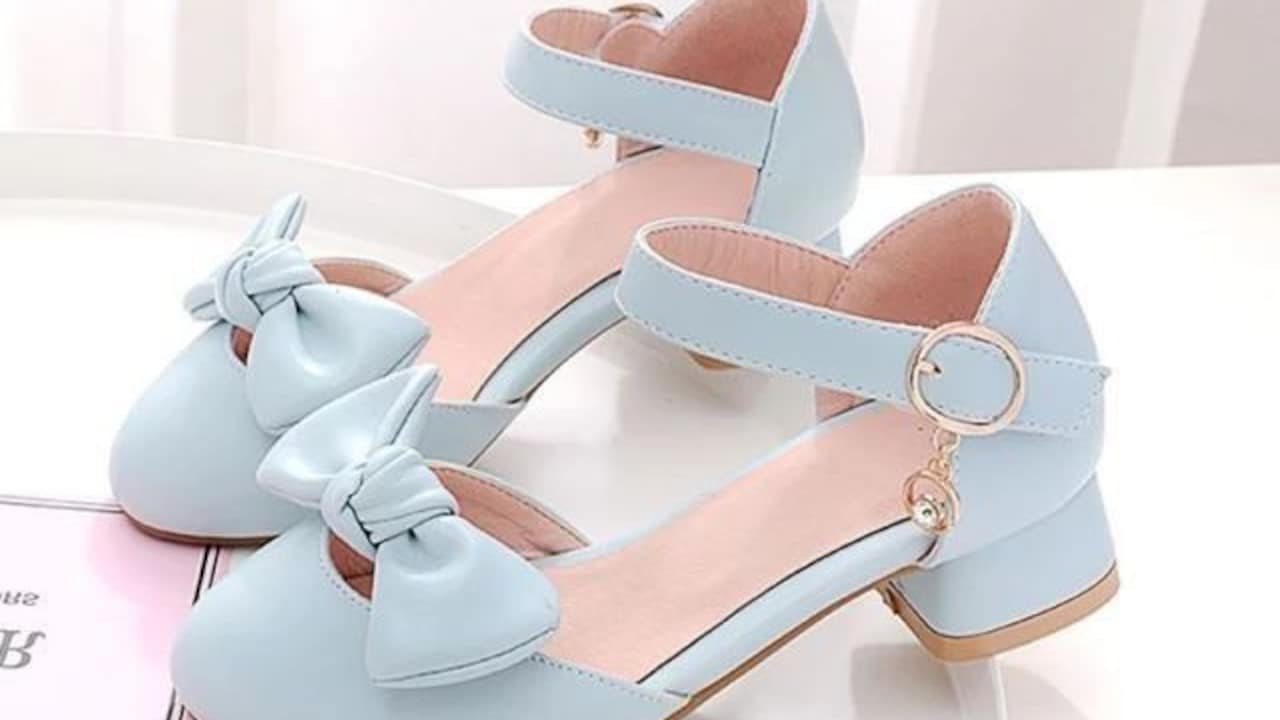
How to Choose Kids Heels That Wont Slip, Twist, or Cause Pain; Photo Credit: Pexels
What To Look For When Choosing The Right Pair
1. Check the Heel Height Before Anything Else
Many kids love the idea of height, especially when a cousin's or sibling's heels look glamorous. Yet not every heel works for young feet. A sensible height balances style and stability. For most children, a small block heel under an inch works best. It gives the sense of elevation without placing pressure on delicate arches or toes.
Parents often notice that kids start tensing their ankles when the heel rises too much. This strain forces them to take shorter, cautious steps. That style of walking feels awkward and increases the chance of a twist. A lower heel promotes natural movement. It lets children run up steps, hop out of a car or dance at a birthday party without holding onto furniture or a grown-up's hand.
Heel height also influences confidence. A child who feels steady enjoys the event without fuss. When the heel stays low, balance stays effortless. That keeps the day cheerful rather than stressful. A good rule? If the child tests the shoe in the store and looks unsure, the heel likely sits too high.
2. Choose a Broad, Stable Base to Prevent Wobbling
A narrow heel may look stylish, but it rarely suits a child's active nature. Kids shift weight often, sometimes without warning. A broad, sturdy heel gives a secure base for these spontaneous movements. Block heels, wedges or platform-style bases offer more ground contact, which reduces wobbling.
In stores, children often stand tall with excitement. Yet the real test begins when they begin walking, pivoting or bending. A wide heel handles these shifts without tilting. This stability helps kids feel in control rather than cautious. Think of it like carrying a plate of samosas: the broader the plate, the easier it feels to balance.
Parents sometimes compare heels across shelves. A quick tip: press the heel gently against the floor. If it feels firm and steady rather than wobbly, it usually works well. Children also tend to copy the grown-ups they admire. When they see safe footwear habits, they follow them. Starting with stable heels builds awareness early, and that wisdom lasts for years.
Also Read: Dress Up Little Fashionistas: Shop Heels From Stefens And Shoetopia On Myntra
3. Look for Soft, Cushioned Insoles for All-Day Comfort
Children rarely stand still. School functions stretch for hours, and festive gatherings often involve long photo sessions. Hard insoles force pressure onto developing feet. Soft cushioning distributes that pressure evenly, which protects heels and toes from soreness.
Foam or gel-padded insoles work wonderfully. They add a comforting layer between the foot and the shoe's base. Kids often whisper complaints only after discomfort becomes unbearable. Cushioned insoles prevent those quiet struggles. A child who feels comfortable smiles more, walks more confidently and enjoys the day without limp or irritation.
During shopping trips, ask the child to wiggle toes and stand on tiptoe. If the insole feels soft and springy, the shoe supports movement well. Cushioning also reduces impact when children run or jump suddenly. Many modern kids' heels include memory foam. This feature shapes itself around the foot, giving personalised comfort. With cushioning, style never comes at the cost of joy.
4. Pick Adjustable Straps That Hold the Foot Securely
One of the biggest causes of slipping heels comes from loose straps. Children's feet differ in shape; some stay narrow, some broader. Fixed straps rarely provide the perfect fit. Adjustable straps with buckles or Velcro allow custom tightening. This snug fit prevents the shoe from sliding off during steps or playful turns.
Velcro works especially well for younger children. They manage it easily, adjust it themselves and feel independent. Buckle straps offer a more polished look for older kids during family events or stage performances. Both styles add security.
A well-fitted strap holds the heel in place without squeezing. Run a quick finger under the strap. If it glides comfortably, the fit works. If the strap digs into skin, loosen it slightly. This simple feature prevents blisters, stops wobbling and helps children walk with a natural, secure rhythm.
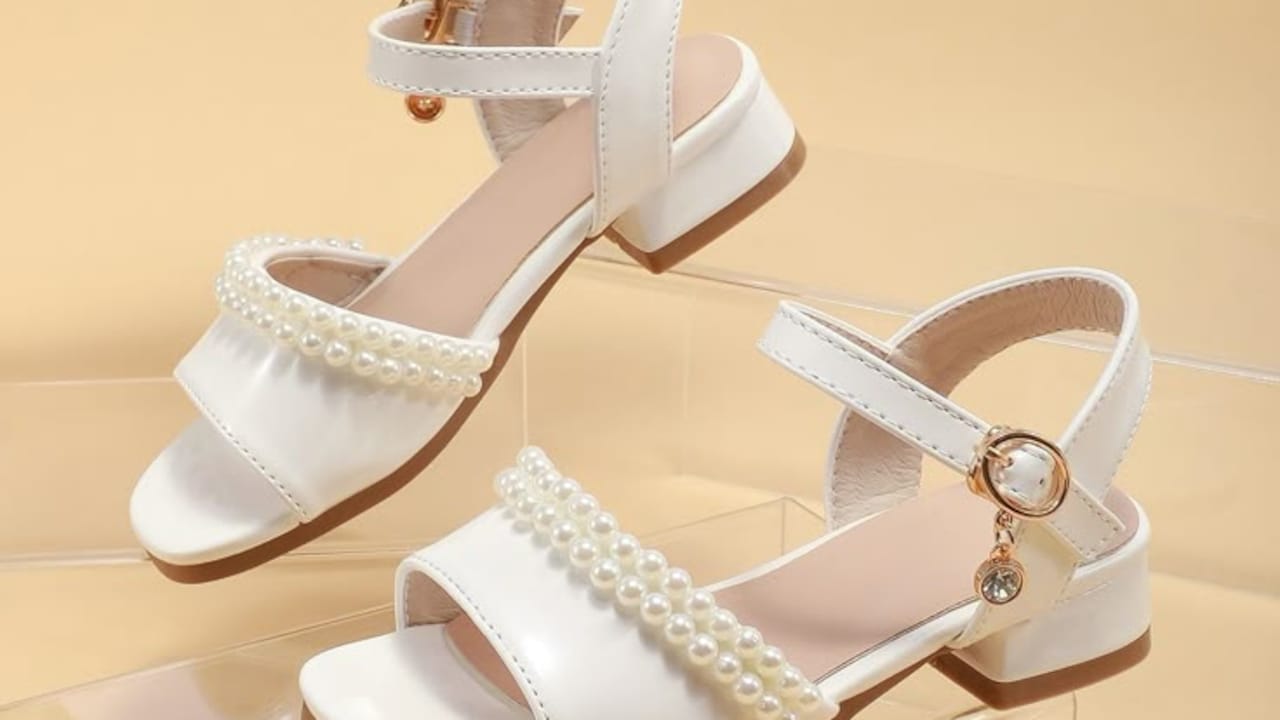
How to Choose Kids Heels That Wont Slip, Twist, or Cause Pain; Photo Credit: Pexels
5. Prioritise Breathable Materials to Avoid Sweaty Discomfort
Hot weather, long functions and energetic play lead to sweating. When shoes trap moisture, feet slide inside. This sliding causes friction, and friction leads to blisters. Breathable materials like mesh, soft leather or flexible fabric allow airflow. Feet stay cool and dry, even during long celebrations.
Synthetic shoes often look bright and attractive, but many trap heat. Parents can check the inside lining. If it feels soft, airy or slightly textured, it usually allows ventilation. Breathable shoes smell fresher as well, which matters after hours of dancing or running around with cousins.
Kids often remove shoes midway through events because of heat discomfort. Breathable materials prevent that situation. They support comfort and hygiene without taking away style. Shoes that stay odour-free also last longer. So breathable materials offer both immediate comfort and long-term value.
6. Test the Grip, Good Traction Prevents Slipping
Smooth floors at banquet halls, malls or school auditoriums create the perfect stage for accidental slips. Children wearing heels face a higher chance of losing balance on polished surfaces. A strong grip at the sole helps avoid sudden skids. Look for patterned or rubber soles that cling well to the floor.
A simple test helps: ask the child to stand still and gently try sliding one foot forward. If the shoe resists movement, the grip works well. Many brands include anti-slip designs shaped like tiny grooves, waves or textured dots. These patterns improve safety without reducing style.
Parents sometimes worry about playful running in heels. With good grip, that risk reduces dramatically. Traction brings peace of mind during energetic events. When the sole supports every step, children move with ease, and confidence replaces fear.
7. Ensure the Toe Box Has Enough Wiggle Room
Crammed toes lead to discomfort faster than anything else. Kids' toes spread naturally for balance. A tight toe box squeezes them together. This pressure causes redness, swelling and irritability. A roomy toe box lets the foot sit comfortably without strain.
Parents can check this by allowing the child to stand and wiggle toes freely. If toes move without brushing the shoe edges, the fit works. Many children hesitate to speak when something feels tight. Observing body language helps. If the child curls toes or adjusts stance often, the shoe likely needs more space.
Rounded or square toe shapes usually offer ample room. Pointed shapes, though stylish, seldom suit developing feet. Extra room doesn't mean oversized shoes. It simply means freedom. When toes relax, the child's stride stays natural, and the day unfolds happily.
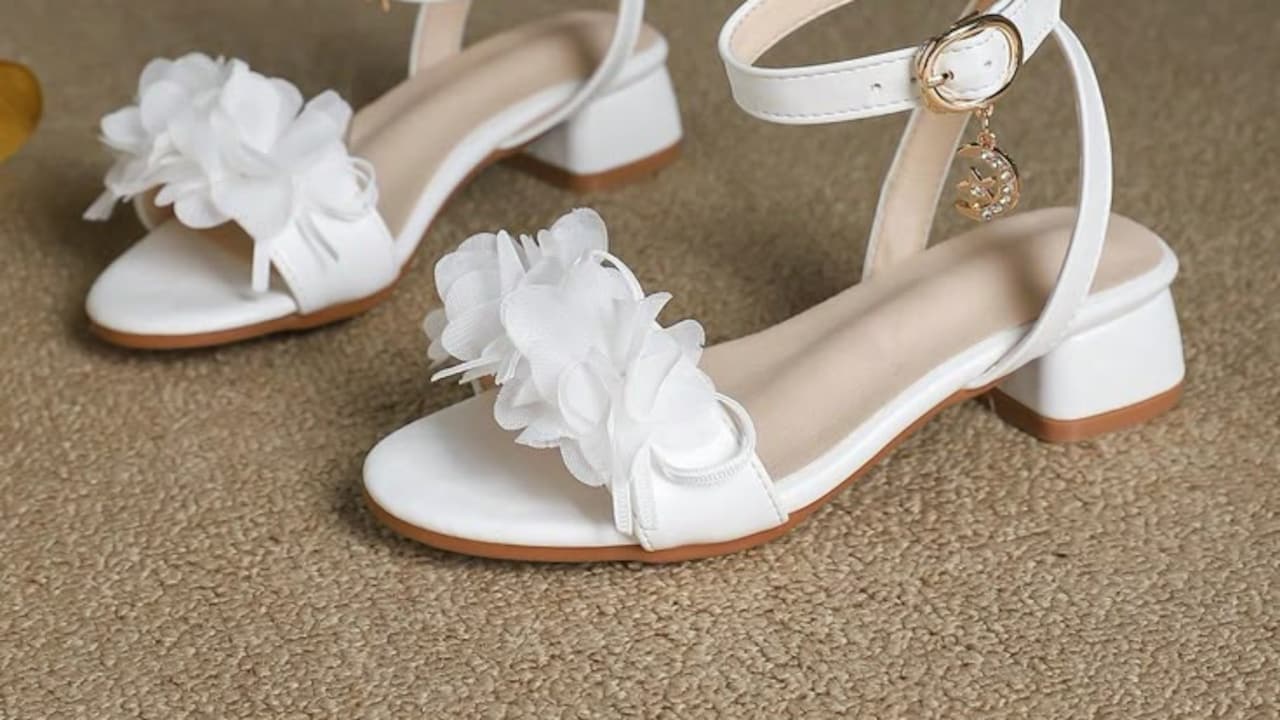
How to Choose Kids Heels That Wont Slip, Twist, or Cause Pain; Photo Credit: Pexels
8. Choose Lightweight Designs for Easy Movement
Heavy heels slow children down. A child wearing feather-light footwear moves with ease, running to greet relatives, dancing at family functions or hopping onto stages without hesitation. Lightweight shoes reduce stress on ankles, knees and hips. They help children stay energetic without tiring quickly.
A quick way to judge weight: hold one shoe in your palm. If it feels light enough to forget, it works. Heavy shoes often tempt children to drag feet, shuffle or walk stiffly. These habits make balancing harder and increase the chance of stumbling.
Lightweight materials include foam soles, flexible leather and airy fabrics. These choices offer durability without burden. Kids rarely mention heavy shoes outright, but their movements reveal everything. When heels feel weightless, their steps stay joyful and spirited.
9. Check for Smooth Edges and Skin-Friendly Finishing
Children's skin bruises easily. Rough edges, sharp stitching or exposed seams rub against delicate ankles or toes. This leads to redness, cuts or painful marks. Before buying, parents can run their fingers along the inside of the shoe. A smooth interior indicates comfort.
Padded ankle collars and soft straps add extra protection. Good finishing prevents irritation even when children stay active for long hours. Many shoes come with decorative elements like beads, sequins or stones. They look festive but may poke or scratch. Selecting designs where decorations do not touch the skin ensures safety.
Kids often express discomfort with frowns or small pauses rather than clear complaints. Smooth finishing keeps those moments away. When shoes caress the foot gently, confidence blooms naturally.
10. Always Do a Full Walk Test Before Buying
The final decision should rest on movement, not appearance. A full walk test reveals comfort issues better than any description. Encourage the child to stroll, climb a step, turn around, and even attempt a small dance move. Realistic movement checks whether the shoe slips, pinches, or feels unstable.
Many stores encourage quick try-ons, but a proper walk matters. Feet expand slightly when walking. A shoe that fits perfectly while standing may feel tight after a few steps. Observing posture helps as well. If the child leans forward, tilts their ankles or hesitates, the fit may need reassessment.
A good pair makes the child forget the heel. When the walk feels natural, and the face lights up, the choice becomes easy. A walk test protects both comfort and enthusiasm, ensuring children step out with confidence and excitement.
Products Related To This Article
1. Shoetopia Girls Party Block Heels
2. BAESD Girls Pointed Slingback Block Heels
3. Stylestry Mid-Top Square Toe Pump Wedges
4. BAESD Girls Embellished Block Heeled Mary Janes
5. Stylestry Girls Synthetic Block Sandal Heels
6. Freeplay Girls Black & Gold-Plated Butterfly Wedge Sandals
7. Freeplay Girls Lavender Open Toe Ankle Loop Comfort Sandals
Choosing kids' heels shouldn't feel like a guessing game. It becomes simple when each small detail supports comfort, safety and joy. Whether preparing for a wedding, festival or school function, the right pair helps children shine without stress. A thoughtful checklist, heel height, stable base, cushioning, breathable material, grip and proper fit keep tiny feet happy.
Children grow fast, but memories grow even faster. Comfortable heels let them dance freely in those moments, jumping across rangoli patterns, swirling in bright outfits and running to greet loved ones. When heels feel gentle and supportive, confidence blossoms naturally.
(Disclaimer: This article may include references to or features of products and services made available through affiliate marketing campaigns. NDTV Convergence Limited (“NDTV”) strives to maintain editorial independence while participating in such campaigns. NDTV does not assume responsibility for the performance or claims of any featured products or services.)