How To Choose Kids' Dresses That Are Cute, Comfy And Playground-Proof
Play-proof kids dresses exist. These picks focus on breathable fabrics, strong stitching, stain-friendly prints, and comfy fits, so kids can run, climb, and spill without ruining the look.
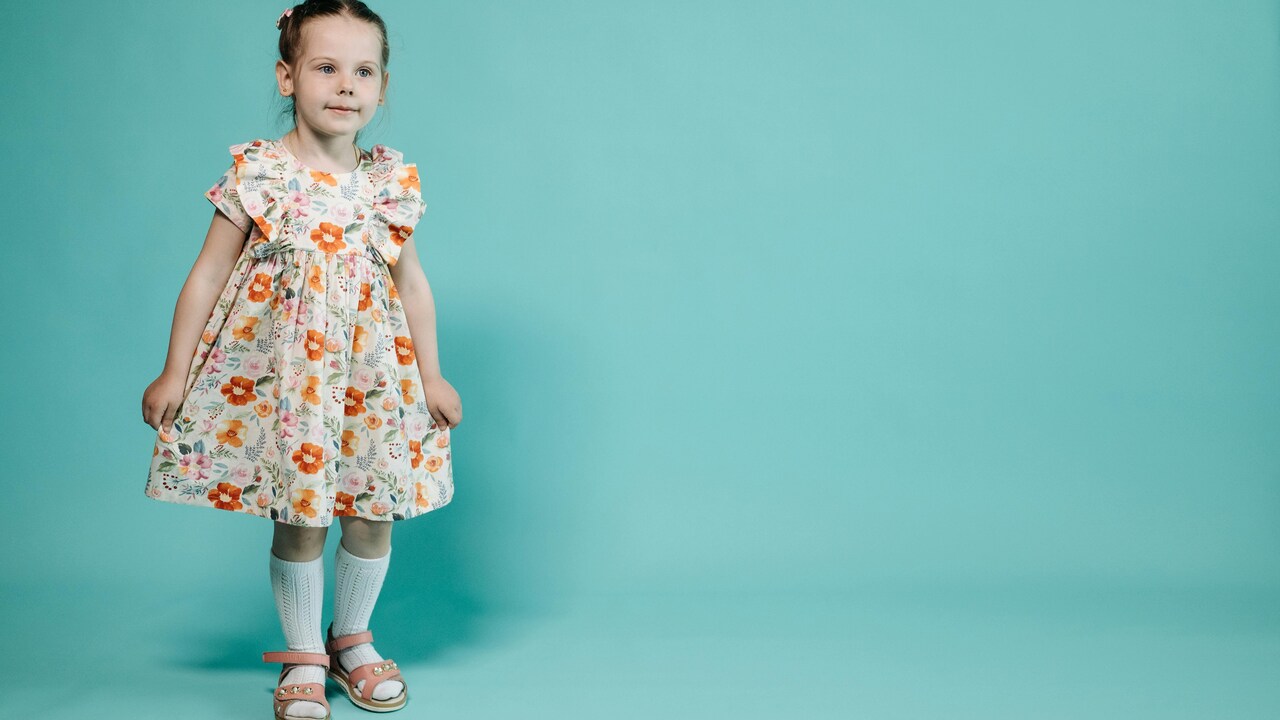
Stylish kids' dresses built to handle real playground adventures, not just picture moments.
Every parent has seen it: a gorgeous dress bought with high hopes, worn exactly once, then retired like a celebrity who hates paparazzi. It looks stunning in photos, sure. But the moment real life begins, climbing, skipping, sitting on the ground, chasing a balloon, something goes wrong. The fabric scratches. The hem trips. The glitter sheds like a stressed-out Christmas tree. And the child looks deeply offended by the whole situation.
Kids don't need outfits built for stillness. They need dresses that can keep up with their wild, wonderful energy. The best ones survive playgrounds, school days, park picnics, and birthday parties without turning into a wrinkled, stained mess. Even better, they stay comfortable enough that kids don't spend the day tugging sleeves and complaining.
So, what makes a dress truly play-proof? It's not just “strong fabric” or “good brand.” It's a mix of smart design, practical materials, and small details that quietly do the heavy lifting. Let's get into it.
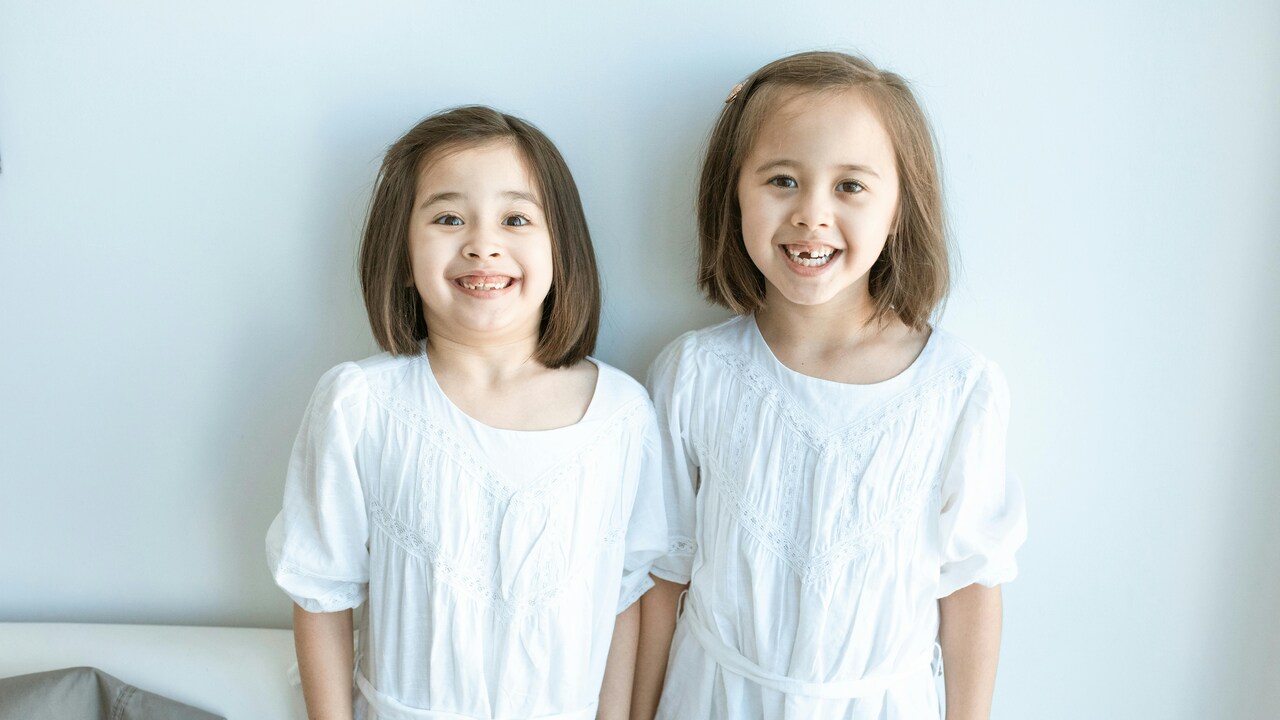
Kids' Dresses That Survive Playgrounds, Not Just Photos; Photo Credit: Pexels
Before You Buy: 10 Things to Check In A Kids' Dress
1) Start With Fabric That Doesn't Pick Fights
The fabric decides whether a dress becomes a favourite or a wardrobe argument. Some materials look fancy but behave like drama queens the moment a child sweats, sits down, or brushes against a wall. The best playground-friendly fabrics feel soft, breathe well, and wash without losing their shape.
Cotton remains the MVP. It handles heat, absorbs sweat, and doesn't feel clingy. Cotton blends can also work well, especially when they add a bit of stretch. For monsoons or high-energy days, fabrics like cotton jersey or knit blends feel comfortable and allow easy movement. Linen looks lovely too, but it creases quickly, great for brunch vibes, less great for school assembly.
Avoid stiff polyester that traps heat. Also, avoid fabrics that feel scratchy on the inside. If the dress needs an inner lining to stop itching, it's already telling on itself. The right fabric feels like a soft T-shirt, but looks like a dress. That's the sweet spot.
2) Look for Stitching That Can Survive a Growth Spurt and a Tumble
A dress can have the prettiest print in the world, but weak stitching will betray it at the first playground sprint. Kids move like they're powered by rocket fuel. Seams get pulled, sleeves get tugged, hems get stepped on. That's why stitching matters more than most people realise.
Check the inside seams. If they look neat and reinforced, that's a good sign. If threads hang loose or seams look thin, the dress may not last beyond a few washes. Double stitching around shoulders, armholes, and side seams helps a lot. So does proper finishing on edges, because fraying is a slow death.
Another small detail: the quality of the elastic, if the dress has it. Cheap elastic loses stretch quickly and creates weird shapes after two washes. A strong waistband elastic keeps the dress comfortable without squeezing.
A well-stitched dress survives slides, falls, and impromptu dance battles. A poorly stitched one becomes a “wear at home only” outfit in record time.
Also Read: How To Choose Kids' Dresses That Allow Easy Movement
3) Comfort Beats Cuteness: And Still Looks Cute
Kids have zero interest in suffering for fashion. If a dress feels tight, itchy, heavy, or restrictive, it will be rejected with the kind of honesty adults can only dream of. And the truth is: discomfort shows. A child who hates their dress will fidget constantly, pull at the neckline, and look annoyed in every photo anyway.
Comfort-friendly dresses have soft seams, flexible armholes, and enough room for movement. A slightly relaxed fit works better than a body-hugging one. Sleeves should allow easy lifting of arms, because playground equipment demands it. Necklines should sit gently and not dig into the skin.
Also, consider the weather. In peak summer, heavy layers and stiff fabrics turn into instant mood killers. In cooler months, a dress that layers easily with leggings and a light jacket becomes a practical hero.
The best dresses don't announce their comfort. They just quietly let kids be kids. And that's exactly what makes them look confident and happy.
4) Choose Designs That Allow Movement Without Mishaps
A good playground dress doesn't just survive. It supports movement. Kids don't walk gracefully. They run, climb, squat, sit cross-legged, and suddenly decide the floor is a chair. Dresses need to cooperate.
A-line shapes work beautifully because they allow movement without clinging. Fit-and-flare styles also give freedom, especially when paired with shorts underneath. Shirt dresses with a bit of structure look smart and still allow play, particularly when the fabric has some give.
Avoid extremely tight pencil-style cuts. Also, avoid very long dresses that drag, trip, or collect dirt like a magnet. High-low hems can look stylish, but sometimes become inconvenient during play.
Another underrated win: dresses with pockets. Kids love pockets with the seriousness of tiny accountants. They store pebbles, hair ties, leaves, and mysterious treasures. Pockets also reduce the need for extra bags during casual outings.
A movement-friendly dress looks good in photos because it looks good in motion. That's the whole point.
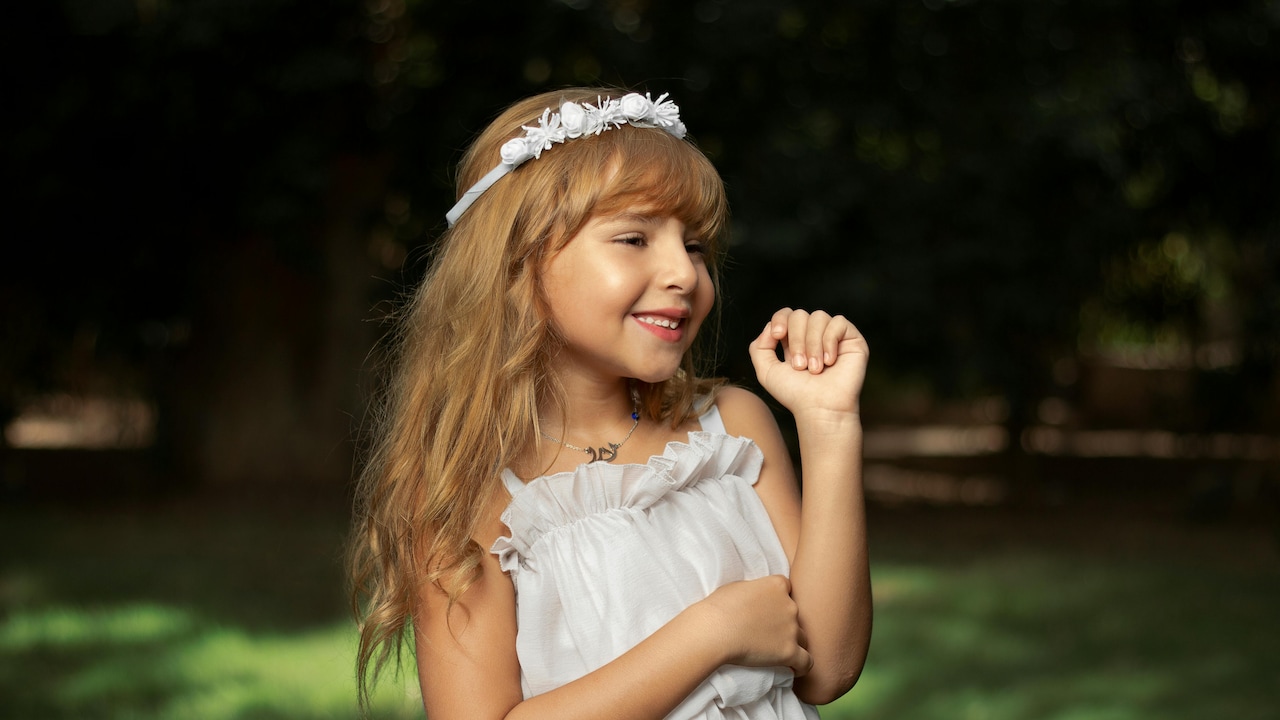
Kids Dresses That Survive Playgrounds, Not Just Photos; Photo Credit: Pexels
5) Prints That Hide Life: Stains, Dust, and Snack Accidents
Playground life comes with stains. That's not a parenting failure, it's a childhood feature. A dress that can't handle a mango drip or a muddy knee isn't a kid's dress. It's a display item.
Smart prints help. Medium-toned prints, small florals, checks, polka dots, and fun patterns disguise minor stains better than solid pastels. Light colours look adorable but show every mark. Dark colours hide stains but also show dust and fade faster in harsh sunlight.
A balanced approach works best: cheerful colours with prints that don't scream “every stain is a tragedy.” Also, avoid too much glitter or heavy embellishment. It looks festive but tends to peel, scratch, and shed in the wash.
Another helpful trick is choosing dresses with patterned panels around high-contact areas like the skirt and lower front. That's where spills land. It's like the dress designers knew exactly how kids eat.
A practical print doesn't reduce cuteness. It simply keeps the dress wearable for longer.
6) The Great Wash Test: If It Can't Handle the Machine, It's Not Worth It
A dress might look gorgeous in the shop, but the real relationship begins after the first wash. If it shrinks, fades, twists, or loses shape, it becomes a regretful purchase. Kids' clothing must be washable. Not “dry clean only.” Not “hand wash separately.” Not “wash with tears.”
Look for fabric that holds colour well. Check the label for washing instructions. If it requires special care, think twice. Kids don't give advance notice before getting messy.
Also, check for colour bleeding, especially with bright reds and deep blues. Nobody wants a pink dress that turns into a strange, washed-out coral after two washes. Another thing: cheap dyes can make fabric feel rough over time.
A dress that washes well becomes a repeat favourite. It stays in rotation. It saves money because it doesn't need replacing quickly. And it makes mornings easier because there's always something reliable to reach for.
A truly good kids' dress should survive a washing machine like it's a normal Tuesday. Because it is.
7) Smart Details That Make Dressing Faster (And Fewer Tears)
Getting kids dressed can feel like negotiating a peace treaty. Anything that makes the process smoother deserves respect. That's where smart dress details shine.
Buttons down the back can look cute, but can also slow everything down, especially during rushed mornings. Zips can be helpful, but only if they don't scratch the skin. Soft concealed zips are ideal. Pull-on styles with stretch necklines or wrap-style designs often work best.
Also consider shoulder snaps for younger children. They make it easier to pull a dress over the head without turning it into a wrestling match. For toddlers, dresses with wide neck openings and gentle elastics reduce fuss.
Then there's the “bathroom break factor.” Dresses that are too complicated make toilet trips stressful, especially in school settings. A simple, easy-lift skirt and no tricky layers can make a big difference.
The best dresses don't just look good. They respect the chaos of real mornings and real kids.
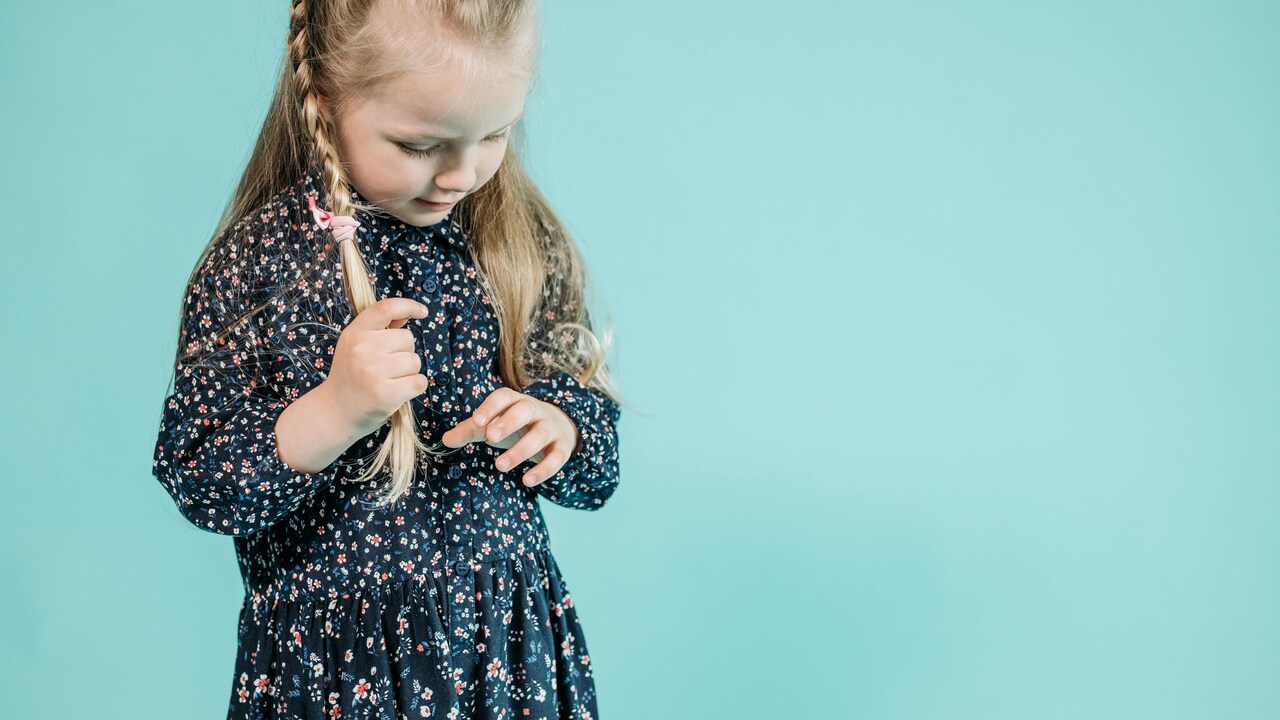
Kids Dresses That Survive Playgrounds, Not Just Photos; Photo Credit: Pexels
8) Layering-Friendly Dresses: One Outfit, Many Seasons
A dress that only works for one season often ends up forgotten. But a layering-friendly dress becomes a year-round essential. It's like the wardrobe version of a multi-purpose pressure cooker, reliable, versatile, and quietly brilliant.
In summer, a breathable cotton dress works on its own. In cooler months, the same dress can pair with leggings, socks, and a cardigan. In monsoons, a shorter dress with quick-dry fabric or a cotton blend works well with sandals and a light jacket.
Look for sleeveless or short-sleeved styles that can layer without bulk. Avoid overly puffy sleeves if the child will wear a sweater over them. Also consider necklines that sit comfortably under jackets.
This approach saves money, too. Instead of buying separate outfits for each season, a few well-chosen dresses can do most of the work. A good dress should earn its keep.
And yes, it still looks adorable at birthday parties. It also works on random Tuesdays.
9) Budget Without Cheapness: Value Shopping That Actually Works
Kids grow fast. Spending ₹2,500 on a dress that fits for four months feels painful. But buying very cheap dresses that tear, fade, or itch also wastes money. The sweet spot is value, something that lasts through multiple wears and washes, and maybe even gets passed down.
Look for sales during end-of-season clearances. Basic cotton dresses often drop in price without losing quality. Multi-pack options for casual wear can be smart too, as long as the fabric feels good.
It also helps to prioritise: spend slightly more on everyday dresses and less on “occasion-only” pieces. Because everyday dresses get used. Occasion dresses often sit in the cupboard like they're waiting for a royal invitation.
Another practical tip: buy slightly bigger when the cut allows it. A-line dresses can last longer than fitted ones. A dress that lasts six extra months can be a better deal than a cheaper one that becomes unusable after three washes.
Value isn't about a low price. It's about fewer regrets.
10) Let Kids Choose: Confidence Is the Best Accessory
The strongest, most practical dress in the world won't get worn if the child hates it. And honestly, kids have taste. Sometimes chaotic taste, yes. But taste nonetheless.
When kids choose their own dresses, they feel ownership. They stand taller. They wear it more often. They complain less. And they develop a sense of style that isn't based on what adults think looks “nice.” That's a good thing.
Offer a curated choice instead of unlimited options. Two or three dresses that meet the comfort-and-durability rules, then let the child pick. This keeps things practical while still giving freedom.
Also, pay attention to what they love. Some kids prefer bold colours and fun prints. Others like simple designs. Some love twirly skirts. Some hate them. These preferences matter more than people admit.
A child who feels comfortable and confident will look great in photos anyway. And the dress will actually see the outside world, playgrounds included.
Products Related To This Article
1. StyloBug A-Line Dress
2. YK Girls Embellished Ruffled Fit & Flare Dress
3. United Colors of Benetton Kids Girls T-Shirt Style Dress
4. Moms Love Infant Girls Cotton Checked Fit & Flare Dress
5. Hopscotch Beige Checked Cozy Bow Plaid Empire Dress
Kids' dresses shouldn't be delicate museum pieces. They should be partners in chaos: ready for park runs, school days, snack spills, sudden rain, and the kind of fearless climbing that makes adults nervous. The best ones don't just survive. They thrive.
The secret isn't expensive brands or fancy embellishments. It's smart fabric, strong stitching, movement-friendly designs, and details that respect how kids actually live. Add prints that forgive stains, easy washing, and a little layering versatility, and suddenly the dress becomes a real wardrobe hero.
Most importantly, a great dress helps kids feel like themselves. Comfortable, confident, and free to move. Because childhood isn't meant to be carefully preserved. It's meant to be lived, one muddy, joyful, twirl-filled day at a time.
(Disclaimer: This article may include references to or features of products and services made available through affiliate marketing campaigns. NDTV Convergence Limited (“NDTV”) strives to maintain editorial independence while participating in such campaigns. NDTV does not assume responsibility for the performance or claims of any featured products or services.)