How To Choose Kids' Dresses That Allow Easy Movement
Choosing the right kids’ dresses is about comfort, flexibility and smart design. Learn how to pick styles that support easy movement, active play and all-day comfort without compromising on style.
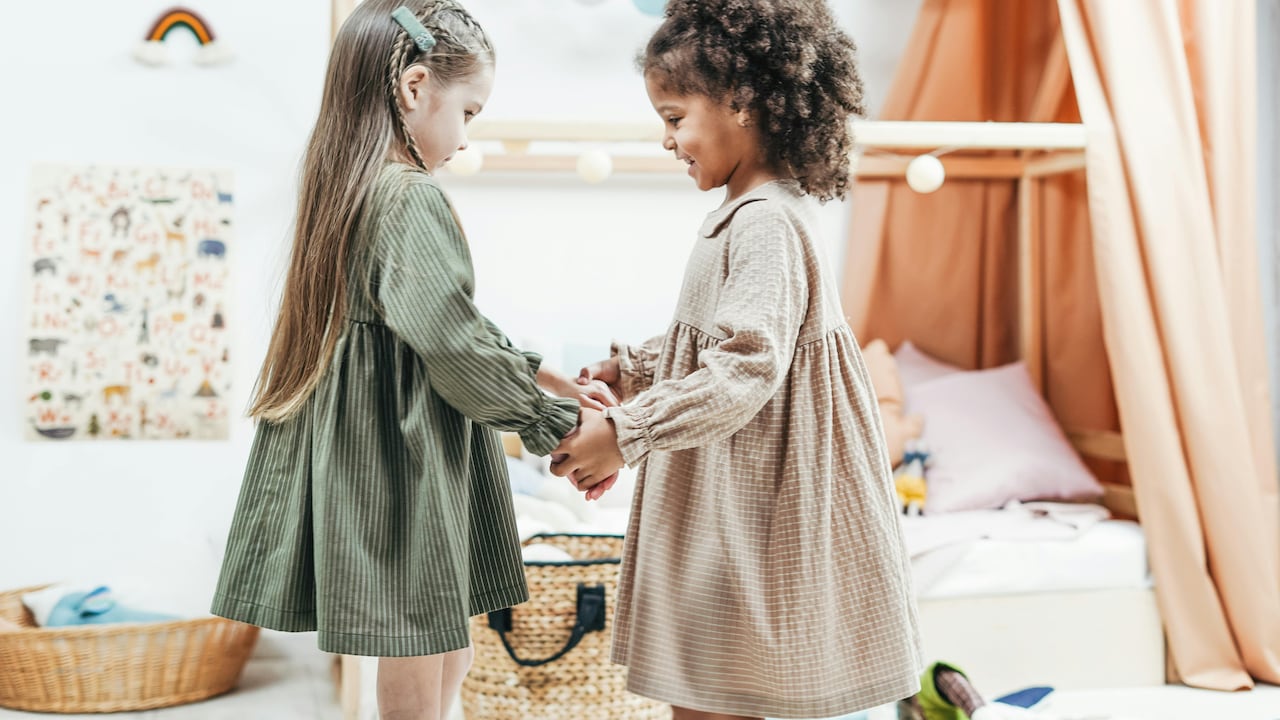
Grab dresses for your kids that don't restrict playtime with these shopping tips.
Children experience the world through movement. They jump, crawl, spin, stretch, and sometimes roll on the floor for no reason at all. Clothes that tug, pinch, or feel heavy quickly turn from cute outfits into daily irritations. Many parents discover this the hard way, usually after a dress stays untouched in the cupboard despite looking perfect on the hanger.
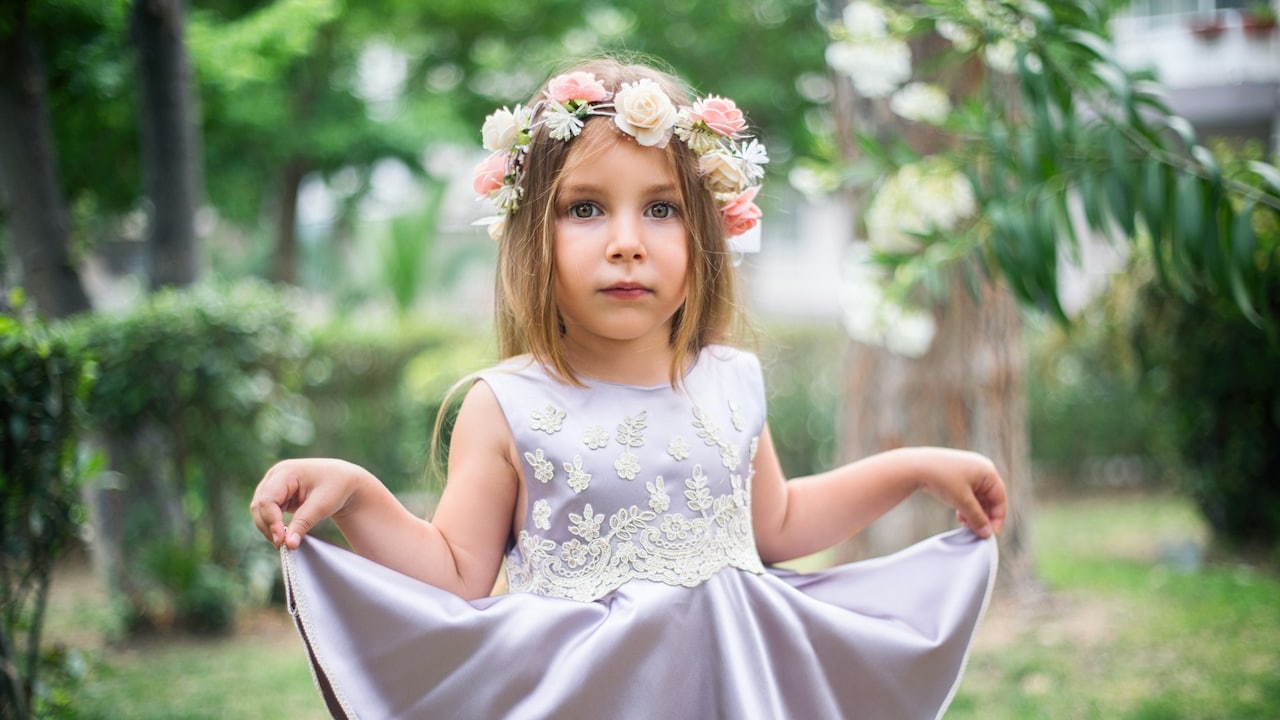
Try these shopping tips to buy kids' dresses that don't restrict movement; Photo Credit: Unsplash
The good news is that choosing movement-friendly dresses doesn't require giving up on style. With a little attention to fabric, fit, design, and daily routines, it becomes easy to find dresses that keep children comfortable and confident. Whether the day involves school, family gatherings, birthday parties, or evening walks, the right dress helps children stay carefree and happy.
This article breaks down practical tips to help parents choose dresses that move as freely as children do, with real-life examples, cultural familiarity, and a dash of humour from everyday parenting moments.
Also Read: Best Hopscotch Kids Clothes For Playtime, Parties And Everyday Style
What To Look For When Choosing Movement-Friendly Dresses For Children
1. Prioritise Soft and Breathable Fabrics
Fabric plays the biggest role in how a dress feels on a child's body. Soft, breathable materials allow air circulation and prevent irritation, especially during warm months. Cotton remains a favourite for good reason. It feels gentle, absorbs sweat, and allows natural movement without stiffness. Muslin, jersey knit, and soft blends also work well for everyday wear.
Synthetic fabrics may look shiny or festive, but many trap heat and restrict airflow. This often leads to discomfort, itching, or constant tugging at sleeves and hems. Children rarely complain directly. Instead, they fidget, refuse to wear the dress again, or pull at it throughout the day.
A simple test helps. Scrunch the fabric in your hand. If it springs back softly and doesn't feel rough, it likely suits active wear. Dresses meant for daily use benefit from breathable materials that feel forgiving during playtime, travel, and long school hours. Comfort always wins over appearance when movement matters.
2. Choose the Right Fit, Not the “Grow Into It” Size
Buying dresses slightly bigger often feels practical, especially when children grow faster than expected. However, oversized dresses can restrict movement in surprising ways. Extra fabric bunches up, trips little feet, and gets caught during play. Loose armholes and slipping shoulders also make movement awkward.
A well-fitted dress offers room to move without excess fabric getting in the way. Look for dresses that sit comfortably on the shoulders, allow easy arm movement, and fall at a sensible length, ideally just above or at the knees for daily wear. This length supports running, climbing, and sitting cross-legged without fuss.
Growth allowances still matter. Adjustable waistbands, side ties, or flexible seams provide room for growth without sacrificing comfort. Dresses designed with smart tailoring allow children to enjoy freedom today while still lasting through the season.
3. Pay Attention to Sleeve Styles
Sleeves affect movement more than many realise. Tight sleeves restrict arm movement and feel uncomfortable during activities like drawing, eating, or playing outdoors. Cap sleeves and puffed sleeves may look adorable, but they sometimes dig into the arms or limit lifting and stretching.
Sleeveless dresses or those with loose, short sleeves often work best for active days. For cooler weather, full sleeves made from stretchable fabric offer warmth without stiffness. Raglan sleeves, which extend diagonally from the neckline, allow better arm mobility and feel less restrictive.
Elbow-length sleeves often strike a good balance. They stay out of the way during messy play and feel comfortable during long hours. When choosing a dress, encourage the child to raise arms, twist, and stretch. If movement feels natural, the sleeves pass the test.
4. Look for Stretch and Flexibility
Stretch equals freedom. Dresses with a bit of stretch move with the body instead of resisting it. Fabrics blended with elastane or spandex allow bending, sitting, and running without pulling at seams. Stretch also helps dresses retain shape after repeated washes and rough play.
Waistbands deserve special attention. Elastic waists feel forgiving after meals and during long school days. Fixed waistlines, especially tight ones, often feel restrictive and uncomfortable. Dresses with empire waists or gathered skirts provide ample space for movement while still looking stylish.
Stretch doesn't mean flimsy. Well-made stretch fabrics offer structure while staying flexible. This balance ensures the dress looks neat yet supports all kinds of movement, from playground adventures to spontaneous living room dance sessions.
5. Avoid Heavy Embellishments and Stiff Details
Sequins, beads, heavy embroidery, and stiff lace may sparkle under lights, but they often weigh dresses down. These elements restrict movement and sometimes cause itching or scratching. Children tend to avoid such dresses after one uncomfortable experience.
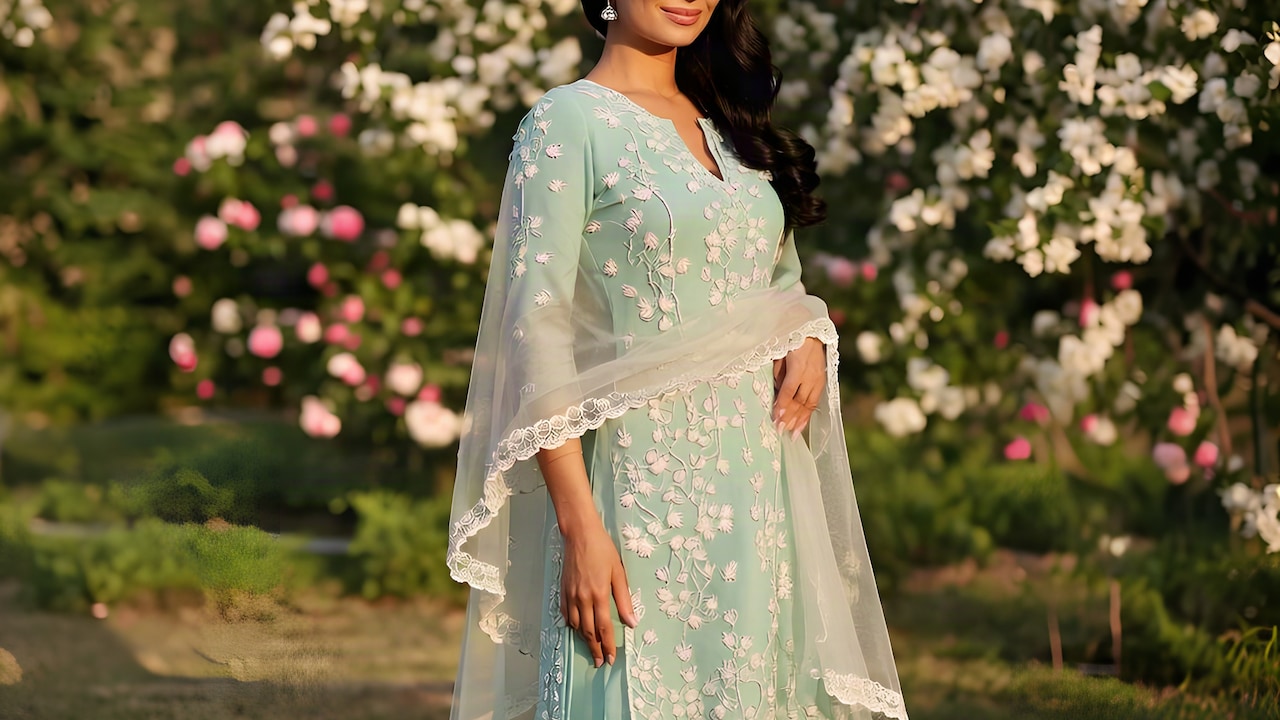
For occasions that call for festive wear, lighter embellishments work better. Printed patterns, subtle embroidery, or fabric textures add charm without bulk. Dresses with soft appliqués stitched flat against the fabric reduce irritation and allow easy movement.
Zippers, buttons, and hooks also matter. Back zippers that dig into the skin or stiff buttons near the neck cause discomfort during sitting and playing. Simple designs with minimal hardware support movement and make dressing quicker, which every busy morning appreciates.
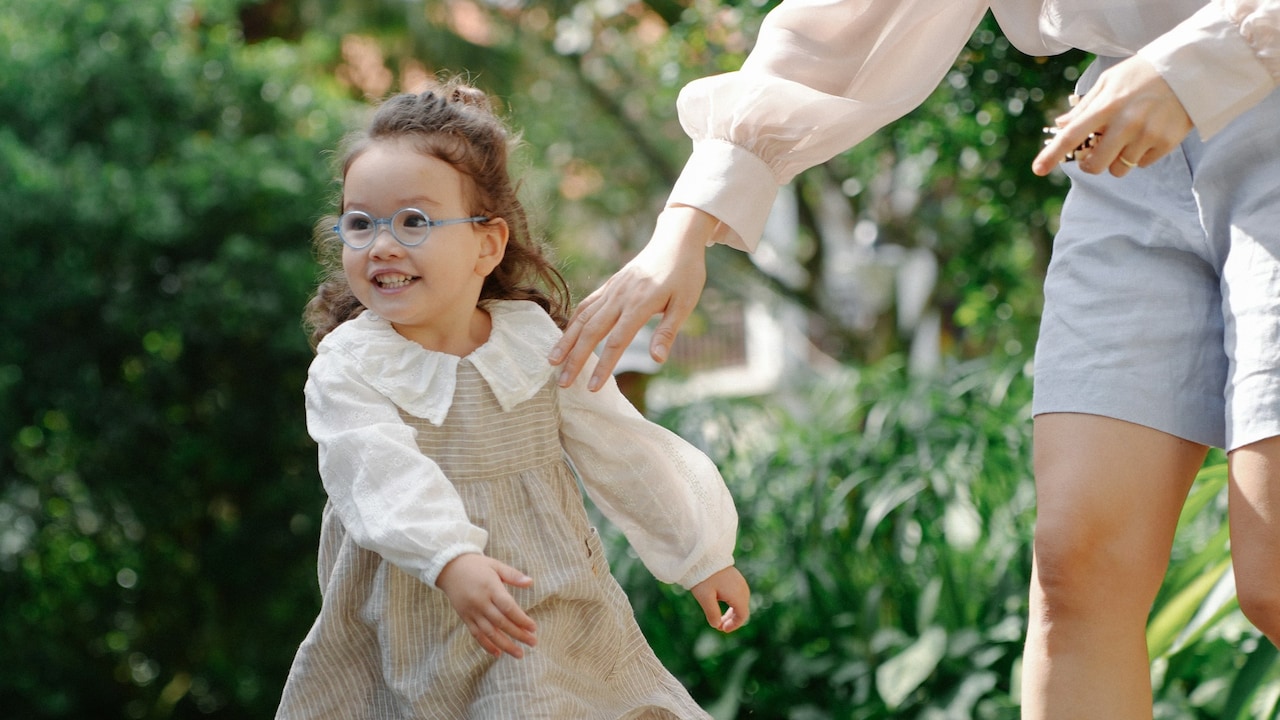
Go for options without heavy embellishments and stiff details; Photo Credit: Unsplash
6. Consider Length and Hemline Carefully
Dress length directly affects how freely a child moves. Long dresses often look elegant, but can tangle around legs, especially during play. Tripping hazards increase, and children feel cautious instead of carefree.
Knee-length or slightly above works best for everyday movement. This length allows running, climbing stairs, and sitting comfortably. For special occasions, mid-calf dresses with flared silhouettes offer grace without too much restriction.
Hems should feel light and flexible. Stiff borders or heavy linings restrict natural movement and feel awkward. A soft, flowing hem moves with the child and adds a playful touch during twirls and spins. Dresses should support movement, not demand constant adjustment.
7. Focus on Easy Wear and Easy Removal
A dress that takes five minutes to put on rarely suits active children. Complicated closures frustrate both children and adults, especially during rushed mornings or quick outfit changes. Simple pull-on styles encourage independence and save time.
Elastic necklines, wrap designs, and front buttons simplify dressing. They also make restroom visits easier, which matters during school hours or outings. Dresses that require assistance every time often end up unworn, regardless of how lovely they look.
Children feel more confident when they can manage their own clothes. This confidence shows in how freely they move and play. Ease of wear supports independence, comfort, and happier daily routines.
8. Think About the Occasion but Respect Daily Comfort
Occasions influence dress choices, but comfort should remain non-negotiable. Everyday dresses need to support long hours of movement, while occasion wear should still allow sitting, eating, and playing without fuss.
For family gatherings or celebrations, choose dresses that blend festive elements with comfort. Soft fabrics, relaxed fits, and flexible designs work well. Dresses that allow children to join games and activities instead of sitting still create happier memories.
Children remember how clothes make them feel, not how they look in photos. A dress that supports laughter, play, and freedom always becomes a favourite, regardless of occasion.
9. Observe How Children Move and Play
Children offer clear feedback through actions. A dress that constantly needs adjustment or ends up discarded tells its own story. Observing how children move while wearing a dress reveals more than fitting room mirrors ever could.
Do they run freely? Can they sit comfortably on the floor? Do they forget about the dress while playing? These signs indicate success. If they pull at sleeves, complain of itching, or avoid movement, the dress fails the comfort test.
Involving children in dress selection also helps. When they choose what feels good, they feel more confident and expressive. This involvement builds awareness of comfort and style from an early age.
10. Balance Style with Practicality
Style and comfort don't compete. They complement each other. Dresses that allow easy movement often look better because children wear them confidently. Flowing skirts, playful prints, and cheerful colours add charm without restricting movement.
Practical considerations like washability and durability matter too. Dresses that survive frequent washing and active play offer better value. Spending ₹800 on a well-made, comfortable dress often proves smarter than ₹1,500 on something worn once.
A practical dress becomes part of everyday life, from school mornings to evening strolls. When style meets comfort, children shine naturally, without trying too hard.
Products Related To This Article
1. Sangria Girls Printed Cotton A-Line Dress
2. VASTRAMAY Girls White Chikankari Cotton Ethnic Dress
3. H&M Tulle Skirt Dress
4. YK Girls Bow Detail Tulle Layered Party Dress
5. United Colors of Benetton Shirt Dress
6. Marks & Spencer Girls Tie-Dye Printed Fit & Flare Dress
7. Vero Moda Print A-Line Dress
Choosing kids' dresses that allow easy movement means seeing the world from a child's perspective. Comfort, flexibility, and thoughtful design support joyful exploration and everyday adventures. Dresses should feel like a second skin, not a costume worn for approval.
By focusing on fabric, fit, sleeves, length, and simplicity, parents can build wardrobes that children love wearing. Movement-friendly dresses encourage confidence, independence, and happiness. They allow children to focus on what truly matters: playing, learning, and enjoying every moment of childhood.
When clothes move with children instead of against them, life feels lighter, brighter, and far more fun.
(Disclaimer: This article may include references to or features of products and services made available through affiliate marketing campaigns. NDTV Convergence Limited (“NDTV”) strives to maintain editorial independence while participating in such campaigns. NDTV does not assume responsibility for the performance or claims of any featured products or services.)