How To Choose Laptop Backpacks With Hidden Compartments For A More Organised Workday
Learn how to choose laptop backpacks with hidden compartments that keep work essentials secure, organised, and easy to access during busy commutes and long workdays.

How To Pick Laptop Backpacks With Hidden Compartments To Keep Your Workday Essentials Organised.
Modern workdays rarely follow a straight line. One moment begins with a crowded local train, the next unfolds inside a café meeting, followed by a long commute home under unpredictable weather. Amid this rush, a laptop backpack becomes less of an accessory and more of a daily companion.
Yet many people still struggle with cluttered bags. Chargers disappear into corners, earphones knot themselves mysteriously, and important documents somehow fold into abstract art. Hidden compartments have emerged as a thoughtful design response to this everyday frustration. They protect valuables, reduce clutter, and create a sense of order even during hectic schedules.
Choosing such a backpack, however, involves more than spotting extra zips. The right design balances practicality, comfort, durability, and discretion. A poorly planned hidden pocket only adds confusion, while a well-designed one feels almost invisible until needed.
This article explores how to pick laptop backpacks with hidden compartments that genuinely simplify daily life. From understanding layout psychology to evaluating materials and long-term usability, each section offers practical insights shaped around real work routines and urban commuting realities.
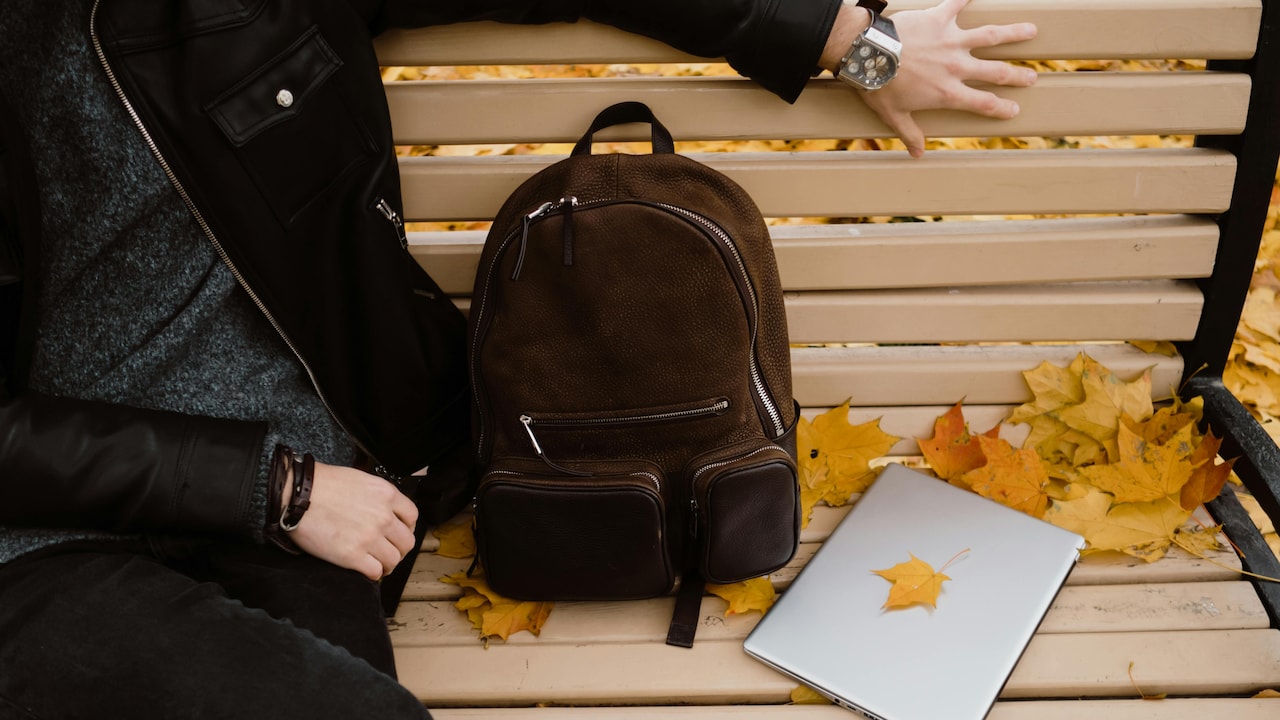
How To Choose Laptop Backpacks With Hidden Compartments; Photo Credit: Pexels
How To Choose The Right Laptop Backpack For Everyday Organisation
Understanding The Purpose Of Hidden Compartments
Hidden compartments exist for a reason beyond novelty. They address two common concerns: security and organisation. In crowded environments, open pockets invite accidental loss or unwanted attention. A concealed section protects valuables such as wallets, passports, or spare cash without advertising their presence.
Many professionals carry multiple essentials every day — office ID cards, power banks, notebooks, and occasionally a small umbrella that refuses to stay dry. Without thoughtful separation, these items collide into a single chaotic space. Hidden compartments create zones, allowing each item its own place.
Design matters more than quantity. Too many concealed pockets can confuse users, especially during rushed mornings. The best backpacks hide compartments along natural touchpoints — near the back panel, beneath flaps, or within layered interiors. These placements feel intuitive rather than secretive.
Imagine reaching for metro cards without opening the main compartment while standing in a queue that barely moves. That small convenience quickly becomes indispensable. Hidden compartments work best when they simplify behaviour rather than complicate it.
A good backpack does not demand attention; it quietly supports routine. Understanding this purpose forms the first step towards choosing wisely.
Prioritising Smart Internal Layout Over Extra Storage
Bigger rarely means better when it comes to backpacks. Many buyers assume more pockets equal better organisation, yet excessive compartments often create confusion. A smarter approach focuses on layout logic instead of storage volume.
An effective hidden compartment complements the main storage area. For example, laptops sit securely in padded sleeves, while concealed pockets hold delicate or valuable items. The arrangement should reflect how a workday unfolds — quick access for frequently used items and deeper storage for occasional essentials.
Consider the rhythm of daily movement. Morning commutes require easy access to tickets or earphones. Office hours demand organised cables and documents. Evening errands may involve carrying groceries or gym gear. A well-structured backpack adapts smoothly between these phases.
Visual balance also matters. Bulky compartments disrupt weight distribution, leading to discomfort. Slim hidden sections integrated into the bag's frame maintain a streamlined silhouette while preventing awkward bulges.
The ideal backpack feels predictable. Hands instinctively know where everything sits, even without looking. That sense of familiarity saves precious minutes each day and reduces stress during busy moments. Organisation, after all, succeeds when it becomes effortless rather than deliberate.
Choosing Materials That Balance Durability And Discretion
Material choice often determines whether a backpack ages gracefully or collapses after one monsoon season. Hidden compartments rely heavily on strong construction because they frequently store valuable items.
Water-resistant fabrics such as treated polyester, nylon blends, or coated canvas offer reliable protection against sudden rain showers. Durable stitching prevents concealed zips from loosening over time. Weak seams defeat the purpose of hidden storage, especially when carrying electronics worth ₹60,000 or more.
Discretion plays an equally important role. Flashy textures or oversized branding attract unnecessary attention. Neutral tones and matte finishes blend effortlessly into professional environments, whether entering a corporate office or working from a co-working space.
The interior lining deserves attention, too. Soft, scratch-resistant fabrics protect gadgets and accessories, preventing minor damage that accumulates daily. A good lining also makes hidden compartments easier to locate by touch.
Quality materials may increase upfront cost, often ranging between ₹2,500 and ₹6,000, yet longevity offsets this expense. A sturdy backpack lasting several years proves far more economical than replacing cheaper alternatives repeatedly.
Durability and subtlety together create confidence — the quiet assurance that belongings remain safe regardless of the day's unpredictability.
Evaluating Comfort For Long Commutes And Busy Days
Even the most organised backpack fails if it causes shoulder pain halfway through the day. Comfort transforms practicality into usability, especially for those navigating long commutes or walking between multiple locations.
Hidden compartments should never interfere with ergonomic design. Poor placement can press objects against the back, creating discomfort. The best designs position concealed pockets along padded sections where weight distributes evenly.
Breathable mesh back panels reduce heat buildup during humid afternoons. Adjustable straps allow users to customise fit depending on clothing layers or load weight. Sternum straps or subtle lumbar support features add stability without appearing overly technical.
Weight distribution deserves careful consideration. A backpack carrying a laptop, charger, water bottle, and documents can easily exceed several kilograms. Hidden compartments help balance weight by spreading smaller items across the bag rather than clustering them.
Comfort also influences posture. Balanced backpacks encourage upright walking, reducing fatigue during long days. Over time, this subtle improvement makes commuting less exhausting.
A comfortable backpack fades into the background of daily life. Instead of constant adjustments and shifting straps, attention stays focused on work, conversations, or simply enjoying a quiet moment during travel.
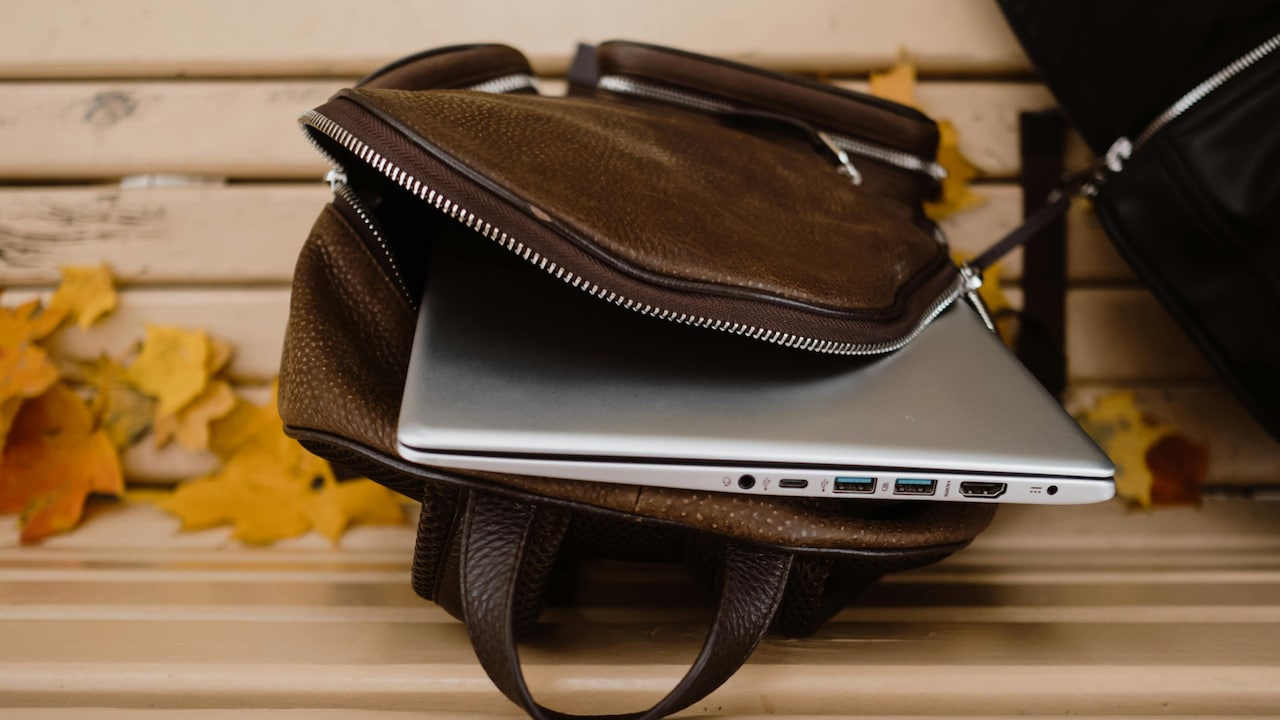
How To Choose Laptop Backpacks With Hidden Compartments; Photo Credit: Pexels
Security Features That Truly Make A Difference
Security often motivates the search for hidden compartments, yet not all designs offer genuine protection. True security combines concealment with thoughtful engineering.
Back-facing pockets provide one of the safest storage options because they remain inaccessible while the bag sits on the wearer's shoulders. Lockable zips add another layer of protection, especially during crowded travel hours.
RFID-blocking pockets have gained popularity for safeguarding cards against digital theft. While risks remain relatively low, such features offer peace of mind when carrying multiple payment cards or identification documents.
Security should feel seamless rather than restrictive. Overly complicated locking systems discourage regular use. Simple yet clever designs — hidden zip lines, fabric overlays, or magnetic closures — achieve better results.
Imagine storing emergency cash or spare keys in a compartment that stays invisible even when the bag opens fully. That reassurance reduces anxiety during travel or busy gatherings.
Ultimately, effective security blends into everyday movement. A backpack should protect belongings quietly without turning daily routines into elaborate procedures.
Matching Style With Professional And Personal Identity
A backpack reflects personality long before conversations begin. Hidden compartments allow practicality without sacrificing aesthetics, making style an important selection factor.
Professional environments often favour minimalist designs. Clean lines and neutral colours pair easily with formal attire. Meanwhile, creative fields may welcome textured fabrics or subtle colour contrasts that express individuality.
Versatility adds value. A backpack suitable for both office meetings and weekend outings eliminates the need for multiple bags. Hidden compartments enhance this adaptability by keeping essentials organised regardless of setting.
Fashion trends shift quickly, yet timeless designs remain relevant for years. Choosing understated elegance ensures longevity, preventing the bag from feeling outdated within a season.
Style also influences confidence. Carrying a well-designed backpack creates a sense of preparedness, as though every detail of the day is under control. It communicates professionalism without appearing rigid.
The ideal choice balances function with expression, allowing practicality to coexist with personal taste. After all, everyday accessories shape first impressions more often realised.
Assessing Accessibility Without Sacrificing Concealment
Hidden compartments succeed when they remain easy to access for the owner while staying unnoticed by others. Achieving this balance requires clever placement.
Quick-access hidden pockets near shoulder straps or side panels allow retrieval of frequently used items without removing the bag completely. Such a design proves invaluable when answering calls, accessing travel cards, or grabbing earphones mid-commute.
However, accessibility must not compromise discretion. Visible zips or obvious seams defeat the purpose of concealment. Designers often integrate compartments along natural folds or beneath layered panels, making them invisible at first glance.
Testing accessibility before purchase helps. Reaching into compartments should feel intuitive rather than awkward. If locating a pocket requires excessive searching, daily frustration will follow.
Accessibility also affects workflow efficiency. Smooth access encourages consistent organisational habits. Items return to their designated spaces rather than floating loosely inside the main compartment.
The best hidden compartments feel like thoughtful shortcuts — small design decisions that save seconds repeatedly, eventually transforming how smoothly a day unfolds.
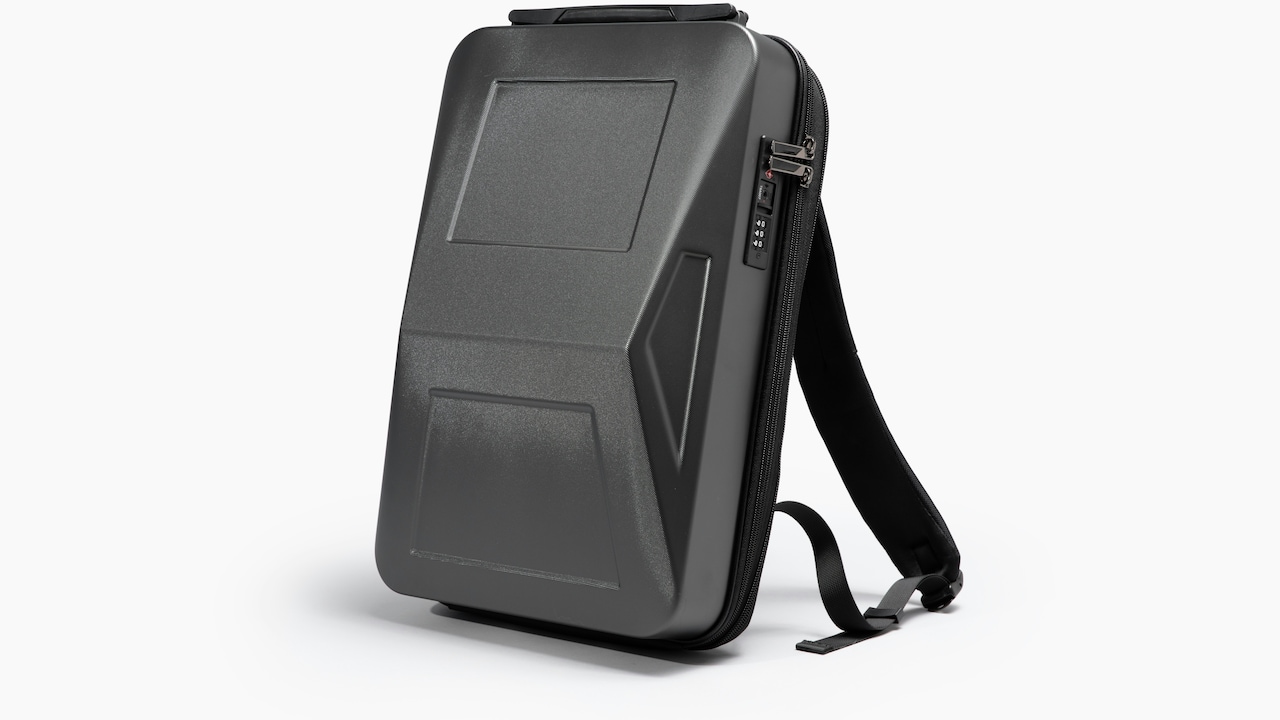
How To Choose Laptop Backpacks With Hidden Compartments; Photo Credit: Pexels
Considering Technology-Friendly Features
Modern work essentials extend far beyond laptops. Tablets, wireless earbuds, portable hard drives, and chargers demand dedicated protection. Technology-friendly backpacks recognise this evolving ecosystem.
Padded hidden sleeves safeguard smaller gadgets from impact. Cable organisers prevent tangling, a minor annoyance that somehow consumes surprising amounts of time each week. Some designs include concealed charging ports that allow power banks to remain hidden while devices charge externally.
Ventilation within compartments prevents overheating when carrying electronics for long durations. Shock-absorbing padding protects against accidental drops during hurried travel moments.
Technology integration should remain subtle. Overly complex features often become obsolete as devices change. Flexible compartments adapt better to future upgrades.
Consider a scenario where a meeting shifts unexpectedly to a café workspace. A well-designed backpack allows quick setup without rummaging through cables or adapters. Everything appears exactly where expected.
Technology-friendly design supports productivity quietly, ensuring tools remain ready whenever opportunities arise.
Budgeting Smartly Without Compromising Quality
Price often shapes purchasing decisions, yet focusing solely on cost can lead to disappointment. A backpack serves daily needs, making long-term value more important than short-term savings.
Reliable laptop backpacks with hidden compartments generally fall between ₹2,000 and ₹7,000, depending on materials and features. Extremely cheap options often compromise stitching quality or padding, resulting in early wear.
Evaluating cost per year offers a better perspective. A durable bag lasting four years effectively costs less than repeatedly replacing cheaper alternatives. Warranty coverage also indicates manufacturer confidence in product durability.
Sales seasons provide opportunities to invest wisely. Many premium brands reduce prices significantly during festive periods, allowing access to higher quality within budget.
Value also includes emotional satisfaction. A dependable backpack eliminates small daily irritations, creating smoother routines. That comfort holds intangible worth beyond monetary calculation.
Spending thoughtfully ensures the backpack becomes a trusted companion rather than a temporary solution awaiting replacement.
Reading Real-World Feedback And Testing Before Buying
Online reviews reveal insights rarely mentioned in product descriptions. Users often highlight practical experiences — zip durability, comfort during long commutes, or how well hidden compartments actually remain concealed.
Patterns matter more than individual opinions. Repeated praise or criticism usually signals genuine strengths or weaknesses. Reviews discussing usage after several months provide particularly useful perspectives.
Whenever possible, physically testing a backpack offers unmatched clarity. Checking strap comfort, examining stitching, and exploring compartment placement help determine suitability instantly.
Simulating daily use helps as well. Place a laptop inside, adjust the straps, and walk around briefly. Notice the weight distribution and ease of access. Small discomforts discovered early prevent long-term regret.
Friends and colleagues often provide surprisingly honest recommendations. Observing how others organise their bags can spark ideas about personal preferences.
Choosing a backpack becomes easier when decisions rely on real experiences rather than marketing claims. Practical evaluation ensures the final choice aligns with actual lifestyle needs.
Products Related To This Article
1. Mast & Harbour Unisex Textured Laptop Bag
2. Roadster The Lifestyle Co. Unisex Beige Laptop Bag
3. Impulse Unisex Laptop Bag with USB Port
4. Tommy Hilfiger Unisex Laptop Bag
5. MOKOBARA Laptop Bag
A laptop backpack with hidden compartments represents more than clever design; it reflects a shift towards intentional organisation. Modern routines demand efficiency, security, and adaptability, all wrapped within something carried every single day.
The right backpack quietly reduces stress. Essentials stay accessible, valuables remain protected, and clutter stops dictating the pace of mornings. Instead of searching endlessly for misplaced items, attention shifts towards meaningful work and moments that matter.
Selecting wisely requires balancing layout, comfort, durability, and personal style. Hidden compartments should feel intuitive, not complicated. Materials must endure changing weather and busy schedules. Security features should protect without inconvenience.
Ultimately, the perfect backpack feels less like storage and more like structure — a portable system that supports daily rhythm. With thoughtful selection, even the busiest workday begins with a sense of calm organisation, proving that small design choices can make a surprisingly big difference.
(Disclaimer: This article may include references to or features of products and services made available through affiliate marketing campaigns. NDTV Convergence Limited (“NDTV”) strives to maintain editorial independence while participating in such campaigns. NDTV does not assume responsibility for the performance or claims of any featured products or services.)