Linen Shirts Wrinkling Too Fast? How To Pick Blends That Stay Crisp All Day
Love linen but hate the creases? Discover the best fabric blends that keep linen shirts breathable, stylish and crisp all day without constant ironing.
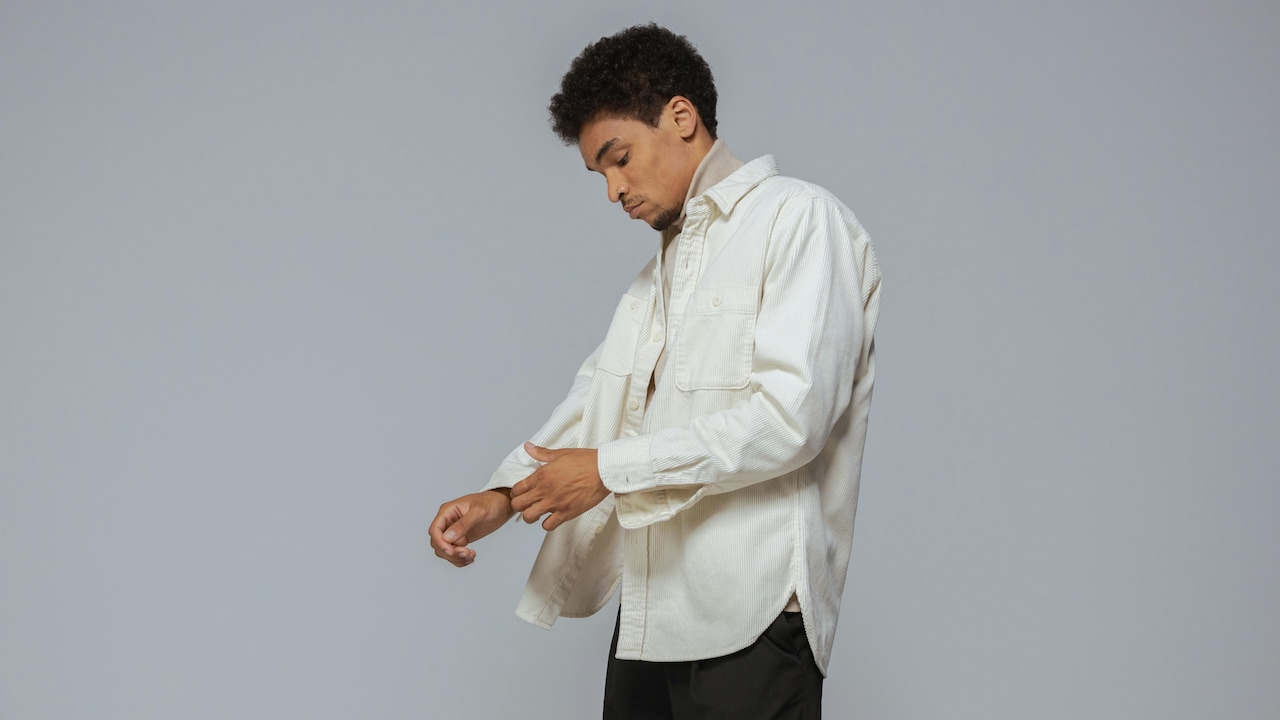
What to look for in a linen shirt before buying one for yourself
Linen shirts have long held a special place in warm-weather wardrobes. They breathe beautifully, feel feather-light, and carry that relaxed sophistication perfect for everything from brunch dates to festive gatherings. Yet, for all their elegance, pure linen shirts often seem determined to wrinkle at the first hint of movement. A quick commute, a long meeting, or even sitting down for chai can leave a once-crisp shirt looking thoroughly defeated. That doesn't mean linen deserves exile from the wardrobe. The real trick lies in understanding fabric blends. Modern textile craftsmanship offers clever combinations that preserve linen's airy charm while taming its notorious tendency to crease. Choosing the right blend can make all the difference between looking effortlessly stylish and appearing as though the shirt spent the afternoon stuffed in a backpack.
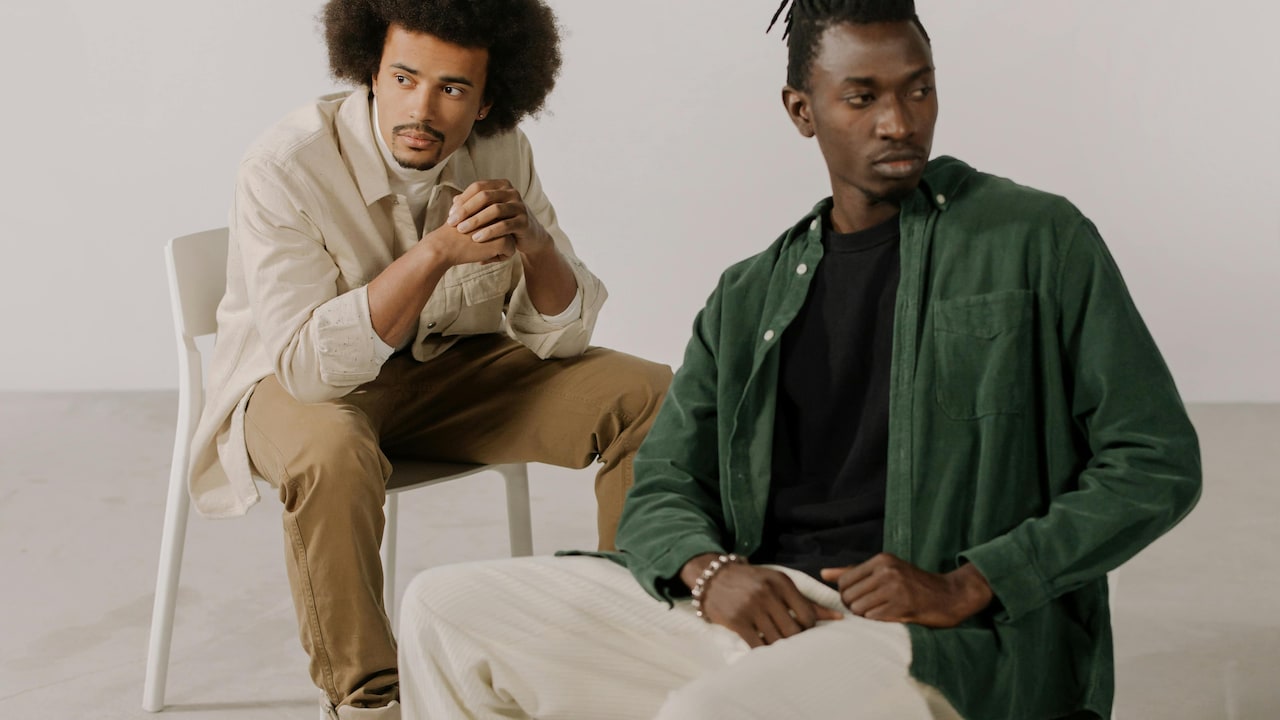
Easy guide to choosing linen shirts that don't crease easily; Photo Credit: Pexels
For shoppers navigating bustling markets, premium malls, or online sales, fabric labels can feel confusing. Cotton, viscose, rayon, polyester, each promises something different. Knowing which blend truly works helps save money, time, and unnecessary ironing. A thoughtfully chosen linen blend delivers comfort, practicality, and style, making it possible to stay sharp from morning errands to evening dinners without constant wardrobe touch-ups.
Also Read: Discover 5 Oversized Linen Shirts That Define Summer Chic
How To Choose Linen Blends That Stay Crisp All Day
Why Pure Linen Wrinkles So Easily
Pure linen, though luxurious and breathable, has one rather inconvenient personality trait: it creases with remarkable enthusiasm. This happens because linen fibres lack elasticity. Once bent or folded, they tend to hold onto those lines like a stubborn relative holding a grudge over old family gossip.
That famous airy texture comes from flax fibres, which are naturally strong but rigid. While this makes linen durable and moisture-wicking, it also means movement, pressure, and humidity quickly create wrinkles. A short car ride through city traffic can leave sleeves rumpled and collars limp.
Still, pure linen's wrinkle-prone nature isn't necessarily a flaw. Many fashion enthusiasts appreciate its lived-in elegance. However, for formal offices, weddings, or professional settings, excessive creasing may feel less charming and more chaotic. This is where blends step in as practical heroes.
Understanding linen's limitations helps shoppers make smarter choices. Rather than expecting pure linen to behave like wrinkle-resistant cotton, blending allows wearers to preserve linen's cooling benefits while adding resilience and smoother drape.
Cotton-Linen Blends: The Best Of Both Worlds
Cotton-linen blends remain one of the smartest choices for those seeking balance. Cotton softens linen's stiffness, adds flexibility, and significantly reduces wrinkling while retaining breathability. This partnership creates shirts that feel cool yet structured.
A shirt with around 55% linen and 45% cotton often strikes the ideal middle ground. It offers enough linen for that airy, textured charm while cotton ensures the shirt stays neater throughout the day. For humid summers or festive afternoons, this blend feels particularly practical.
Cotton-linen shirts also prove easier to iron and maintain. They require less aggressive pressing and generally survive busy days with fewer dramatic creases. Whether worn for office meetings, casual dinners, or family celebrations, they maintain a polished appearance longer.
From a budget perspective, these blends often cost less than premium pure linen options. Good-quality shirts can range between ₹1,500 and ₹4,000, depending on brand and tailoring. That makes them accessible without sacrificing style, giving wardrobes a sensible and stylish upgrade.
The Rise Of Linen-Viscose Blends
Linen-viscose blends have gained popularity for good reason. Viscose, derived from natural cellulose, introduces softness and fluidity to linen's crisp texture. The result feels lighter, smoother, and noticeably less prone to severe wrinkling.
This blend often drapes beautifully, making it especially appealing for semi-formal settings or occasions where appearance matters. Shirts maintain shape better and offer a refined finish that looks effortlessly elegant rather than overly relaxed.
Viscose also enhances comfort by creating a silkier touch against the skin. On scorching days, this can feel luxurious without becoming heavy. However, shoppers should pay close attention to quality, as lower-grade viscose blends may lose durability over time.
For those wanting linen's sophistication without constant ironing battles, linen-viscose offers an excellent compromise. It works particularly well in tailored shirts, where sharpness matters. Perfect for rooftop dinners, office presentations, or stylish social events, this blend combines grace with practicality.
Polyester Blends: Practical But Proceed With Caution
Linen-polyester blends can dramatically reduce wrinkling, but they come with trade-offs. Polyester adds resilience, wrinkle resistance, and easier maintenance, making shirts ideal for hectic schedules and frequent travel.
These shirts often emerge from washing machines looking surprisingly respectable, which certainly appeals to anyone tired of wrestling with steam irons. They also hold shape well during long commutes and demanding workdays.
However, too much polyester can compromise linen's greatest strength: breathability. In hot climates, high polyester content may trap heat and feel less comfortable, particularly during humid afternoons. Nobody wants style at the cost of feeling wrapped in cling film.
A modest polyester percentage, around 20% to 30%, can offer practical benefits without entirely sacrificing comfort. Beyond that, the shirt may lose linen's distinctive texture and cooling qualities. For daily office wear or budget-friendly convenience, polyester blends work well, but moderation remains key.
Fabric Weight Matters More Than Most Realise
Fabric blend alone doesn't determine wrinkle resistance. Weight plays a crucial role too. Lightweight linen shirts, while breezy and comfortable, wrinkle faster simply because thinner fibres fold more easily.
Mid-weight blends tend to offer superior structure. They maintain shape better, resist deep creases, and often look more refined throughout the day. A slightly heavier shirt may feel marginally warmer but rewards wearers with a consistently sharper appearance.
When shopping, fabric descriptions such as “lightweight,” “mid-weight,” or “heavyweight” deserve close attention. For everyday versatility, mid-weight linen blends often provide the best combination of comfort and crispness.
This subtle detail can transform the wearing experience. Rather than chasing the lightest possible option, selecting a balanced weight ensures shirts survive crowded trains, office chairs, and dinner outings with dignity intact.

Consider mid-weight fabric blends that maintain shape better and resist deep creases; Photo Credit: Pexels
Tailoring Can Make Or Break The Look
Even the finest fabric blend can disappoint if tailoring falls short. Poorly fitted shirts create tension points that wrinkle faster around shoulders, elbows, and waistlines. A well-cut shirt distributes movement more naturally, helping fabric maintain smoother lines.
Relaxed fits often work beautifully for casual wear, but overly loose shirts may bunch and crease excessively. Slim or tailored fits, when comfortable, often preserve structure more effectively.
Attention to collar construction, cuff stiffness, and seam quality also matters. Better tailoring supports the fabric, helping it retain shape over long hours. Investing slightly more in quality craftsmanship can prevent a shirt from looking dishevelled halfway through the day.
A polished linen shirt isn't solely about fabric science; it's also about design intelligence. Good tailoring transforms even wrinkle-prone materials into sharper, more dependable wardrobe staples.
Colour Choices Can Hide Wrinkles Cleverly
Not all wrinkles announce themselves equally. Lighter shades such as white, beige, and pastel blue naturally conceal minor creasing better than darker, solid tones. Their visual softness makes wrinkles appear less dramatic.
Darker colours, especially navy or charcoal, can exaggerate folds under certain lighting. Similarly, very smooth finishes reveal wrinkles more prominently than textured weaves.
Subtle patterns, heathered fabrics, or woven textures can also disguise wear and tear effectively. This makes them smart choices for long workdays or travel-heavy schedules.
Choosing the right shade may seem minor, but it can significantly impact overall appearance. A soft ivory cotton-linen shirt often appears fresher for longer than a sharply dyed solid black option, even if both wrinkle similarly.
Proper Care Extends Crispness
Even the best blend benefits from thoughtful maintenance. Washing linen shirts gently, avoiding overloaded machines, and removing them promptly after cycles can drastically reduce wrinkle formation.
Air drying on quality hangers preserves shape better than aggressive tumble drying. A handheld steamer often proves more effective and less damaging than repeated harsh ironing.
Using fabric conditioners sparingly can help soften fibres without compromising breathability. Proper storage also matters; cramming shirts into crowded wardrobes invites unnecessary creasing before wear even begins.
Small care habits can preserve both appearance and fabric longevity. A carefully maintained linen blend shirt not only looks sharper but also lasts longer, making each rupee spent feel more worthwhile.
Seasonal Shopping Makes A Difference
Not all linen blends suit every season equally. Summer collections often prioritise breathability, while transitional or festive ranges may incorporate heavier blends for added structure.
Shopping strategically allows buyers to select fabrics aligned with specific needs. Lightweight cotton-linen works beautifully for scorching months, while linen-viscose or linen-polyester blends may better suit year-round office wear.
Festival sales and end-of-season discounts often present excellent opportunities to invest in premium-quality blends at reduced prices. A shirt originally priced at ₹5,000 may become far more affordable during festive promotions.
Rather than impulse buying based solely on appearance, considering seasonality ensures smarter purchases that deliver better value and usability.
Reading Labels Like A Pro Shopper
Fabric labels often hold the real truth behind style promises. Terms like “linen-rich” can sound impressive while hiding low linen percentages. Savvy shoppers should always check exact composition percentages.
A shirt labelled 70% linen and 30% cotton offers very different performance from one containing only 20% linen. Marketing language can sometimes prioritise aesthetics over honesty.
Understanding fibre composition empowers better decision-making. It prevents disappointment and ensures purchases align with personal priorities, whether that means wrinkle resistance, softness, or breathability.
A quick glance at the label can save endless frustration later. In fashion, as in life, the fine print often matters more than flashy presentation.
Products Related To This Article
1. HERE&NOW Men Casual Linen Shirt
2. Roadster The Life Co. Oversized Checked Cotton Linen Shirt
3. Aeropostale Cotton Linen Casual Shirt
4. MANGO Women Linen Casual Shirt
5. Mast & Harbour Slim Fit Cotton Linen Shirt
6. CORSICA Cotton Linen Casual Shirt
7. HIGHLANDER Striped Spread Collar Relaxed Fit Cotton Linen Shirt
Linen shirts remain timeless wardrobe essentials, offering elegance, comfort, and effortless charm. Yet, the battle against relentless wrinkles doesn't require abandoning linen altogether. Choosing the right blend transforms this classic fabric into a far more practical companion.
Cotton-linen offers reliable versatility, viscose introduces softness, and moderate polyester adds resilience for busier lifestyles. Combined with thoughtful tailoring, smart colour choices, proper care, and label awareness, these factors help maintain crispness without sacrificing comfort.
The next time a linen shirt catches the eye, the focus shouldn't merely be on colour or cut. Fabric composition holds the true secret to all-day polish. With smarter choices, linen can finally deliver what style enthusiasts truly want: cool sophistication that survives the day looking just as fresh as it did in the morning.
(Disclaimer: This article may include references to or features of products and services made available through affiliate marketing campaigns. NDTV Convergence Limited (“NDTV”) strives to maintain editorial independence while participating in such campaigns. NDTV does not assume responsibility for the performance or claims of any featured products or services.)