Cotton Kurta Necklines Often Sag Too Soon: What Actually Prevents It
Cotton kurta necklines often lose shape too quickly due to weak stitching, poor washing habits, and fabric strain. Smart tailoring and simple care routines can keep them crisp, flattering and long-lasting.

Cotton Kurta Necklines Often Sag Too Soon: What Actually Prevents It
Few wardrobe staples feel as dependable as a soft cotton kurta. It slips seamlessly into daily life, whether for office meetings, festive lunches, market strolls, or simply surviving a sweltering summer afternoon with dignity intact. Yet there's one common heartbreak many face: the neckline starts sagging long before the kurta itself shows signs of ageing. One day, it looks polished and elegant; the next, it droops awkwardly, transforming a stylish silhouette into something tired and shapeless. It's frustrating, especially when the fabric remains perfectly wearable otherwise. Often, this issue isn't about bad luck but rather a combination of fabric quality, tailoring details, and maintenance habits.
Cotton Kurta Necklines Often Sag Too Soon: What Actually Prevents It
Photo Credit: Pexels
The truth is, preventing neckline sag requires more than careful shopping. It involves understanding how cotton behaves, why necklines weaken, and what practical steps preserve their original shape. A little extra care can mean the difference between replacing cherished kurtas every season and enjoying them beautifully for years.
Why Cotton Kurta Necklines Lose Shape Faster Than Expected
The Importance Of Fabric Quality From The Start
Every long-lasting kurta begins with the right cotton. Lightweight or loosely woven cotton may feel breezy and affordable, but it often lacks the resilience needed to hold neckline structure over time. Inferior fibres stretch faster, especially around high-stress areas like collars, button plackets, and decorative neck designs.
High-quality cotton, on the other hand, features tighter weaves and stronger fibres that better resist daily wear. While spending ₹300 extra on superior fabric might feel unnecessary during purchase, it often saves much more in the long run by extending garment life.
Many shoppers focus on prints, embroidery, or colour while overlooking the textile itself. A quick touch test can reveal plenty. Firmer cotton with a slightly dense texture generally fares better than overly thin material.
Blended fabrics with a small percentage of supportive fibres can also improve durability without sacrificing comfort. Choosing quality at the outset creates a stronger foundation, because no amount of aftercare can completely compensate for weak fabric.
Why Proper Interfacing Makes A Big Difference
One hidden hero in neckline durability is interfacing, the supportive layer stitched inside collars and neck borders. Without it, even attractive kurtas may quickly lose shape after repeated washes.
Good tailoring includes lightweight fusible interfacing that reinforces the neckline without adding stiffness or discomfort. It acts like quiet armour, supporting the cotton against stretching forces caused by movement, washing, and gravity.
Unfortunately, many mass-produced garments skip this crucial detail to reduce costs. The result may look lovely on the hanger but disappoint after a few months.
When buying kurtas, gently feel the neckline edges. Structured, slightly firmer necklines often signal proper reinforcement. Tailor-made kurtas also benefit enormously from requesting quality interfacing.
This small internal addition may seem insignificant, but it often determines whether a kurta maintains graceful elegance or slowly slumps into wardrobe disappointment.
Washing Habits That Secretly Damage Necklines
Laundry routines can either preserve or destroy cotton necklines. Tossing kurtas into harsh machine cycles with jeans, zippers, or heavy garments places unnecessary strain on delicate neck areas.
Waterlogged cotton becomes heavier, making unsupported necklines particularly vulnerable during washing. Rough wringing only worsens the issue by distorting fibres further.
Hand washing with mild detergent remains one of the safest options. If machine washing feels unavoidable, using mesh laundry bags and gentle cycles can significantly reduce stress.
Hot water should also stay off the agenda. It weakens fibres and can warp shape over time. Cold or lukewarm water offers far better protection.
Even drying matters. Hanging wet kurtas by the shoulders may stretch necklines due to water weight. Instead, drying flat or draping carefully over a rod helps maintain shape.
Small adjustments in laundry habits often make a surprisingly dramatic difference.
Also Read: Eid 2026 Accessories Ideas: 5 Must-Have Jewellery From Amazon
The Role Of Storage In Keeping Shape Intact
Storage rarely gets the attention it deserves, yet poor wardrobe habits can quietly sabotage kurta necklines. Thin or badly shaped hangers often stretch shoulder seams, indirectly affecting the neckline structure.
Wire hangers prove particularly problematic, as they distort garment shape over time. Padded or broad wooden hangers offer much better support.
Folded storage can work well too, especially for heavier embroidered kurtas that may pull under their own weight when hung. Ensuring necklines lie flat without awkward creases prevents unnecessary distortion.
Overstuffed wardrobes create friction, crushing collars and neck designs. Giving garments breathing room preserves both fabric and structure.
Seasonal maintenance also helps. Refolding stored kurtas occasionally prevents permanent creasing.
A thoughtful storage routine may sound excessive, but it often protects cherished clothing more effectively than expensive repairs later.
Tailoring Choices That Influence Longevity
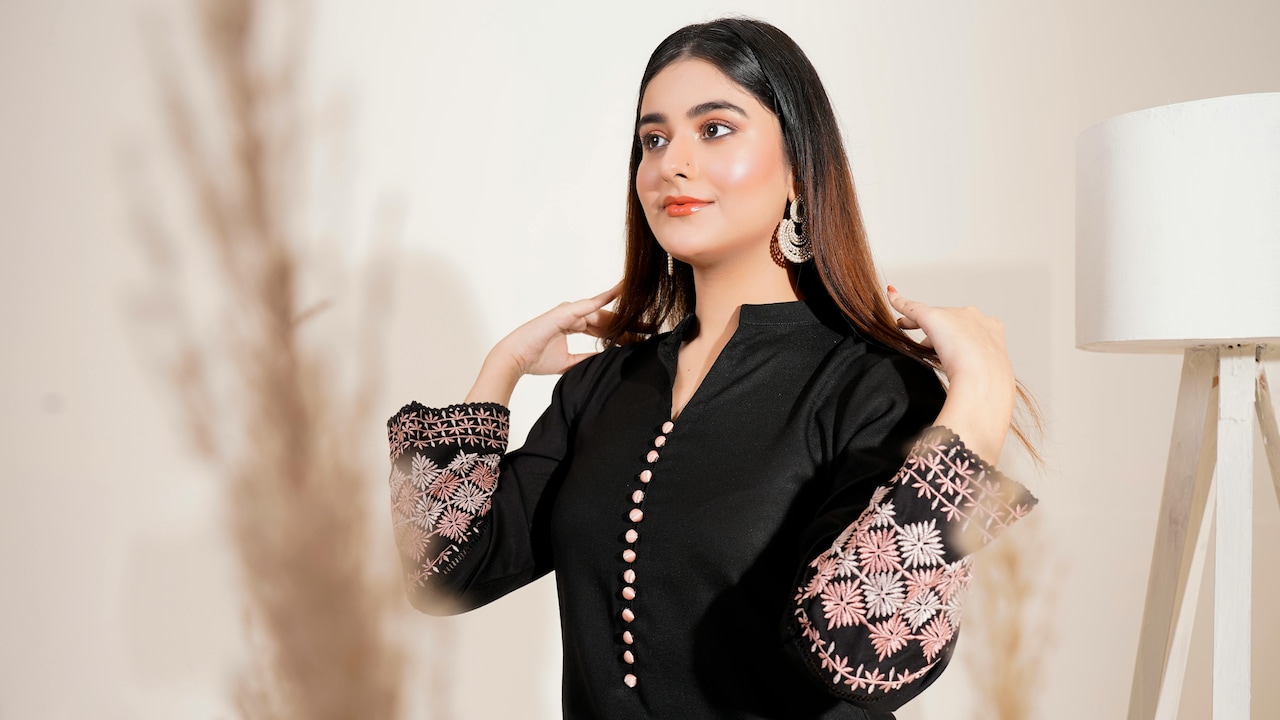
Not all neckline styles age equally. Deep necks, wide boat necks, and heavily embellished designs often experience more structural stress than modest, simpler cuts.
Tailors who understand garment engineering can reinforce vulnerable areas with stay stitching, facing, or concealed support tapes. These additions remain invisible while significantly improving durability.
Rushed or careless stitching weakens seams, allowing stretching to occur faster. Double stitching or precision finishing strengthens high-stress points considerably.
Custom tailoring offers a valuable advantage because structural integrity can be prioritised alongside aesthetics. Spending slightly more for skilled craftsmanship often yields garments that retain elegance far longer.
Fashion trends may tempt shoppers toward dramatic necklines, but balancing style with practicality ensures a kurta remains flattering beyond just a few wears.
Cotton Kurta Necklines Often Sag Too Soon: What Actually Prevents It
Photo Credit: Pexels
The Danger Of Overloading With Heavy Embellishments
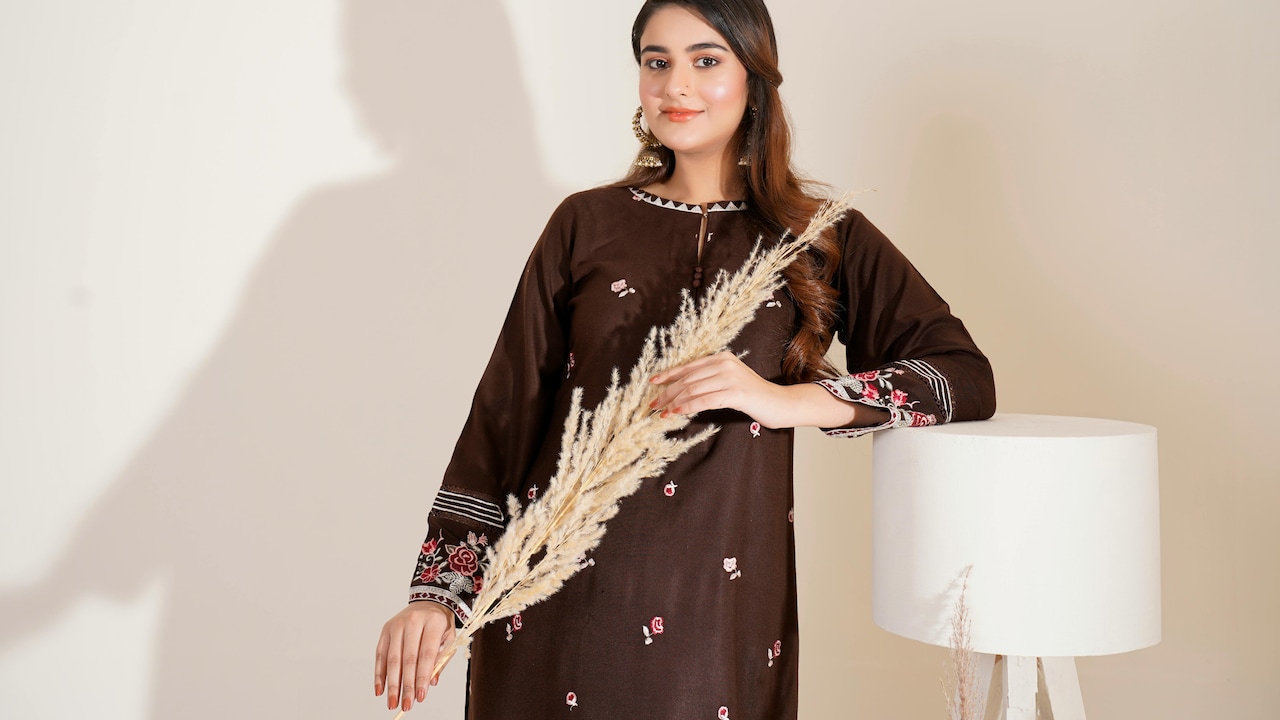
Beautiful embroidery, mirror work, sequins, or bead detailing can elevate a kurta instantly. Yet excessive ornamentation around the neckline can create gradual sagging due to added weight.
This becomes especially noticeable after multiple washes, as the decorative load continuously pulls on cotton fibres. What starts as festive glamour may eventually become structural strain.
Well-designed garments distribute embellishment weight evenly and include reinforcement beneath decorative areas. Poorly constructed pieces often skip such safeguards.
Choosing balanced designs helps preserve both beauty and longevity. Lightweight thread embroidery usually performs better than heavy beadwork for everyday wear.
Special occasion kurtas naturally prioritise appearance, but daily wear garments benefit from practical restraint. Sometimes elegance lies not in excess, but in thoughtful design that lasts.
Why Ironing Techniques Matter More Than Expected
Improper ironing can quietly contribute to neckline deterioration. Excessive heat weakens cotton fibres, particularly around stitched or interfaced areas.
Dragging a heavy iron aggressively over necklines may stretch seams rather than smooth them. Pressing gently, preferably with steam or a pressing cloth, offers safer results.
Reshaping the neckline by hand while damp can also help restore form. Tailors often recommend pressing rather than sweeping motions for structured areas.
Ignoring ironing altogether can lead to curled edges and misshapen collars, making even intact necklines appear worn out.
A careful ironing routine not only improves appearance but also reinforces structure over time, helping kurtas maintain polished sophistication.
Seasonal Humidity And Environmental Factors
Climate plays a surprisingly important role in fabric longevity. Humid monsoon months can soften cotton fibres, making them more vulnerable to stretching.
Improper drying during damp weather may also encourage shape distortion. Sun drying helps, but excessive harsh sunlight can weaken fibres too.
Balanced indoor drying with ventilation often works best. Moisture control in wardrobes matters equally, as prolonged dampness can soften structural elements like interfacing.
Using neem sachets or moisture absorbers can help maintain garment condition while protecting against mildew.
Environmental awareness may seem like overthinking, yet fabric responds directly to surrounding conditions. Seasonal adjustments in clothing care can greatly improve garment lifespan.
Repairing Early Signs Before They Worsen
The first signs of neckline sag often appear subtly, such as slight stretching, curling edges, or loosened seams. Addressing these early can prevent full deterioration.
Simple fixes such as re-stitching, adding fresh interfacing, or adjusting seam lines can restore structure affordably. A local tailor may charge as little as ₹150–₹400 for effective reinforcement.
Ignoring minor issues often leads to more expensive or irreversible damage. Preventive maintenance keeps garments wearable and stylish far longer.
Treating clothing with the same mindset as home upkeep makes practical sense. Small repairs today prevent larger disappointments tomorrow.
Smart Shopping Habits For Future Purchases
Prevention often begins before reaching the billing counter. Examining stitching quality, neckline reinforcement, fabric density, and embellishment weight can reveal whether a kurta will endure regular wear.
Fast fashion bargains may look tempting, but repeated replacement costs often outweigh initial savings. Investing in fewer, better-made pieces usually proves wiser.
Reading labels, checking seam strength, and favouring trusted brands or tailors improves wardrobe satisfaction.
A kurta should feel like a reliable style, not a short-term compromise. Thoughtful purchasing decisions ensure both elegance and value.
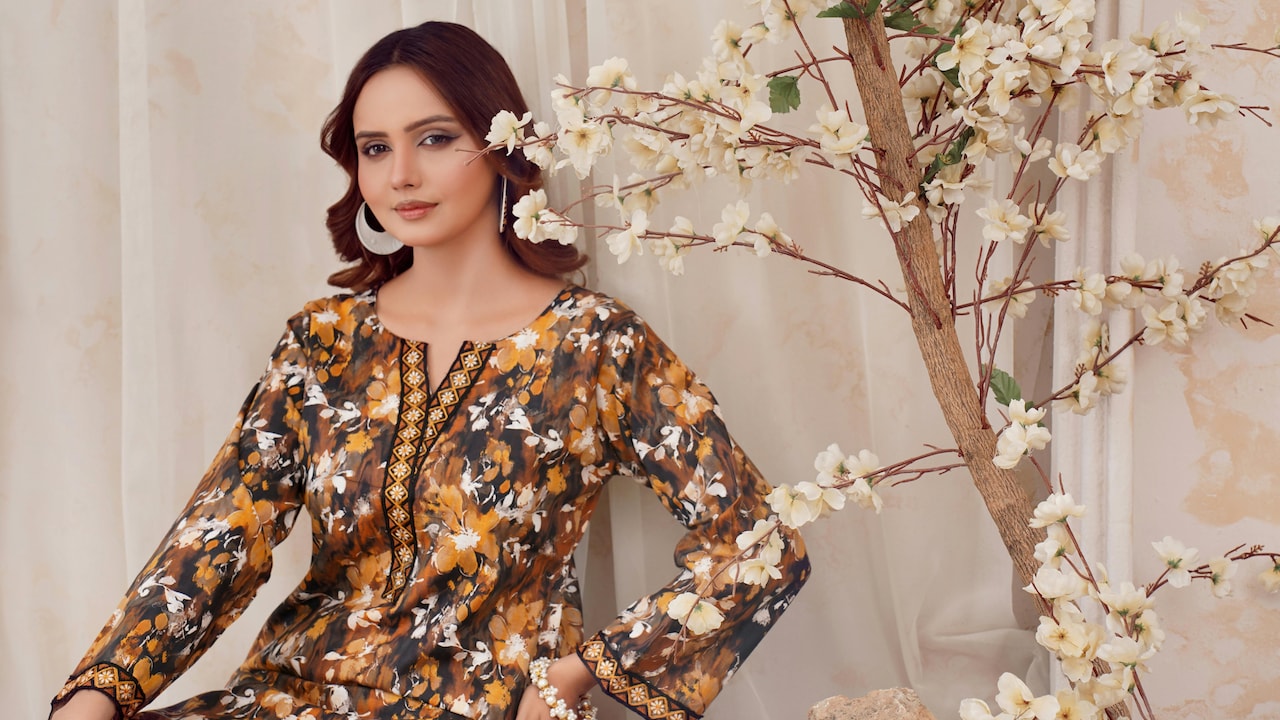
Cotton Kurta Necklines Often Sag Too Soon: What Actually Prevents It
Photo Credit: Pexels
Products Related To This Article
1. KKOUTFITS Women Floral Printed Indie Prints Kurta
2. KJTRENDS Women Floral Printed Floral Kurta
3. Varanga Off White Ethnic Floral Printed V Neck Flared Sleeves Lace Pure Cotton Kurta
4. Anouk Women Embroidered Pure Cotton Kurta
5. Vishudh Floral Printed V-Neck Cotton Straight Kurta
6. Libas Woven Design V-Neck Pure Cotton Straight Kurta
7. SAVYO Women Ethnic Motifs Printed Indie Prints Kurta
Cotton kurtas hold a timeless place in everyday fashion because they combine comfort, grace, and versatility with remarkable ease. Yet neckline sag can shorten the life of even the most beloved pieces when proper care falls by the wayside.
From choosing stronger fabrics and reinforced tailoring to adopting gentler washing, storage, and maintenance habits, preserving neckline structure requires mindful attention rather than dramatic effort. Small preventive steps often deliver the greatest rewards.
Ultimately, keeping kurtas looking sharp isn't about expensive solutions or obsessive garment management. It's about understanding what causes wear and responding wisely. A little care goes a long way in ensuring favourite kurtas remain flattering, elegant, and ready for countless wears, without the dreaded droop.
(Disclaimer: This article may include references to or features of products and services made available through affiliate marketing campaigns. NDTV Convergence Limited (“NDTV”) strives to maintain editorial independence while participating in such campaigns. NDTV does not assume responsibility for the performance or claims of any featured products or services.)