How To Choose Rayon Kurtas That Dont Pill: Fabric Quality, Durability And Comfort
Pilling can ruin a good rayon kurta. Learn how to choose durable, comfortable rayon fabrics by understanding fibre quality, weave, fit and care, so your kurtas stay smooth for longer.
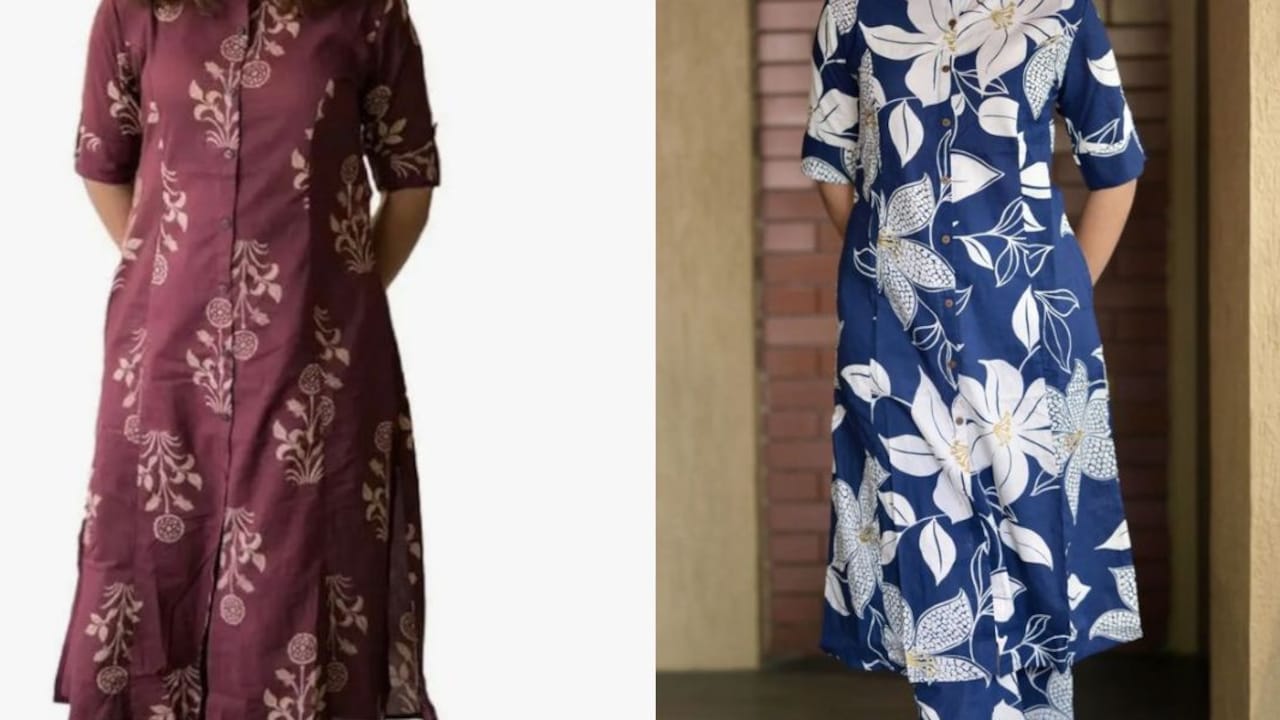
Buying Rayon Kurtas? How to Check Fabric Quality, Durability And Pilling Resistance.
Rayon kurtas hold a special place in everyday wardrobes. They drape beautifully, feel light against the skin and suit both office mornings and festive evenings. Yet, there's a common frustration. After a few wears or washes, those tiny fabric balls, or pills, start appearing. Suddenly, a once-loved kurta looks tired and worn.
Pilling does not mean that rayon lacks quality. It simply means the wrong fabric choice met the wrong usage or care. Choosing the right rayon kurta needs a sharp eye, a little fabric knowledge and some practical thinking. Climate, daily routines, washing habits and even how the kurta gets worn all play a role.
This guide breaks down how to choose rayon kurtas that resist pilling while staying breathable, durable and comfortable. Think of it as friendly advice shared over chai, grounded in real shopping experiences and everyday wear. With the right choices, rayon kurtas can stay smooth, graceful, and dependable for years.
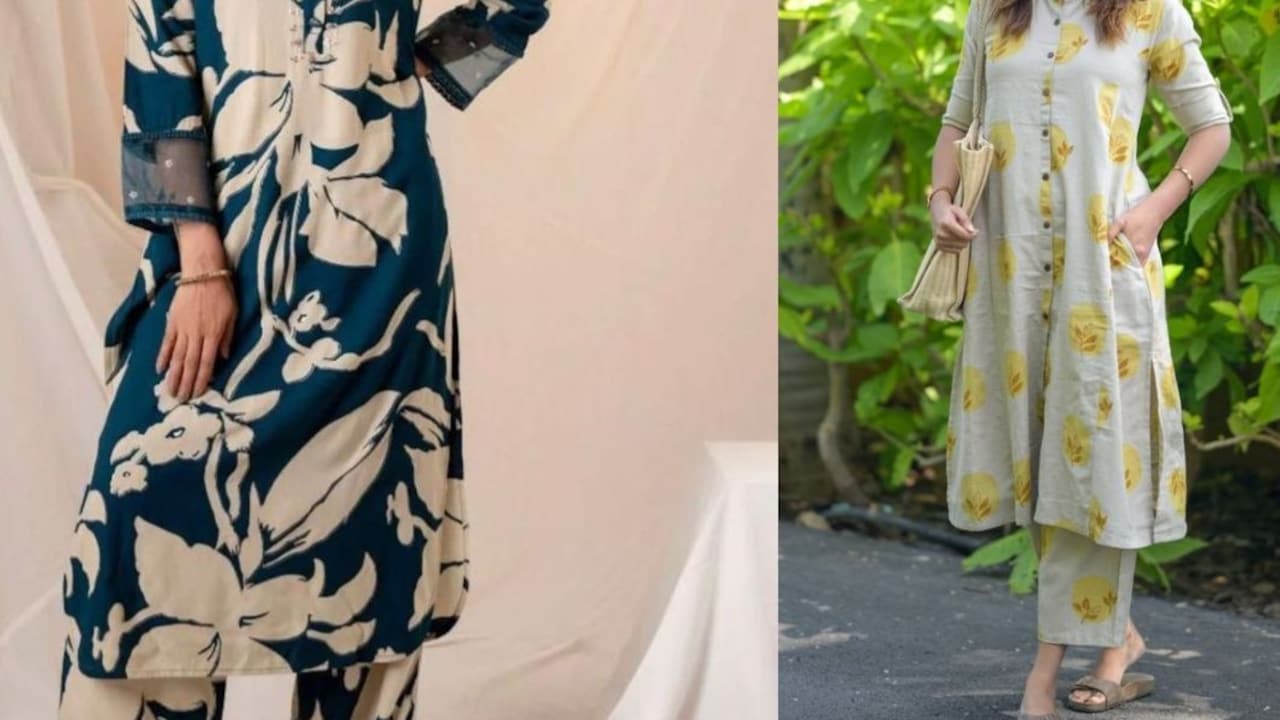
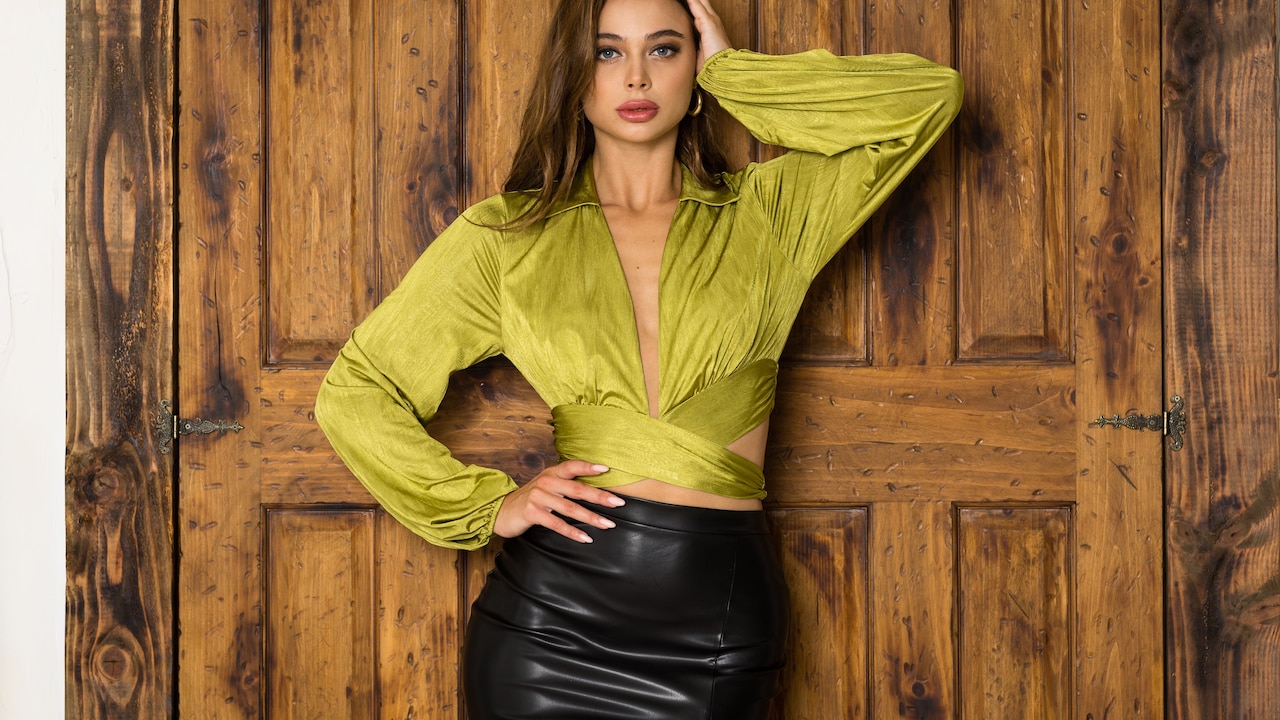
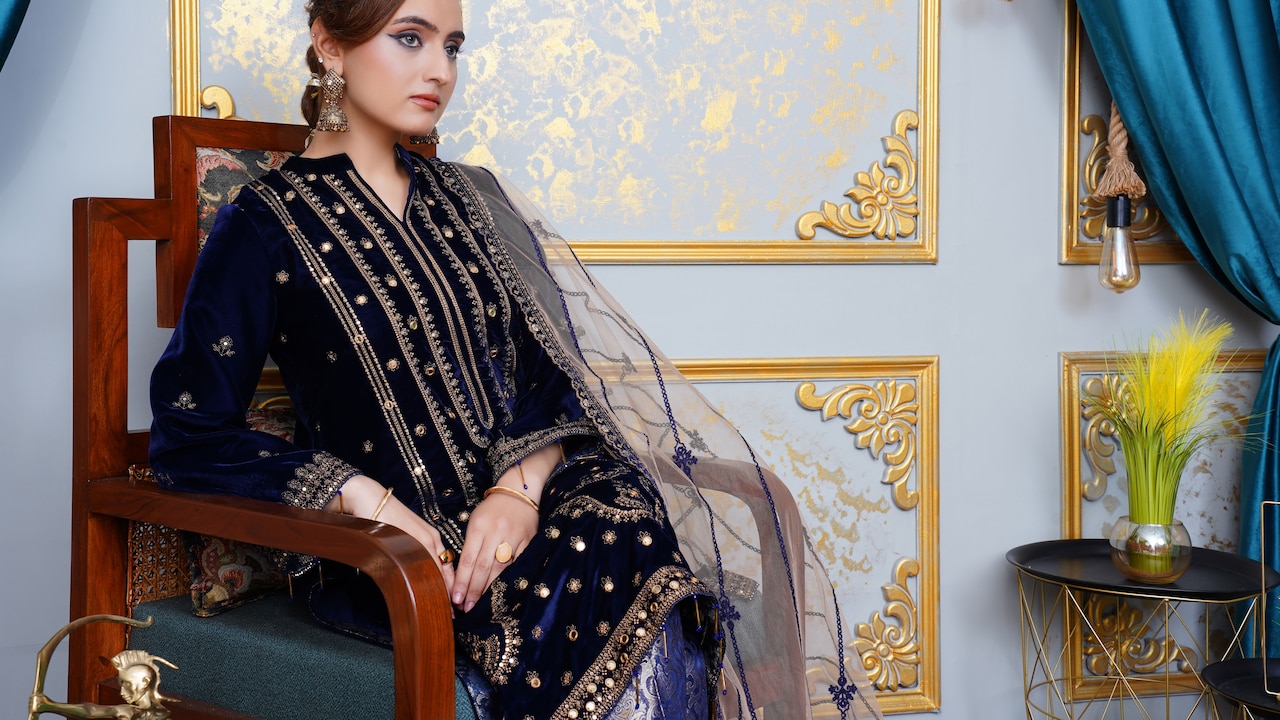
Rayon Kurtas That Last: How to Avoid Pilling and Choose Better Fabric; Photo Credit: Pexels
A Practical Checklist For Choosing Long-Lasting Rayon Kurtas
1. Understand What Causes Pilling in Rayon
Pilling happens when loose fibres rub against each other and form small knots on the surface. Rayon fibres, when short or poorly spun, tend to escape the weave easily. Friction from handbags, dupattas, chairs and even daily movement encourages this process.
Not all rayon pills are equal. Low-quality rayon often contains uneven fibres and weak yarn twists. These fibres break faster, creating fuzz and pills within weeks. High-quality rayon, on the other hand, uses longer fibres and tighter spinning. This structure holds the surface together.
Think about daily wear scenarios. Long commutes, crowded buses and hours at a desk create constant friction. A kurta worn for special occasions once a month behaves differently from one worn a week.
Understanding pilling removes the blame from the fabric and places it where it belongs, fabric construction and usage. Once that clarity sets in, choosing better rayon becomes easier and far less disappointing.
2. Check Fibre Length and Yarn Quality
Fibre length plays a huge role in how rayon behaves over time. Longer fibres twist together more securely, forming smoother yarns. Short fibres poke out, tangle and pill quickly.
While shopping, touch matters. Run fingers gently across the fabric. A smooth, cool and slightly heavy feel often signals better yarn quality. Rough textures or fuzzy surfaces hint at loose fibres waiting to misbehave.
Stretch the fabric lightly and watch how it responds. Quality rayon springs back neatly, while weaker yarns lose shape instantly. Inspect the surface under good lighting. Pills sometimes hide even before purchase.
Many budget kurtas focus on prints and colours, not fibre quality. Price alone does not guarantee excellence, but extremely cheap rayon often cuts corners. Spending ₹300 more upfront can save on replacing a kurta after three washes.
Choosing longer fibres ensures durability, comfort, and fewer regrets after laundry day.
Also Read: How To Choose the Best Rayon Kurtis And Why They Are Such a Lifesaver During Winter
3. Prefer Blended Rayon for Daily Wear
Pure rayon feels luxurious but demands gentle handling. For everyday wear, blended rayon works better. Blends combine rayon with cotton or modal, improving strength and reducing pilling.
Cotton-rayon blends breathe well and handle friction gracefully. Modal blends feel silky and resist fibre breakage. These combinations offer the best of both worlds, comfort without constant worry.
Blended fabrics also survive regular washing cycles better. They retain colour, shape and surface smoothness longer. Office wear, college days and travel-friendly kurtas benefit from these blends.
Check fabric labels carefully. Look for blends where rayon still dominates but gains support from stronger fibres. Avoid blends overloaded with synthetic fibres, as they trap heat and reduce comfort.
Blended rayon kurtas suit busy routines and unpredictable days. They handle movement, sweat and washing without losing charm. For wardrobes that demand reliability, blends make smart companions.
4. Examine Fabric Weave and Density
Weave matters as much as fibre quality. A tight weave holds fibres firmly in place, reducing surface friction. Loose weaves allow fibres to escape and tangle easily.
Hold the fabric up to the light. Dense weaves allow minimal light through. Excessive transparency often signals loose construction. Lightweight does not mean flimsy.
Pinch the fabric between fingers. A well-woven rayon feels compact yet fluid. It drapes without collapsing. Poor weaves feel limp and uneven.
Printed kurtas often distract shoppers from the weave quality. Take a moment to look past the design. Beautiful prints lose appeal once pilling takes over.
Dense weaves also improve durability around stress points like elbows, hips and side seams. These areas experience constant movement.
Choosing tightly woven rayon ensures smoother surfaces, longer wear and a kurta that ages gracefully rather than prematurely.
5. Choose Matte Finishes Over Overly Shiny Ones
Shiny rayon looks festive and rich but often signals chemically treated surfaces. These treatments weaken fibres, making them prone to pilling and fading.
Matte finishes feel more natural and age better. They absorb dyes evenly and resist surface damage. Every day kurtas benefit from understated textures rather than glossy drama.
Rub the fabric lightly with fingertips. Excess shine combined with slipperiness often points to heavy processing. Natural rayon feels soft, cool and slightly textured.
Festive kurtas can handle some shine due to limited wear. For regular use, matte finishes stay presentable longer and hide minor wear gracefully.
Shine fades fast, while matte textures develop character. Choosing subtle elegance over flashy appeal keeps wardrobes functional and stylish.
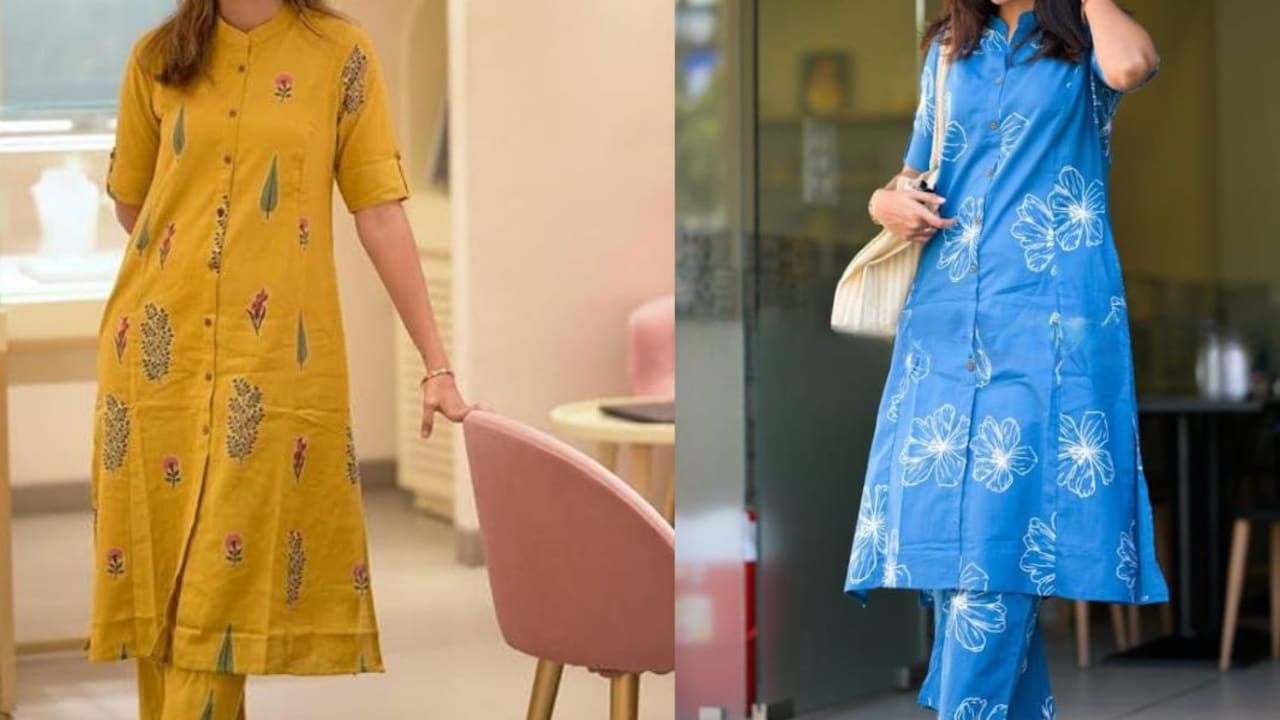
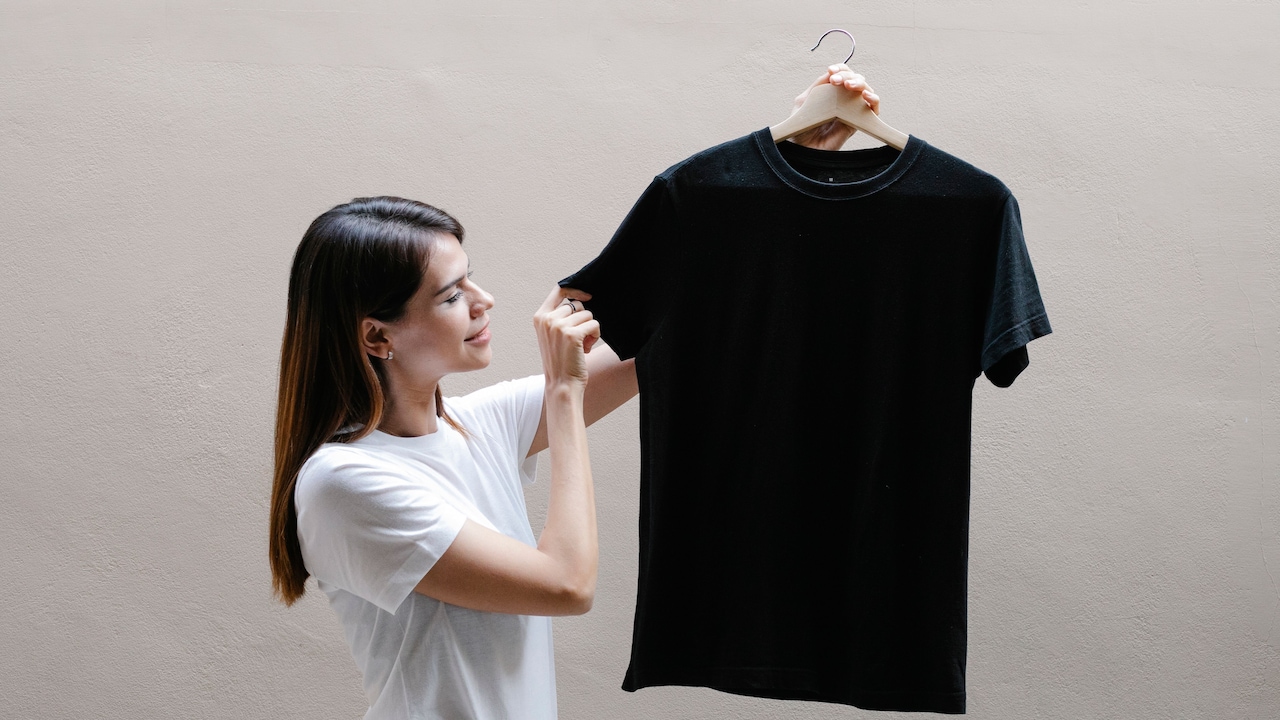
Rayon Kurtas That Last: How to Avoid Pilling and Choose Better Fabric; Photo Credit: Pexels
6. Inspect Stitching and Construction
Pilling often starts near seams. Poor stitching strains fabric, causing fibres to loosen around stress areas. Strong construction supports fabric longevity.
Check seams closely. Tight, even stitches indicate care in making. Loose threads and uneven seams suggest rushed production.
Turn the kurta inside out. Well-finished inner seams reduce friction against the body and undergarments. Overlocked edges prevent fraying and fibre escape.
Sleeves, side slits and neckline face constant movement. Reinforced stitching in these areas matters more than decorative elements.
Good construction works quietly in the background, protecting fabric integrity. It may not catch the eye immediately, but it decides how long a kurta stays wearable.
7. Pick the Right Fit to Reduce Friction
Fit influences pilling more than expected. Overly tight kurtas stretch fibres constantly, increasing friction. Extremely loose fits rub against accessories and surfaces excessively.
A comfortable fit allows movement without strain. It glides over the body instead of clinging or flapping.
Pay attention to shoulder width and armholes. Tight armholes experience heavy rubbing. Slight ease prevents stress on fibres.
Side slits should sit comfortably without pulling. Constant tugging weakens fabric around the hips and thighs.
Fit should feel natural, not restrictive. Comfort reduces unnecessary friction and keeps fabric smooth longer.
A well-fitted rayon kurta feels like a second skin, easy, breathable and cooperative throughout the day.
8. Understand Colour and Print Impact
Dark colours often highlight pills more clearly. Lighter shades and busy prints hide minor surface wear better.
Solid dark kurtas demand higher fabric quality. Any pilling shows instantly against deep colours like navy or maroon.
Printed kurtas distract the eye. Small floral or geometric patterns mask early pilling stages. This does not solve the issue but extends visual freshness.
Dyed fabrics also matter. Even dye absorption indicates stable fibres. Patchy dye often signals weak fibre bonding.
Choose colours and prints strategically based on usage. Everyday wear benefits from forgiving designs, while statement solids deserve premium quality.
Smart colour choices extend a kurta's presentable life without extra effort.
9. Know the Right Washing and Care Habits
Even the best rayon suffers under harsh washing. Gentle care preserves fibre strength and surface smoothness.
Always wash rayon separately or with similar fabrics. Avoid mixing with rough materials like denim or towels.
Use mild detergents. Strong chemicals break fibres and accelerate pilling. Hand wash or use delicate machine cycles.
Turn kurtas inside out before washing. This protects the outer surface from friction. Avoid wringing. Press gently to remove water.
Air dry in shade. Direct sunlight weakens fibres and fades colours. Iron on low heat with fabric slightly damp.
Good care habits feel like small efforts, but reward wardrobes with longevity and comfort.
10. Buy From Trusted Sellers and Touch Before Buying
Reliable sellers invest in fabric quality and construction. Unknown sources often prioritise price over performance.
Whenever possible, feel the fabric physically. Online shopping works well only with trusted brands and detailed fabric descriptions.
Check reviews carefully. Look for feedback on fabric durability, not just design appeal. Repeat buyers often signal quality.
Ask questions in-store. Knowledgeable sellers explain fabric blends and care needs confidently.
Trust instincts. If a fabric feels wrong, it usually is. Good rayon feels calm, cool and reassuring.
Choosing wisely at the buying stage prevents disappointment later. A thoughtful purchase always outlasts impulsive decisions.
Products Related To This Article
1. jaipurite Women Embroidered, Embellished Viscose Rayon Straight Kurta
2. Chaukas Women Printed Viscose Rayon Straight Kurta
3. PYARELAL Women Floral Print Viscose Rayon A-line Kurta
4. BKApparels Women Chikan Embroidery Viscose Rayon Straight Kurta
5. NYPA Women Embroidered Viscose Rayon Straight Kurta
6. INDIANIC Women Printed Viscose Rayon A-line Kurta
7. Kairab Women Floral Print Viscose Rayon Straight Kurta
Rayon kurtas deserve their popularity. They balance elegance and comfort effortlessly when chosen well. Pilling does not define rayon; poor choices do.
Understanding fibre quality, weave, fit, and care transforms shopping experiences. Small checks, touching fabric, inspecting seams, and choosing blends make a big difference.
A good rayon kurta grows with time. It softens, drapes better, and becomes a trusted wardrobe staple. With the right approach, rayon stops feeling fragile and starts feeling dependable.
Thoughtful choices protect comfort, style, and hard-earned money. And nothing feels better than pulling out a favourite kurta that still looks fresh, smooth, and ready for another beautiful day.
(Disclaimer: This article may include references to or features of products and services made available through affiliate marketing campaigns. NDTV Convergence Limited (“NDTV”) strives to maintain editorial independence while participating in such campaigns. NDTV does not assume responsibility for the performance or claims of any featured products or services.)