How to Choose Saree Fabrics That Stay Smooth All Day: No Crease, No Cling
This guide explores and reveals how to choose saree fabrics that behave well, drape beautifully and stay fresh without hours spent ironing or adjusting.
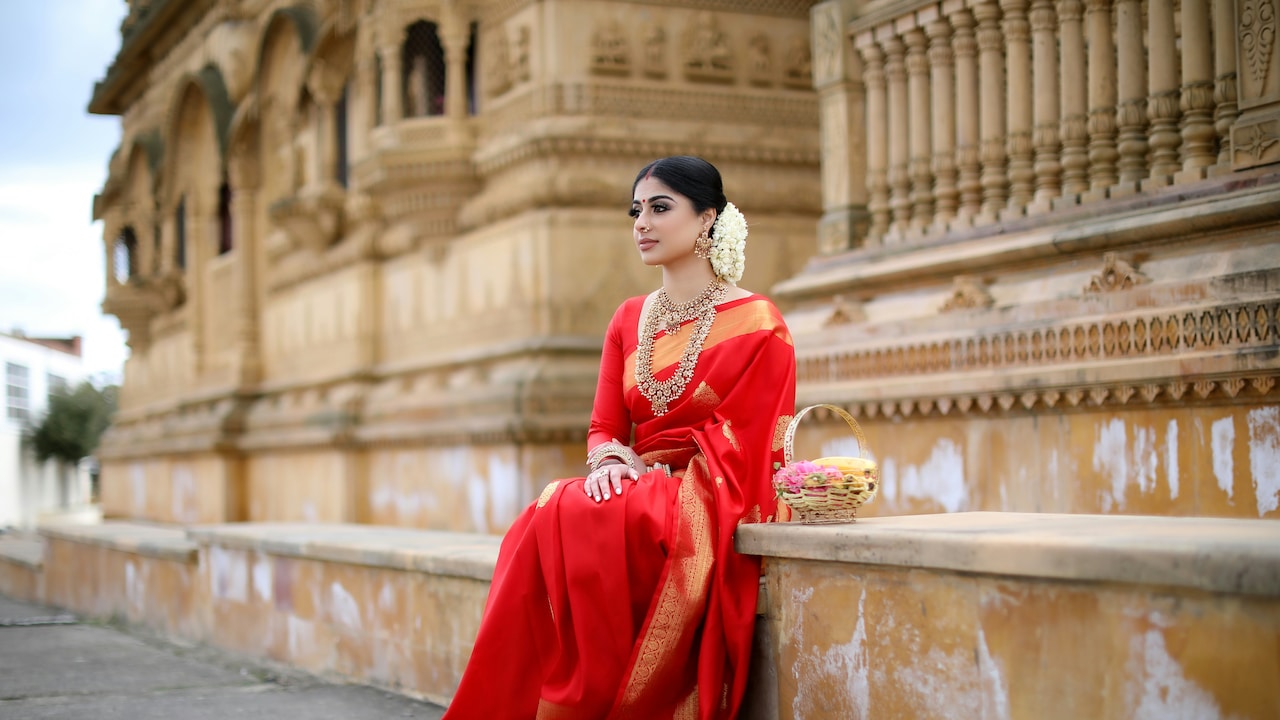
How To Shop Saree Fabrics That Do Not Wrinkle Or Stick: A Guide To Everyday Comfort.
Across the country, sarees slip into daily routines with quiet ease. They join morning rituals, office corridors, festive gatherings and school runs without demanding much in return, except the right fabric. The wrong drape can test patience, especially when it wrinkles at the slightest bend or clings at every turn. A crisp pleat has the power to lift confidence, while a clingy pallu can undo the best mood in seconds. The everyday challenge isn't just about fashion; it's about comfort, convenience and the small joys that come from feeling put-together. In a climate where heat, humidity and long commutes are constant companions, saree fabric choice becomes the real game-changer. In this guide, we show how to choose saree fabrics that stay smooth all day without clinging or creases. Let's unravel the secrets of practical saree fabrics, those that glide, stay neat and keep their promise through the busiest days.
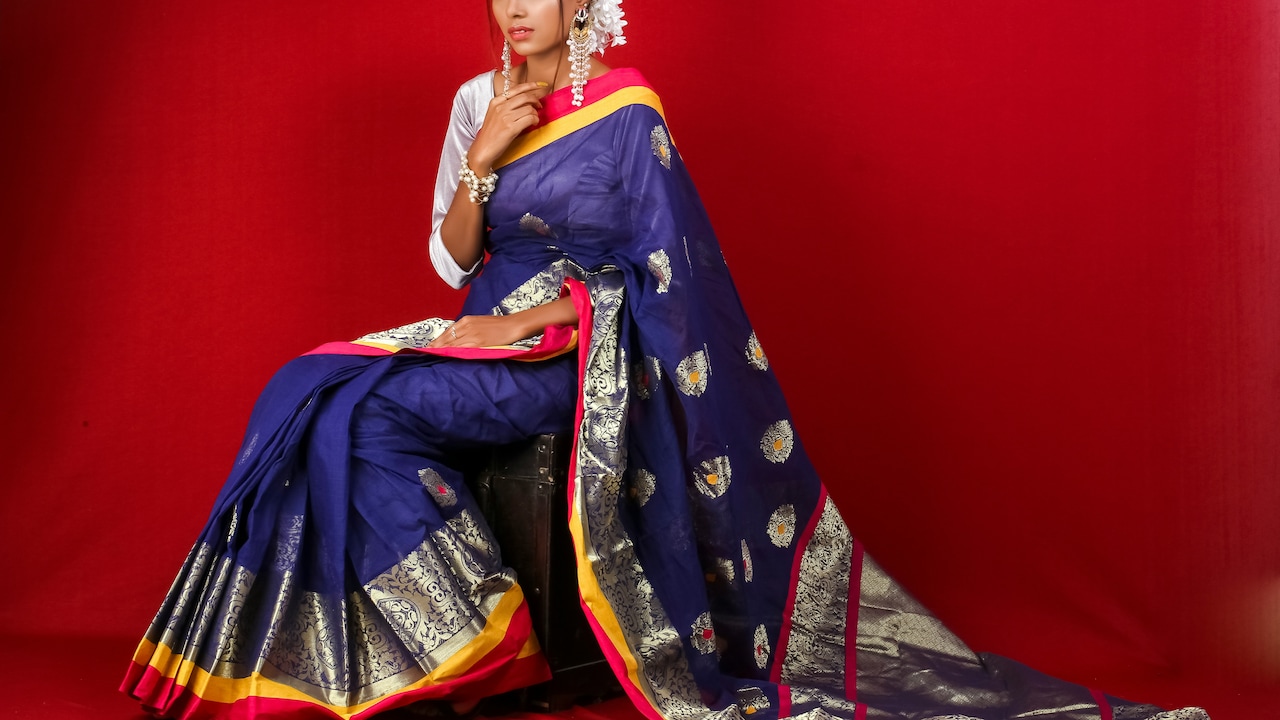
Best Saree Fabrics for Daily Wear: How to Stop Creasing and Clinging
Photo Credit: Unsplash
Understanding What Makes A Saree Truly Everyday-Friendly
1. Why Some Fabrics Crease More Than Others
Certain saree fabrics crease because their fibres lack natural elasticity. Cotton, for example, folds beautifully but crumples faster than a school child's homework during exam week. Linen shares the same delightful texture and breathability, yet its fibres stiffen and show lines at the slightest pressure. These materials absorb moisture, which makes them wonderful for hot days but also causes fibres to swell and hold creases longer.
On the other hand, fabrics with blended fibres tend to resist folding marks. When polyester or viscose mingles with natural fibres, the resulting weave bounces back more readily. Climate also plays its part. Humid air softens natural fibres, making creases more prominent, while dry air keeps them slightly firmer. Daily movement, from sitting in office chairs to hopping in autos, adds friction and pressure that deepen those unwanted lines.
Understanding why creasing happens helps narrow down better options for regular wear. A saree meant for a packed day needs cooperative fibres, a smooth weave and enough structure to stay neat without constant ironing.
2. The Joy of Minimal-Maintenance Fabrics
Every day routines rarely allow time for elaborate ironing or constant adjusting. That's where minimal-maintenance fabrics shine. Blended georgettes, soft poly-silks and lightweight art silks promise crispness without fuss. These materials resist wrinkling even after long commutes or hours spent at a desk. They fall smoothly, hold pleats with quiet discipline and rarely protest against movement.
The biggest advantage is consistency. These fabrics look fresh throughout the day, which makes them great for office wear or travel. A drape that stays intact can ease morning chaos, leaving room for little comforts like a second cup of chai or a slow breakfast. The colours often stay vibrant because the fibres handle heat and sunlight better, reducing fading or dullness.
Minimal-maintenance does not mean compromising on elegance. Many of these fabrics mimic the richness of pure silks or the lightness of chiffon while staying practical. The result is a saree wardrobe that feels reliable, polished and ready for everyday demands without draining time or energy.
3. Humidity-Friendly Choices for Long Days
Humidity can turn even the prettiest saree into a sticky puzzle. Fabrics too light may cling, while heavier ones trap heat. The sweet spot lies in materials that breathe yet hold their shape. Georgette, crepe and chiffon blends often perform well because their textured surfaces create airflow while preventing excessive cling.
Moisture-wicking properties also matter. Some modern blends are designed to lift sweat away from the skin, keeping the drape comfortable during long outdoor hours. These fabrics don't collapse onto the body during humid spells, which makes them ideal for crowded commutes or busy market visits.
Colours and prints look sharper on these materials too, since moisture doesn't distort the weave easily. They keep pleats intact, prevent the pallu from clinging like a stubborn child and stay light on the skin. Choosing humidity-friendly sarees helps maintain both comfort and confidence, especially on days when the weather refuses to cooperate.
4. The Magic of Fluid Drapes That Don't Cling
A fluid drape feels elegant, but not when it behaves like cling film. Fabrics with a slight grain, like georgette or crepe, provide gentle movement without sticking to curves. Their surfaces create micro-textures that stop the fabric from hugging the body too tightly. Blends with satin backing or matte finishes balance fluidity with freedom.
Such fabrics glide while offering just enough weight to settle gracefully. They shift when walking but don't gather in awkward places. This makes them perfect for gatherings, presentations or celebrations that require poised movement. Even when temperatures rise, these materials keep their dignity.
Fluid non-cling fabrics also allow lovely pleats that fan out naturally. The pallu stays expressive, falling over the shoulder with character rather than clamping down. This blend of comfort and elegance is ideal for those who love drapes that feel effortless yet refined. It brings drama without discomfort, a win on any busy day.
Also Read: How To Drape Brocade Kanjivaram Sarees For A Sleeker Shape: 10 Simple Tricks
5. Fabrics That Maintain Shape from Morning to Night
Some days begin at sunrise and stretch long past sunset. A dependable saree becomes a small blessing. Fabrics like micro-crepe, poly-silk and thicker georgette blends hold form for extended hours. They handle repeated sitting, walking and carrying bags without losing structure.
These materials allow pleats to remain crisp and the pallu to stay aligned without frequent tucking. The fibres spring back after movement, making them suitable for workdays filled with meetings or events. Even after several hours, the saree looks nearly as neat as it did in the morning, a relief when travelling far from home or dealing with tight schedules.
Beyond convenience, their durability offers good value. A saree that keeps its shape through regular use reduces the need for expensive upkeep. Pairing these fabrics with simple accessories creates a reliable everyday look that suits both busy routines and occasional last-minute plans.
6. Office-Ready Fabrics That Look Polished Without Effort
Workwear sarees need a balance of professionalism and comfort. Too much shine feels formal, while overly soft fabrics may appear casual. Art silk blends, georgettes with matte finishes, and soft tussar-inspired weaves strike this perfect middle ground. They drape neatly, resist wrinkles and carry a refined elegance suitable for boardrooms and client meetings.
These fabrics handle climate-controlled offices well, staying crisp in cool settings without stiffening. Patterns like subtle stripes, muted florals or abstract prints add charm without drawing too much attention. The biggest strength lies in reliability. Even through lunch breaks, presentations or elevator dashes, the saree maintains its structure.
Pairing these fabrics with lightweight blouses brings comfort to long workdays. They dry quickly after washing and require little ironing, which makes them weekday favourites. A polished look becomes effortless, saving both time and energy during early-morning rushes.
7. Everyday Fabrics for Busy Errands and Commutes
Days filled with metro rides, grocery stops or chasing after school schedules need sarees that won't misbehave. Lightweight poly-cottons, blended crepes and soft georgettes are practical because they don't snag easily and withstand rough handling. The fabrics move with the body, allowing comfort during hectic errands or long waits in queues.
They resist dust and pollution better than delicate materials, making maintenance simple. A quick wash is usually enough, and the colours stay bright despite regular use. Their resilience makes them ideal for travel when luggage space is limited and ironing isn't always possible.
These everyday heroes drape well without being demanding. Whether hopping between autos, juggling bags or navigating crowded markets, the saree remains cooperative. The result is a wardrobe that supports daily life instead of complicating it, a quiet, reliable companion through busy rhythms.
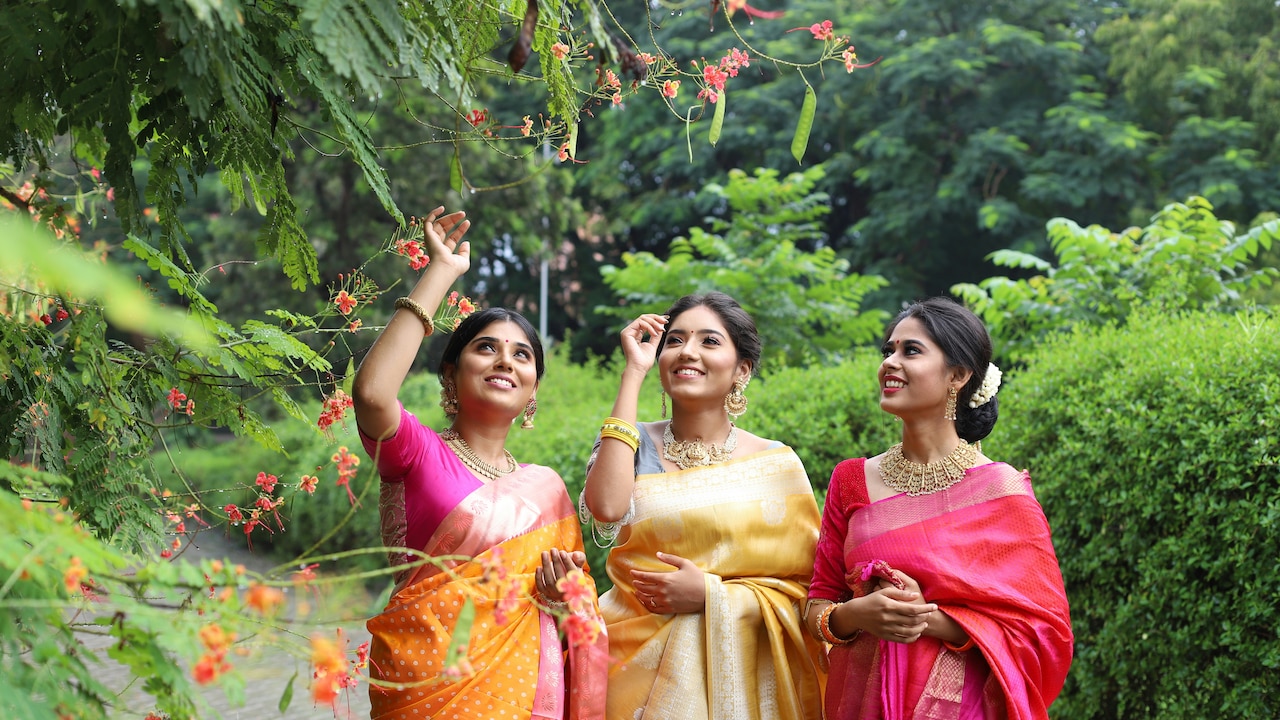
Best Saree Fabrics for Daily Wear: How to Stop Creasing and Clinging
Photo Credit: Unsplash
8. When to Choose Blends Over Pure Fabrics
Pure fabrics hold timeless charm, yet blends offer undeniable convenience. Polyester-silk mixes, cotton-silk blends and viscose combinations bring the best of both worlds. They provide sheen, softness and breathability while staying wrinkle-resistant and durable. Blends are also more forgiving during washing, which makes them great for frequent wear.
Budget plays a role, too. Blended sarees often cost less while offering luxurious looks. This makes them suitable for occasions where elegance is needed without heavy upkeep. They also adapt well to varied climates, maintaining shape during heatwaves and staying comfortable in cooler settings.
Choosing a blend is practical when the day demands movement or when storage conditions at home may expose fabrics to moisture. Blends handle folds better, dry faster and retain colour longer. For everyday sophistication without hovering over an ironing board, blends are often the smarter choice.
9. The Role of Texture in Reducing Cling and Crease
Texture can transform how a saree behaves. Fabrics like georgette, slub-weave poly-cotton and textured crepe feature fine irregularities that stop surfaces from sticking together. This reduces cling and gives the saree a lively drape. Textured fibres handle movement better, as they distribute pressure instead of trapping it in one place.
Creasing also decreases because the fabric's natural ridges help maintain shape. Even when folded or sat on, the lines soften once the fabric straightens. This makes textured weaves ideal for long days outside or events that involve frequent standing and sitting.
The added depth also enhances the appearance. Textured sarees look elegant without relying on heavy embellishments. Their surface catches light differently, offering subtle shimmer or a matte polish depending on the weave. This creates a sophisticated style while keeping the fabric practical and comfortable.
10. How to Choose Fabrics Based on Season and Occasion
Seasonal changes influence how sarees feel and behave. During warmer months, airy fabrics that resist cling, like georgette blends, crepe and soft chiffon, bring comfort. They allow airflow and avoid holding sweat, which keeps the drape pleasant even during crowded travel. For cooler weather or indoor events, slightly heavier fabrics such as poly-silk, thicker georgette or satin blends offer warmth and structure.
Occasion also matters. Daily office wear benefits from understated matte blends, while festive gatherings shine with art silks or shimmer-enhanced georgettes. Travel calls for blends that roll well and spring back without ironing. Budget-friendly ranges ensure variety without overspending, especially when options begin from around ₹700 and stretch upward based on design and detail.
Choosing fabrics with intention, considering climate, comfort, purpose and maintenance, creates a wardrobe that stays reliable through every season and celebration.
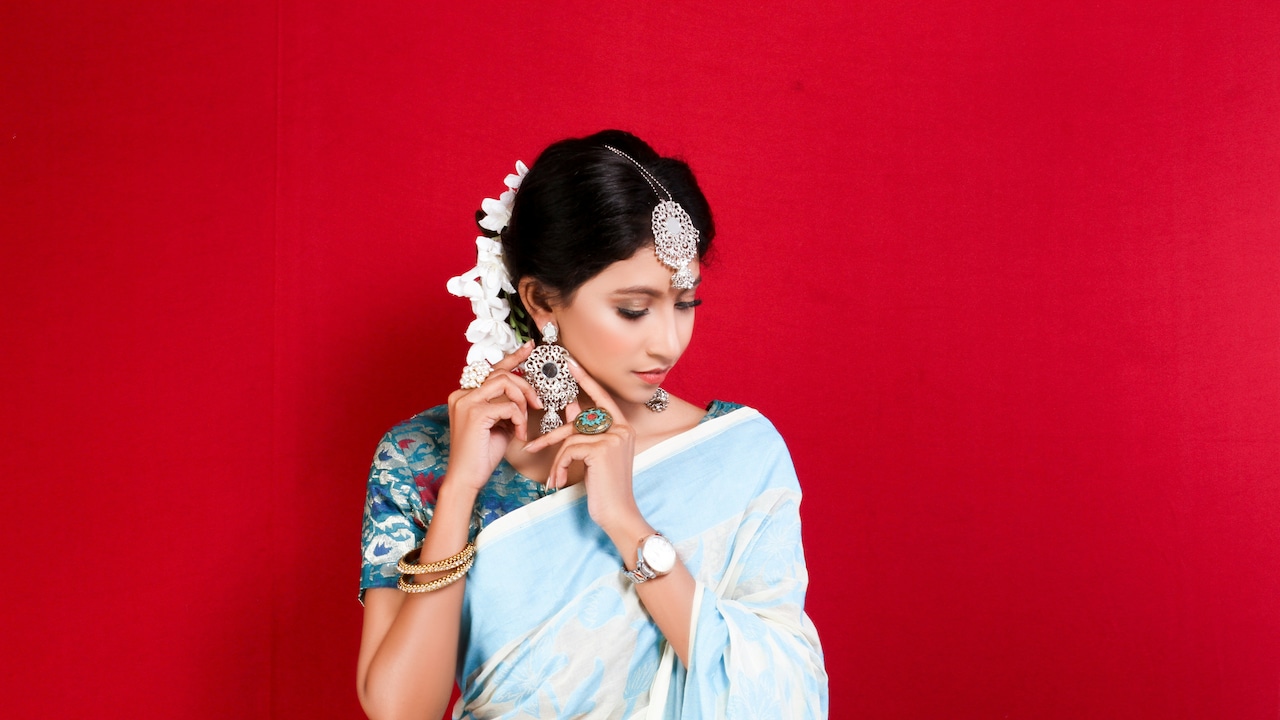
Best Saree Fabrics for Daily Wear: How to Stop Creasing and Clinging
Photo Credit: Unsplash
Products Related To This Article
1. PHEASANT Woven Banarasi Jacquard, Art Silk Saree
2. Jaipuri Print Printed, Blocked Printed, Color Block, Dyed, Floral Print Daily Wear Pure Cotton Saree
3. saanvi Solid/Plain, Self Design, Embroidered Bollywood Art Silk Saree
4. Jaipuri Print Printed Daily Wear Pure Cotton Saree
5. hastshilpi Printed, Color Block, Blocked Printed, Floral Print, Dyed Daily Wear Pure Cotton Saree
6. JAIPURI BLOCK PRINT Printed Daily Wear Pure Cotton Saree
7. Divastri Embellished, Woven Kanjivaram Silk Blend Saree
A well-chosen saree fabric turns daily wear into a smooth, graceful experience. When materials resist creasing and avoid clinging, comfort follows naturally. Whether the day involves office meetings, market errands or festive evenings, the right fabric keeps the drape intact and the mood uplifted. By paying attention to texture, blends, climate-friendly fibres and maintenance needs, wardrobes become easier to navigate and far more joyful. Sarees remain timeless, but fabric choices make them effortless, letting every day feel a little more elegant, a little more confident and beautifully uncomplicated.
(Disclaimer: This article may include references to or features of products and services made available through affiliate marketing campaigns. NDTV Convergence Limited (“NDTV”) strives to maintain editorial independence while participating in such campaigns. NDTV does not assume responsibility for the performance or claims of any featured products or services.)