T-Shirt Bras That Don't Show Through Thin Tops: Padding Density Explained
Thin tops can reveal more than expected. The secret to a seamless look lies in padding density. Discover how the right T-shirt bra keeps things smooth, invisible and comfortable all day.
T-Shirt Bras That Don't Show Through Thin Tops: Padding Density Explained
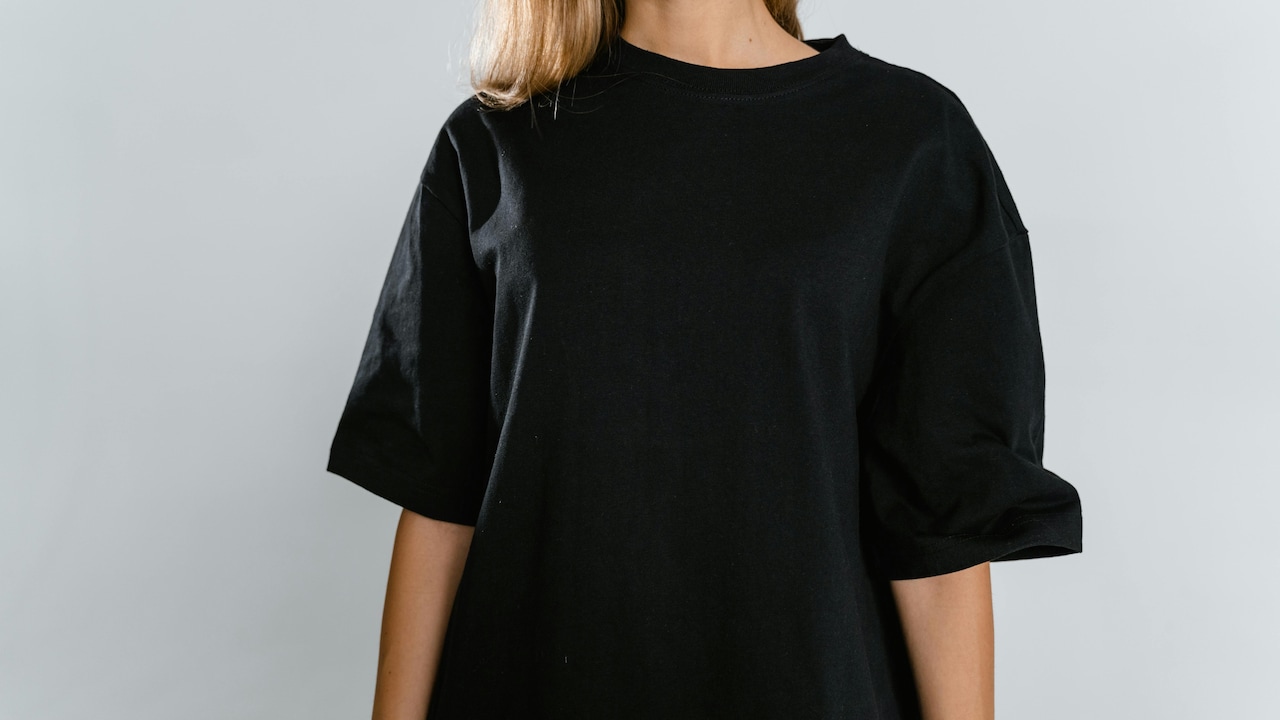
There's something quietly frustrating about stepping out in a favourite light top, only to catch a glimpse of bra lines or uneven texture in the mirror. It can take the shine off even the best outfit. While many assume the solution lies in colour matching or layering, the real game-changer often hides in something less discussed: padding density. T-shirt bras have become a staple for good reason. They promise smoothness, simplicity, and an almost invisible finish under clothes. Yet not all T-shirt bras are created equal. Some still show seams, while others create awkward bulk. The difference often comes down to how dense, structured, or soft the padding is. Understanding this concept doesn't require a degree in fashion science. It simply needs a closer look at fabric behaviour, everyday wear, and how different bras respond to thin materials. From humid afternoons to long office hours, comfort matters just as much as appearance. The right balance can transform not just how clothes look, but how one feels wearing them.
T-Shirt Bras That Don't Show Through Thin Tops: Padding Density Explained
Photo Credit: Pexels
Understanding Padding Density And Its Role In Invisible Support
What Exactly Is Padding Density?
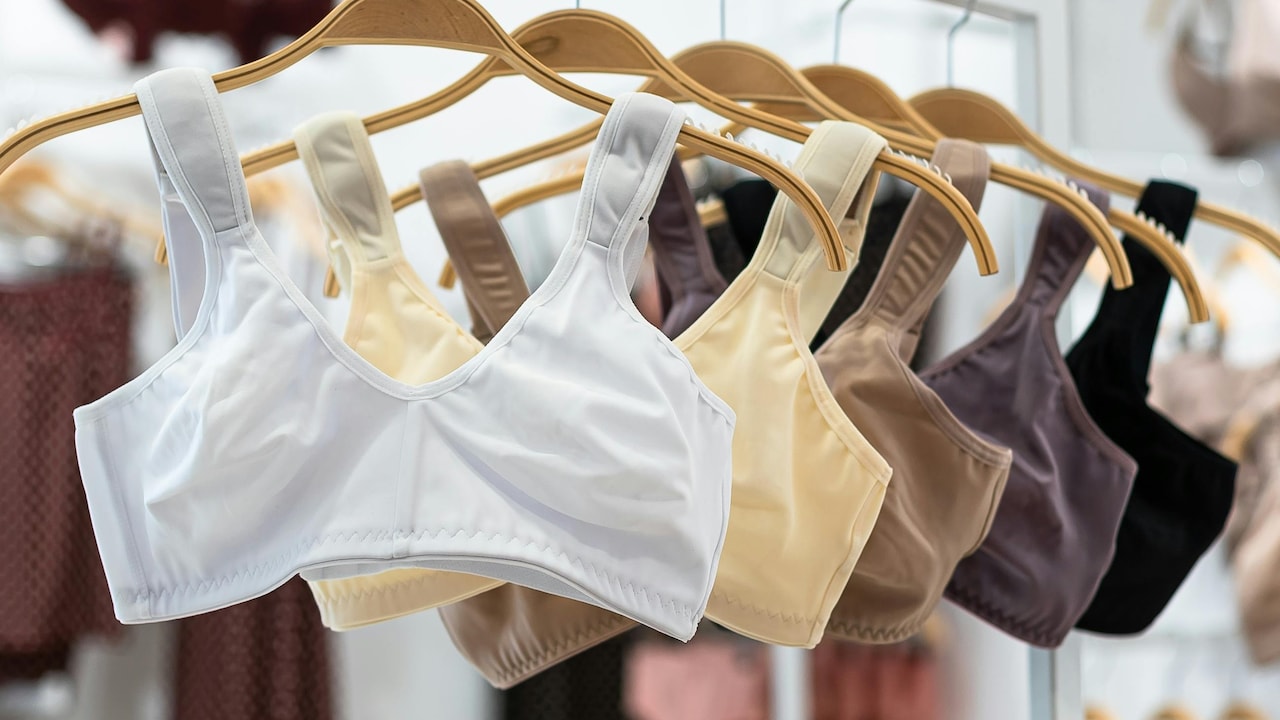
Padding density refers to how tightly packed the foam or material inside a bra cup is. It might sound technical, but in reality, it determines how a bra behaves under clothing. A low-density pad feels soft and breathable, almost like a second skin. A high-density pad, on the other hand, holds its shape firmly and resists folding or creasing.
Think of it like comparing a soft pillow to a firm cushion. Both serve a purpose, yet they respond differently when pressure is applied. In bras, this difference becomes visible when worn under thin fabrics. Low-density padding may create slight ripples, especially under fitted tops. High-density padding tends to smooth things out but can sometimes feel heavier.
The trick lies in understanding when each type works best. A lightweight cotton tee on a warm day might need something breathable yet structured. Meanwhile, a slightly thicker blouse can handle softer padding without revealing too much.
Padding density also affects durability. Denser cups tend to last longer, keeping their shape even after multiple washes. Softer ones may flatten over time. Choosing wisely means fewer wardrobe mishaps and better long-term comfort.
Why Thin Tops Reveal Everything
Thin fabrics have a way of amplifying even the smallest details. Whether it's a faint seam or a textured cup, lightweight materials don't hide much. This is especially true for fabrics like cotton blends, modal, or chiffon that cling gently to the body.
When wearing such tops, the bra underneath becomes part of the visual equation. Even if the colour matches perfectly, uneven padding or visible edges can still show through. It's not always about transparency; sometimes it's about texture. A slightly wrinkled cup or uneven surface can create shadows that become visible under light fabrics.
Humidity adds another layer to the problem. Sweat can make fabric stick closer to the skin, making outlines more noticeable. This is why something that looked fine in an air-conditioned room might appear different outdoors.
Understanding this helps shift focus from just colour coordination to structural choices. A bra that looks good on its own might not perform well under certain clothes. The goal isn't perfection but subtlety, where the bra blends seamlessly into the outfit rather than competing with it.
The Sweet Spot: Medium Density Padding
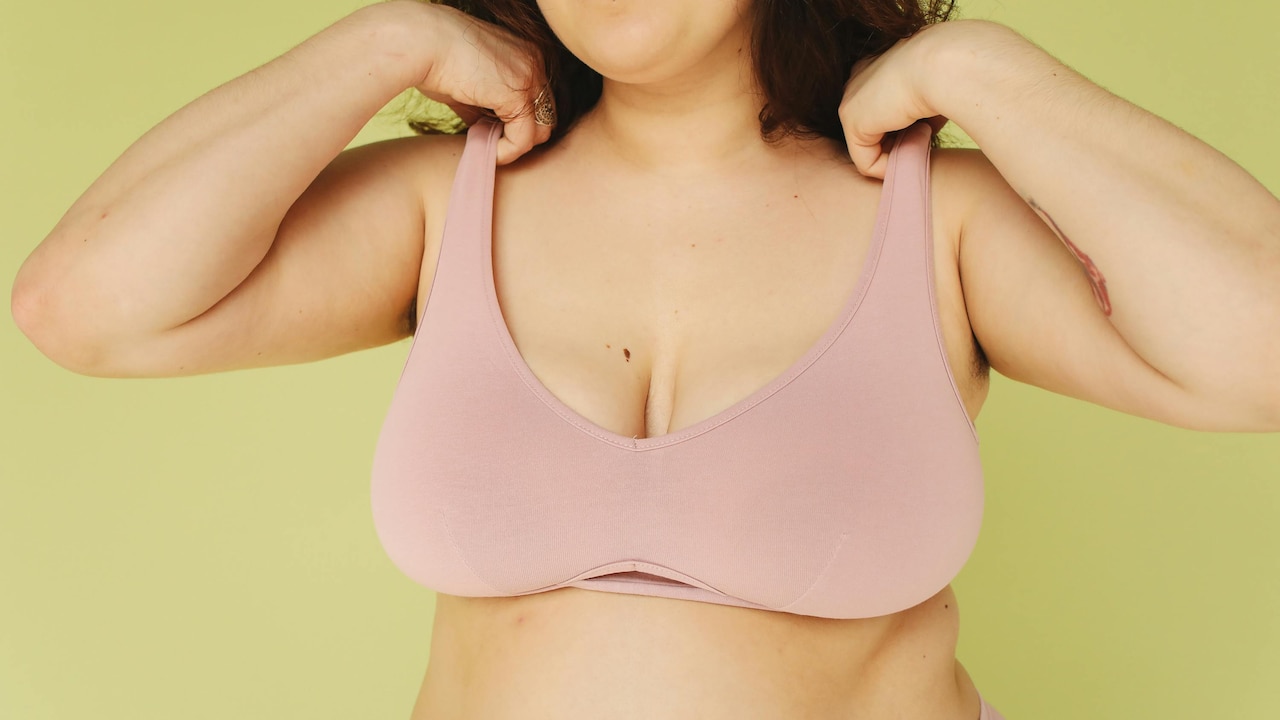
Medium-density padding often strikes the perfect balance between comfort and invisibility. It offers enough structure to smooth out the silhouette without feeling stiff or bulky. For everyday wear, this tends to be the most reliable option.
Such bras adapt well to a variety of outfits. Whether paired with a pastel kurti or a fitted office shirt, they maintain a consistent shape. They also avoid the common pitfalls of both extremes. Unlike low-density padding, they don't collapse easily. Unlike high-density ones, they don't feel overly rigid.
Comfort plays a big role here. Medium-density padding allows airflow while still offering support. This becomes especially important during long commutes or busy days when comfort can't be compromised.
Many modern brands have started focusing on this middle ground, using memory foam or blended materials. These innovations aim to combine softness with structure, making the bra almost unnoticeable under clothing.
For those unsure where to begin, medium-density padding serves as a safe and practical starting point. It rarely disappoints and often becomes a wardrobe staple.
When High Density Works Best
High-density padding shines in situations where maximum coverage and structure are needed. Think of outfits made from very thin or clingy fabrics. In such cases, the firmness of the padding helps create a smooth, uniform surface.
These bras are particularly useful for formal occasions. A sleek dress or a sharply tailored blouse benefits from the clean lines that high-density cups provide. They minimise any chance of texture showing through, ensuring a polished look.
However, they aren't always the most comfortable choice for everyday wear. The thicker padding can feel warm, especially during the summer months. It may also add slight bulk, which might not suit all outfits.
That said, they have their place in a well-rounded wardrobe. For special events or outfits that demand a flawless finish, high-density padding can be a reliable ally. The key lies in knowing when to use it rather than relying on it for every occasion.
The Problem With Very Light Padding
Very light padding might seem appealing, especially for those who prefer minimal structure. It feels airy, flexible, and often more natural. However, under thin tops, it can become a bit of a gamble.
Without enough density, the cups may not hold their shape consistently. This can lead to subtle folds or uneven surfaces that become visible through fabric. Even slight movements can shift the padding, creating an inconsistent look.
There's also the issue of support. While light padding works well for relaxed settings, it may not provide enough coverage for fitted outfits. This can lead to visible outlines, especially under brighter lighting.
That doesn't mean such bras should be avoided entirely. They work beautifully under thicker fabrics or layered outfits. The key is to match them with the right clothing rather than expecting them to perform universally.
A wardrobe that includes a mix of padding densities allows for more flexibility and fewer last-minute outfit dilemmas.
Fabric Matters As Much As Padding
Padding density doesn't work alone. The outer fabric of the bra plays an equally important role. A smooth, seamless finish can make even slightly lower-density padding appear invisible under clothes.
Microfibre and modal fabrics often perform best in this regard. They glide under clothing, reducing friction and preventing bunching. Lace or heavily textured fabrics, while beautiful, can sometimes show through thin tops.
Seam placement also matters. Even with perfect padding density, poorly placed seams can ruin the effect. This is why many T-shirt bras focus on moulded cups that eliminate visible stitching.
Colour, too, interacts with fabric and padding. Nude shades often blend better under light clothing, but the exact shade matters. A mismatch can still show through, especially under sheer fabrics.
When choosing a bra, it helps to consider the complete package. Padding, fabric, seams, and colour all work together to create the final look.
T-Shirt Bras That Don't Show Through Thin Tops: Padding Density Explained
Photo Credit: Pexels
Everyday Comfort Versus Occasion Wear
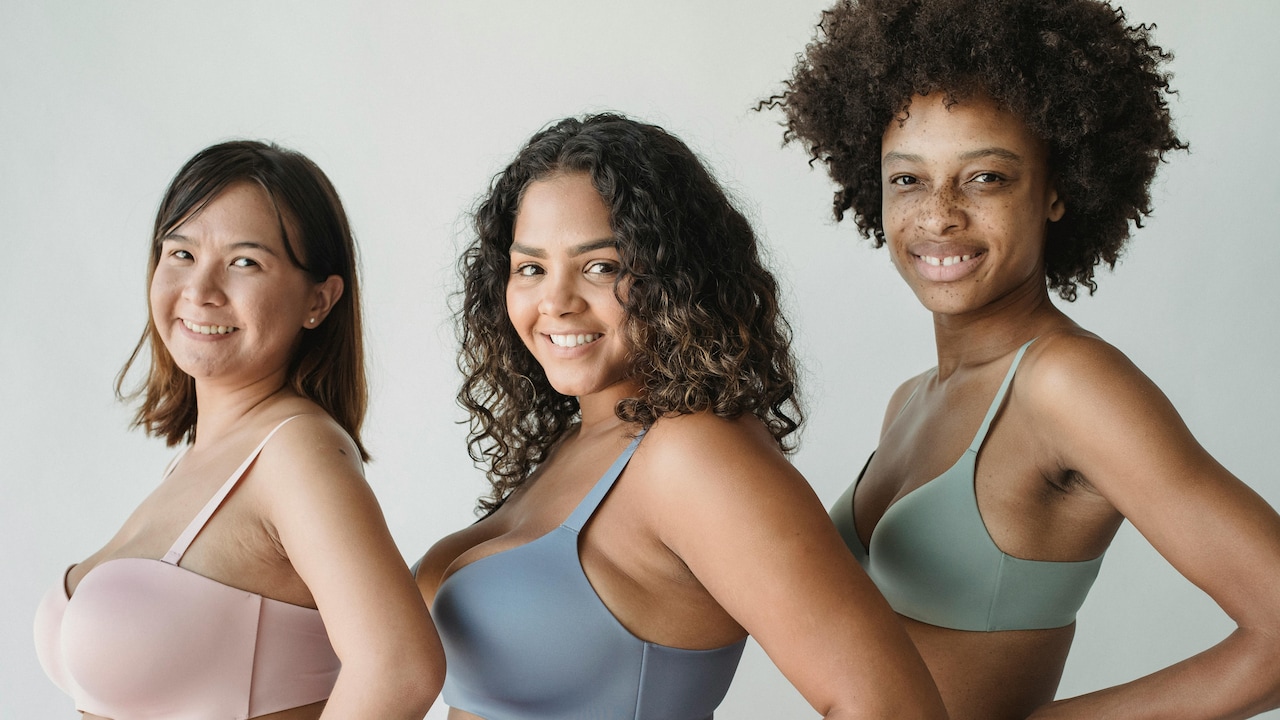
Not every bra needs to perform the same role. Some are designed for daily comfort, while others cater to specific outfits or events. Understanding this distinction makes shopping and styling much easier.
For daily wear, comfort often takes priority. Medium or slightly lower density padding works well here, offering a balance between breathability and coverage. These bras handle long hours without causing discomfort.
Occasion wear, on the other hand, often demands precision. A special outfit may require high-density padding to ensure a flawless appearance. In such cases, comfort might take a back seat for a few hours.
Having a small rotation of bras for different purposes can make a noticeable difference. It reduces wear and tear while ensuring that each bra performs its role effectively.
This approach also helps avoid the frustration of trying to make one bra work for every outfit. Instead, each piece in the wardrobe serves a clear purpose.
Also Read: Bras That Do Not Show Under T-Shirts: What Seamless Actually Means
How Weather Influences Your Choice
Weather plays a surprisingly big role in how a bra feels and performs. During hot and humid days, heavier padding can feel uncomfortable. Sweat can make the fabric cling, increasing visibility under thin tops.
In such conditions, medium or slightly lighter padding often works better. It allows better airflow while still maintaining enough structure to stay discreet.
During cooler months, higher-density padding becomes more comfortable. The added warmth and structure can actually feel reassuring rather than restrictive.
Seasonal adjustments don't require a complete wardrobe overhaul. A few well-chosen pieces can cover different conditions effectively.
Paying attention to weather patterns can help avoid discomfort and ensure that clothing looks as good as it feels.
Signs You've Chosen The Right T-Shirt Bra
The right T-shirt bra doesn't demand attention. It simply works in the background, letting the outfit take centre stage. When worn under a thin top, it should create a smooth, even silhouette without visible lines or textures.
Comfort is another clear indicator. The bra should feel supportive without digging into the skin or causing irritation. It should stay in place throughout the day, adapting to movement without constant adjustment.
Durability also matters. A good bra maintains its shape even after multiple washes. The padding shouldn't crease or lose its structure over time.
There's also a subtle confidence that comes with wearing the right bra. It removes the need for constant checking or adjusting, allowing focus to shift to more important things.
When all these elements come together, the bra becomes almost invisible, both physically and mentally.
T-Shirt Bras That Don't Show Through Thin Tops: Padding Density Explained
Photo Credit: Pexels
Products Related To This Article
1. Jockey Wirefree Padded Plus Size Cotton Medium Coverage Tshirt Bra with Lace Styling
2. Tweens Pack of 2 Medium Padded Full Coverage Tshirt Bra
3. KOMLI Komli Medium Padded Full Coverage Padded Tshirt Bra
4. LYRA Premium Cotton Seamless Moulded Tshirt Bra with Adjustable Strap
5. SELFCARE Solid Medium Coverage Lightly Padded Non-Wired Bra
Choosing a T-shirt bra that doesn't show through thin tops isn't about chasing perfection. It's about understanding how small details, like padding density, influence the overall look and feel of an outfit.
From the softness of light padding to the firmness of high-density cups, each option has its place. The key lies in matching the bra to the outfit, the weather, and the occasion. Medium-density padding often offers the most versatility, but a well-rounded wardrobe benefits from variety.
Clothing should feel effortless, not stressful. With the right T-shirt bra, even the lightest fabrics can feel easy to wear. It's a small adjustment that makes a surprisingly big difference, turning everyday dressing into a smoother, more comfortable experience.
(Disclaimer: This article may include references to or features of products and services made available through affiliate marketing campaigns. NDTV Convergence Limited (“NDTV”) strives to maintain editorial independence while participating in such campaigns. NDTV does not assume responsibility for the performance or claims of any featured products or services.)