Why Night Suits Often Feel Too Warm Even In Soft Fabrics
Soft cotton, breezy satin and feather-light blends promise comfort, yet night suits often feel oddly warm. The reason goes beyond fabric labels. From weather patterns to body rhythms, several subtle factors shape how sleepwear feels against the skin.

Why Night Suits Often Feel Too Warm Even In Soft Fabrics
There is something comforting about slipping into a fresh night suit at the end of a long day. The fabric feels soft, the colours soothe the mind, and the idea of restful sleep begins to take shape. Yet, just minutes after settling in, a strange warmth creeps in. The same fabric that felt breathable in the evening suddenly feels heavy, almost stifling. This experience is far more common than it seems. Many people assume the fabric is at fault, or that the room temperature needs adjusting. In reality, the story runs deeper. The way the body regulates heat, the climate outside, the construction of the garment, and even everyday habits all play a role.
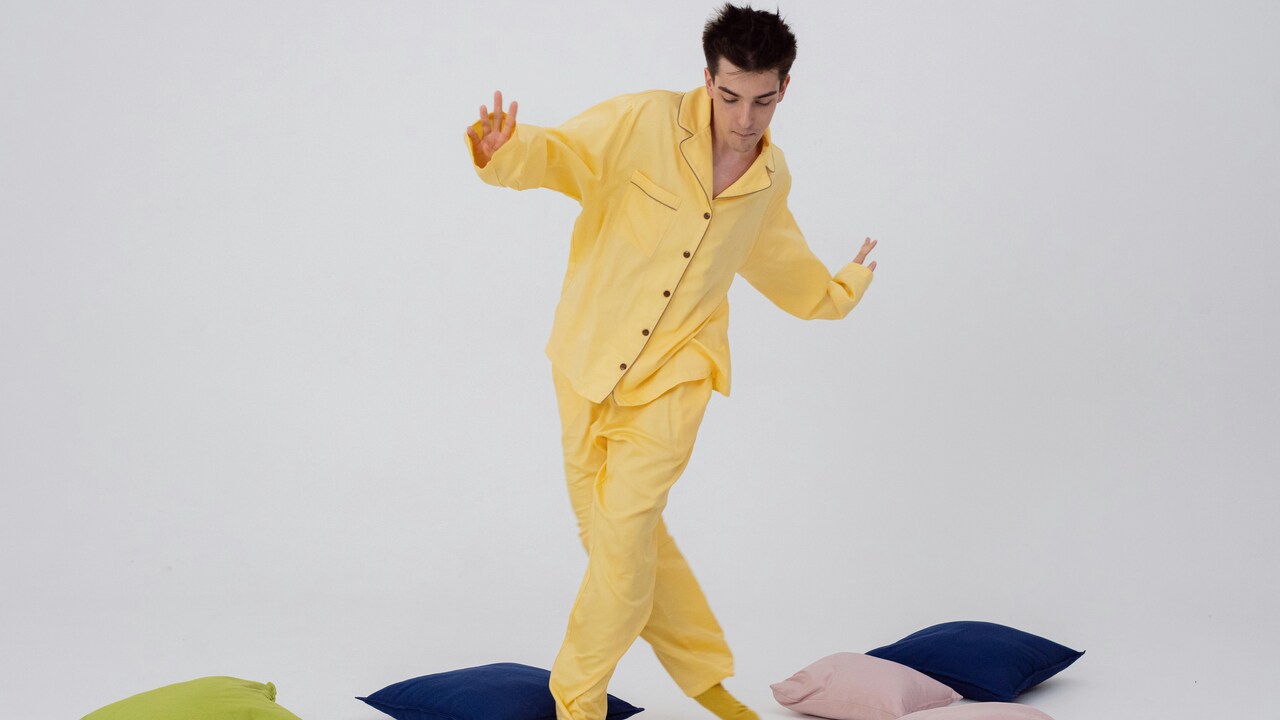
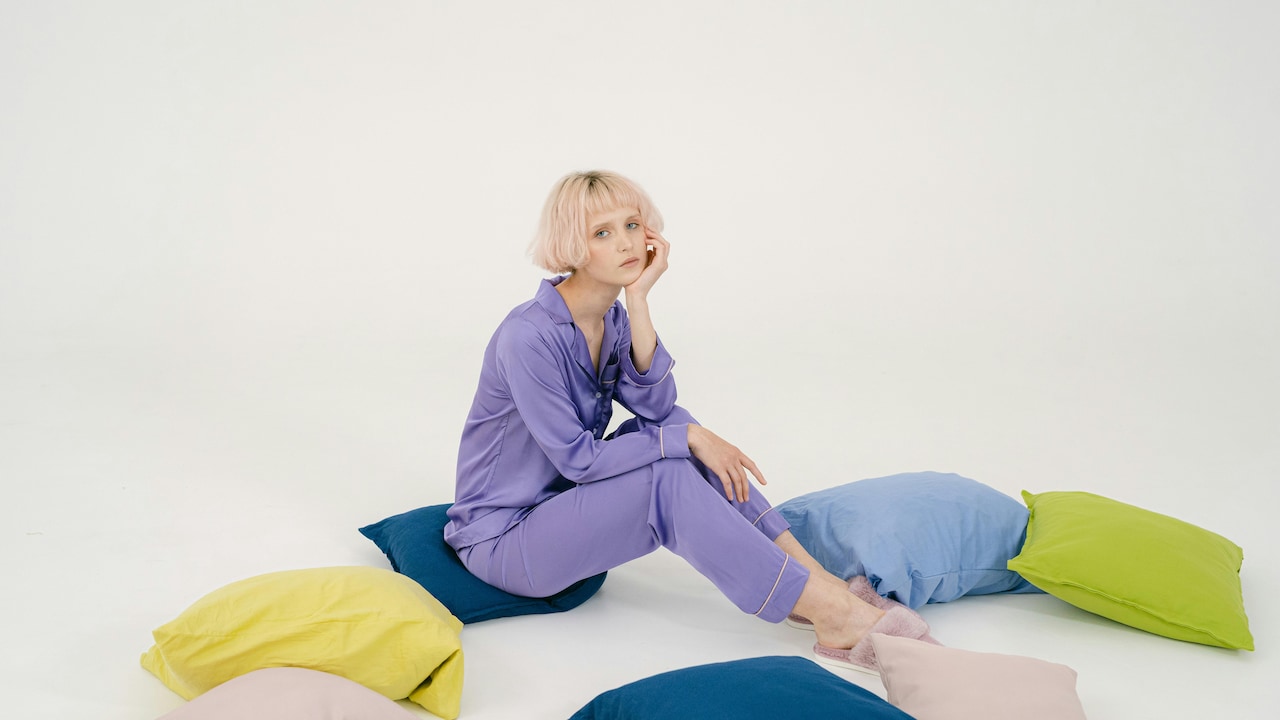
Struggling With Warm Nightwear? Here's Why Even Soft Fabrics Feel Hot at Night
Photo Credit: Pexels
Understanding why night suits feel warmer than expected helps in making better choices, not only for comfort but also for quality sleep. After all, a restless night often begins with something as simple as what is worn to bed.
Understanding Why Night Suits Feel Warmer Than Expected
Fabric Isn't Always As Breathable As It Sounds
Soft fabrics often come with labels that promise breathability, but those claims can be misleading. Cotton, for instance, is widely praised for comfort, yet not all cotton behaves the same way. Heavier weaves or tightly spun threads trap heat instead of allowing air to flow.
A night suit purchased during a festive sale for ₹799 may feel luxurious at first touch, but that softness sometimes comes from dense weaving or chemical finishing. These processes improve texture but reduce ventilation. The result is a garment that feels cosy at first but turns warm once the body starts generating heat.
Blended fabrics complicate things further. Even a small percentage of synthetic fibre can reduce airflow significantly. The material may still feel smooth, yet it holds onto warmth like a blanket.
This mismatch between expectation and reality often leads to discomfort. It highlights a simple truth: softness does not always mean coolness. Breathability depends on structure, not just feel.
Body Temperature Rises During Sleep Cycles
The human body does not stay at a constant temperature throughout the night. It follows a rhythm that rises and falls, influenced by internal biological clocks. During certain phases of sleep, especially deeper stages, body heat can increase.
When wrapped in a night suit, even a light one, this natural warmth gets trapped close to the skin. The fabric prevents heat from escaping efficiently, creating a microclimate that feels warmer than the room itself.
This explains why a perfectly comfortable outfit at bedtime feels unbearable at 2 a.m. The change does not come from the environment but from within.
Even fans or air conditioners can always compensate for this internal heat shift. The body continues to generate warmth, and the fabric acts as a barrier rather than a release.
Recognising this pattern helps explain why some nights feel hotter than others, even when conditions remain the same.
Humidity Plays A Bigger Role Than Expected
Warmth is not always about temperature alone. Humidity quietly influences how fabrics behave against the skin. In coastal cities or during monsoon months, the air carries moisture that makes everything feel heavier.
Night suits absorb this moisture, especially natural fabrics like cotton. Instead of staying airy, they cling slightly to the body, reducing airflow. The result is a sticky warmth that feels far more intense than dry heat.
Even in air-conditioned rooms, humidity can linger. The contrast between cool air and damp fabric creates an odd sensation where the body feels both cool and warm at once.
This explains why the same night suit feels comfortable in winter but uncomfortable during humid evenings. The fabric remains unchanged, yet the surrounding air alters its performance.
Managing humidity often matters more than adjusting temperature. It changes how fabric interacts with skin and how heat escapes from the body.
Loose Doesn't Always Mean Cool
Many assume that loose clothing guarantees comfort during sleep. While it allows movement, it does not always ensure better ventilation. Excess fabric can bunch up, trapping heat in pockets around the body.
A loose kurta-style night suit may look airy, but when the fabric folds or gathers, it creates layers. These layers hold warmth, especially around areas like the waist, back, and knees.
In contrast, slightly fitted clothing can sometimes allow better airflow because it avoids unnecessary folds. The key lies in balance rather than size alone.
Loose clothing also tends to shift during sleep. As the body moves, fabric twists and overlaps, further reducing breathability. This constant rearrangement adds to the feeling of warmth.
Comfort during sleep depends less on how loose a garment appears and more on how it behaves when the body rests and moves.
Also Read: 5 Best Cotton Night Suits That Don't Fade
Synthetic Fibres Trap Heat More Than Expected
Modern nightwear often includes synthetic materials such as polyester or viscose blends. These fabrics feel smooth and look appealing, yet they behave differently from natural fibres.
Synthetic fibres do not absorb moisture effectively. Instead of allowing sweat to evaporate, they trap it against the skin. This creates a warm and slightly damp environment that feels uncomfortable over time.
Even premium night suits priced at ₹1,499 or more often rely on blends for durability and sheen. While they resist wrinkles and maintain shape, they compromise on breathability.
The warmth felt in such fabrics does not come from thickness but from how they handle moisture and airflow. The body struggles to cool itself when sweat cannot evaporate properly.
This subtle difference explains why some night suits feel warmer despite appearing lighter.
The Role Of Bedding Cannot Be Ignored
Night suits rarely act alone. Bedding plays a crucial role in how warmth builds up during sleep. Thick mattresses, layered blankets, and even certain bed sheets can trap heat.
When combined with a night suit, this creates a layered effect. Heat from the body gets caught between the fabric and the bedding, with little room to escape.
Cotton bedsheets, for example, may feel cool initially but can retain warmth after prolonged contact. The same applies to foam mattresses, which tend to hold heat more than traditional ones.
The interaction between clothing and bedding often goes unnoticed. People may blame their nightwear without considering the surface they sleep on.
A lighter night suit might still feel warm if paired with heat-retaining bedding. Comfort comes from the combination, not just one element.
Evening Habits Influence Night-Time Warmth
What happens before bedtime can affect how warm nightwear feels. Late dinners, especially spicy or heavy meals, raise body temperature. This warmth lingers as the body works to digest food.
Similarly, screen time keeps the mind active and delays the natural cooling process. The body stays alert instead of preparing for rest, which affects temperature regulation.
Even a warm shower taken too close to bedtime can increase skin temperature temporarily. When covered with a night suit, this heat gets trapped instead of dissipating.
These everyday habits create a starting point for the night. If the body begins in a warmer state, even the softest fabric may feel uncomfortable.
Adjusting routines often improves comfort more than changing clothing alone.
Struggling With Warm Nightwear? Here's Why Even Soft Fabrics Feel Hot at Night
Photo Credit: Pexels
Colour And Perception Affect Comfort
Interestingly, the colour of a night suit can influence how warm it feels. Dark shades tend to absorb heat, while lighter colours reflect it. Although this effect is subtle indoors, it still plays a role.
Beyond physics, perception matters. Light colours create a visual sense of coolness, while darker tones feel heavier and warmer. This psychological effect can amplify physical sensations.
A pale blue cotton set may feel fresher than a deep maroon one, even if both use the same fabric. The mind interprets colour as part of comfort.
This explains why summer collections often feature lighter shades. The choice is not purely aesthetic but also practical.
Comfort during sleep involves both physical and mental cues, and colour quietly contributes to both.
Seasonal Transitions Make A Difference
During seasonal changes, the body takes time to adjust. Early summer evenings may still feel pleasant, yet nights become warmer. Similarly, the onset of winter can bring cooler nights even when days remain warm.
Night suits purchased during one season may not suit another. A fabric that worked well in March may feel too warm in May.
This transitional phase often causes confusion. The environment feels familiar, yet comfort levels shift unexpectedly.
Keeping a variety of nightwear helps navigate these changes. Lightweight options work better during warmer nights, while slightly heavier fabrics suit cooler periods.
Recognising seasonal patterns ensures better sleep and reduces discomfort caused by mismatched clothing.
Emotional Comfort Sometimes Overrides Physical Comfort
There is a certain emotional attachment to favourite night suits. A well-worn set feels familiar and comforting, even if it no longer suits the weather.
This emotional connection often leads to ignoring physical discomfort. The warmth feels tolerable because the garment carries a sense of routine and ease.
However, over time, this can affect sleep quality. The body remains slightly restless, adjusting to the warmth instead of settling into deep rest.
Balancing emotional comfort with physical needs becomes important. Sometimes, choosing a more suitable option leads to better sleep, even if it lacks sentimental value.
Comfort should support rest, not compromise it.
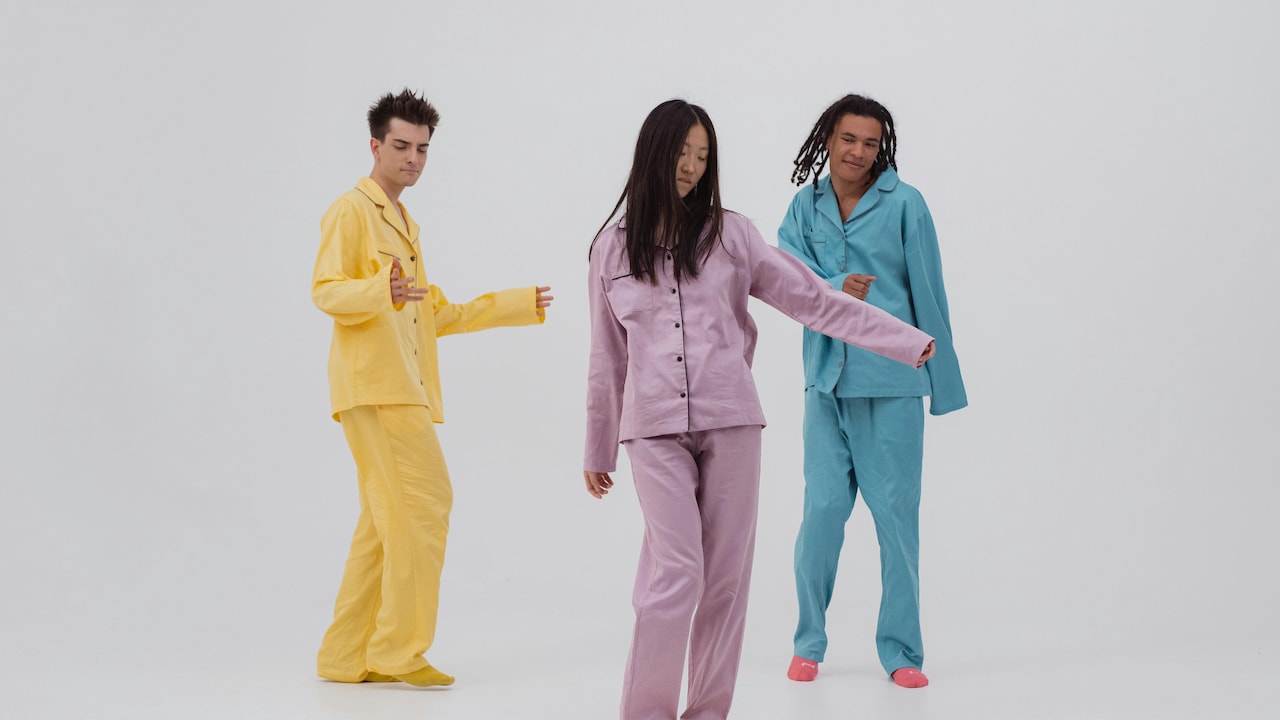
Struggling With Warm Nightwear? Here's Why Even Soft Fabrics Feel Hot at Night
Photo Credit: Pexels
Products Related To This Article
1. Ichaa Women Floral Printed Top & Pyjamas Night suit
2. Levis Men Night suit
3. Marks & Spencer Pure Cotton Pyjama Set With Woven Bottoms
4. Pepe Jeans Men Night suit
5. SANSKRUTIHOMES Women Printed Pure Cotton Night suit
Night suits often feel warmer than expected, not because they fail in design, but because comfort depends on many interconnected factors. Fabric type, body temperature, humidity, bedding and daily habits all shape the experience.
Softness alone does not guarantee coolness. True comfort comes from understanding how materials behave in real conditions and how the body responds during sleep.
Small adjustments, whether in fabric choice, evening routines, or bedding, can make a noticeable difference. A night suit should feel like a gentle companion to rest, not a barrier to it.
In the end, better sleep begins with paying attention to details that often go unnoticed.
(Disclaimer: This article may include references to or features of products and services made available through affiliate marketing campaigns. NDTV Convergence Limited (“NDTV”) strives to maintain editorial independence while participating in such campaigns. NDTV does not assume responsibility for the performance or claims of any featured products or services.)