How To Choose Thermals That Are Warm, But Not Bulky: Buying Guide
Choosing the right thermals isn’t about thickness. From fabric and fit to breathability and layering, this buying guide explains how to stay warm in winter without adding bulk or discomfort.
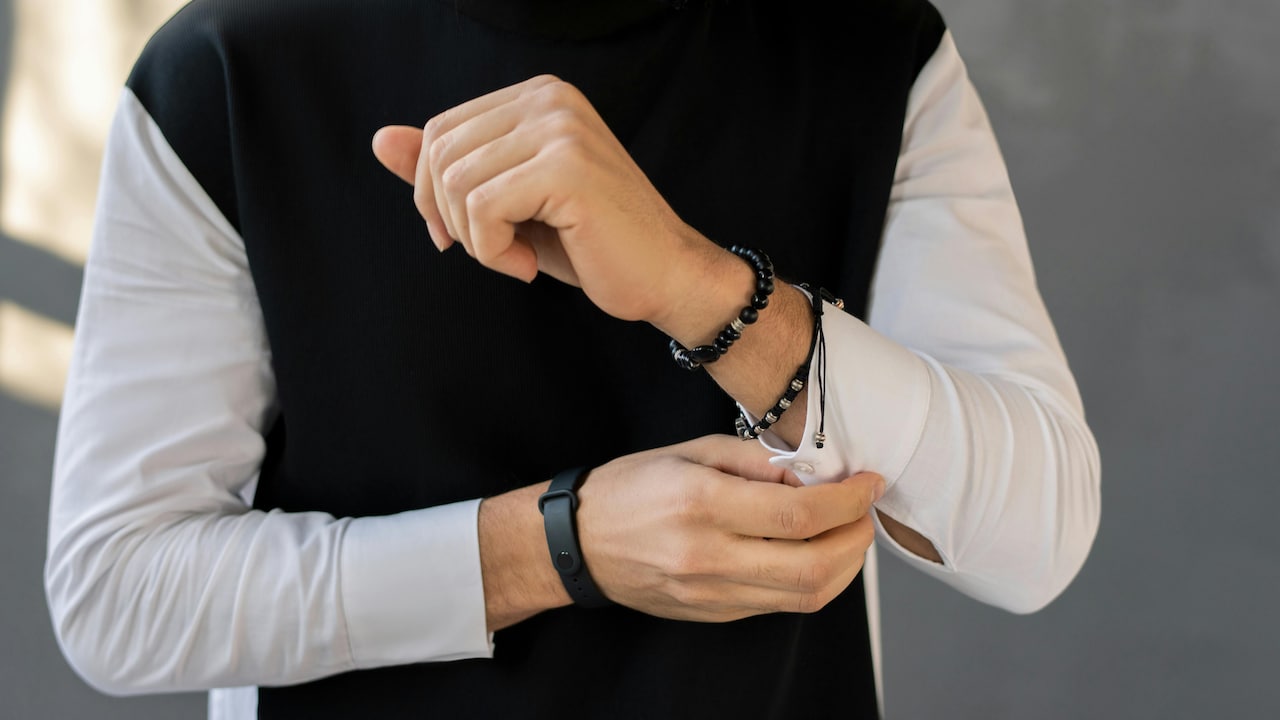
Buying Thermals This Winter? Heres How to Stay Warm Without Resorting To Extra Layers.
Thermals work as the unsung heroes of winter wardrobes. They trap heat, regulate body temperature, and allow lighter outerwear to do its job better. Yet, many people still associate thermals with thick, stiff layers that ruin outfits and restrict movement. That belief belongs in the past. Modern thermals feel sleek, stretch easily, and slip under clothes without drawing attention. The trick lies in choosing wisely. From fabric choices to fit, from climate needs to daily routines, several factors shape the perfect thermal.
This buying guide shows you how to choose thermals that are warm and not bulky at all. It simplifies the process, helping shoppers invest in comfort that lasts through the season.

How To Choose Thermals That Are Warm, But Not Bulky: Buying Guide
Photo Credit: Pexels
Key Factors to Consider Before Choosing Thermals
1. Understand Why Fabric Matters More Than Thickness
The biggest myth around thermals links warmth to thickness. In reality, fabric technology does the heavy lifting. A thin thermal made from high-quality fibres often outperforms a bulky one made from basic materials.
Natural fabrics like merino wool trap heat efficiently while remaining breathable. They regulate temperature well, which helps during fluctuating winter days. On the other hand, synthetic fabrics such as polyester blends dry faster and suit active routines like walking or commuting.
Cotton thermals feel soft but tend to hold moisture, which leads to that unpleasant cold cling. Many shoppers learn this the hard way during long days out. Blended fabrics often strike the best balance, combining softness, stretch, and insulation.
When checking labels, look for keywords like “heat retention”, “moisture-wicking”, or “thermal knit”. These indicate performance-focused design. Spending ₹1,200–₹2,000 on the right fabric saves repeated purchases later. Warmth should come from smart engineering, not unnecessary layers.
2. Choose the Right Fit for Everyday Comfort
A thermal should feel like a second skin, not a compression garment or a loose undershirt. Fit plays a crucial role in warmth and comfort. Air trapped close to the body retains heat, while excess fabric creates cold pockets.
Slim-fit thermals sit smoothly under shirts, sweaters, or kurtas without bunching up. They allow natural movement and prevent that awkward tugging feeling. Overly tight thermals restrict circulation and feel uncomfortable after long hours, especially during travel.
Length matters too. Tops should tuck in easily without riding up, while bottoms should cover ankles properly. Cropped thermals defeat their purpose on cold floors.
Trying thermals on with everyday clothes helps assess fit better. Stretch panels, flat seams, and elastic waistbands add comfort without adding bulk. A well-fitted thermal often feels invisible, which remains the ultimate goal during busy winter days.
Also Read: Top 5 Winter Thermal Innerwear For Men And Women
3. Match Thermals to Local Winter Conditions
Not all winters feel the same. A foggy 10°C morning demands a different thermal than a 3°C hill station getaway. Buying without considering climate leads to discomfort.
Lightweight thermals suit mild winters and indoor-heavy routines. They offer gentle insulation without overheating during daytime. Medium-weight thermals work well for longer outdoor exposure, early morning walks, or evening commutes.
Heavy-duty thermals make sense only for extreme cold or travel to colder regions. Wearing them daily in moderate conditions causes sweating and irritation.
Many brands now categorise thermals by warmth level. Pay attention to those ratings instead of guessing. Keeping two types in the wardrobe often works best: one for daily wear and another for colder days. This approach keeps comfort consistent and avoids that suffocating feeling by noon.
4. Breathability Keeps Warmth Balanced
Warmth without breathability feels like a trap. Once the body heats up, trapped moisture cools down quickly, causing chills. Breathable thermals allow sweat to escape while retaining heat.
Look for moisture-wicking properties, especially for long workdays or active routines. Fabrics designed to pull moisture away from the skin help maintain dryness. This feature proves invaluable during crowded commutes or sudden sunny afternoons.
Ventilated knit patterns and lightweight weaves improve airflow without compromising insulation. Breathable thermals also reduce odour build-up, which matters during extended wear.
Comfort often comes from balance, not extremes. A breathable thermal adapts to changing temperatures, keeping the body comfortable throughout the day. This adaptability makes it one of the most overlooked yet essential buying criteria.
5. Pay Attention to Stitching and Seams
Seams rarely receive attention, yet they influence comfort more than expected. Bulky seams press against the skin, especially under fitted clothes. They also show through thinner outer layers.
Flatlock stitching solves this problem. It lies smoothly against the skin and reduces friction. This detail matters during long hours of sitting, walking, or travelling.
Poor stitching shortens a thermal's lifespan. Loose threads and weak seams lead to stretching and tearing after a few washes. Investing in well-constructed thermals saves replacement costs later.
Check the inside of the garment before buying. Even stitching, reinforced stress points, and smooth joins indicate quality. Comfort often hides in these small details, making daily wear noticeably better.
6. Stretch and Mobility Make a Big Difference
Thermals should move with the body, not fight it. Stretchable fabrics enhance comfort during everyday activities like bending, sitting cross-legged, or climbing stairs.
Elastane or spandex blends improve flexibility without adding bulk. These materials help thermals retain shape after repeated wear and washing. A good stretch also ensures a snug fit that adapts to body movement.
Restricted movement quickly turns warm clothing into a nuisance. Stretch-friendly thermals feel effortless, almost forgettable, which makes them ideal for long days.
Testing stretch by gently pulling the fabric helps assess elasticity. Quality thermals bounce back easily without sagging. Mobility adds to comfort, which ultimately defines how often a thermal gets worn.
7. Skin Sensitivity and Comfort Come First
Winter skin often feels dry and sensitive. Rough fabrics or chemical finishes can cause irritation, itching, or rashes. Comfort against the skin should never take a back seat.
Hypoallergenic fabrics suit sensitive skin better. Natural fibres or well-treated synthetics reduce irritation risks. Smooth textures feel gentler during prolonged wear.
Avoid thermals with scratchy inner surfaces or strong chemical smells. These signs indicate poor processing. Washing thermals before first use helps remove residual treatments.
Comfort encourages consistent wear. A thermal that feels pleasant against the skin becomes a winter staple rather than a last resort. Warmth should feel soothing, not irritating.
8. Weight and Layering Compatibility Matter
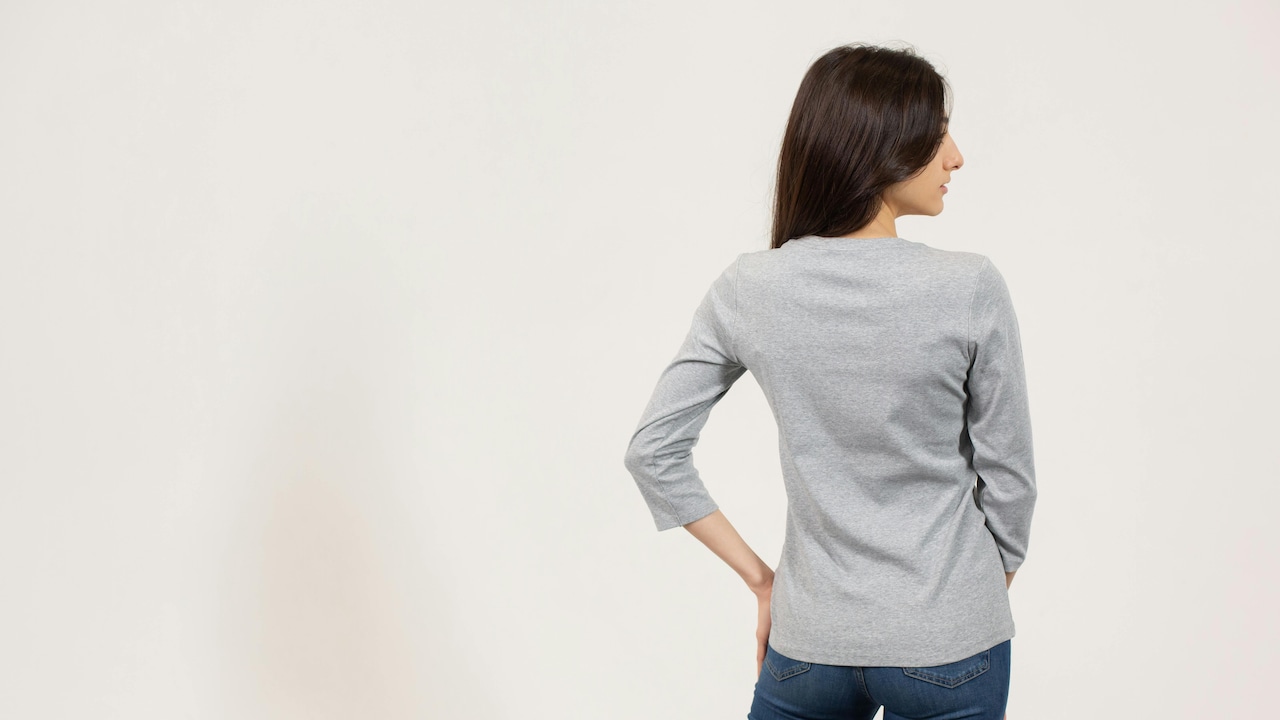
Bulky thermals defeat their purpose when layering. They add volume under clothes, making outfits feel tight and awkward. Lightweight thermals layer effortlessly under shirts, sweaters, and jackets.
Consider daily outfits while choosing thermals. Office wear, casual clothes, or festive attire all require different layering needs. Sleek thermals preserve outfit structure and comfort.
Modern designs focus on heat retention through fabric technology rather than weight. These thermals feel thin yet warm, allowing stylish layering without compromise.
Trying thermals under regular clothes during fitting offers better judgement. If movement feels restricted or clothes look distorted, the thermal adds unnecessary bulk. Lightweight designs usually deliver the best balance.
How To Choose Thermals That Are Warm, But Not Bulky: Buying Guide
Photo Credit: Pexels
9. Durability and Easy Care Save Money
Thermals endure frequent washing during winter. Poor-quality ones lose shape, pill, or thin out quickly. Durability ensures value for money.
Check washing instructions before buying. Machine-washable thermals simplify care routines. Fabrics that retain softness after washing feel more comfortable over time.
Avoid thermals that demand special care unless truly necessary. Everyday wear requires practicality. Spending ₹1,500 on a durable pair beats replacing ₹800 thermals every season.
Quality fabrics resist stretching and fading. They maintain fit and warmth even after months of use. Durability often reflects thoughtful design and better materials.
10. Price, Brand Trust, and Smart Shopping Tips
Price alone does not guarantee quality, but extremely cheap thermals often compromise on comfort. Trusted brands invest in fabric research, fit testing, and durability.
Seasonal sales offer good deals. Buying thermals early in winter ensures better variety and sizing. Reading reviews helps gauge real-world performance.
Avoid impulse buying multi-packs without checking fabric and fit. One excellent thermal outperforms three uncomfortable ones. Budget between ₹1,000–₹2,500 per piece for reliable quality.
Shopping smart reduces regrets. The right thermal feels worth every rupee spent, offering warmth, comfort, and longevity throughout winter.
Products Related To This Article
1. LUX INFERNO Women Top Thermal
2. OSWAL INNER Oswal Men Thermal Set Winter Wear Warmer
3. Bigkrazi Oswal Warmer Winter Innerwear Men Top
4. OSWAAL oswaal men thermal for men set warmer for winter Men Top
5. LUX COTT'S WOOL Men Top Thermal
Choosing thermals that feel warm without bulk transforms winter dressing. Comfort improves, outfits look better, and daily routines feel easier. The right thermal works quietly, supporting warmth without drawing attention. Smart thermals provide warmth through design and material, not thickness. With thoughtful selection, winter mornings feel less daunting and far more comfortable.
(Disclaimer: This article may include references to or features of products and services made available through affiliate marketing campaigns. NDTV Convergence Limited (“NDTV”) strives to maintain editorial independence while participating in such campaigns. NDTV does not assume responsibility for the performance or claims of any featured products or services.)